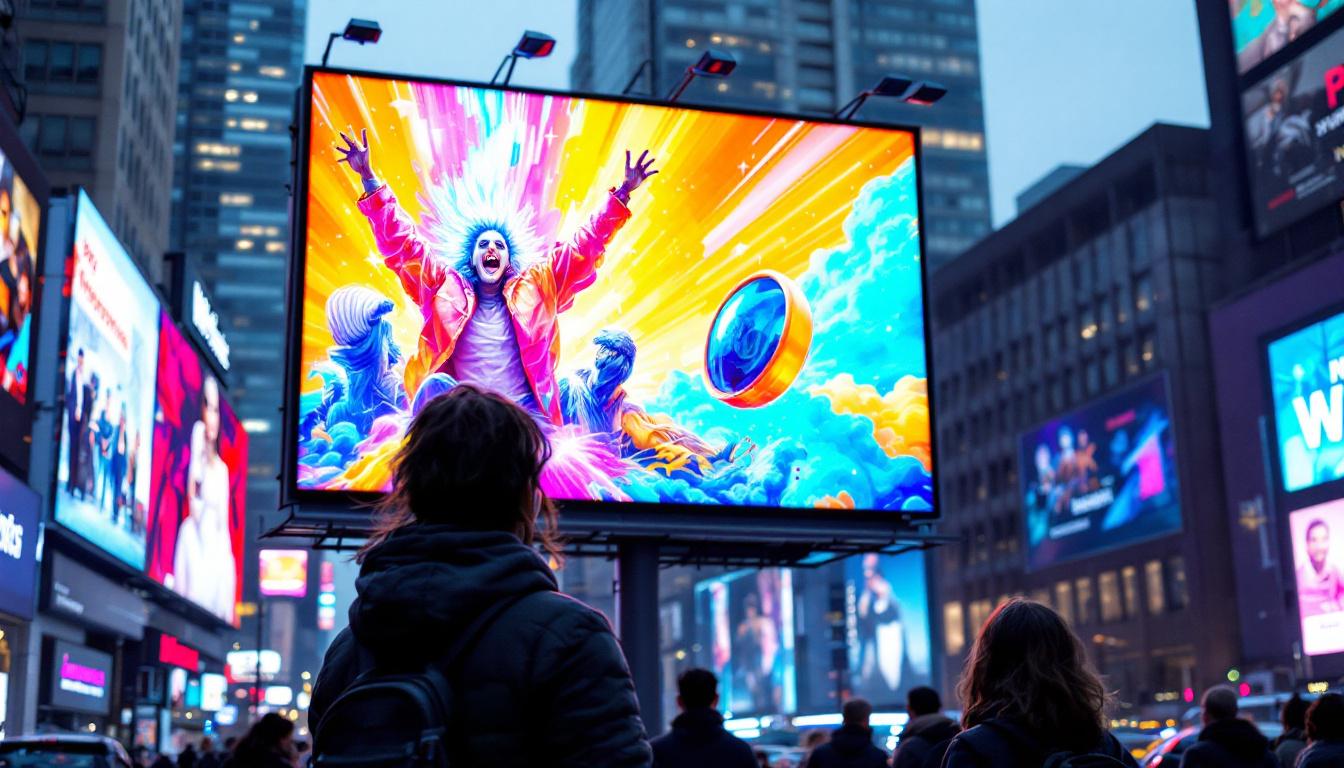
In today’s fast-paced commercial environment, grabbing customer attention is more challenging than ever. Traditional static signage often fails to engage modern consumers who are bombarded with information from every direction. This is where programmable LED signs come into play, offering businesses a dynamic and versatile way to communicate messages effectively. This article explores the technology behind LED displays, their benefits for businesses, and practical tips for maximizing their impact.
Understanding Programmable LED Signs
What Are Programmable LED Signs?
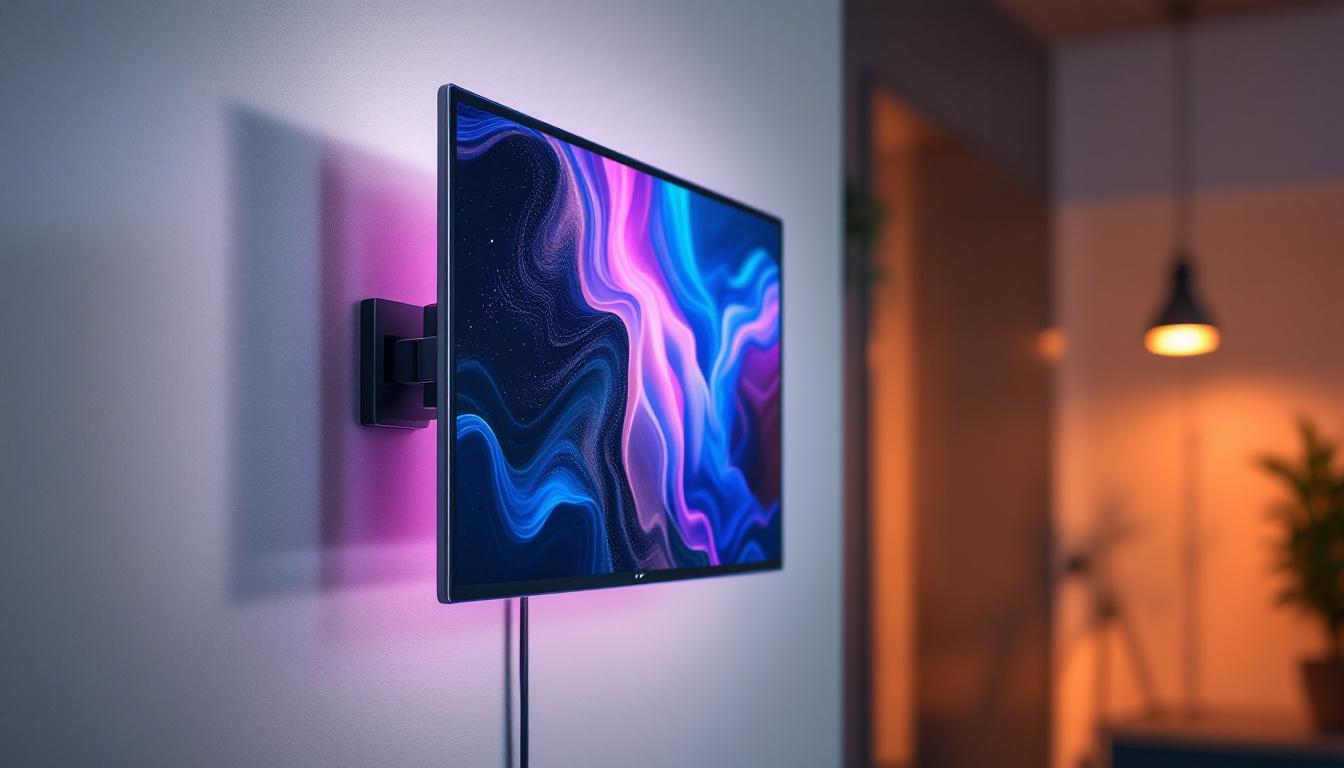
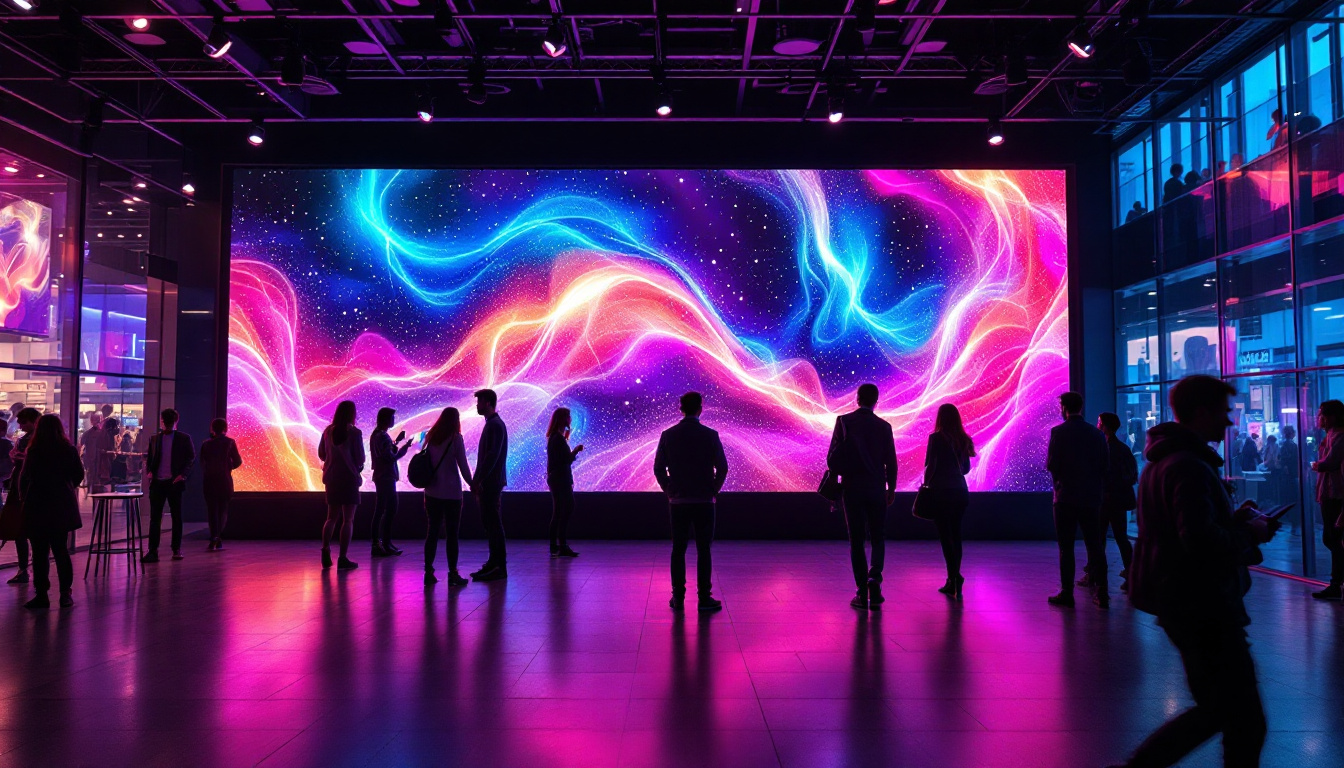
Programmable LED signs are digital display boards composed of light-emitting diodes (LEDs) that can be controlled and updated remotely via software. Unlike conventional signs, these displays allow businesses to change messages, graphics, and animations in real-time, providing a flexible communication tool that adapts to various marketing needs.
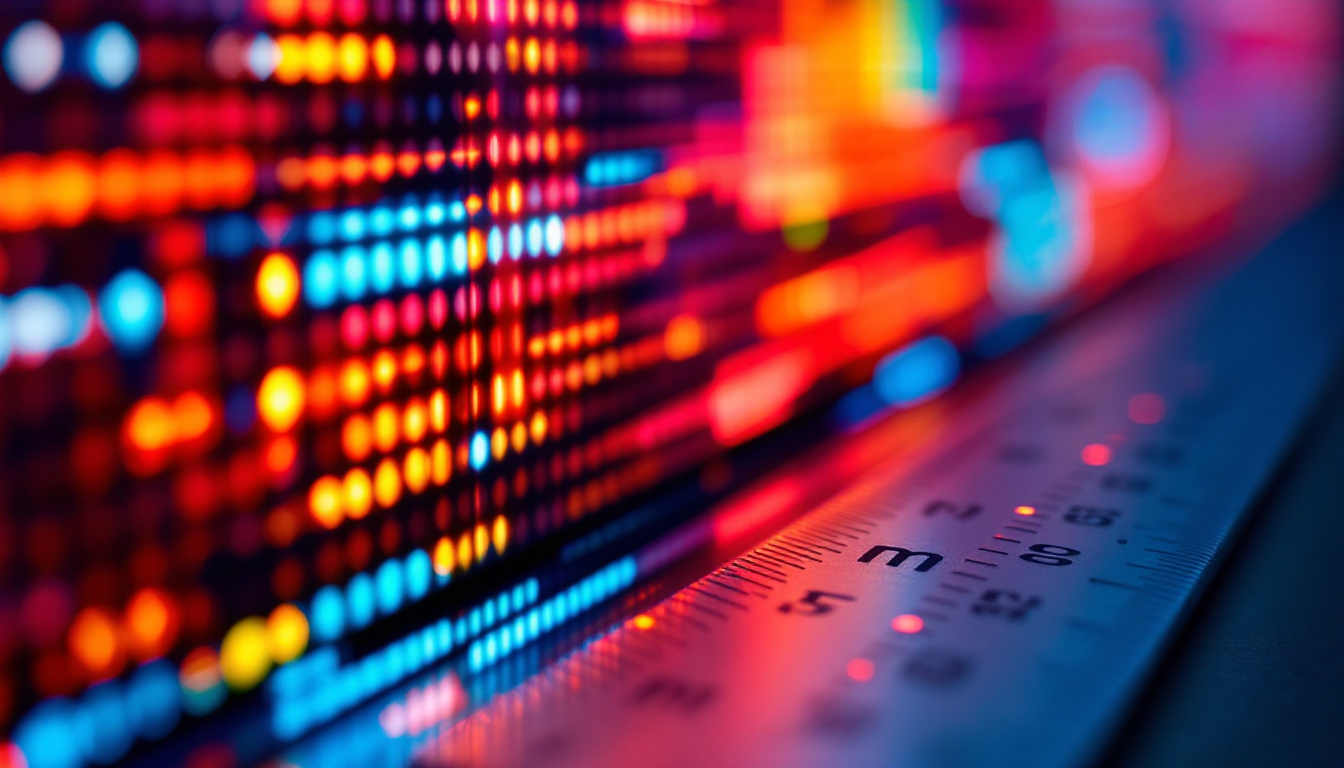
The core technology involves tiny LEDs arranged in a grid, which can be individually controlled to produce text, images, and videos. The programmability aspect means that content can be scheduled, customized, and refreshed frequently without the need for physical replacements or manual interventions. This capability not only enhances the efficiency of communication but also allows businesses to respond swiftly to changing circumstances, such as promotions, events, or emergencies, ensuring that their messaging remains relevant and timely.
Types of LED Displays
LED signs come in several formats, each suited to different business environments and purposes:
- Single-Color Displays: Typically red or amber LEDs, these are cost-effective and ideal for simple text messages or announcements.
- Full-Color Displays: Capable of showing a wide range of colors and complex graphics, these are perfect for vibrant advertisements and branding.
- Indoor vs Outdoor: Outdoor LED signs are built to withstand weather conditions and have higher brightness levels for visibility in sunlight, while indoor signs focus on resolution and color accuracy.
In addition to these types, businesses can also choose between fixed and dynamic displays. Fixed displays are stationary and show a single message or image, while dynamic displays can cycle through multiple messages or animations, capturing the attention of passersby more effectively. Furthermore, advancements in technology have led to the development of transparent LED displays, which can be integrated into glass surfaces, allowing for eye-catching advertisements without obstructing visibility. This innovation opens up new possibilities for retail environments, where showcasing products while promoting brand messages becomes a seamless experience.
Moreover, the integration of smart technology into programmable LED signs has transformed the way businesses engage with their audience. Many modern signs can be connected to the internet, enabling real-time updates and analytics. This connectivity allows businesses to monitor the effectiveness of their messaging, adjust content based on audience engagement, and even synchronize displays across multiple locations. As a result, programmable LED signs not only serve as a powerful marketing tool but also as a data-driven asset that can enhance overall business strategy.
Why Businesses Should Invest in Programmable LED Signs
Enhanced Visibility and Engagement
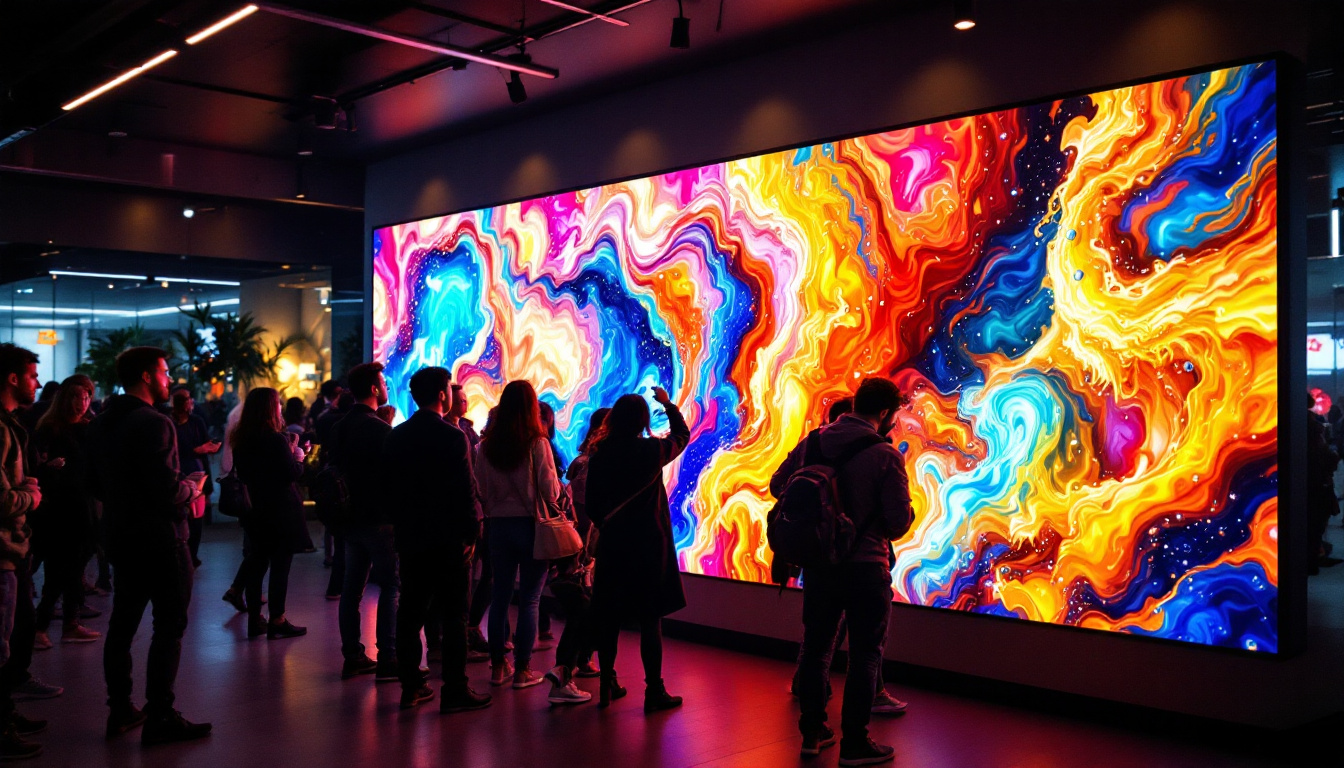
LED signs are known for their brightness and clarity, making them visible from long distances and in various lighting conditions. According to a study by the Outdoor Advertising Association of America, digital signs can increase customer engagement by up to 400% compared to static signs. This heightened visibility translates into more foot traffic and higher brand awareness.
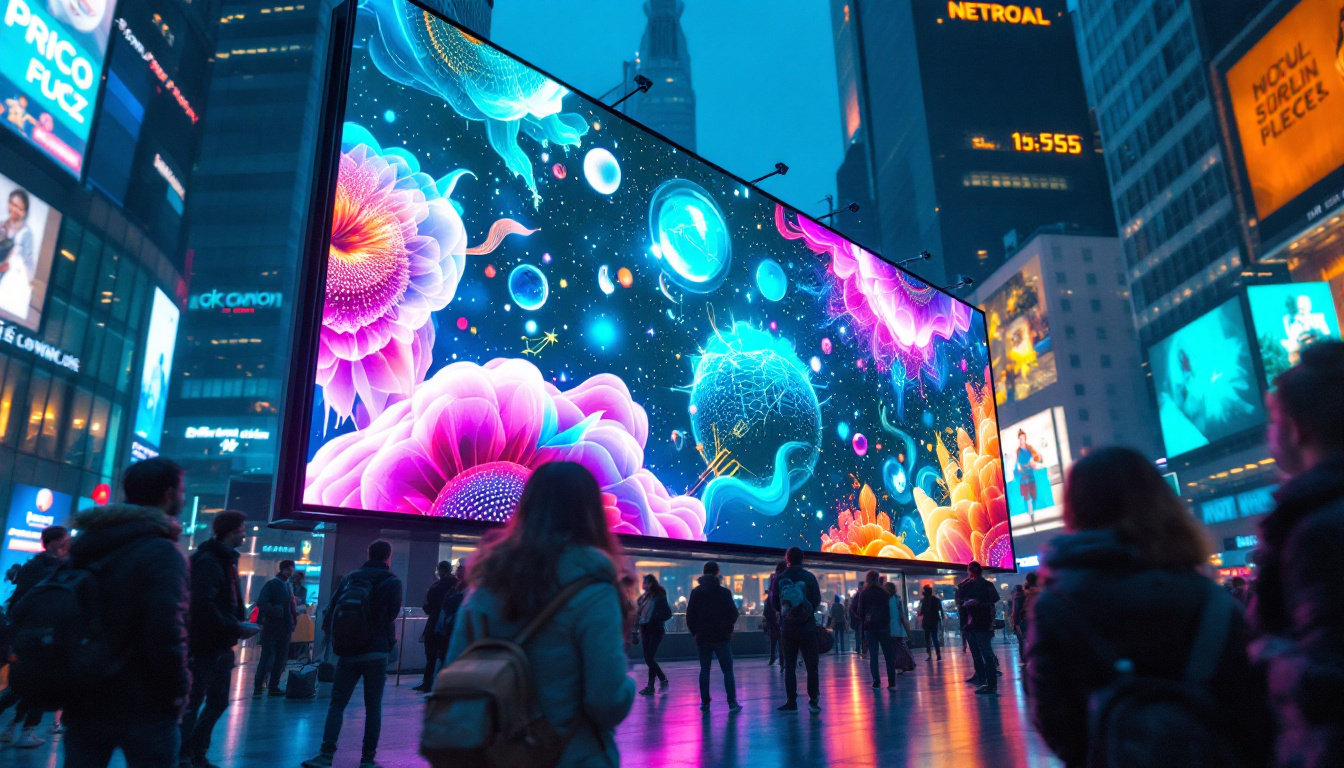
Moreover, the ability to display dynamic content such as animations, countdowns, and real-time updates captures attention more effectively than static signage. This is particularly valuable in high-traffic areas where businesses compete for consumer focus. For instance, a retail store can showcase flash sales or limited-time offers through eye-catching animations, prompting immediate action from passersby. Additionally, the use of vibrant colors and high-resolution graphics can create a memorable visual impact, ensuring that the brand remains top-of-mind for potential customers.
Cost-Effectiveness Over Time
While the initial investment in programmable LED signs may be higher than traditional signage, the long-term savings are significant. Businesses save on printing, installation, and labor costs associated with changing static signs. Content updates can be done instantly through software, enabling timely promotions and messaging without additional expenses.
Furthermore, LED technology is energy-efficient and has a long lifespan, reducing maintenance and electricity costs. Many modern LED signs consume up to 80% less energy than incandescent or fluorescent alternatives, making them an eco-friendly choice as well. This energy efficiency not only lowers operational costs but also aligns with the growing consumer preference for sustainable practices, enhancing the brand’s reputation as environmentally conscious. Over time, these savings can be reinvested into other areas of the business, fostering growth and innovation.
Flexibility and Customization
One of the greatest advantages of programmable LED signs is their adaptability. Businesses can tailor messages to specific times of day, seasons, or events, creating personalized marketing campaigns that resonate with their target audience. For example, a restaurant can promote breakfast specials in the morning and dinner deals in the evening without changing physical signage.
This flexibility also supports multi-language displays, emergency alerts, and interactive content, enhancing communication with diverse customer bases and improving overall customer experience. Additionally, businesses can leverage social media integration to display user-generated content or live feeds, creating a sense of community and engagement. For instance, a gym could showcase member achievements or upcoming fitness challenges, encouraging participation and fostering a loyal customer base. This level of customization not only enhances the effectiveness of marketing strategies but also allows businesses to stay relevant in a fast-paced, ever-changing market landscape.
How Programmable LED Signs Work
Components of an LED Display System
An LED sign system typically consists of several key components working together:
- LED Modules: These are the building blocks of the display, containing clusters of LEDs arranged in pixels.
- Control System: A computer or dedicated controller that manages the content displayed by sending signals to the LED modules.
- Software Interface: User-friendly software allows operators to design, schedule, and update content remotely.
- Power Supply: Provides the necessary electricity to the LEDs and control units.
Programming and Content Management
Content for programmable LED signs is created and managed through specialized software platforms. These tools offer drag-and-drop interfaces, templates, and scheduling functions that simplify the process. Users can upload images, videos, and text, then arrange them into playlists that run on the display at specified times.
Advanced systems support real-time data integration, enabling displays to show live information such as news, weather, social media feeds, or stock prices. This capability enhances the relevance and timeliness of the messages, fostering stronger engagement.
Effective Uses of Programmable LED Signs in Business
Retail and Hospitality
Retailers use programmable LED signs to promote sales, new arrivals, and special events. The ability to update content instantly allows stores to respond quickly to market trends and customer preferences. For example, a clothing store can advertise a flash sale or highlight seasonal collections without delay.
In the hospitality sector, hotels and restaurants leverage LED signs to display menus, welcome messages, and event schedules. Digital signage enhances guest experience by providing clear, attractive information that can be updated as needed.
Transportation and Public Services
LED displays are widely used in transportation hubs such as airports, train stations, and bus terminals to provide real-time updates on schedules, delays, and safety information. Their high visibility and dynamic content capabilities ensure passengers receive timely and accurate information.
Public service organizations also utilize programmable LED signs for community announcements, emergency alerts, and public health messages, demonstrating their versatility beyond commercial applications.
Corporate and Industrial Applications
Businesses use programmable LED signs within corporate campuses and industrial sites to communicate safety protocols, production targets, and internal announcements. These signs help improve operational efficiency and workplace safety by keeping employees informed and engaged.
Choosing the Right Programmable LED Sign for Your Business
Assessing Your Business Needs
Before investing in an LED sign, it’s essential to evaluate your specific requirements. Consider factors such as:
- Location and environmental conditions (indoor vs outdoor)
- Message complexity and color requirements
- Viewing distance and audience size
- Budget constraints and expected return on investment
Understanding these elements will guide you toward the most suitable type and size of LED display for your business.
Technical Specifications to Consider
Important technical aspects include:
- Resolution: Higher pixel density results in clearer images, especially for close viewing distances.
- Brightness: Measured in nits, this determines visibility in different lighting conditions.
- Refresh Rate: A higher refresh rate reduces flicker and improves the quality of video playback.
- Viewing Angle: Wider angles ensure the display is visible from various positions.
Installation and Maintenance
Proper installation is critical for optimal performance and longevity. Professional installation ensures the sign is securely mounted, correctly wired, and calibrated. Additionally, routine maintenance such as cleaning and software updates helps prevent malfunctions and keeps the display looking its best.
Future Trends in Programmable LED Signage
Integration with IoT and AI
Emerging technologies are transforming programmable LED signs into smarter communication tools. Integration with the Internet of Things (IoT) allows signs to interact with other devices and sensors, enabling context-aware messaging. For instance, a sign could display different content based on weather conditions or foot traffic patterns.
Artificial intelligence (AI) can analyze customer behavior and optimize content delivery for maximum impact. This level of automation and personalization is expected to become standard in the near future, offering businesses even greater marketing power.
Energy Efficiency and Sustainability
As sustainability becomes a priority, LED manufacturers are developing more energy-efficient components and eco-friendly production methods. Solar-powered LED signs and recyclable materials are gaining traction, helping businesses reduce their environmental footprint while maintaining effective communication.
Conclusion
Programmable LED signs represent a powerful tool for businesses seeking to enhance visibility, engage customers, and communicate dynamically. Their flexibility, cost-effectiveness, and technological sophistication make them a worthwhile investment across various industries. By understanding the technology, evaluating business needs, and staying abreast of future trends, companies can leverage LED displays to create compelling marketing strategies that stand out in a crowded marketplace.
As digital signage continues to evolve, businesses that adopt programmable LED signs will be better positioned to connect with their audiences and drive growth in an increasingly competitive landscape.
Discover LumenMatrix’s Innovative LED Solutions
Ready to elevate your business communication and captivate your audience with cutting-edge LED technology? Explore LumenMatrix’s comprehensive range of LED display solutions, from vibrant Indoor and Outdoor LED Wall Displays to dynamic Vehicle and Sports LED Displays. Whether you’re looking to create an immersive Floor LED Display, a sleek LED Poster, or require a Custom LED solution, LumenMatrix has you covered. Embrace the future of visual engagement with our All-in-One and Transparent LED Displays. Check out LumenMatrix LED Display Solutions today and transform your brand’s visibility with unparalleled clarity and impact.