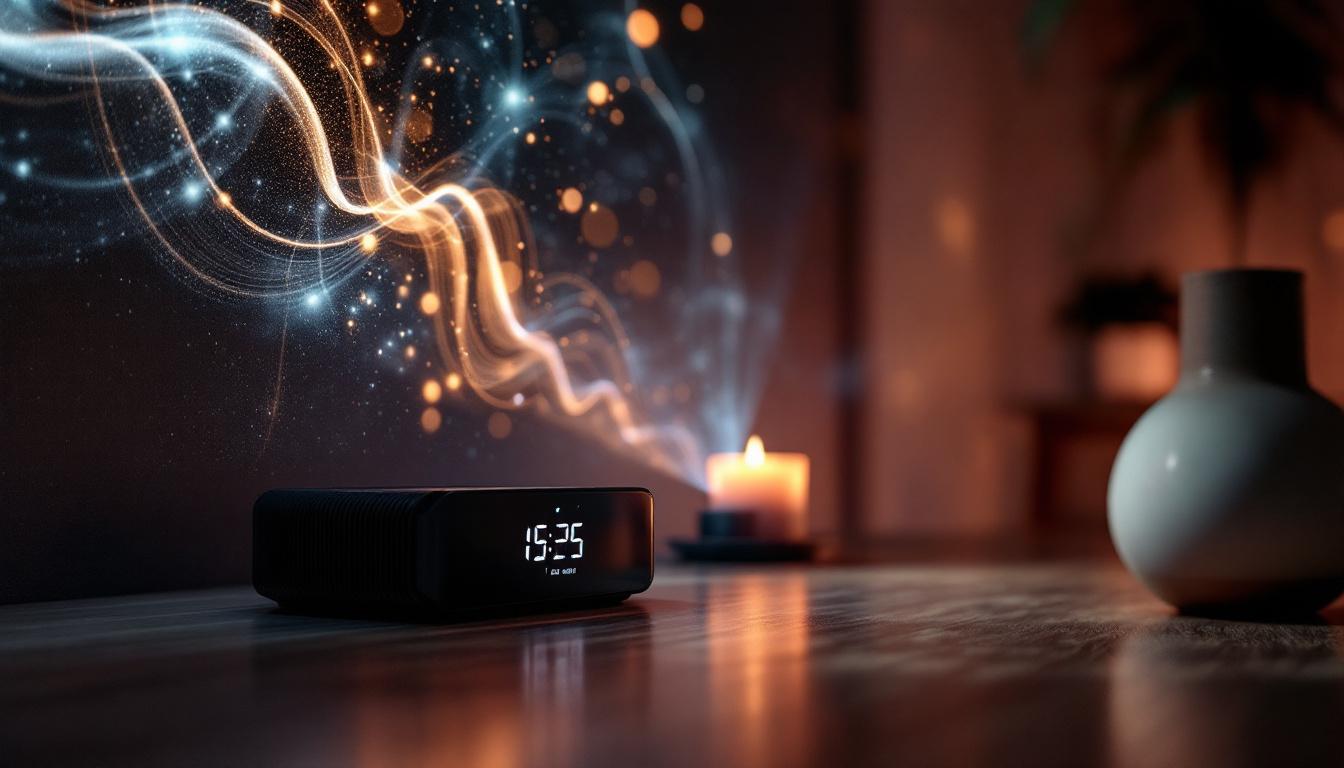
In today’s fast-paced world, keeping track of time efficiently and stylishly has become more important than ever. Among the many innovations in timekeeping devices, projector clock walls with LED displays have gained remarkable popularity. These devices combine advanced technology with sleek design, offering users a unique way to view time projected onto walls or ceilings. This article delves into the technology behind projector clock walls, focusing on LED displays, their benefits, and how they are transforming modern timekeeping.
Understanding Projector Clock Walls
What Is a Projector Clock Wall?
A projector clock wall is a timekeeping device that projects the current time onto a surface such as a wall or ceiling. Unlike traditional clocks that rely on physical hands or digital screens, projector clocks use light to display the time, often in large, easily readable digits. This feature makes them particularly useful in bedrooms, offices, or any space where a quick glance at the time is needed without turning or adjusting one’s position.
These clocks typically combine a digital clock mechanism with a small projector unit. The projector casts the time onto a flat surface, and the display can often be adjusted for focus, brightness, and orientation to suit the user’s preferences. This innovative design merges functionality with convenience, making it a popular choice for tech-savvy consumers.
How Do Projector Clocks Work?
The core principle behind projector clocks is the use of a light source to project numerals onto a surface. Early models used incandescent bulbs or simple LEDs, but modern versions employ advanced LED displays combined with optical lenses to create sharp, bright images. The clock’s internal circuitry controls the timekeeping and sends signals to the projector, which then displays the time in real-time.
Many projector clocks incorporate additional features such as alarms, temperature displays, and even calendar functions. The projection angle can often be adjusted, allowing users to customize where the time appears, whether on a wall, ceiling, or other flat surfaces. This flexibility enhances usability, especially in dark or dimly lit environments.
The Role of LED Displays in Projector Clocks
What Makes LED Displays Ideal for Projection?
Light Emitting Diodes (LEDs) have revolutionized display technology across various applications, including projector clocks. Their small size, energy efficiency, and brightness make them an excellent choice for projecting clear, vivid images. LEDs can produce sharp, high-contrast digits that remain visible even in low-light conditions, which is essential for a clock meant to be read easily at night.
Compared to older technologies like incandescent bulbs or fluorescent lights, LEDs consume significantly less power and have a longer lifespan. This efficiency translates into longer battery life for portable projector clocks and reduced energy consumption for plug-in models. Additionally, LEDs generate less heat, which helps maintain the device’s durability and safety.
Types of LED Displays Used in Projector Clocks
Projector clocks utilize various types of LED displays, each with unique advantages:
- 7-Segment LED Displays: These are the most common and consist of seven individual LED segments arranged to form numerals. They are simple and cost-effective, making them popular in basic projector clocks.
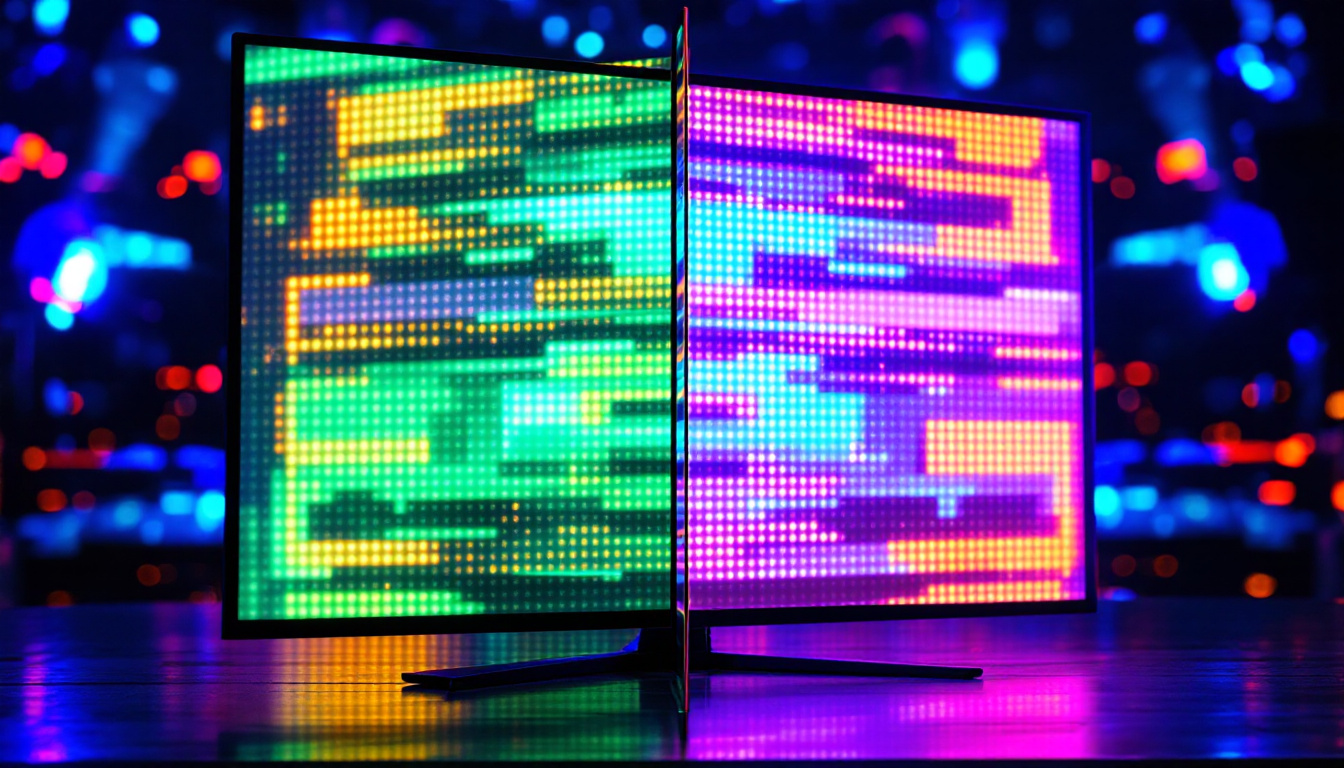
- Dot Matrix LED Displays: These consist of a grid of LEDs that can form numbers and letters with more flexibility. They allow for more complex displays, including additional information like temperature or date.
- OLED Displays: Although less common in projector clocks, Organic LED (OLED) displays offer superior contrast and color vibrancy. They are sometimes used in premium models for enhanced visual appeal.
The choice of LED display impacts the clarity, size, and style of the projected time, influencing both aesthetics and functionality.
Benefits of Using Projector Clock Walls with LED Displays
Enhanced Visibility and Convenience
One of the most significant advantages of projector clock walls is their enhanced visibility. The projected time can be displayed in large, bright digits that are easy to read from a distance or in the dark. This feature is especially beneficial for individuals with impaired vision or those who prefer not to disturb their sleep by looking at a bright screen.
Moreover, the ability to project time onto a ceiling or wall means users don’t need to turn their heads or sit up to check the time. This convenience is particularly appreciated in bedrooms, where minimal movement is preferred during the night.
Modern Aesthetic Appeal
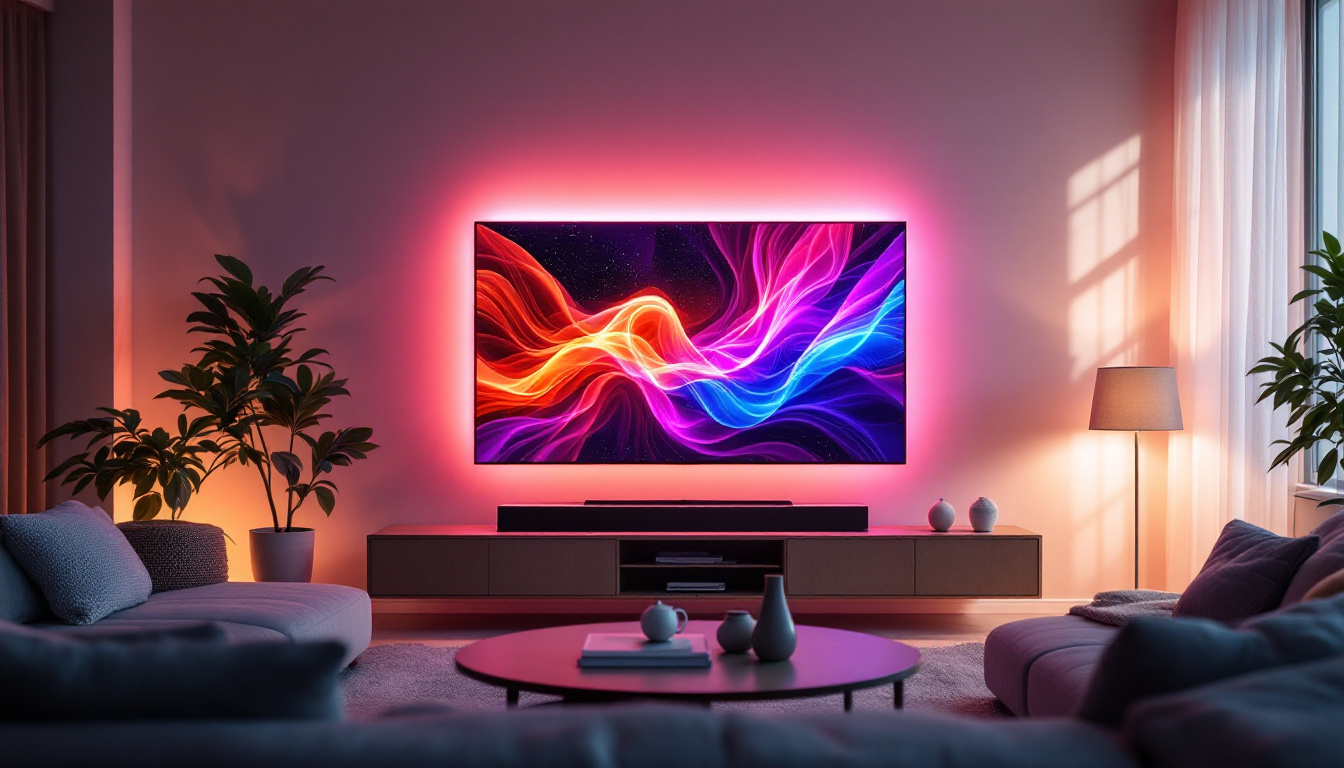
Projector clocks with LED displays offer a sleek, futuristic look that complements modern interior design. Unlike traditional clocks that occupy wall space or bedside tables, projector clocks can be mounted discreetly or placed on a nightstand without cluttering the room.
The projected display itself can be customized in terms of color, size, and brightness, allowing users to match their décor or mood. This customization enhances the ambiance of a room, making the projector clock both a functional and decorative element.
Energy Efficiency and Durability
Thanks to LED technology, projector clock walls are highly energy-efficient. LEDs consume less power than other light sources, which is crucial for devices that operate continuously. This efficiency reduces electricity costs and environmental impact.
Additionally, LEDs have a longer operational life, often exceeding 50,000 hours. This longevity means fewer replacements and less maintenance, contributing to the device’s overall reliability and cost-effectiveness.
Technical Considerations When Choosing a Projector Clock Wall
Brightness and Contrast
Brightness is a critical factor in projector clocks since the time must be clearly visible under various lighting conditions. Most modern projector clocks allow users to adjust brightness levels to suit daytime or nighttime use. High contrast between the digits and the projection surface enhances readability, so choosing a model with adjustable contrast settings can improve user experience.
Projection Distance and Angle
The effective projection distance varies between models. Some projector clocks are designed for short-range projection onto nearby walls or ceilings, while others can project time up to several meters away. Understanding the intended placement and room size is essential to select a projector clock with appropriate projection capabilities.
Adjustable projection angles are also important, allowing users to position the time display exactly where it is most convenient. Many models feature swivel or tilt mechanisms to facilitate this customization.
Additional Features
Beyond basic time display, projector clocks often come with a range of additional features that enhance their utility:
- Alarm Functions: Multiple alarms with snooze options are common, making these clocks suitable for bedrooms.
- Temperature Display: Some models project indoor or outdoor temperature alongside the time.
- Radio and Sound: Integrated FM radios or nature sounds can provide soothing wake-up experiences.
- Power Options: Battery operation, USB charging, or AC power provide flexibility in placement and use.
Choosing a model with features that align with personal needs ensures maximum satisfaction and functionality.
Practical Applications and User Experiences
Use in Bedrooms and Living Spaces
Projector clocks are especially popular in bedrooms, where their ability to display time on the ceiling allows users to check the time without disturbing their rest. This feature is particularly beneficial for shift workers or those with irregular sleep schedules who need to monitor time during the night.
In living rooms or offices, projector clocks serve as both a functional timepiece and a conversation starter. Their modern design and unique display method add a technological flair to any space.
Accessibility Benefits
For individuals with visual impairments or mobility challenges, projector clocks offer significant advantages. The large, bright projections are easier to see than small digital displays or analog clock faces. Additionally, the ability to project time onto a surface within easy view reduces the need for physical movement, enhancing accessibility and convenience.
Consumer Trends and Market Growth
The global market for smart clocks and projection devices has seen steady growth, with an increasing number of consumers seeking innovative home gadgets. According to recent industry reports, the smart clock segment is expected to grow at a compound annual growth rate (CAGR) of over 8% through 2027, driven by rising demand for multifunctional and aesthetically pleasing timekeeping devices.
Projector clock walls with LED displays are positioned well within this trend, combining smart technology with user-friendly design. As consumers continue to prioritize convenience and style, these devices are likely to become even more mainstream.
Maintaining and Optimizing Your Projector Clock Wall
Cleaning and Care
Maintaining the projector clock wall involves regular cleaning of the projector lens and LED display to ensure clear projection. Dust and smudges can reduce brightness and sharpness, so using a soft, lint-free cloth to gently clean the lens is recommended.
Avoid using harsh chemicals or abrasive materials, as these can damage the delicate components. Keeping the device in a dust-free environment also prolongs its lifespan.
Optimizing Projection Quality
To achieve the best projection quality, consider the color and texture of the projection surface. Light-colored, smooth walls or ceilings provide the clearest display, while textured or dark surfaces can diminish visibility.
Adjusting the focus and angle of the projector regularly ensures that the time remains sharp and correctly oriented. Many models include easy-to-use focus rings or digital adjustment options to facilitate this process.
Battery and Power Management
If your projector clock is battery-operated, using high-quality rechargeable batteries can reduce waste and save costs over time. For plug-in models, ensure that power cords are safely managed to prevent tripping hazards or damage.
Some projector clocks feature power-saving modes that dim the projection or turn it off during daylight hours, further enhancing energy efficiency.
Conclusion: The Future of Time Display with Projector Clock Walls
Projector clock walls with LED displays represent a fascinating intersection of technology and design, offering users a practical yet stylish way to keep track of time. Their enhanced visibility, energy efficiency, and customizable features make them an attractive choice for modern living spaces.
As LED technology continues to advance and consumer preferences evolve, projector clocks are poised to incorporate even more smart features, such as integration with home automation systems, voice control, and adaptive brightness based on ambient light. These innovations will further enhance convenience and user experience.
For anyone looking to upgrade their timekeeping devices, understanding the technology and benefits of projector clock walls with LED displays is essential. They not only tell time but also enhance the ambiance and functionality of any room, making them a smart investment for the future.
Discover the Future of LED Timekeeping with LumenMatrix
Embrace the innovation and style of LED display technology with LumenMatrix, a pioneer in creating visually stunning and efficient LED solutions. Whether you’re looking to transform your living space or enhance your business environment, LumenMatrix offers a diverse range of LED display modules, including projector clock walls that redefine the way we experience time. Elevate your space with our Indoor LED Wall Display, Outdoor LED Wall Display, and more, all designed to deliver unparalleled visual impact. Check out LumenMatrix LED Display Solutions today and step into the future of digital display technology.