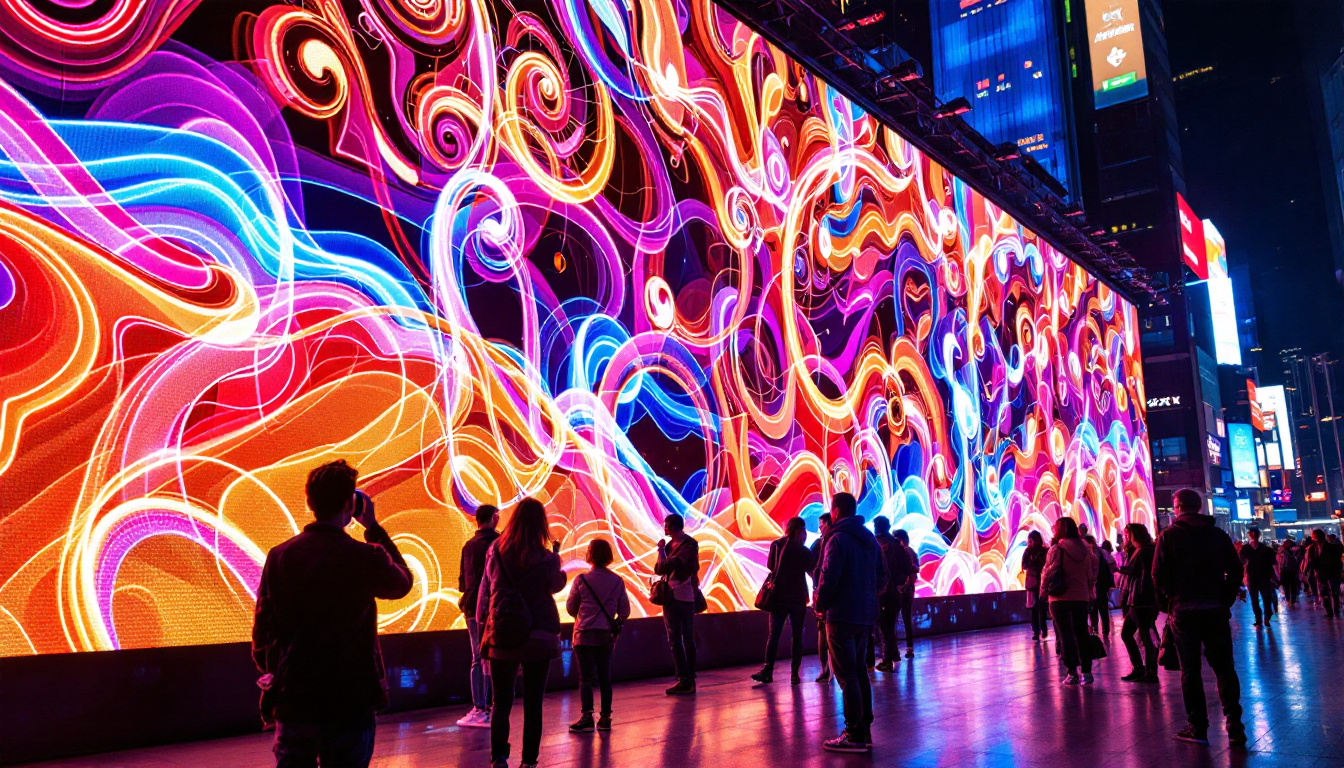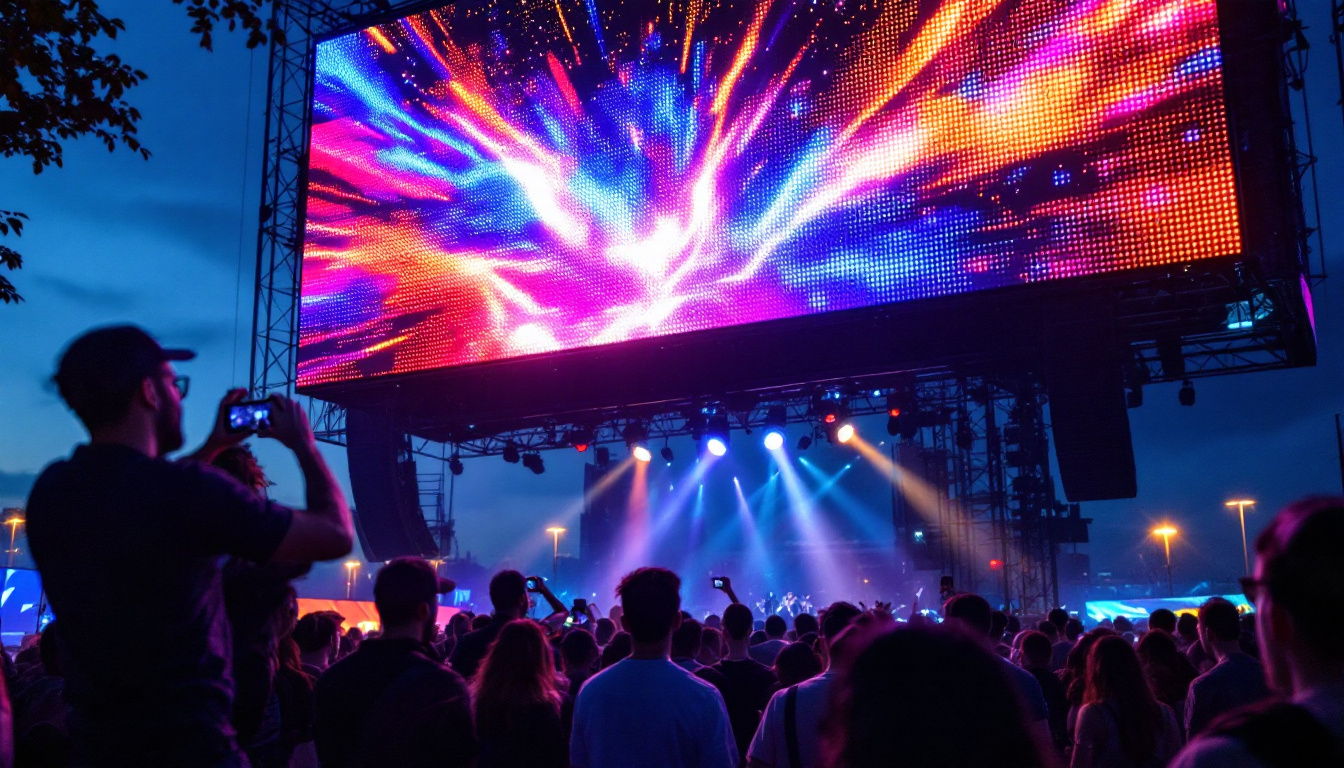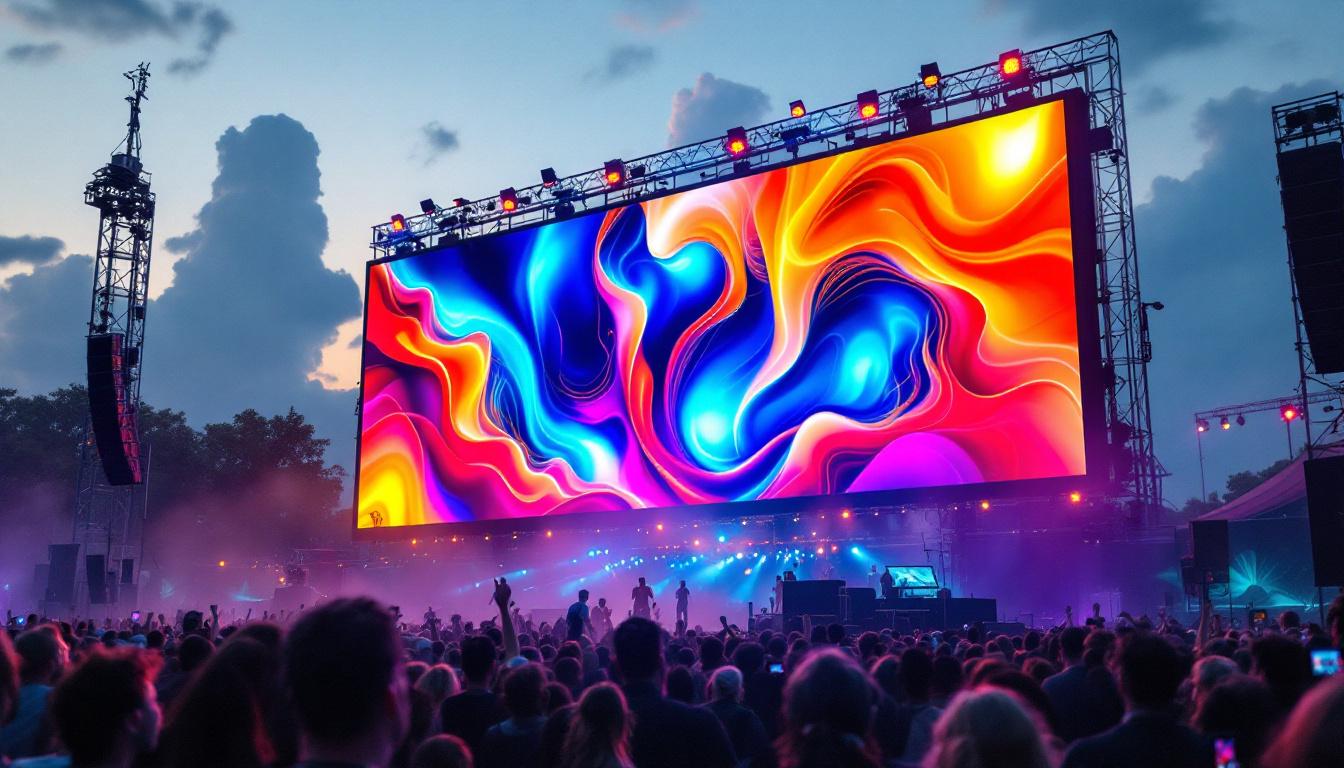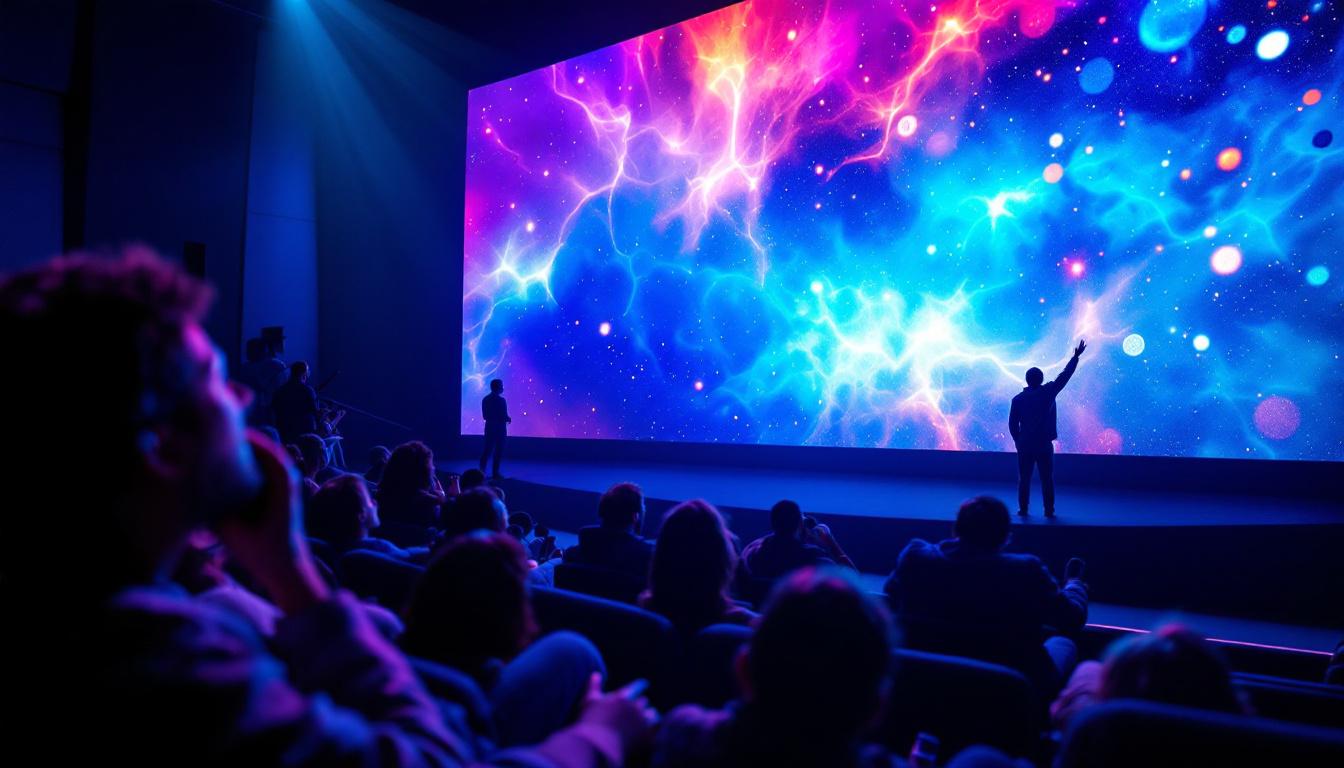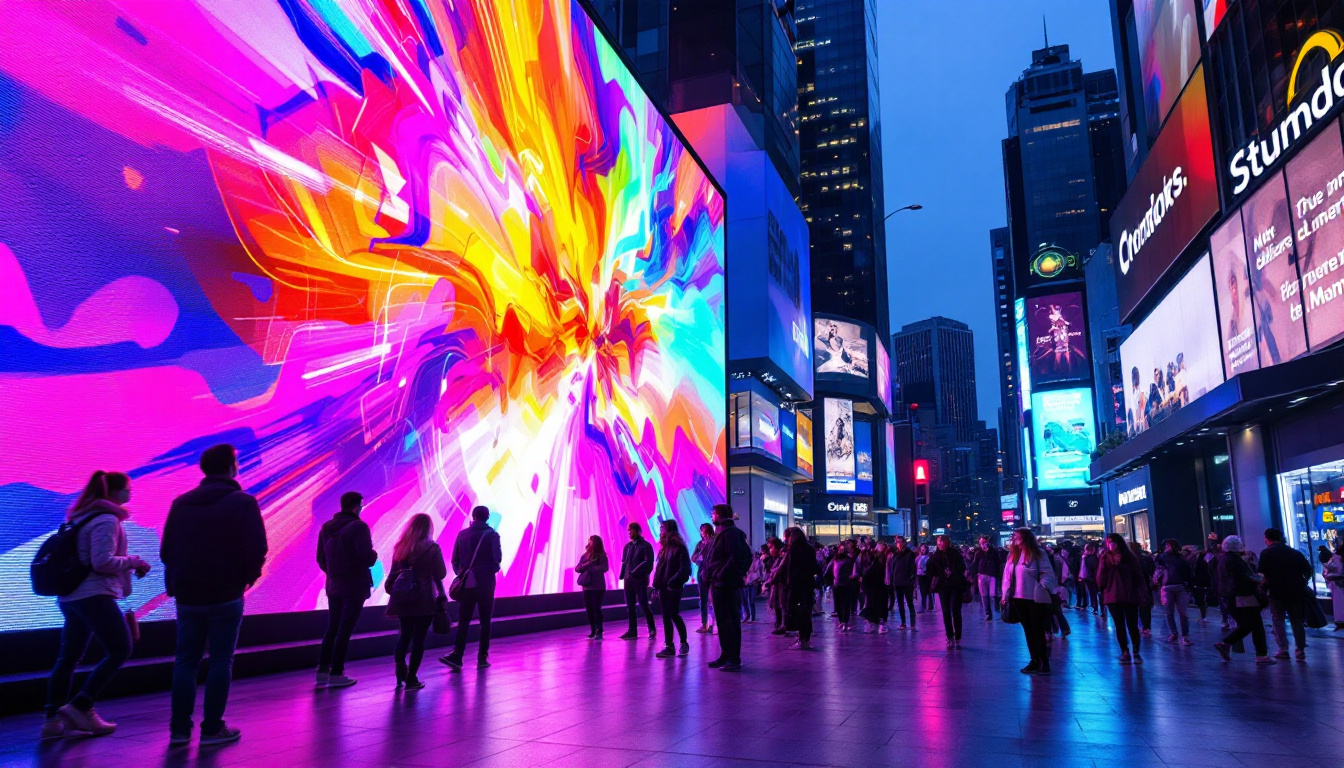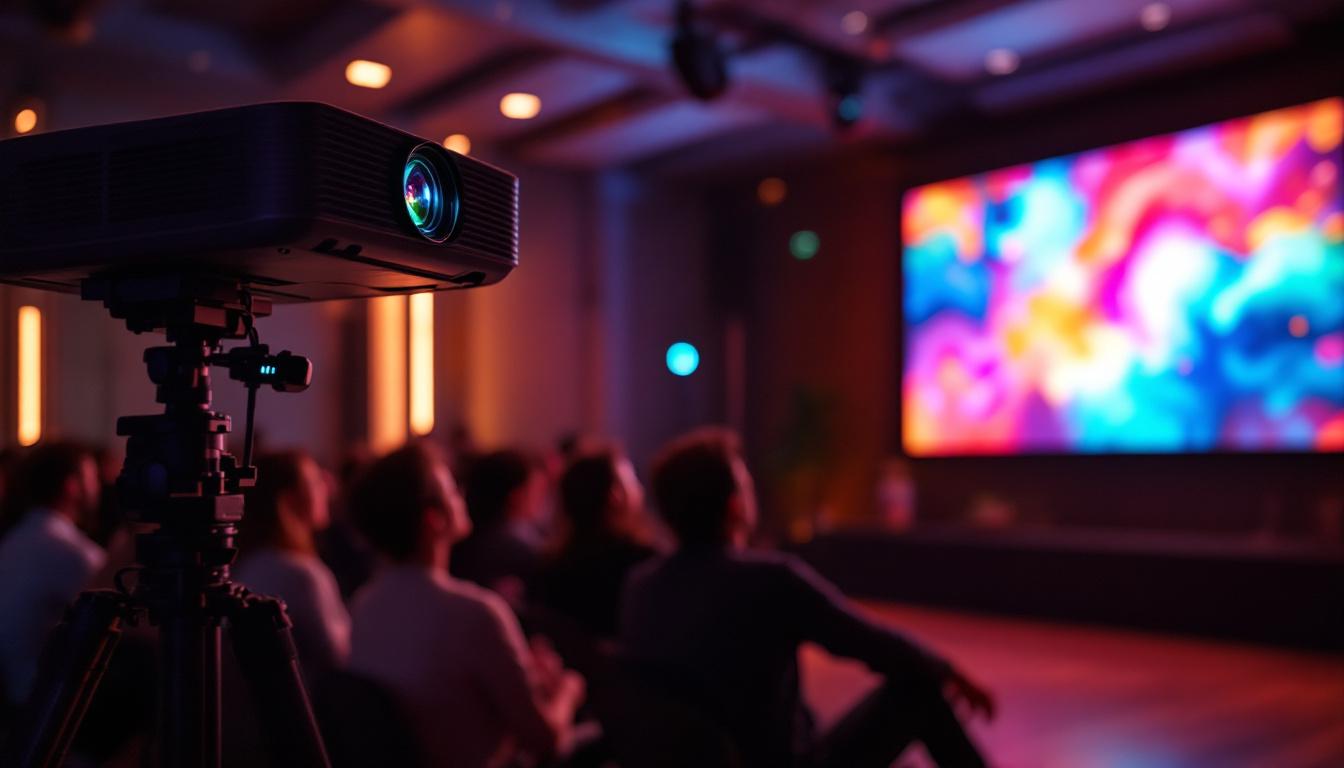
In today’s fast-paced world, visual presentations have become a cornerstone for effective communication across various industries. Whether it’s a corporate event, a product launch, a wedding, or a large-scale conference, the demand for high-quality display technology is ever-growing. Renting projectors and screens is a popular solution for many, but LED displays are rapidly gaining traction as a superior alternative. This article delves into the nuances of renting projectors and screens, with a detailed explanation of LED displays, helping you make informed decisions for your next event or presentation.
Understanding the Basics: Projectors and Screens for Rent
Why Rent Instead of Buy?
Purchasing high-end projectors and screens can be a significant investment, often running into thousands of dollars. For businesses or individuals who only require these devices occasionally, renting offers a cost-effective and flexible alternative. Renting allows access to the latest technology without the burden of maintenance, storage, or depreciation. This is particularly beneficial for companies that may not have the budget to invest in expensive equipment but still want to deliver high-quality presentations or events.
According to a 2023 report by Grand View Research, the global AV rental market is expected to grow at a compound annual growth rate (CAGR) of 7.2% from 2023 to 2030. This growth is driven by increased demand for temporary event setups and the rising popularity of hybrid and virtual events, which often require advanced display solutions. As more organizations pivot towards flexible work arrangements and digital engagement, the need for reliable AV equipment that can adapt to various settings has never been greater. Renting not only provides immediate access to the latest technology but also allows for scalability, enabling users to adjust their equipment needs based on the size and scope of each event.
Types of Projectors Available for Rent
Projectors come in various types, each suited for different environments and purposes:
- LCD Projectors: Use liquid crystal displays to project images. They are known for their sharp images and vibrant colors but may struggle in very bright environments.
- DLP Projectors: Utilize digital light processing technology. They offer better contrast and are generally more compact and reliable.
- Laser Projectors: Provide higher brightness and longer lifespan compared to traditional lamp-based projectors, making them ideal for large venues.
- LED Projectors: Known for energy efficiency and longevity, but typically with lower brightness levels, suitable for smaller or darker rooms.
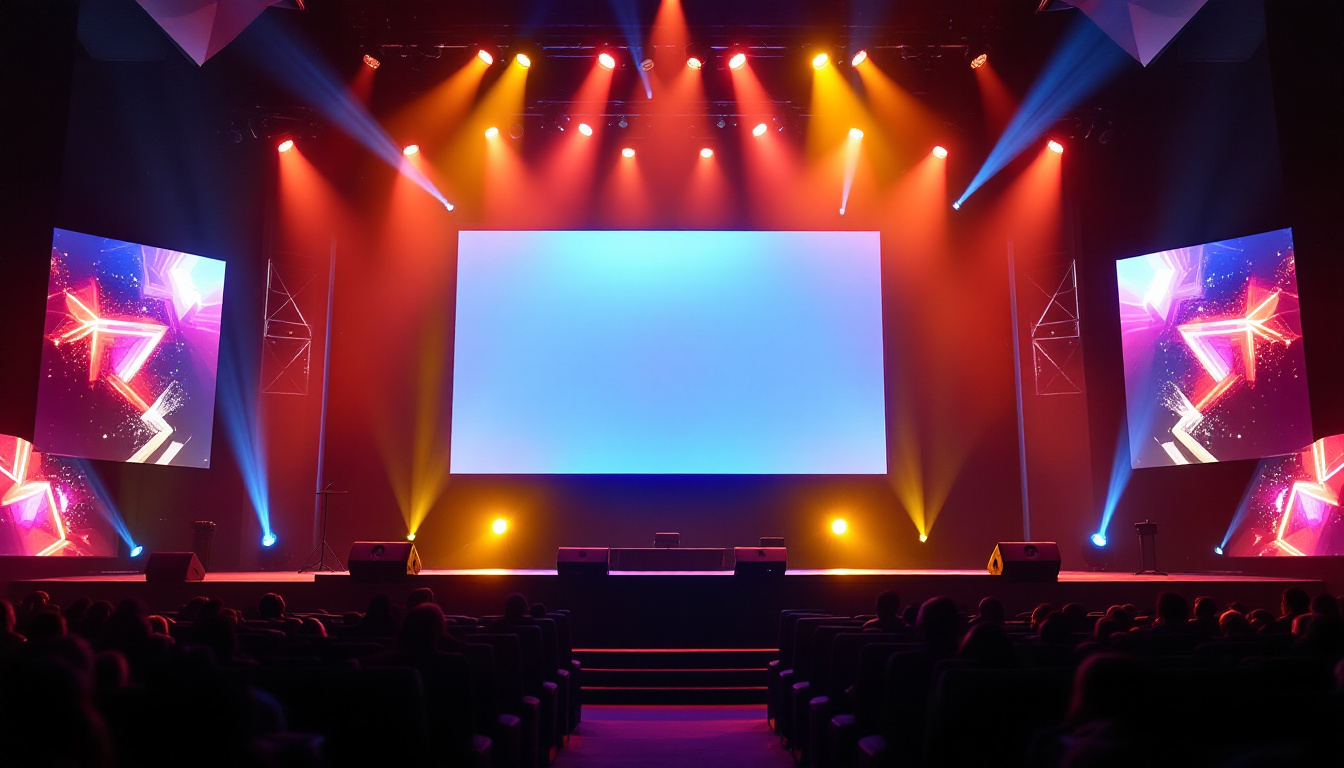
When renting, it’s important to consider the venue size, ambient lighting, and the type of content to be displayed to select the appropriate projector. For instance, a DLP projector might be the best choice for a high-contrast video presentation in a dimly lit conference room, while a laser projector could be more suitable for a large outdoor event where visibility is crucial. Additionally, many rental companies offer the option to test equipment before the event, ensuring that clients can find the perfect match for their specific needs.
Screen Options for Rental
Screen choice is equally crucial for ensuring a high-quality viewing experience. Rental screens vary by size, aspect ratio, and material:
- Fixed Frame Screens: Provide a flat, taut surface, ideal for permanent or semi-permanent setups.
- Pull-Down Screens: Retractable and portable, suitable for temporary events.
- Tripod Screens: Easy to set up and transport, perfect for smaller venues or mobile presentations.
- Inflatable Screens: Used for outdoor events, offering large display areas and easy setup.
Choosing the right screen depends on the event type, location, and audience size. Rental providers often offer consultation services to match the best screen with the projector and venue conditions. For example, a large inflatable screen may be ideal for an outdoor movie night, while a fixed frame screen could enhance the visual quality of a corporate training session. Moreover, many screens come with options for different aspect ratios, allowing for customization based on the content being presented, whether it be a standard 16:9 for films or a 4:3 for traditional presentations. This attention to detail can significantly impact the audience’s engagement and overall experience.
What is an LED Display? A Comprehensive Explanation
The Technology Behind LED Displays
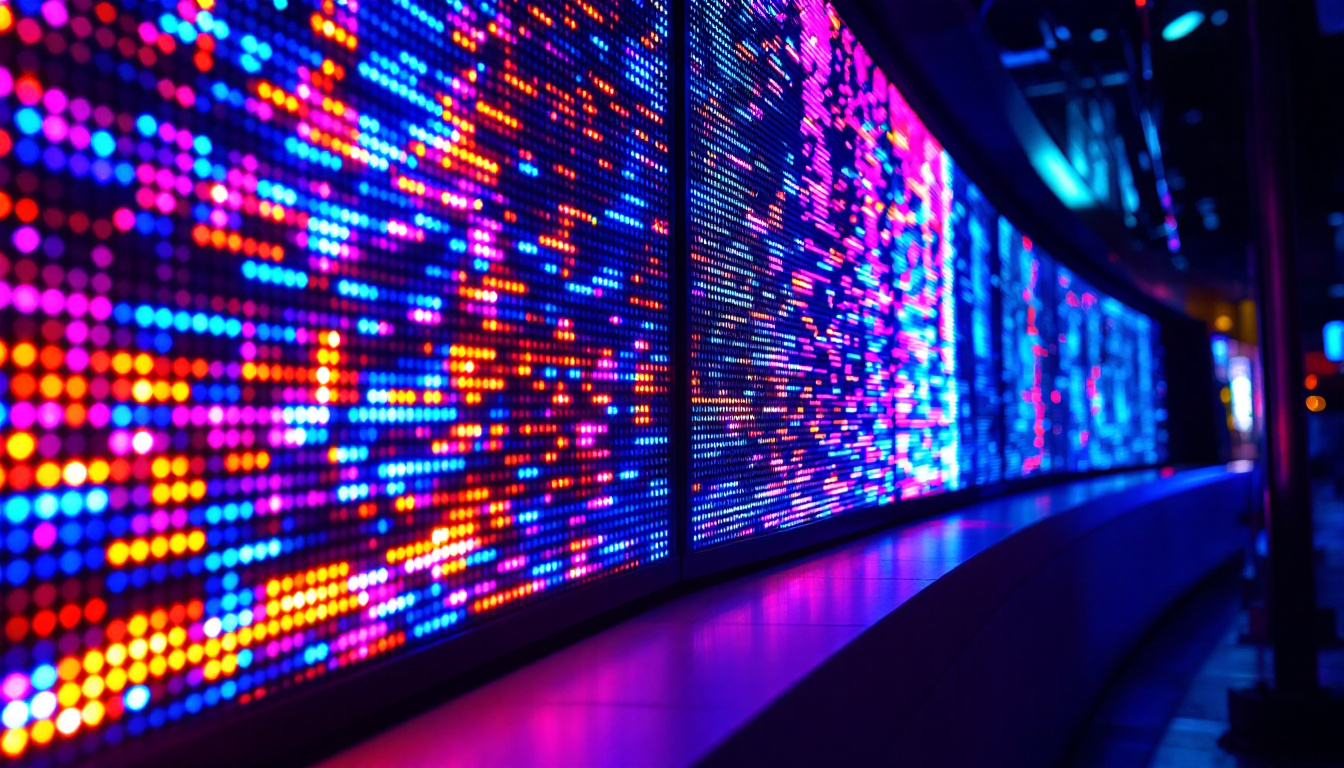
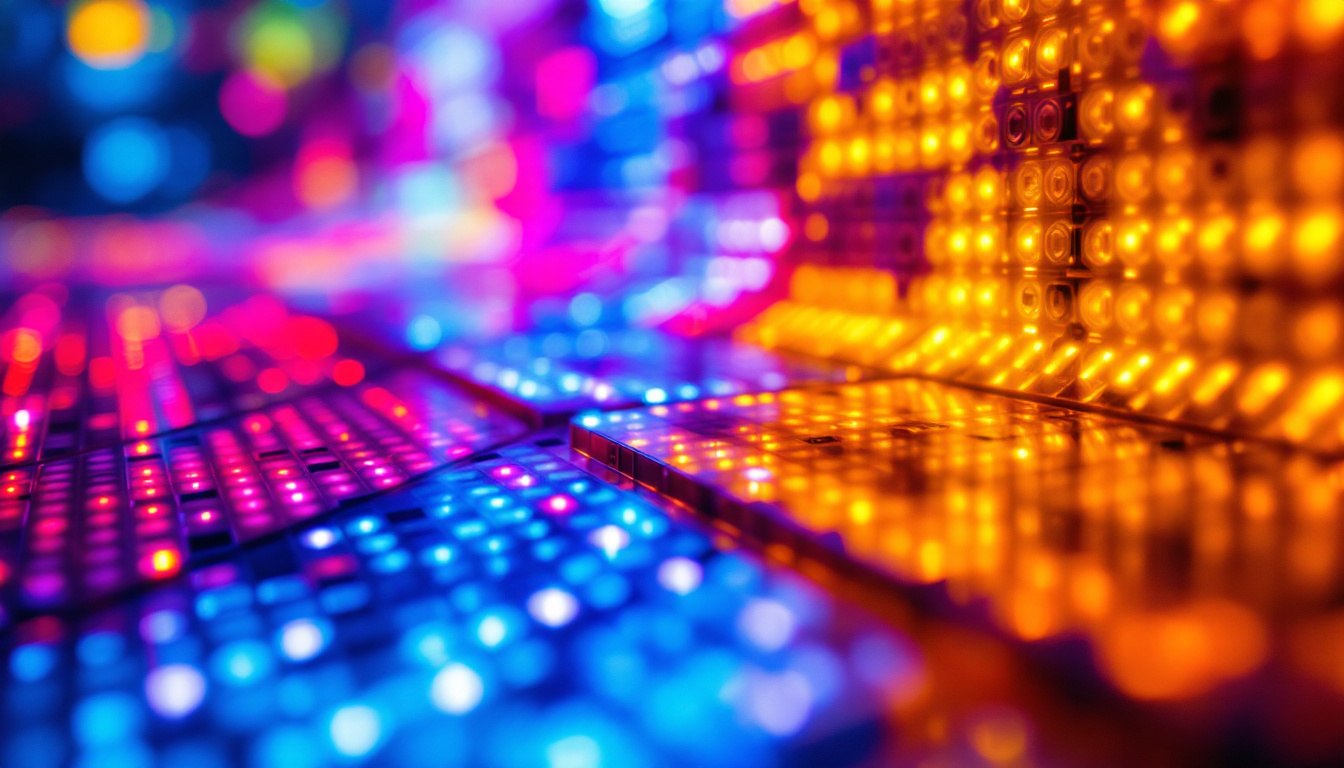
LED stands for Light Emitting Diode, a semiconductor device that emits light when an electric current passes through it. LED displays are composed of thousands to millions of these tiny diodes arranged in a matrix to form images, videos, or text.
Unlike traditional projectors that rely on external light sources to project images onto a screen, LED displays are self-illuminating. Each diode emits its own light, resulting in brighter, more vibrant images with higher contrast ratios.
Types of LED Displays
LED displays come in several forms, tailored for different applications:
- Indoor LED Displays: Designed for environments with controlled lighting, these displays offer high resolution and color accuracy.
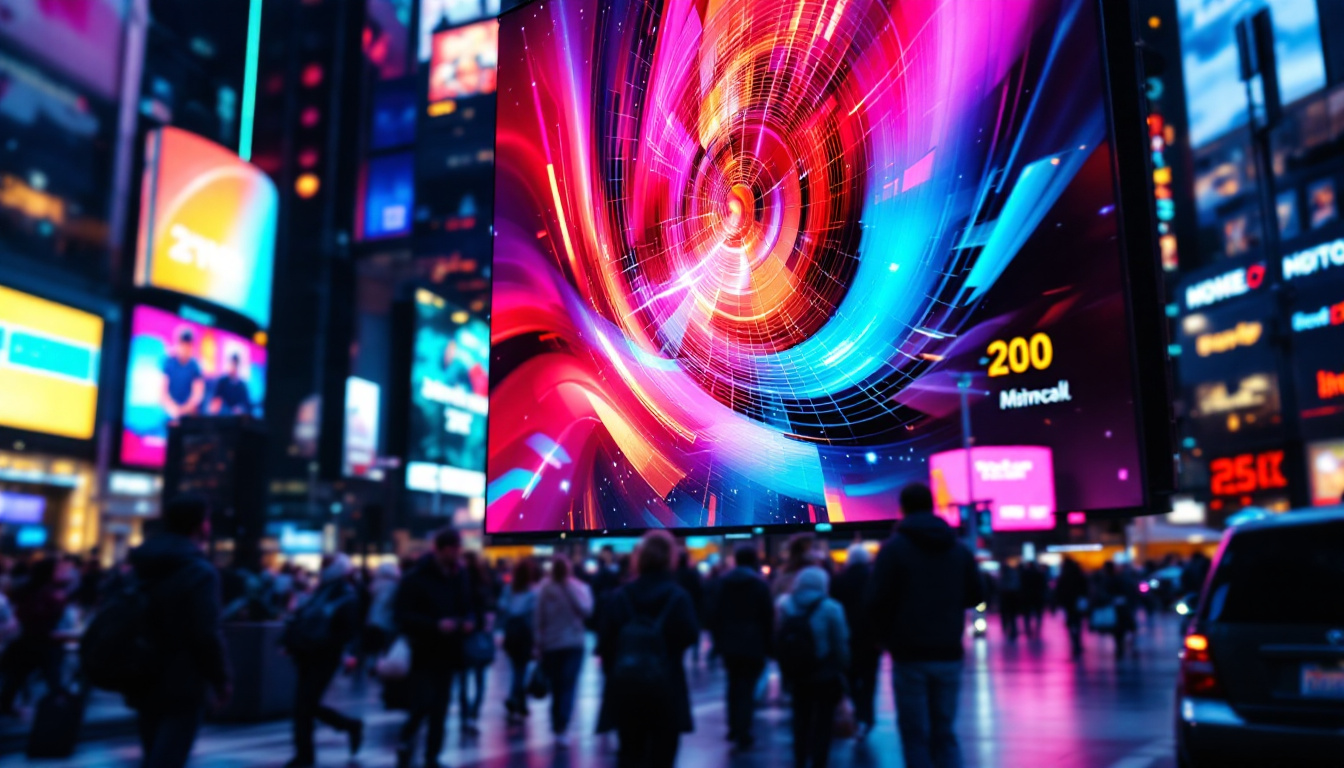
- Outdoor LED Displays: Built to withstand weather conditions and high ambient light, these are brighter and more durable.
- Transparent LED Displays: Allow light to pass through, making them ideal for storefront windows or architectural installations.
- Flexible LED Displays: Can be curved or bent, enabling creative and unconventional display shapes.
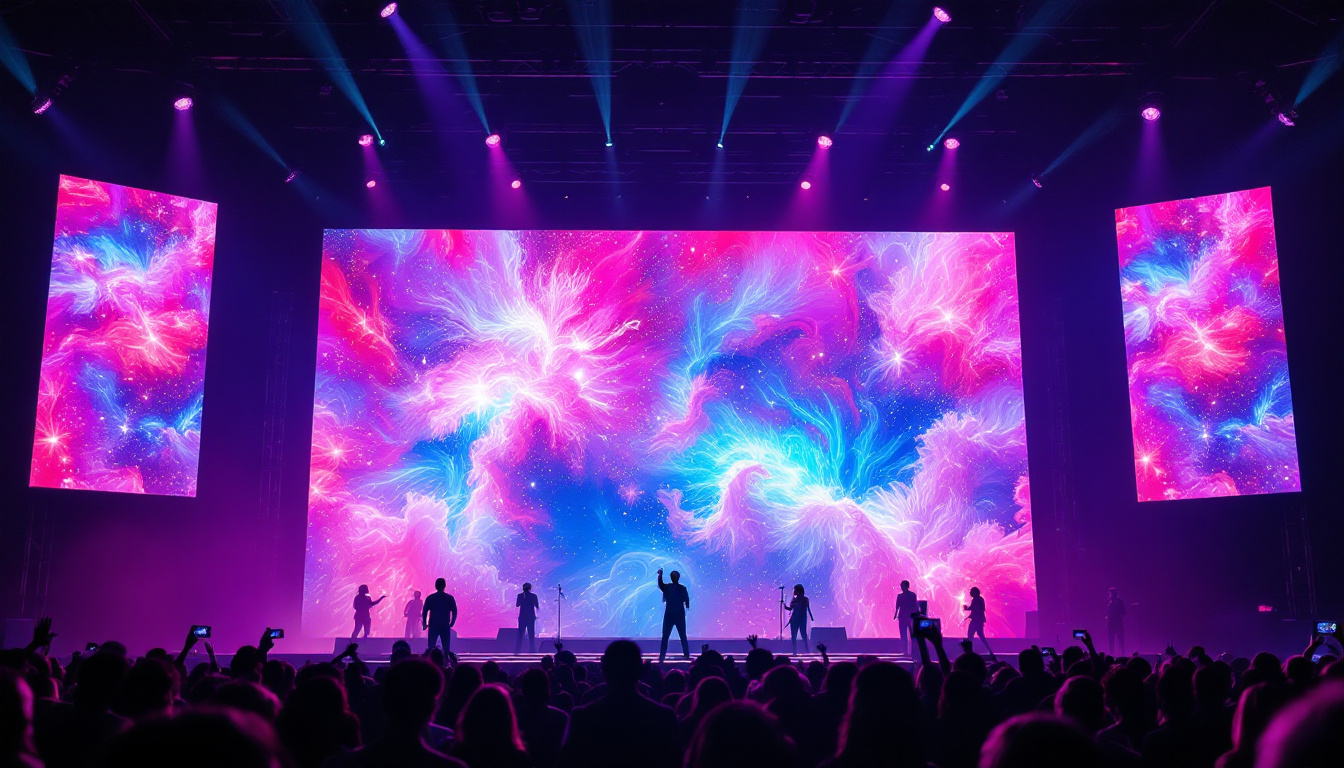
Each type serves different needs, from advertising billboards and concert backdrops to corporate presentations and trade show booths.
Advantages of LED Displays Over Traditional Projectors
LED displays offer several benefits that make them increasingly popular for rental and event use:
- Brightness and Visibility: LED displays can achieve brightness levels exceeding 5,000 nits, making them visible even in direct sunlight, unlike projectors which struggle in bright environments.
- Image Quality: They provide superior color accuracy, contrast, and uniformity across the entire display surface.
- Durability and Longevity: LEDs have a lifespan of 50,000 to 100,000 hours, significantly longer than projector bulbs which typically last 2,000 to 5,000 hours.
- Maintenance: LED displays require less maintenance as they have no moving parts or bulbs to replace.
- Flexibility: Modular LED panels can be assembled into various sizes and shapes, offering customization options that projectors cannot match.
Renting LED Displays: What You Need to Know
When to Choose LED Displays for Rental
LED displays are ideal for events where high visibility, image quality, and durability are paramount. Examples include:
- Outdoor concerts and festivals
- Large-scale corporate events and conferences
- Trade shows and exhibitions
- Sports events and stadium displays
- Retail promotions and product launches
For smaller indoor meetings or presentations in dimly lit rooms, traditional projectors may still be more cost-effective. However, as LED technology becomes more affordable, its use is expanding into mid-sized venues as well.
Cost Considerations
LED display rentals tend to be more expensive than projector and screen rentals due to the advanced technology and installation requirements. According to industry data from 2024, daily rental rates for LED walls can range from $1,000 to $5,000 or more, depending on size and resolution, while projector rentals typically range from $100 to $500 per day.
Despite the higher upfront rental cost, the benefits of LED displays—such as reduced setup time, lower maintenance, and superior visual impact—often justify the investment, especially for high-profile or large audience events.
Installation and Technical Support
LED display rental providers usually offer full-service packages that include delivery, installation, calibration, and technical support throughout the event. This ensures optimal performance and minimizes the risk of technical issues.
Due to the modular nature of LED panels, installation can be complex and requires skilled technicians. Additionally, power requirements and data connections must be carefully managed to support the display’s operation.
Comparing Projectors and LED Displays: Making the Right Choice
Factors to Consider
Choosing between renting a projector and screen or an LED display depends on several factors:
- Venue Size and Lighting: Bright, large venues favor LED displays, while smaller, darker rooms suit projectors.
- Budget: Projectors are generally more affordable to rent, but LED displays offer better value for large events.
- Image Quality Requirements: For high-resolution, vibrant visuals, LED displays outperform projectors.
- Setup Time and Complexity: Projectors are quicker to set up, whereas LED displays require more time and expertise.
- Audience Size: Larger audiences benefit from the superior brightness and size options of LED walls.
Case Study: Corporate Product Launch
Consider a multinational company launching a new product in a convention center with 2,000 attendees. The event requires dynamic visuals, including videos, animations, and live feeds. In this scenario, renting a large LED display wall ensures that every attendee has a clear and vibrant view, regardless of their seating position. The LED display’s brightness and color accuracy enhance the impact of the presentation, creating a memorable experience.
Alternatively, a smaller business hosting a local seminar with 50 participants in a dimly lit room might find renting a high-quality projector and screen more practical and cost-effective.
Future Trends in Visual Display Rentals
Advancements in LED Technology
LED technology continues to evolve rapidly. MicroLED and MiniLED displays are emerging as next-generation solutions, offering even higher resolution, better energy efficiency, and thinner form factors. These innovations promise to further blur the lines between traditional projector setups and LED displays.
Integration with Interactive Technologies
Interactive LED walls equipped with touch capabilities and augmented reality (AR) integration are becoming popular in events and retail environments. These technologies enhance audience engagement and open new possibilities for dynamic presentations and experiential marketing.
Sustainability and Energy Efficiency
As environmental concerns grow, rental providers are focusing on energy-efficient LED displays and sustainable practices. LED displays consume less power than many traditional projection systems, and their longer lifespan reduces electronic waste.
Conclusion
Renting projectors and screens remains a viable and popular choice for many events, particularly where budget constraints and smaller venue sizes are factors. However, LED displays offer a compelling alternative with superior brightness, image quality, and versatility, especially for large-scale and outdoor events.
Understanding the differences between these technologies and evaluating your event’s specific needs will help you choose the right rental solution. As LED technology advances and becomes more accessible, it is poised to become the standard for high-impact visual presentations in the rental market.
Whether you opt for a traditional projector setup or a cutting-edge LED display, partnering with a reputable rental provider ensures professional support and a successful event experience.
Discover LumenMatrix’s Advanced LED Display Solutions
Ready to elevate your next event with unparalleled visual quality? Look no further than LumenMatrix, a pioneer in LED display technology. Our extensive range of products, from Indoor and Outdoor LED Wall Displays to innovative solutions like Vehicle LED Displays and LED Sports Displays, is designed to captivate your audience and amplify your message. Embrace the future of visual communication with our Custom, All-in-One, and Transparent LED Displays that promise to leave a lasting impression. Check out LumenMatrix LED Display Solutions today and transform your event into an unforgettable experience.