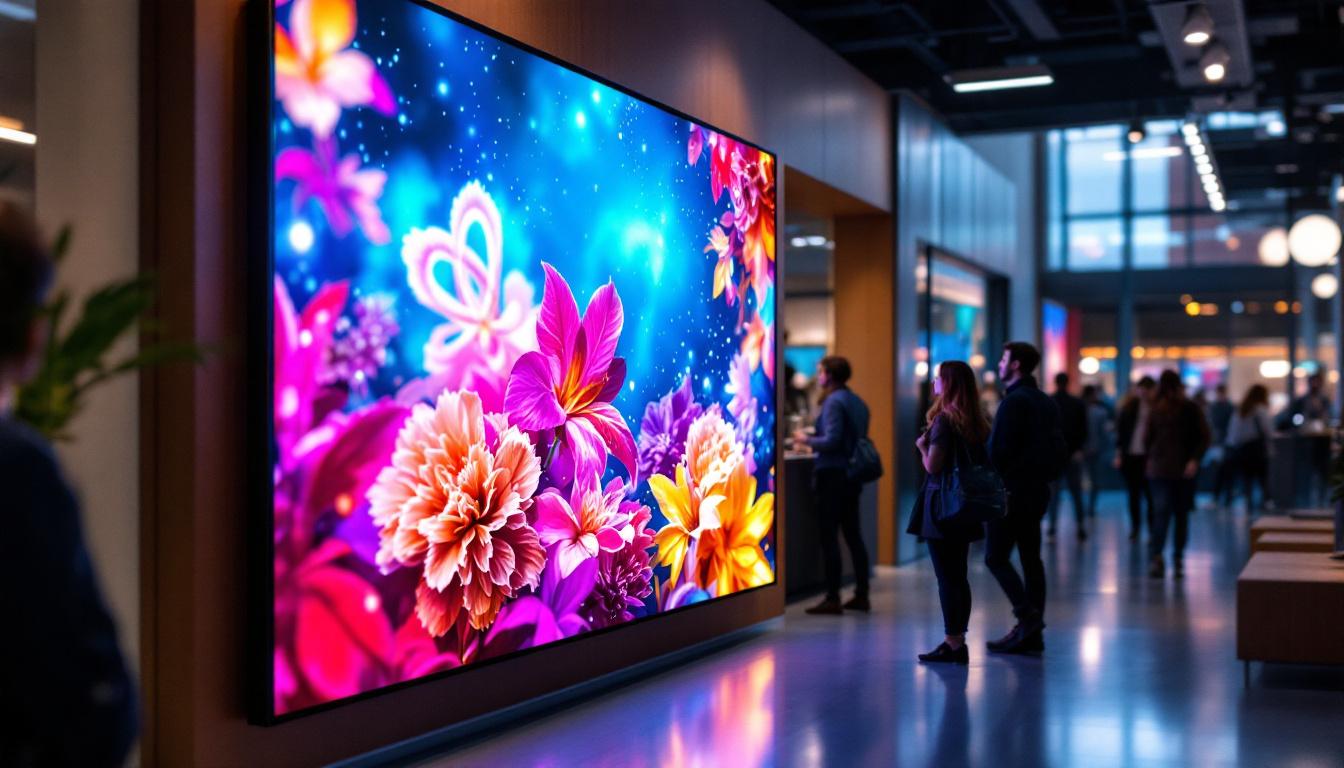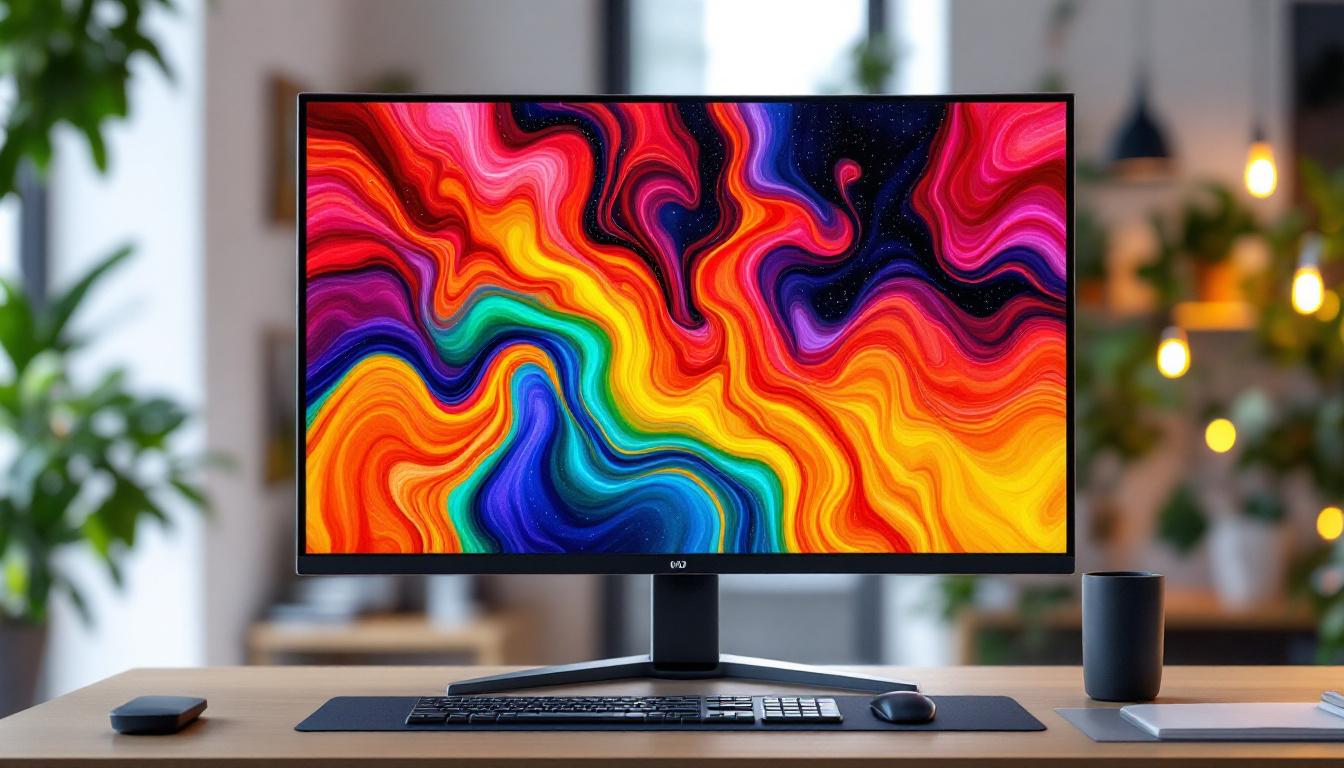
In the rapidly evolving landscape of education technology, the integration of smart touch screen TVs with LED displays has transformed classroom dynamics. These advanced displays offer interactive, engaging, and versatile teaching tools that enhance learning experiences for students and educators alike. This article explores the technology behind smart touch screen TVs, focusing on LED display features, their benefits in classroom settings, and practical considerations for implementation.
Understanding Smart Touch Screen TVs: What Sets Them Apart?
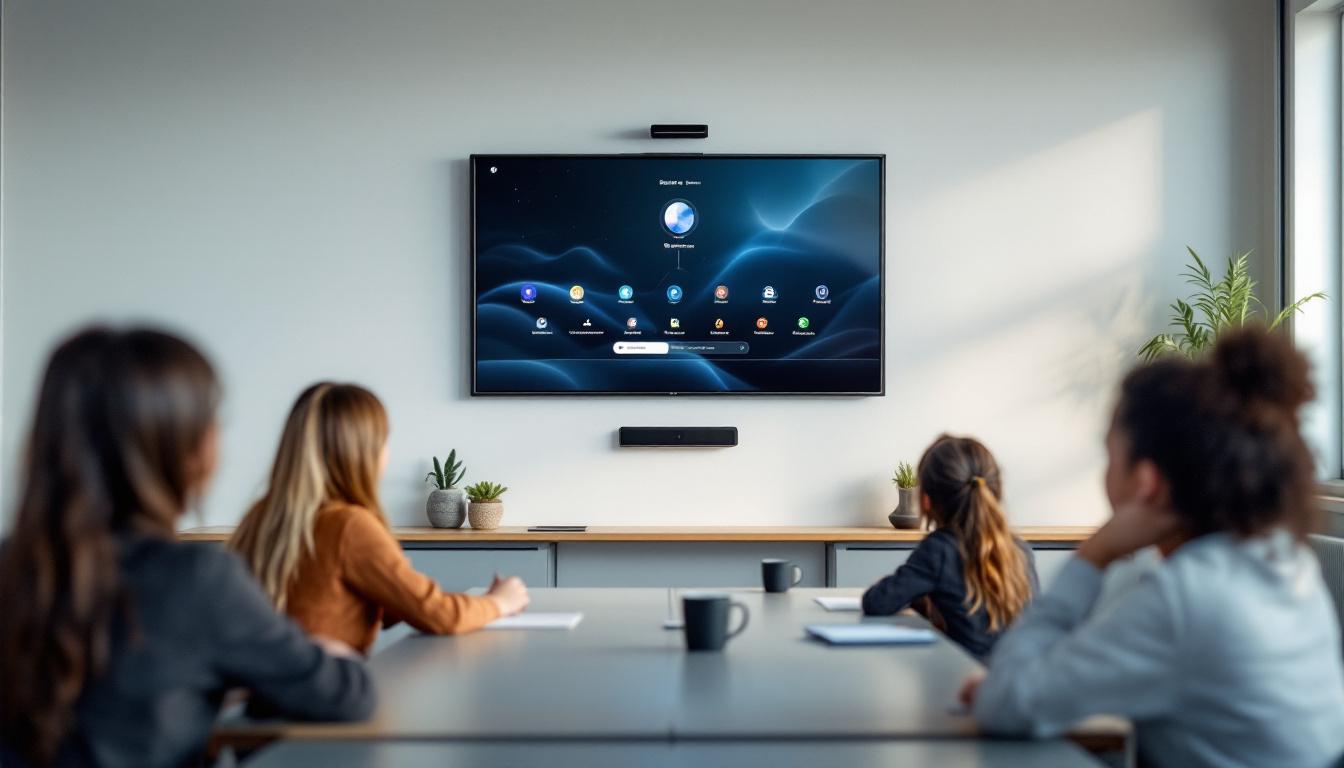
Smart touch screen TVs combine the functionalities of traditional televisions with interactive touch capabilities, enabling users to engage directly with the content displayed. Unlike conventional projectors or whiteboards, these devices provide a seamless, high-resolution visual experience with intuitive touch controls. The design of these TVs often incorporates sleek aesthetics that blend well with modern decor, making them not only functional but also a stylish addition to any environment.
The core advantage lies in their integration with smart technology, allowing access to educational apps, internet resources, and multimedia content without the need for additional devices. This makes them ideal for modern classrooms aiming to incorporate digital learning tools effectively. Furthermore, the ability to connect with cloud-based platforms means that educators can easily update lesson plans and access a wealth of resources from anywhere, ensuring that students are always engaged with the most current information available.
Key Features of Smart Touch Screen TVs
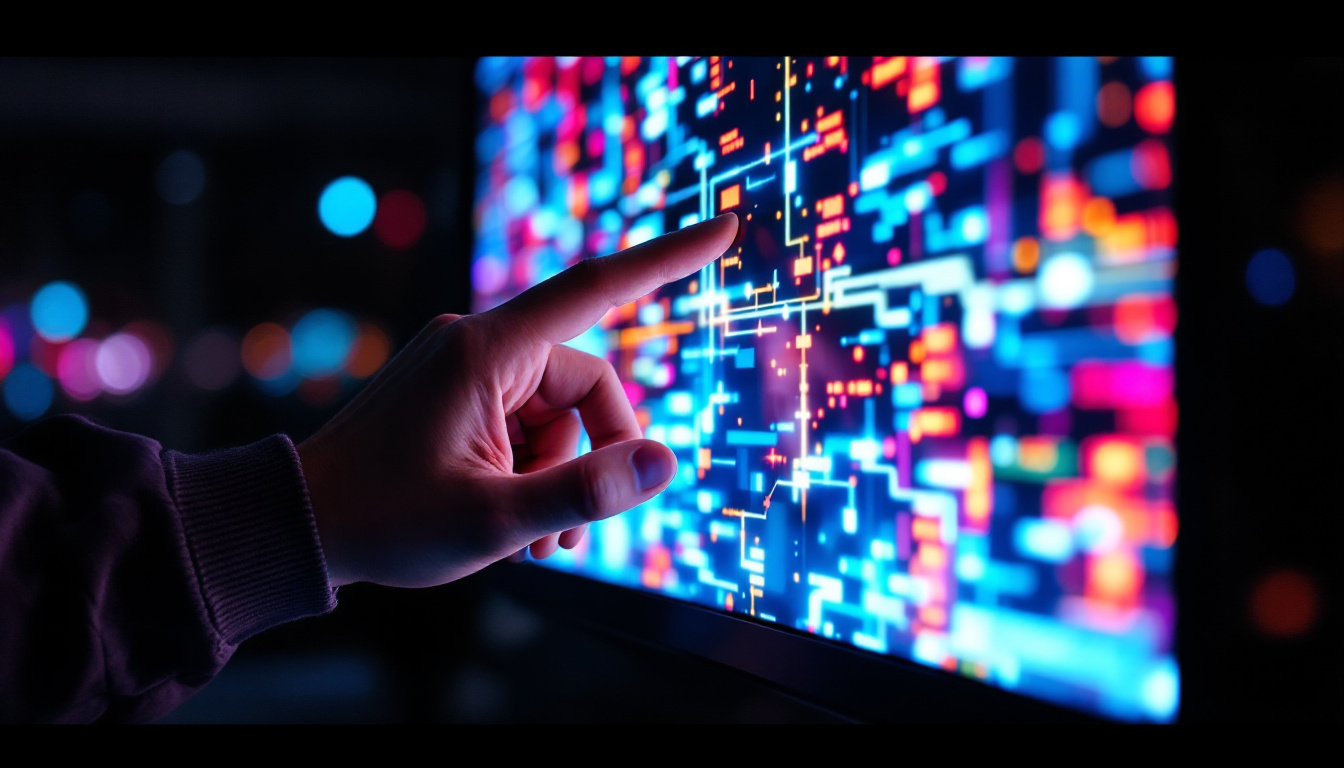
Smart touch screen TVs typically feature multi-touch support, enabling several users to interact simultaneously. This promotes collaborative learning, where students can participate actively during lessons. The tactile nature of touch screens encourages hands-on learning, making complex subjects more approachable. Additionally, these displays often come equipped with built-in speakers, high-definition cameras, and wireless connectivity options such as Wi-Fi and Bluetooth, allowing for seamless integration with other smart devices and peripherals.
Compatibility with various operating systems and software platforms ensures that educators can integrate their preferred teaching tools effortlessly. The ability to annotate directly on the screen, save notes, and share content digitally further enhances classroom interactivity. Moreover, many smart touch screen TVs feature advanced gesture recognition technology, enabling users to navigate through content with simple hand movements. This feature not only adds an element of fun but also caters to diverse learning styles, making it easier for students to absorb information in a way that suits them best. With the growing emphasis on remote learning, these devices also support video conferencing applications, allowing for virtual collaboration and interaction between students and teachers, regardless of their physical location.
The Role of LED Displays in Classroom Technology
LED (Light Emitting Diode) technology has become the standard for modern display screens due to its superior brightness, color accuracy, and energy efficiency. In educational environments, these qualities translate into clearer visuals and more vibrant content presentation, which are crucial for maintaining student attention and comprehension. The ability to display high-definition images and videos allows educators to create immersive learning experiences that can captivate students’ interest, making lessons more engaging and effective.
Advantages of LED Displays Over Other Technologies
Compared to LCD and projector-based systems, LED displays offer several distinct benefits. Their higher brightness levels make them suitable for well-lit classrooms, reducing glare and improving visibility. LED screens also have longer lifespans and lower power consumption, which can result in cost savings for educational institutions. This longevity not only minimizes the need for frequent replacements but also contributes to a more sustainable approach to classroom technology, aligning with the growing emphasis on environmental responsibility in education.
Moreover, LED panels provide better contrast ratios and color reproduction, essential for displaying detailed graphics, videos, and interactive content. This clarity supports diverse teaching methods, from science diagrams to multimedia presentations, enhancing the overall learning experience. The vibrant colors and sharp details can help in illustrating complex concepts, making it easier for students to grasp challenging material and retain information more effectively.
Types of LED Displays Used in Smart Touch Screen TVs
There are primarily two types of LED backlighting technologies used in these displays: edge-lit and direct-lit (or full-array). Edge-lit LED displays position LEDs along the screen edges, allowing for thinner panels but sometimes resulting in uneven lighting. Direct-lit LED displays place LEDs behind the entire screen area, providing uniform brightness and better contrast. This uniformity is particularly beneficial in a classroom setting, where students may be seated at various angles and distances from the screen, ensuring that everyone has a clear view of the content being presented.
For classroom smart touch screen TVs, direct-lit LED displays are often preferred due to their superior image quality, especially when displaying complex educational content. Additionally, advancements such as mini-LED and micro-LED technology are beginning to appear, offering even higher brightness and color precision. These innovations allow for finer control over individual pixels, resulting in stunning visuals that can adapt to different lighting conditions. As a result, educators can utilize these displays for a wide range of applications, from interactive lessons that encourage student participation to showcasing student projects in a visually striking manner. The integration of touch technology further enhances interactivity, enabling students to engage directly with the content, fostering a more collaborative learning environment.
Enhancing Classroom Engagement with Smart Touch Screen LED TVs
Interactive LED touch screen TVs are revolutionizing how teachers deliver lessons and how students engage with material. The tactile nature of touch screens encourages active participation, which has been shown to improve retention and understanding.
Interactive Learning and Collaboration
With multi-touch capabilities, multiple students can work together on the screen simultaneously, fostering teamwork and collaborative problem-solving skills. Teachers can design interactive quizzes, games, and activities that make learning more dynamic and enjoyable. This collaborative environment not only enhances the learning experience but also helps students develop essential social skills, such as communication and negotiation, which are crucial in today’s interconnected world.
Studies indicate that classrooms equipped with interactive displays see a notable increase in student engagement and motivation. For example, a 2023 report by the Education Technology Research Institute found that 78% of teachers using smart touch screen displays observed improved student participation during lessons. Furthermore, the ability to instantly share and display student work encourages a sense of ownership and pride in their contributions, further motivating students to engage actively in their learning journey.
Accessibility and Inclusivity
Smart touch screen TVs also support diverse learning needs. Features such as adjustable font sizes, screen magnification, and voice commands can assist students with visual or motor impairments. Additionally, the ability to incorporate multimedia content caters to different learning styles, whether auditory, visual, or kinesthetic. This adaptability allows teachers to create lessons that resonate with every student, ensuring that no one is left behind.
This inclusivity ensures that all students have equitable access to educational resources, promoting a more supportive and effective learning environment. Moreover, the integration of assistive technologies, such as speech-to-text and text-to-speech applications, can further enhance learning for students with disabilities, allowing them to participate fully in classroom activities. By embracing these technologies, educators can create a classroom atmosphere that values diversity and fosters a sense of belonging for all students, ultimately leading to a richer educational experience.
Practical Considerations for Implementing Smart Touch Screen TVs in Classrooms
While the benefits of smart touch screen TVs with LED displays are clear, successful integration requires careful planning and consideration of several factors.
Screen Size and Resolution
The size of the display is critical to ensure visibility for all students. Classrooms vary in size, but generally, screens ranging from 55 to 75 inches are optimal for most settings. Higher resolution, such as 4K Ultra HD, provides sharper images and more detailed content, which is especially important for subjects like science and art.
Durability and Maintenance
Classroom equipment must withstand frequent use and occasional mishandling. Smart touch screen TVs designed for education often feature reinforced glass and robust construction. Additionally, maintenance plans and warranties should be considered to minimize downtime and repair costs.
Connectivity and Compatibility
Ensuring that the display can connect seamlessly with existing classroom technology, such as laptops, tablets, and document cameras, is essential. Wireless connectivity options reduce cable clutter and allow for flexible teaching setups. Compatibility with popular educational software platforms and cloud services also enhances functionality.
Cost and Budgeting
While initial investment costs for smart touch screen TVs can be significant, the long-term benefits in terms of improved learning outcomes and reduced need for supplementary equipment often justify the expense. Schools should evaluate total cost of ownership, including installation, training, and maintenance, when budgeting.
Future Trends in Smart Touch Screen LED Displays for Education
The evolution of display technology continues to open new possibilities for classroom innovation. Emerging trends promise to make smart touch screen TVs even more effective and accessible.
Integration with Artificial Intelligence and Augmented Reality
AI-powered features such as real-time language translation, personalized learning paths, and intelligent content recommendations are beginning to appear in educational displays. Augmented reality (AR) integration allows for immersive experiences, where students can interact with 3D models and virtual environments directly on the screen.
Improved Energy Efficiency and Sustainability
As schools focus more on sustainability, LED displays are becoming more energy-efficient, with innovations in backlighting technology reducing power consumption further. Eco-friendly manufacturing processes and recyclable materials are also gaining prominence in the production of educational technology.
Enhanced Connectivity and Cloud Integration
The rise of cloud-based platforms enables seamless content sharing and collaboration beyond the physical classroom. Smart touch screen TVs equipped with advanced connectivity options will facilitate hybrid learning models, supporting both in-person and remote students effectively.
Conclusion
Smart touch screen TVs with LED displays represent a significant advancement in classroom technology, offering interactive, high-quality visual tools that enhance teaching and learning. Their ability to engage students, support diverse learning needs, and integrate with modern educational resources makes them invaluable assets in today’s classrooms.
By understanding the technology behind these displays and considering practical implementation factors, educational institutions can make informed decisions that maximize the benefits of this innovative technology. As advancements continue, smart touch screen LED TVs will undoubtedly play a central role in shaping the future of education.
Discover LumenMatrix LED Display Solutions for Your Classroom
Ready to elevate your educational environment with the latest in smart touch screen TV technology? LumenMatrix, a pioneer in LED display innovation, offers a diverse range of solutions tailored to create engaging and interactive learning experiences. From Indoor LED Walls that bring lessons to life to Custom LED Displays designed to fit unique educational needs, LumenMatrix is committed to transforming classrooms with displays that captivate and inspire. Check out LumenMatrix LED Display Solutions today and take the first step towards a more dynamic and effective educational setting.