In the rapidly evolving world of digital signage and display technology, LED displays have become a cornerstone for businesses, advertisers, and event organizers alike. Among the many components that contribute to the seamless installation and maintenance of LED displays, the wall clip plays a crucial yet often overlooked role. This article delves into the intricacies of wall clips used in LED displays, exploring their purpose, types, installation methods, and why they matter in ensuring the durability and visual appeal of LED screens.
Understanding LED Displays: A Brief Overview
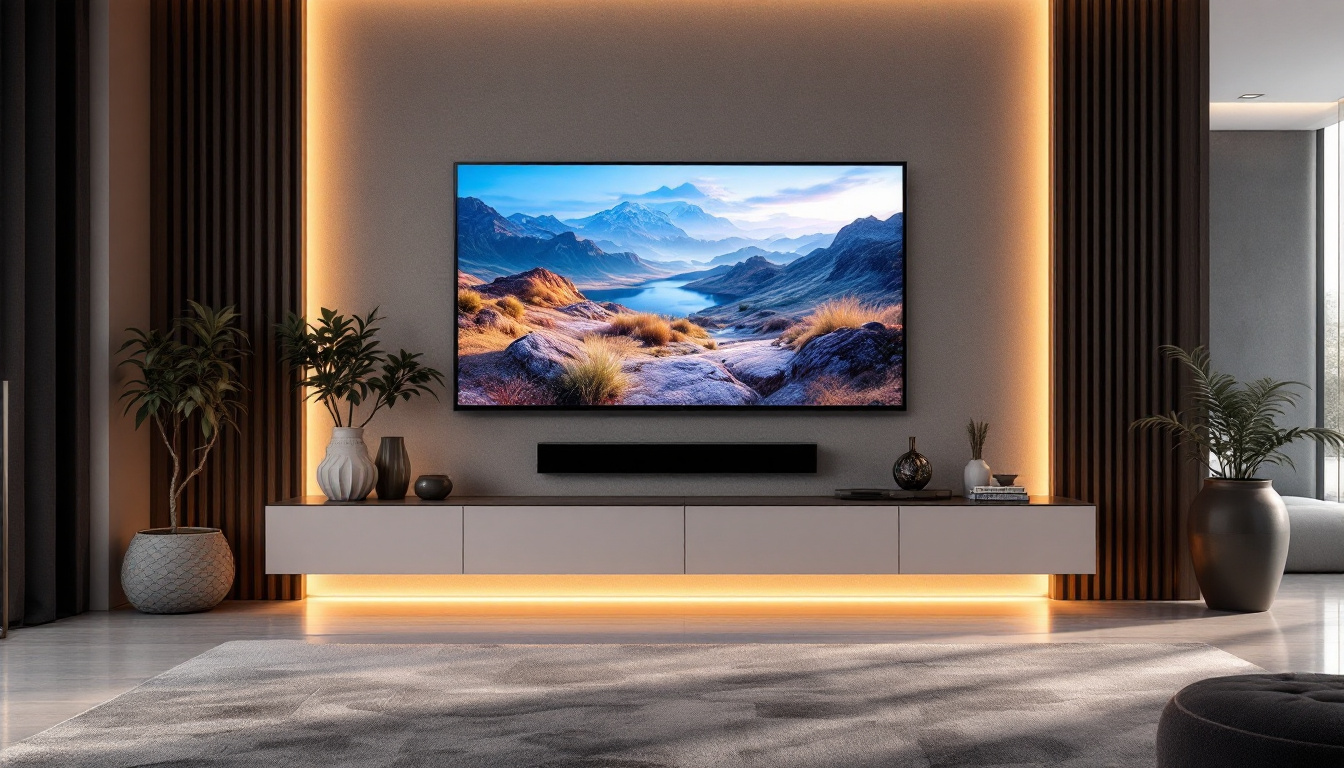
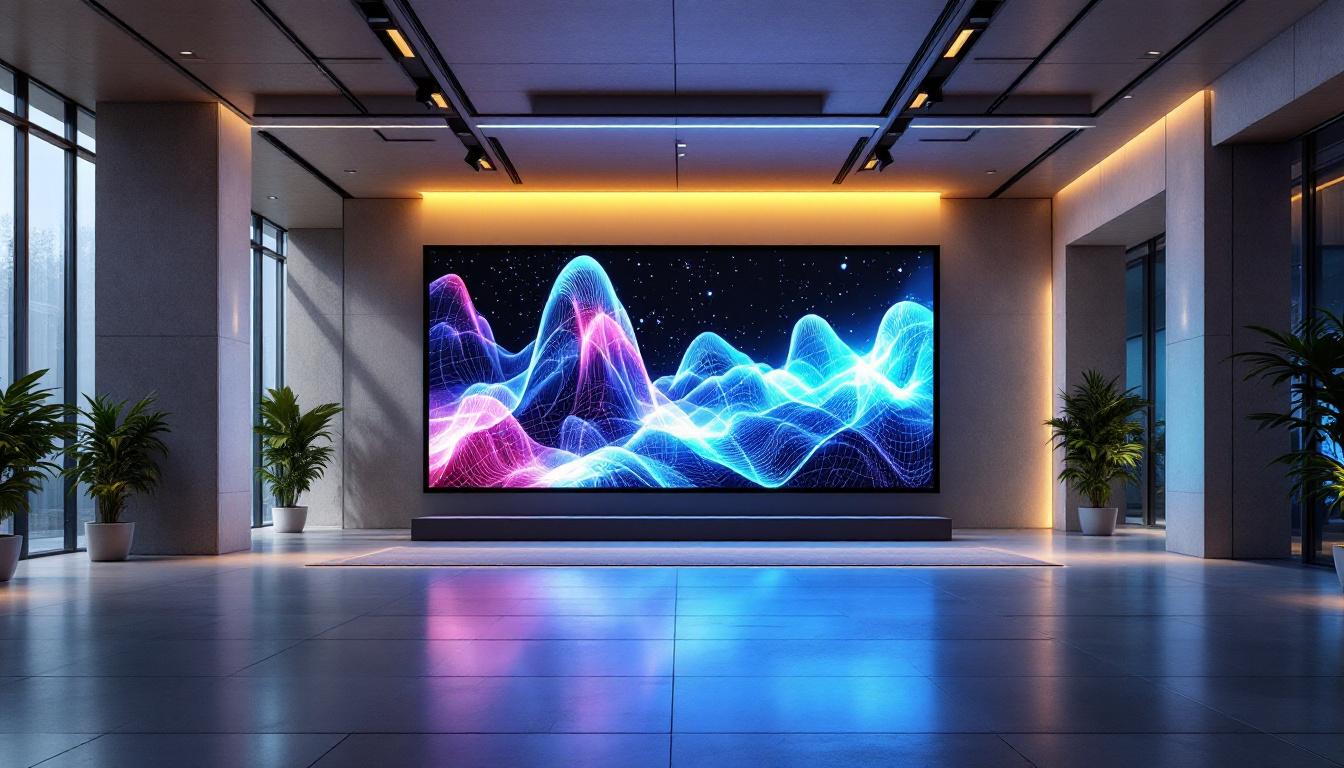
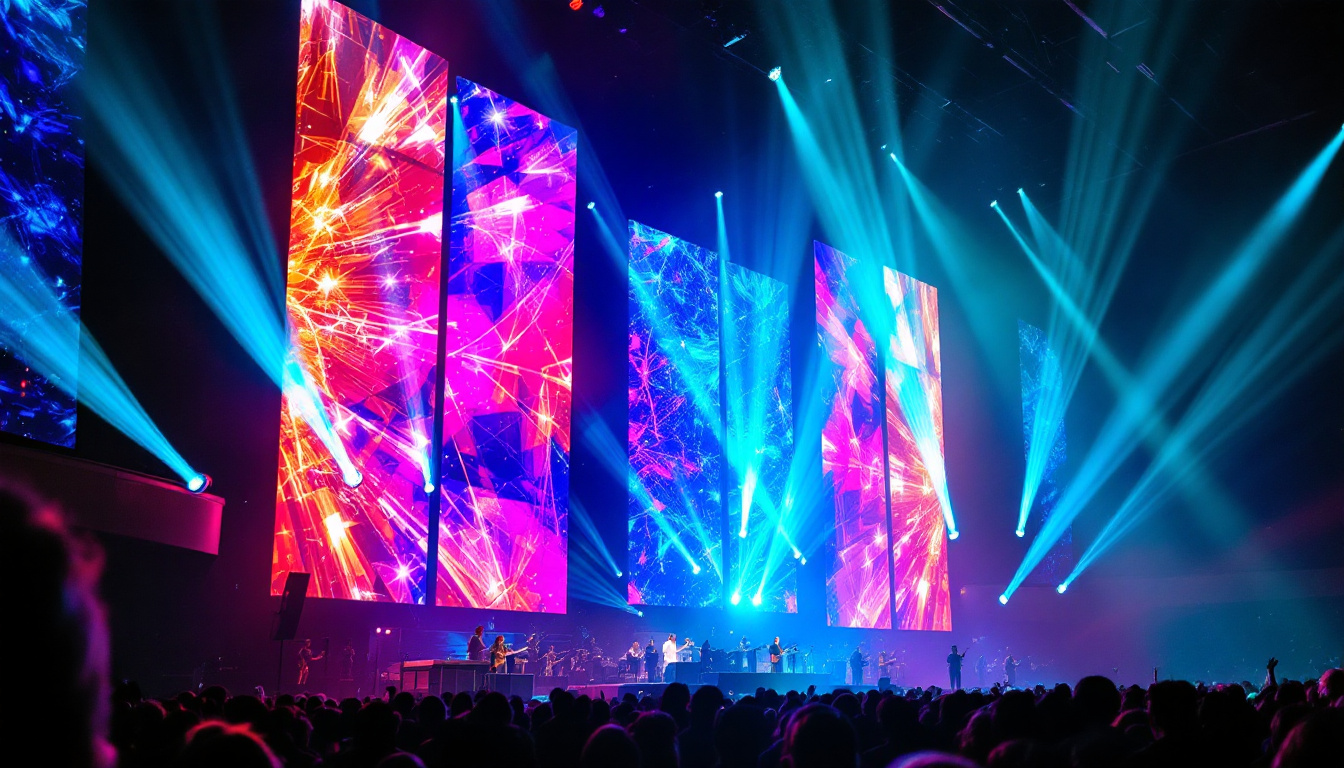
Before diving into the specifics of wall clips, it’s important to understand the basics of LED displays themselves. LED (Light Emitting Diode) displays consist of numerous tiny LEDs arranged in a matrix to form images, videos, or text. These displays are widely used for outdoor billboards, indoor advertising, stadium screens, and even home entertainment systems due to their brightness, energy efficiency, and long lifespan. The technology behind LED displays has evolved significantly over the years, leading to advancements such as higher resolution and improved color accuracy, which enhance the viewer’s experience and make these displays even more appealing for various applications.
Modern LED displays are modular, meaning they are made up of multiple panels or cabinets. This modularity allows for easy transportation, installation, and maintenance. However, it also demands precise mounting solutions to ensure the panels align perfectly and remain securely fixed over time. This is where wall clips come into play. These clips are designed to provide a stable and secure attachment to walls or other surfaces, ensuring that the LED panels do not shift or become misaligned, which could disrupt the visual output. Additionally, the use of wall clips can facilitate quick and efficient installation, reducing downtime and labor costs for businesses looking to deploy LED displays in high-traffic areas.
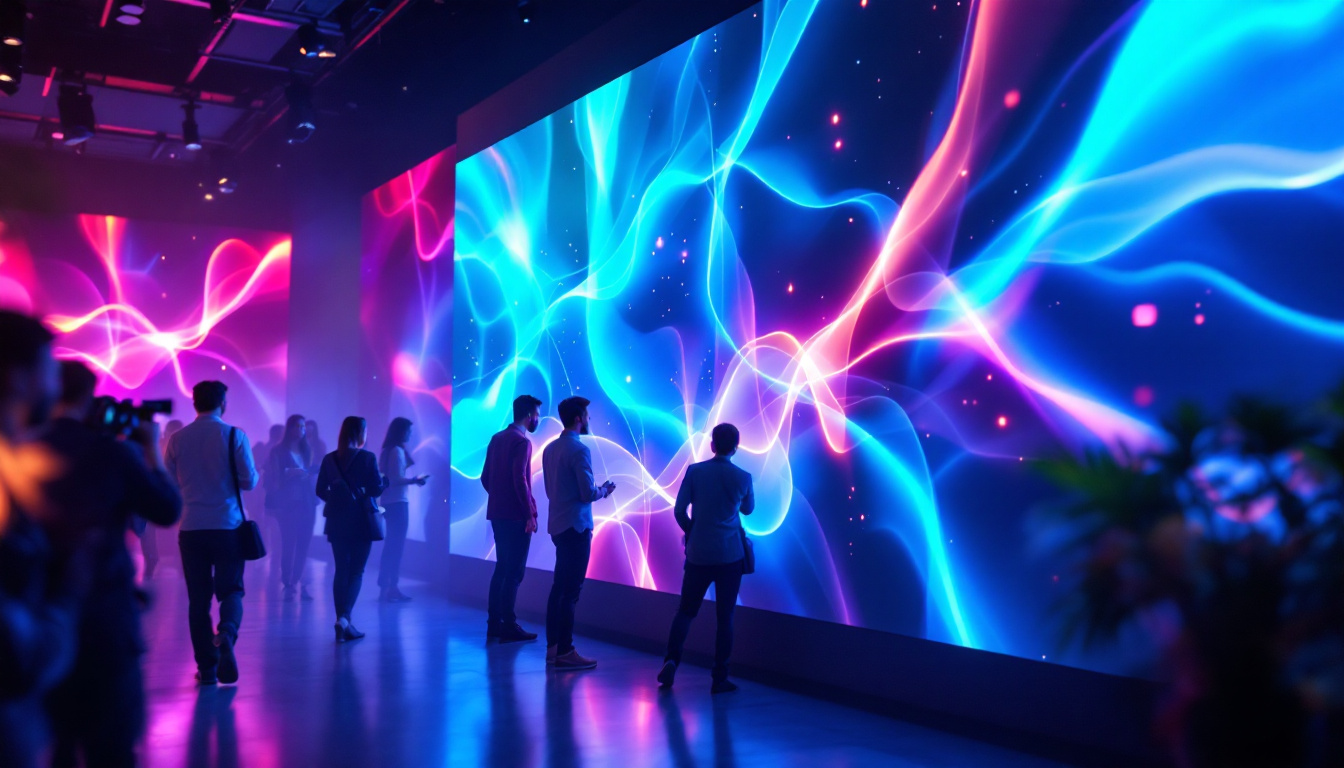
Furthermore, the versatility of LED displays extends beyond mere advertising; they are increasingly being utilized in artistic installations and interactive displays. Artists and designers are exploring the potential of LED technology to create immersive environments that engage audiences in new and innovative ways. The ability to customize LED displays in terms of size, shape, and functionality opens up a world of creative possibilities, allowing for dynamic content that can change in real-time based on audience interaction or environmental factors. This adaptability not only enhances the aesthetic appeal but also provides a platform for storytelling and brand engagement that traditional media cannot match.
The Role of Wall Clips in LED Display Installation
What is a Wall Clip?
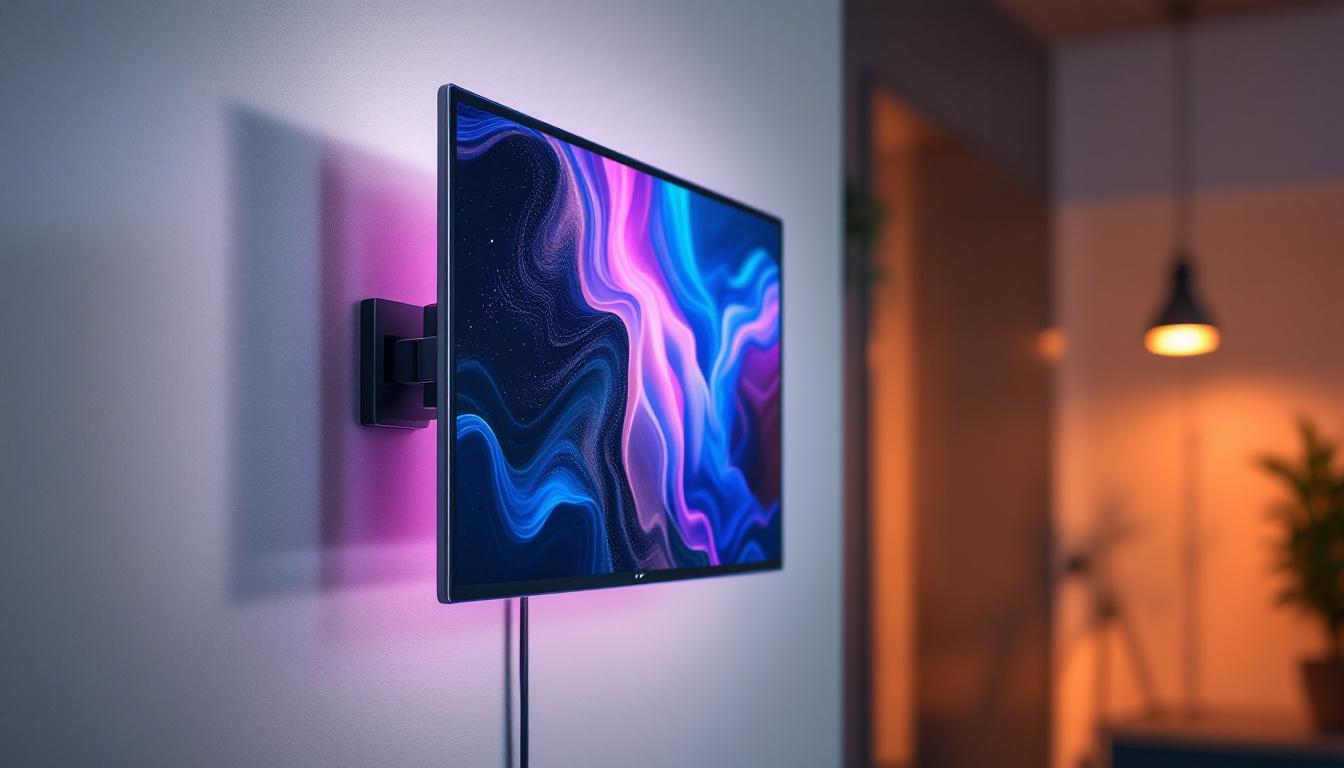
A wall clip is a mechanical fastening component designed to secure LED display panels to a wall or mounting surface. It acts as a bridge between the LED cabinet and the physical structure, providing stability and support. Unlike traditional mounting brackets or frames, wall clips are often smaller, more discreet, and designed for quick installation and removal.
Why Are Wall Clips Important?
Wall clips serve several critical functions in LED display setups:
- Structural Stability: They hold the LED panels firmly in place, preventing movement caused by wind, vibrations, or accidental impacts.
- Alignment Precision: Properly designed wall clips help maintain perfect alignment between panels, ensuring a seamless visual experience without gaps or misalignments.
- Ease of Maintenance: Clips allow for quick removal and replacement of individual panels without dismantling the entire display, reducing downtime.
- Space Efficiency: Wall clips enable LED displays to be mounted flush against walls, saving space and improving aesthetics.
In essence, wall clips contribute significantly to the longevity, safety, and visual quality of LED displays.
Types of Wall Clips for LED Displays
Wall clips come in various designs and materials, each tailored to specific installation needs and environmental conditions. Understanding these types helps in choosing the right clip for a particular LED display project.
1. Fixed Wall Clips
Fixed wall clips provide a rigid connection between the LED panel and the mounting surface. They are typically made from metal, such as aluminum or stainless steel, to ensure durability. These clips are ideal for permanent installations where the display is not expected to be moved frequently.
The main advantage of fixed clips is their strong hold, which is essential for large outdoor displays exposed to wind and weather. However, they require precise installation since adjustments after mounting can be challenging.
2. Adjustable Wall Clips
Adjustable wall clips offer flexibility by allowing fine-tuning of the panel’s position after installation. These clips often include sliding or pivoting mechanisms to correct alignment or compensate for uneven walls.
Adjustable clips are popular in indoor environments or complex installations where perfect alignment is critical. They facilitate maintenance and panel replacement without compromising the display’s integrity.
3. Magnetic Wall Clips
Magnetic wall clips use strong magnets to hold LED panels in place. While less common, they are gaining traction for lightweight indoor displays where quick installation and removal are priorities.
These clips reduce the need for drilling or permanent fixtures, making them suitable for temporary setups or rental displays. However, their holding power is generally lower than mechanical clips, so they are not recommended for large or outdoor displays.
4. Custom Wall Clips
Some LED display manufacturers offer custom-designed wall clips tailored to their specific panel dimensions and weight. These clips optimize installation efficiency and ensure compatibility with proprietary mounting systems.
Custom clips often integrate features such as cable management channels or anti-theft mechanisms, enhancing the overall functionality of the display installation.
Materials and Durability Considerations
The choice of material for wall clips significantly impacts their performance and lifespan. Common materials include:
- Aluminum: Lightweight, corrosion-resistant, and strong, aluminum is a popular choice for both indoor and outdoor wall clips. Its natural resistance to rust makes it ideal for humid or coastal environments.
- Stainless Steel: Known for its superior strength and corrosion resistance, stainless steel is preferred for heavy-duty outdoor installations exposed to harsh weather conditions.
- Plastic and Composite Materials: Used mainly in indoor or temporary setups, these materials offer cost-effectiveness and ease of manufacturing but generally lack the strength required for permanent outdoor displays.
Durability is crucial since wall clips must withstand environmental stresses such as temperature fluctuations, moisture, UV exposure, and mechanical forces. High-quality materials ensure the safety and stability of the LED display over years of operation.
Installation Process and Best Practices
Proper installation of wall clips is essential to maximize their effectiveness. The process typically involves the following steps:
1. Surface Preparation
Before mounting, the wall or surface must be clean, dry, and structurally sound. Any cracks, unevenness, or weak spots should be repaired to provide a stable foundation for the clips.
2. Layout Planning
Careful planning ensures that clips are positioned to evenly distribute the weight of the LED panels. This prevents undue stress on any single point and maintains alignment across the entire display.
3. Marking and Drilling
Using a laser level or measuring tools, installers mark the exact locations for drill holes. Precision at this stage is critical to avoid misalignment. Drilling should be done with appropriate tools and anchors suited to the wall material (concrete, drywall, metal, etc.).
4. Attaching Wall Clips
Wall clips are fixed to the wall using screws, bolts, or anchors. It’s important to verify that each clip is securely fastened and flush against the surface.
5. Mounting LED Panels
Panels are then carefully hung or clipped onto the wall clips. Installers check for levelness and alignment, making adjustments as necessary, especially when using adjustable clips.
6. Final Inspection
After installation, a thorough inspection ensures all clips and panels are secure, aligned, and free from defects. This step helps prevent future issues such as panel sagging or detachment.
Common Challenges and How Wall Clips Help Overcome Them
LED display installations often face several challenges that can compromise performance and safety. Wall clips address many of these issues:
Weight Distribution and Structural Integrity
Large LED displays can weigh hundreds of kilograms. Without proper mounting, this weight can damage walls or cause panels to fall. Wall clips distribute the load evenly, reducing stress on any single point and protecting the building structure.
Environmental Stress Resistance
Outdoor displays are exposed to wind, rain, temperature changes, and UV radiation. High-quality wall clips made from corrosion-resistant materials ensure that panels remain securely attached despite these conditions.
Panel Alignment and Visual Quality
Even slight misalignments between LED panels can create visible seams or distortions in the displayed image. Adjustable wall clips allow installers to fine-tune positioning, preserving the display’s visual integrity.
Maintenance and Accessibility
LED panels require periodic maintenance, such as cleaning or component replacement. Wall clips that enable easy removal and reattachment minimize downtime and labor costs.
Future Trends in Wall Clip Technology
As LED display technology advances, so do the mounting solutions that support it. Emerging trends in wall clip design include:
Smart Mounting Systems
Integration of sensors and IoT technology into mounting hardware can provide real-time data on panel stability, environmental conditions, and potential faults. This proactive monitoring enhances safety and maintenance efficiency.
Lightweight and Eco-Friendly Materials
Innovations in materials science are leading to the development of ultra-lightweight, high-strength composites that reduce installation labor and environmental impact.
Modular and Tool-Free Clips
Future wall clips may feature snap-on or magnetic systems that eliminate the need for tools during installation and maintenance, speeding up processes and reducing human error.
Conclusion: The Unsung Hero of LED Displays
While LED displays captivate audiences with their vibrant visuals and dynamic content, the humble wall clip plays a vital supporting role behind the scenes. By ensuring secure mounting, precise alignment, and ease of maintenance, wall clips contribute significantly to the performance, safety, and longevity of LED display installations.
For businesses and organizations investing in LED technology, understanding the importance of quality wall clips and proper installation practices is essential. Choosing the right type of clip, material, and installation method can save time, reduce costs, and enhance the overall impact of the digital display.
As LED displays continue to proliferate across industries and environments, wall clips will remain a key component—quietly holding the future of digital signage in place.
Discover the Future of Visual Engagement with LumenMatrix
Ready to elevate your brand’s presence and captivate your audience like never before? Explore LumenMatrix’s comprehensive range of LED display solutions, from the vibrant Indoor LED Wall Display to the robust Outdoor LED Wall Display, and beyond. Embrace the revolution in visual communication with our innovative LED Sports Displays, LED Poster Displays, and even Custom LED Display options tailored to your unique needs. With LumenMatrix, you’re not just investing in a display; you’re unlocking a world of immersive visual experiences. Check out LumenMatrix LED Display Solutions today and see your vision come to life in brilliant LED light.