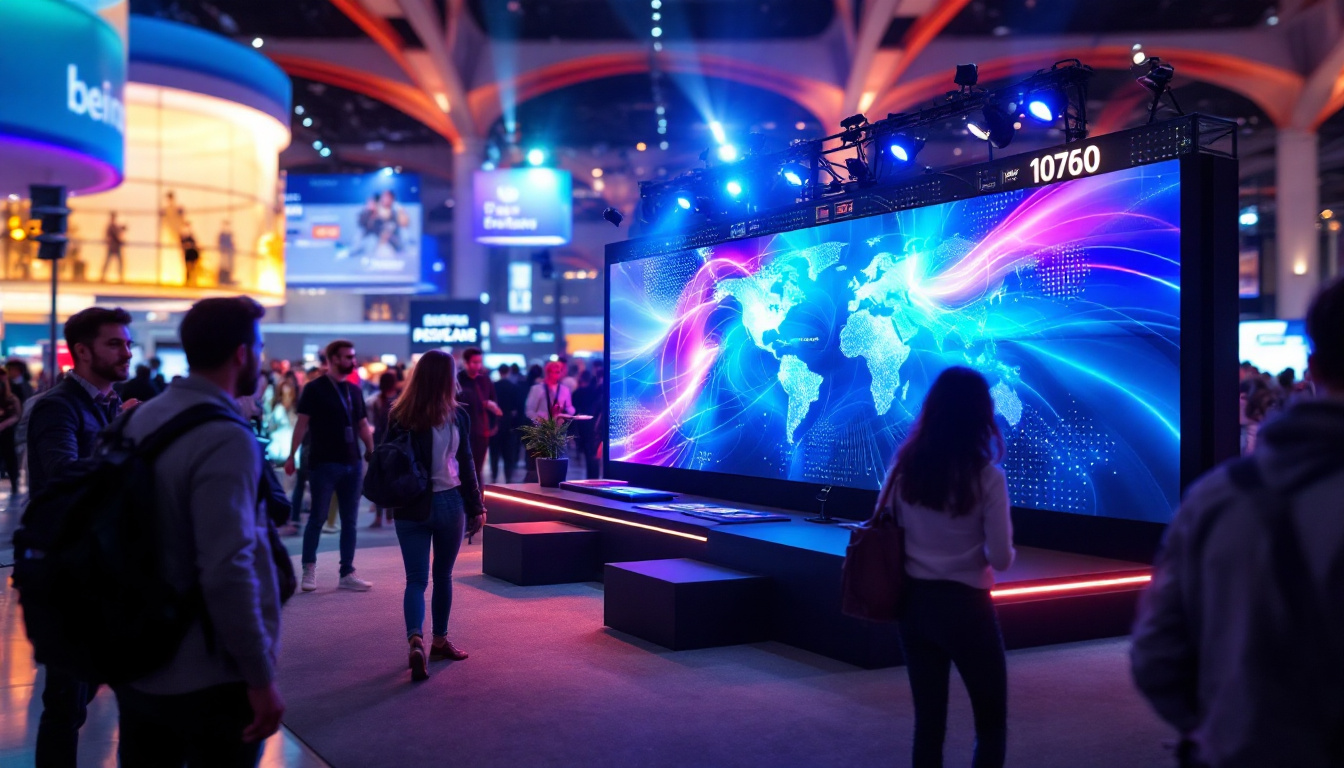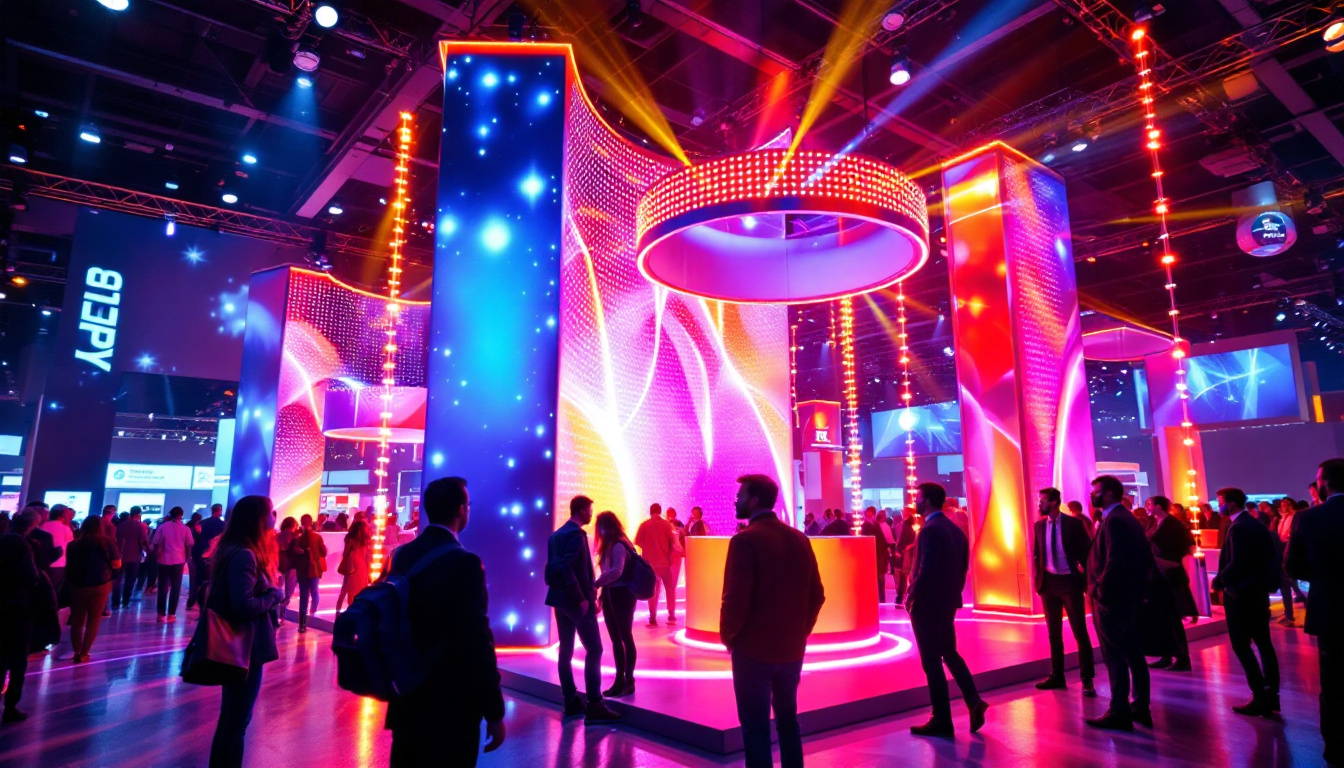
In the ever-evolving landscape of digital signage and visual communication, LED displays have emerged as a dominant technology. From stadium scoreboards to retail advertising and urban art installations, LED displays captivate audiences with their vibrant colors, high brightness, and dynamic content capabilities. The term “Wall -E” in this context often refers to large-scale LED walls, a popular format for immersive visual experiences. This article delves into the technology behind LED displays, their applications, advantages, and what makes them an indispensable tool in modern visual media.
Understanding LED Display Technology
At its core, an LED display is a flat panel that uses light-emitting diodes (LEDs) as pixels to create images and videos. Unlike traditional LCD or projection systems, LED displays are self-illuminating, meaning each pixel emits its own light. This fundamental difference offers several performance benefits, including superior brightness and contrast. The ability to produce deeper blacks and brighter whites enhances the overall viewing experience, making LED displays particularly popular in both consumer electronics and large-scale advertising.
How LED Displays Work
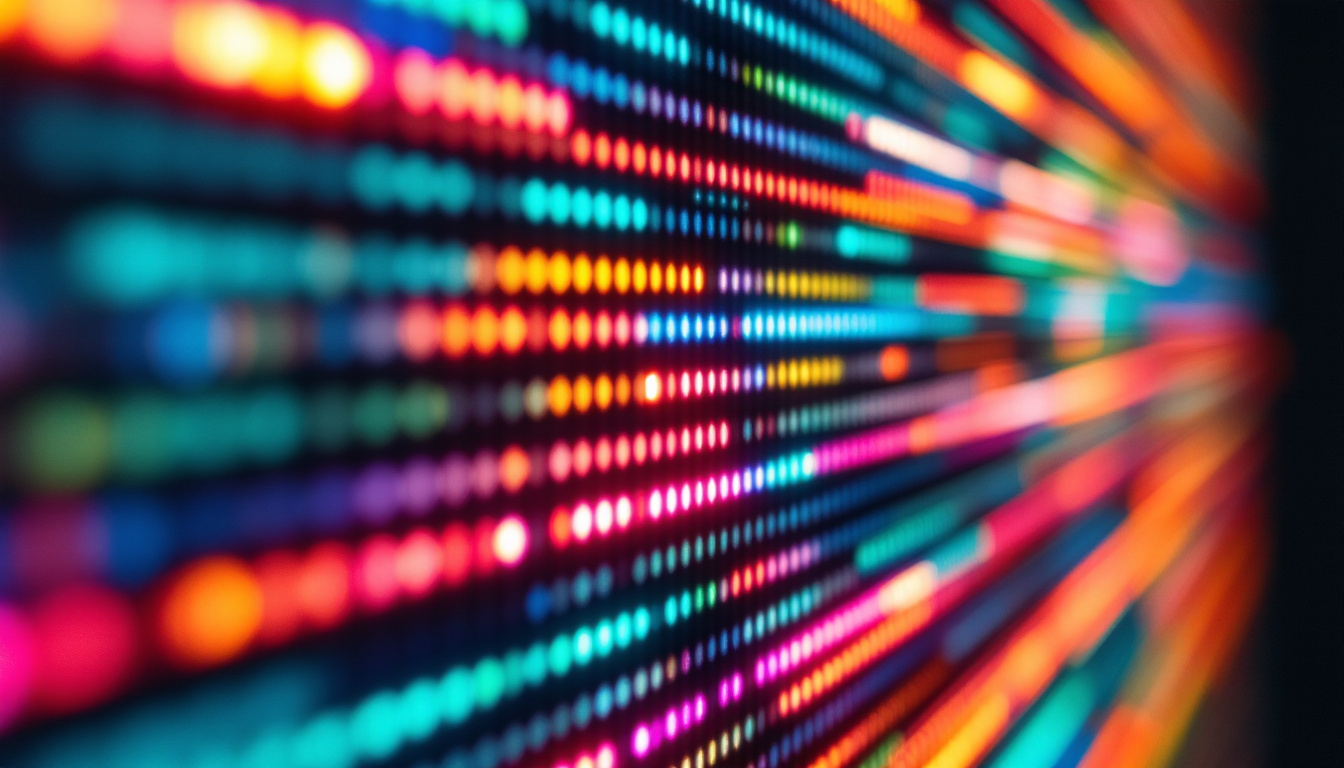
Each LED display is composed of thousands to millions of tiny LEDs arranged in a grid. These LEDs can be red, green, and blue (RGB), and by varying their intensity, they combine to produce a full spectrum of colors. The resolution of an LED display depends on the pixel pitch — the distance between the centers of two adjacent LEDs. Smaller pixel pitches mean higher resolution and sharper images, which is especially important for close-up viewing. This technology is crucial not only for televisions and computer monitors but also for applications in digital signage, where clarity and detail can significantly impact audience engagement.
Modern LED displays often use surface-mounted device (SMD) technology, where LEDs are mounted directly onto the circuit board. This allows for tighter pixel spacing and improved color accuracy. Some specialized displays use mini-LED or micro-LED technology, pushing the boundaries of brightness and energy efficiency even further. Mini-LEDs, for instance, can enhance local dimming capabilities, resulting in better contrast ratios and more vivid colors, while micro-LEDs promise even greater advancements in terms of scalability and flexibility, paving the way for future innovations in display technology.
Types of LED Displays
LED displays come in various forms tailored to different environments and purposes:
- Indoor LED Displays: Designed for controlled lighting environments, these displays have smaller pixel pitches (often less than 2 mm) to deliver high-resolution images suitable for close viewing distances. They are commonly used in venues such as theaters, conference rooms, and retail spaces, where visual clarity is paramount.
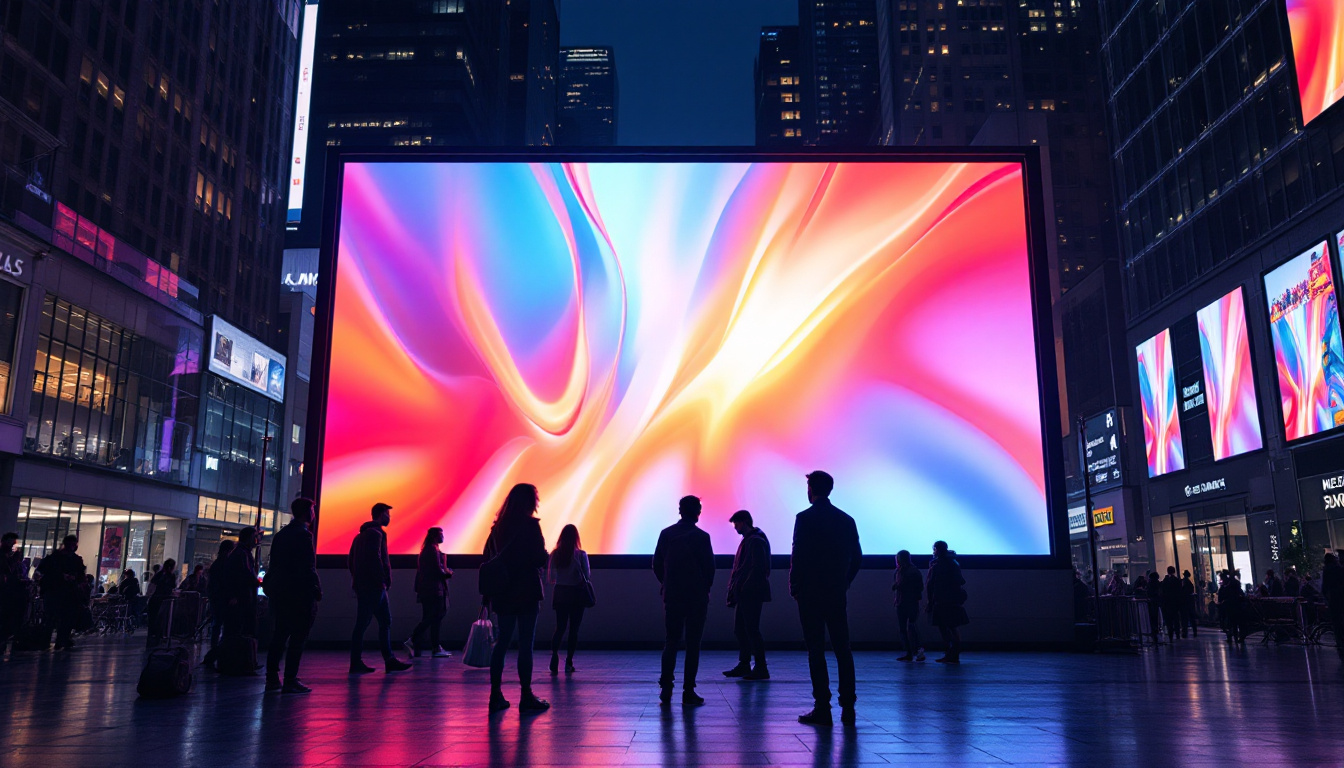
- Outdoor LED Displays: Built to withstand weather conditions, these displays feature higher brightness levels (often exceeding 5,000 nits) to remain visible in direct sunlight. Pixel pitches tend to be larger (4 mm and above) due to typical viewing distances. These displays are frequently utilized for billboards, sports arenas, and public events, where their durability and visibility are essential.
- Flexible and Curved LED Displays: Utilizing flexible circuit boards and modular panels, these displays can bend or curve, enabling creative installations in architecture and stage design. This adaptability allows for unique visual experiences, such as immersive environments in museums or dynamic backdrops in concerts.
- Transparent LED Displays: These allow light to pass through, making them ideal for storefront windows and glass facades where visibility from both sides is desired. They offer a modern aesthetic while still providing advertising opportunities, blending functionality with design.
In addition to these types, LED displays are also evolving with advancements in smart technology. Many modern displays now integrate features such as touch sensitivity and connectivity options, allowing for interactive experiences. This is particularly beneficial in retail environments, where engaging customers through interactive displays can enhance the shopping experience. Furthermore, the integration of AI and machine learning can optimize content delivery based on audience behavior, making LED displays not just a medium for communication but a dynamic tool for engagement.
Key Advantages of LED Displays
LED technology offers several compelling advantages that have driven its widespread adoption across industries. Understanding these benefits helps explain why LED walls have become the go-to solution for large-scale digital displays.
Brightness and Visibility
One of the most significant advantages of LED displays is their brightness. With peak brightness levels often exceeding 5,000 nits, LED walls remain visible even under direct sunlight, unlike LCD or projection-based systems that can struggle outdoors. This makes LED displays ideal for outdoor advertising, sports arenas, and public information systems.
Color Accuracy and Contrast
Because each LED emits its own light, LED displays achieve true blacks by turning off individual pixels completely, resulting in exceptional contrast ratios. This capability enhances image depth and vibrancy, making visuals more engaging and easier to read from a distance.
Durability and Longevity
LED displays are designed to operate continuously for tens of thousands of hours with minimal degradation. Their solid-state construction makes them resistant to shock and vibration, which is crucial for installations in busy urban environments or on moving vehicles.
Energy Efficiency
Advances in LED technology have significantly improved energy efficiency compared to older display technologies. Modern LED modules consume less power per unit of brightness, reducing operational costs and environmental impact.
Scalability and Customization
LED displays are modular, allowing for virtually unlimited scalability. Panels can be combined to create walls of any size or shape. This flexibility supports a wide range of applications, from small retail signs to massive stadium screens.
Applications of LED Walls
LED walls, often referred to as “Wall -E” in large-scale digital signage, serve diverse purposes across multiple sectors. Their versatility and visual impact make them a preferred choice for both commercial and creative uses.
Advertising and Marketing
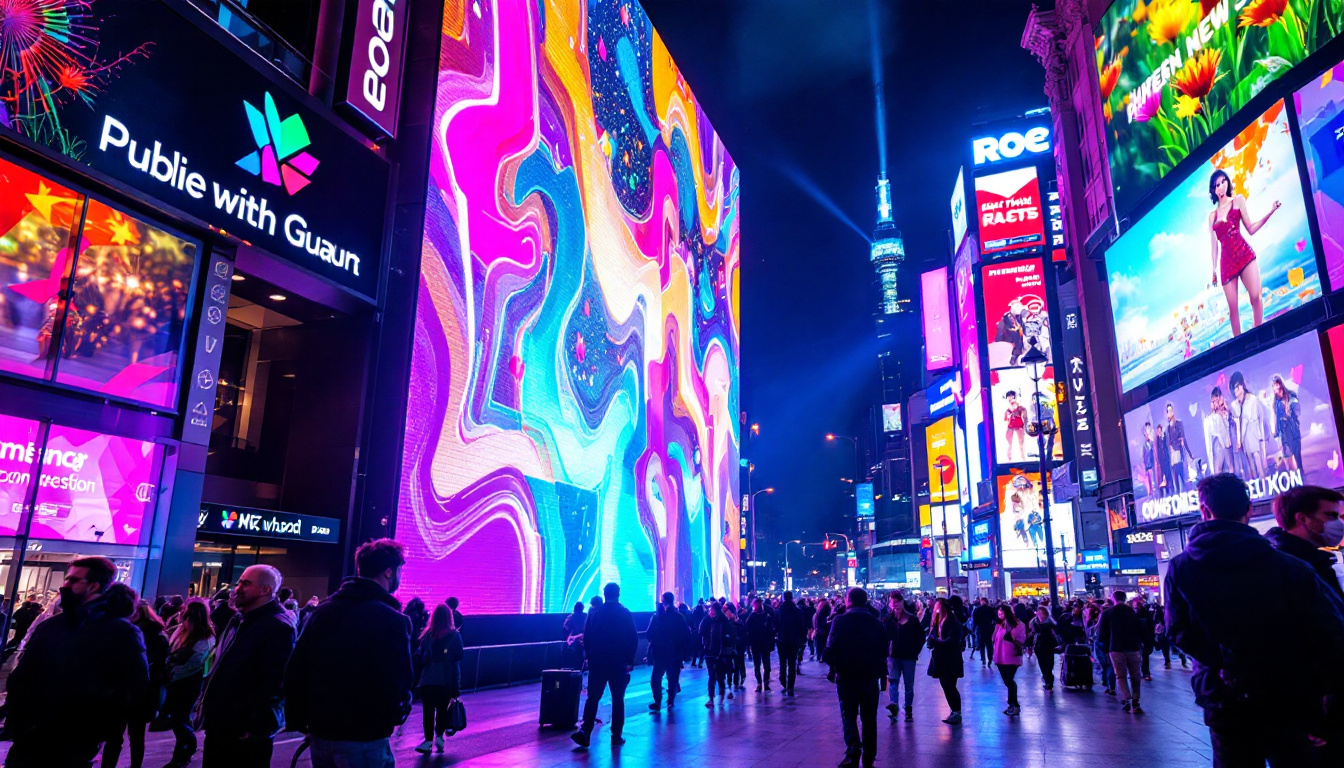
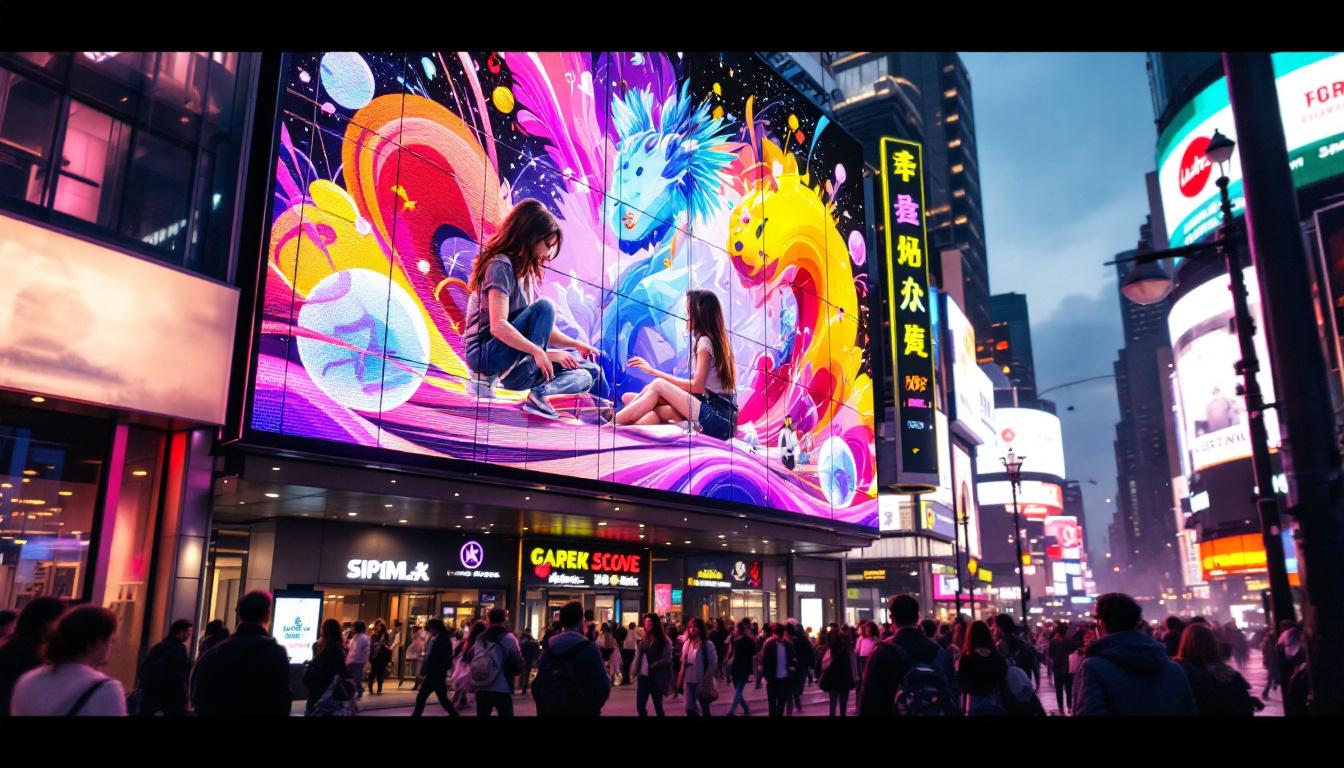
Outdoor LED billboards have revolutionized advertising by enabling dynamic, real-time content updates. Brands can tailor messages based on time of day, weather, or audience demographics, increasing engagement and return on investment. According to a 2023 report by the Digital Signage Federation, dynamic digital ads on LED displays can boost viewer recall by up to 83% compared to static ads.
Entertainment and Events
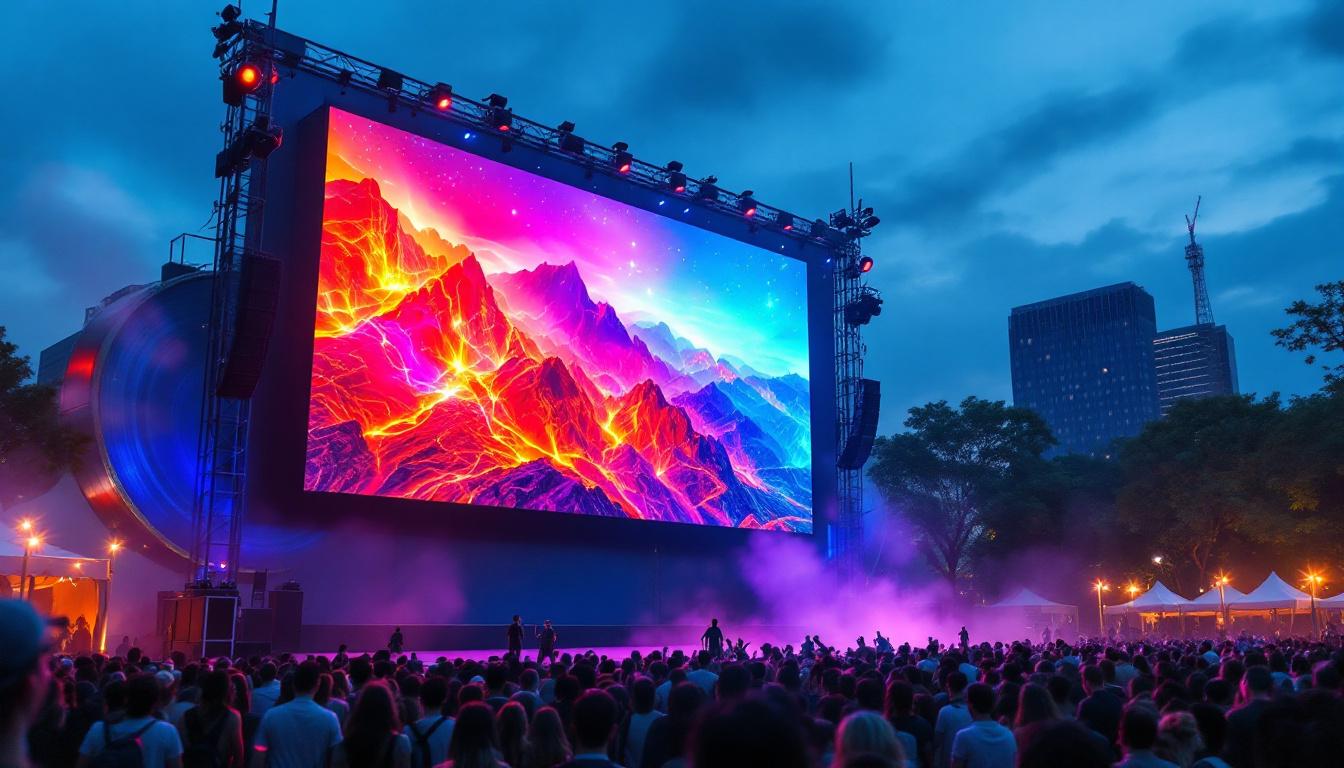
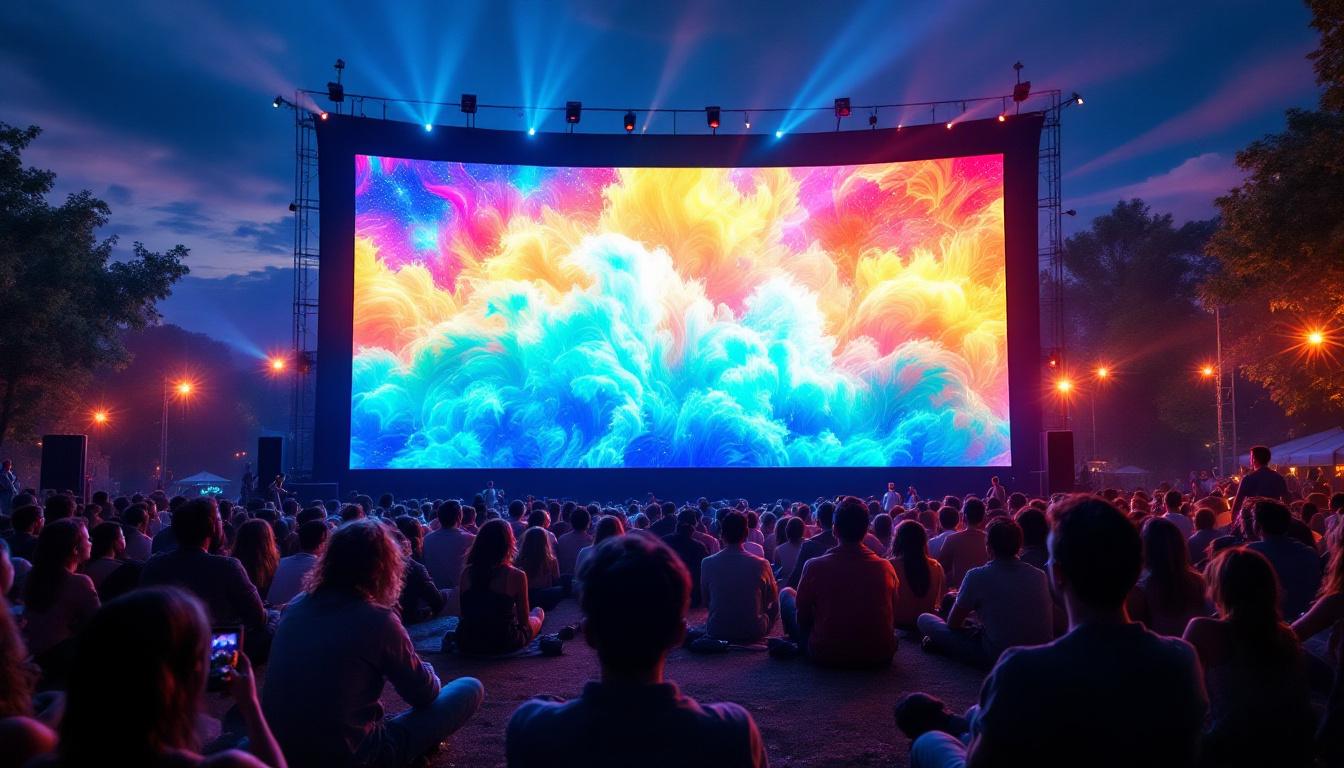
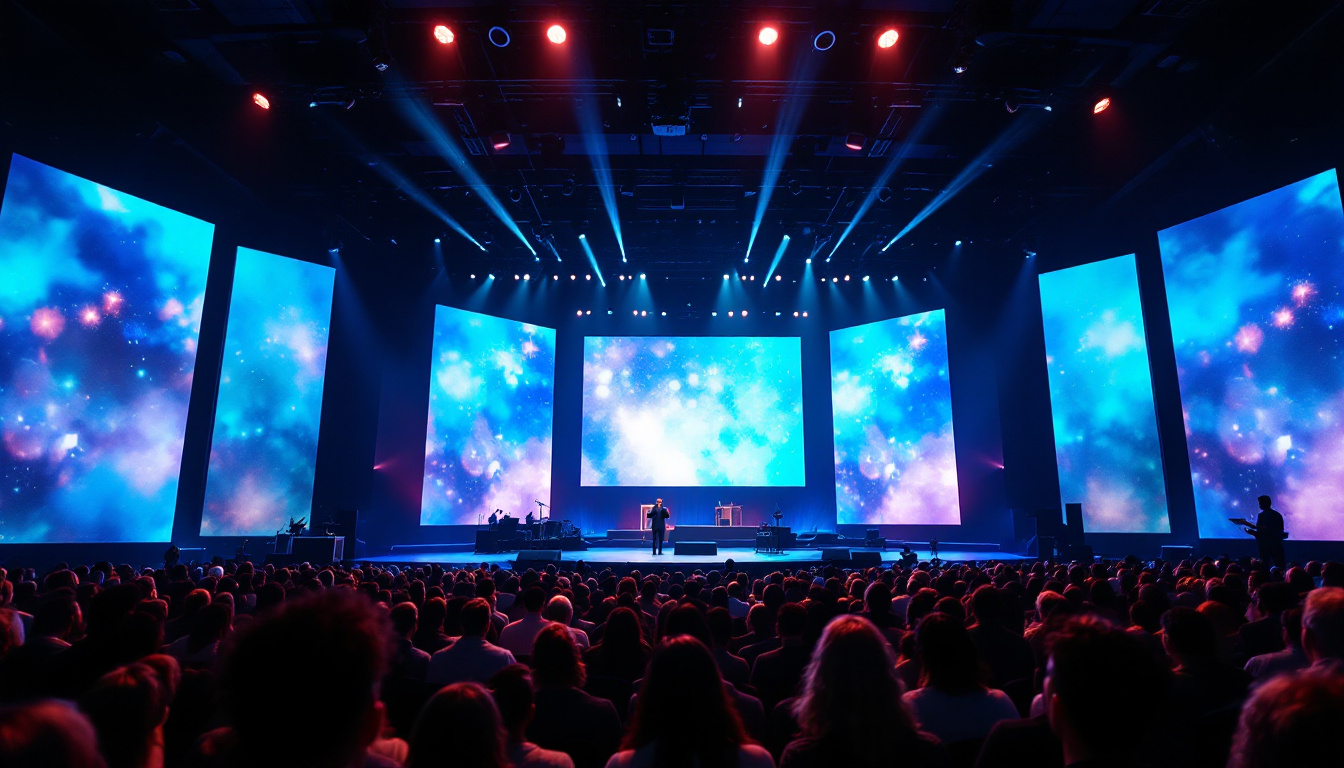
Concerts, festivals, and sporting events frequently use LED walls to enhance the audience experience. High-resolution LED screens provide live video feeds, immersive visuals, and interactive content that can be seen clearly from any seat in the venue. The 2022 FIFA World Cup, for example, featured massive LED installations that delivered stunning visuals both inside and outside stadiums.
Corporate and Retail Environments
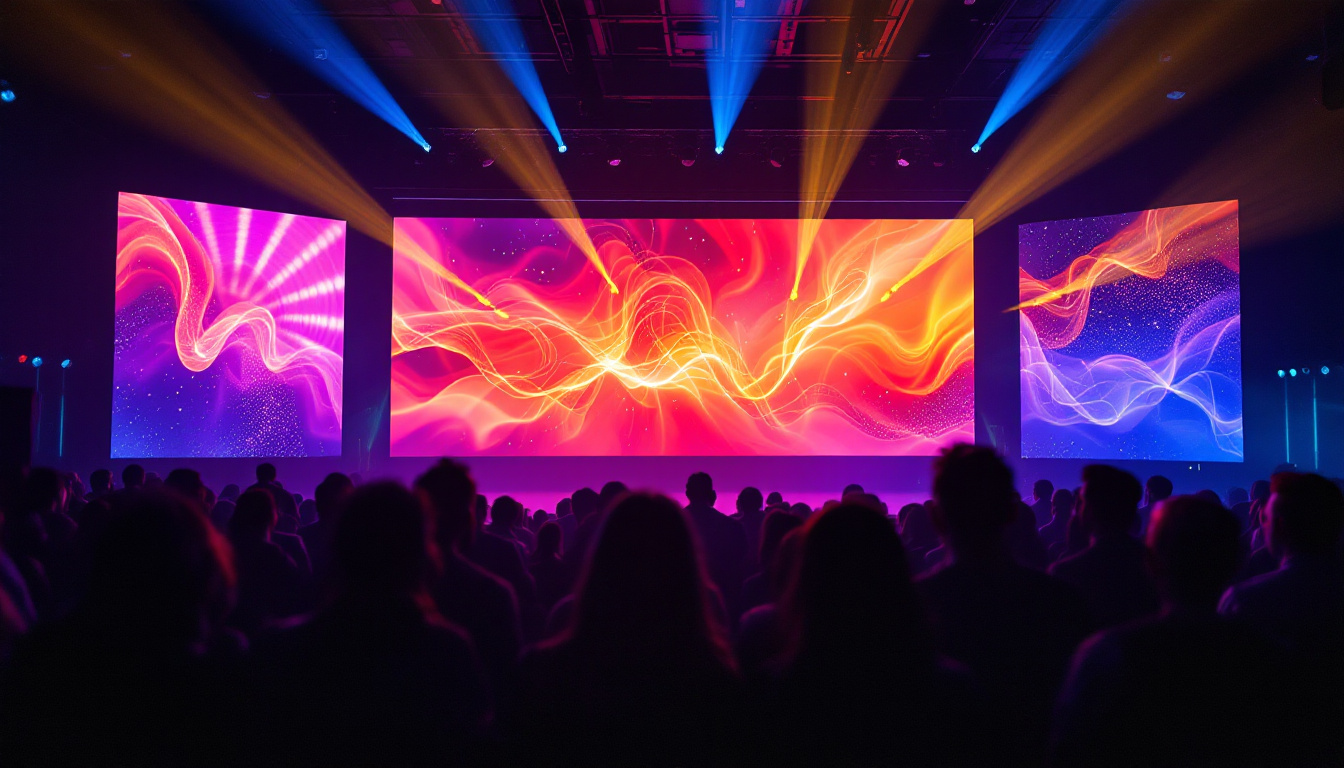
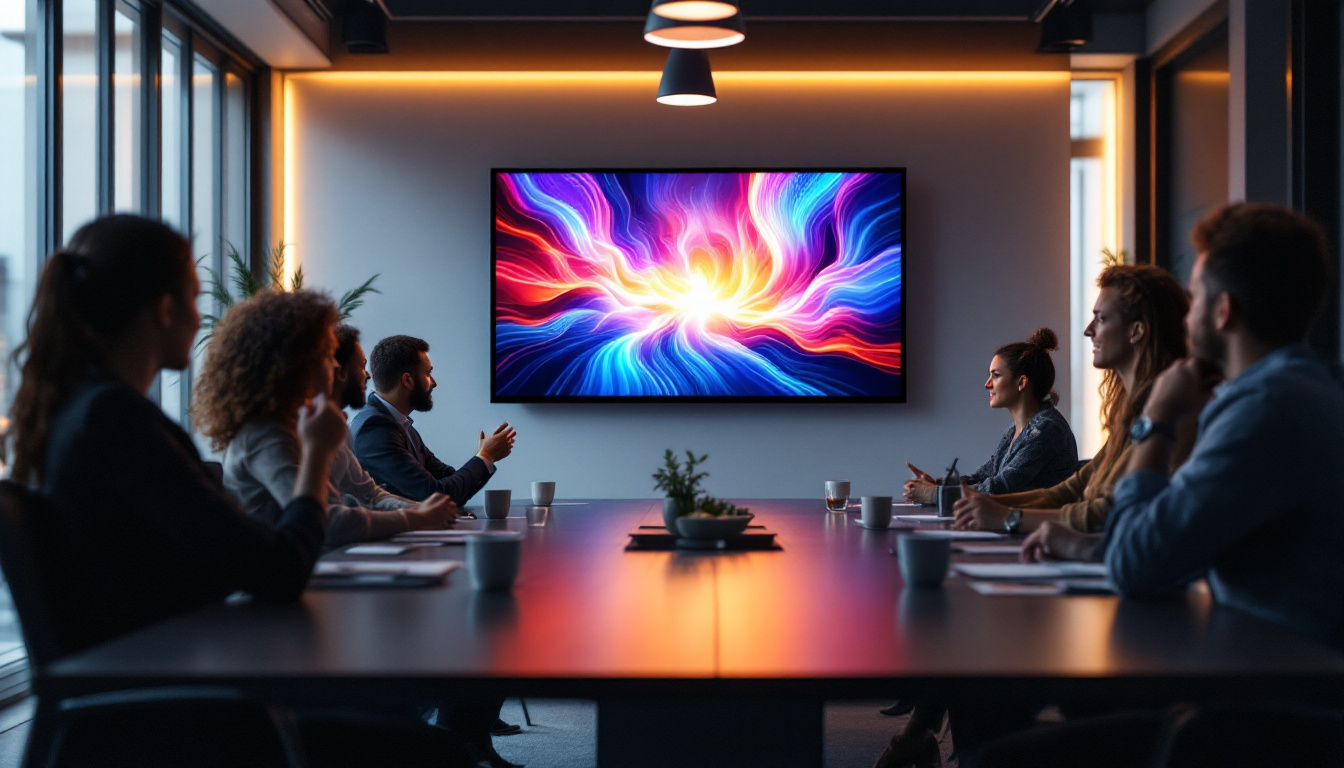
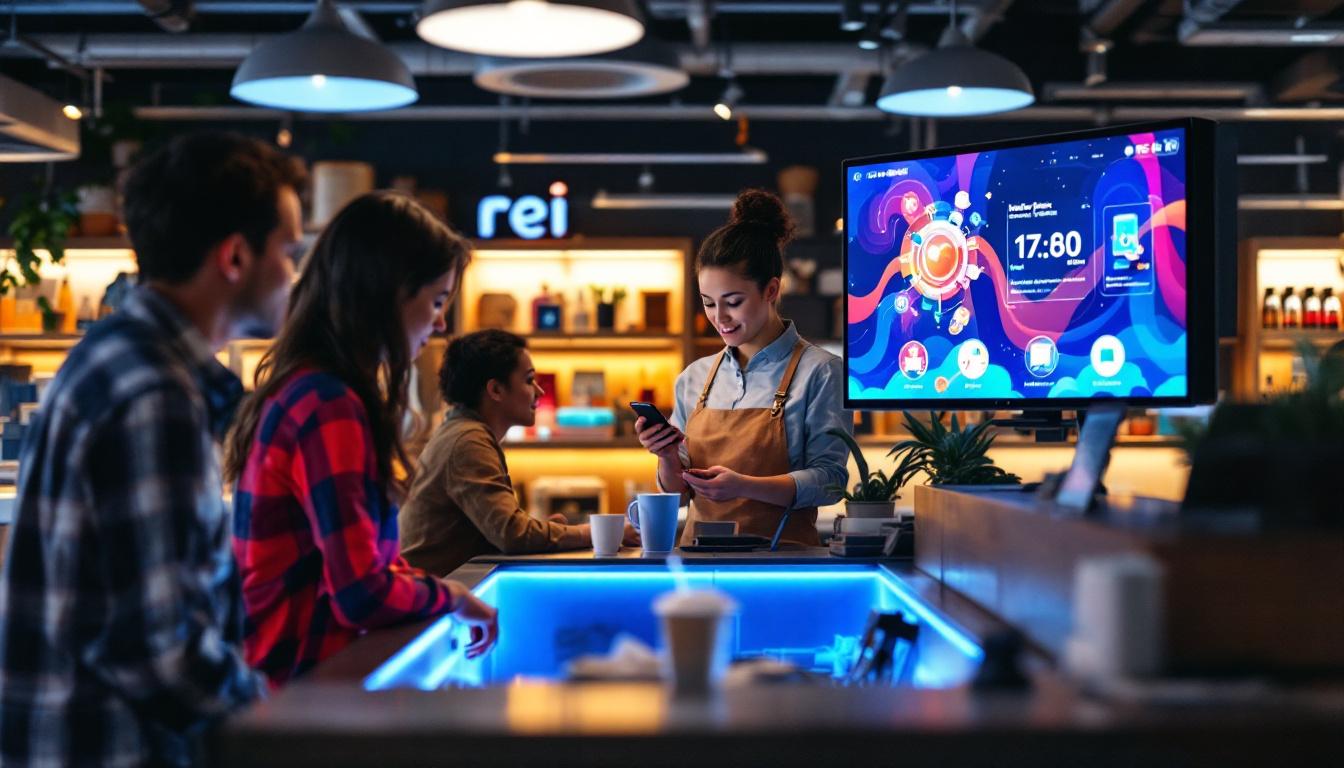
In corporate settings, LED walls are used for presentations, video conferencing, and digital signage to communicate with employees and visitors. Retailers leverage LED displays to create eye-catching window displays and in-store promotions that drive foot traffic and sales.
Public Information and Transportation
LED displays are integral to public transit systems, airports, and city centers for real-time information dissemination. Their high visibility and reliability ensure passengers and citizens receive timely updates on schedules, emergencies, and events.
Architectural and Artistic Installations
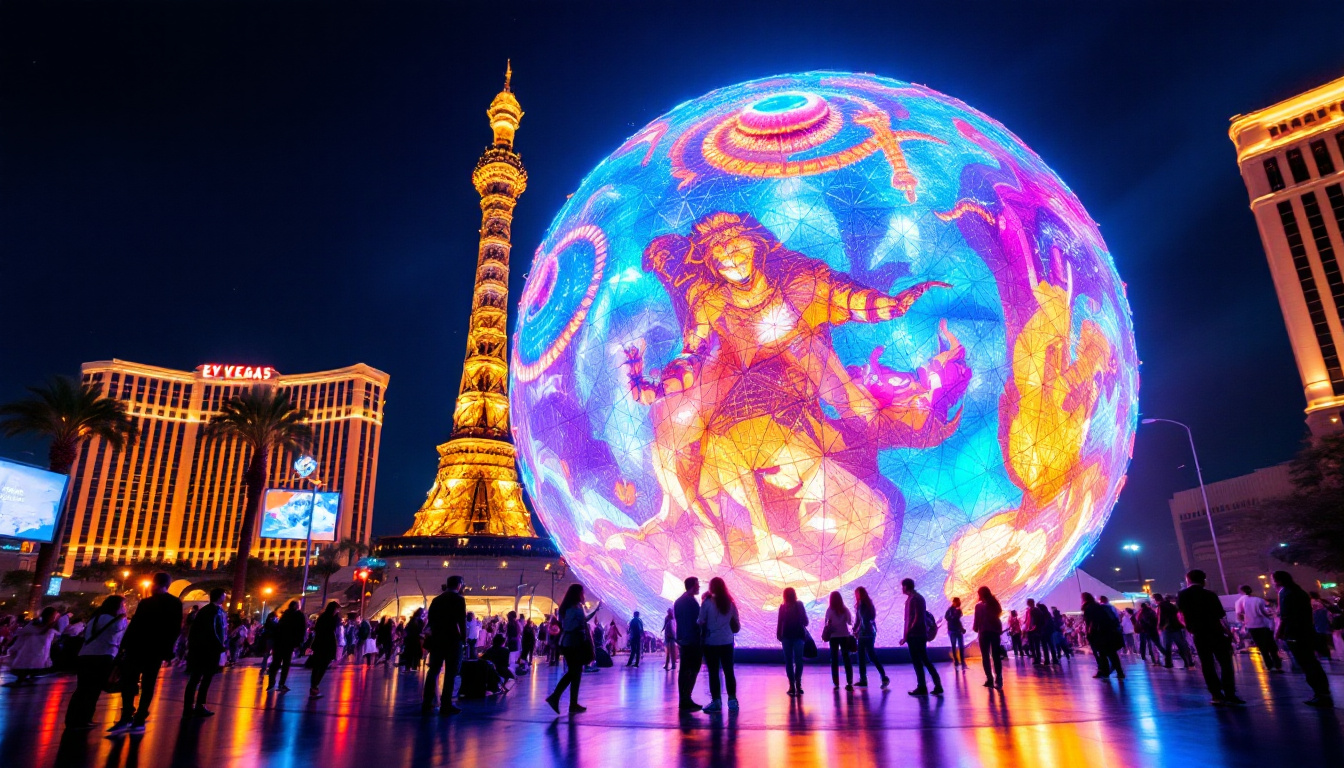
Innovative architects and artists incorporate LED walls into building facades and public art projects. These installations transform urban spaces into dynamic canvases, often synchronized with music or environmental data to create immersive experiences.
Technical Considerations When Choosing an LED Display
Selecting the right LED display requires careful evaluation of several technical factors to ensure optimal performance and return on investment.
Pixel Pitch and Resolution
The pixel pitch determines the viewing distance and image clarity. For indoor displays viewed up close, a pixel pitch of 1.2 mm to 2.5 mm is common. Outdoor displays, viewed from farther away, typically use pitches ranging from 4 mm to 10 mm or more. Choosing the correct pixel pitch balances cost with image quality.
Brightness and Contrast Ratio
Brightness is measured in nits, and the ideal level depends on ambient lighting conditions. Outdoor displays need higher brightness to overcome sunlight, while indoor displays require less. Contrast ratio affects image depth and readability, with higher ratios providing better visual quality.
Refresh Rate and Color Depth
Higher refresh rates (measured in Hz) reduce flicker and improve video smoothness, especially important for broadcast and live event applications. Color depth, often 16-bit or higher, ensures smooth gradients and accurate color reproduction.
Durability and Weatherproofing
Outdoor LED displays must meet IP65 or higher ratings for protection against dust and water. Additionally, temperature tolerance and UV resistance are critical for longevity in harsh environments.
Control Systems and Software
Modern LED displays integrate with advanced control software that enables content scheduling, remote monitoring, and diagnostics. Compatibility with various media formats and network protocols enhances flexibility and ease of use.
Future Trends in LED Display Technology
The LED display industry continues to innovate, driven by demand for higher resolution, greater energy efficiency, and more creative applications.
Mini-LED and Micro-LED Advances
Mini-LED and micro-LED technologies push pixel pitches below 1 mm, enabling ultra-high-definition displays with exceptional brightness and contrast. These technologies promise to bridge the gap between LED and OLED displays, combining the best attributes of both.
Integration with AI and IoT
Artificial intelligence and Internet of Things (IoT) integration allow LED walls to deliver personalized content based on audience analytics, environmental conditions, and real-time data streams. This enhances engagement and opens new possibilities for interactive advertising and public information systems.
Flexible and Transparent Displays
Advancements in flexible and transparent LED panels enable new form factors and applications. Buildings can feature entire glass facades that double as digital displays without obstructing views, while curved or wrap-around screens create immersive environments.
Sustainability and Energy Efficiency
As sustainability becomes a priority, manufacturers focus on reducing power consumption and using recyclable materials. Innovations in LED driver technology and heat management contribute to greener digital signage solutions.
Conclusion
LED displays, particularly large-scale LED walls often dubbed “Wall -E,” have transformed the way information and entertainment are presented in public and private spaces. Their unparalleled brightness, color accuracy, durability, and scalability make them an essential tool for advertisers, event organizers, architects, and city planners alike. Understanding the technology, advantages, and applications of LED displays equips businesses and creatives to harness their full potential and stay ahead in a visually driven world.
As LED technology continues to advance, the possibilities for immersive and impactful visual experiences will only expand, making LED walls a cornerstone of digital communication for years to come.
Illuminate Your Space with LumenMatrix
Ready to elevate your visual communication with the brilliance of LED technology? LumenMatrix is at the forefront of LED display innovation, offering a wide array of solutions tailored to your unique needs. Whether you’re looking to captivate shoppers with an Indoor LED Wall Display, make a bold statement with an Outdoor LED Wall Display, or create a dynamic environment with our Custom LED Displays, we have the technology to bring your vision to life. Experience the future of digital signage and transform your space into a mesmerizing visual journey. Check out LumenMatrix LED Display Solutions today and start crafting unforgettable experiences.