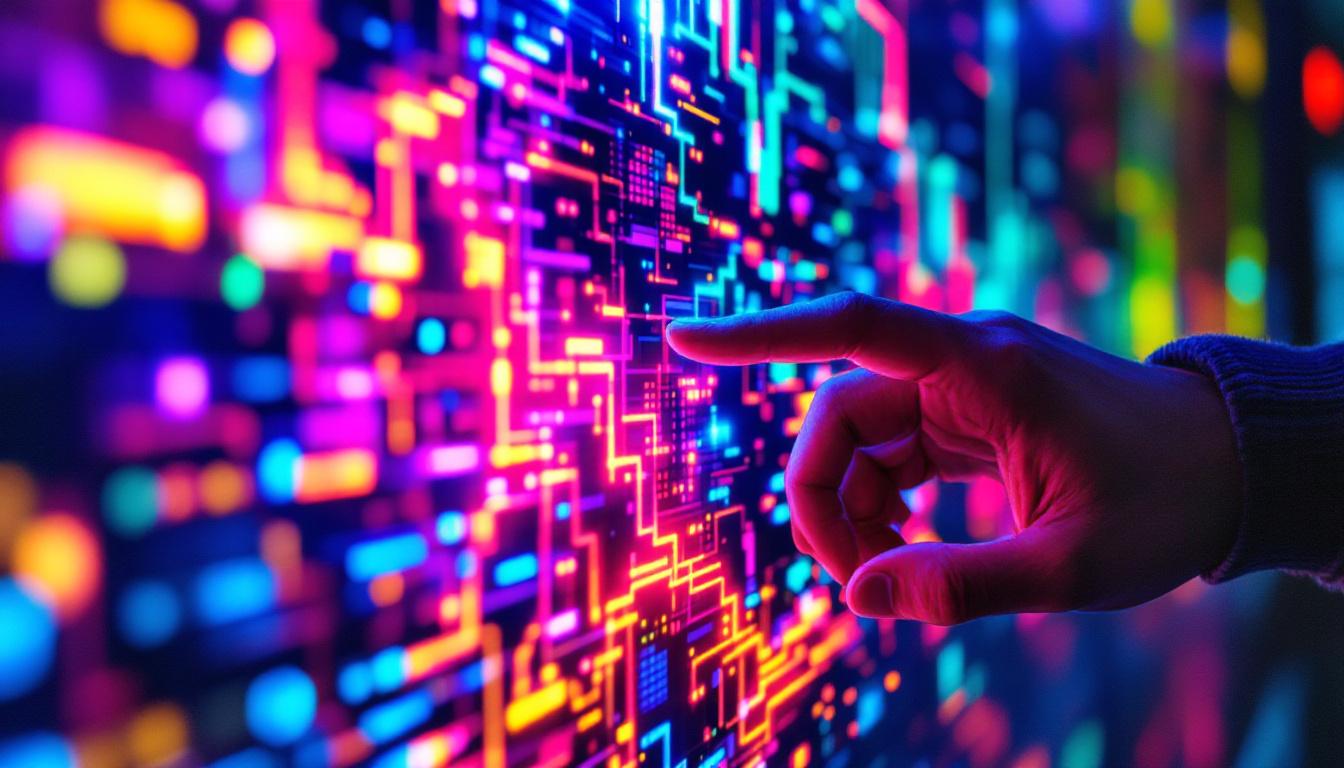
In the ever-evolving world of digital technology, LED displays have become a cornerstone of modern visual communication. From vibrant billboards to interactive kiosks, LED technology powers a vast array of applications that shape how businesses engage with their audiences. For companies specializing in touch screen solutions, understanding LED displays is essential—not only to enhance product offerings but also to deliver superior user experiences. This article delves deep into the fundamentals of LED displays, their types, advantages, and how they integrate with touch screen technology to revolutionize interactive displays.
Understanding LED Display Technology
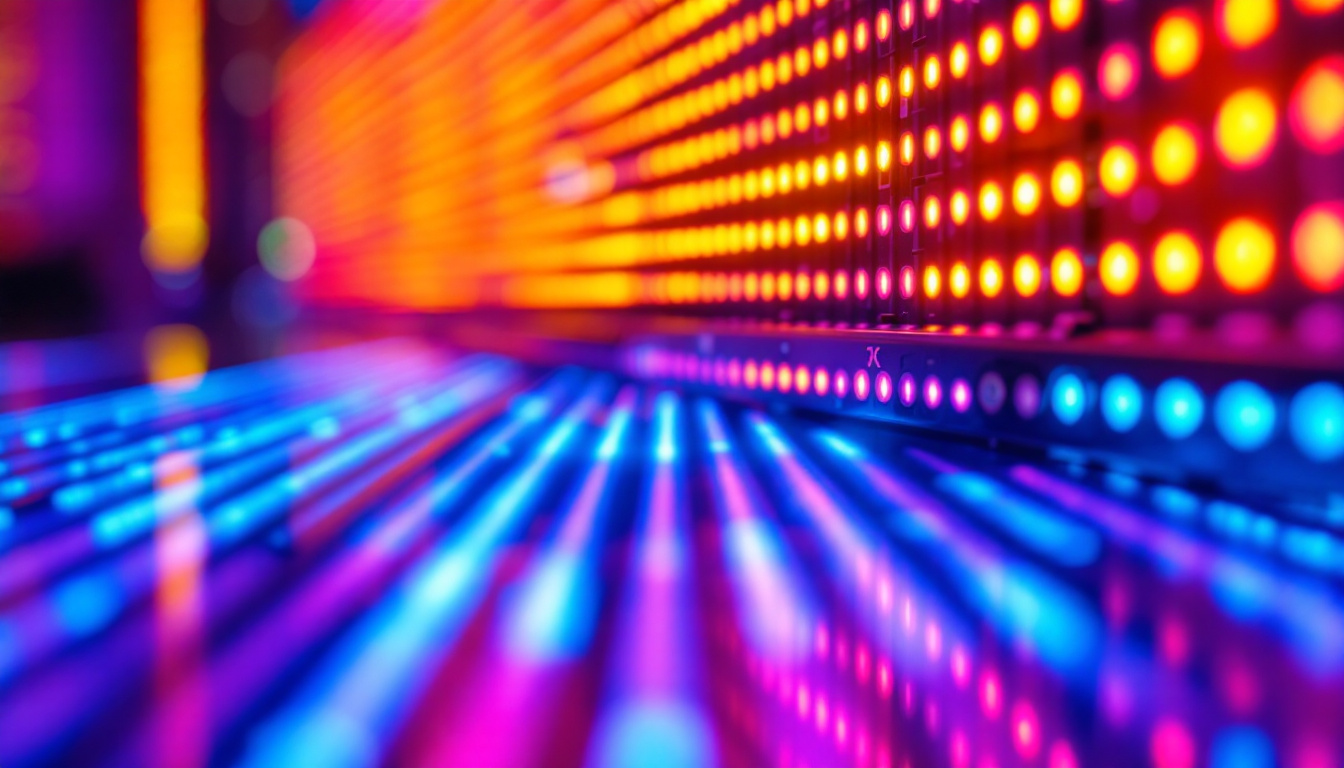
LED, or Light Emitting Diode, technology has transformed the display industry by offering brighter, more energy-efficient, and longer-lasting solutions compared to traditional display types like LCD or plasma. At its core, an LED display consists of numerous tiny LEDs that emit light when an electric current passes through them. These LEDs are arranged in a matrix to form images, videos, or text, making them ideal for both indoor and outdoor applications.
The fundamental advantage of LED displays lies in their ability to produce vivid colors and high contrast ratios. Unlike LCD displays, which rely on backlighting, LEDs emit their own light, allowing for deeper blacks and more vibrant colors. This self-illumination also contributes to superior viewing angles and better visibility under direct sunlight, which is critical for outdoor signage and public information displays.
Types of LED Displays
LED displays come in various forms, each tailored to specific use cases and environments. The primary types include:
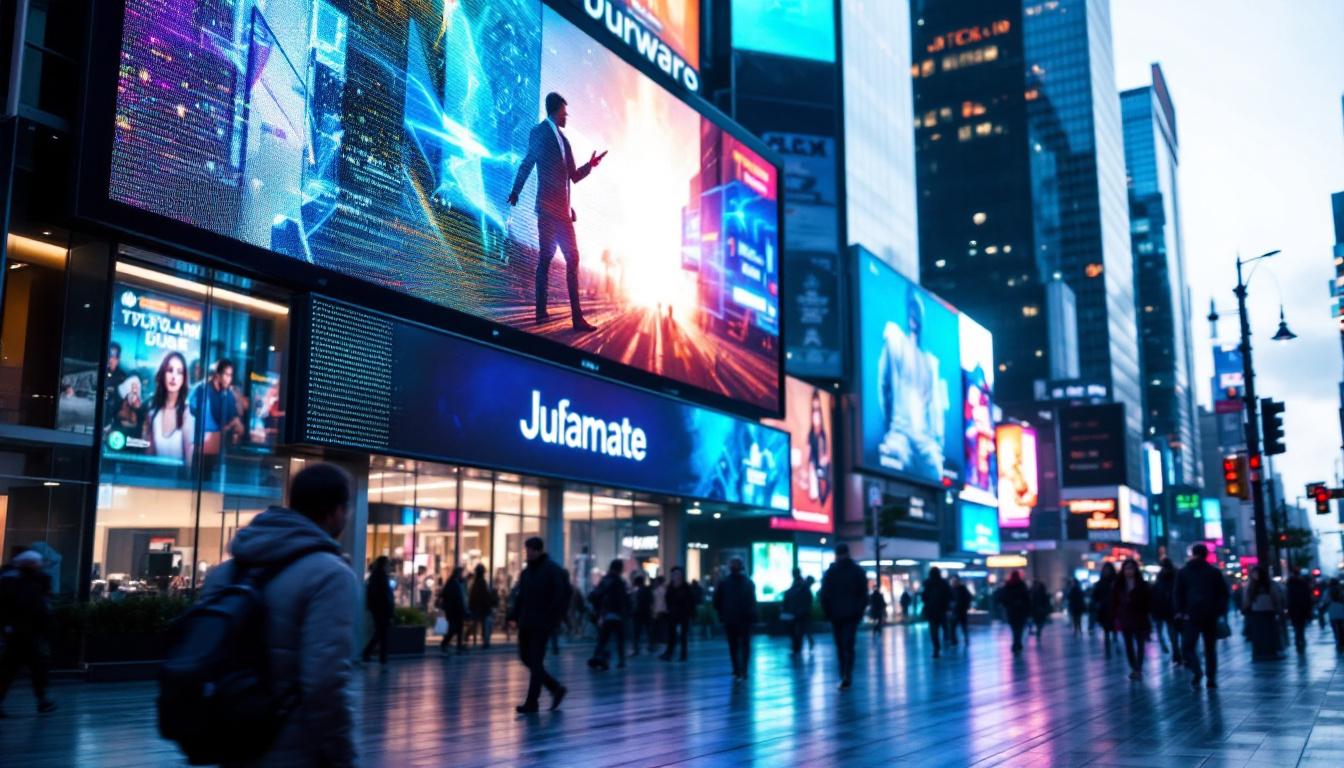
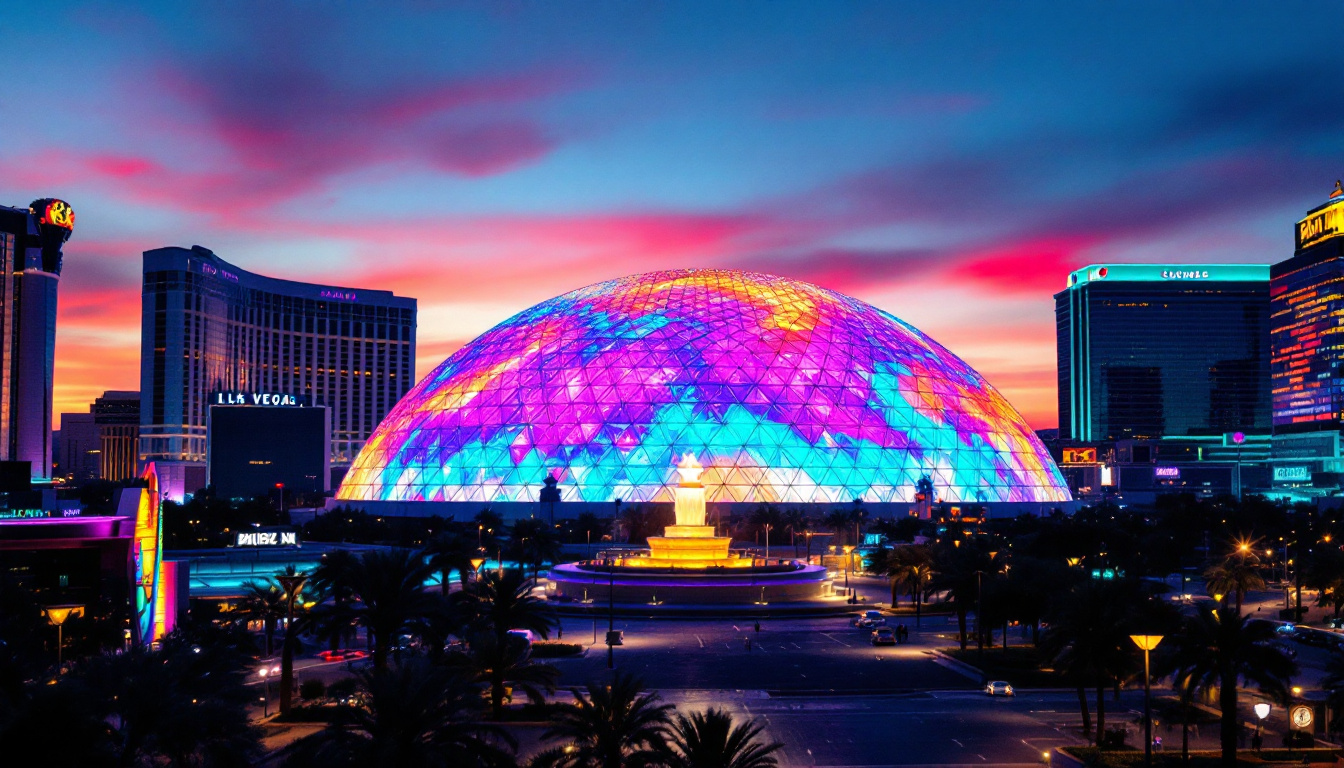
- Direct View LED Displays: These are composed of individual LEDs that form pixels directly visible to the viewer. They are commonly used in large-scale video walls, stadium screens, and outdoor billboards due to their brightness and scalability.
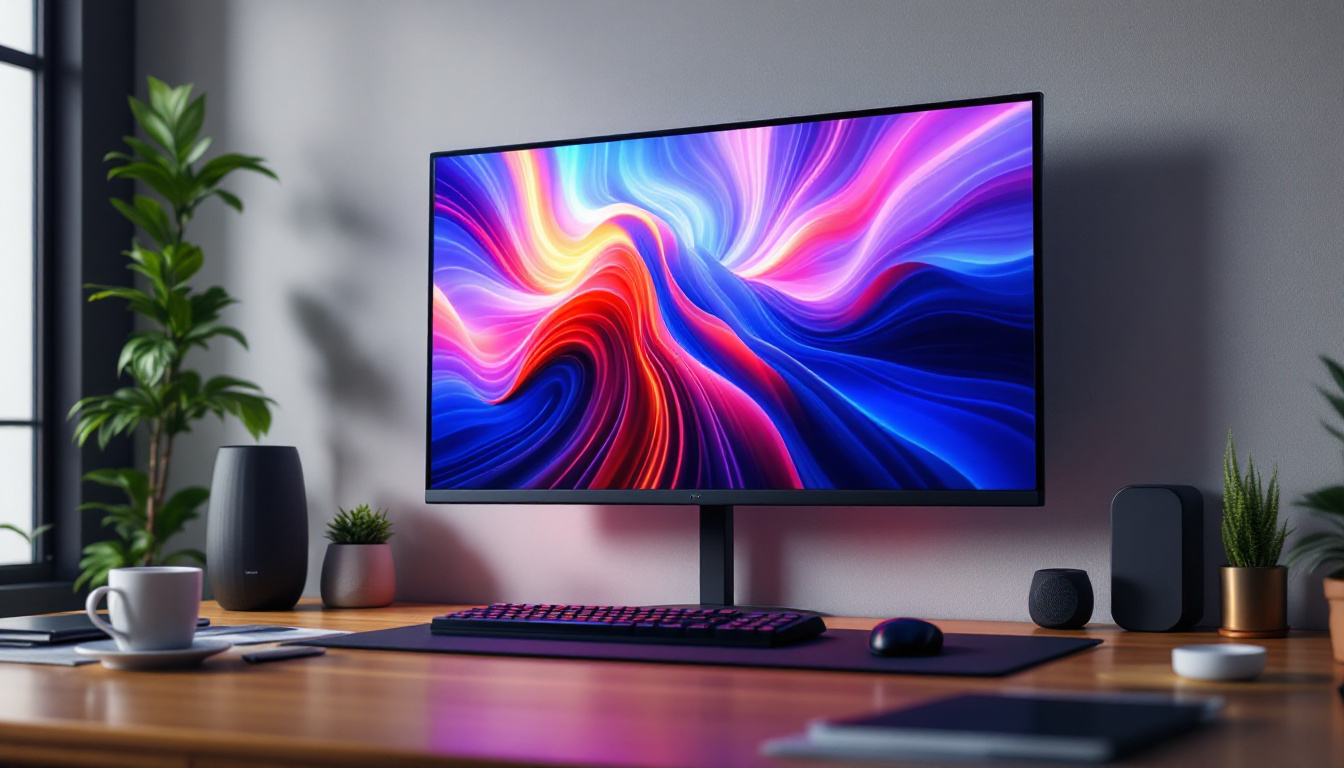
- LED-Backlit LCD Displays: These combine traditional LCD panels with LED backlighting to improve brightness and color accuracy. This type is prevalent in consumer electronics such as smartphones, monitors, and televisions.
- MicroLED Displays: An emerging technology, MicroLEDs are much smaller LEDs that promise even higher resolution, improved energy efficiency, and longer lifespan. Though still in development, MicroLEDs are poised to revolutionize display technology in the coming years.
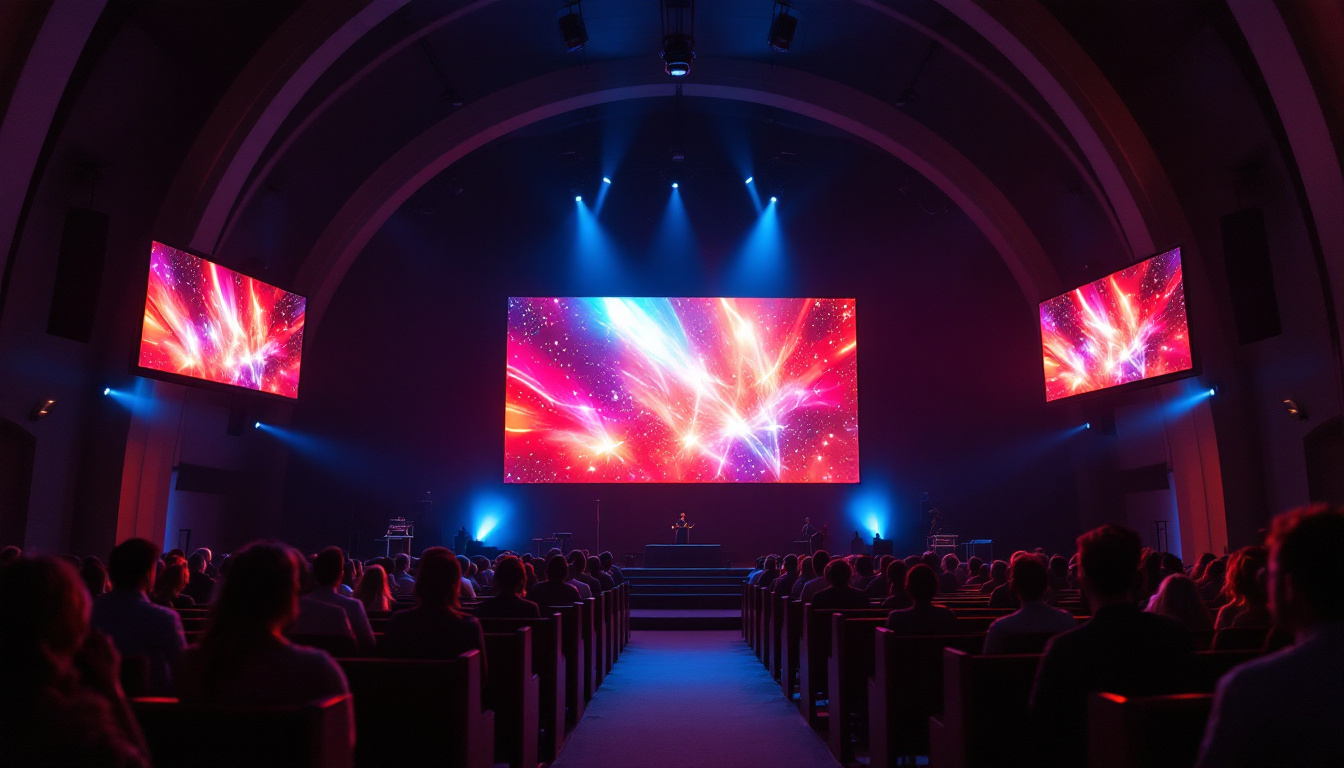
Each type offers unique benefits, and selecting the right LED display depends on factors such as viewing distance, ambient lighting, and intended use. For instance, Direct View LED displays are particularly advantageous in environments where high brightness and large screen sizes are essential, such as concerts or sporting events. Their modular design allows for seamless integration into various configurations, making them a favorite among event planners and advertisers alike. Meanwhile, LED-backlit LCD displays have become the standard in home entertainment systems, providing a balance of quality and affordability that appeals to the average consumer.
Moreover, the advancements in LED technology continue to push the boundaries of what’s possible in display design. Innovations such as flexible LED screens are emerging, enabling curved or even foldable displays that can adapt to different spaces and uses. This flexibility opens new avenues for creative advertising and immersive experiences in retail environments, where engaging customers visually is paramount. As the technology evolves, the integration of smart features, such as connectivity options and interactive capabilities, is also becoming more common, further enhancing the functionality of LED displays in various applications.
Key Advantages of LED Displays for Touch Screen Companies
For companies specializing in touch screen technology, integrating LED displays offers several compelling advantages. These benefits not only enhance the visual appeal but also improve functionality and durability, which are crucial for interactive applications.
Superior Brightness and Visibility
One of the standout features of LED displays is their exceptional brightness levels. Typical LED screens can reach brightness levels of 1,000 to 5,000 nits or more, compared to around 300 to 500 nits for standard LCDs. This makes LED displays easily readable even in brightly lit environments, such as retail stores, airports, or outdoor public spaces.
For touch screen applications, this means users can interact with the display without straining their eyes or struggling with glare. Enhanced visibility also ensures that content remains clear and engaging regardless of lighting conditions, which is vital for customer-facing installations.
Energy Efficiency and Longevity
LED technology is renowned for its energy efficiency. LEDs consume significantly less power than traditional display technologies, which translates into lower operating costs and reduced environmental impact. For businesses deploying multiple touch screen kiosks or large-scale digital signage, these savings can be substantial over time.
Moreover, LED displays boast longer lifespans—often exceeding 50,000 hours of operation—compared to other display types. This durability reduces maintenance requirements and downtime, ensuring that interactive touch screen systems remain reliable and cost-effective.
Thin and Lightweight Design
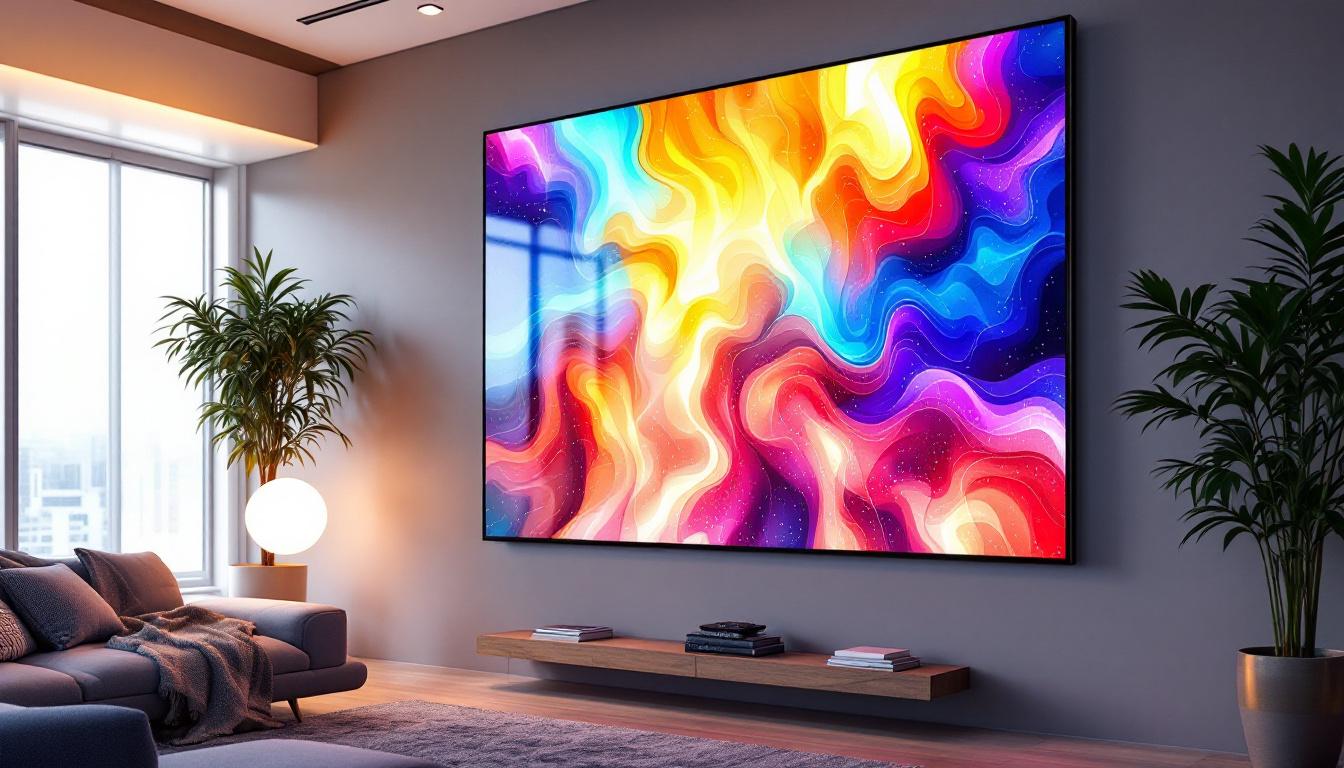
LED displays can be manufactured to be remarkably thin and lightweight, which is advantageous for touch screen companies focusing on sleek, modern designs. This flexibility allows for creative installations, such as wall-mounted interactive panels, curved screens, or portable devices, without compromising on display quality.
Integrating LED Displays with Touch Screen Technology
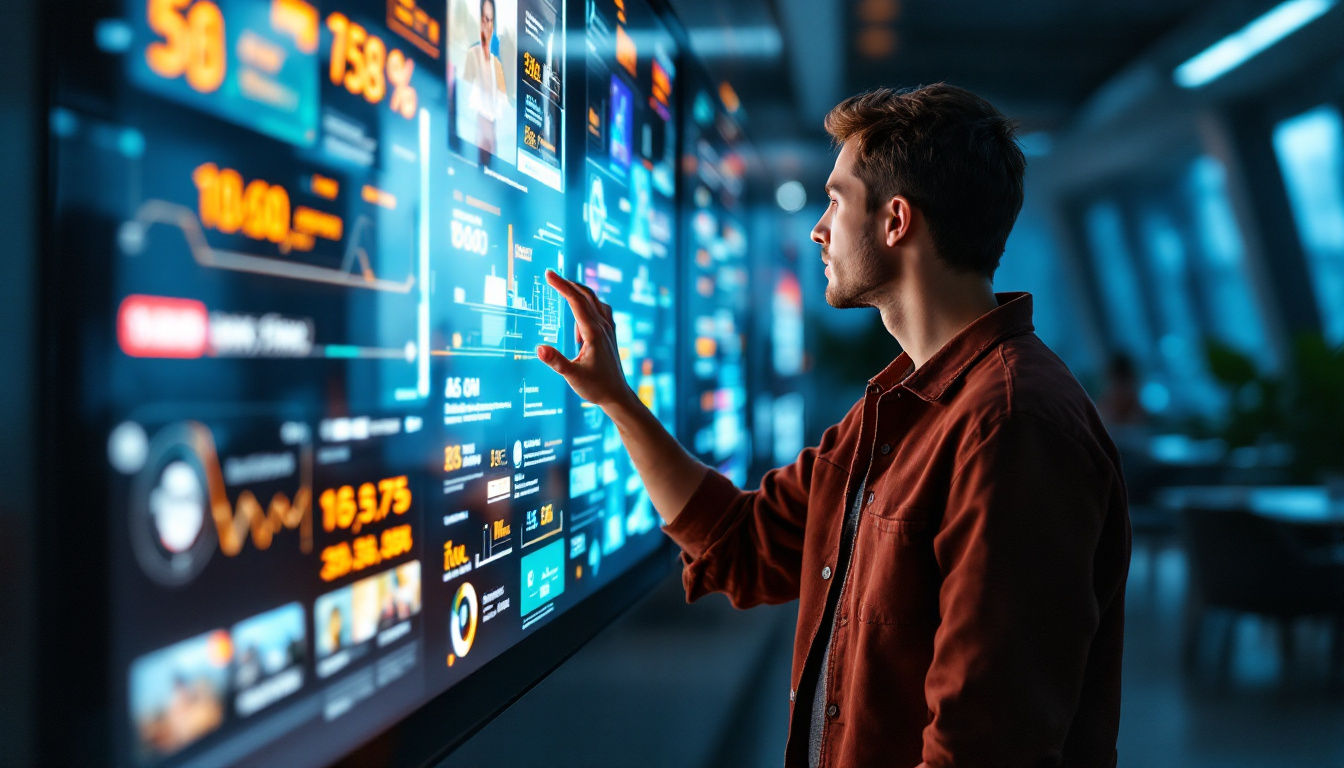
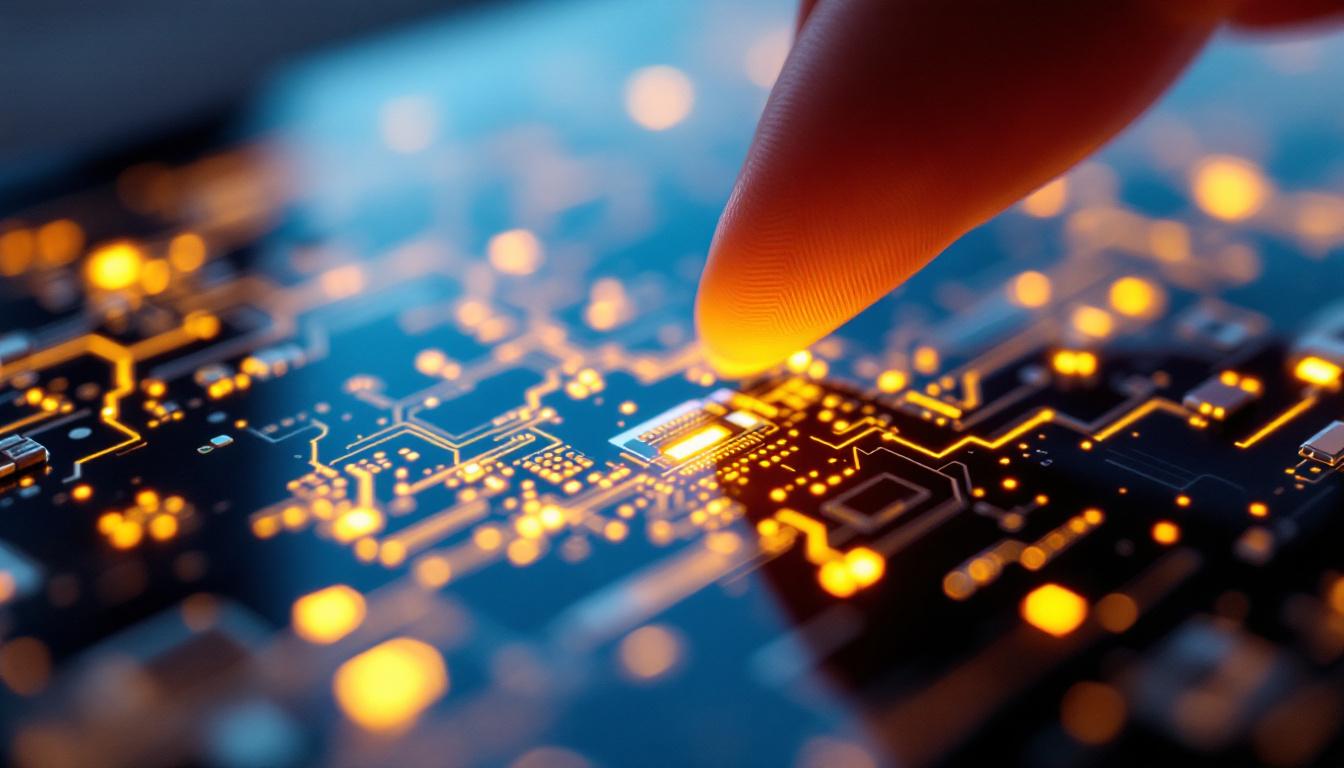
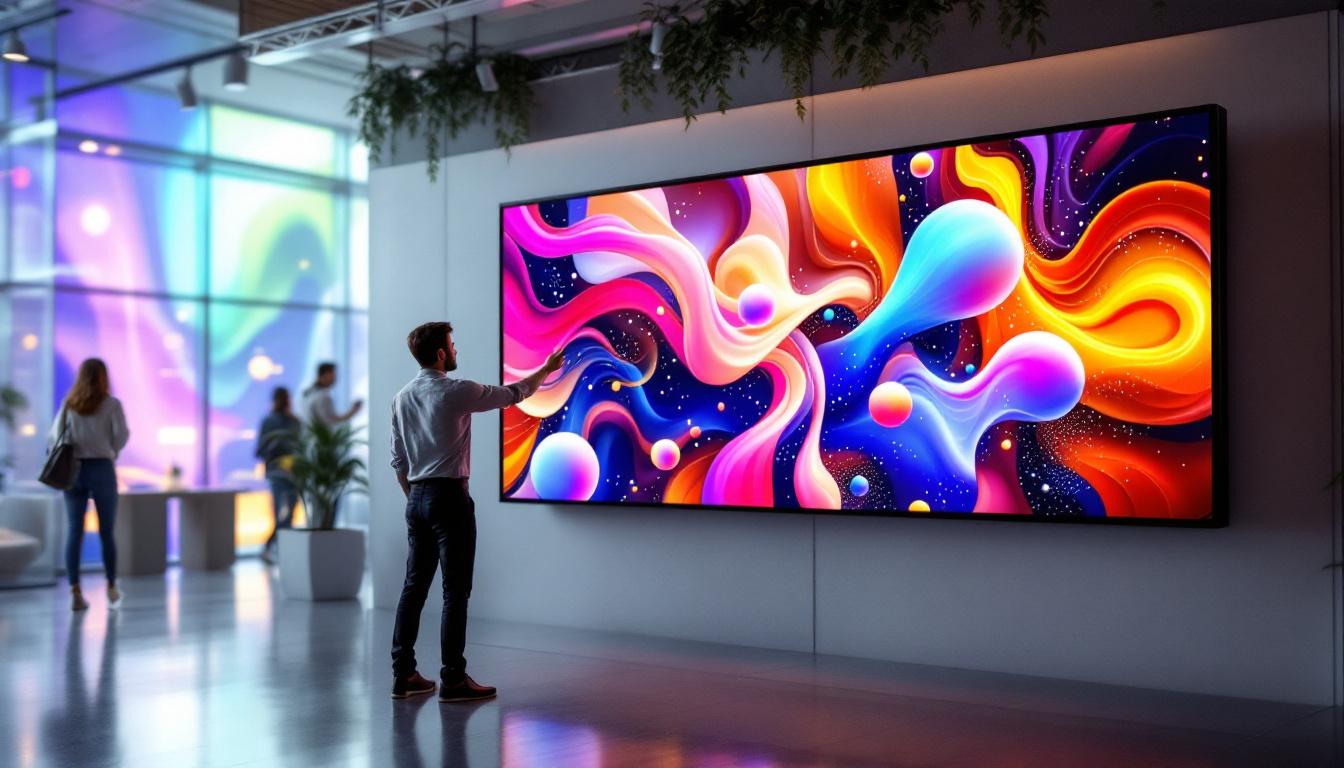
Combining LED displays with touch screen technology creates powerful interactive solutions that engage users and deliver dynamic content. This integration involves several technical considerations to ensure seamless performance and user satisfaction.
Touch Screen Technologies Compatible with LED Displays
There are multiple touch sensing technologies that can be paired with LED displays, each with its own strengths:
- Capacitive Touch: Widely used in smartphones and tablets, capacitive touch screens detect touch through changes in electrical charge. They offer high sensitivity and multi-touch capabilities, making them ideal for interactive kiosks and digital signage.
- Infrared (IR) Touch: IR touch screens use an array of infrared LEDs and photodetectors around the display edges to detect touch. They are durable and can work with any input device, including gloves or styluses, which is useful in industrial or public environments.
- Surface Acoustic Wave (SAW): This technology uses ultrasonic waves that are absorbed when the screen is touched. SAW touch screens provide excellent image clarity and durability but are generally more expensive and less common.
Choosing the appropriate touch technology depends on the application, environment, and user interaction requirements.
Challenges and Solutions in Integration
Integrating touch sensors with LED displays presents challenges such as maintaining display brightness, ensuring touch accuracy, and protecting the screen from damage. For instance, adding a touch-sensitive layer can sometimes reduce the brightness or alter color fidelity.
To address these issues, manufacturers employ advanced optical bonding techniques that minimize reflection and improve durability. Additionally, using high-quality, transparent conductive materials like indium tin oxide (ITO) ensures that touch sensitivity remains high without compromising display clarity.
Another consideration is the calibration of touch sensors to align precisely with the LED pixels. Accurate calibration is essential for a seamless user experience, especially in applications requiring precise input, such as drawing or data entry.
Applications of LED Touch Screen Displays Across Industries
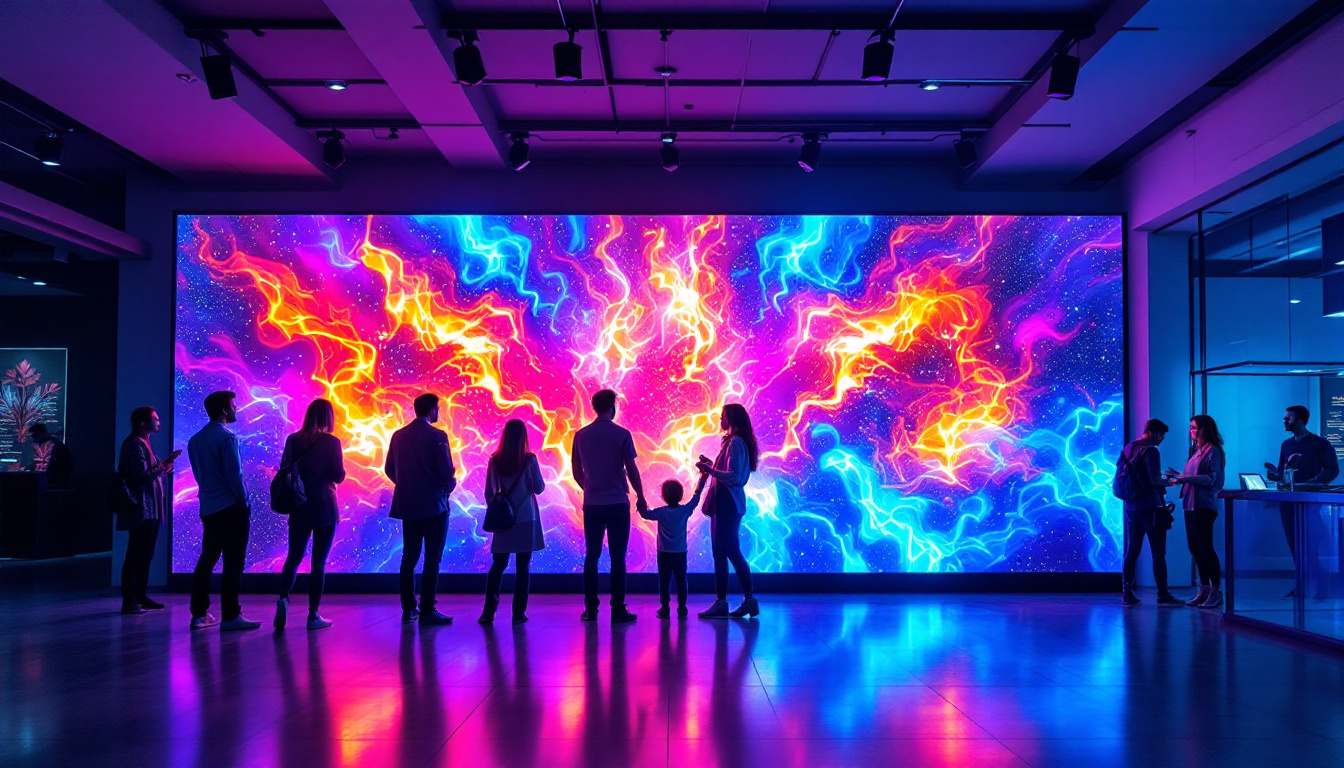
The versatility of LED touch screen displays has led to widespread adoption across various sectors. Their ability to combine vivid visuals with interactive capabilities makes them invaluable tools for communication, marketing, education, and more.
Retail and Advertising
In retail environments, LED touch screen displays serve as interactive catalogs, price checkers, or promotional kiosks. Their bright, eye-catching visuals attract customers, while touch interactivity allows personalized browsing and product exploration. According to a 2023 report by Grand View Research, the global digital signage market is expected to reach $32.84 billion by 2028, driven largely by retail adoption of LED touch displays.
Education and Training
Educational institutions leverage LED touch screen displays for interactive whiteboards and collaborative learning tools. The combination of high-resolution visuals and touch input fosters engagement and enhances comprehension. For example, universities increasingly use large LED touch panels in lecture halls to facilitate dynamic presentations and student interaction.
Healthcare
Healthcare facilities utilize LED touch screens for patient check-in kiosks, digital wayfinding, and real-time monitoring dashboards. The durability and clarity of LED displays ensure that critical information is accessible and easy to navigate, improving patient experience and operational efficiency.
Transportation and Public Spaces
Airports, train stations, and city centers deploy LED touch screen displays for ticketing, information kiosks, and advertising. Their robustness and visibility under various lighting conditions make them ideal for high-traffic areas where users rely on quick, intuitive access to information.
Future Trends in LED and Touch Screen Technologies
The landscape of LED and touch screen technology continues to evolve rapidly, driven by innovations that promise even more immersive and efficient user experiences.
Advancements in MicroLED and Flexible Displays
MicroLED technology is gaining momentum due to its potential for ultra-high resolution, low power consumption, and exceptional brightness. Companies like Samsung and Sony are investing heavily in MicroLED development, aiming to bring this technology to consumer and commercial markets within the next few years.
Additionally, flexible and foldable LED displays are emerging, enabling new form factors for touch screen devices. These innovations open the door to wearable technology, rollable digital signage, and adaptable interfaces that conform to various surfaces.
Enhanced Touch Capabilities with AI Integration
Artificial intelligence is increasingly integrated into touch screen systems to improve responsiveness and personalization. AI-powered touch interfaces can adapt to user behavior, predict inputs, and offer contextual assistance, making interactions smoother and more intuitive.
For instance, AI can enable gesture recognition beyond simple touch, allowing users to control displays with hand movements or voice commands, further expanding the possibilities for interactive LED displays.
Conclusion
LED display technology has become a fundamental component of modern touch screen solutions, offering unparalleled brightness, energy efficiency, and design flexibility. For companies specializing in touch screens, mastering the nuances of LED displays is crucial to delivering cutting-edge products that meet the demands of diverse industries.
As LED and touch technologies continue to advance, the potential for more immersive, interactive, and adaptable displays grows exponentially. Businesses that stay informed and invest in these innovations will be well-positioned to lead in the competitive landscape of digital interaction and visual communication.
Explore Cutting-Edge LED Display Solutions with LumenMatrix
Ready to elevate your interactive display capabilities? Discover LumenMatrix’s innovative range of LED display modules, designed to bring your brand to life with exceptional brightness, clarity, and versatility. From Indoor and Outdoor LED Walls to Custom and All-in-One LED Displays, our solutions are crafted to captivate and engage your audience in any environment. Embrace the future of visual communication with our LED Transparent Displays and more. Check out LumenMatrix LED Display Solutions today and transform your digital signage experience.