In the evolving world of digital art and advertising, narrow vertical LED displays have emerged as a compelling medium for creative expression and communication. These slim, elongated screens are reshaping how brands, artists, and venues engage audiences by combining technology with artistic innovation. This article delves into the intricacies of narrow vertical LED displays, exploring their design, applications, benefits, and future potential.
Understanding Narrow Vertical LED Displays
What Defines a Narrow Vertical LED Display?
Narrow vertical LED displays are digital screens characterized by their tall and slender aspect ratio, often designed to fit into tight or unconventional spaces. Unlike traditional rectangular or square LED panels, these displays prioritize height over width, creating a visually striking vertical canvas. Typical dimensions vary, but many narrow vertical displays measure just a few inches wide while extending several feet in height.
This unique form factor allows for dynamic content presentation in environments where space is limited or where a vertical orientation enhances visibility and engagement. The technology behind these displays relies on light-emitting diodes (LEDs), which provide vibrant colors, high brightness, and excellent contrast, making the content easily viewable even in brightly lit settings. They are particularly effective in retail environments, where they can be used to showcase products or promotions in a way that captures the attention of passersby. The vertical design also lends itself well to interactive applications, such as touch-enabled displays that can guide customers through a digital experience.
Technical Specifications and Features
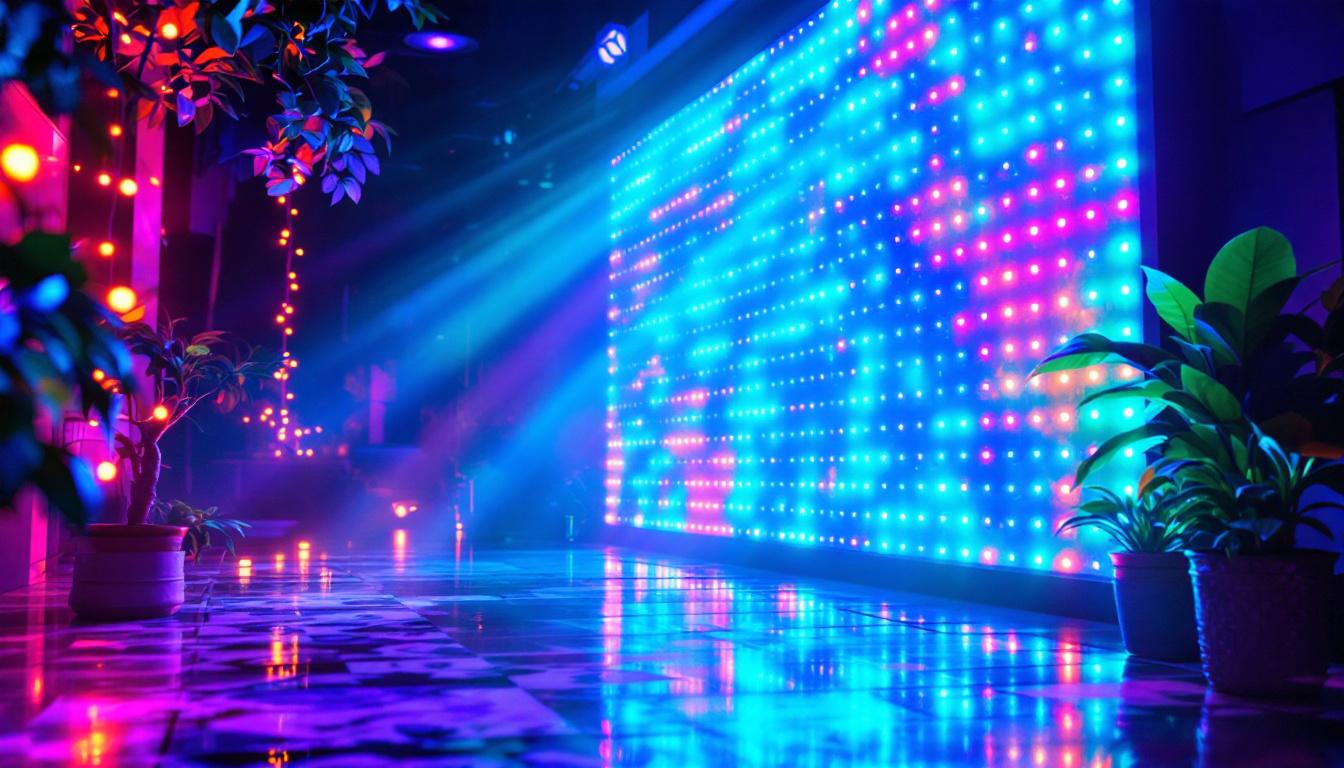
Narrow vertical LED displays come equipped with high-resolution pixel pitches, often ranging from 1.5mm to 4mm, depending on the intended viewing distance. Smaller pixel pitches offer finer image details, suitable for close-up viewing in retail or gallery settings. These displays typically use SMD (Surface-Mounted Device) LED technology, which ensures uniform brightness and color consistency across the panel. This consistency is crucial for maintaining a professional appearance, especially in environments where brand image is paramount.
Additionally, these displays support high refresh rates—commonly 1920Hz or higher—minimizing flicker and ensuring smooth motion for video content. Modern narrow vertical LED displays also incorporate advanced control systems that allow for seamless content management, remote updates, and synchronization with other digital signage elements. Some models even feature built-in sensors that can adjust brightness based on ambient light conditions, optimizing visibility and energy efficiency. Furthermore, many of these displays are designed with modular components, allowing for easy maintenance and upgrades, which is particularly beneficial for businesses looking to adapt their digital signage strategies over time.
Applications of Narrow Vertical LED Displays in Art and Advertising
Transforming Urban Spaces and Architecture
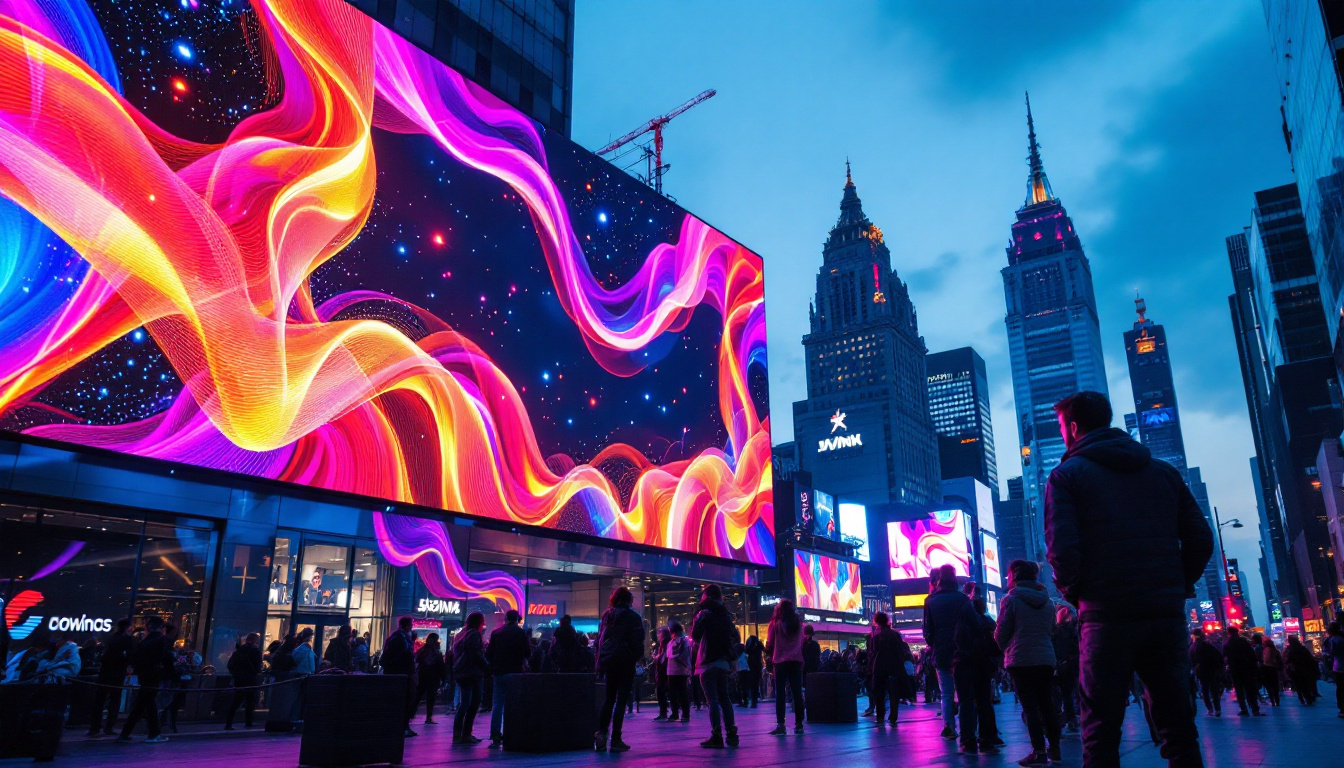
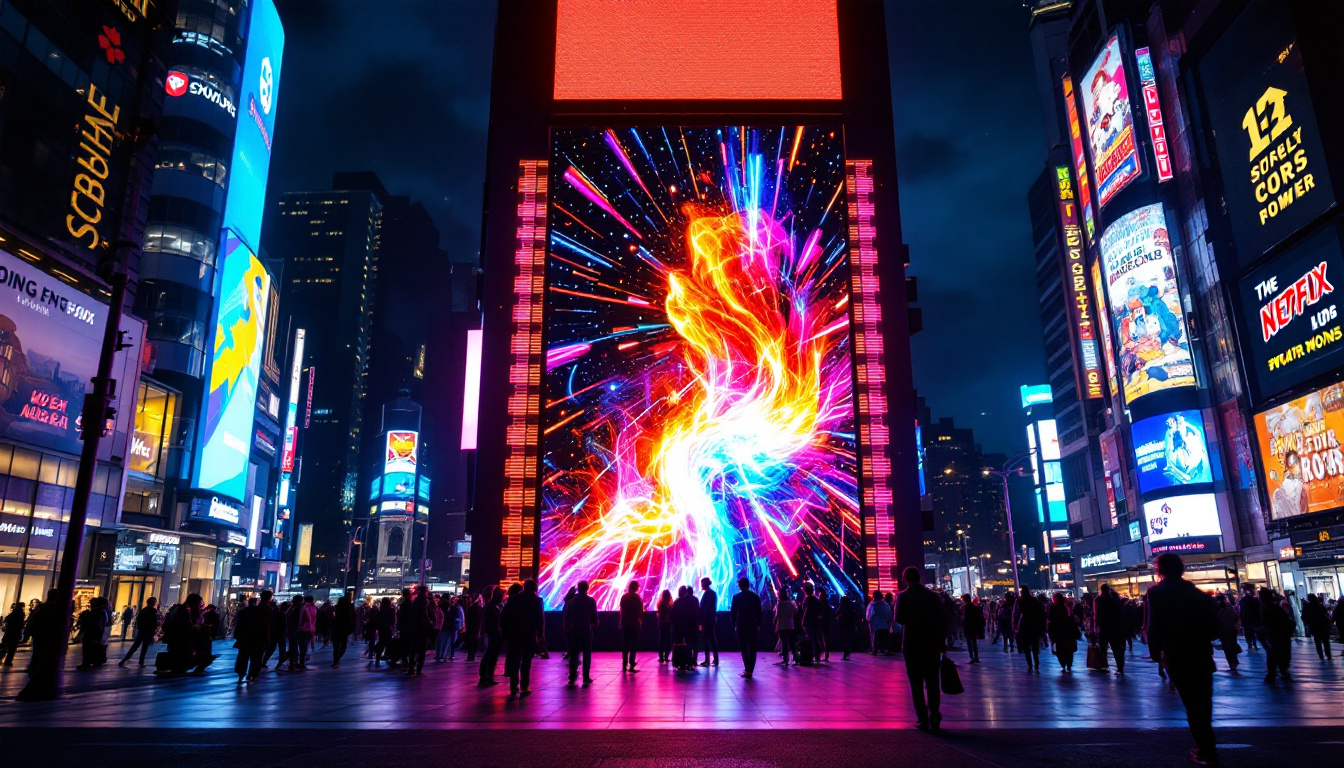
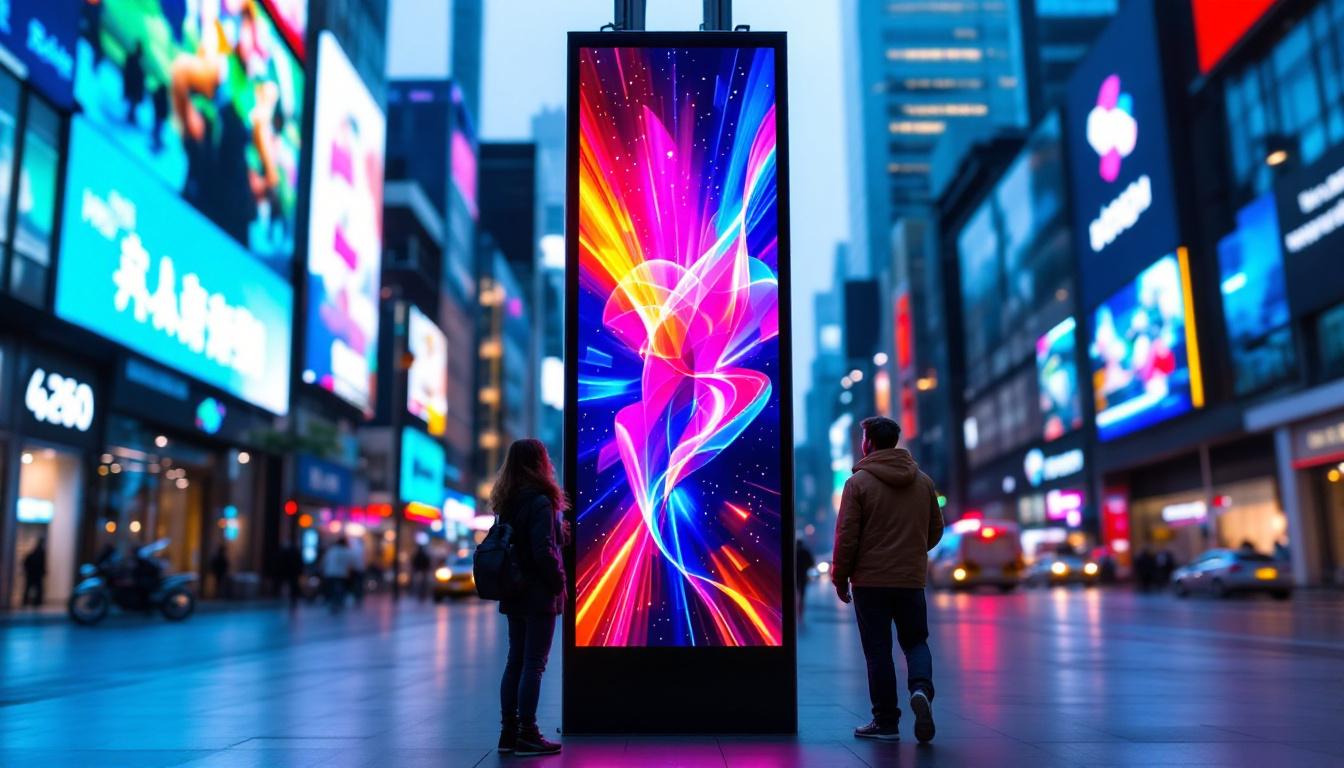
One of the most exciting uses of narrow vertical LED displays is in urban environments, where they can be integrated into building facades, columns, and narrow storefront windows. Their slim profile allows them to blend into architectural elements without overwhelming the structure, while still delivering impactful visual messages.
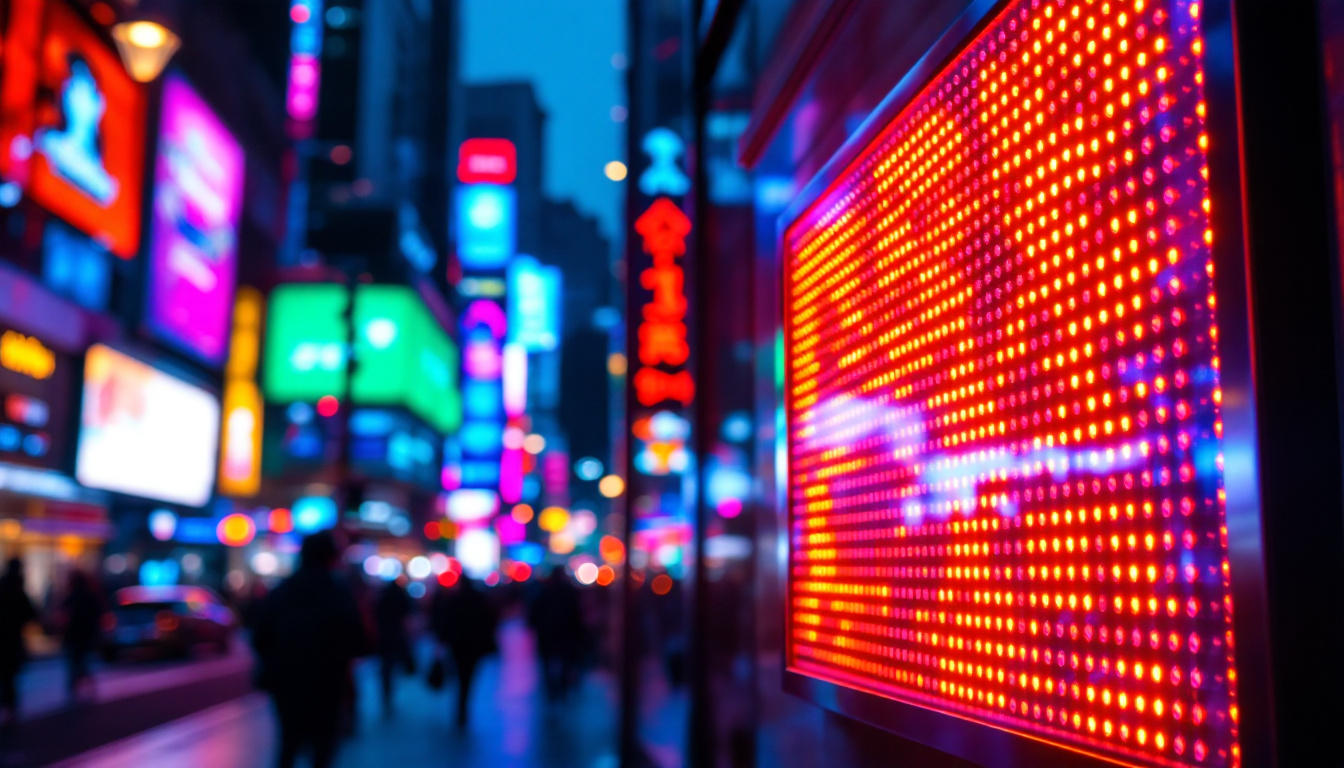
For example, in cities like New York and Tokyo, narrow vertical LED installations have been used to animate skyscraper exteriors, creating dynamic light shows that engage pedestrians and enhance the nighttime cityscape. These installations often serve dual purposes: as public art pieces and as advertising platforms, merging creativity with commercial messaging.
Retail and Point-of-Sale Engagement
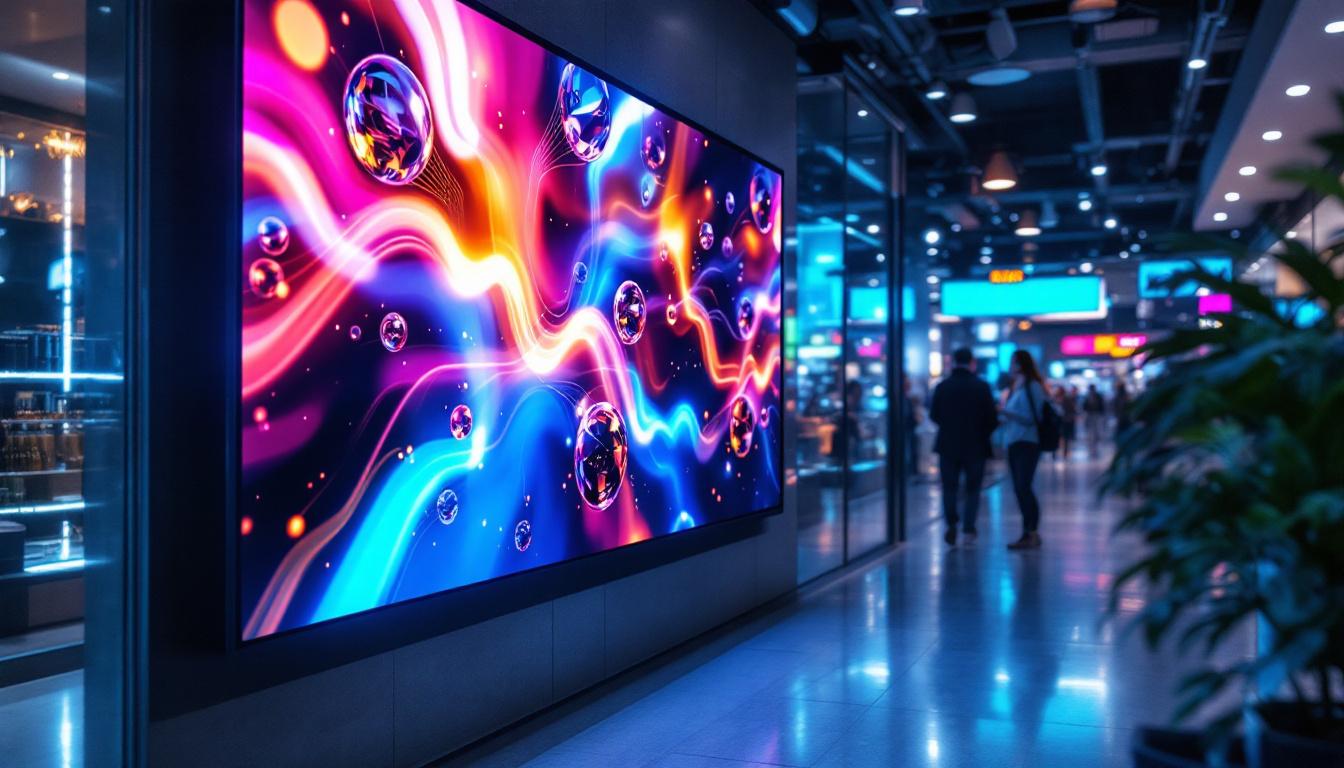
Retailers are increasingly adopting narrow vertical LED displays to capture shopper attention in crowded environments. Positioned alongside aisles, at checkout counters, or within window displays, these screens showcase promotional content, product information, or artistic visuals that complement the store’s branding.
Research indicates that digital signage can increase customer engagement by up to 30%, with vertical formats particularly effective in guiding foot traffic and enhancing brand recall. The ability to update content in real-time also allows retailers to tailor messaging based on time of day, inventory levels, or special events, maximizing marketing effectiveness.
Art Installations and Galleries
Artists and curators have embraced narrow vertical LED displays as a new medium for digital art. The vertical orientation encourages creative experimentation with form and movement, enabling immersive storytelling that traditional canvases cannot achieve.
Contemporary art galleries often feature these displays to present interactive or kinetic artworks, where the vertical dimension adds depth and rhythm to the visual experience. Moreover, LED technology’s vibrant color gamut and brightness range allow artists to explore light and color in innovative ways, pushing the boundaries of digital art.
Advantages of Narrow Vertical LED Displays
Space Efficiency and Design Flexibility
One of the primary advantages of narrow vertical LED displays is their ability to fit into constrained spaces where traditional screens cannot. This makes them ideal for environments such as elevator shafts, narrow corridors, or architectural columns, turning previously underutilized areas into engaging visual zones.
Their slim design also offers architects and designers greater flexibility to incorporate digital elements into building designs without compromising aesthetics. This integration supports the trend toward smart buildings and interactive environments, where technology enhances user experience seamlessly.
High Visibility and Audience Engagement
Vertical displays naturally align with human sightlines, especially in standing or walking scenarios. This orientation increases the likelihood of catching the eye of passersby, making narrow vertical LED displays highly effective for advertising and public messaging.
Moreover, the high brightness and contrast ratios of LED technology ensure that content remains vivid and legible even under direct sunlight or challenging lighting conditions. This reliability is crucial for outdoor installations and busy commercial settings where visibility directly impacts communication success.
Energy Efficiency and Durability
LED technology is renowned for its energy efficiency compared to other display types such as LCD or projection. Narrow vertical LED displays consume less power while delivering superior brightness, contributing to lower operational costs and reduced environmental impact.
Additionally, these displays are built to withstand harsh conditions, including temperature fluctuations, moisture, and physical impact. This durability makes them suitable for both indoor and outdoor use, ensuring long-term performance and return on investment.
Challenges and Considerations When Implementing Narrow Vertical LED Displays
Content Creation and Formatting
One of the key challenges with narrow vertical LED displays lies in content creation. Traditional video and graphic content is typically designed for horizontal or square formats, requiring adaptation or custom production to fit the vertical aspect ratio effectively.
Designers must consider how to utilize the vertical space creatively without overwhelming viewers or compromising message clarity. This often involves rethinking storytelling techniques, using vertical motion graphics, and optimizing typography for readability. Investing in specialized content creation tools or partnering with experienced digital artists can help overcome these hurdles.
Installation and Maintenance Complexity
Due to their unique dimensions, narrow vertical LED displays may require custom mounting solutions and precise alignment during installation. Ensuring structural stability and proper ventilation is critical to maintain performance and safety.
Maintenance can also be more complex, especially for outdoor or high-elevation installations. Regular cleaning, inspection, and timely repairs are necessary to prevent pixel failures or brightness inconsistencies. Working with experienced installation teams and establishing a maintenance schedule helps mitigate these risks.
Cost Considerations
While LED technology has become more affordable over the years, narrow vertical LED displays can still represent a significant investment, particularly for high-resolution or large-scale installations. Costs include not only the hardware but also content development, installation, and ongoing maintenance.
However, the potential benefits in terms of audience engagement, brand visibility, and creative flexibility often justify the expenditure. Careful planning and budgeting, along with a clear understanding of project goals, are essential to maximize return on investment.
The Future of Narrow Vertical LED Displays
Technological Innovations on the Horizon
Advancements in LED technology continue to enhance the capabilities of narrow vertical displays. Emerging developments include microLEDs, which offer even higher resolution and energy efficiency, and flexible LED panels that can curve or bend, opening new possibilities for artistic and architectural integration.
Integration with artificial intelligence and augmented reality is also poised to transform how these displays interact with audiences. For example, AI-driven content personalization could tailor messages based on viewer demographics or behavior, while AR overlays could create immersive, multi-dimensional experiences.
Expanding Artistic and Commercial Potential
As digital art gains wider acceptance, narrow vertical LED displays will likely become a staple in galleries, museums, and public art projects. Their ability to convey motion, light, and color in a vertical format offers artists a fresh canvas for innovation.
From a commercial perspective, brands will continue leveraging these displays to differentiate themselves in competitive markets. The combination of eye-catching design, real-time content updates, and strategic placement makes narrow vertical LED displays a powerful tool for storytelling and customer engagement.
Sustainability and Social Impact
With growing emphasis on sustainability, manufacturers and users of LED displays are focusing on reducing environmental footprints. Innovations in recyclable materials, energy-efficient drivers, and smart power management contribute to greener installations.
Moreover, narrow vertical LED displays can enhance social impact by delivering timely public service announcements, emergency alerts, and educational content in accessible urban locations. Their versatility and visibility position them as valuable assets for community engagement and information dissemination.
Conclusion
Narrow vertical LED displays represent a fusion of art, technology, and communication that is reshaping visual landscapes across industries. Their distinctive form factor, combined with the vibrant capabilities of LED technology, offers unparalleled opportunities for creative expression and effective messaging.
While challenges such as content adaptation and installation complexity exist, the benefits of enhanced engagement, design flexibility, and durability make narrow vertical LED displays an increasingly popular choice for artists, advertisers, and urban planners alike. As technology advances and creative possibilities expand, these vertical canvases will continue to illuminate and inspire in the years to come.
Illuminate Your Space with LumenMatrix
Ready to transform your environment with the power of narrow vertical LED displays? LumenMatrix is at the forefront of LED display innovation, offering a wide array of solutions from Indoor and Outdoor LED Walls to specialized displays for Vehicles, Sports, and even customizable options. Embrace the future of visual communication with our cutting-edge technology designed to captivate and engage. Check out LumenMatrix LED Display Solutions today and make a lasting impression with every glance.