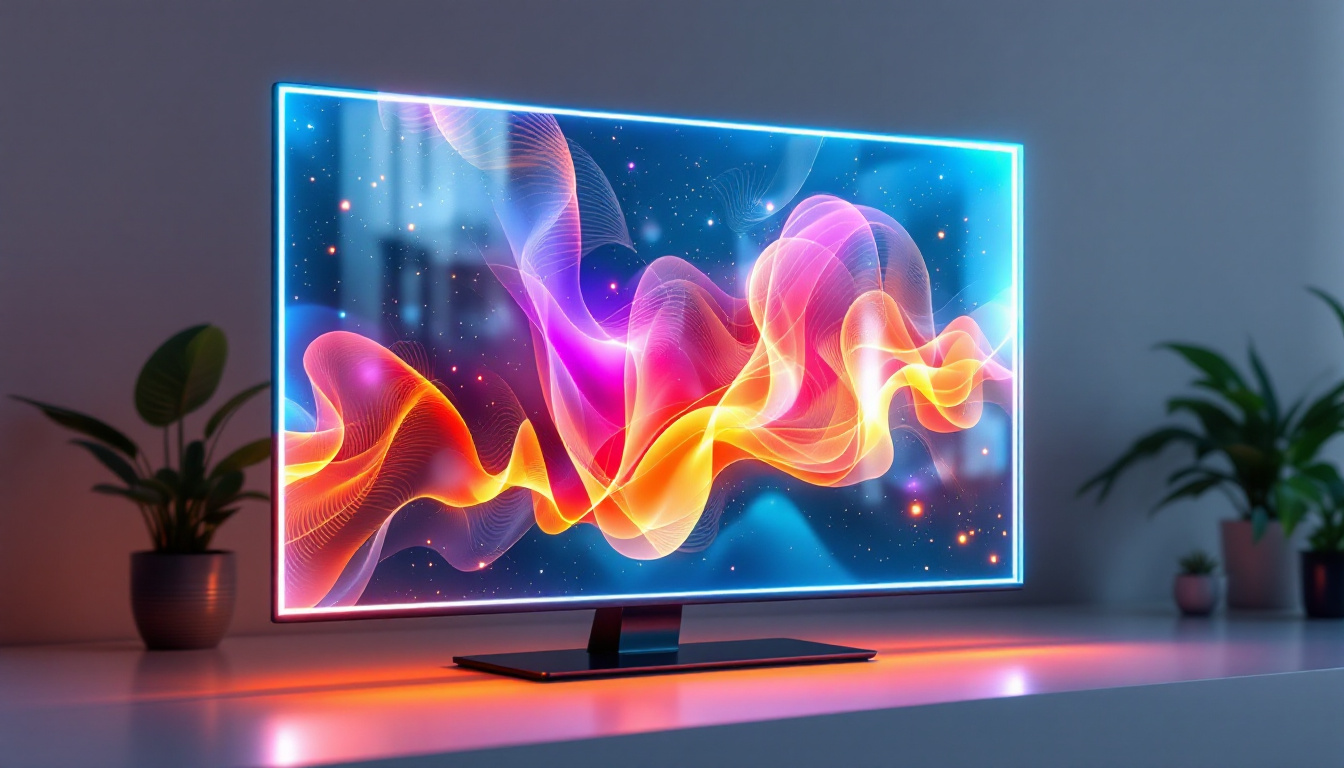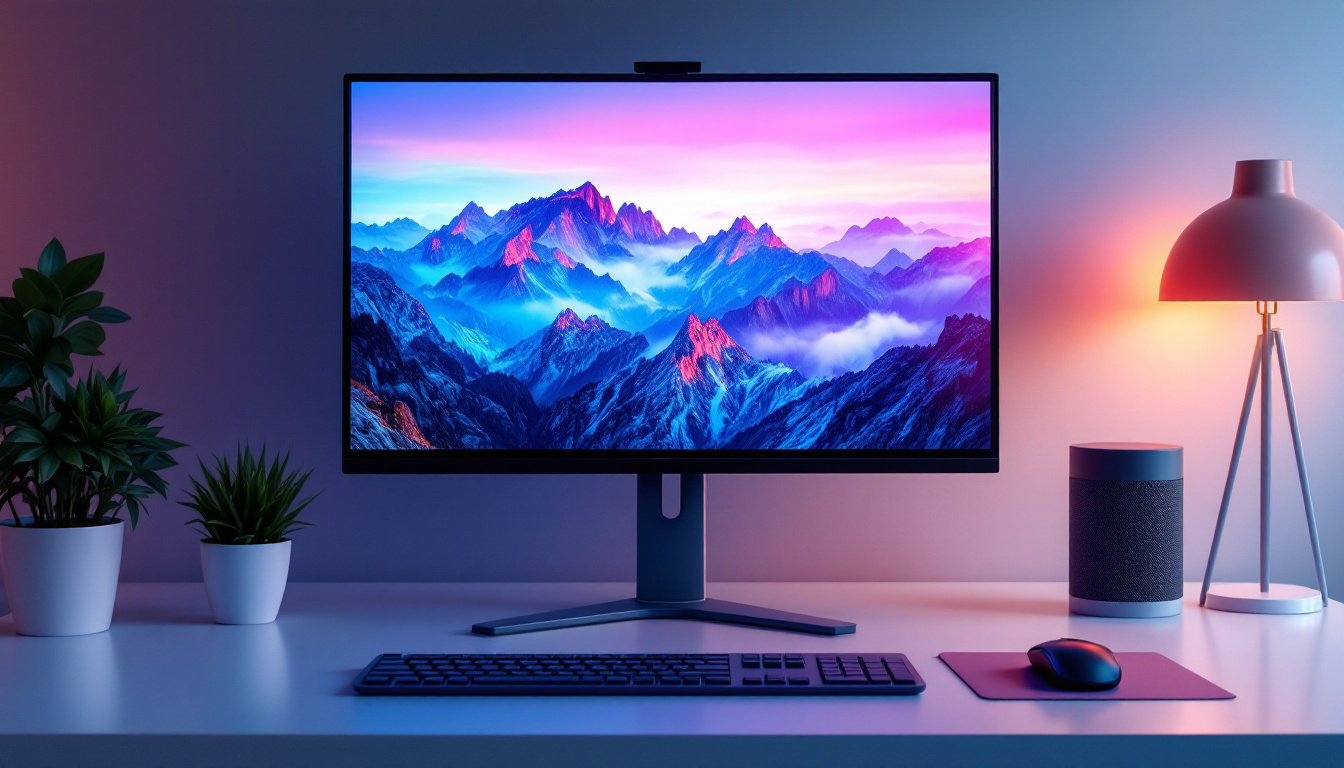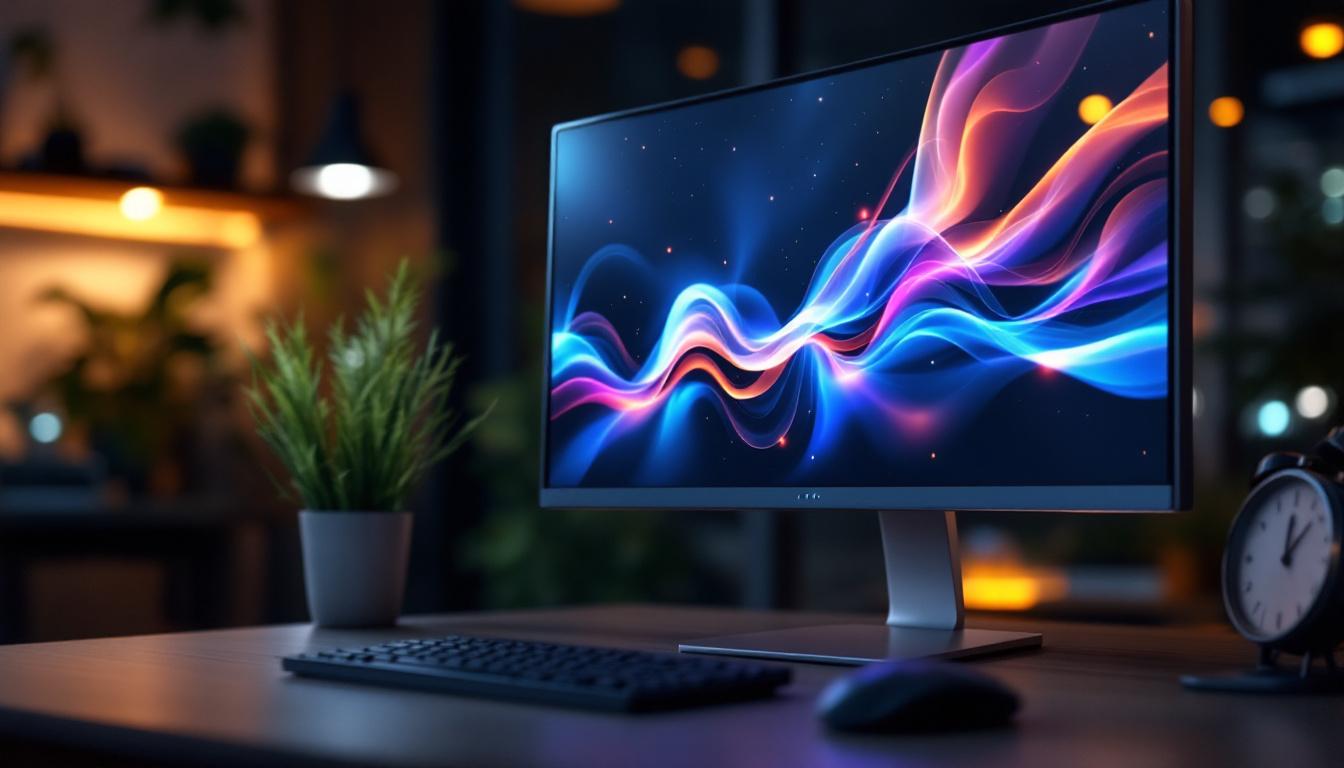
In today’s fast-paced digital world, the demand for sleek, efficient, and high-performing display technology has never been greater. All-in-one monitors with LED displays have become a popular choice for both professional and personal use, offering a blend of aesthetics, functionality, and advanced technology. But what exactly makes LED displays stand out in the realm of all-in-one monitors? This article delves into the intricacies of LED display technology, its advantages, and why it is a preferred option for modern users.
Understanding LED Display Technology
What is an LED Display?
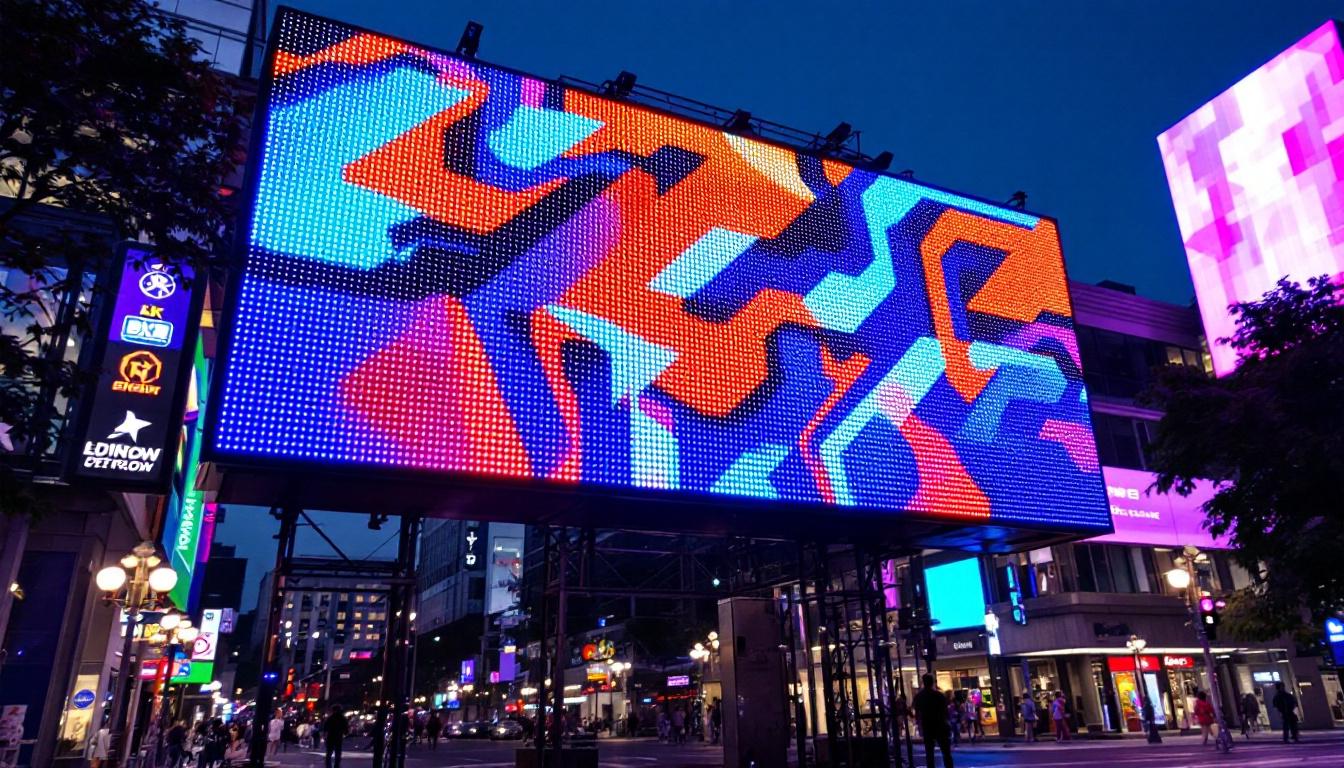
LED stands for Light Emitting Diode, a semiconductor device that emits light when an electric current passes through it. In the context of monitors, LED displays use these tiny diodes as a backlighting source for LCD (Liquid Crystal Display) panels. This combination creates bright, vibrant images with excellent color accuracy and contrast. The technology behind LED displays has evolved significantly, allowing for improved performance in various lighting conditions, making them suitable for both indoor and outdoor environments.
Unlike older technologies such as CCFL (Cold Cathode Fluorescent Lamp) backlighting, LED backlighting is more energy-efficient and allows for thinner, lighter monitor designs. This is why most modern all-in-one monitors, laptops, and televisions have adopted LED technology. Additionally, the longevity of LED displays is noteworthy; they can last up to 50,000 hours or more, significantly outpacing traditional display technologies. This durability not only enhances user experience but also contributes to reducing electronic waste, making LED displays a more sustainable choice for consumers.
Types of LED Backlighting
There are primarily two types of LED backlighting used in all-in-one monitors:
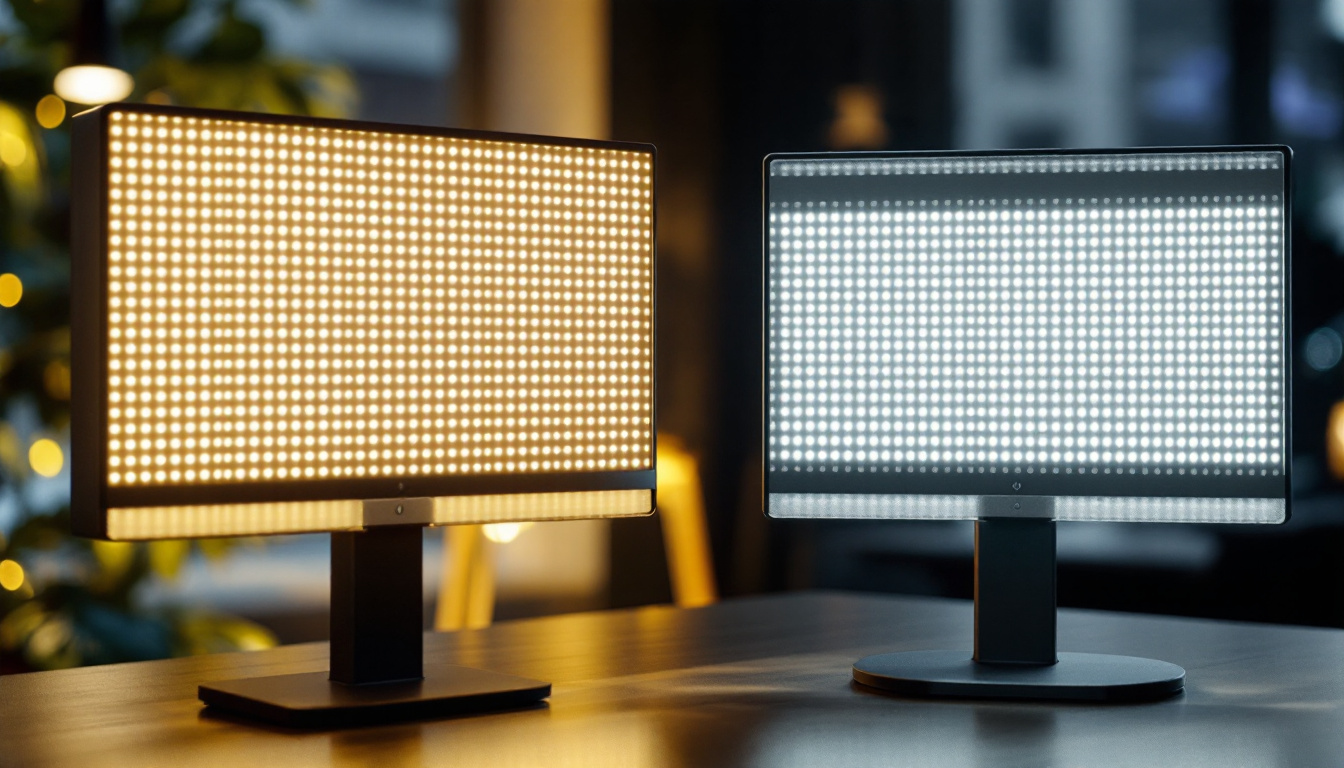
- Edge-Lit LED: LEDs are placed around the edges of the screen, and light is spread across the display using light guides. This design allows for ultra-thin monitors but can sometimes lead to uneven brightness or contrast. Edge-lit displays are often favored for their sleek aesthetics, making them popular in modern interior design settings where space is at a premium.
- Direct-Lit or Full-Array LED: LEDs are placed directly behind the LCD panel in a grid pattern. This setup offers better uniformity and local dimming capabilities, resulting in improved contrast and deeper blacks. Full-array backlighting is particularly advantageous for gaming and high-definition video content, where color accuracy and detail in dark scenes are paramount.
Choosing between these types depends on the user’s priorities—whether it’s sleek design or superior image quality. Furthermore, advancements in technology have led to hybrid models that combine elements of both edge-lit and full-array systems, providing users with more options tailored to specific needs. As manufacturers continue to innovate, we can expect even more sophisticated backlighting techniques that enhance not only the visual experience but also the overall functionality of LED displays in various applications.
Advantages of LED Displays in All-In-One Monitors
Energy Efficiency and Environmental Impact
One of the most significant benefits of LED displays is their energy efficiency. Compared to traditional CCFL-backlit LCDs, LED monitors consume up to 30-50% less power. This reduction not only lowers electricity bills but also contributes to a smaller carbon footprint.
As businesses and consumers become more environmentally conscious, the demand for energy-saving devices has surged. LED technology aligns well with this trend, making all-in-one monitors an eco-friendly choice without compromising performance. Furthermore, the reduced energy consumption translates into less heat generation, which can lead to lower cooling costs in both residential and commercial settings. This aspect is particularly beneficial in regions with warmer climates, where air conditioning is a significant part of energy expenditure.
Superior Image Quality
LED displays offer enhanced brightness, better contrast ratios, and more accurate color reproduction compared to older display technologies. This translates to sharper images, richer colors, and deeper blacks, which are crucial for tasks such as photo editing, video production, and gaming.
For example, many professional-grade all-in-one monitors with LED backlighting support wide color gamuts like Adobe RGB or DCI-P3, ensuring that colors are rendered faithfully. This level of precision is vital for creative professionals who rely on color accuracy. Additionally, advancements in LED technology have led to features such as local dimming, which further improves contrast by allowing specific areas of the screen to be dimmed or brightened independently, enhancing the overall viewing experience, especially in high dynamic range (HDR) content.
Thin and Lightweight Design
The compact size of LEDs allows manufacturers to design all-in-one monitors that are incredibly thin and lightweight. This not only saves desk space but also enhances portability and ease of installation.
Modern all-in-one monitors often feature sleek, minimalist designs that blend seamlessly into office environments or home setups. The slim profile made possible by LED backlighting is a key selling point for consumers seeking both style and functionality. Moreover, the lightweight nature of these monitors facilitates easy wall mounting or repositioning, making them ideal for dynamic workspaces that may require frequent rearrangement. This adaptability is particularly advantageous in collaborative settings, where shared displays may need to be moved to accommodate different group sizes or activities.
Longevity and Durability
LEDs have a longer lifespan compared to CCFL backlights, often lasting upwards of 50,000 hours. This durability ensures that all-in-one monitors maintain their brightness and color consistency over time, reducing the need for frequent replacements.
Additionally, LED displays are more resistant to shock and vibration, making them a reliable choice for environments where equipment may be moved or subjected to minor impacts. This robustness is particularly beneficial in educational settings or busy workplaces where monitors are frequently adjusted or transported. Furthermore, the lower heat output of LED technology not only contributes to longevity but also minimizes the risk of thermal-related failures, ensuring that users can rely on their monitors for extended periods without worrying about overheating issues.
Applications of LED All-In-One Monitors
Business and Professional Use
All-in-one monitors with LED displays are increasingly popular in professional settings due to their space-saving design and high performance. They are commonly used in offices, design studios, and healthcare facilities.
For instance, in graphic design and video editing, the superior color accuracy and high resolution of LED displays enable professionals to produce precise work. In healthcare, the clarity and brightness of LED monitors improve the visualization of medical images, aiding diagnosis.
Education and Remote Learning
The rise of remote learning has accelerated the adoption of all-in-one monitors with LED displays in educational institutions and home environments. These monitors provide clear, vibrant visuals that enhance the learning experience, whether for video lectures, interactive lessons, or multimedia presentations.
The integrated nature of all-in-one monitors, often combining display, CPU, and peripherals into a single unit, simplifies setup and reduces clutter, which is especially beneficial in classrooms or study spaces.
Gaming and Entertainment
LED technology is also favored in gaming and entertainment due to its fast response times and vivid color output. Many all-in-one monitors designed for gaming feature LED backlighting with high refresh rates and low input lag, providing smooth and immersive gameplay.
Moreover, the ability to display HDR (High Dynamic Range) content on LED monitors enhances the viewing experience by delivering greater contrast and a wider range of colors, making movies and games more lifelike.
Key Features to Consider When Choosing an LED All-In-One Monitor
Resolution and Screen Size
Resolution is a critical factor that determines the clarity and detail of images on the screen. Common resolutions include Full HD (1920×1080), Quad HD (2560×1440), and 4K Ultra HD (3840×2160). Higher resolutions provide sharper images but may require more powerful hardware to run smoothly.
Screen size should be balanced with resolution to ensure comfortable viewing. For example, a 27-inch monitor with 4K resolution offers excellent detail without making text and icons too small.
Panel Type
The type of LCD panel used in conjunction with LED backlighting affects color accuracy, viewing angles, and response times. The main panel types are:
- IPS (In-Plane Switching): Offers superior color accuracy and wide viewing angles, ideal for professional use.
- TN (Twisted Nematic): Provides faster response times but narrower viewing angles and less accurate colors, often preferred for gaming.
- VA (Vertical Alignment): Balances contrast and color reproduction, suitable for general use.
Connectivity and Integrated Components
All-in-one monitors often come with built-in components such as webcams, microphones, speakers, and USB hubs. These features enhance convenience, especially for remote work and video conferencing.
Connectivity options like HDMI, DisplayPort, USB-C, and Ethernet ports are essential for compatibility with various devices. USB-C, in particular, supports power delivery and data transfer through a single cable, simplifying setup.
Ergonomics and Adjustability
Adjustable stands that allow height, tilt, swivel, and pivot adjustments contribute to better ergonomics, reducing strain during long hours of use. Some monitors also support VESA mounting for flexible placement.
Eye-care features such as blue light filters and flicker-free technology help minimize eye fatigue, an important consideration for users who spend extended periods in front of the screen.
Future Trends in LED All-In-One Monitor Technology
Mini-LED and Micro-LED Innovations
Emerging technologies like Mini-LED and Micro-LED promise to revolutionize LED displays further. Mini-LED uses thousands of tiny LEDs as backlighting, allowing for more precise local dimming zones and improved contrast ratios. Micro-LED, on the other hand, eliminates the need for an LCD layer by using microscopic LEDs that emit their own light, resulting in even better brightness, color accuracy, and energy efficiency.
These advancements are expected to become more prevalent in all-in-one monitors, offering users unprecedented image quality and performance.
Integration with Smart Technologies
All-in-one monitors are increasingly incorporating smart features such as voice assistants, AI-enhanced display calibration, and seamless integration with cloud services. These capabilities enhance productivity and user experience by automating routine tasks and optimizing display settings based on ambient conditions.
Environmental Sustainability
Manufacturers are focusing on sustainable materials and production methods to reduce environmental impact. LED displays already contribute to energy savings, but future models will likely emphasize recyclability, reduced hazardous substances, and longer product lifecycles.
Conclusion
LED display technology has transformed the landscape of all-in-one monitors, combining energy efficiency, superior image quality, and sleek design into a single package. Whether for professional use, education, gaming, or everyday computing, LED all-in-one monitors offer a versatile and reliable solution.
Understanding the nuances of LED technology, including backlighting types, panel options, and key features, empowers consumers and businesses to make informed decisions that align with their needs. As innovations like Mini-LED and Micro-LED continue to evolve, the future of LED all-in-one monitors looks brighter than ever, promising enhanced performance and sustainability for years to come.
Discover the Future of Visual Display with LumenMatrix
Ready to experience the pinnacle of LED display technology? LumenMatrix is at the forefront of innovation, offering a wide array of LED display solutions that cater to your every need. From the immersive Indoor LED Wall Display to the dynamic Outdoor LED Wall Display, and from the versatile All-in-One LED Display to the cutting-edge LED Transparent Display, LumenMatrix has the perfect solution to elevate your visual communication. Embrace the future of display technology and check out LumenMatrix LED Display Solutions today to transform your space into a captivating visual experience.