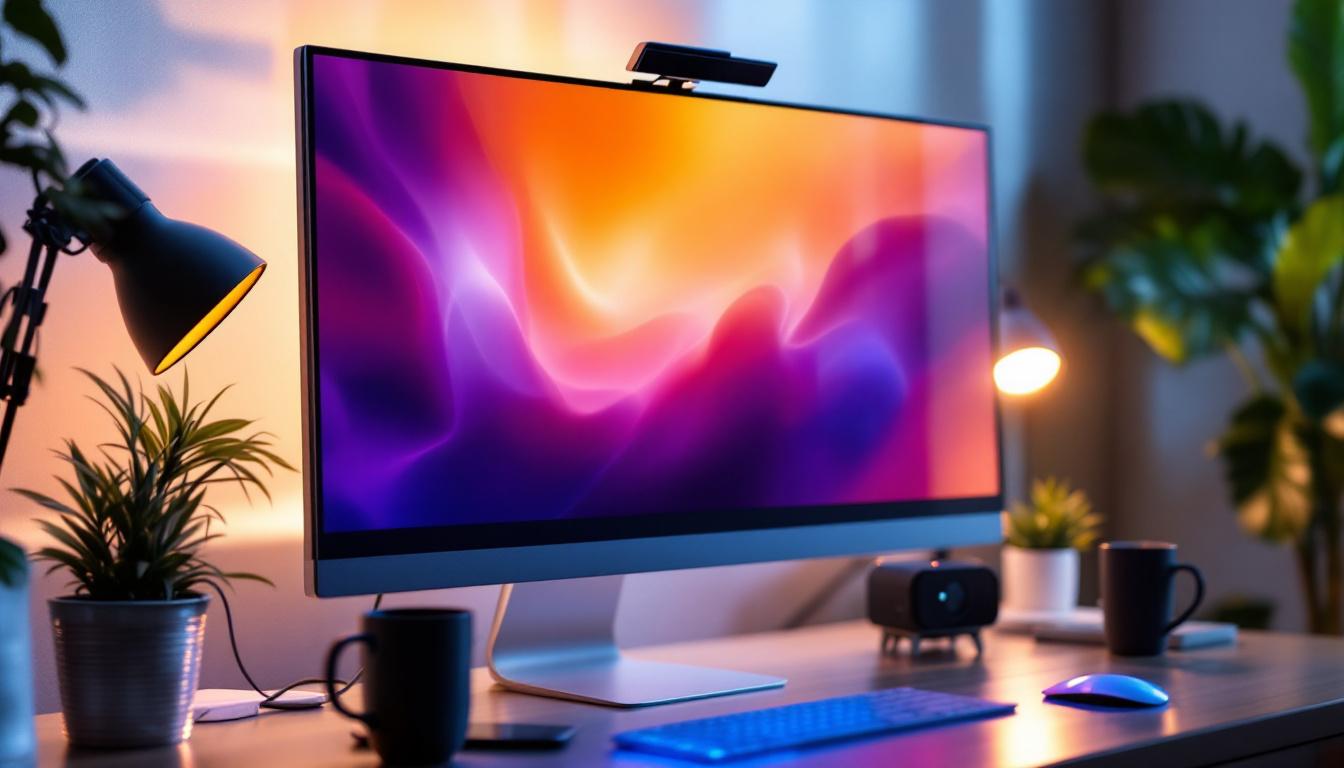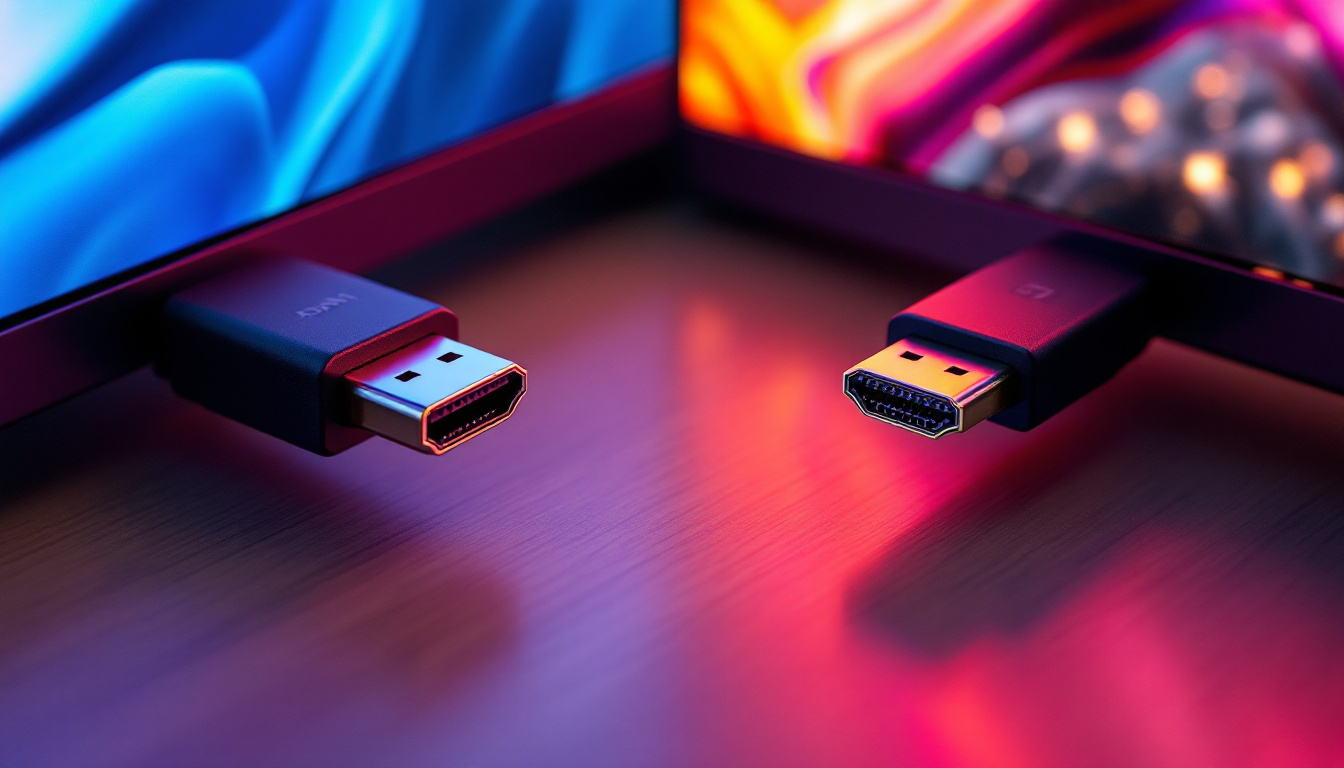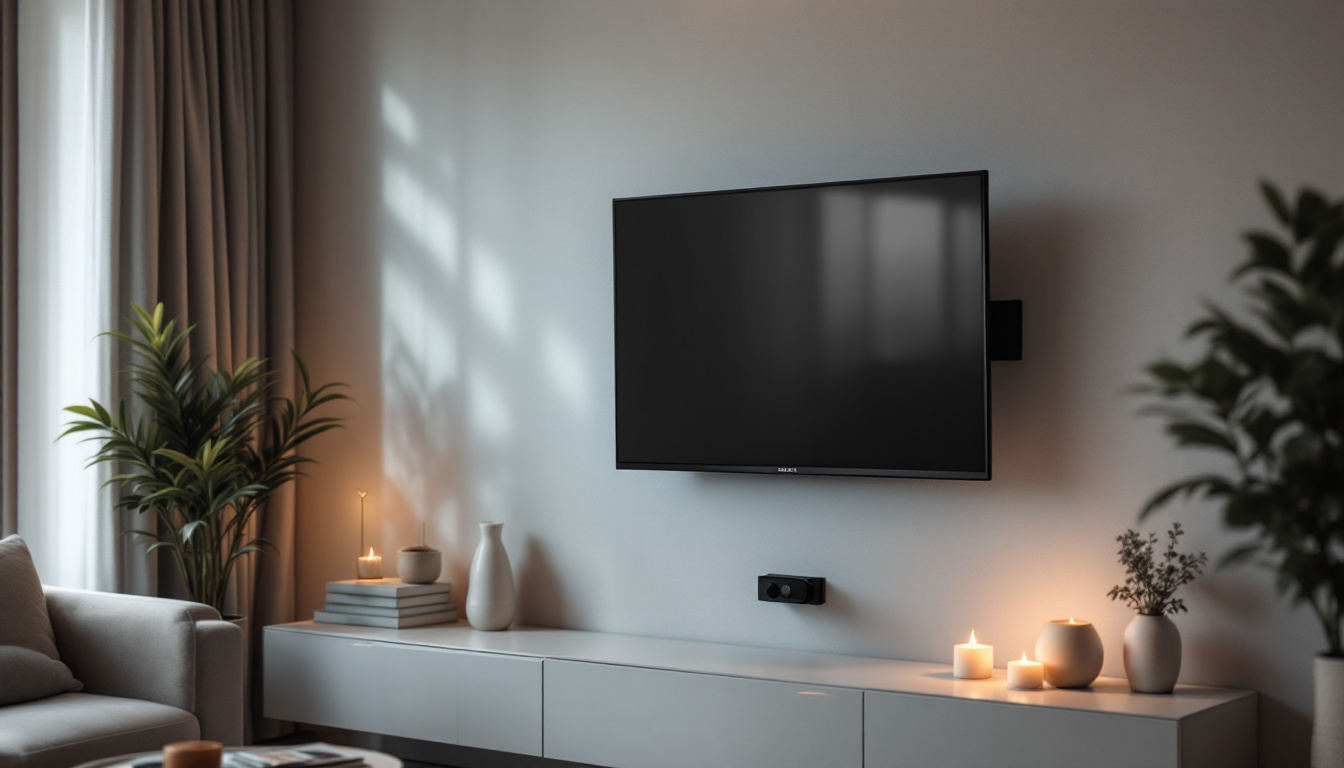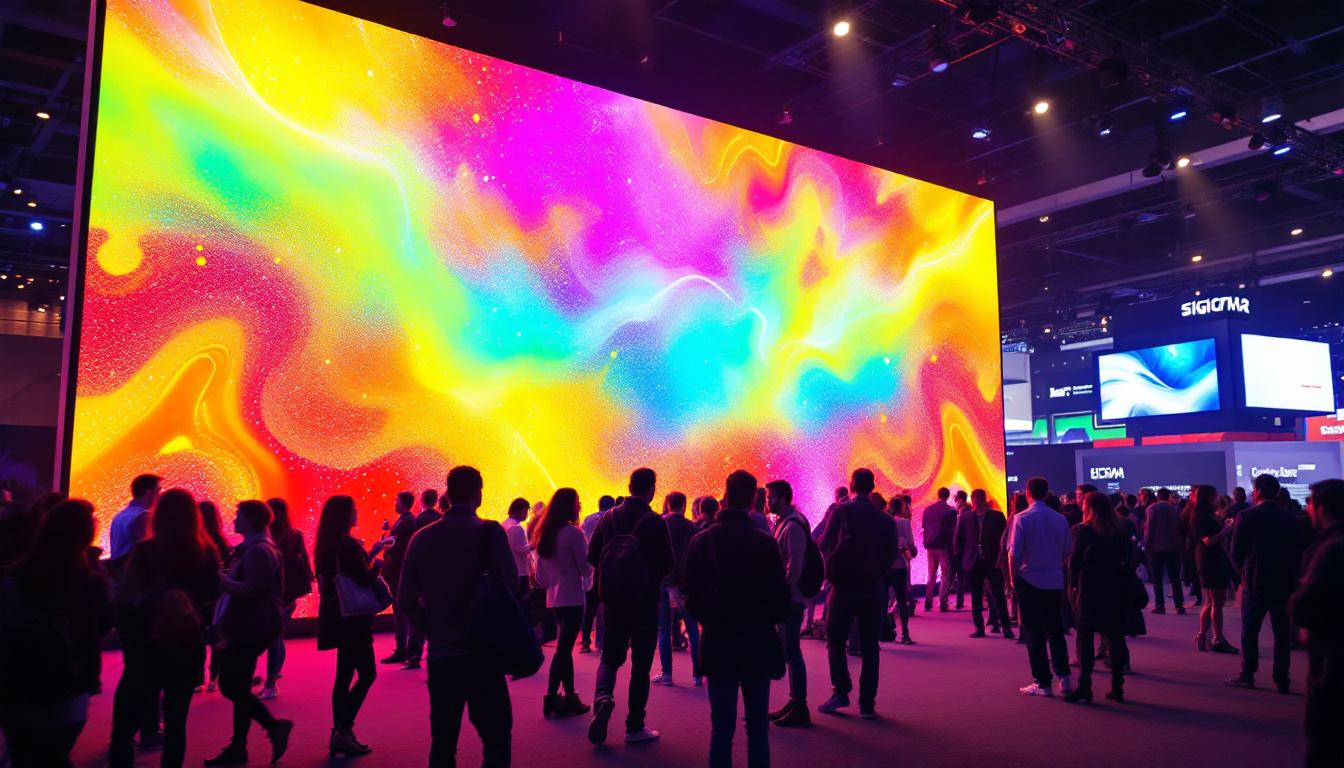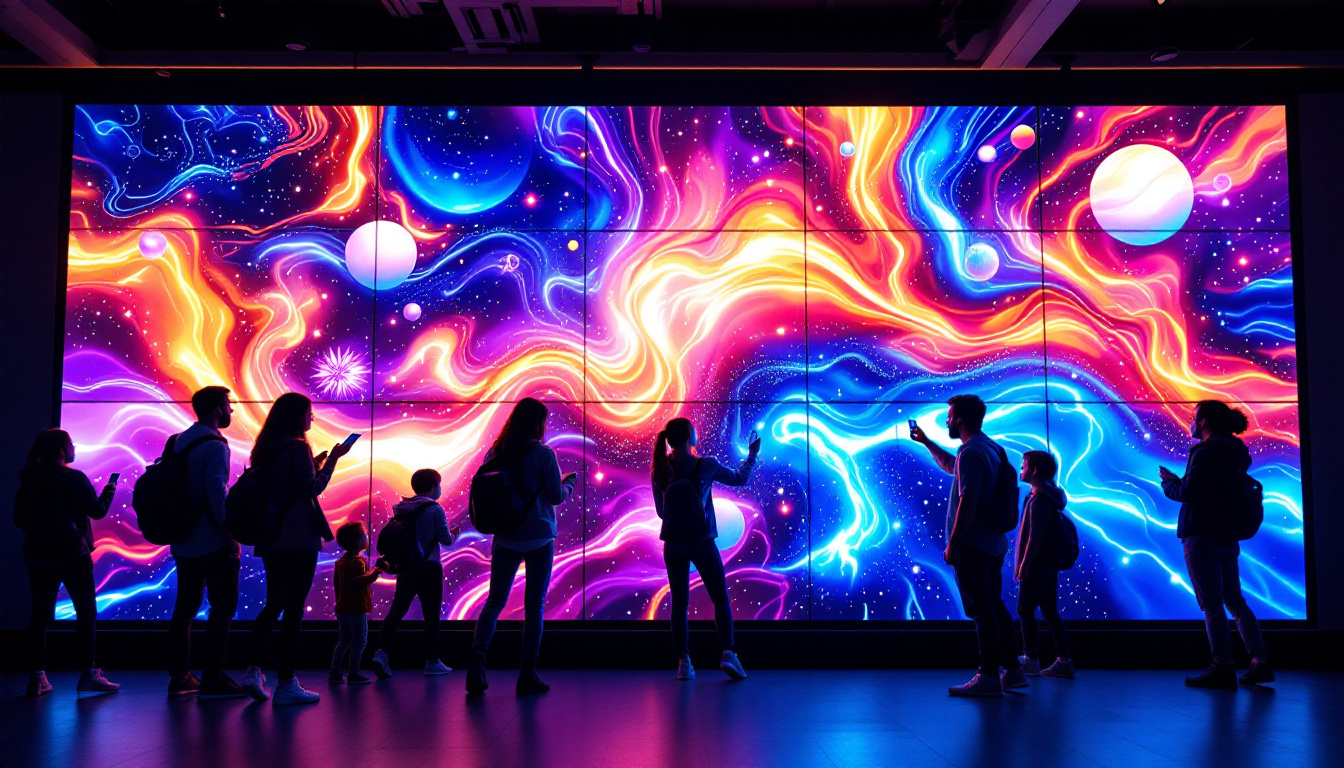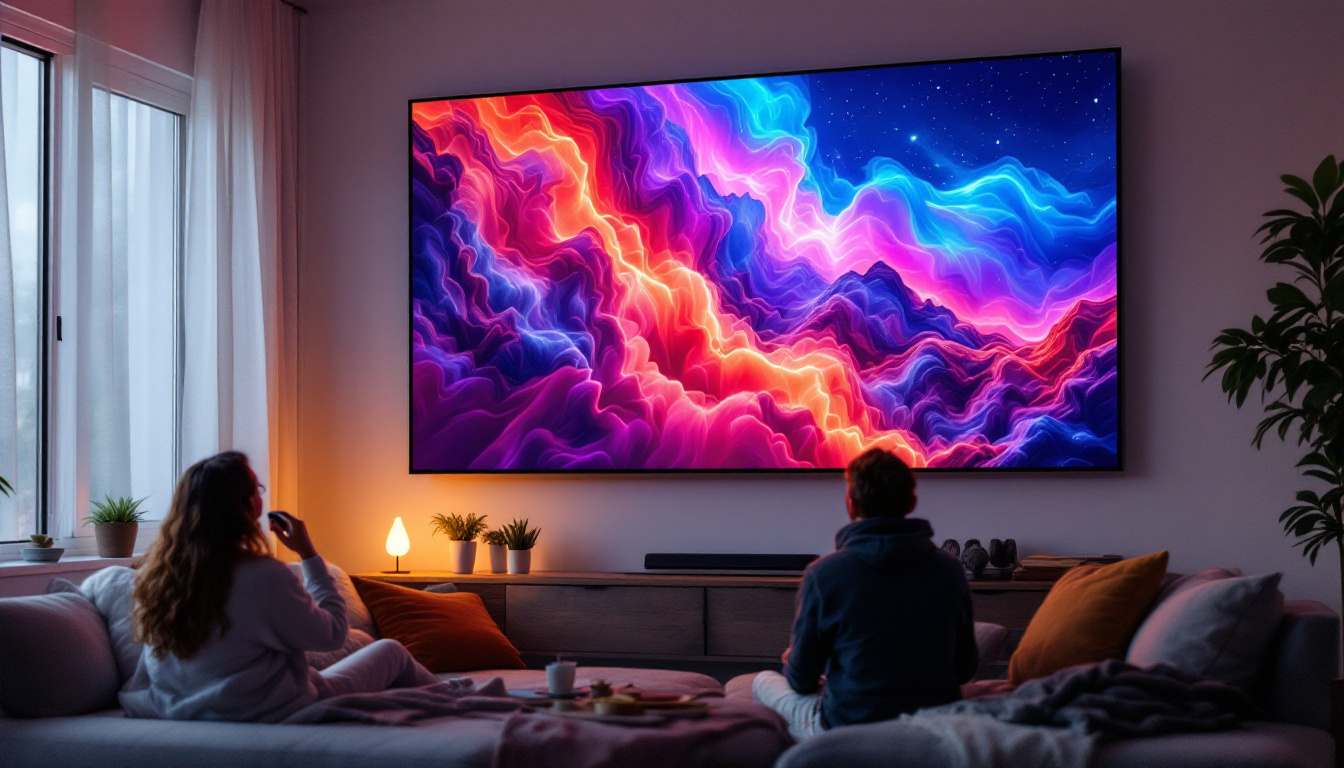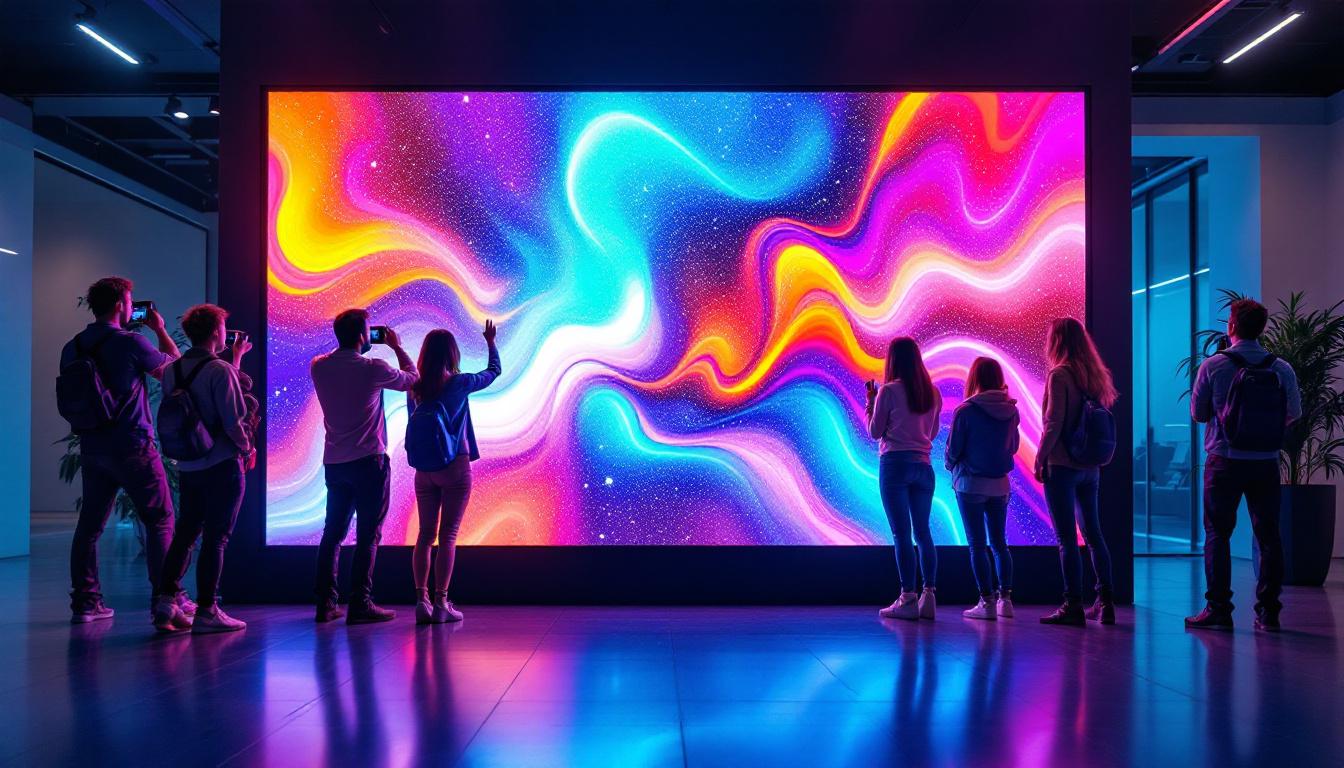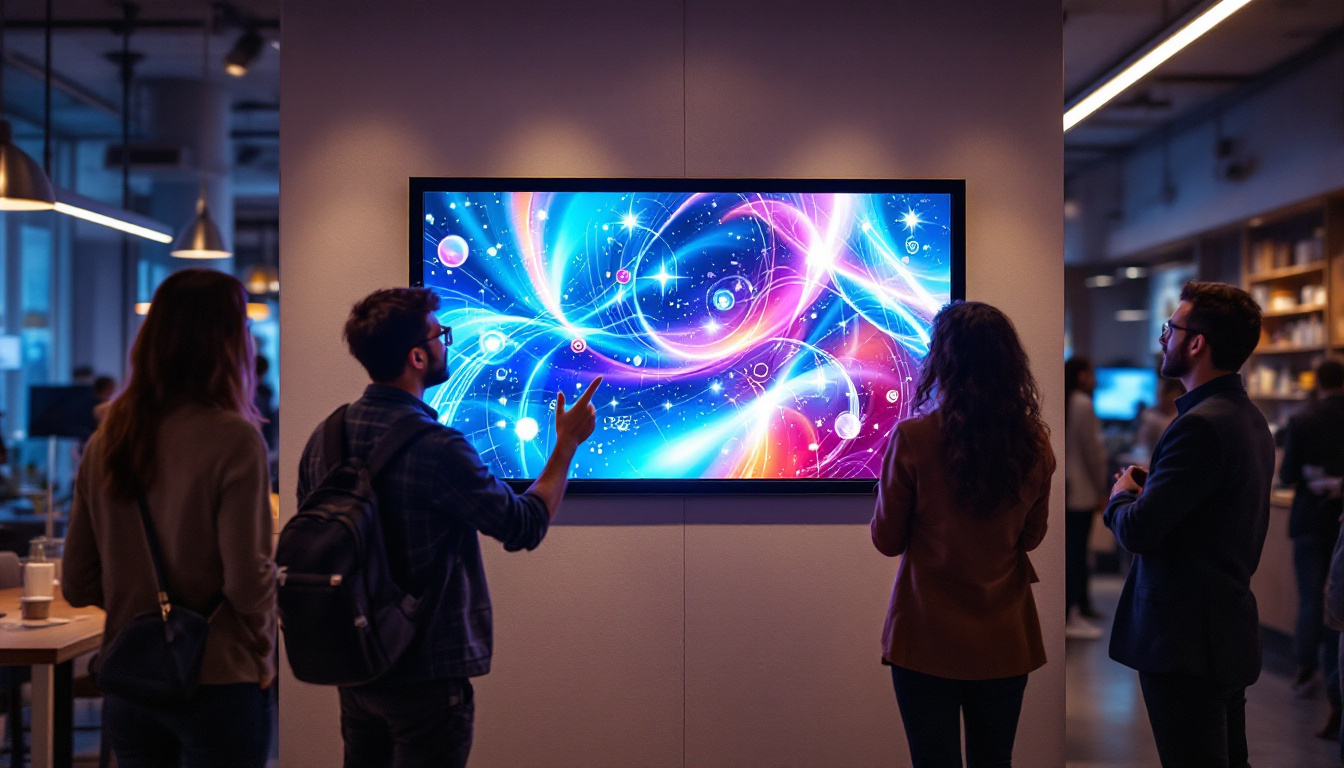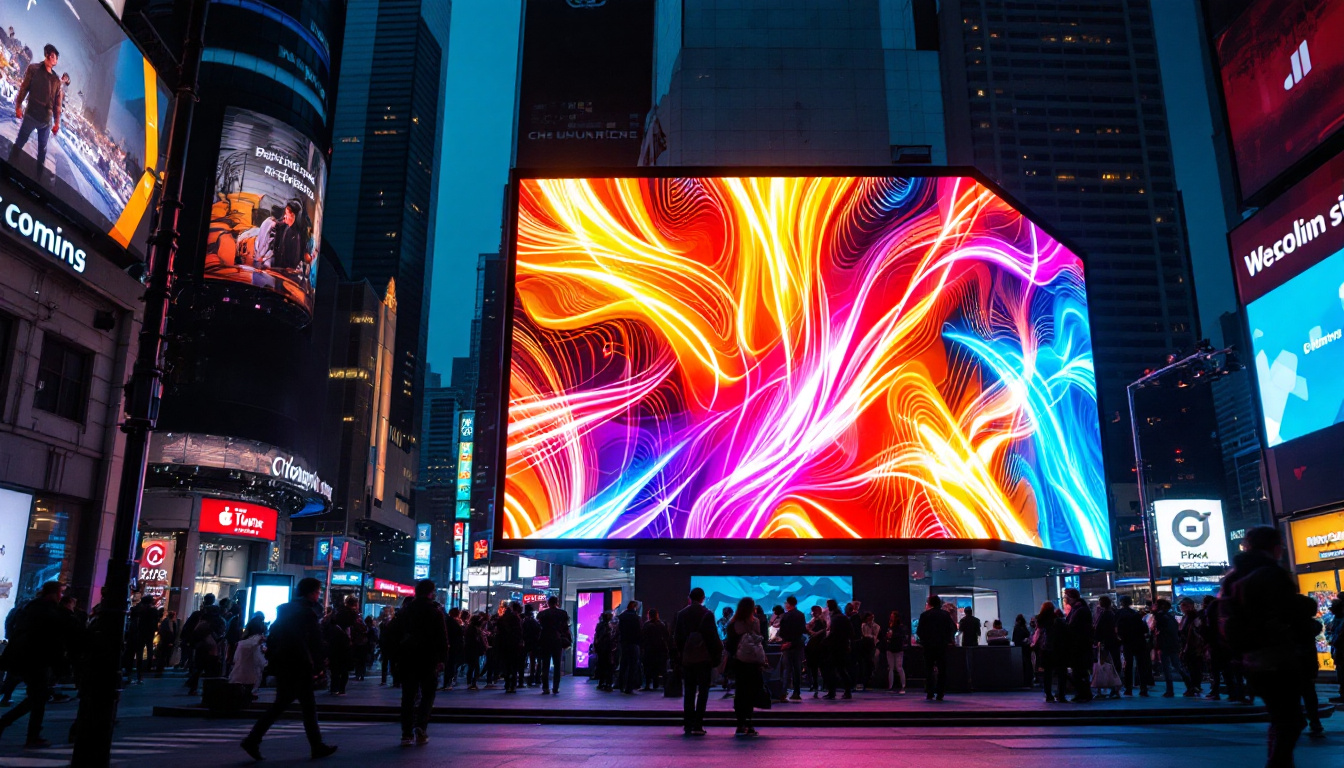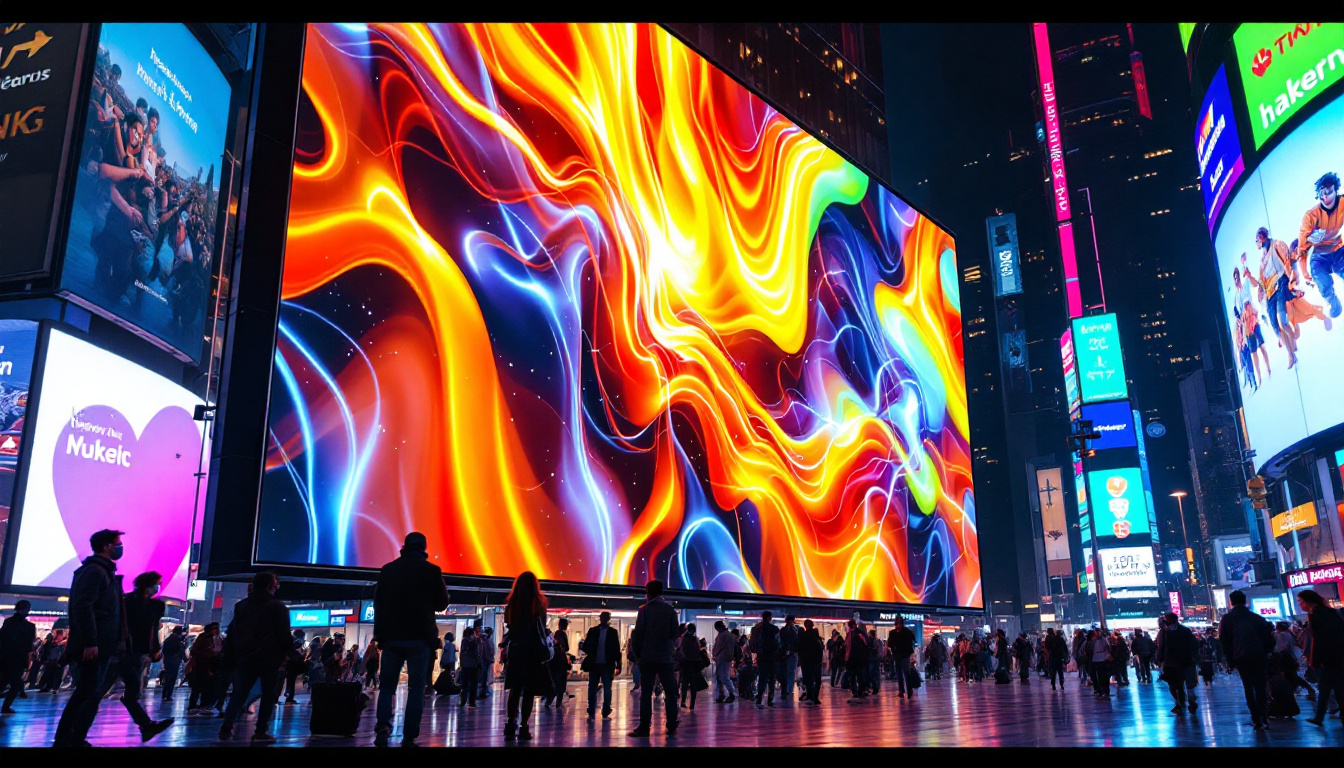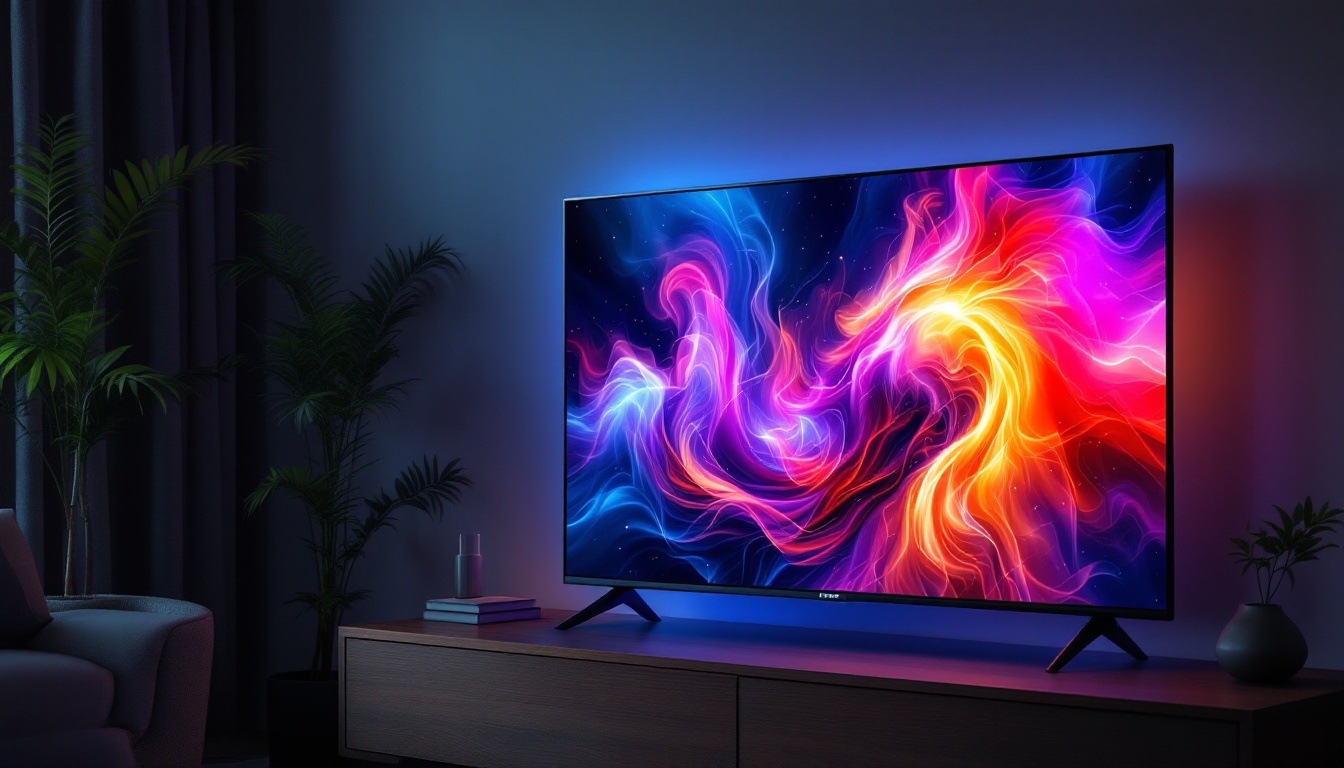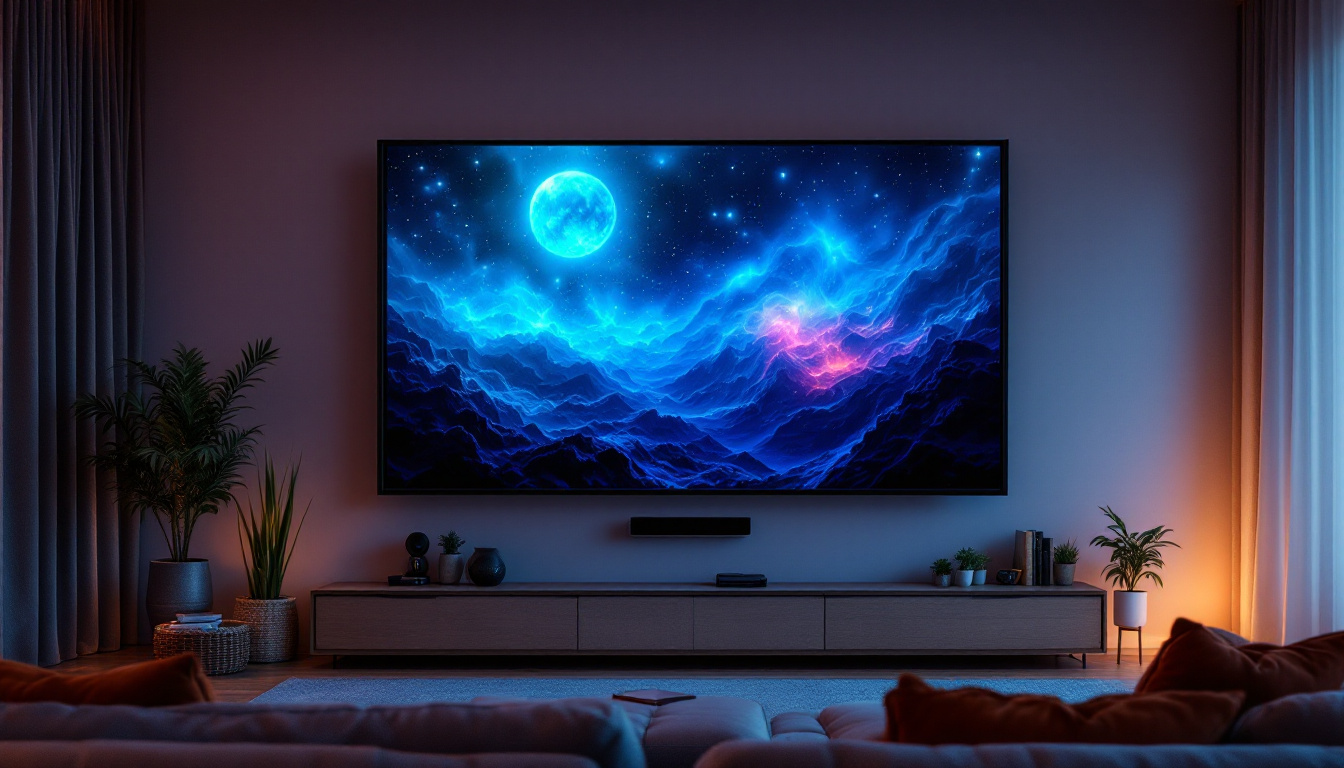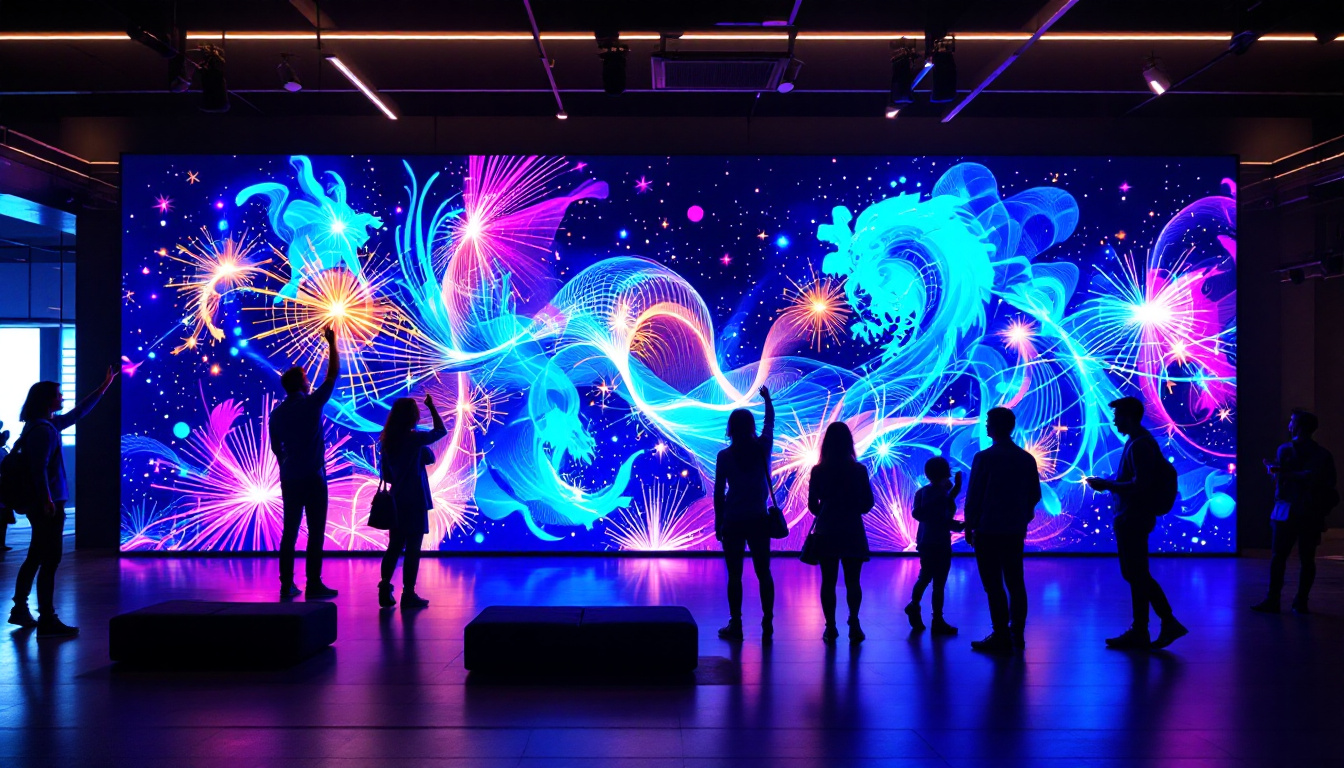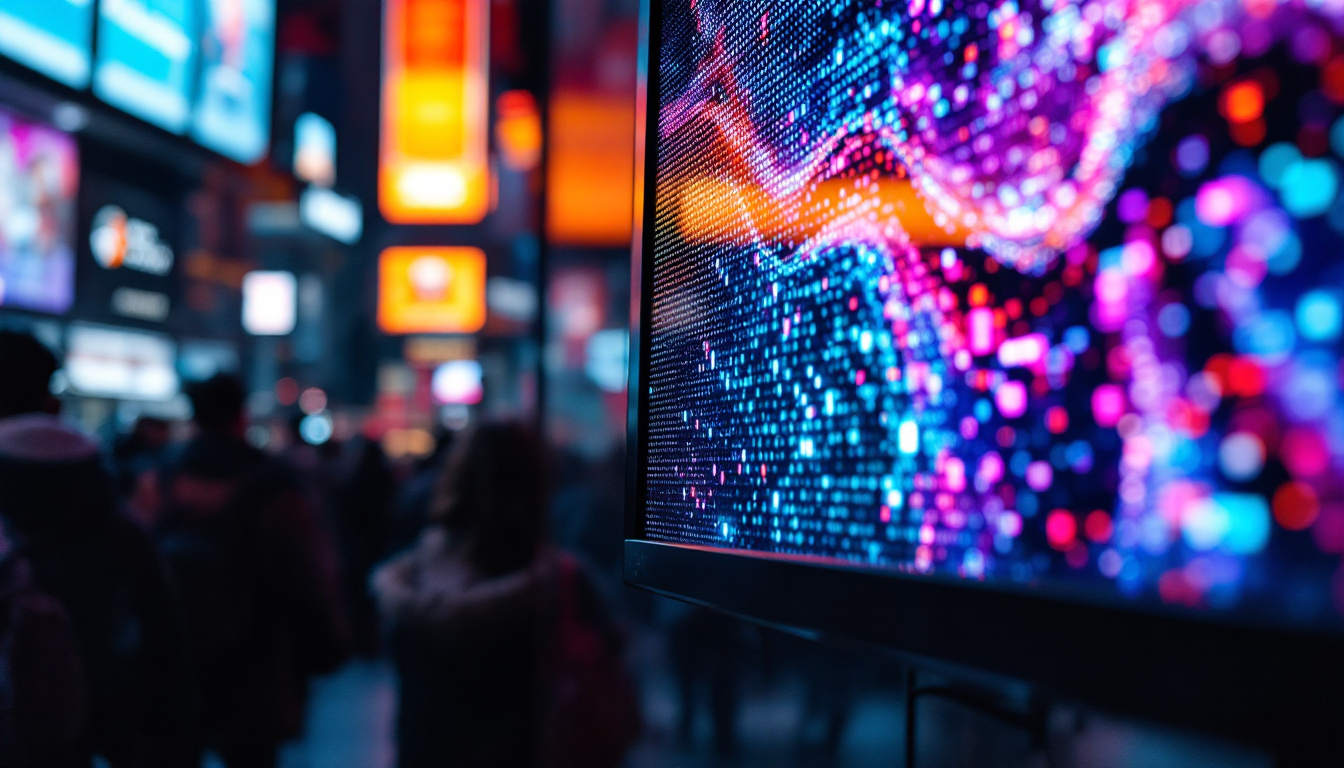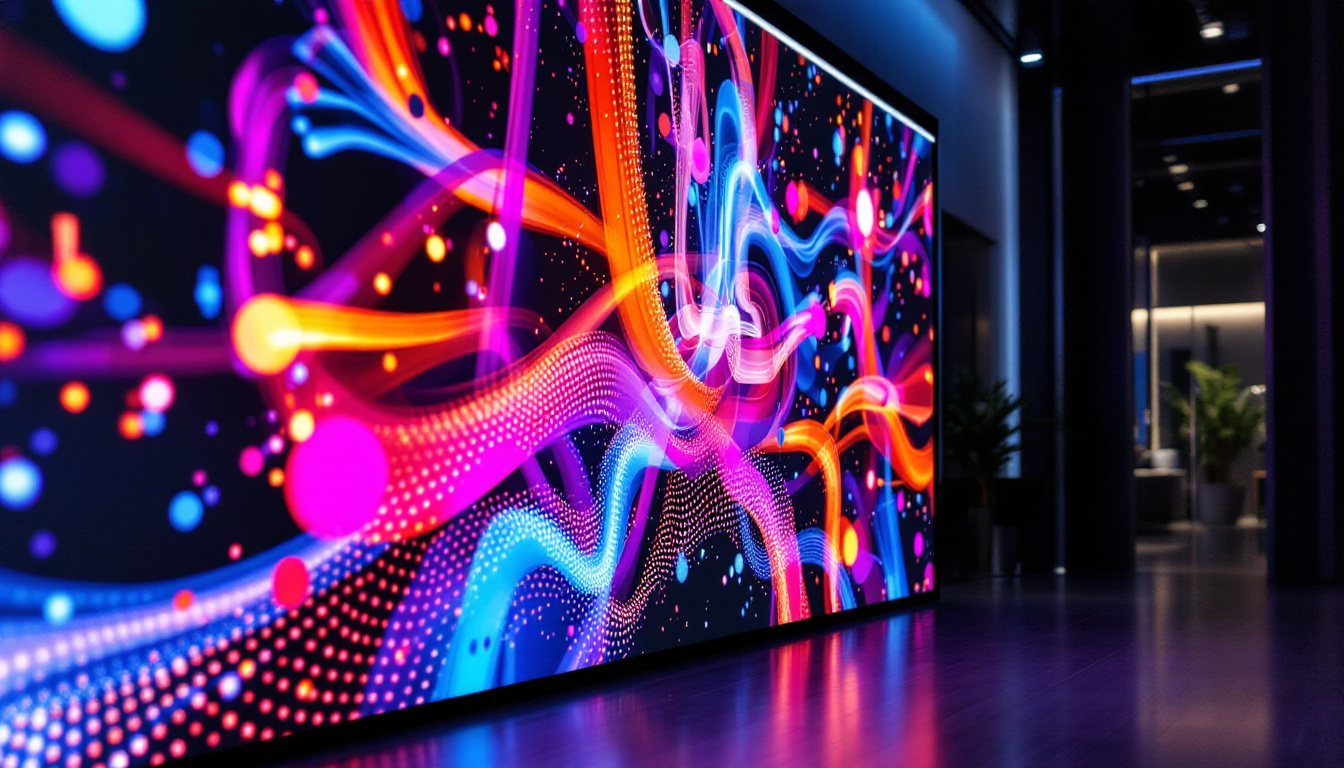
In today’s fast-evolving digital landscape, LED displays have become an integral part of communication, advertising, entertainment, and information dissemination. From massive outdoor billboards to sleek indoor screens, LED technology powers some of the most vibrant and dynamic visual experiences worldwide. This article dives deep into the world of LED displays, unpacking their technology, types, applications, advantages, and future trends.
Understanding LED Display Technology
What is an LED Display?
LED stands for Light Emitting Diode, a semiconductor device that emits light when an electric current passes through it. An LED display is essentially a flat panel that uses an array of these tiny LEDs to create images, videos, or text by controlling the brightness and color of each diode.
Unlike traditional LCD or plasma screens, LED displays operate by direct emission of light, which results in higher brightness levels and better contrast ratios. This makes them particularly suitable for environments with high ambient light, such as outdoor advertising or stadium screens. Furthermore, LED displays are known for their energy efficiency, consuming less power compared to older technologies, which not only reduces operational costs but also contributes to a smaller carbon footprint. This aspect has made LED technology increasingly popular in various applications, from commercial signage to home entertainment systems.
How Do LED Displays Work?
At the core of an LED display are thousands or even millions of individual LEDs arranged in a grid. Each LED can be a single color (monochrome displays) or part of a triad of red, green, and blue LEDs that combine to produce full-color images. By adjusting the intensity of each color LED, the display can render a wide spectrum of colors.
The control system behind the display sends signals to each LED, determining which diodes should light up and at what brightness. This process happens rapidly, allowing for smooth video playback and dynamic content changes. Additionally, many modern LED displays incorporate advanced technologies such as pixel mapping and dynamic range adjustment, which enhance the viewing experience by optimizing image quality based on the content being displayed. This adaptability is particularly beneficial in applications like live event broadcasting, where lighting conditions can vary dramatically.
Types of LEDs Used in Displays
There are primarily two types of LEDs used in displays: surface-mounted device (SMD) LEDs and through-hole LEDs. SMD LEDs are compact, energy-efficient, and capable of producing high-resolution images, making them popular for indoor and close-viewing applications. Through-hole LEDs, on the other hand, are larger and more robust, often used in outdoor displays where durability and brightness are critical.
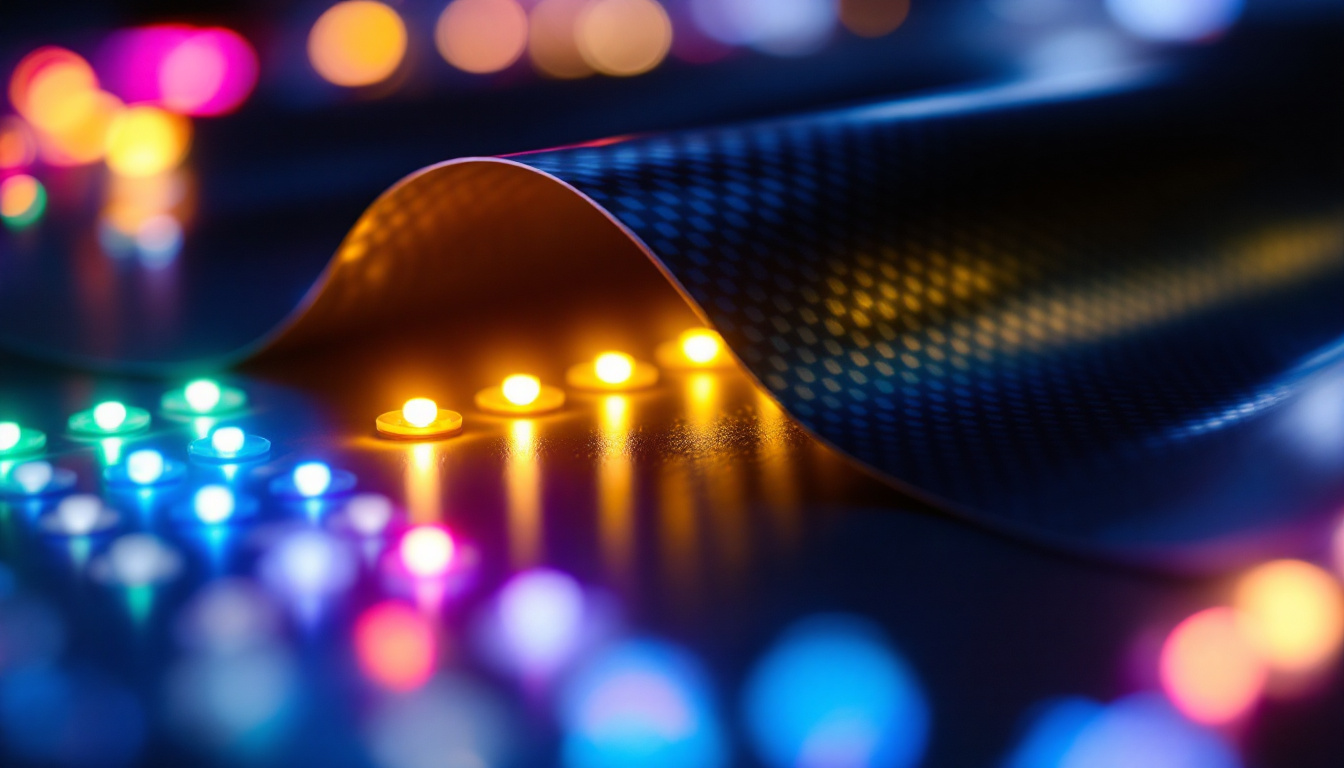
In addition to these types, there are also variations such as organic light-emitting diodes (OLEDs), which offer even greater flexibility in design and superior color accuracy. OLED technology allows for thinner panels and the ability to create displays that can bend or curve, opening up new possibilities for innovative applications in both consumer electronics and advertising. As the technology continues to evolve, the line between traditional LED displays and these advanced alternatives is becoming increasingly blurred, leading to a future where displays can be seamlessly integrated into various environments and formats.
Categories of LED Displays
Indoor LED Displays
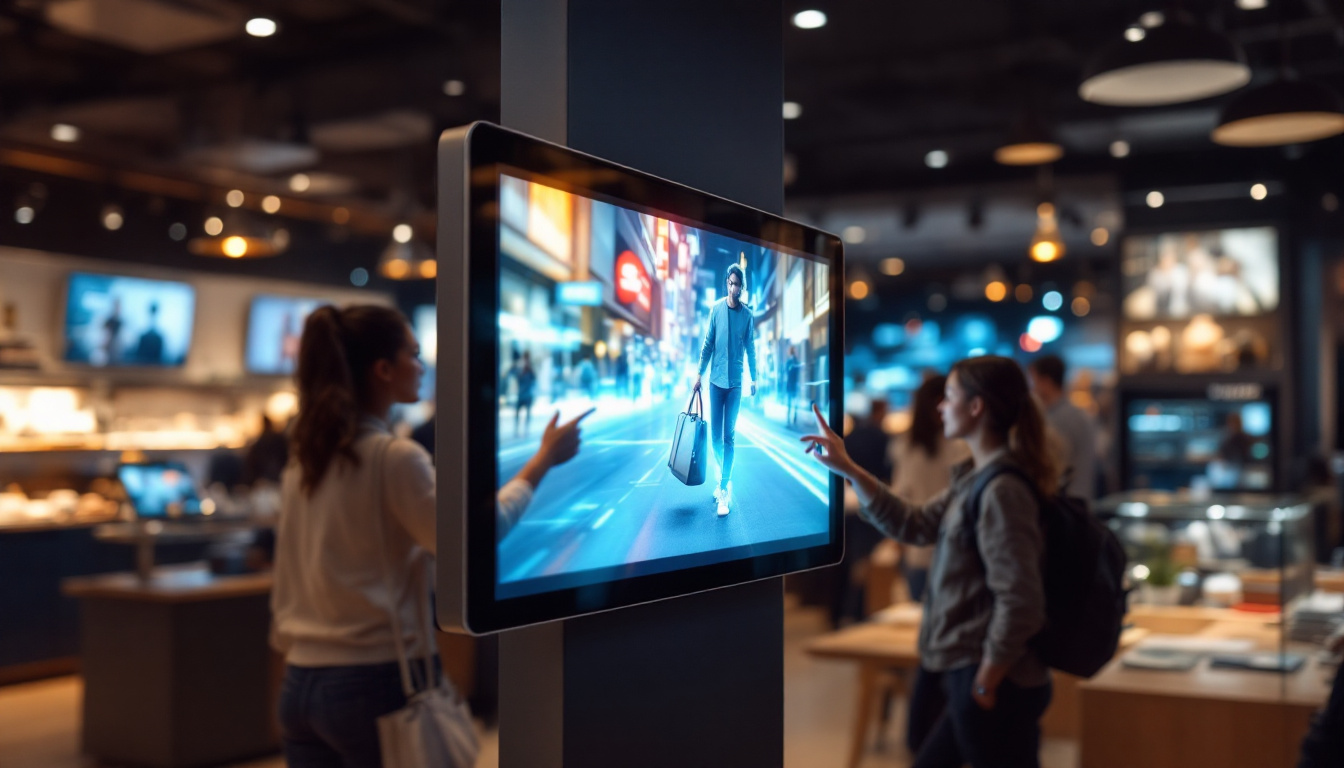
Indoor LED displays are designed for environments such as retail stores, corporate offices, conference rooms, and entertainment venues. They typically have a higher pixel density, which means smaller pixel pitch, allowing viewers to see crisp images from close distances.
These displays are optimized for lower brightness levels compared to outdoor screens, as excessive brightness indoors can cause eye strain. Their compact design and high resolution make them ideal for digital signage, video walls, and interactive displays.
Outdoor LED Displays
Outdoor LED displays are engineered to withstand harsh weather conditions including rain, wind, dust, and extreme temperatures. They feature higher brightness levels—often exceeding 5,000 nits—to ensure visibility even in direct sunlight.
Common applications include billboards, sports stadium screens, transportation hubs, and public information boards. Their pixel pitch is generally larger than indoor displays, as viewers tend to view them from greater distances.
Transparent LED Displays
Transparent LED displays are an innovative category that combines LED technology with glass or acrylic panels. These displays allow light to pass through them, making them perfect for retail windows, architectural installations, and showroom displays where maintaining visibility through the glass is important.
They offer a unique blend of advertising and aesthetic appeal, enabling brands to engage customers without obstructing natural light or visibility.
Key Advantages of LED Displays
Superior Brightness and Contrast
One of the most significant advantages of LED displays is their exceptional brightness and contrast capabilities. LEDs can produce vivid colors and deep blacks, resulting in images that are striking and easy to read even under direct sunlight or brightly lit environments.
This makes LED displays particularly effective for outdoor advertising and public information systems where visibility is paramount.
Energy Efficiency and Longevity
Compared to traditional lighting and display technologies, LEDs are highly energy-efficient. They consume less power while delivering brighter images, which translates to lower operational costs for businesses and organizations.
Additionally, LEDs have a long lifespan, often exceeding 50,000 hours of operation. This durability reduces maintenance and replacement expenses, especially for large-scale installations.
Flexibility and Customization
LED displays come in various shapes and sizes, offering unmatched flexibility for creative and functional applications. They can be curved, flexible, or even wearable, opening up new possibilities in advertising, art, and event production.
Modular LED panels allow for easy scaling and customization, enabling users to build displays tailored to specific spatial and visual requirements.
Applications of LED Displays Across Industries
Advertising and Marketing
LED displays revolutionized outdoor and indoor advertising by enabling dynamic, eye-catching content that can be updated in real-time. Brands leverage LED billboards and digital signage to attract attention, promote products, and engage customers with interactive campaigns.
According to a 2023 report by Grand View Research, the global digital signage market is expected to reach $32 billion by 2028, with LED technology playing a central role in this growth.
Sports and Entertainment
From giant stadium screens to concert backdrops, LED displays enhance the spectator experience by delivering clear visuals, instant replays, and immersive graphics. Their ability to operate reliably in outdoor conditions makes them indispensable for live events.
Notably, the FIFA World Cup and the Olympics have utilized cutting-edge LED display technology to provide fans with real-time information and entertainment.
Transportation and Public Information
Airports, train stations, and bus terminals use LED displays to provide travelers with up-to-date schedules, alerts, and wayfinding information. Their high visibility and reliability ensure that critical information is accessible to large crowds at all times.
Smart city initiatives increasingly incorporate LED displays for public safety announcements, environmental monitoring, and community engagement.
Retail and Corporate Environments
Retailers use LED displays to showcase promotions, product information, and brand messaging, enhancing the in-store experience and driving sales. Meanwhile, corporate offices employ LED video walls for presentations, digital art, and communication.
The ability to integrate LED displays with other digital systems allows for seamless content management and interactive capabilities.
Technical Considerations When Choosing an LED Display
Pixel Pitch and Resolution
Pixel pitch refers to the distance between the centers of two adjacent pixels, usually measured in millimeters. It directly affects the resolution and viewing distance of an LED display. Smaller pixel pitch means higher resolution and better image clarity at close range, which is ideal for indoor use.
For outdoor displays, a larger pixel pitch is acceptable since viewers typically observe from farther away. Selecting the appropriate pixel pitch ensures optimal image quality and cost-effectiveness.
Brightness and Viewing Angle
Brightness, measured in nits, determines how well an LED display performs under different lighting conditions. Outdoor displays require higher brightness levels (often above 5,000 nits) to combat sunlight glare, whereas indoor displays operate comfortably at lower brightness.
The viewing angle defines the range from which the display can be seen clearly without color distortion or brightness loss. Wide viewing angles are crucial for public spaces where audiences view the screen from multiple directions.
Durability and Weather Resistance
For outdoor installations, LED displays must be rugged and weatherproof. Factors such as IP rating (Ingress Protection), temperature tolerance, and resistance to dust and moisture are critical to ensure longevity and reliable performance.
Indoor displays, while less exposed to harsh elements, should still be designed to withstand environmental factors like humidity and temperature fluctuations within the building.
Future Trends in LED Display Technology
MicroLED and MiniLED Innovations
Emerging technologies such as MicroLED and MiniLED promise to push the boundaries of LED display performance. MicroLEDs are microscopic LEDs that offer unparalleled brightness, contrast, and energy efficiency, rivaling OLED displays while avoiding burn-in issues.
MiniLED technology uses smaller LEDs than traditional ones to improve backlighting in LCD displays, enhancing contrast and color accuracy. Both technologies are gaining traction in premium TVs, smartphones, and high-end digital signage.
Integration with AI and IoT
Artificial intelligence (AI) and the Internet of Things (IoT) are transforming how LED displays are used and managed. AI-powered content optimization can tailor messages based on audience demographics, weather, or time of day, maximizing engagement.
IoT connectivity enables remote monitoring and control of displays, predictive maintenance, and seamless integration with other smart city or building management systems.
Sustainability and Eco-Friendly Designs
As environmental concerns grow, manufacturers are focusing on developing LED displays with lower power consumption, recyclable materials, and reduced carbon footprints. Energy-efficient designs and smart controls help reduce operational costs and environmental impact.
Green certifications and compliance with international standards are becoming important considerations for buyers in both public and private sectors.
Conclusion
LED displays have fundamentally reshaped the way information and entertainment are delivered across the globe. Their superior brightness, energy efficiency, versatility, and durability make them the preferred choice for a wide range of applications—from advertising and sports to transportation and retail.
Understanding the technology behind LED displays, their types, and key technical factors is essential for businesses and organizations looking to invest in this dynamic medium. As innovations like MicroLED and AI integration continue to evolve, LED displays will remain at the forefront of visual communication, offering increasingly immersive and sustainable solutions.
Discover LumenMatrix’s Innovative LED Solutions
Ready to elevate your visual communication with the latest in LED technology? LumenMatrix is at the forefront of creating immersive and dynamic visual experiences tailored to your needs. From vibrant Indoor LED Wall Displays to robust Outdoor LED Wall Displays, and from versatile Vehicle LED Displays to sleek LED Poster Displays, we have a solution for every application. Our mission is to empower your brand with LED Sports Displays, interactive Floor LED Displays, Custom LED Displays, All-in-One LED Displays, and LED Transparent Displays that captivate and engage. Check out LumenMatrix LED Display Solutions today and transform the way you share your message with the world.