In today’s fast-paced digital world, large LED displays have become a cornerstone of visual communication. From bustling city centers to sports arenas, from corporate lobbies to retail storefronts, these expansive screens capture attention and convey information with unmatched clarity and vibrancy. But what exactly makes LED displays so effective, and why are they increasingly favored over other display technologies? This comprehensive article explores the fundamentals of large LED displays, their technology, applications, and the benefits they offer across various industries.
Understanding LED Display Technology
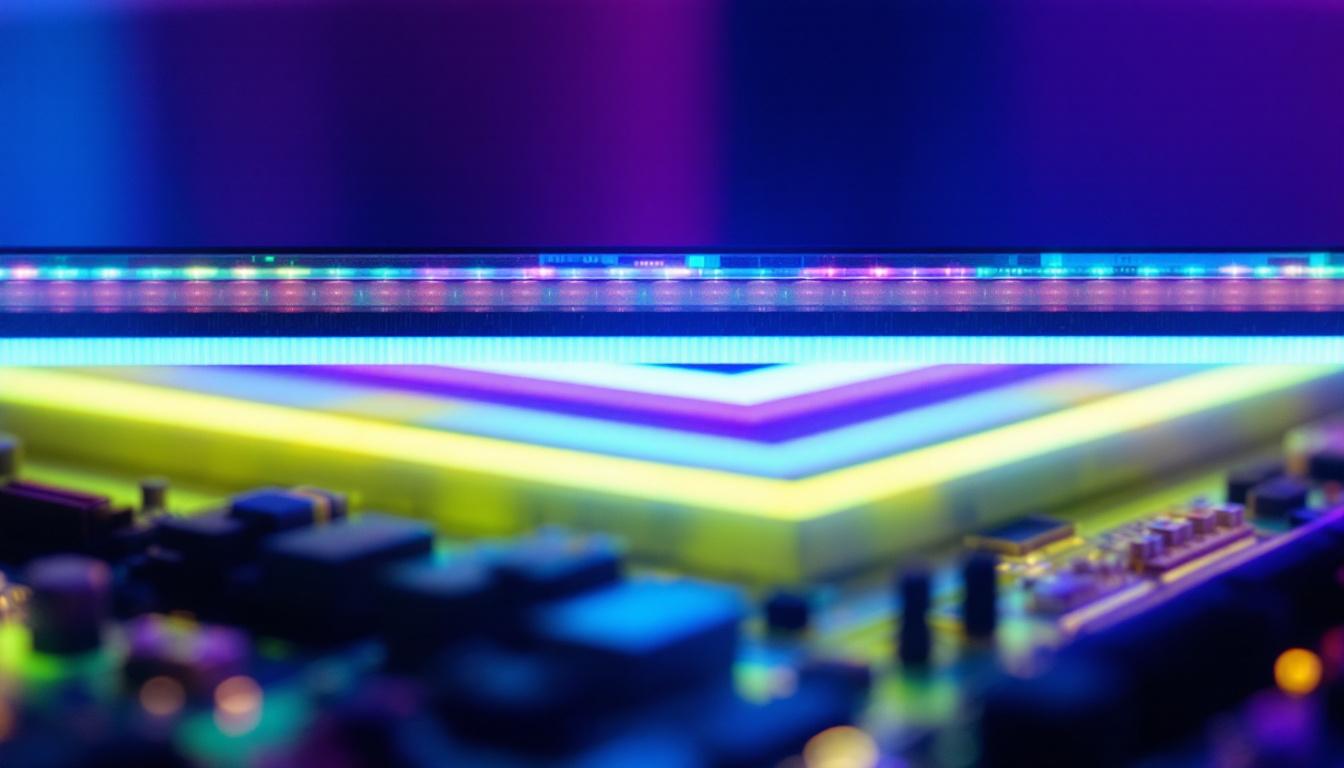
At the heart of every LED display lies a simple yet powerful technology: light-emitting diodes (LEDs). These tiny semiconductor devices emit light when an electric current passes through them, enabling the creation of bright, colorful images visible even in direct sunlight. The efficiency of LEDs not only contributes to their brightness but also to their energy-saving capabilities, making them an environmentally friendly choice for modern display solutions.
Unlike traditional LCD or projection screens, LED displays are composed of thousands — sometimes millions — of individual LEDs arranged in a grid. Each LED functions as a single pixel or part of a pixel, allowing for precise control over brightness and color. This modular structure is what enables LED displays to scale to massive sizes without losing image quality. Furthermore, the ability to control each pixel independently allows for dynamic content that can adapt to various lighting conditions, enhancing the viewer’s experience in diverse environments.
Types of LEDs Used in Large Displays
There are primarily two types of LEDs used in large display cases: surface-mounted device (SMD) LEDs and through-hole LEDs. SMD LEDs are compact, with multiple diodes (red, green, and blue) packaged into a single unit, allowing for high resolution and close pixel spacing. This makes them ideal for indoor displays where viewers are close to the screen. Additionally, SMD technology supports a wider color gamut and better color mixing, resulting in more vibrant images that can captivate audiences in retail environments, concerts, and exhibitions.
Through-hole LEDs, on the other hand, are larger and more robust, typically used in outdoor displays where durability and high brightness are critical. Their design allows for greater heat dissipation and longer lifespan under harsh weather conditions. These LEDs are often encapsulated in protective materials to withstand rain, wind, and UV exposure, ensuring that outdoor displays maintain their performance and visual appeal over time. This resilience makes through-hole LEDs a popular choice for stadiums, outdoor advertising, and public information displays.
Pixel Pitch and Resolution
One of the most important specifications in LED displays is the pixel pitch — the distance between the centers of two adjacent pixels. A smaller pixel pitch means higher resolution and sharper images, which is essential for displays viewed at close range. For example, indoor displays often have pixel pitches as small as 1.2mm, while large outdoor billboards may have pitches of 10mm or more. This distinction is crucial for applications such as digital signage in shopping malls, where viewers may be just a few feet away from the screen, requiring a level of detail that smaller pixel pitches can provide.
Resolution is directly tied to pixel pitch and the overall size of the display. For large-scale installations, balancing resolution with viewing distance is crucial to ensure the content looks crisp without unnecessarily increasing costs. Moreover, advancements in technology have led to the development of ultra-high-definition (UHD) LED displays, which feature even finer pixel pitches and enhanced color accuracy. These displays are becoming increasingly popular in high-end applications, such as control rooms and broadcast studios, where precision and clarity are paramount. As the demand for high-quality visual experiences continues to grow, the evolution of LED display technology promises to deliver even more impressive solutions in the future.
Advantages of Large LED Displays
Large LED displays offer several advantages that have made them the preferred choice for many applications. Their unique combination of brightness, flexibility, and durability sets them apart from other display technologies.
Exceptional Brightness and Visibility
One of the defining features of LED displays is their brightness. Modern LEDs can achieve brightness levels exceeding 5,000 nits, making them clearly visible even in direct sunlight. This is particularly important for outdoor advertising, where ambient light levels can vary dramatically throughout the day.
Furthermore, LED displays maintain consistent color and brightness across the entire screen, ensuring uniformity that enhances the viewing experience. The ability to deliver vibrant colors and sharp images not only captures attention but also conveys messages more effectively, making them an ideal choice for events, concerts, and promotional displays. Their high refresh rates also make them suitable for dynamic content, such as videos and animations, which can further engage audiences.
Energy Efficiency and Longevity
Compared to traditional lighting and display technologies, LEDs are highly energy-efficient. They consume less power while delivering superior brightness, which translates into lower operating costs. Advances in LED technology have also extended their lifespan, with many displays rated for 100,000 hours or more of operation.
This longevity reduces maintenance needs and replacement costs, making LED displays a cost-effective solution over the long term. Additionally, the lower energy consumption contributes to a reduced carbon footprint, aligning with the growing emphasis on sustainability in business practices. Many organizations are now prioritizing eco-friendly solutions, and the use of energy-efficient LED displays not only meets this demand but also enhances their corporate image as environmentally responsible entities.
Design Flexibility and Scalability
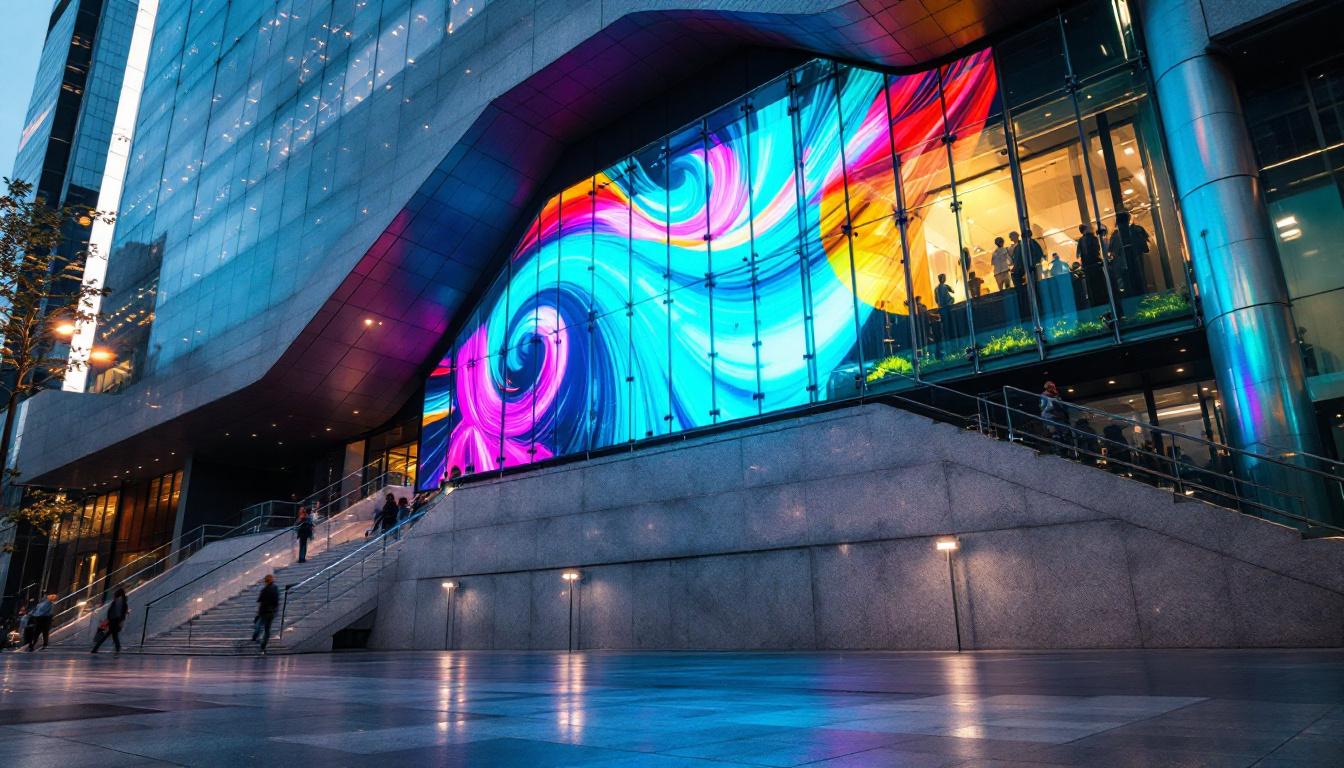
LED displays are inherently modular. This means they can be customized to virtually any size and shape, from massive rectangular billboards to curved or irregularly shaped installations. This flexibility allows architects and designers to integrate LED displays seamlessly into building facades, stadiums, and public spaces.
Scalability is another key advantage. Whether a business needs a 10-foot-wide screen or a 100-foot-wide video wall, LED technology can accommodate these requirements without compromising image quality. This adaptability is particularly beneficial for temporary events, such as festivals or trade shows, where displays can be configured to fit specific layouts and then easily dismantled or reconfigured for future use. The modular nature of LED technology also means that upgrades can be made incrementally, allowing businesses to enhance their visual displays without the need for a complete overhaul, thus maximizing their investment over time.
Applications of Large LED Displays
The versatility of large LED displays has led to their adoption across a wide range of sectors, each leveraging the technology to meet specific communication needs.
Outdoor Advertising and Digital Billboards
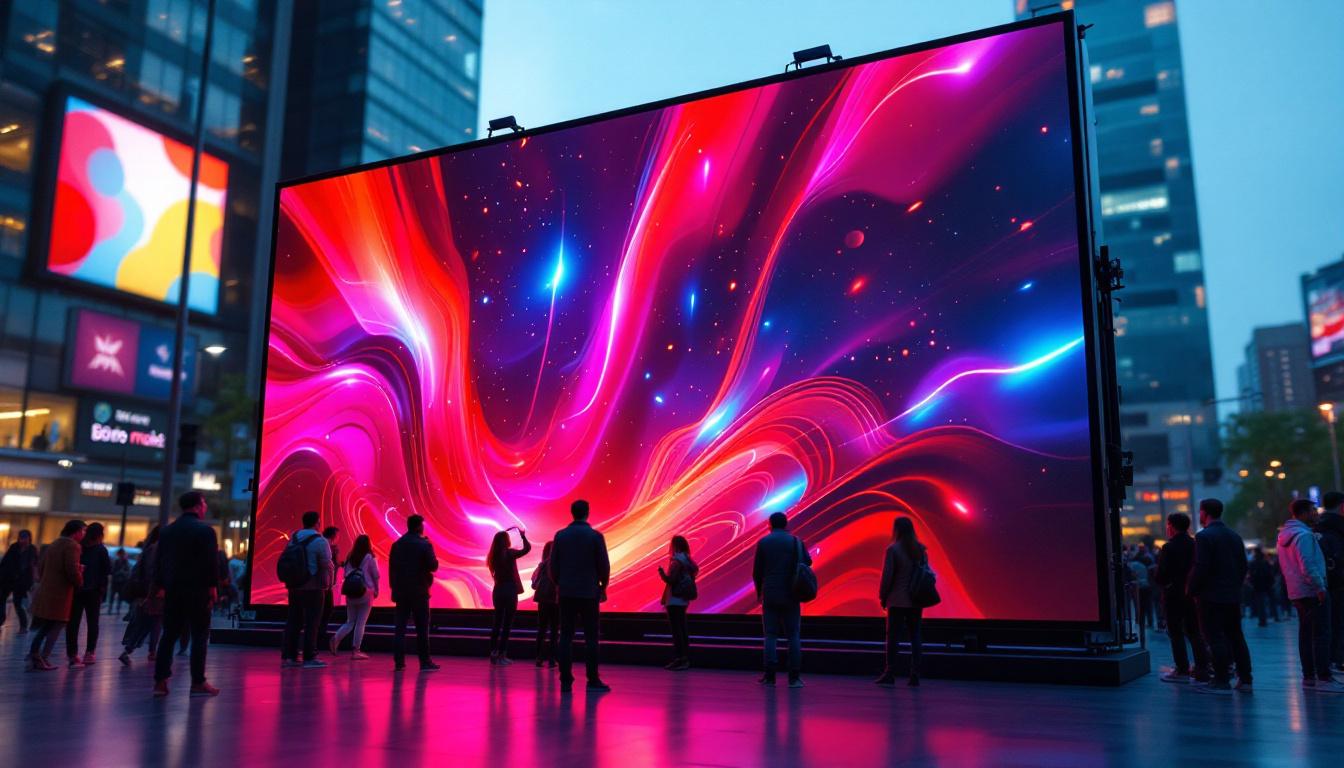
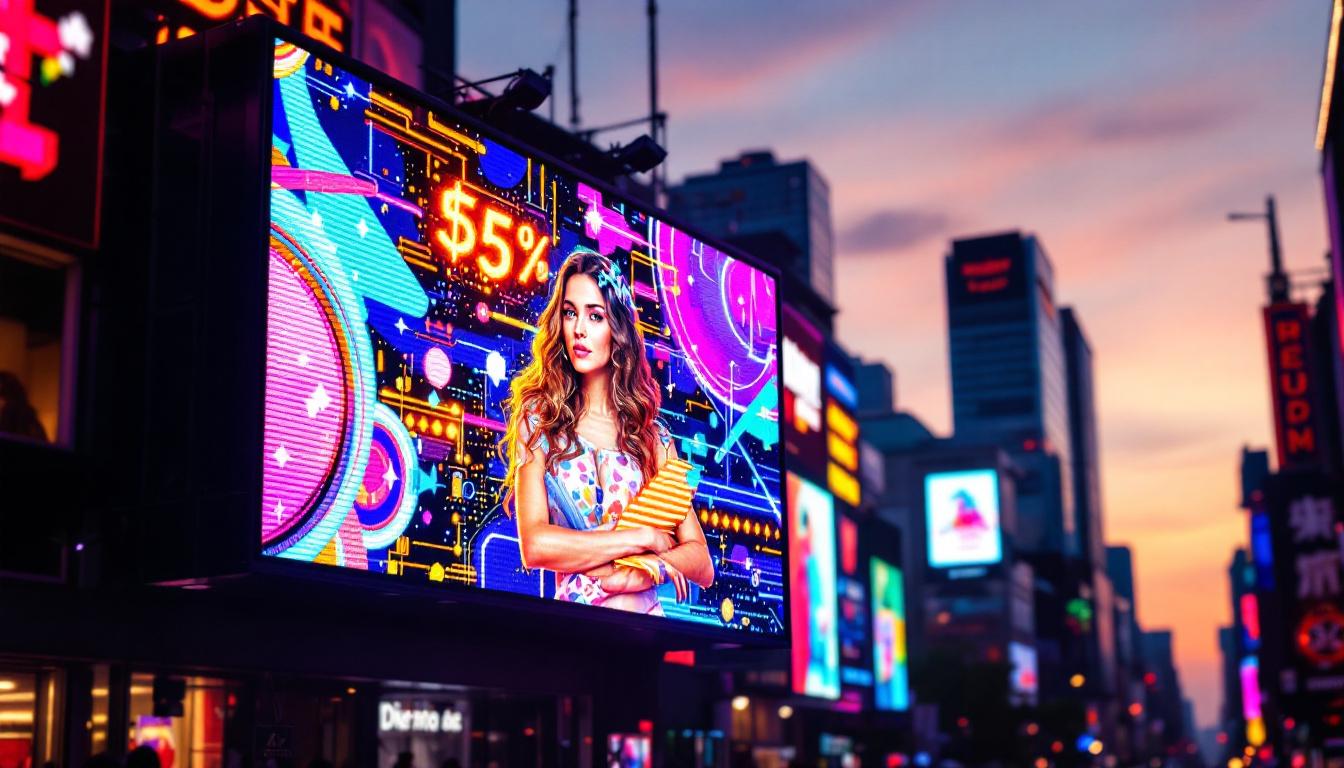
Outdoor digital billboards are among the most visible applications of large LED displays. According to recent industry reports, digital out-of-home advertising (DOOH) spending is expected to grow by over 10% annually, driven largely by LED billboard installations.
These displays allow advertisers to deliver dynamic, eye-catching content that can be updated remotely in real time. This flexibility enables targeted marketing campaigns and greater engagement with audiences compared to static billboards.
Sports Arenas and Entertainment Venues
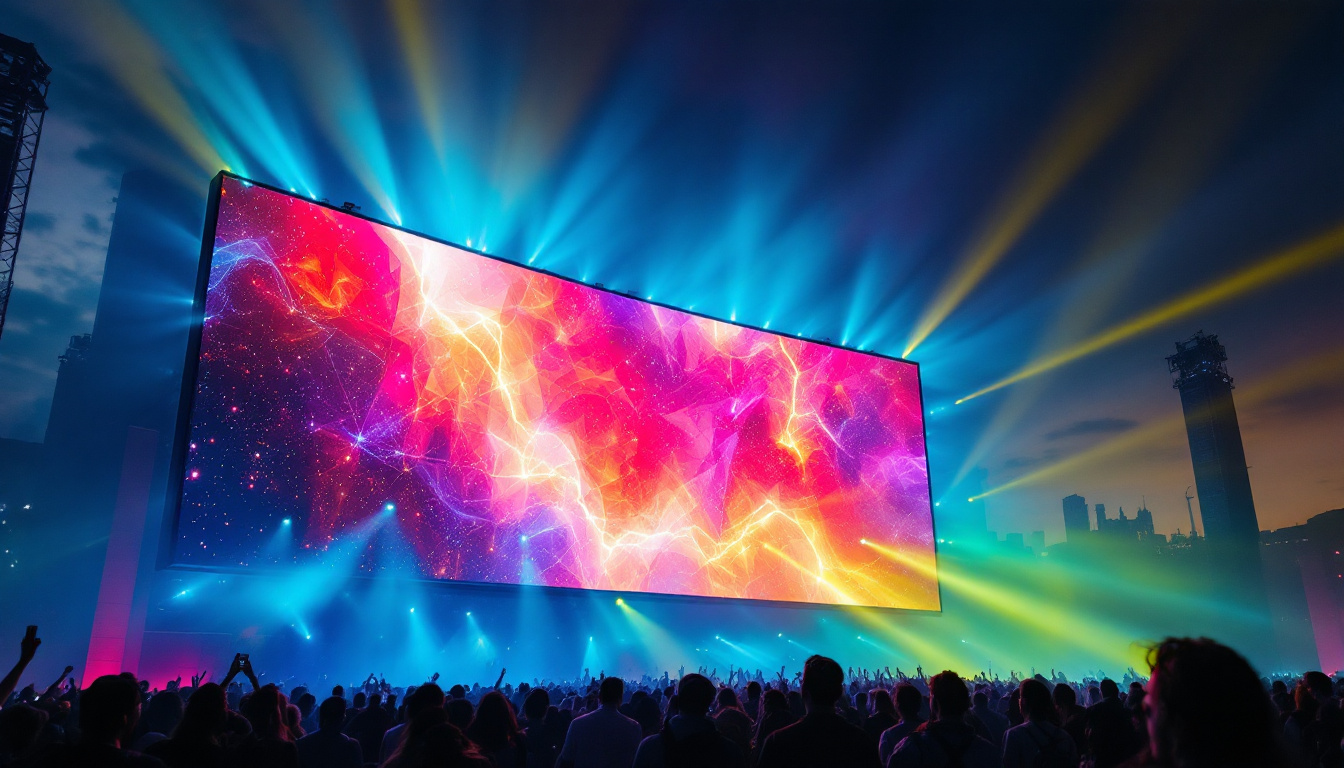
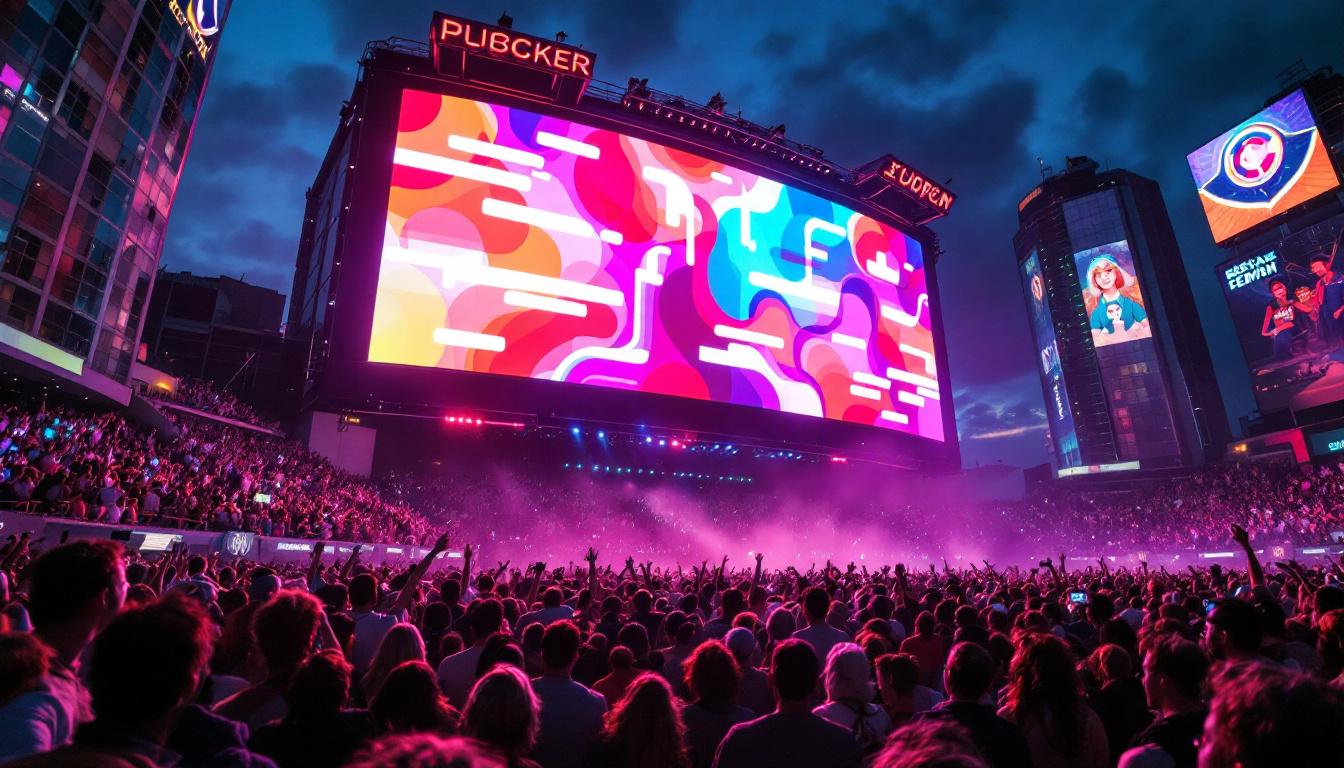
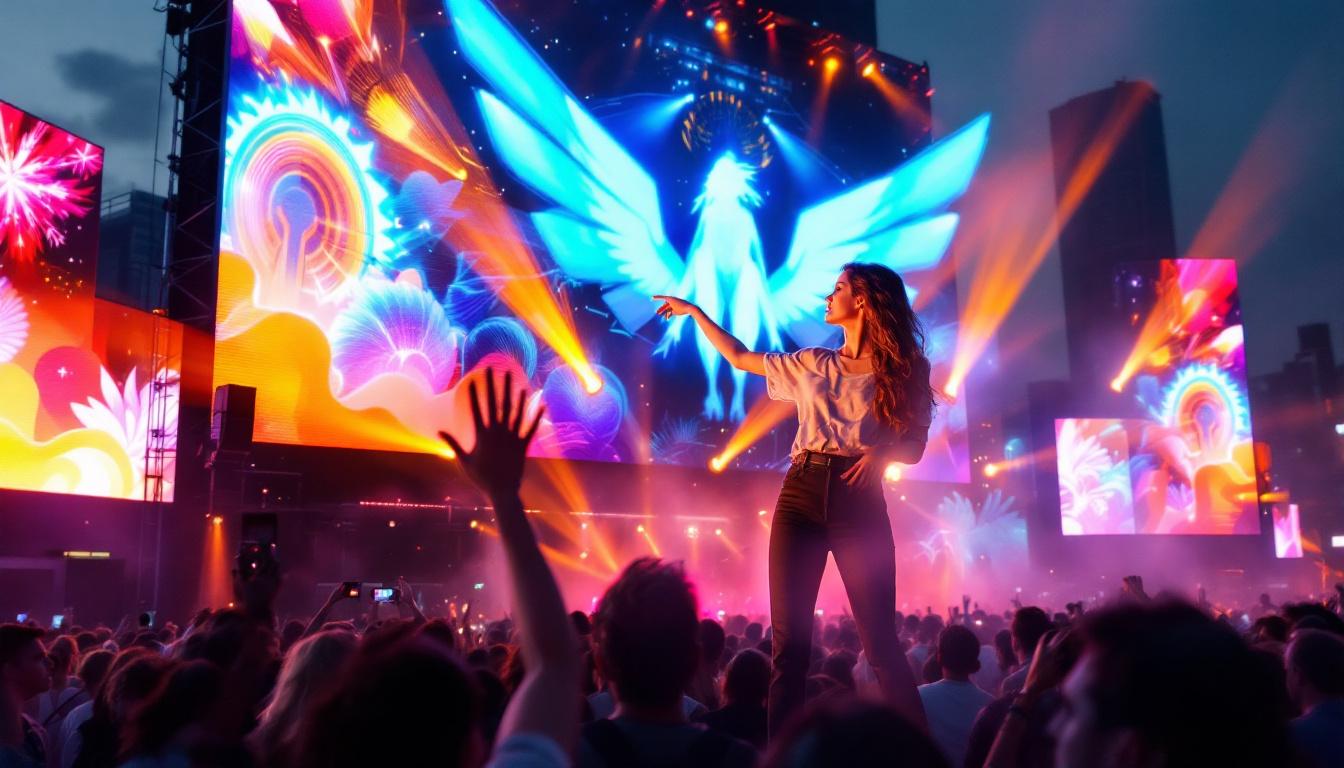
Sports stadiums and concert venues rely heavily on large LED screens to enhance the spectator experience. From live game footage to instant replays, advertisements, and interactive content, these displays keep audiences informed and entertained.
High resolution and brightness are critical in these environments to ensure visibility from all seating areas, even under varying lighting conditions.
Corporate and Retail Environments
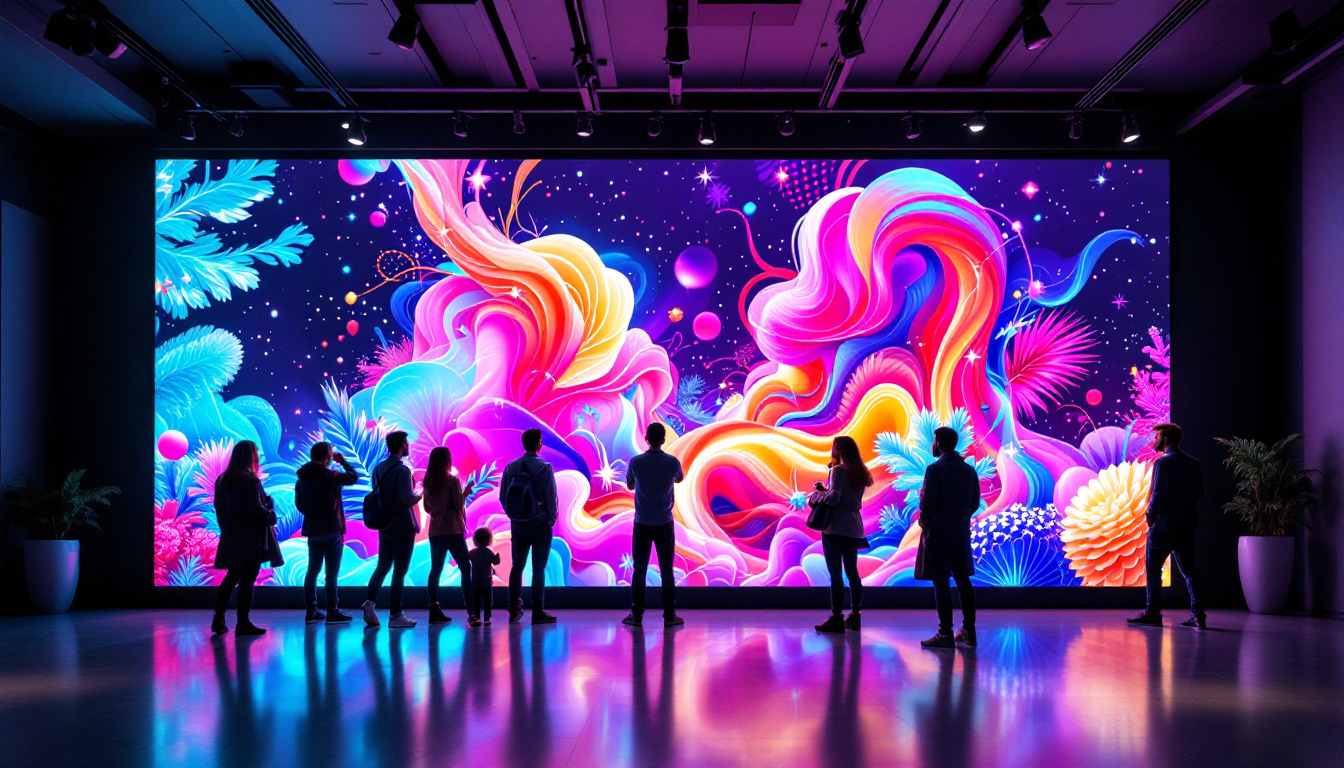
In corporate settings, large LED displays serve as powerful tools for branding, presentations, and digital signage. Retailers use them to showcase promotions, product information, and immersive visual experiences that attract customers and drive sales.
Indoor LED walls with fine pixel pitches create stunning visuals that can transform lobbies, showrooms, and event spaces.
Transportation Hubs and Public Spaces
Airports, train stations, and urban centers utilize large LED displays for wayfinding, public announcements, and advertising. The ability to display real-time information alongside promotional content enhances convenience and engagement for travelers and passersby.
Key Considerations When Choosing a Large LED Display
Selecting the right LED display requires careful evaluation of several factors to ensure the investment meets the intended purpose and environment.
Viewing Distance and Resolution Requirements
Understanding the typical viewing distance is essential for determining the appropriate pixel pitch and resolution. For example, a display intended to be viewed from 50 feet away can have a larger pixel pitch than one viewed from 10 feet, without compromising image quality.
Environmental Conditions
Outdoor displays must withstand weather extremes, including rain, wind, and temperature fluctuations. Choosing LEDs with adequate ingress protection (IP) ratings and robust construction is critical for longevity and performance.
Content Management and Connectivity
Modern LED displays often integrate with content management systems (CMS) that allow remote control and scheduling of content. Ensuring compatibility with existing infrastructure and ease of use can streamline operations and maximize the display’s effectiveness.
Budget and Total Cost of Ownership
While initial costs can be significant, considering the total cost of ownership—including energy consumption, maintenance, and potential upgrades—provides a clearer picture of the display’s value over time.
Future Trends in Large LED Displays
The LED display industry continues to evolve rapidly, driven by technological advancements and changing market demands.
MicroLED and MiniLED Innovations
Emerging technologies like MicroLED and MiniLED promise even higher resolution, improved color accuracy, and greater energy efficiency. MicroLED, in particular, offers self-emissive pixels similar to OLED but with the durability and brightness advantages of traditional LEDs.
Integration with Augmented Reality and Interactivity
As interactive digital experiences gain popularity, large LED displays are increasingly incorporating sensors and cameras to enable audience engagement. This includes gesture control, facial recognition, and augmented reality overlays that create immersive environments.
Energy Harvesting and Sustainability
With growing emphasis on sustainability, future LED displays may incorporate energy harvesting technologies such as solar panels or advanced power management systems to reduce environmental impact.
Conclusion
Large LED displays have revolutionized the way information and advertising are presented in public and private spaces. Their superior brightness, flexibility, and durability make them an indispensable tool for businesses and organizations seeking to capture attention and communicate effectively.
By understanding the technology behind LED displays, their advantages, and key considerations for implementation, stakeholders can make informed decisions that maximize impact and return on investment. As innovations continue to emerge, the potential for large LED displays to transform visual communication is only set to expand further.
Illuminate Your Space with LumenMatrix
Ready to elevate your visual communication to the next level? Discover the unparalleled brightness, flexibility, and innovation that LumenMatrix offers. Our extensive range of LED display solutions, from Indoor and Outdoor LED Walls to Custom and All-in-One LED Displays, is designed to captivate your audience and amplify your message. Whether for advertising, entertainment, or information dissemination, LumenMatrix is your partner in creating immersive visual experiences. Check out LumenMatrix LED Display Solutions and see how we can transform your space with the power of LED technology.