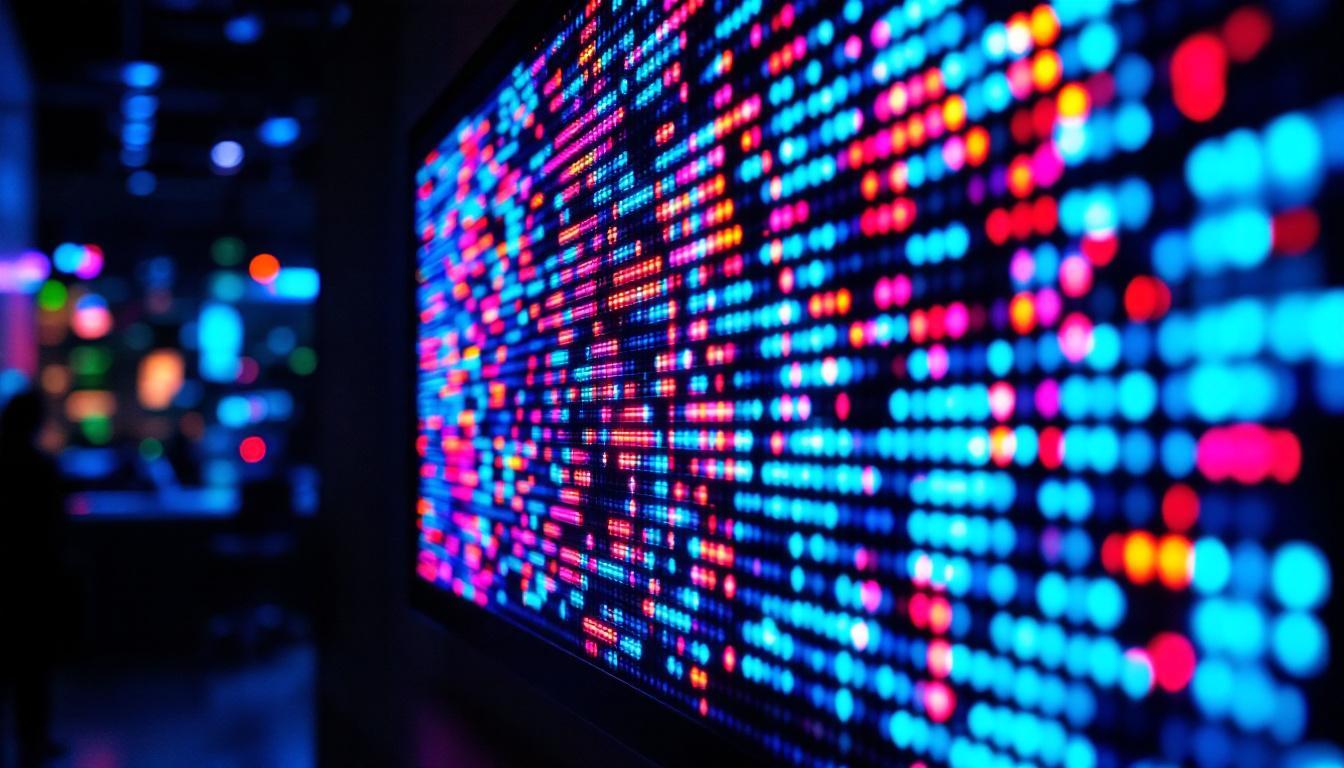
In the rapidly evolving world of digital displays, smart pixel lights have emerged as a revolutionary technology, transforming how images and videos are presented in various environments. From vibrant billboards in bustling city centers to immersive stage productions and innovative architectural lighting, smart pixel lights offer unprecedented control, brightness, and versatility. This article delves into the fundamentals of smart pixel lights, their underlying LED display technology, and their growing applications across industries.
Understanding Smart Pixel Lights
What Are Smart Pixel Lights?
Smart pixel lights refer to individually addressable LED pixels that can be controlled independently to display dynamic colors and patterns. Unlike traditional LED arrays where groups of LEDs are controlled as a single unit, smart pixel lights enable granular control at the pixel level. This means each pixel can emit a unique color and brightness, allowing for complex animations, gradients, and effects that are not possible with conventional LED strips or panels.
Typically, these smart pixels are embedded with integrated circuits that communicate via digital protocols such as WS2812 (popularly known as NeoPixels), APA102, or SK6812. These protocols facilitate rapid data transmission and synchronization, enabling smooth and vivid visual output even in large installations.
How Do They Work?
At the core of smart pixel lights is the combination of red, green, and blue (RGB) LEDs within each pixel. By adjusting the intensity of each color channel, a wide spectrum of colors can be produced. The integrated controller chip inside each pixel receives data signals that specify the color and brightness values, then drives the LEDs accordingly.
Data is typically sent in a serial fashion from a microcontroller or computer, passing through each pixel sequentially. Each pixel reads the data intended for itself and forwards the remaining data down the line. This daisy-chain architecture simplifies wiring and allows for thousands of pixels to be controlled with just a few data lines.
Technical Components of LED Smart Pixels
LED Types and Color Quality
The quality and type of LEDs used in smart pixel lights significantly impact the display’s color accuracy and brightness. Most smart pixels use surface-mount device (SMD) LEDs, which are compact and efficient. Common SMD sizes include 5050 and 3535, with 5050 being popular due to its ability to house three separate LEDs (red, green, blue) in one package.
Advances in LED technology have led to improvements in color rendering index (CRI), luminous efficacy, and lifespan. High-quality LEDs can achieve brightness levels exceeding 1,000 nits, making them suitable for both indoor and outdoor applications. Additionally, some smart pixels incorporate white LEDs alongside RGB to enhance color mixing and produce more natural whites.
Integrated Controller Chips
The integrated controller chip is the brain of each smart pixel. Popular chips include the WS2812B, which combines an RGB LED and a control IC in one package. These chips interpret incoming data signals and modulate the LED output accordingly. The WS2812B supports 24-bit color depth, allowing for 16 million color variations per pixel.
More advanced chips like the APA102 offer separate clock and data lines, enabling faster refresh rates and more precise timing control. This is particularly beneficial in applications requiring high frame rates or complex animations.
Communication Protocols and Data Transmission
Smart pixel lights rely on digital communication protocols to transmit color and brightness data. The WS2812 protocol uses a single-wire serial data line with strict timing requirements, making it simple but sensitive to timing errors. The APA102 protocol uses separate clock and data lines, which reduces timing constraints and allows for higher data transfer speeds.
These protocols enable the chaining of hundreds or thousands of pixels, with data cascading from one pixel to the next. This architecture simplifies wiring and reduces the number of microcontroller pins required, making it easier to design large-scale LED displays.
Applications of Smart Pixel Lights
Entertainment and Stage Lighting
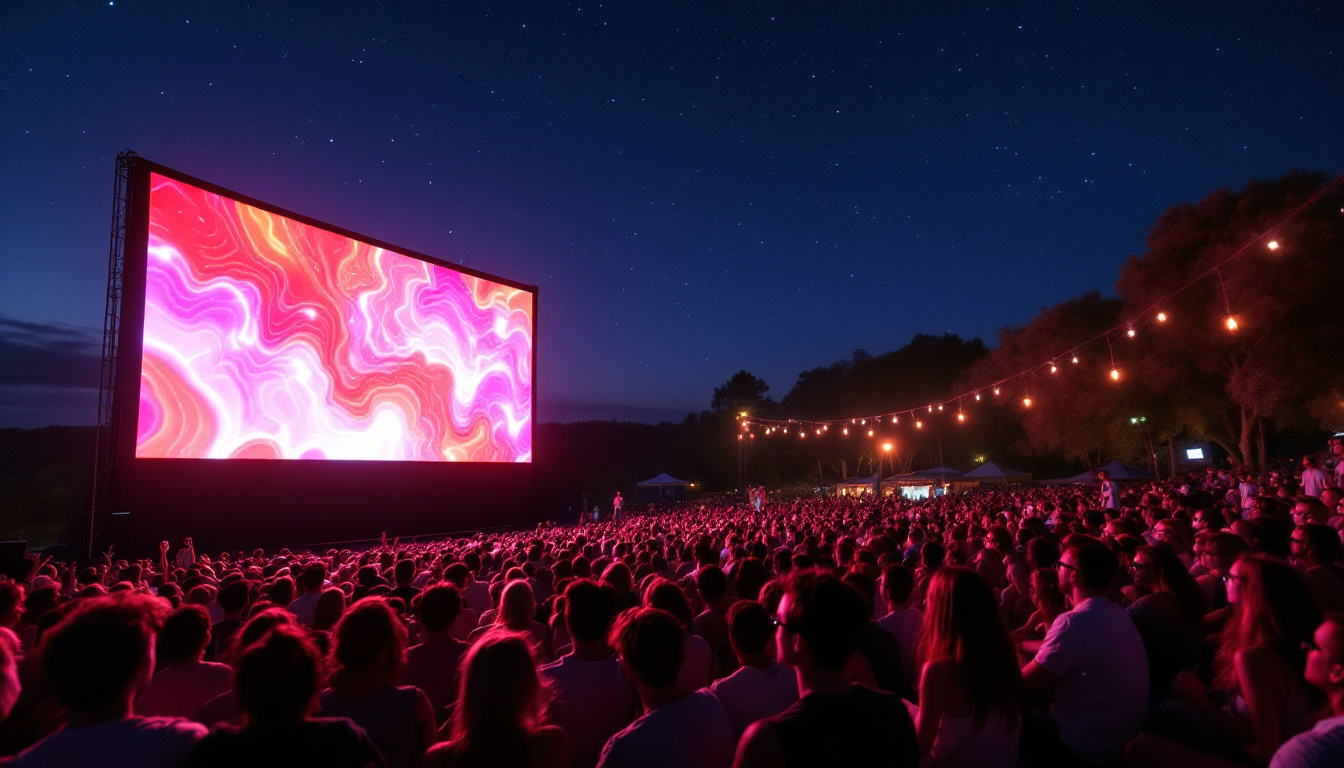
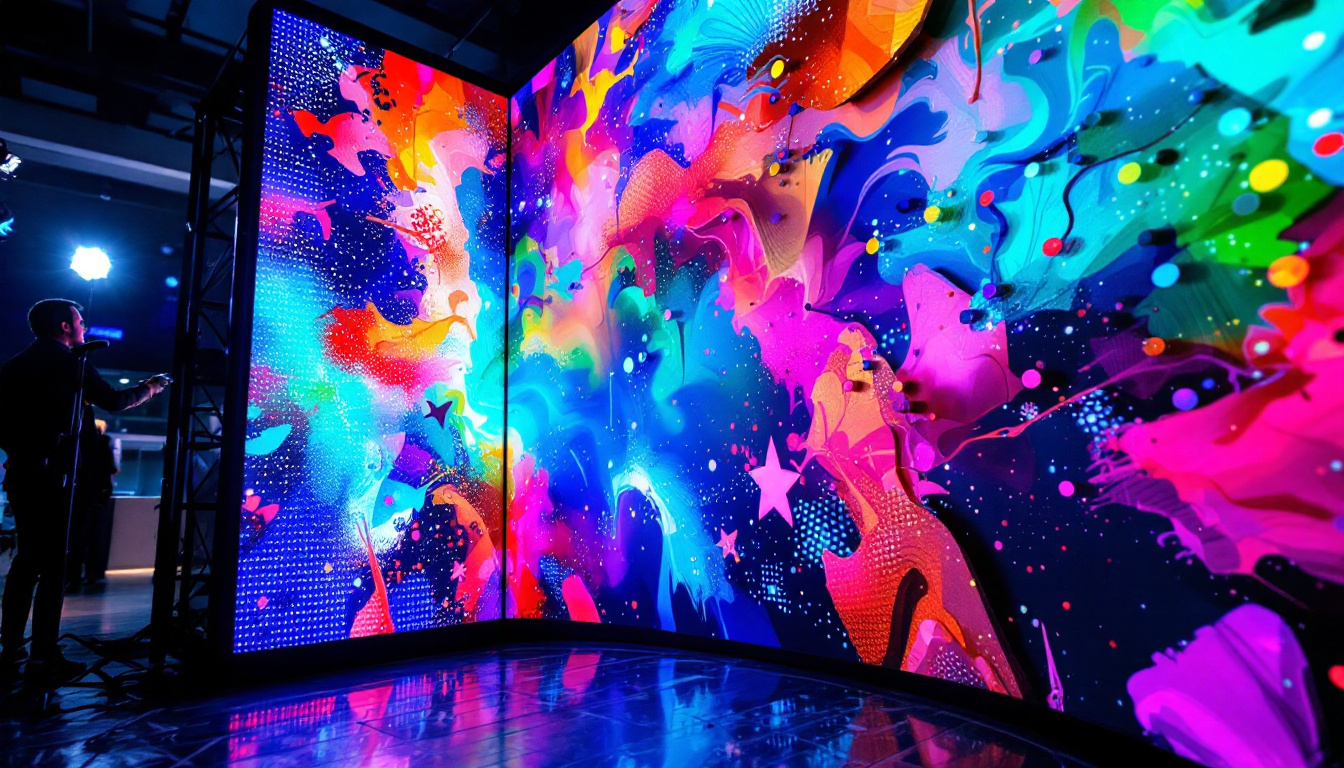
Smart pixel lights have become a staple in the entertainment industry, offering dynamic lighting effects that enhance live performances, concerts, and theatrical productions. Their ability to produce vibrant colors and intricate animations allows designers to create immersive environments that respond to music and movement in real time.
For example, LED costumes embedded with smart pixels can synchronize lighting patterns with choreography, while stage backdrops can display animated visuals that complement the performance. The flexibility and scalability of smart pixel technology make it ideal for creative expression in entertainment.
Advertising and Digital Signage
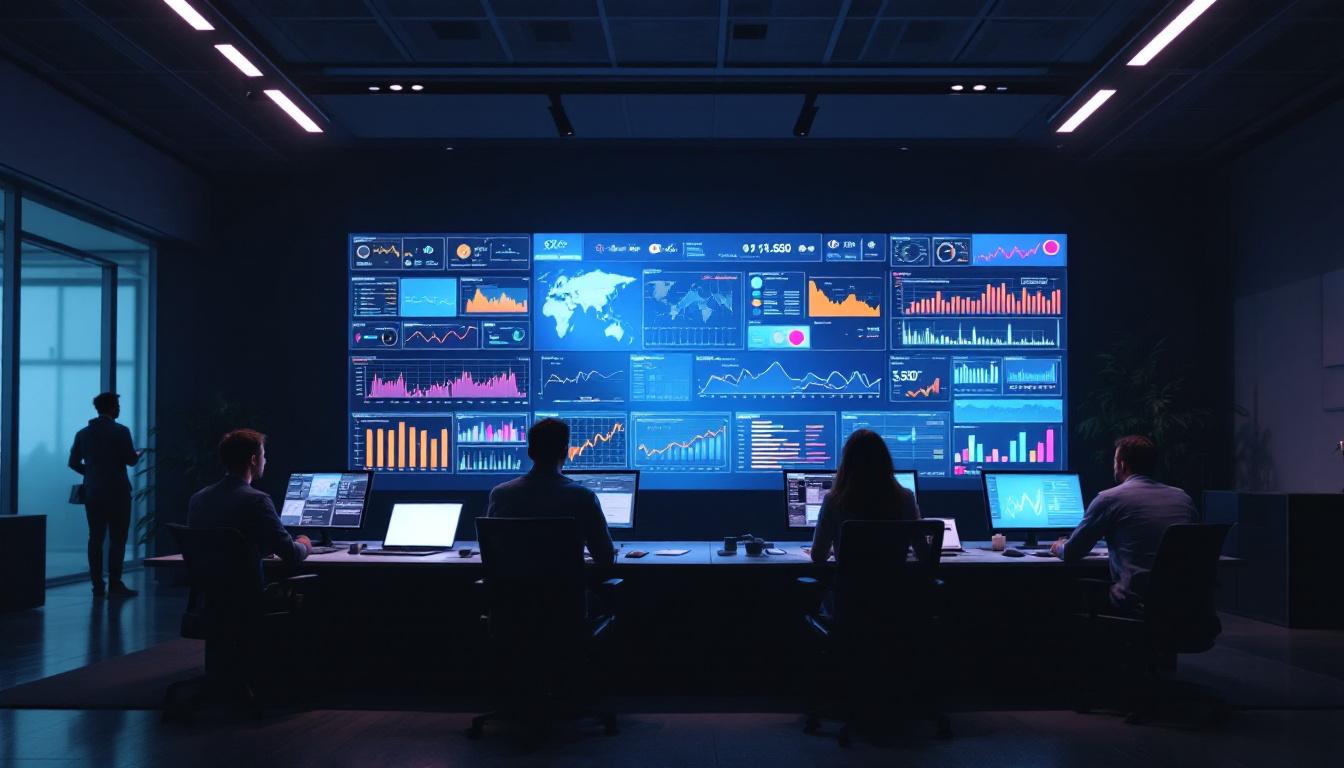
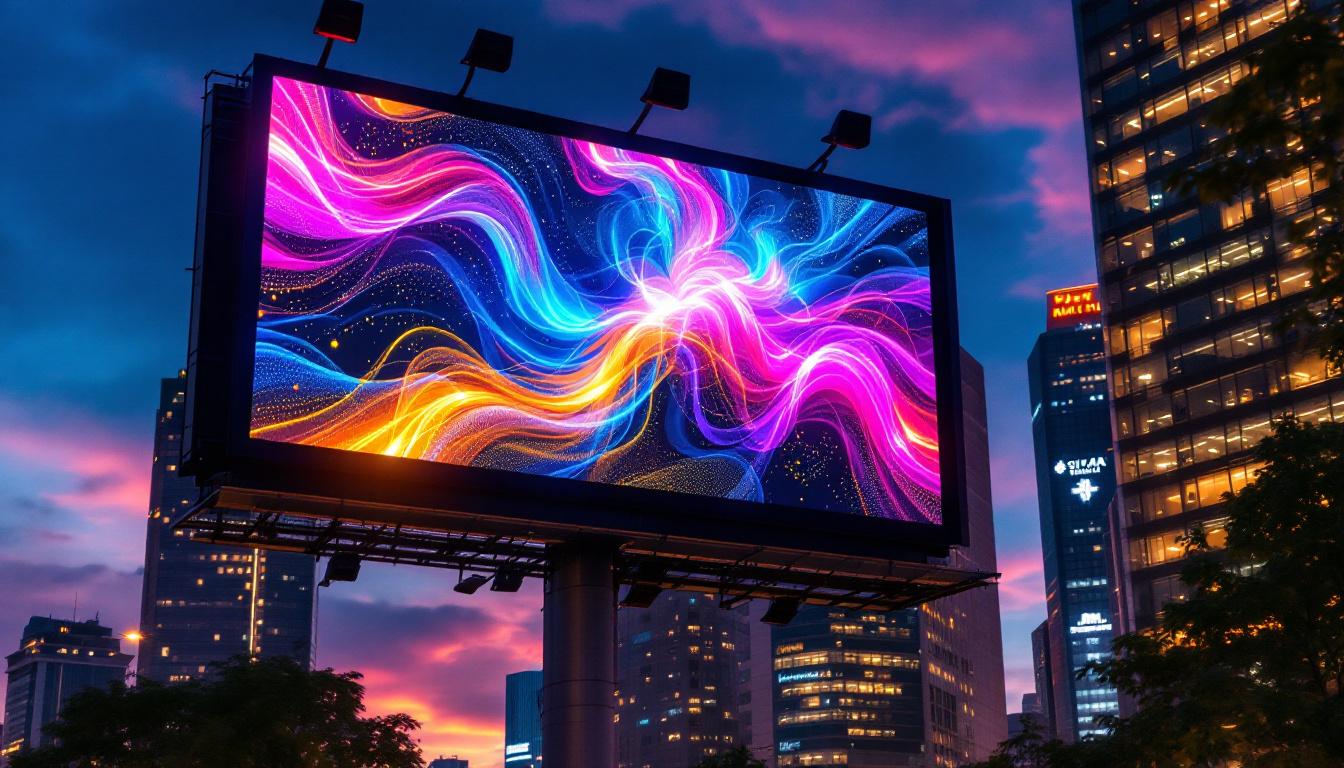
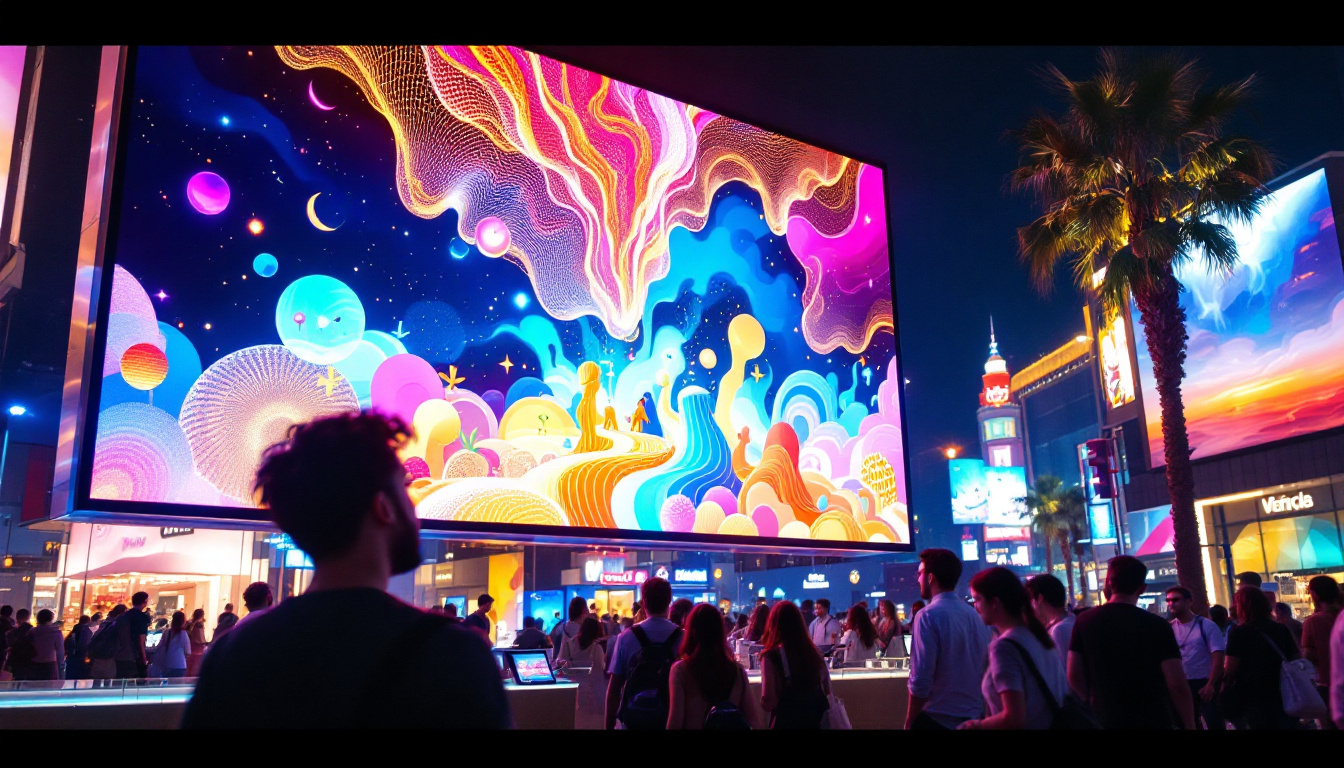
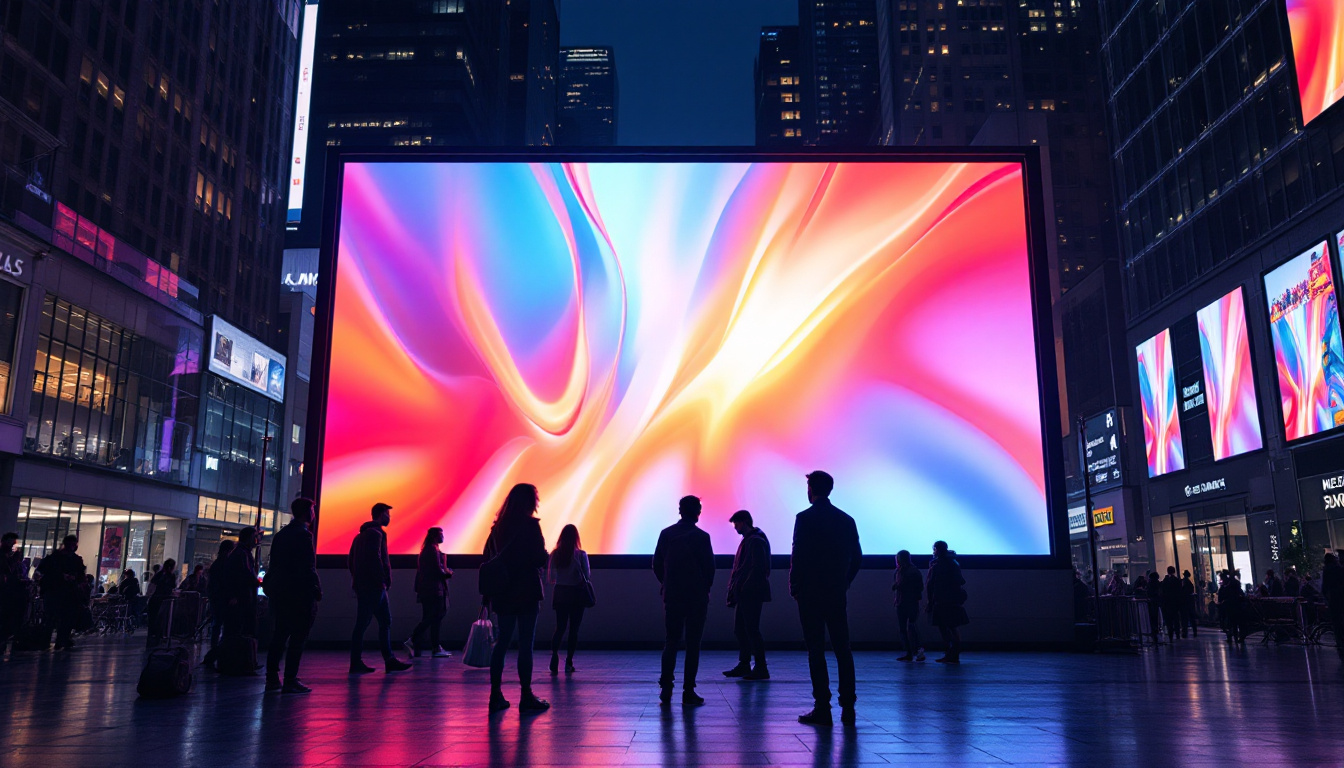
In advertising, smart pixel LED displays have revolutionized digital signage by enabling high-resolution, eye-catching visuals that attract attention in crowded urban spaces. Unlike traditional static billboards, smart pixel displays can show videos, animations, and real-time data, making advertisements more engaging and versatile.
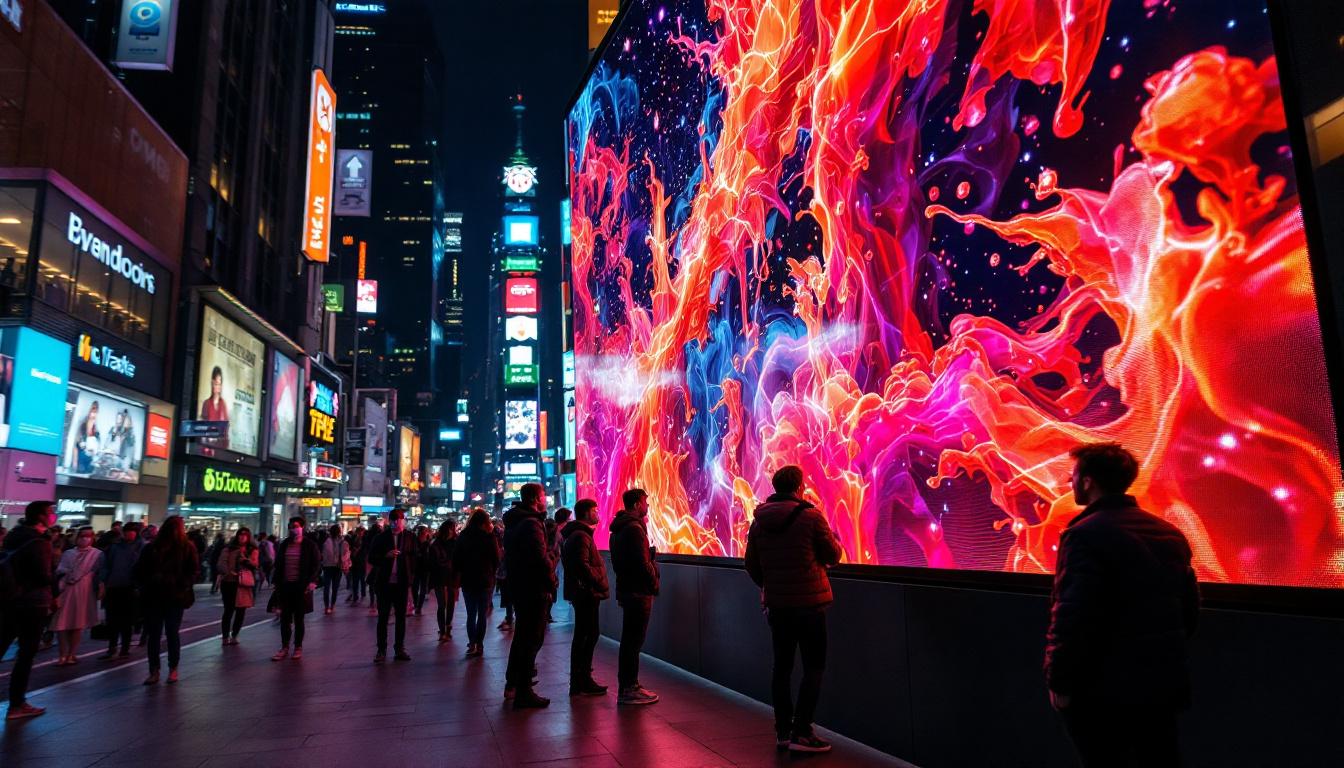
Major cities worldwide have embraced large-scale LED billboards composed of smart pixels. For instance, Times Square in New York City features massive LED displays that utilize millions of smart pixels to deliver vibrant advertisements visible from great distances, even in direct sunlight.
Architectural and Ambient Lighting
Smart pixel lights are increasingly used in architectural lighting to highlight building facades, bridges, and public spaces. Their ability to produce customizable lighting scenes and color transitions allows architects and designers to create visually stunning effects that enhance the aesthetic appeal of structures.
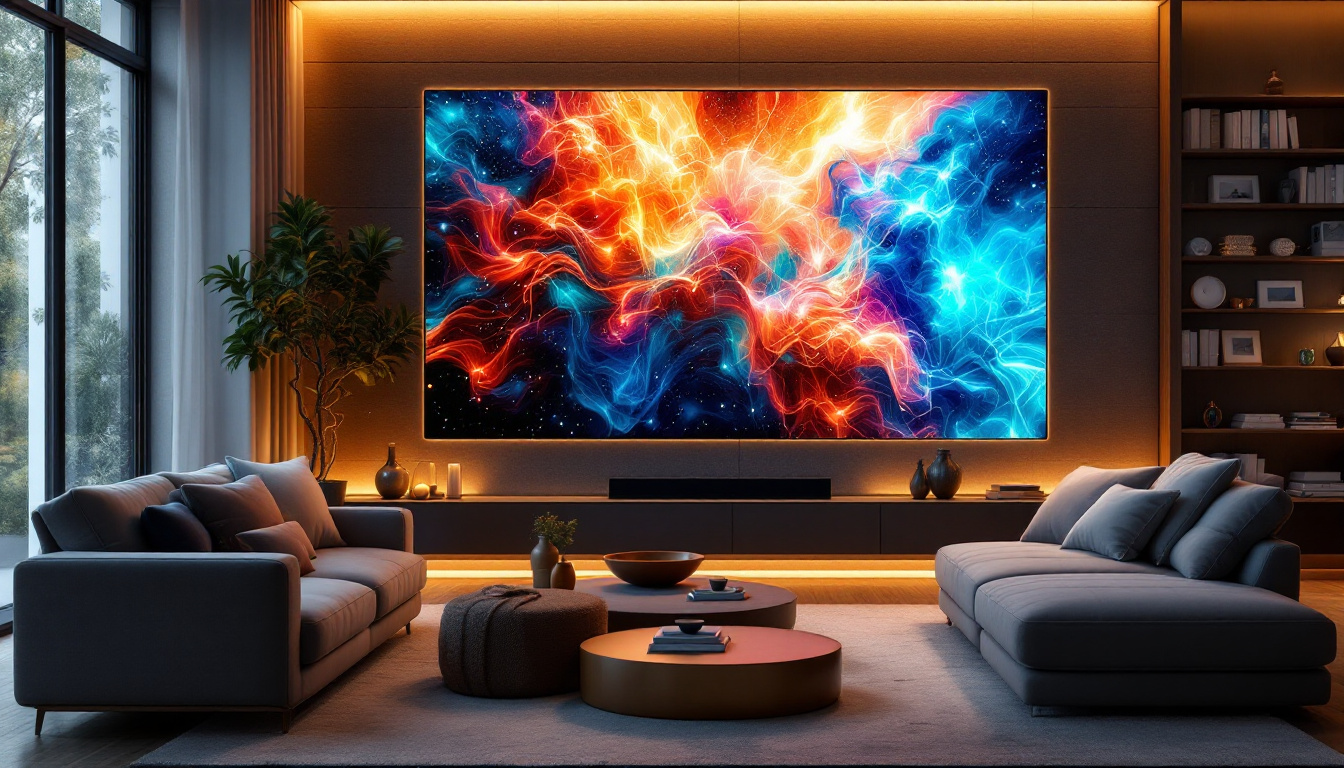
Moreover, smart pixels can be programmed to respond to environmental factors such as time of day or weather conditions, providing adaptive lighting that improves energy efficiency and user experience. Ambient lighting in homes and commercial spaces also benefits from smart pixels, enabling personalized moods and themes with ease.
Advantages of Smart Pixel LED Displays
Precision and Flexibility
One of the primary advantages of smart pixel lights is the precise control over each individual pixel. This level of control enables complex animations, gradients, and color effects that are impossible with traditional LED arrays. Designers can tailor every pixel’s output to create unique visual experiences.
Additionally, the modular nature of smart pixels allows for flexible installation configurations. Pixels can be arranged in strips, matrices, or custom shapes, adapting to various design requirements and spatial constraints.
Energy Efficiency and Longevity
LED technology is inherently energy-efficient compared to incandescent or fluorescent lighting. Smart pixel LEDs consume less power while delivering higher brightness levels. This efficiency translates to lower operating costs and reduced environmental impact.
Furthermore, high-quality smart pixel LEDs boast long lifespans, often exceeding 50,000 hours of operation. This durability minimizes maintenance and replacement costs, making smart pixel displays a cost-effective solution over time.
Ease of Integration and Control
Modern smart pixel systems are compatible with a wide range of controllers, software platforms, and communication protocols. This compatibility simplifies integration with existing lighting control systems and enables remote management via Wi-Fi or Ethernet.
Many smart pixel products support popular programming environments such as Arduino, Raspberry Pi, and DMX controllers, empowering users to create custom lighting sequences and interactive installations with relative ease.
Challenges and Considerations
Signal Integrity and Wiring Complexity
While smart pixel lights simplify wiring compared to traditional LEDs, large installations can still face challenges related to signal degradation and power distribution. Data signals weaken over long cable runs, potentially causing flickering or color inaccuracies.
To mitigate these issues, designers often incorporate signal repeaters, use higher-quality cables, and carefully plan power injection points to ensure consistent voltage across all pixels.
Cost and Scalability
Smart pixel LED components tend to be more expensive than standard LEDs due to the integrated controller chips and higher manufacturing complexity. For large-scale projects, this cost can add up significantly.
However, the benefits in terms of visual quality and flexibility often justify the investment. Careful budgeting and phased implementation can help manage costs while scaling up installations.
Heat Management
Although LEDs generate less heat than traditional lighting, densely packed smart pixel arrays can accumulate heat, potentially affecting performance and lifespan. Proper heat dissipation measures, such as heat sinks and ventilation, are essential in high-density or enclosed installations.
Future Trends in Smart Pixel LED Technology
Higher Resolution and Miniaturization
As LED manufacturing technology advances, smart pixel LEDs continue to shrink in size, enabling higher pixel densities and finer resolution displays. Micro-LED technology, which uses microscopic LEDs, promises even greater brightness, contrast, and energy efficiency, potentially rivaling OLED displays in quality.
Integration with IoT and AI
The integration of smart pixel lighting with the Internet of Things (IoT) and artificial intelligence (AI) is opening new possibilities for adaptive and interactive lighting environments. Smart pixels can respond to sensor data, user behavior, and environmental conditions to create personalized and context-aware lighting experiences.
For example, smart city projects are exploring LED displays that adjust brightness and content based on pedestrian traffic and weather, improving both aesthetics and energy consumption.
Expanded Use Cases
Beyond entertainment and advertising, smart pixel lights are finding applications in healthcare, automotive lighting, and wearable technology. Their versatility and programmability make them ideal for innovative solutions such as mood-enhancing hospital lighting, dynamic automotive interiors, and expressive wearable displays.
Conclusion
Smart pixel lights represent a significant leap forward in LED display technology, offering unparalleled control, brightness, and versatility. Their ability to deliver vibrant, dynamic visuals has transformed industries ranging from entertainment to advertising and architecture. While challenges such as signal integrity and cost remain, ongoing advancements in LED technology and integration with emerging digital platforms promise to expand the capabilities and applications of smart pixel lighting even further.
For businesses and designers seeking to create captivating visual experiences, understanding the technology behind smart pixel lights is essential. As this technology continues to evolve, it will undoubtedly play a central role in shaping the future of digital displays and interactive environments.
Illuminate Your Vision with LumenMatrix
Ready to elevate your space with the vibrant, dynamic visuals of smart pixel LED technology? Discover LumenMatrix’s comprehensive range of LED display modules, from Indoor and Outdoor LED Wall Displays to innovative solutions like Vehicle LED Displays and LED Transparent Displays. Embrace the future of visual communication with our cutting-edge digital signage and LED displays, designed to captivate audiences and amplify your message with clarity and impact. Check out LumenMatrix LED Display Solutions today and transform your visual experience.