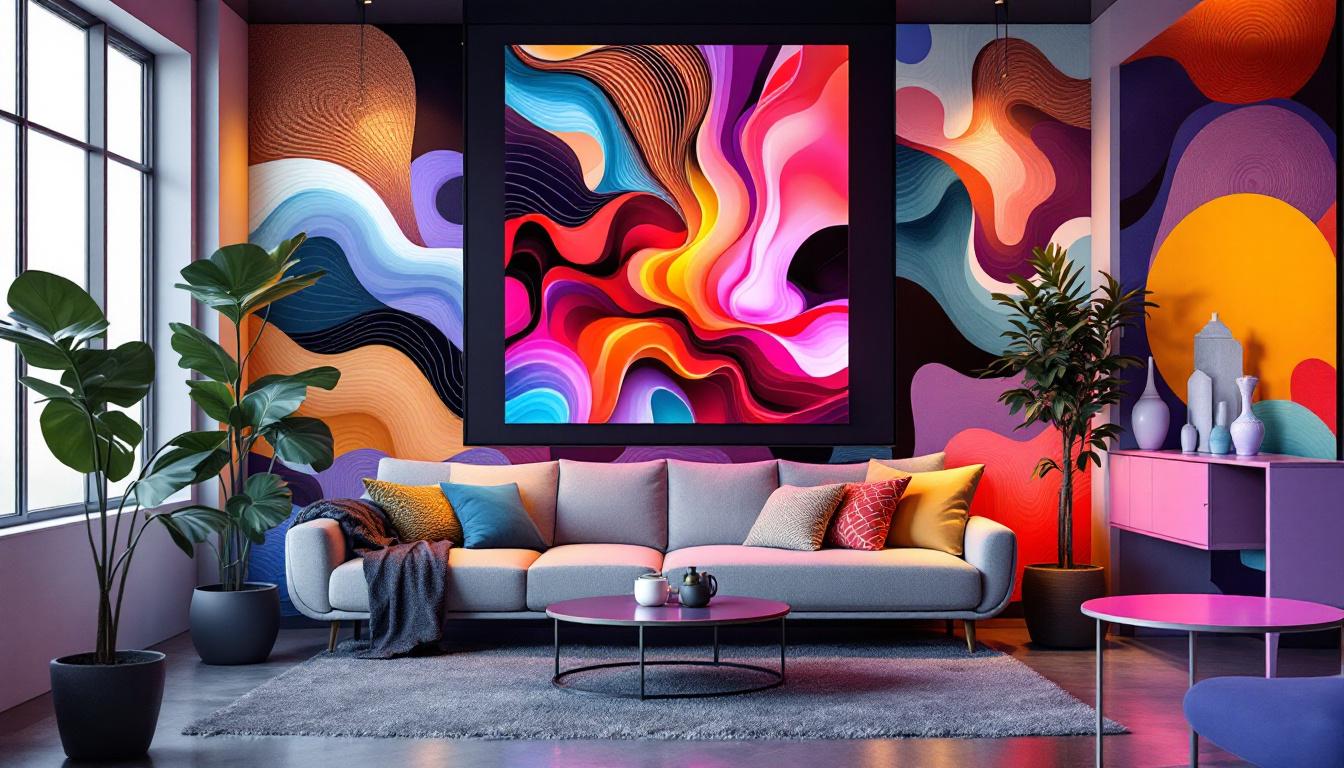
In recent years, interior design and visual display technologies have intersected in fascinating ways. Among the most innovative trends is the use of large scale peel and stick wallpaper integrated with LED display technology. This combination offers a dynamic, customizable, and visually stunning solution for both residential and commercial spaces. Whether it’s transforming a dull wall into a vibrant art piece or creating interactive advertising displays, understanding how peel and stick wallpaper can incorporate LED technology is essential for designers, marketers, and tech enthusiasts alike.
Understanding Large Scale Peel and Stick Wallpaper
Peel and stick wallpaper has revolutionized wall décor by offering an easy-to-apply, removable, and reusable alternative to traditional wallpaper. Unlike conventional wallpapers that require paste and professional installation, peel and stick wallpapers come with an adhesive backing that allows users to simply peel off the protective layer and stick the wallpaper onto a clean surface.
Large scale peel and stick wallpaper refers to wallpaper designed in expansive dimensions, often covering entire walls or large sections of commercial spaces. This format is especially popular for creating immersive environments, such as feature walls in homes, offices, retail stores, and event venues.
The benefits of large scale peel and stick wallpaper include:
- Ease of Installation: No need for messy glue or professional help.
- Flexibility: Can be repositioned during installation and removed without damaging walls.
- Customization: Allows for personalized designs, including murals, textures, and photographic prints.
- Cost-Effectiveness: More affordable than custom paint jobs or permanent wall treatments.
Materials and Durability
Most peel and stick wallpapers are made from vinyl or non-woven materials, which provide durability and resistance to moisture and fading. This makes them suitable for high-traffic areas and spaces prone to humidity, such as kitchens and bathrooms. When combined with LED displays, the material must also be compatible with the technology’s heat output and electrical components, ensuring safety and longevity.
Moreover, the advancements in printing technology have allowed for high-resolution designs that can mimic the look of natural materials like wood, stone, or fabric. This means that homeowners and designers can achieve a sophisticated aesthetic without the cost and commitment of traditional materials. Additionally, many manufacturers are now offering eco-friendly options made from recycled materials, appealing to environmentally conscious consumers who want to minimize their carbon footprint while still enjoying stylish interiors.
Another noteworthy aspect of large scale peel and stick wallpaper is its versatility in design. Whether you prefer bold geometric patterns, serene botanical prints, or whimsical illustrations, there is a peel and stick option to suit every taste and style. This flexibility allows for easy updates to a space, making it simple to refresh a room’s look seasonally or to adapt to changing trends without the hassle of extensive renovations. With the right choice, a simple application can transform a bland wall into a stunning focal point that reflects personal style and enhances the overall ambiance of the environment.
What is LED Display Technology?
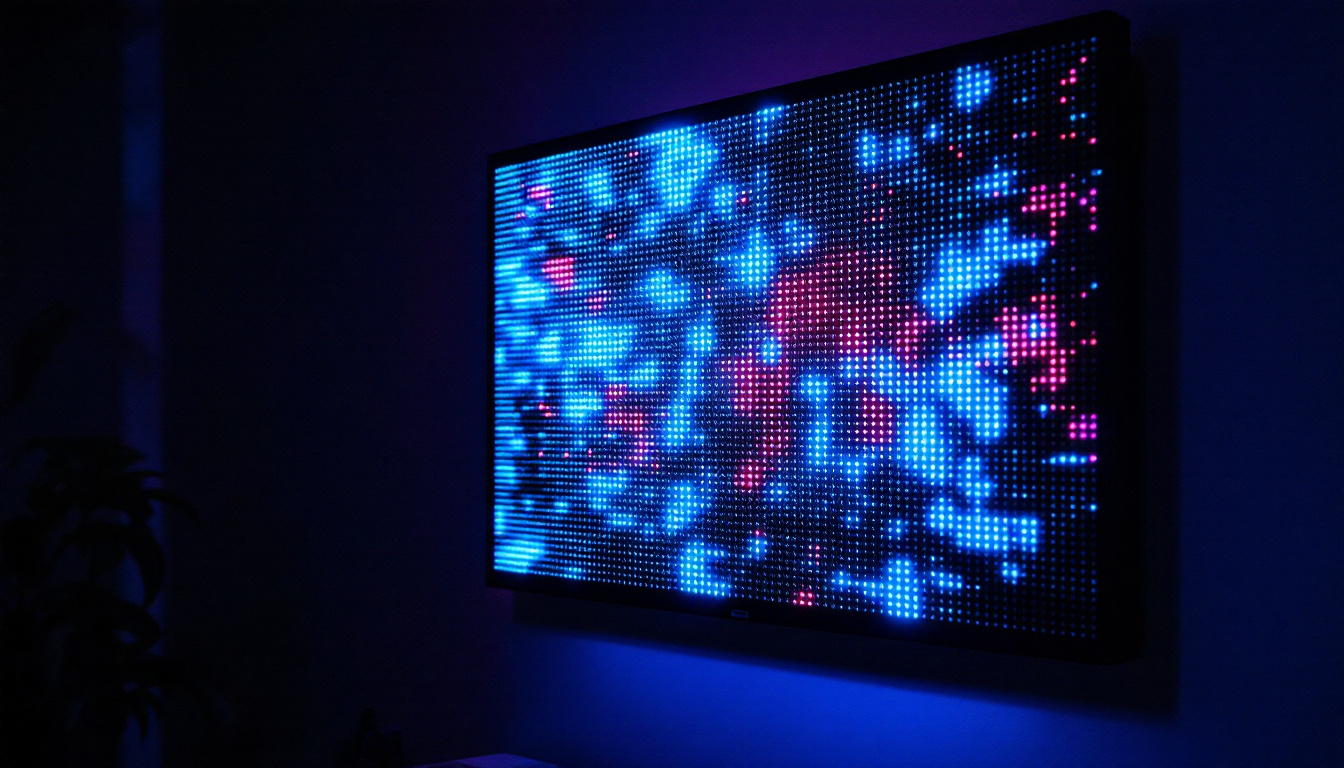
LED, or Light Emitting Diode, display technology is a method of visual presentation that uses an array of tiny LEDs to produce images, videos, and animations. Unlike traditional screens, LED displays can be configured in various sizes and shapes, making them ideal for large-scale applications. This versatility allows for creative installations that can capture attention in ways that static displays simply cannot.
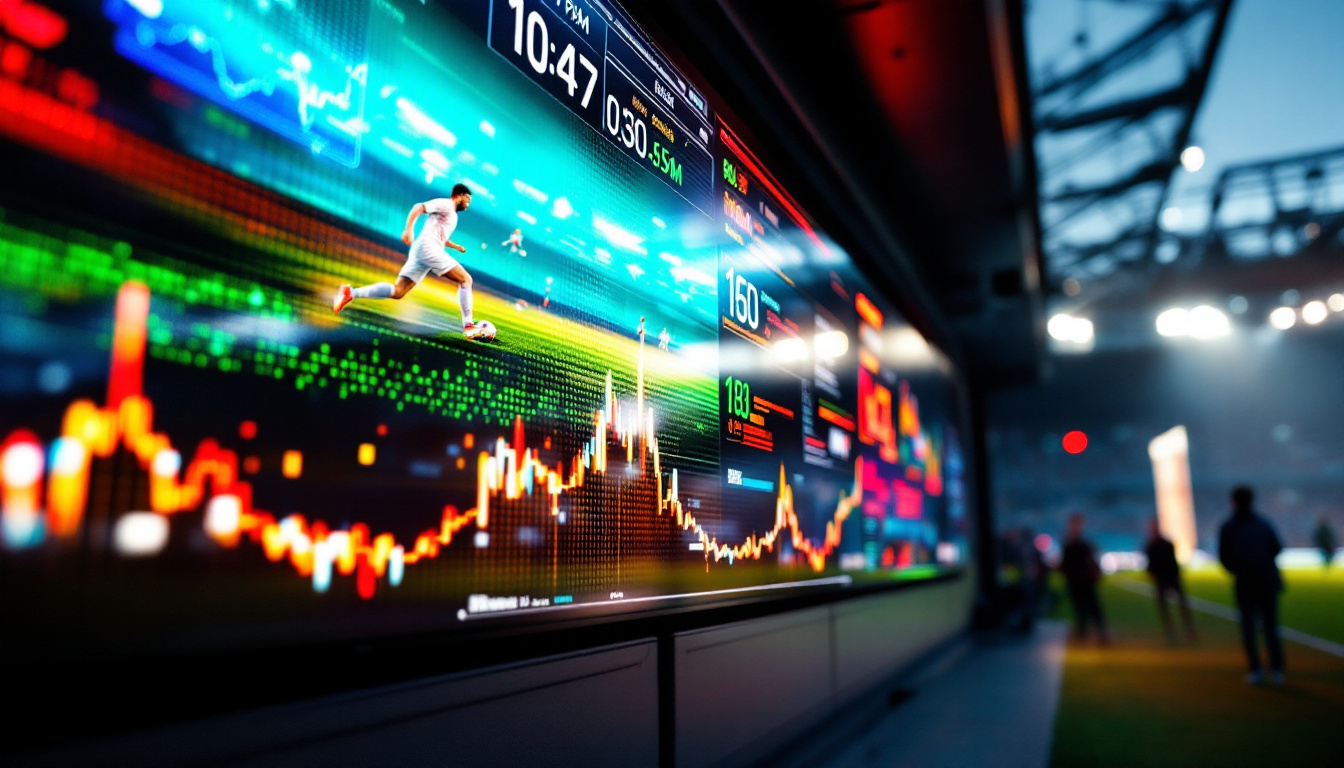
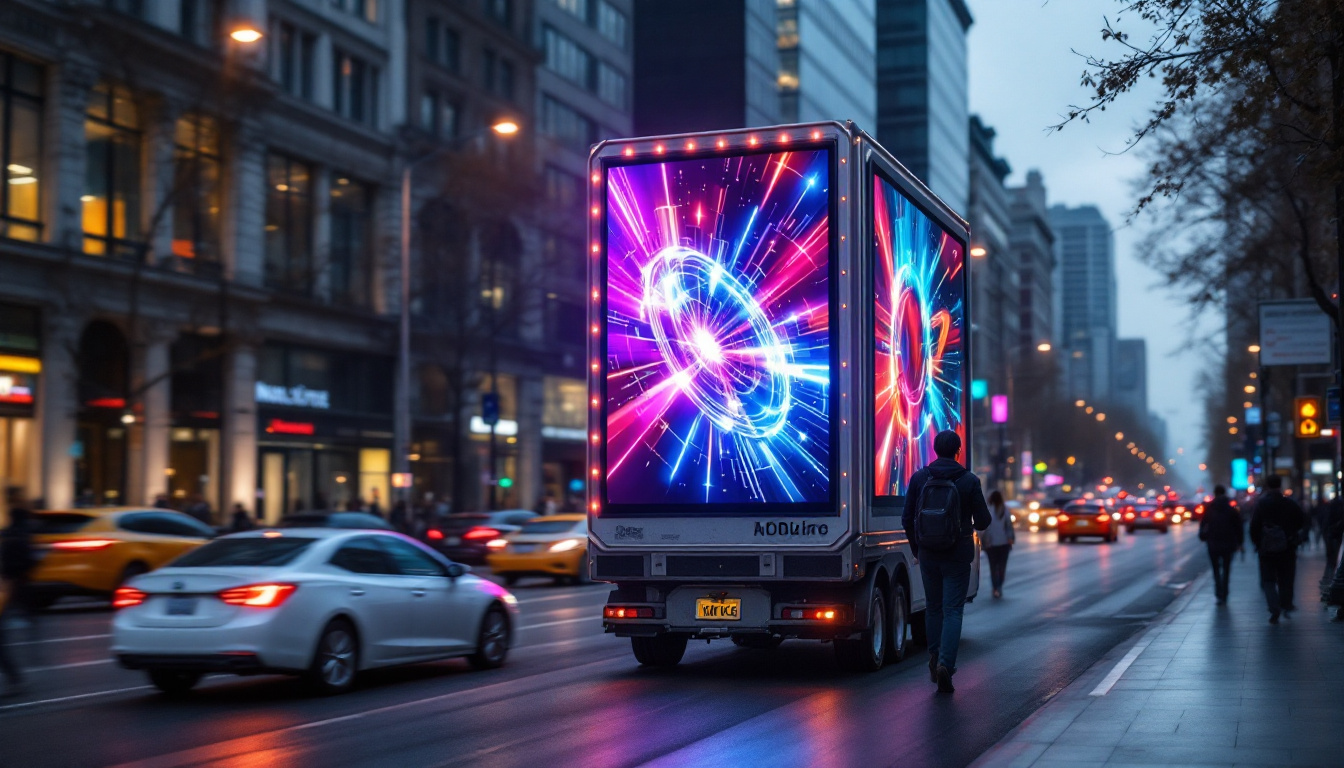
LED displays are widely used in advertising billboards, stadium screens, digital signage, and increasingly in interior design. Their advantages include high brightness, energy efficiency, long lifespan, and the ability to display vibrant colors and dynamic content. The technology has evolved significantly, with advancements in pixel density and color reproduction, enabling even more immersive experiences for viewers. In addition, the ability to control LED displays remotely through software has revolutionized how content is managed, allowing for real-time updates and tailored messaging based on audience engagement.
Types of LED Displays
LED displays come in several forms, each suited to different applications:
- Indoor LED Displays: Designed for controlled lighting environments, offering high resolution and color accuracy. These displays are often used in retail environments and corporate settings where clarity and detail are paramount.
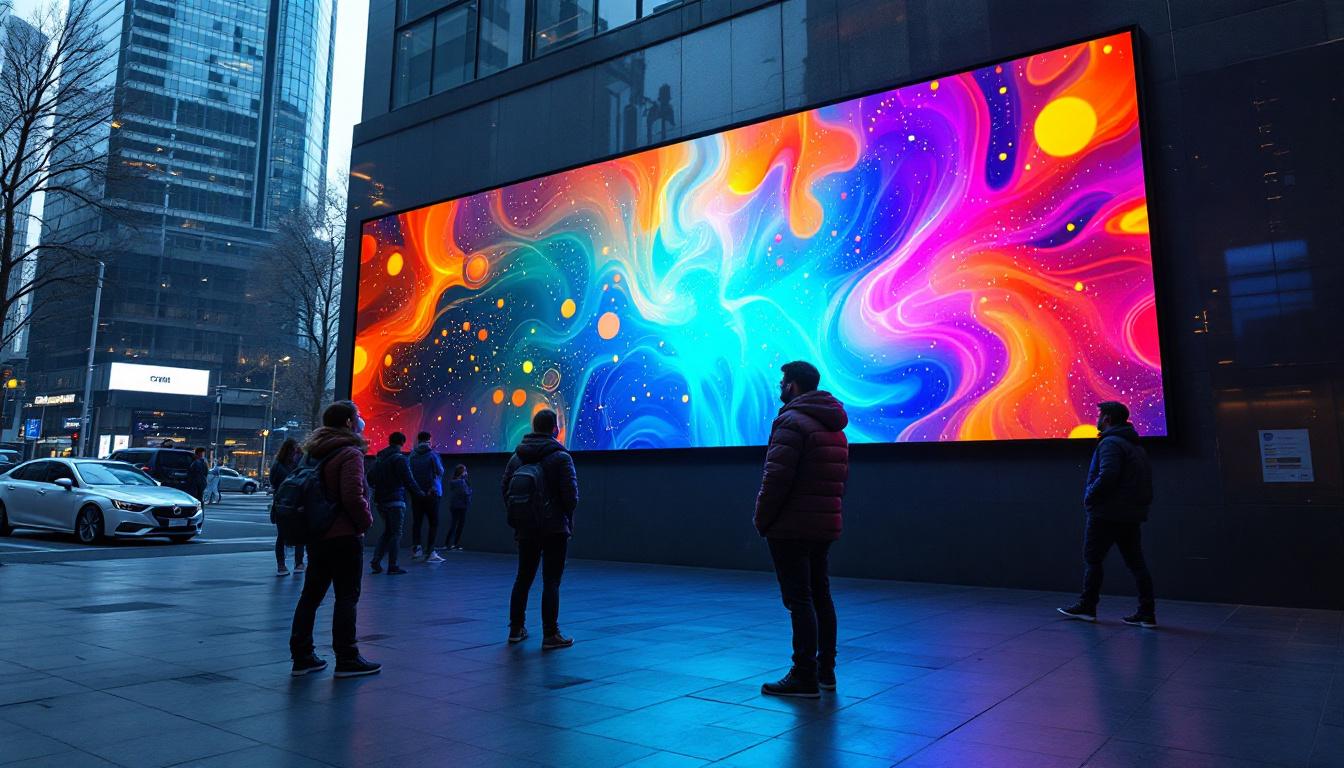
- Outdoor LED Displays: Built to withstand weather conditions, featuring higher brightness and waterproofing. These displays are essential for public events, concerts, and sports arenas, where visibility is crucial even in direct sunlight.
- Flexible LED Displays: Thin and bendable, these can conform to curved surfaces and irregular shapes. This innovation opens up new possibilities for artistic installations and architectural features, allowing designers to create eye-catching displays that enhance the aesthetic of a space.
- Transparent LED Displays: Allow light to pass through, ideal for windows and glass walls. These displays are gaining popularity in retail and exhibition design, as they can showcase products while still maintaining a sense of openness and visibility.
In addition to these types, there are also specialized LED displays such as high-definition (HD) and ultra-high-definition (UHD) screens, which provide even greater detail and clarity for applications like broadcasting and cinema. The integration of smart technology into LED displays has also become a trend, enabling features like touch interactivity and integration with augmented reality. As the technology continues to advance, the potential applications for LED displays seem virtually limitless, paving the way for innovative solutions in communication and entertainment.
Integrating LED Displays with Large Scale Peel and Stick Wallpaper
The fusion of peel and stick wallpaper with LED display technology represents a cutting-edge approach to wall décor and digital signage. By embedding or overlaying LED panels onto peel and stick wallpaper, spaces can be transformed into interactive and visually captivating environments.
This integration can take several forms, depending on the desired effect and application:
1. LED-Embedded Peel and Stick Wallpaper
Some manufacturers have developed wallpaper that incorporates ultra-thin LED modules directly into the wallpaper material. These wallpapers maintain the easy application and removability of traditional peel and stick wallpaper while offering the ability to display digital content.
Such products typically use flexible LED strips or micro-LEDs embedded between layers of the wallpaper. This allows the wallpaper to remain pliable and easy to install, while also providing illumination and dynamic visuals.
2. Overlaying Peel and Stick Wallpaper on LED Panels
Another approach is to install LED display panels on a wall and then cover them with peel and stick wallpaper that has cutouts or transparent sections aligned with the LED pixels. This method allows for a seamless blend of static decorative elements with dynamic LED content.
For example, a retail store might use peel and stick wallpaper featuring a branded pattern, with LED sections highlighting promotional messages or animations.
3. Modular LED Wallpaper Systems
Modular systems consist of individual LED tiles or panels that can be arranged in a grid and covered with peel and stick wallpaper overlays. This offers flexibility in size and design, enabling users to create custom shapes and patterns that incorporate LED lighting.
Applications and Benefits of LED-Integrated Peel and Stick Wallpaper
The combination of peel and stick wallpaper with LED technology unlocks numerous possibilities across various sectors:
Commercial Spaces and Retail
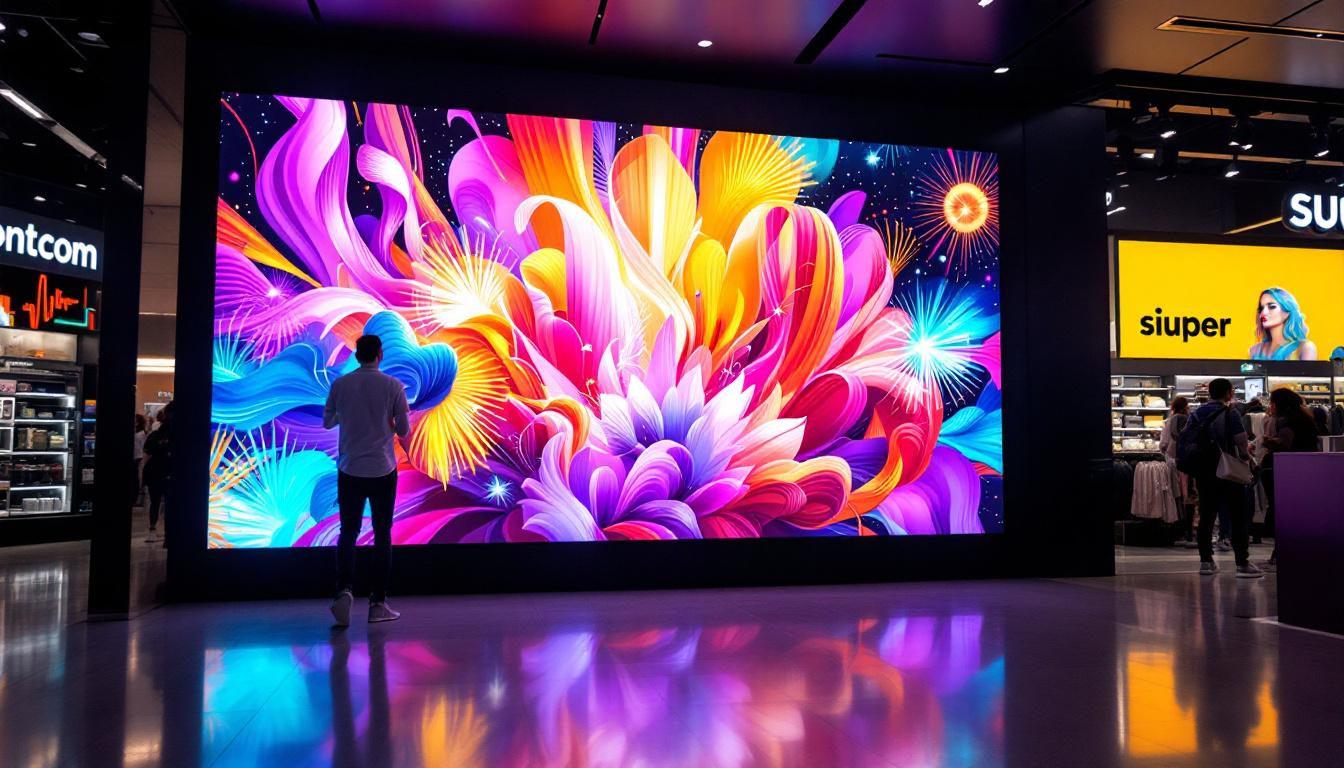
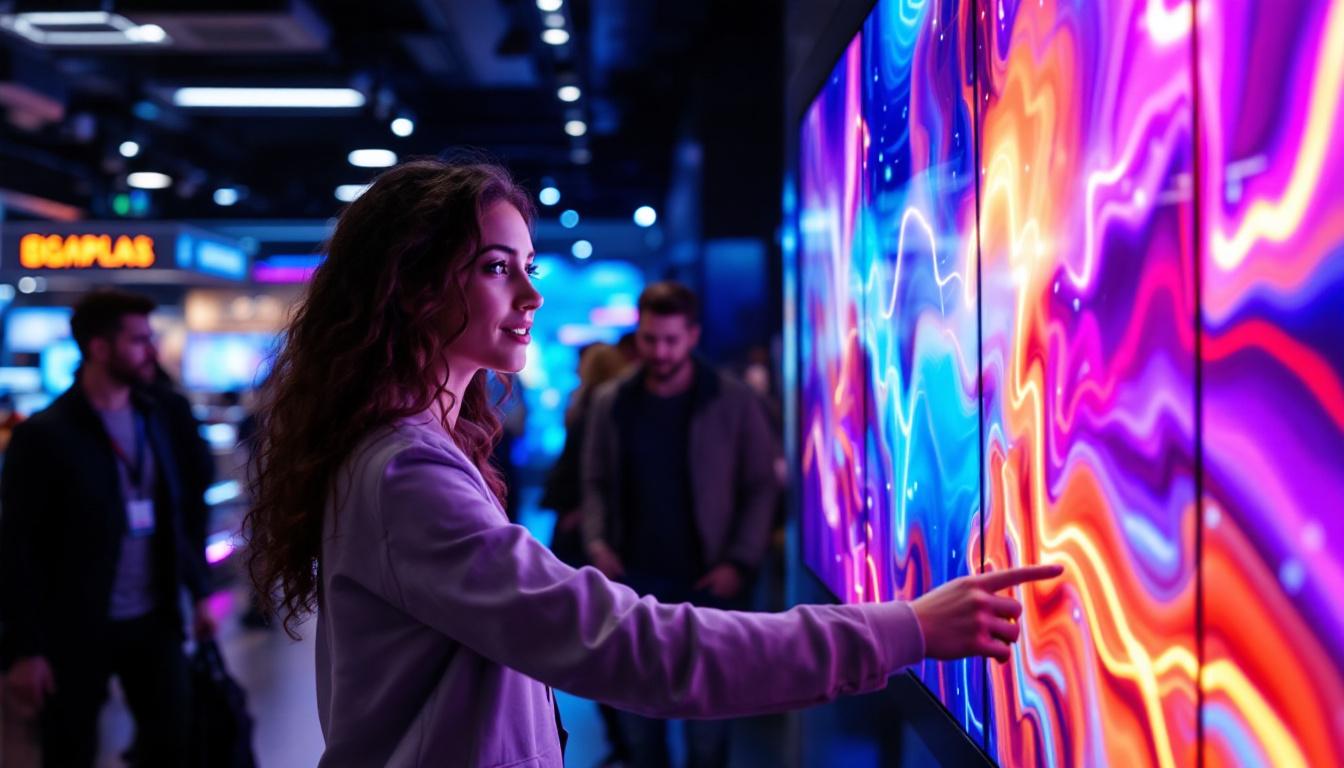
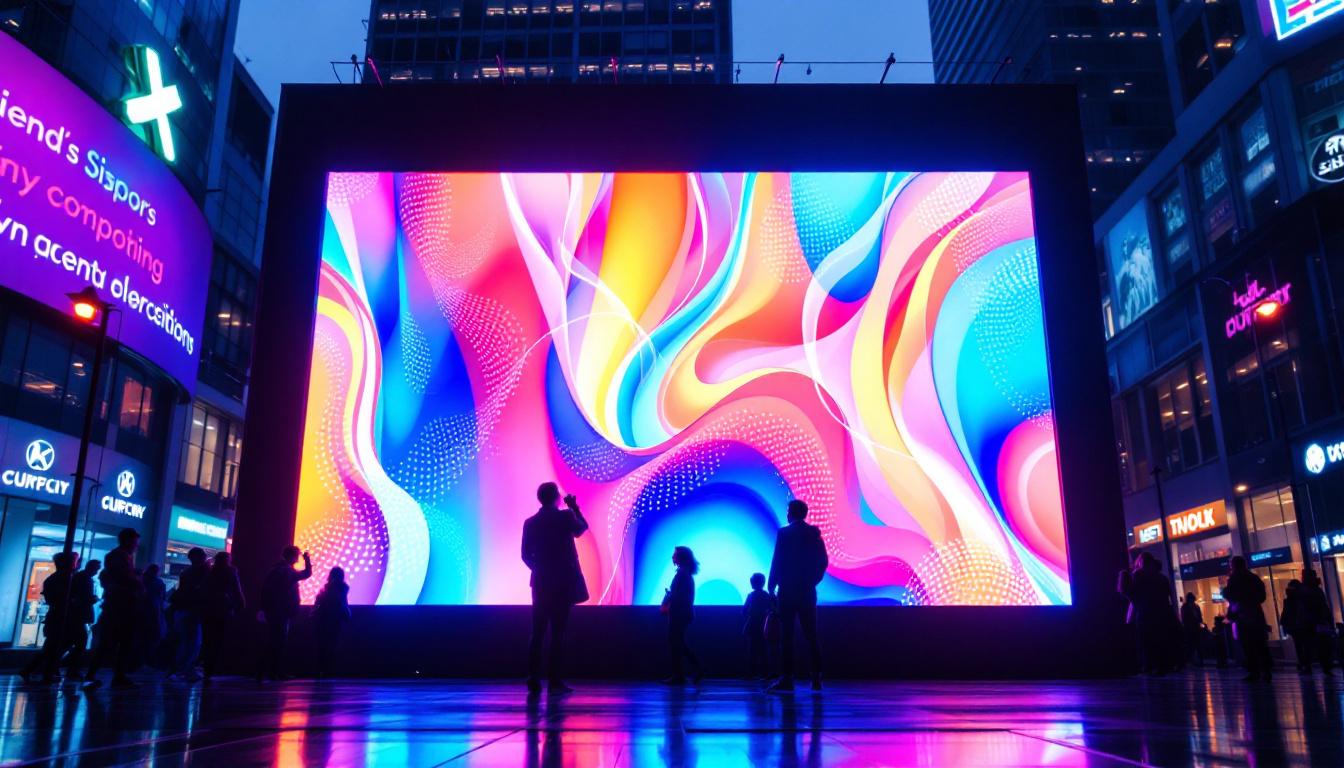
Retailers can leverage LED-integrated wallpaper to create eye-catching window displays, interactive product showcases, and branded environments. Dynamic content can be updated remotely, allowing for timely promotions and seasonal campaigns without the need for physical replacements.
According to a study by the Digital Signage Federation, 63% of consumers are more likely to enter a store with digital signage, and 68% of retailers report increased sales when using dynamic displays. Integrating LED wallpaper into retail spaces taps into this trend by combining aesthetics with functionality.
Corporate and Office Environments
In offices, LED wallpaper can enhance branding, display company values, or provide real-time information such as news feeds, stock prices, or internal communications. The peel and stick format allows for easy updates and reconfiguration as company needs evolve.
Residential Use
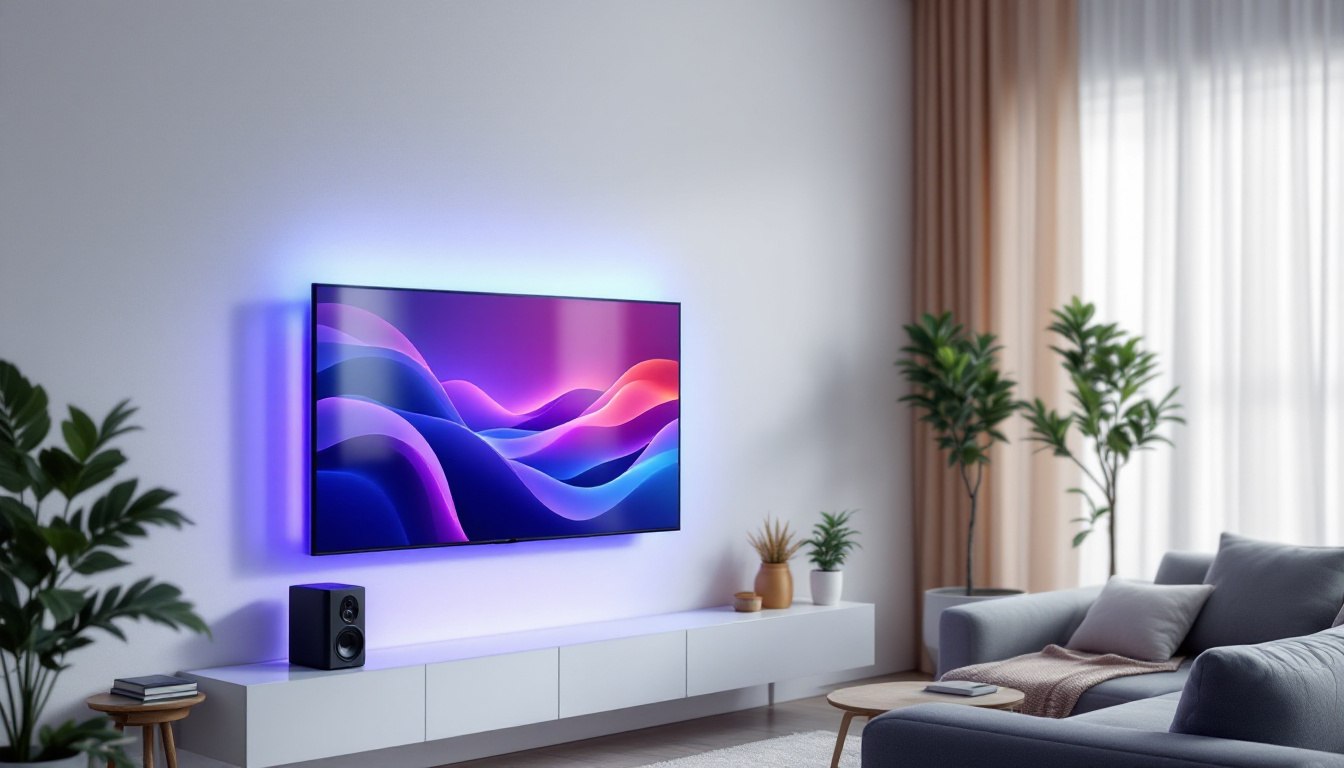
Homeowners seeking unique interior design options can use LED wallpaper to create ambient lighting, display artwork, or even simulate windows with changing views. This technology adds a futuristic touch to living rooms, bedrooms, and entertainment areas.
Events and Exhibitions
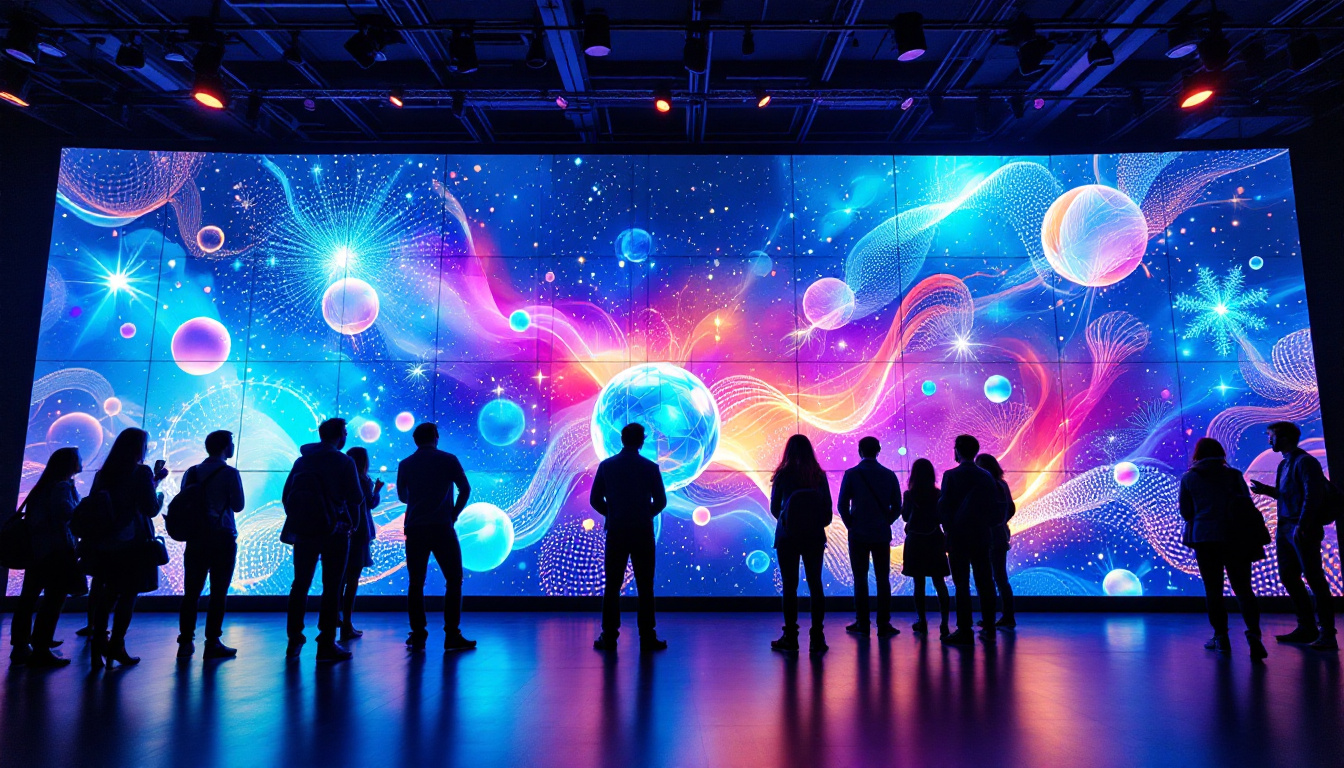
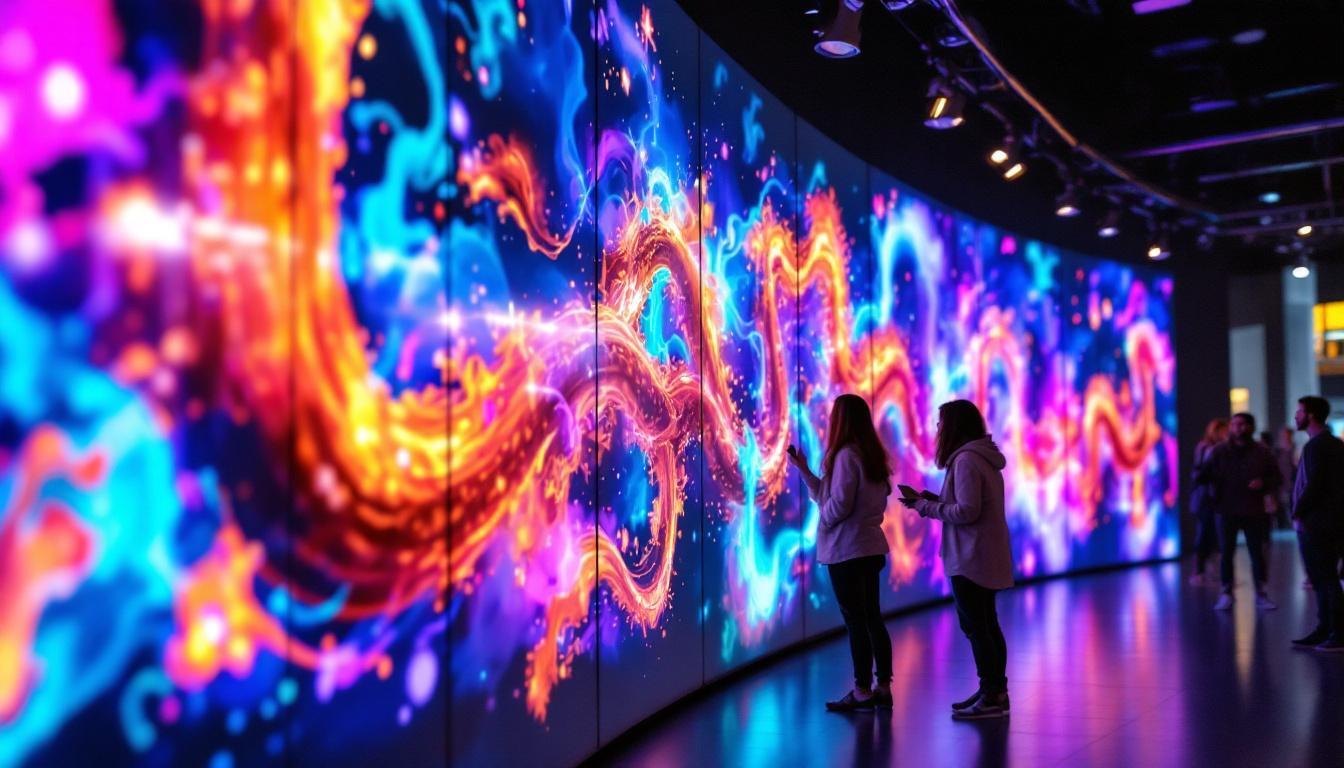
Temporary installations benefit from the quick installation and removal of peel and stick wallpaper combined with the visual impact of LED displays. Trade shows, concerts, and art exhibitions can use this technology to engage audiences with immersive experiences.
Technical Considerations and Installation Tips
While the concept of LED-integrated peel and stick wallpaper is exciting, it requires careful planning and execution to ensure optimal performance and safety.
Power Supply and Wiring
LED displays require a reliable power source. For wallpaper installations, this means discreetly routing power cables behind walls or through conduits. Wireless power solutions and battery-operated LEDs are emerging but currently have limitations in brightness and runtime.
Heat Management
LEDs generate heat during operation, which can affect the adhesive properties of peel and stick wallpaper. Manufacturers must use heat-resistant materials and design ventilation solutions to prevent damage.
Surface Preparation
For peel and stick wallpaper to adhere properly, walls must be clean, dry, and smooth. When integrating LED components, additional care is needed to ensure the surface can support the weight and thickness of the display modules.
Maintenance and Durability
Regular maintenance includes cleaning the wallpaper surface with non-abrasive materials and checking LED functionality. The modular nature of LED panels allows for easy replacement of faulty sections without removing the entire wallpaper.
Future Trends and Innovations
The convergence of peel and stick wallpaper with LED technology is still evolving, with exciting developments on the horizon.
Advancements in Flexible and Printed Electronics
Emerging technologies in flexible printed circuits and organic LEDs (OLEDs) promise even thinner, lighter, and more flexible displays. This will enable wallpaper that is virtually indistinguishable from traditional wallpaper when off, but capable of stunning digital displays when powered.
Smart Home Integration
Integration with smart home systems will allow LED wallpaper to respond to environmental cues, user preferences, or voice commands. Imagine walls that change color based on mood, time of day, or notifications.
Sustainability Focus
As environmental concerns grow, manufacturers are exploring eco-friendly materials and energy-efficient LED solutions to reduce the carbon footprint of these innovative wallpapers.
Conclusion
Large scale peel and stick wallpaper combined with LED display technology represents a groundbreaking shift in interior design and digital communication. This fusion offers unparalleled flexibility, creativity, and interactivity for a wide range of applications, from commercial advertising to personalized home décor.
As technology advances, these solutions will become more accessible, affordable, and sophisticated, enabling users to transform ordinary walls into extraordinary visual experiences. For designers, businesses, and homeowners looking to make a bold statement, understanding the potential and practicalities of LED-integrated peel and stick wallpaper is essential for embracing the future of visual environments.
Transform Your Space with LumenMatrix
Ready to elevate your environment with the latest in LED display technology? LumenMatrix is at the forefront of creating immersive visual experiences that captivate and engage. From vibrant Indoor LED Wall Displays to robust Outdoor LED Wall Displays, and from sleek LED Poster Displays to dynamic Floor LED Displays, our solutions are designed to bring your vision to life. Discover how LumenMatrix can revolutionize your space and help you communicate with impact. Check out LumenMatrix LED Display Solutions today and step into the future of visual storytelling.