In the bustling city of Portland, where innovation meets community engagement, the Plasma Center has become a beacon of health and technology. Central to its modern infrastructure is the use of advanced LED display technology. This article explores how LED displays function, their significance at the Plasma Center Portland, and why they represent a critical component in enhancing communication and operational efficiency.
Understanding LED Display Technology
What is an LED Display?
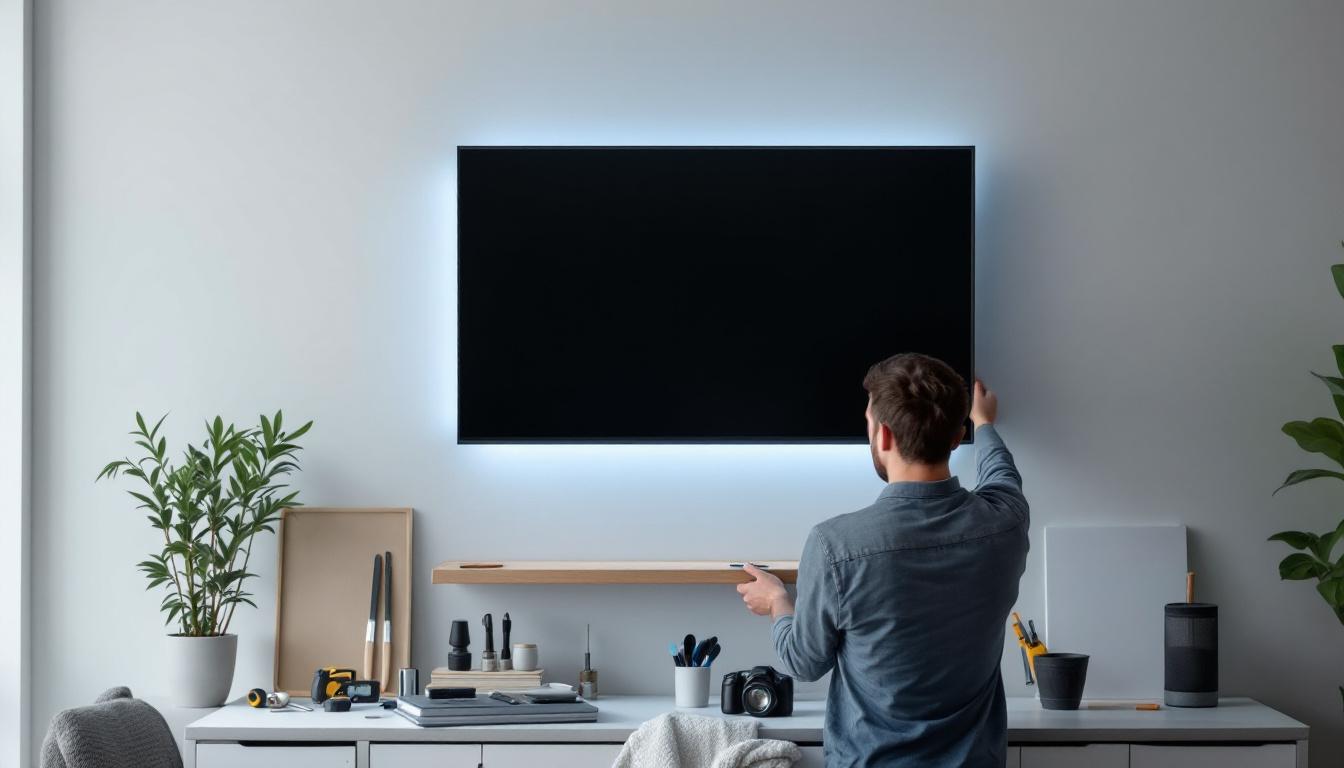
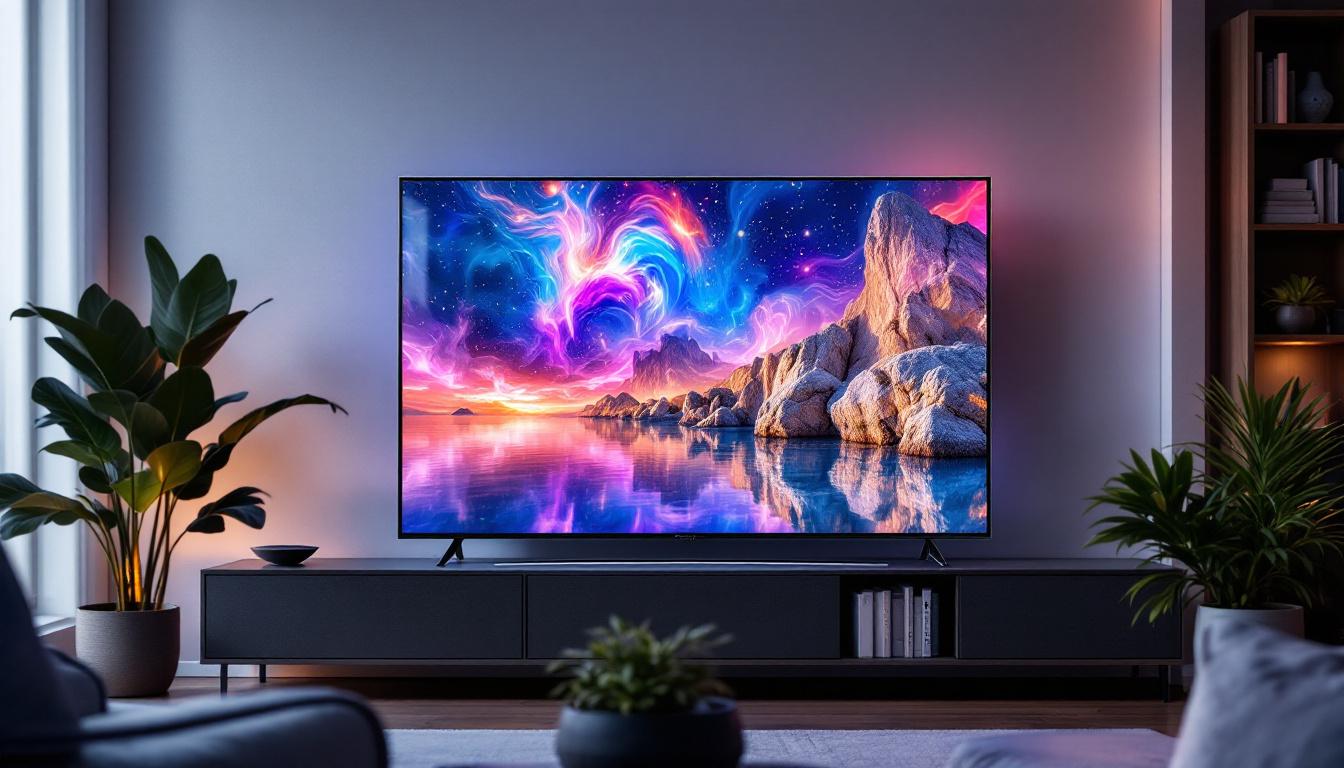
LED, or Light Emitting Diode, displays are screens composed of numerous tiny light sources called diodes. Unlike traditional LCD or plasma screens, LED displays emit light directly, resulting in brighter images, higher contrast ratios, and better energy efficiency. These displays are widely used in various sectors, from advertising billboards to medical facilities, due to their adaptability and clarity. The technology has evolved significantly over the years, making LED displays not only more accessible but also more versatile in their applications. For instance, advancements in LED technology have led to the development of flexible displays, which can be bent and shaped to fit unconventional spaces, thereby opening new avenues for creative design and functionality.
How Do LED Displays Work?
Each LED display consists of an array of diodes that can emit red, green, and blue light. By varying the intensity of these colors, the display can produce a full spectrum of colors. The control system behind the display manages these light emissions to form images, videos, or text. This direct emission of light allows LED displays to perform exceptionally well in different lighting conditions, including bright daylight environments. Furthermore, the rapid response time of LEDs enables them to display fast-moving images without blurring, making them ideal for dynamic content such as sports broadcasts or live events. The integration of smart technology also allows for real-time content updates, enhancing interactivity and engagement with the audience.
Types of LED Displays
LED displays come in various forms, including:
- Indoor LED Displays: Designed for controlled lighting environments, these displays offer high resolution and are often used for presentations or informational screens. Their ability to deliver sharp images makes them popular in venues like conference halls and retail stores.
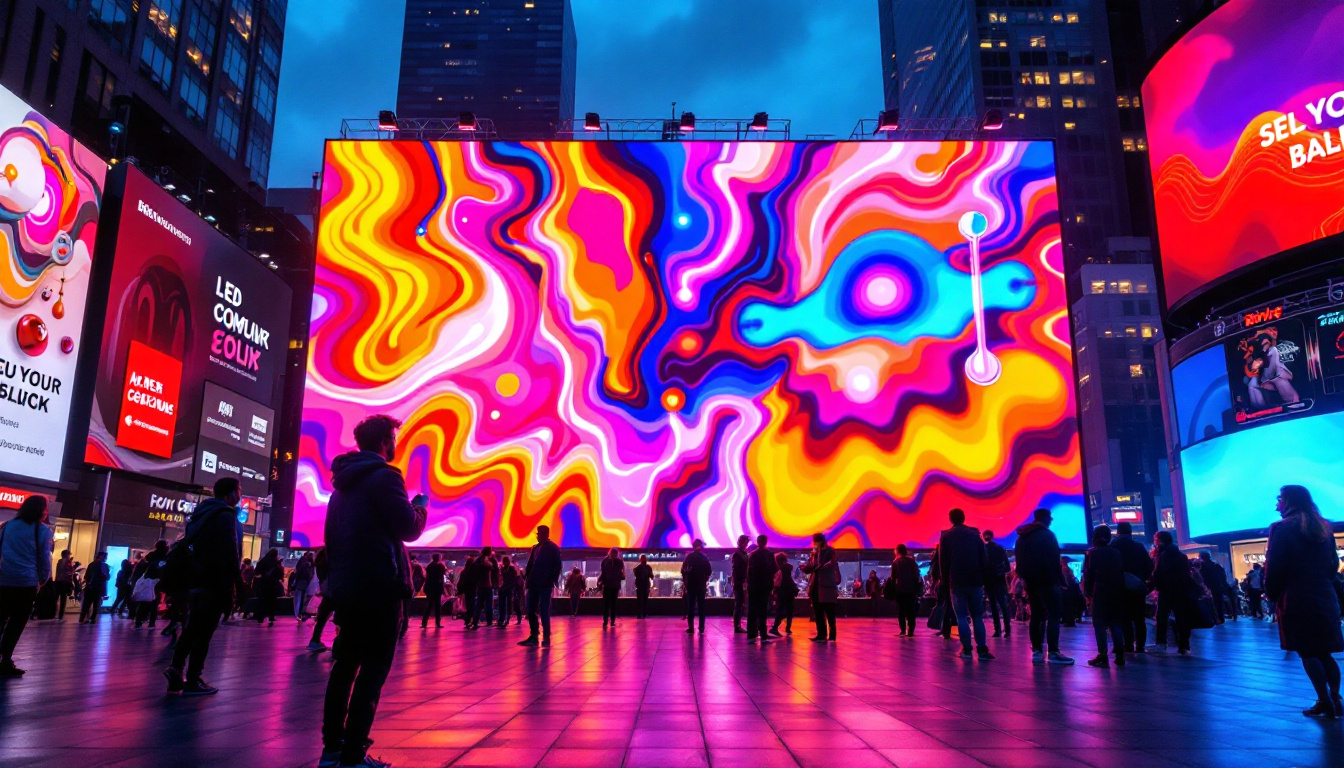
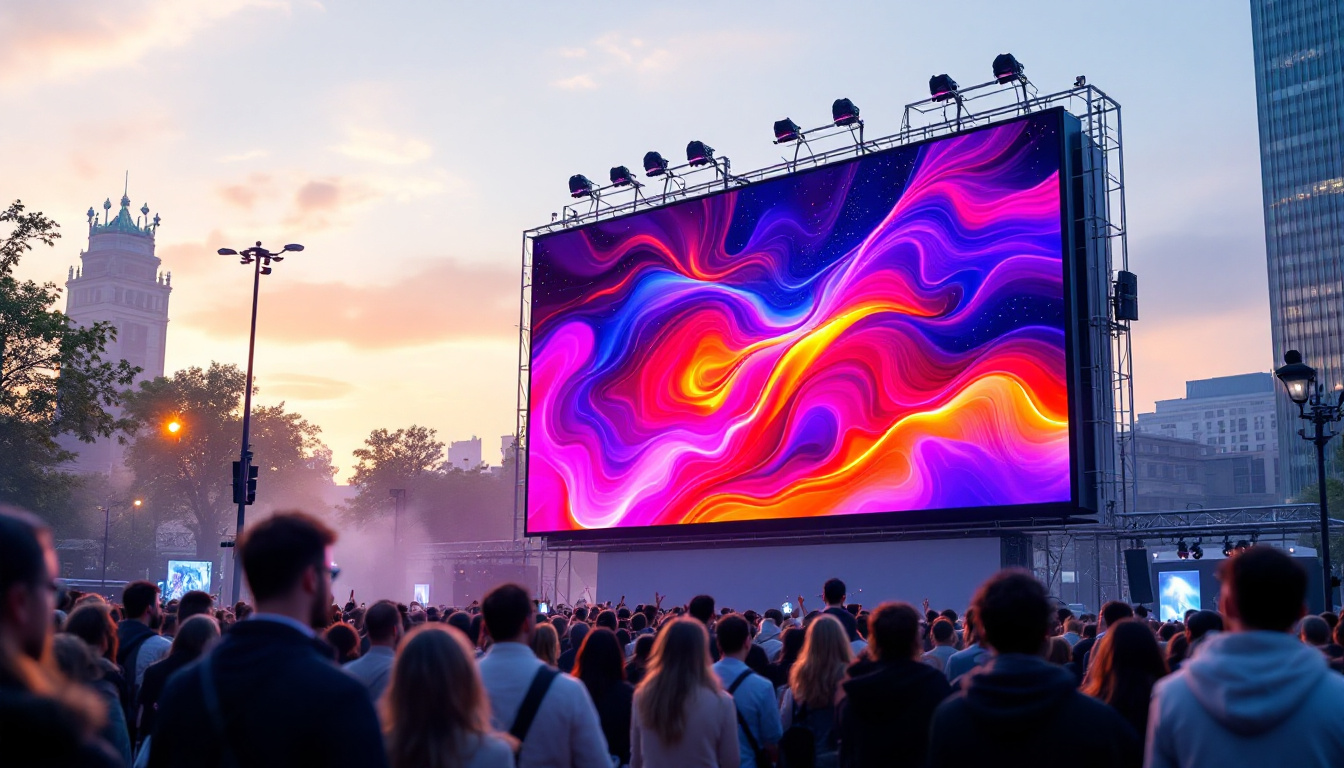
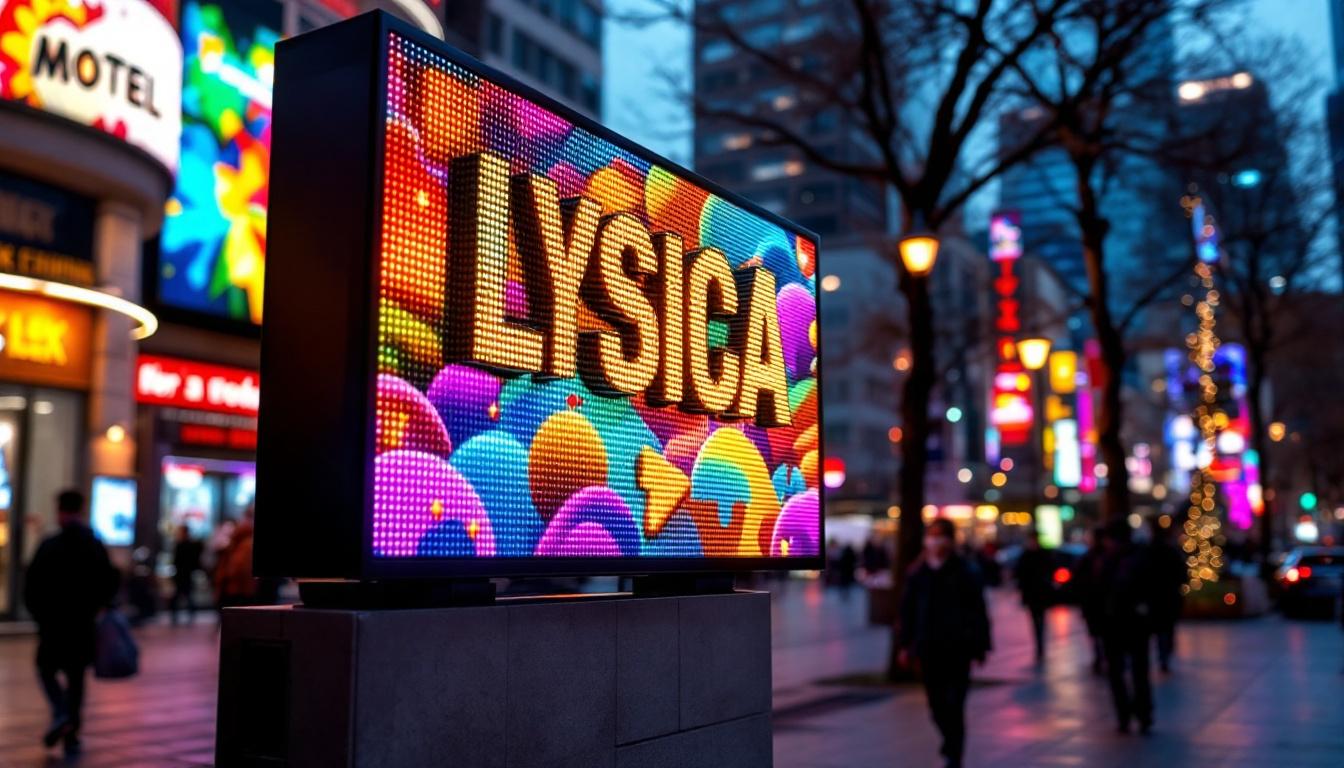
- Outdoor LED Displays: Built to withstand weather conditions, these are brighter and more durable, suitable for signage and public information. Their robust construction ensures longevity, while their high brightness levels allow them to be easily viewed even in direct sunlight.
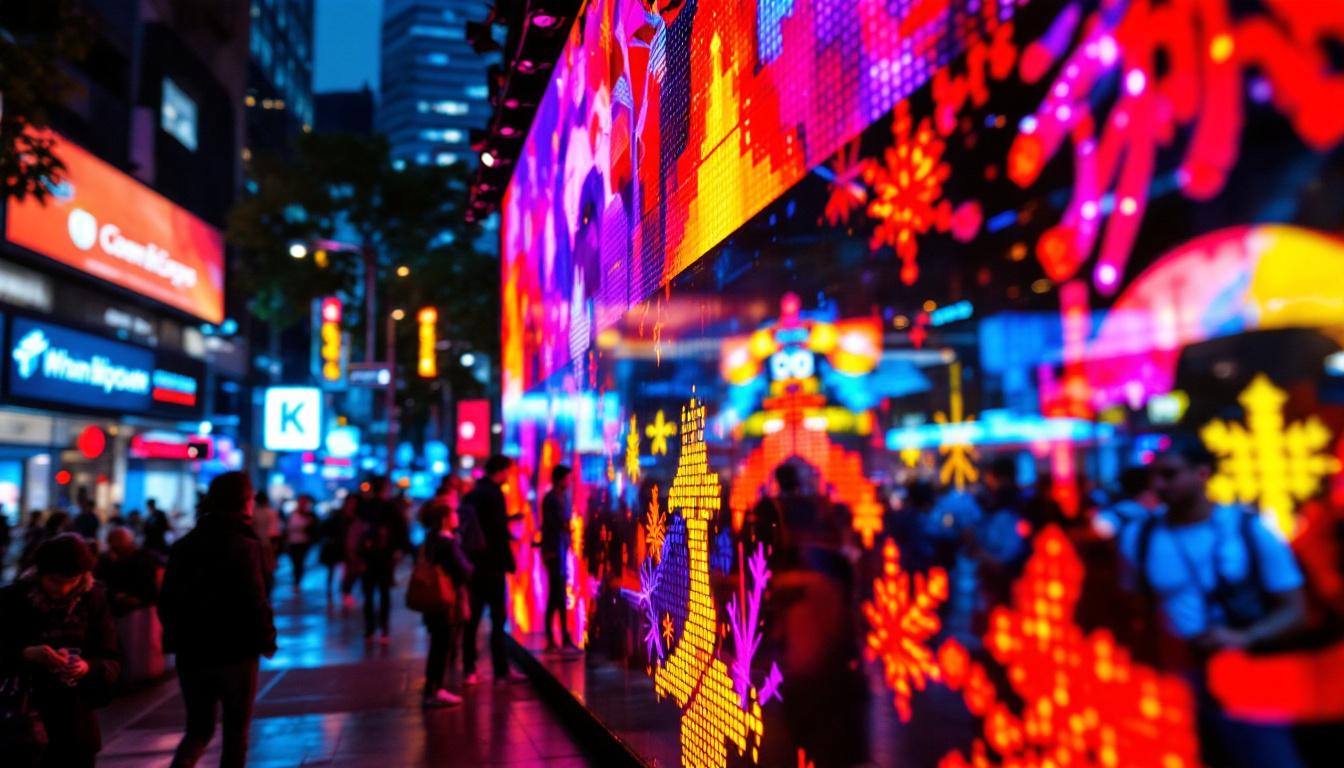
- Transparent LED Displays: These allow light to pass through, making them ideal for glass surfaces and innovative architectural designs. They are increasingly used in retail environments to create eye-catching displays that do not obstruct visibility, enhancing the shopping experience.
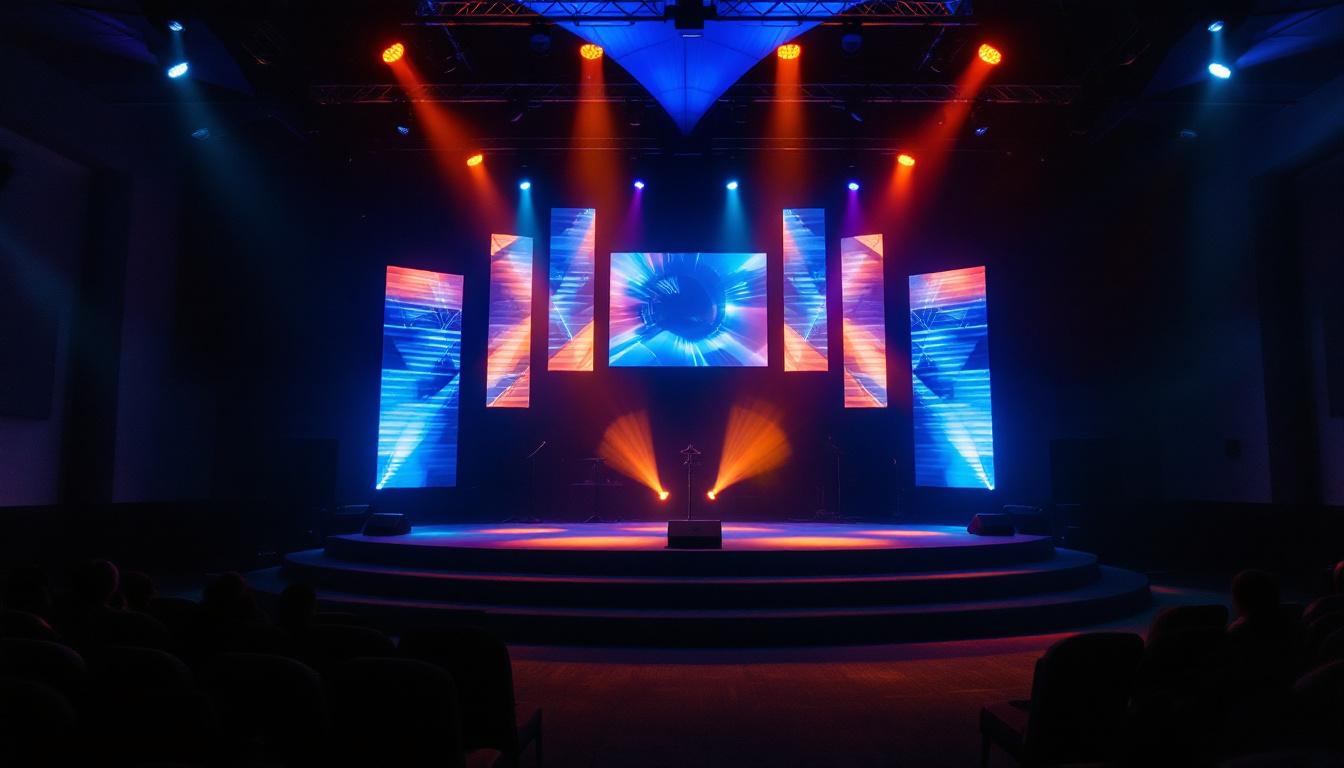
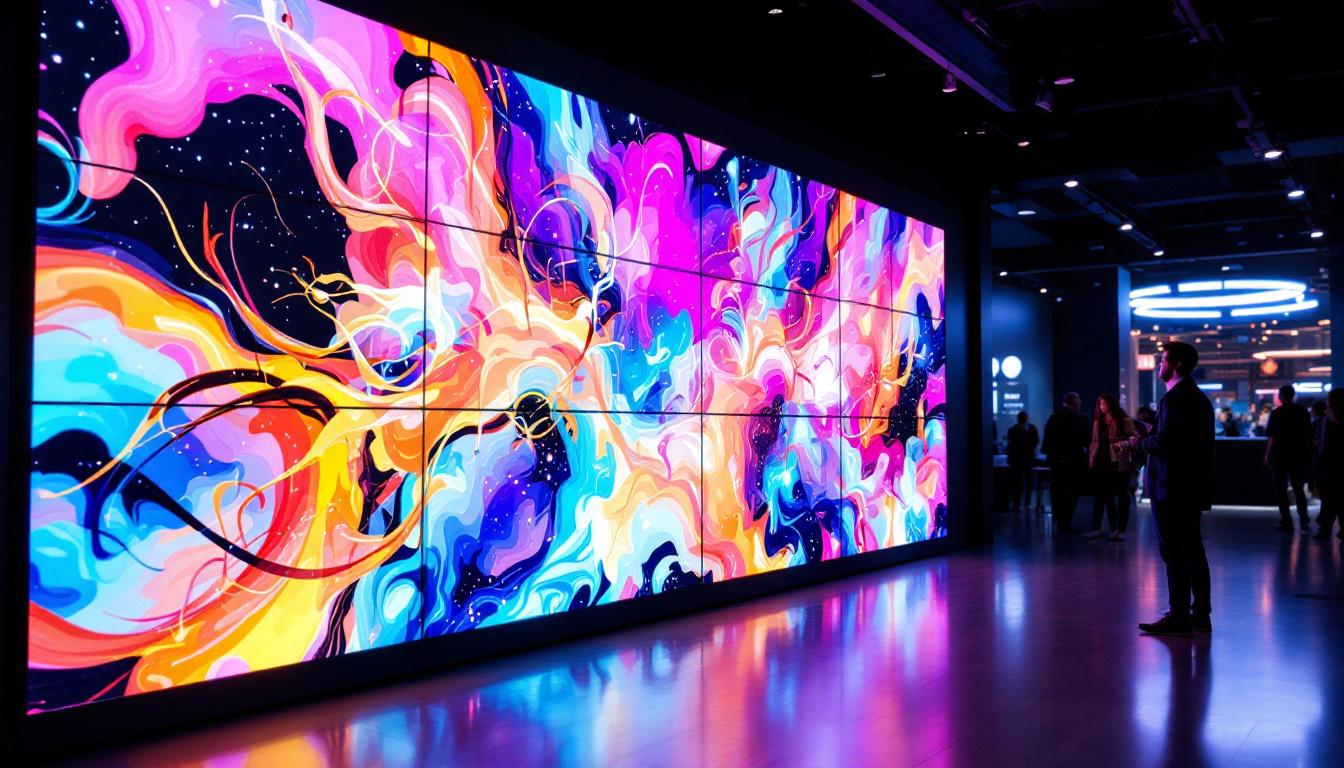
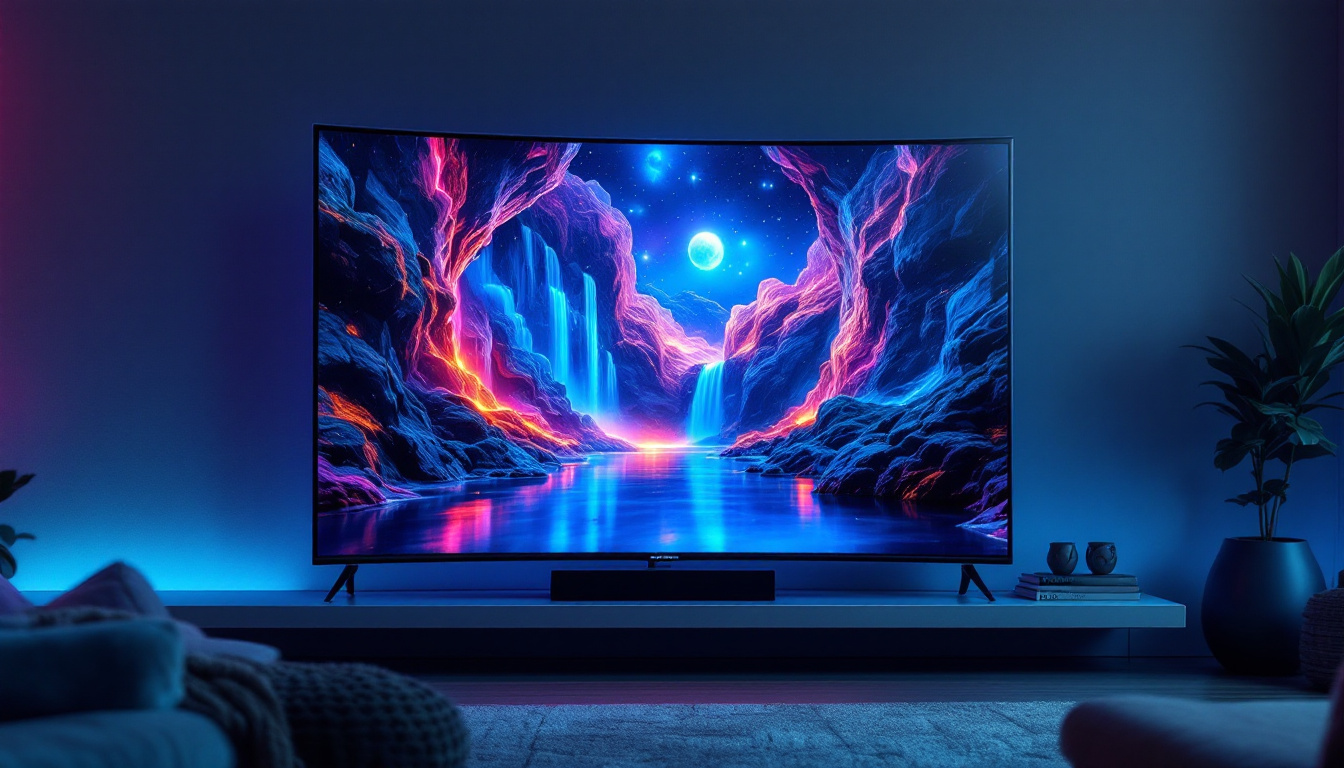
Additionally, there are specialized LED displays such as curved LED displays that provide a more immersive viewing experience by wrapping around the audience, and video walls that consist of multiple LED panels working together to create a large, seamless image. These configurations are particularly effective in control rooms, entertainment venues, and large public spaces, where they can convey information in a visually striking manner. The versatility of LED technology continues to inspire innovations, leading to the development of new applications that push the boundaries of visual communication.
The Role of LED Displays at Plasma Center Portland
Enhancing Donor Communication
At the Plasma Center Portland, LED displays serve as vital communication tools. They provide real-time updates to donors about wait times, donation procedures, and health tips. This dynamic information delivery helps reduce anxiety and improves the overall donor experience. By integrating interactive elements, such as QR codes that link to educational resources, donors can easily access more detailed information about the donation process, including what to expect during their visit and how their contributions make a difference in the lives of patients in need. This not only empowers donors but also fosters a deeper connection between them and the cause they are supporting.
Operational Efficiency and Safety
Efficient plasma collection requires precise coordination. LED displays assist staff by showing critical operational data such as donor flow, equipment status, and emergency alerts. Their visibility and clarity ensure that staff can respond promptly to changing conditions, maintaining safety and efficiency throughout the center. Additionally, the displays can highlight key performance indicators, allowing staff to monitor and optimize the donation process in real-time. This data-driven approach not only enhances operational workflows but also ensures that the center can adapt quickly to fluctuations in donor attendance, thereby maximizing productivity and minimizing wait times for all visitors.
Community Engagement and Awareness
Beyond operational use, the Plasma Center leverages LED displays to promote awareness about plasma donation benefits and community health initiatives. Engaging visuals and messages encourage repeat donations and foster a sense of community responsibility. The displays often feature stories from recipients whose lives have been transformed by plasma donations, creating an emotional connection that resonates with potential donors. Furthermore, the center collaborates with local organizations to showcase upcoming events and health fairs, using the LED displays as a platform to inform the community about various health-related topics and the importance of regular donations. This proactive approach not only educates the public but also strengthens community ties, encouraging more individuals to participate in the life-saving act of plasma donation.
Advantages of LED Displays in Healthcare Settings
Improved Visibility and Readability
Healthcare environments demand clear and accessible communication. LED displays offer superior brightness and contrast, making information easily readable from a distance or in varying lighting conditions. This is particularly important in a busy plasma center where quick comprehension can streamline processes. For instance, patient information, wait times, and health guidelines can be displayed prominently, ensuring that both staff and patients can access crucial information without delay. Additionally, the ability to adjust brightness levels according to ambient light conditions enhances visibility, reducing eye strain for both patients and healthcare professionals alike.
Energy Efficiency and Sustainability
LED technology is known for its low power consumption compared to traditional lighting and display options. For facilities like the Plasma Center Portland, this translates into reduced operational costs and a smaller environmental footprint, aligning with Portland’s commitment to sustainability. Moreover, the longevity of LED displays means fewer replacements are necessary, further decreasing waste and resource consumption. As healthcare facilities increasingly prioritize eco-friendly practices, adopting LED technology can significantly contribute to their green initiatives, showcasing a commitment to both patient care and environmental responsibility.
Durability and Low Maintenance
LED displays are robust and have a longer lifespan than many other display technologies. Their resistance to shock and vibration makes them ideal for high-traffic healthcare environments, reducing downtime and maintenance expenses. This durability is especially beneficial in settings where equipment is frequently moved or adjusted, such as during emergency situations. Furthermore, LED displays are less prone to burn-in issues compared to older technologies, ensuring that the displayed information remains crisp and clear over time. The low maintenance requirements also mean that healthcare facilities can allocate resources more effectively, focusing on patient care rather than technical issues.
Enhanced Patient Engagement
In addition to practical benefits, LED displays can significantly enhance patient engagement within healthcare settings. Interactive displays can be used to provide educational content, such as information about procedures, health tips, or wellness programs. By utilizing bright and dynamic visuals, these displays can capture the attention of patients, making them more likely to absorb the information presented. This not only empowers patients to take charge of their health but also fosters a more informed community. Furthermore, the integration of multimedia content, such as videos or animations, can make complex medical information more digestible, ultimately improving patient understanding and satisfaction.
Versatile Applications
LED displays are incredibly versatile, making them suitable for a wide range of applications within healthcare settings. From waiting rooms to examination rooms, these displays can be used to convey important messages, such as health alerts, appointment reminders, or educational material. In addition, LED screens can be utilized for wayfinding, helping patients navigate complex healthcare facilities with ease. The ability to update content remotely allows for real-time communication, ensuring that patients receive the most current information. This adaptability not only enhances the patient experience but also supports the operational efficiency of healthcare providers, allowing them to respond quickly to changing circumstances.
Technological Innovations and Future Trends
Integration with Smart Systems
Modern LED displays can integrate with smart building systems, allowing centralized control of lighting, temperature, and security alongside visual communications. At Plasma Center Portland, this integration supports a seamless operational environment, enhancing both donor and staff experiences.
Interactive LED Displays
Interactive LED screens are becoming more prevalent, enabling users to engage directly with the display through touch or gesture controls. This technology could revolutionize donor check-in processes or educational presentations at plasma centers, making interactions more intuitive and personalized.
Advancements in Resolution and Flexibility
Continuous improvements in LED technology are pushing the boundaries of resolution and display flexibility. Ultra-high-definition displays and bendable or rollable LED panels open new possibilities for creative and functional installations within healthcare settings.
Why LED Displays Matter for Plasma Donation Centers
Supporting Critical Health Services
Plasma donation centers play a crucial role in healthcare by providing plasma used in treatments for immune deficiencies, clotting disorders, and other medical conditions. Effective communication facilitated by LED displays ensures smooth operations, encouraging donor retention and satisfaction.
Building Trust Through Transparency
Transparency in processes and clear communication are vital in healthcare environments. LED displays help build trust by providing donors with up-to-date information and educational content, demystifying the donation process and emphasizing safety protocols.
Adapting to Changing Needs
The healthcare landscape is constantly evolving, especially in response to public health challenges like pandemics. LED displays offer the flexibility to quickly update messaging, display safety guidelines, or announce schedule changes, helping plasma centers remain responsive and resilient.
Conclusion
The Plasma Center Portland’s adoption of LED display technology exemplifies how modern healthcare facilities can leverage innovation to enhance service delivery and community engagement. Understanding the technology behind these displays and their multifaceted benefits reveals why they are indispensable tools in today’s plasma donation centers. As LED technology continues to advance, its role in healthcare settings is poised to grow, driving improvements in communication, efficiency, and patient care.
For donors and staff alike, the bright, clear, and dynamic information presented on LED displays at the Plasma Center Portland not only facilitates a smoother donation experience but also underscores the center’s commitment to cutting-edge technology and community health.
Discover LumenMatrix LED Display Solutions
As you consider the transformative impact of LED technology in healthcare settings, imagine the possibilities for your own facility. LumenMatrix, a leader in LED display innovation, offers a comprehensive range of solutions tailored to meet your needs. From enhancing brand visibility to creating immersive visual experiences, our Indoor and Outdoor LED Wall Displays, Vehicle LED Displays, LED Poster Displays, and more are designed to captivate and engage. Embrace the future of visual communication with LumenMatrix and elevate your message with unparalleled clarity and impact. Check out LumenMatrix LED Display Solutions today and see the difference for yourself.