In the rapidly evolving world of television and digital media, the term “TVF series” often brings to mind the popular web content created by The Viral Fever (TVF). However, in the context of display technology, “TVF” can also relate to Thin-Film Transistor (TFT) technology used in LED displays. This article aims to clarify the concept of LED displays, explore the technology behind them, and explain why certain TVF series or types stand out in the market today. Whether you are a consumer looking to buy a new TV or a professional seeking to understand display technologies, this comprehensive guide will provide valuable insights.
Understanding LED Displays: The Basics
LED displays have become the cornerstone of modern visual technology, offering vibrant colors, high contrast ratios, and energy efficiency. But what exactly is an LED display, and how does it differ from other types of screens?
LED stands for Light Emitting Diode, a semiconductor device that emits light when an electric current passes through it. In LED displays, thousands to millions of these tiny diodes work together to create images on the screen. The technology is often combined with LCD (Liquid Crystal Display) panels to form LED-backlit LCD screens, or used in pure LED configurations such as OLED (Organic LED) or microLED.
Types of LED Displays
There are several types of LED displays, each with unique characteristics:
- LED-backlit LCD: The most common type, where an LCD panel is illuminated by an array of LEDs. This type offers good brightness and color accuracy at a reasonable price.
- OLED (Organic LED): Uses organic compounds that emit light when electrified. OLEDs offer perfect blacks and excellent color reproduction because each pixel emits its own light and can be turned off individually.
- MicroLED: A newer technology that uses microscopic LEDs to form each pixel. It promises higher brightness, better energy efficiency, and longer lifespan than OLED but is currently expensive.
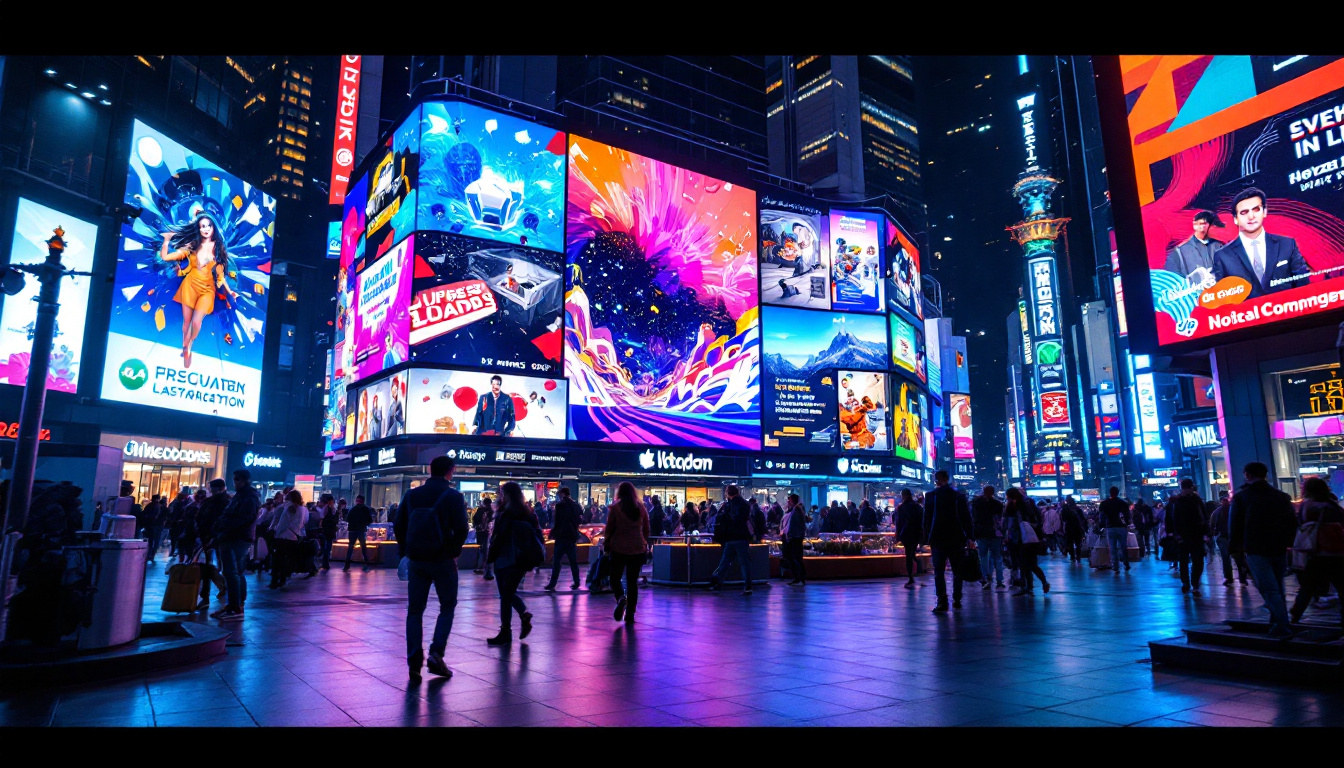
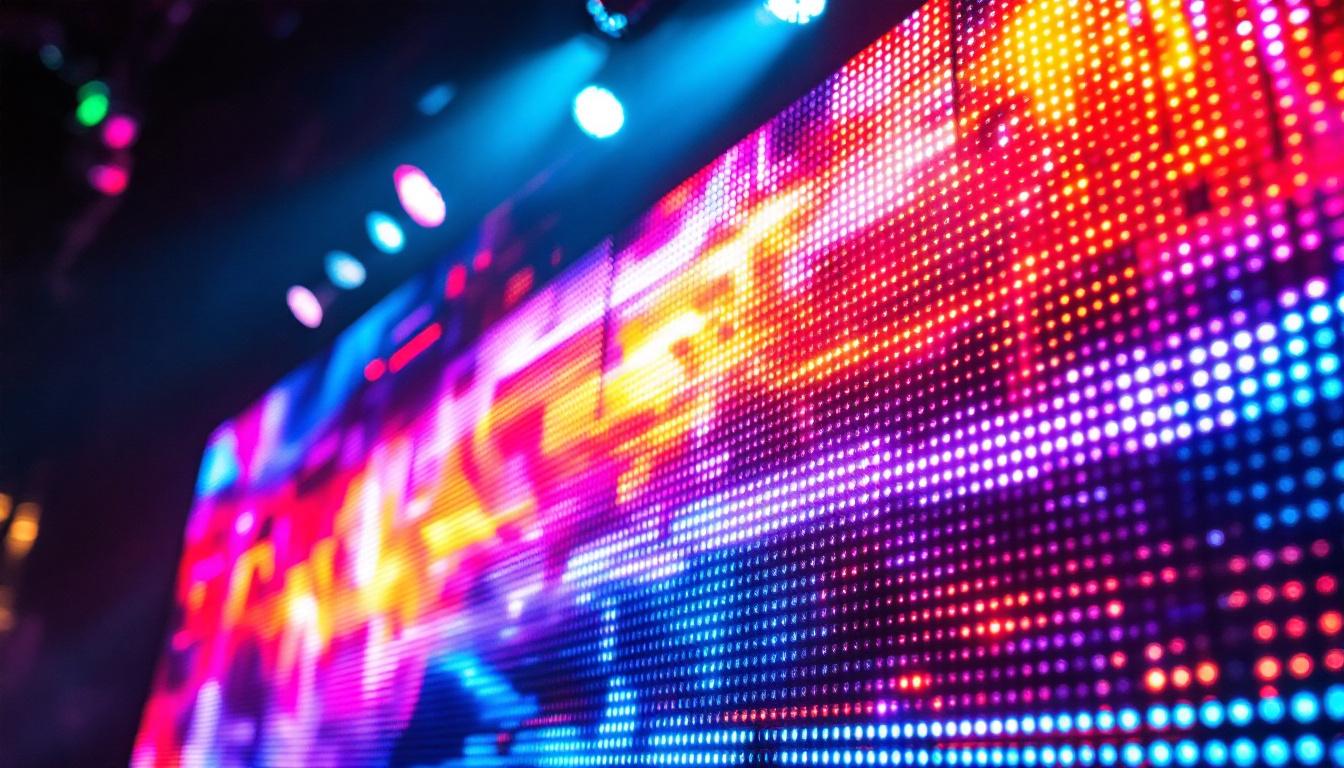
- Direct View LED (DVLED): Composed of large arrays of LEDs directly forming the image without an LCD panel. Commonly used in large outdoor billboards and stadium screens.
In addition to these types, the advancements in LED technology have led to the development of flexible LED displays, which can be bent or shaped to fit various applications, from curved televisions to innovative advertising solutions. These displays utilize a combination of lightweight materials and innovative engineering to create screens that can adapt to different environments, enhancing the viewer’s experience. Furthermore, the rise of transparent LED displays is also noteworthy; these allow for a unique blend of digital content and physical space, making them ideal for retail environments where showcasing products while displaying advertisements is essential.
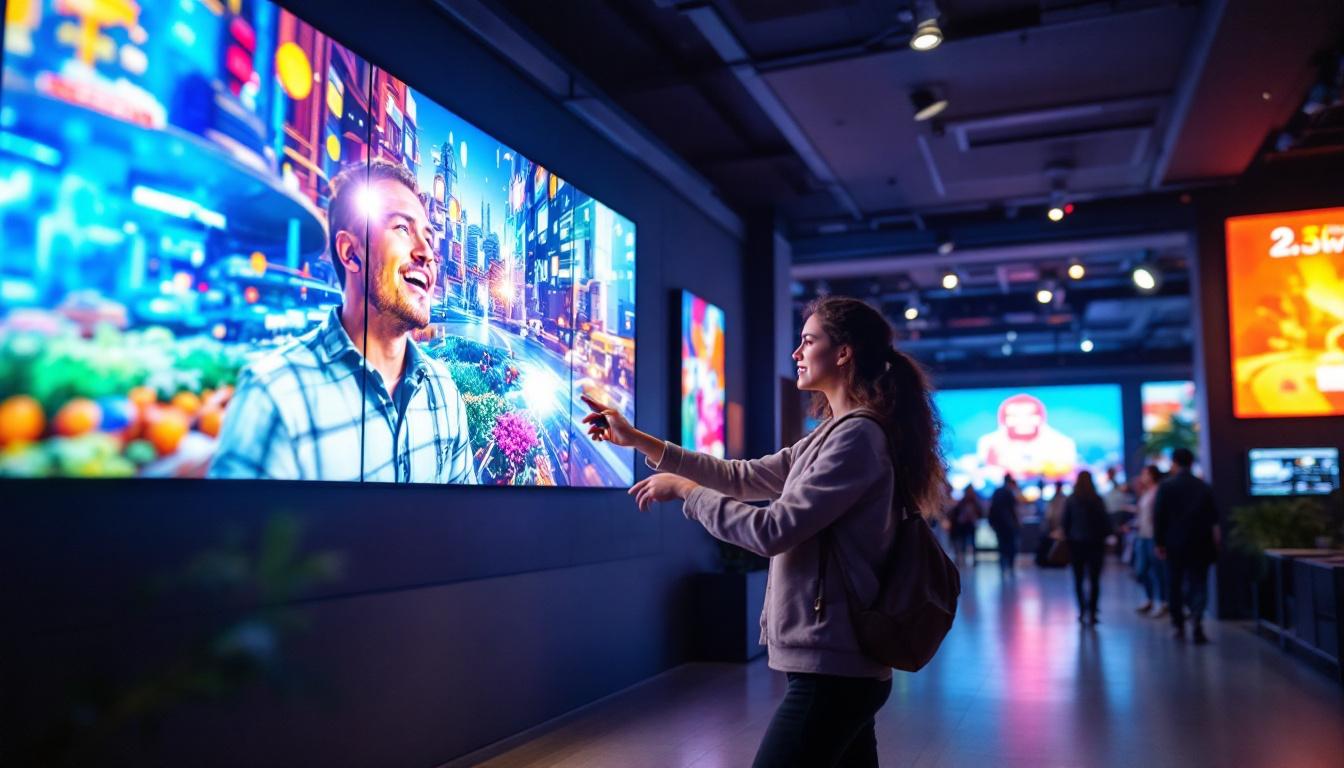
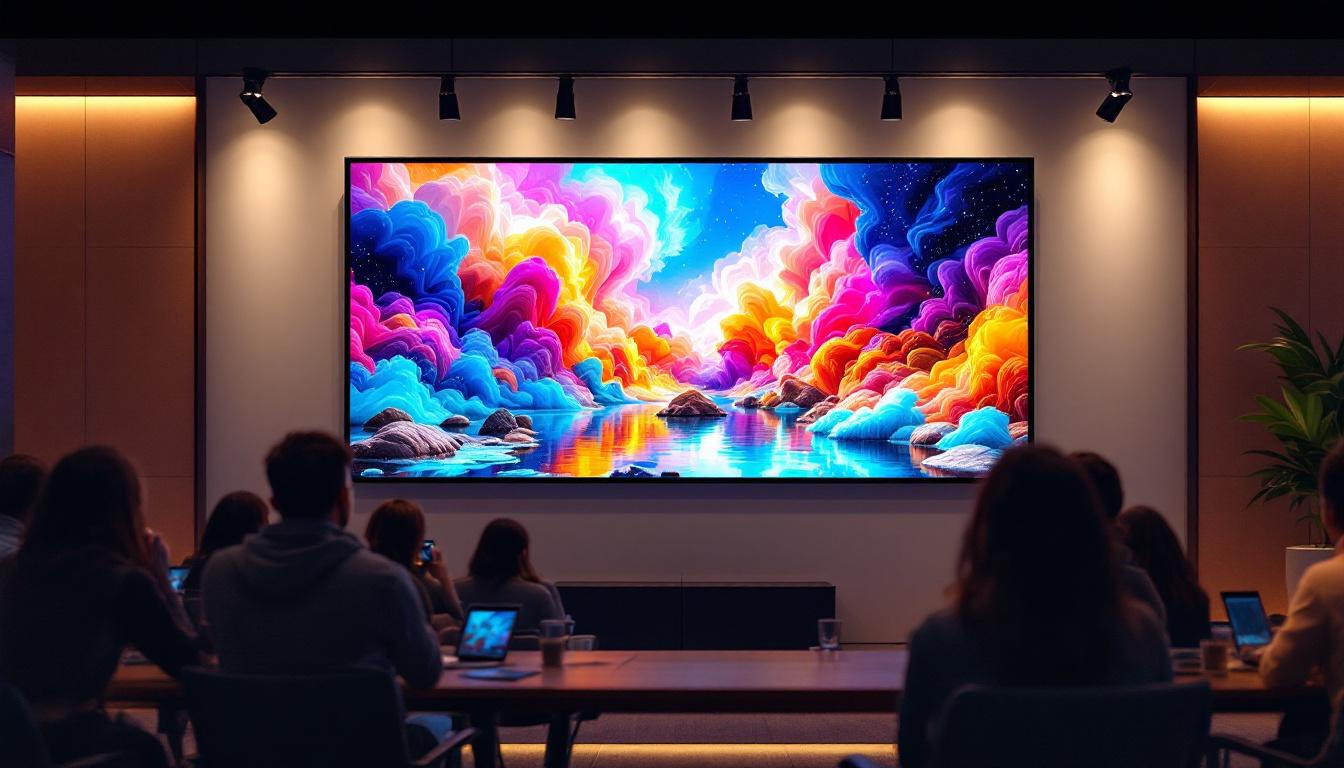
The impact of LED technology extends beyond just consumer electronics. In the realm of professional displays, LED technology is revolutionizing the way information is presented in control rooms, broadcast studios, and live events. The ability to create large, seamless video walls with high resolution and brightness allows for stunning visuals that can captivate audiences. Moreover, the integration of smart technology into LED displays is paving the way for interactive experiences, enabling users to engage with content in ways that were previously unimaginable, such as touch-sensitive screens and augmented reality applications.
The Role of TVF Series in LED Display Technology
When discussing “TVF series” in the context of LED displays, it often refers to specific product lines or technologies that incorporate Thin-Film Transistor (TFT) arrays to control the LEDs. TFT is a type of active matrix technology that enhances display performance by controlling individual pixels more precisely.
TVF series panels are known for their superior image quality, faster response times, and better energy efficiency compared to traditional passive matrix displays. These features make them highly suitable for applications ranging from consumer TVs to professional monitors and digital signage.
How Thin-Film Transistor (TFT) Works
TFT technology uses thin-film transistors to switch individual pixels on and off. Each pixel is paired with a transistor that acts as a switch, allowing precise control over brightness and color. This active matrix approach reduces blur and ghosting, which are common in passive matrix displays.
In LED-backlit LCDs, the TFT layer controls the liquid crystals that modulate the light passing through the LEDs. In direct LED displays, TFT arrays may be used to control the LED pixels directly, improving image sharpness and color accuracy.
Why Choose a TVF Series LED Display?
Choosing the right LED display can be overwhelming given the variety of options available. The TVF series stands out due to several key advantages that appeal to both consumers and professionals.
Superior Image Quality
TVF series displays typically offer higher resolution and better color accuracy. Thanks to the precise control enabled by TFT technology, these displays can render images with greater detail and vibrancy. This is especially important for applications such as video streaming, gaming, and professional photo or video editing.
Energy Efficiency and Longevity
LED technology is inherently more energy-efficient than traditional LCD or plasma displays. TVF series panels optimize power consumption further by controlling pixel illumination more effectively. This not only reduces electricity bills but also extends the lifespan of the display, making it a more sustainable choice.
Faster Response Times
For gamers and sports enthusiasts, response time is critical. TVF series LED displays often feature faster refresh rates and lower input lag, providing smoother motion rendering and reducing motion blur. This enhances the overall viewing experience, especially in fast-paced content.
Wide Viewing Angles
Thanks to advanced panel technology, many TVF series displays maintain consistent color and brightness even when viewed from sharp angles. This is essential in living rooms or public spaces where viewers may not always be directly in front of the screen.
Applications of TVF Series LED Displays
The versatility of TVF series LED displays makes them suitable for a broad range of applications. Here are some of the most common use cases where these displays excel.
Home Entertainment
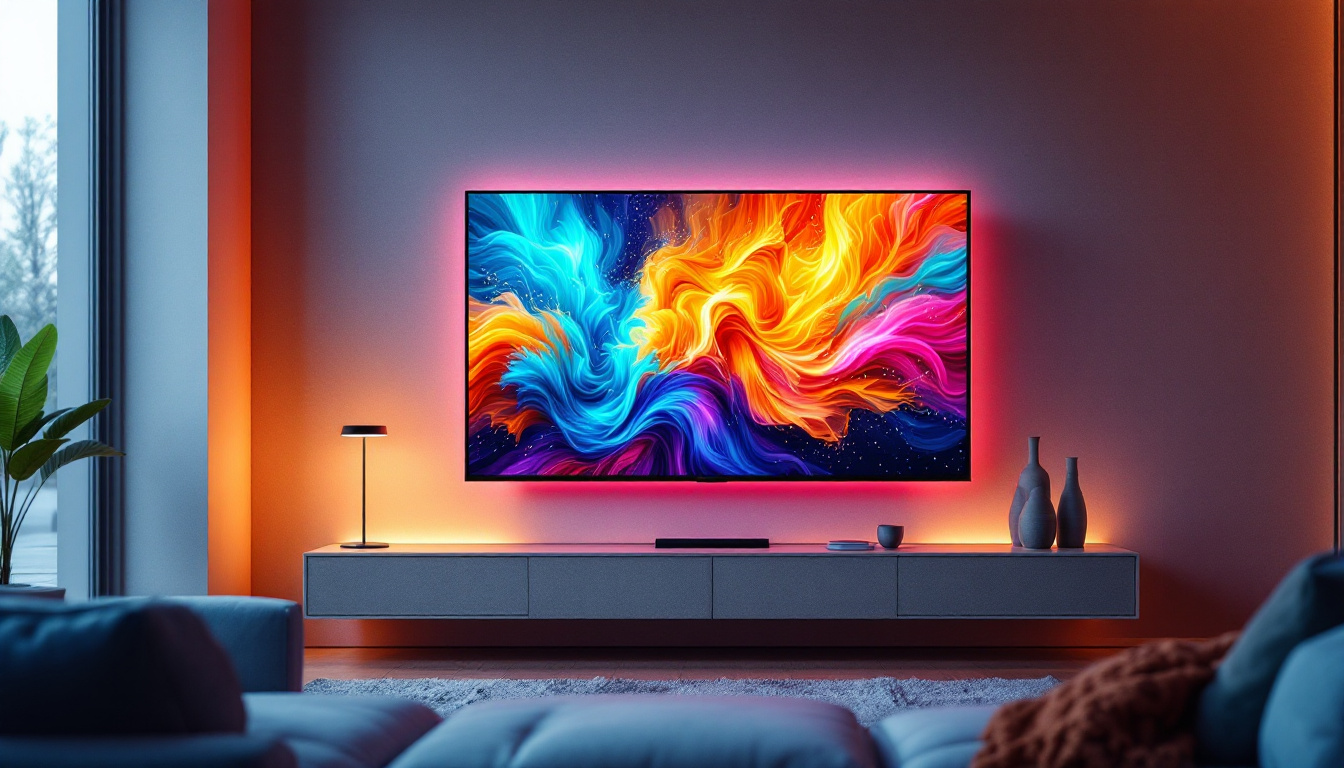
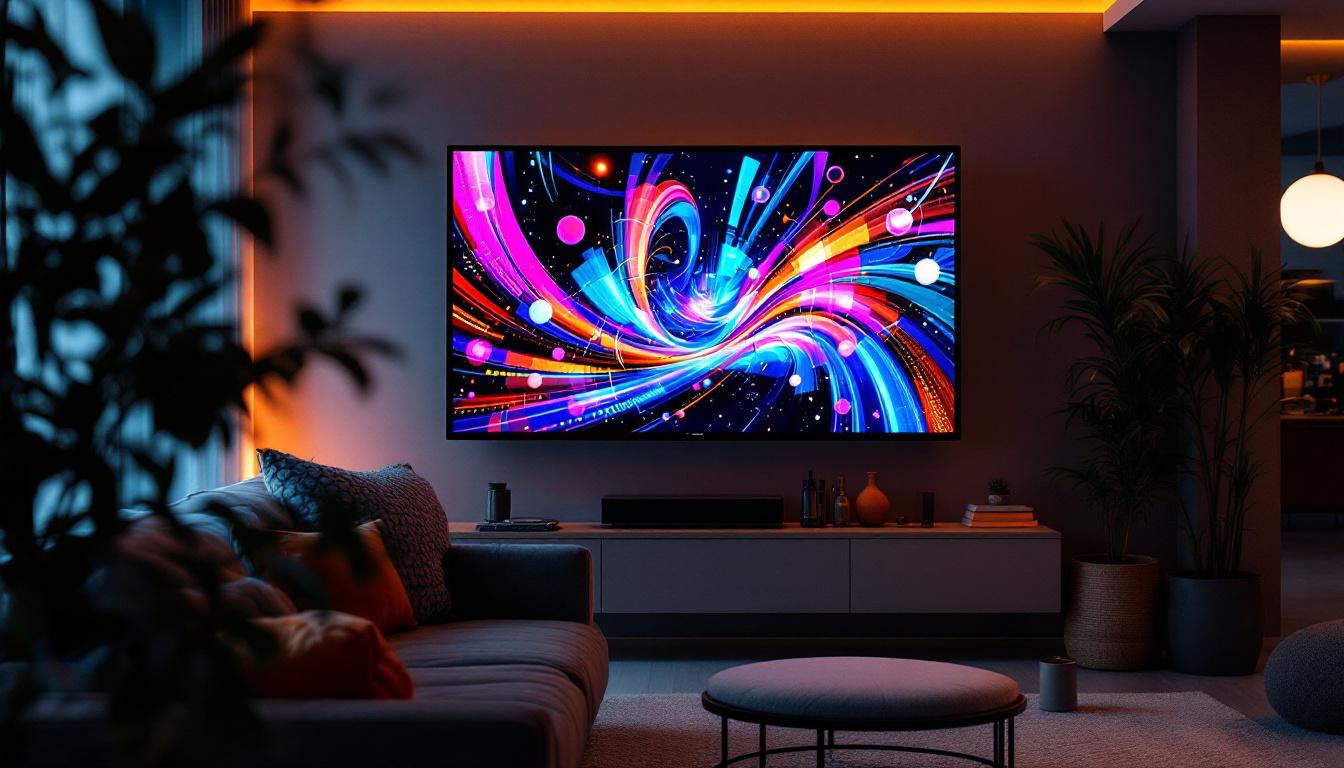
Modern LED TVs with TVF series panels deliver cinema-quality visuals and immersive experiences. Whether streaming high-definition content or playing the latest video games, these displays provide crisp images and vibrant colors that enhance enjoyment.
Professional and Commercial Use
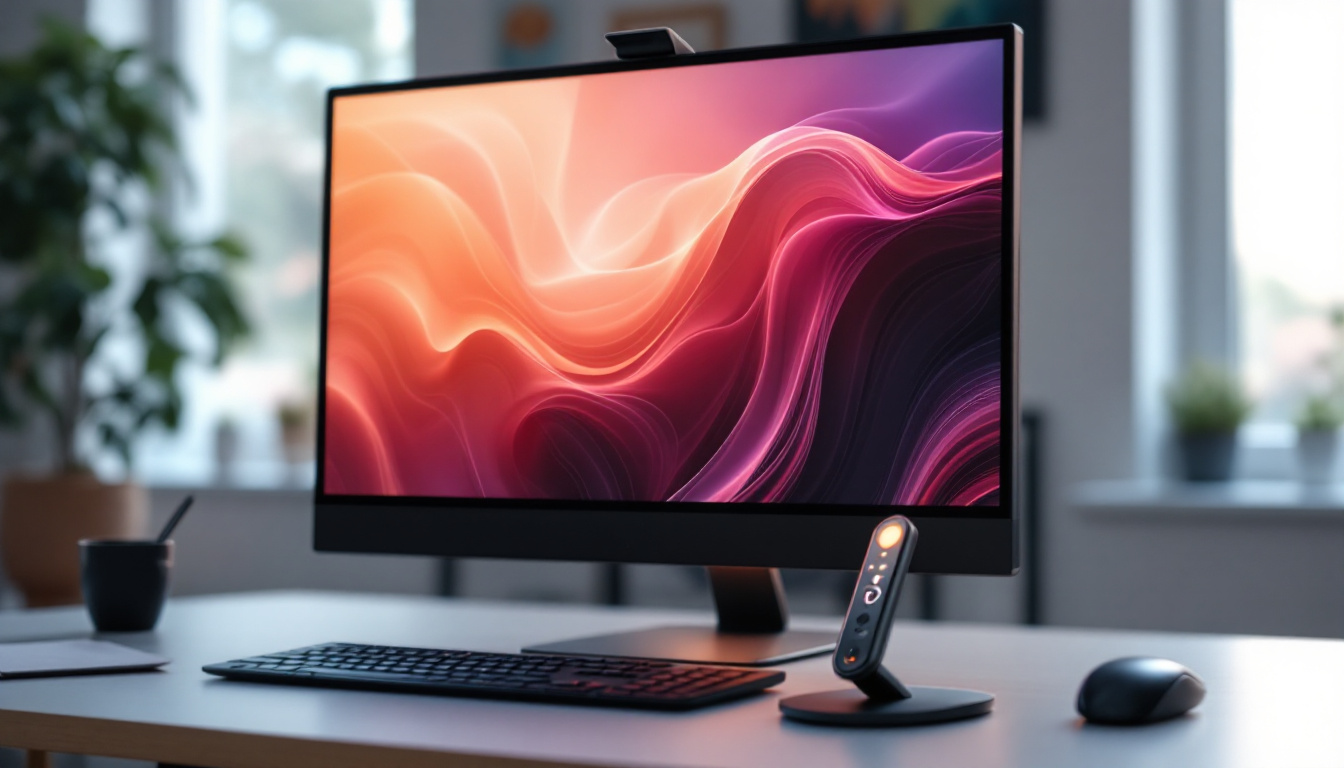
In offices, design studios, and broadcast environments, accurate color representation and high resolution are paramount. TVF series LED monitors meet these demands by offering precise image control and stability over long periods.
Digital Signage and Advertising
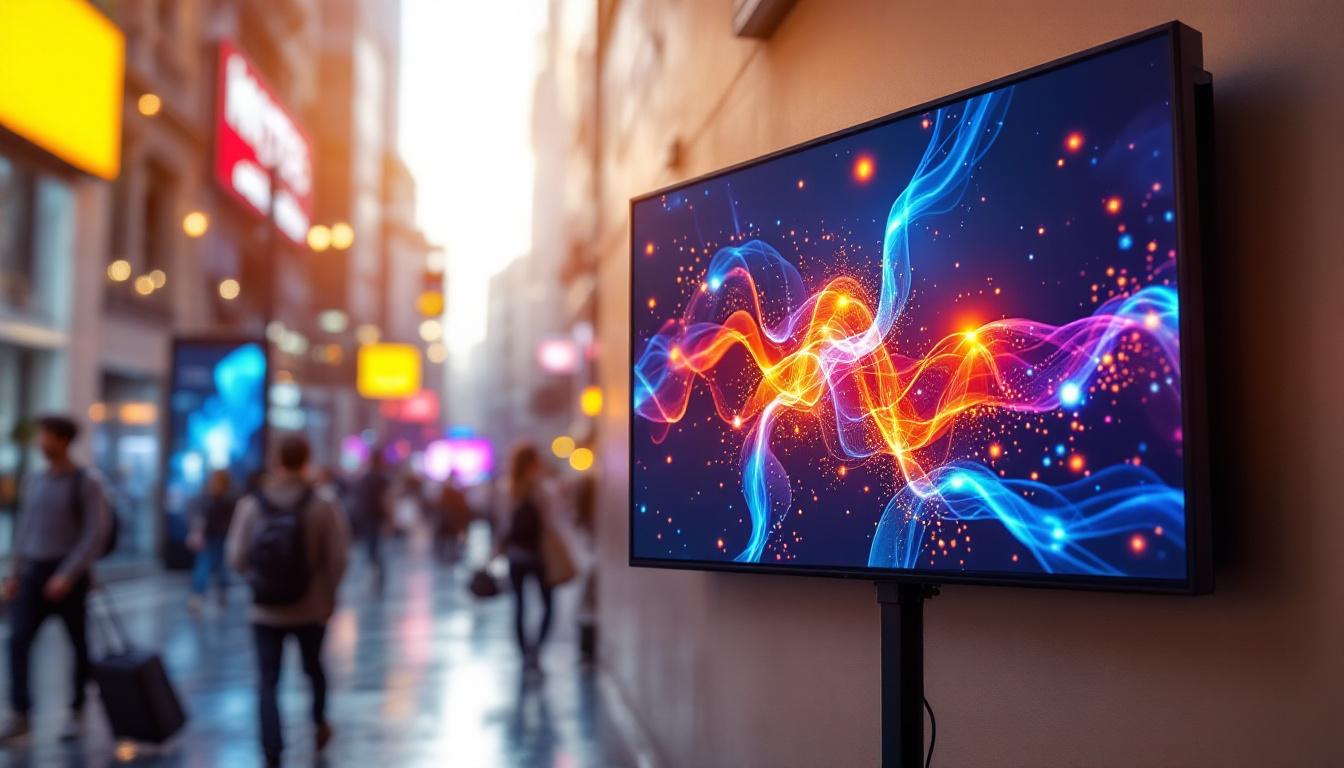
Large-scale LED displays used in advertising and public information systems benefit from the durability and brightness of TVF series technology. These displays perform well in various lighting conditions, including direct sunlight, ensuring visibility and impact.
Medical and Scientific Imaging
High-end medical imaging devices require displays that can render subtle details accurately. TVF series LED displays provide the necessary clarity and color fidelity for diagnostic purposes, improving the reliability of medical assessments.
Current Market Trends and Innovations
The LED display industry continues to innovate rapidly, with TVF series panels evolving to meet new demands. Understanding these trends helps consumers and professionals make informed decisions.
4K and 8K Resolution Adoption
Ultra-high-definition displays are becoming mainstream, with 4K TVs widely available and 8K models entering the market. TVF series panels are at the forefront of this shift, offering the processing power and pixel density needed to support these resolutions.
HDR and Wide Color Gamut
High Dynamic Range (HDR) technology enhances contrast and color depth, making images more lifelike. TVF series LED displays increasingly support HDR standards such as HDR10 and Dolby Vision, providing richer viewing experiences.
Flexible and Transparent Displays
Emerging applications are driving the development of flexible and transparent LED displays. While still niche, these innovations promise new ways to integrate screens into everyday environments, from curved TVs to augmented reality interfaces.
Sustainability and Eco-Friendly Manufacturing
Manufacturers are focusing on reducing the environmental impact of LED displays by using recyclable materials and improving energy efficiency. TVF series products often incorporate these eco-friendly practices, aligning with global sustainability goals.
How to Choose the Best TVF Series LED Display for Your Needs
Selecting the ideal LED display involves balancing features, budget, and use case. Here are some key factors to consider when evaluating TVF series options.
Screen Size and Resolution
Choose a screen size appropriate for your viewing distance and space. Higher resolution is beneficial for larger screens to maintain image sharpness. For example, a 55-inch 4K TV offers excellent detail for typical living rooms.
Brightness and Contrast Ratio
Higher brightness levels improve visibility in well-lit rooms, while a high contrast ratio ensures deep blacks and vivid colors. TVF series displays often excel in these areas, but it’s important to check specifications and reviews.
Connectivity and Smart Features
Modern displays come with multiple input options such as HDMI, USB, and wireless connectivity. Smart TV capabilities allow access to streaming apps and voice control. Ensure the TVF series model you choose supports the features you need.
Budget and Warranty
While TVF series displays offer premium performance, prices vary widely. Determine your budget and look for models that provide the best value. Additionally, consider warranty terms and customer support for peace of mind.
Conclusion
LED display technology, particularly those utilizing TVF series panels, represents the pinnacle of current visual display innovation. From stunning home entertainment systems to critical professional applications, these displays deliver exceptional image quality, energy efficiency, and durability. Understanding the technology behind LED displays and the advantages of TVF series can help consumers and professionals make informed choices that enhance their viewing experience.
As the industry continues to evolve with higher resolutions, better color accuracy, and new form factors, TVF series LED displays are poised to remain at the forefront of this exciting technological landscape. Whether upgrading a home theater or outfitting a commercial space, investing in a quality TVF series LED display ensures a future-proof and visually captivating solution.
Discover the Future of Visual Display with LumenMatrix
Ready to elevate your visual experience with the latest in LED technology? LumenMatrix is at the forefront of innovation, offering a diverse range of LED display solutions tailored to your needs. From Indoor and Outdoor LED Wall Displays to specialized options like Vehicle, Sports, and Floor LED Displays, LumenMatrix has the perfect solution to bring your vision to life. Embrace the future of visual communication with our Custom, All-in-One, and Transparent LED Displays. Check out LumenMatrix LED Display Solutions today and transform your space into a captivating visual journey.