Billboard Prices NYC: LED Display Explained
New York City, often dubbed the “City That Never Sleeps,” is renowned for its dazzling billboards and vibrant advertising culture. Among the most eye-catching and effective forms of outdoor advertising in NYC are LED billboards. These dynamic displays have transformed the way brands communicate with millions of pedestrians and drivers daily. But what exactly goes into the pricing of these LED billboards, and why have they become such a dominant advertising medium in the Big Apple? This article explores the intricacies of billboard prices in NYC, focusing on LED displays, their benefits, and factors influencing costs.
Understanding LED Billboards: What Sets Them Apart?
LED (Light Emitting Diode) billboards represent a significant technological advancement over traditional static billboards. Unlike printed posters or vinyl wraps, LED billboards use thousands of tiny light-emitting diodes to create vibrant, full-color images that can change in real-time.
This dynamic nature allows advertisers to display multiple messages throughout the day, tailor content based on time or audience, and even incorporate animations or videos. In a city like New York, where attention spans are short and competition for eyeballs is fierce, this flexibility is invaluable. The ability to rotate advertisements every few seconds means that a single billboard can showcase various brands, products, or services, maximizing the potential for engagement. This rapid turnover not only captures the attention of passersby but also allows for targeted messaging that can resonate with different demographics at different times of the day.
Moreover, LED billboards tend to be brighter and more visible in various lighting conditions, including nighttime and inclement weather, making them a reliable choice for 24/7 advertising. Their energy efficiency is another noteworthy aspect; LED technology consumes less power compared to traditional lighting methods, leading to lower operational costs and a reduced carbon footprint. This eco-friendliness is increasingly appealing to brands that wish to project a socially responsible image, aligning their marketing strategies with sustainability goals.
Why LED Billboards Are Popular in NYC
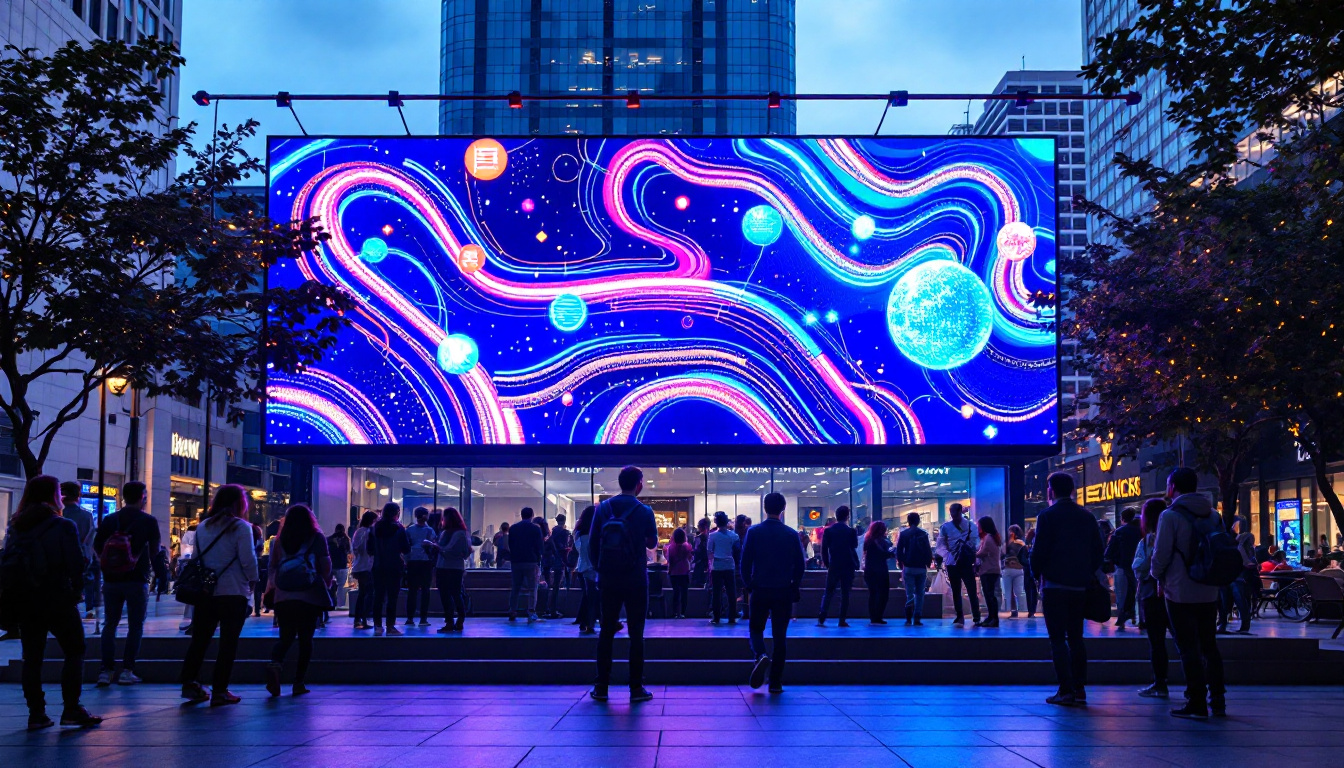
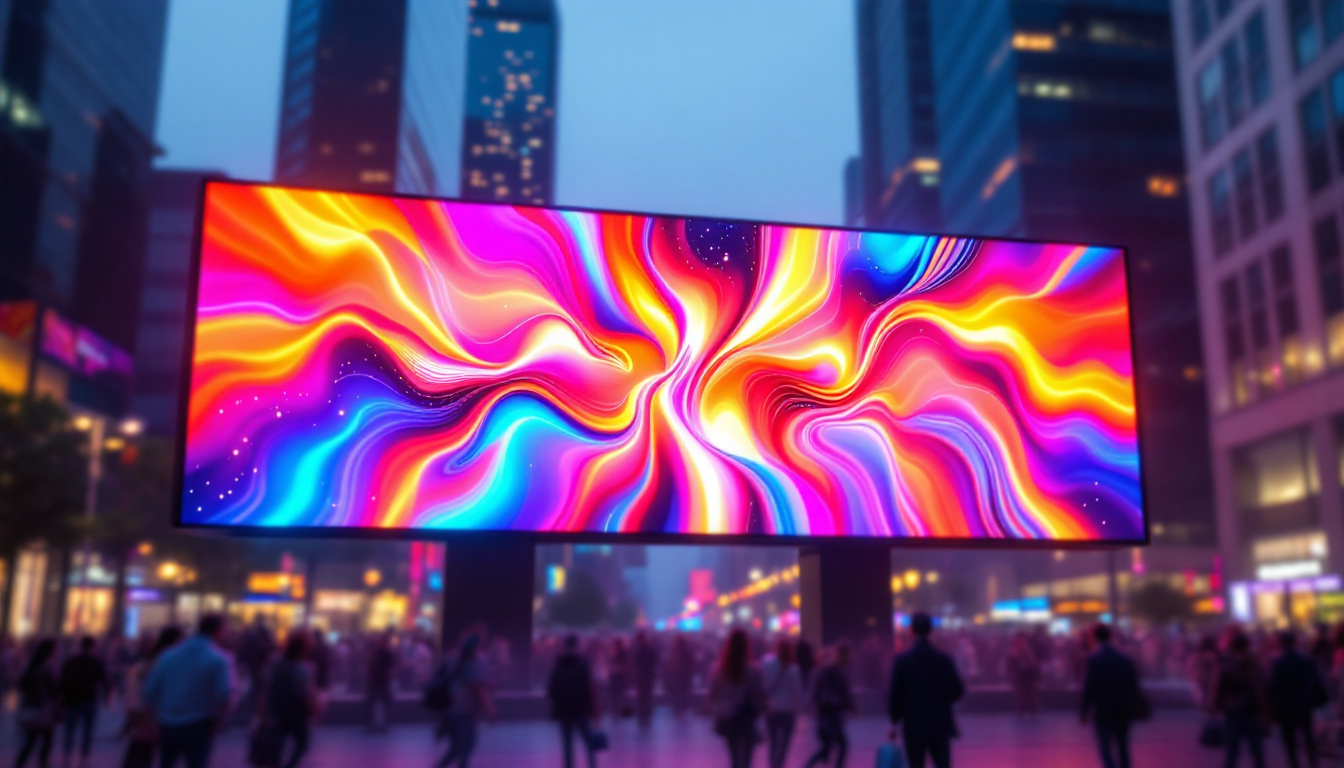
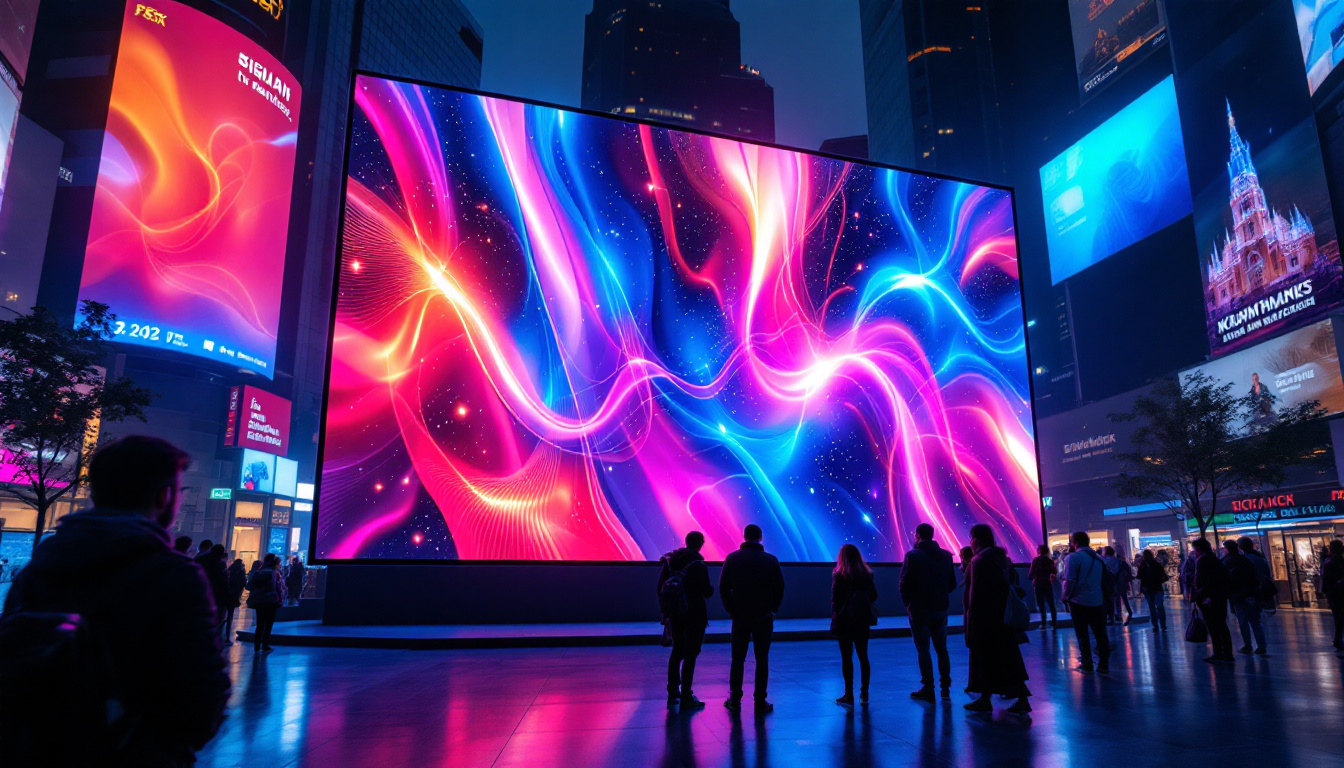
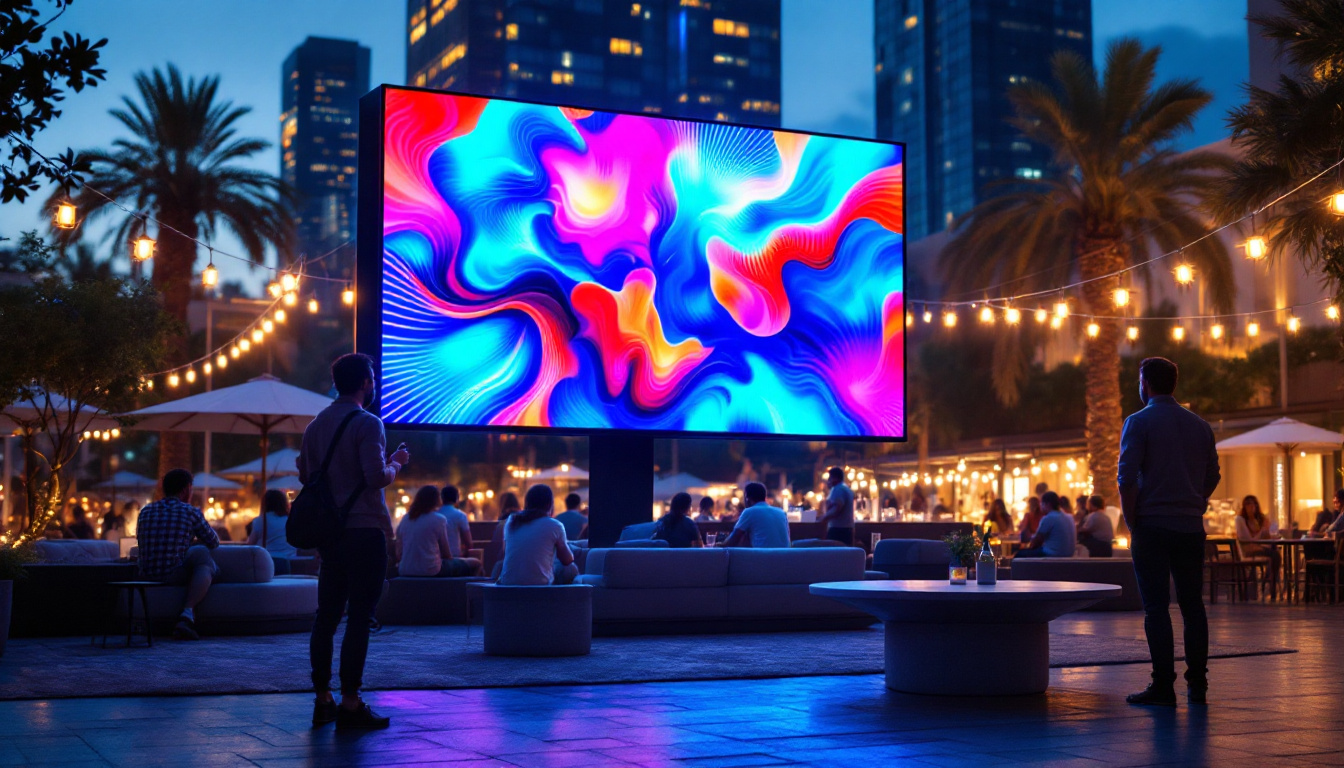
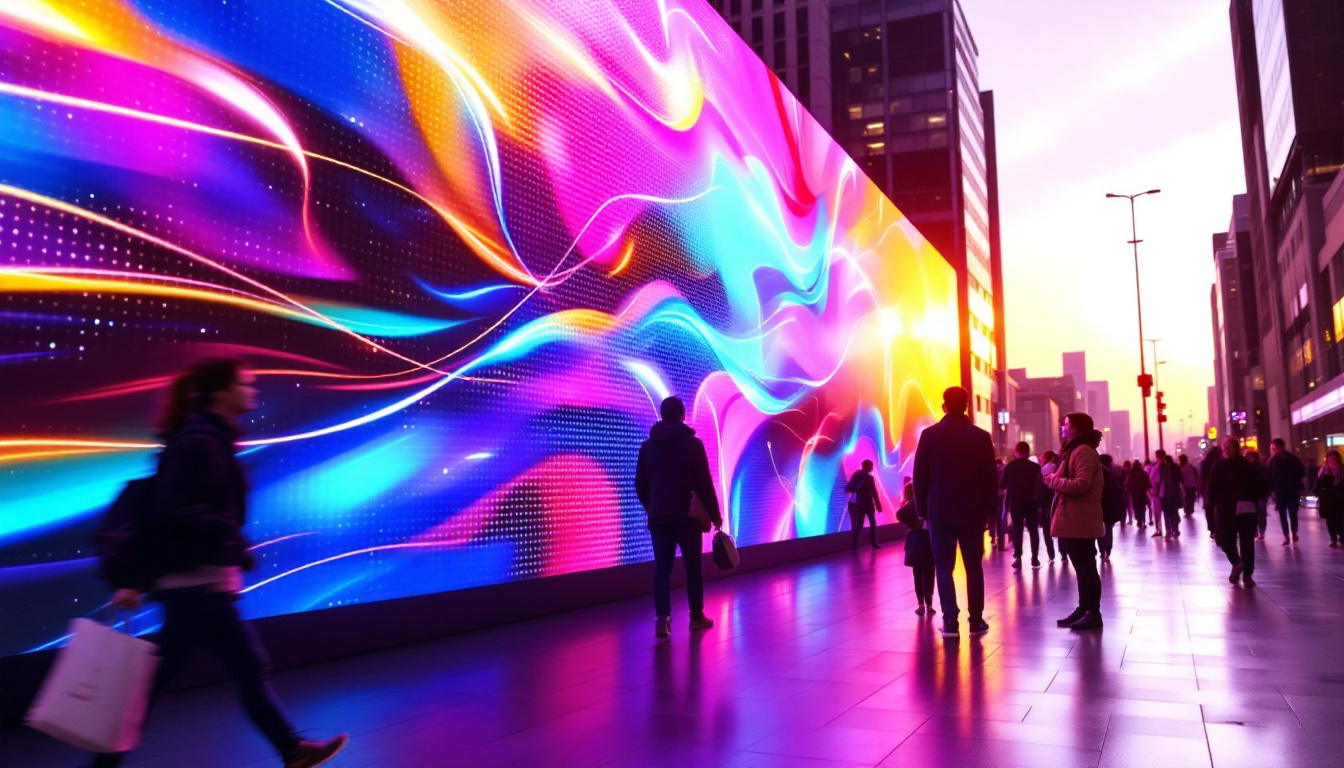
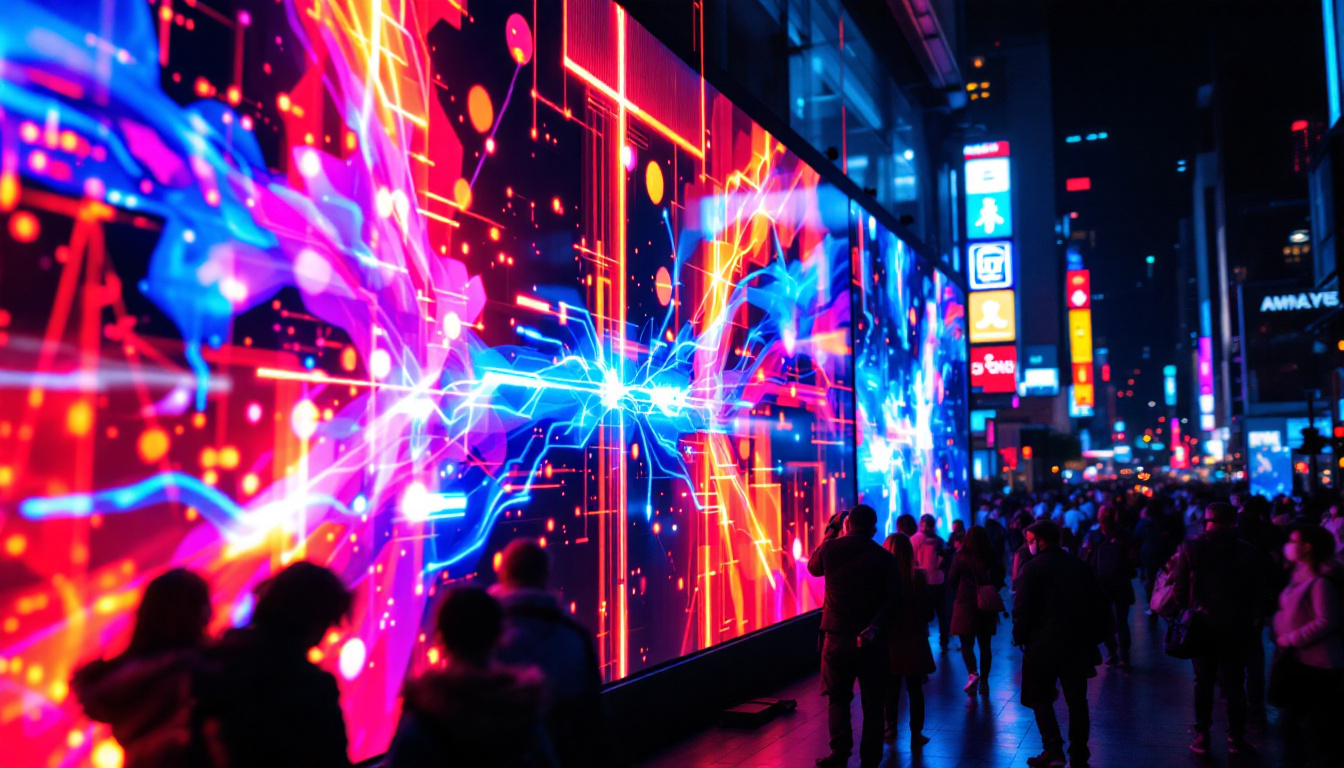
Times Square is perhaps the most iconic example of LED billboard usage, where towering digital screens create an immersive advertising environment. This popularity stems from several factors:
- High Foot Traffic: NYC’s dense population and tourist influx ensure maximum exposure.
- Technological Appeal: Brands want to associate with modern, cutting-edge technology.
- Content Flexibility: Ability to update ads instantly to reflect promotions, events, or breaking news.
Additionally, the sheer scale and brightness of these billboards contribute to their effectiveness. In a city that never sleeps, the vibrant colors and moving images create a sense of urgency and excitement, drawing in viewers from all directions. The psychological impact of bright, animated visuals can enhance brand recall, making it more likely that consumers will remember the advertisements they encounter. Furthermore, the strategic placement of these billboards in high-traffic areas ensures that they reach not just pedestrians, but also drivers and commuters, amplifying their reach across multiple audience segments. As technology continues to evolve, we can expect LED billboards to incorporate even more interactive features, such as QR codes or augmented reality elements, further blurring the lines between digital and physical advertising experiences.
Factors Influencing Billboard Prices in NYC
Billboard prices in New York City vary widely depending on numerous factors. LED billboards, given their technological sophistication, tend to command higher prices than traditional static billboards. Understanding these factors can help advertisers make informed decisions.
Location and Visibility
Location is arguably the most significant determinant of billboard pricing. Prime spots in Manhattan, especially in Midtown, Times Square, and along major highways like the FDR Drive and West Side Highway, command premium prices due to high visibility and traffic volume.
For example, a 14-foot by 48-foot LED billboard in Times Square can cost upwards of $50,000 to $100,000 per month, depending on the exact placement and demand. In contrast, billboards in less trafficked boroughs like Queens or the Bronx might be priced significantly lower. The allure of these high-traffic areas is not just in the sheer number of eyes on the ad; it’s also about the demographic diversity. Advertisers can target a wide range of consumers, from tourists to local residents, making these locations particularly valuable for brands looking to maximize their reach.
Size and Resolution of the LED Display
The physical size of the billboard directly impacts the cost. Larger displays require more LED modules, power, and maintenance, which translates into higher rental fees. Additionally, resolution—the density of LED pixels—affects image clarity and, subsequently, pricing. Higher resolution screens offer sharper images but are more expensive to produce and maintain. Advertisers must weigh the benefits of a larger, high-resolution display against their budget constraints, as a visually striking billboard can significantly enhance brand recognition and engagement.
Duration and Frequency of Display
Most LED billboard advertising operates on a time-based rental model, often sold in monthly increments. However, advertisers can also negotiate shorter or longer campaigns. Some companies offer programmatic advertising where multiple advertisers share the same billboard, displaying their ads in rotation. This option is more cost-effective but reduces exclusive exposure. The frequency of display is crucial; brands often aim for high visibility during peak hours, which can lead to higher costs but also greater returns on investment as their ads reach more potential customers during these times.
Production and Content Creation Costs
While renting billboard space is a significant expense, creating the content for LED displays can also be costly. High-quality animations, videos, and graphics require professional design and production. Brands often allocate a substantial budget to ensure their message stands out on these large, bright screens. The creative process involves not just the initial design but also ongoing adjustments to keep the content fresh and relevant. Collaborating with skilled designers and marketers can result in innovative campaigns that capture the attention of passersby, ultimately enhancing the effectiveness of the advertising spend.
Regulatory and Permitting Fees
New York City has strict regulations governing outdoor advertising, including LED billboards. Permitting fees, compliance with zoning laws, and environmental considerations can add to the overall cost. Some locations may require additional approvals, especially if the billboard is near historical landmarks or residential areas. Navigating these regulations can be a complex process, often necessitating the expertise of legal professionals or consultants who specialize in outdoor advertising. Understanding the local landscape and regulatory environment is essential for advertisers to avoid potential fines and ensure their campaigns run smoothly.
Market Demand and Seasonal Trends
Market demand also plays a crucial role in determining billboard prices. During peak seasons, such as the holiday shopping period or major events like the New York City Marathon, demand for advertising space skyrockets, leading to inflated prices. Advertisers must strategically plan their campaigns to align with these trends, ensuring they capitalize on the increased foot traffic and heightened consumer interest. Additionally, understanding the competitive landscape is vital; if multiple brands vie for the same prime locations, prices can escalate quickly, making it imperative for advertisers to act swiftly and decisively.
Technological Advancements
Finally, technological advancements continue to shape the billboard advertising landscape. The integration of interactive elements, such as QR codes or augmented reality features, can enhance viewer engagement but also requires additional investment in technology and design. As advertisers seek to create more immersive experiences, they must consider the balance between innovation and cost-effectiveness. Staying ahead of technological trends can provide brands with a competitive edge, allowing them to connect with audiences in new and exciting ways, ultimately driving higher engagement and brand loyalty.
Comparing LED Billboard Prices to Traditional Billboards
Traditional static billboards, typically printed on vinyl and changed periodically, remain a staple in outdoor advertising. However, LED billboards offer unique advantages that justify their higher price point.
Static billboards in NYC can range from $10,000 to $30,000 per month depending on location and size. While this is less expensive than LED options, advertisers lose the ability to update content quickly or display multiple ads on the same board.
LED billboards provide a higher return on investment through dynamic content, improved engagement, and increased visibility, especially in high-traffic urban environments.
Case Studies: Successful LED Billboard Campaigns in NYC
Several brands have leveraged LED billboards in NYC to create memorable campaigns that highlight the medium’s potential.
Nike’s Interactive LED Billboard
Nike launched a campaign in Times Square featuring an interactive LED billboard that responded to real-time social media activity. The display showed dynamic content based on trending hashtags and user engagement, creating a buzz around the brand and driving foot traffic to nearby stores.
Apple’s Product Launch Displays
Apple frequently uses large LED billboards in NYC to announce new products. Their high-resolution, visually striking ads emphasize product features with crisp animations and videos, reinforcing their premium brand image.
Broadway Show Promotions
Broadway theaters often utilize LED billboards to promote shows, leveraging the vibrant colors and motion to capture the excitement of live performances. These ads are strategically placed near theaters and transit hubs to maximize ticket sales.
Tips for Advertisers Considering LED Billboards in NYC
Given the significant investment involved, advertisers should approach LED billboard campaigns thoughtfully.
Define Clear Objectives
Understanding the campaign’s goals—whether brand awareness, product launch, or event promotion—will guide decisions about location, duration, and content.
Leverage Dynamic Content
Maximize the LED billboard’s capabilities by using animations, video, and real-time updates to engage audiences effectively.
Plan Budget Carefully
Account for all costs, including rental, production, and permits, to avoid surprises. Consider programmatic options if budget constraints exist.
Work with Experienced Vendors
Partnering with reputable billboard companies and creative agencies ensures compliance with NYC regulations and high-quality content delivery.
The Future of LED Billboards in New York City
As technology advances, LED billboards are expected to become even more sophisticated. Innovations such as AI-driven content personalization, augmented reality integration, and energy-efficient displays are on the horizon.
Moreover, sustainability concerns are pushing the industry toward greener solutions, including solar-powered billboards and recyclable materials. NYC’s commitment to reducing carbon emissions may influence future regulations and encourage eco-friendly advertising practices.
For advertisers, staying abreast of these trends will be crucial to maintaining effective and compliant campaigns in this vibrant market.
Conclusion
LED billboards have revolutionized outdoor advertising in New York City, offering unmatched visibility, flexibility, and engagement. While the costs can be substantial—often ranging from tens to hundreds of thousands of dollars per month—the potential impact on brand awareness and consumer interaction is significant.
Understanding the factors that influence pricing, from location and size to content production and regulatory fees, empowers advertisers to make strategic decisions. As the technology continues to evolve, LED billboards will remain a cornerstone of NYC’s advertising landscape, illuminating the city’s streets with creativity and innovation.
Illuminate Your Brand with LumenMatrix
Ready to elevate your advertising strategy in the heart of New York City? LumenMatrix, a pioneer in LED display technology, offers a wide array of innovative solutions tailored to your needs. From the vibrant streets of Times Square to the bustling avenues across the boroughs, our Indoor and Outdoor LED Wall Displays, Vehicle LED Displays, and more, are designed to captivate and engage your audience. Embrace the future of visual communication with our Custom LED Displays, All-in-One LED solutions, and groundbreaking LED Transparent Displays. Don’t just take our word for it; experience the transformative power of LumenMatrix’s LED display modules. Check out LumenMatrix LED Display Solutions and watch your brand come to life in the city that never sleeps.