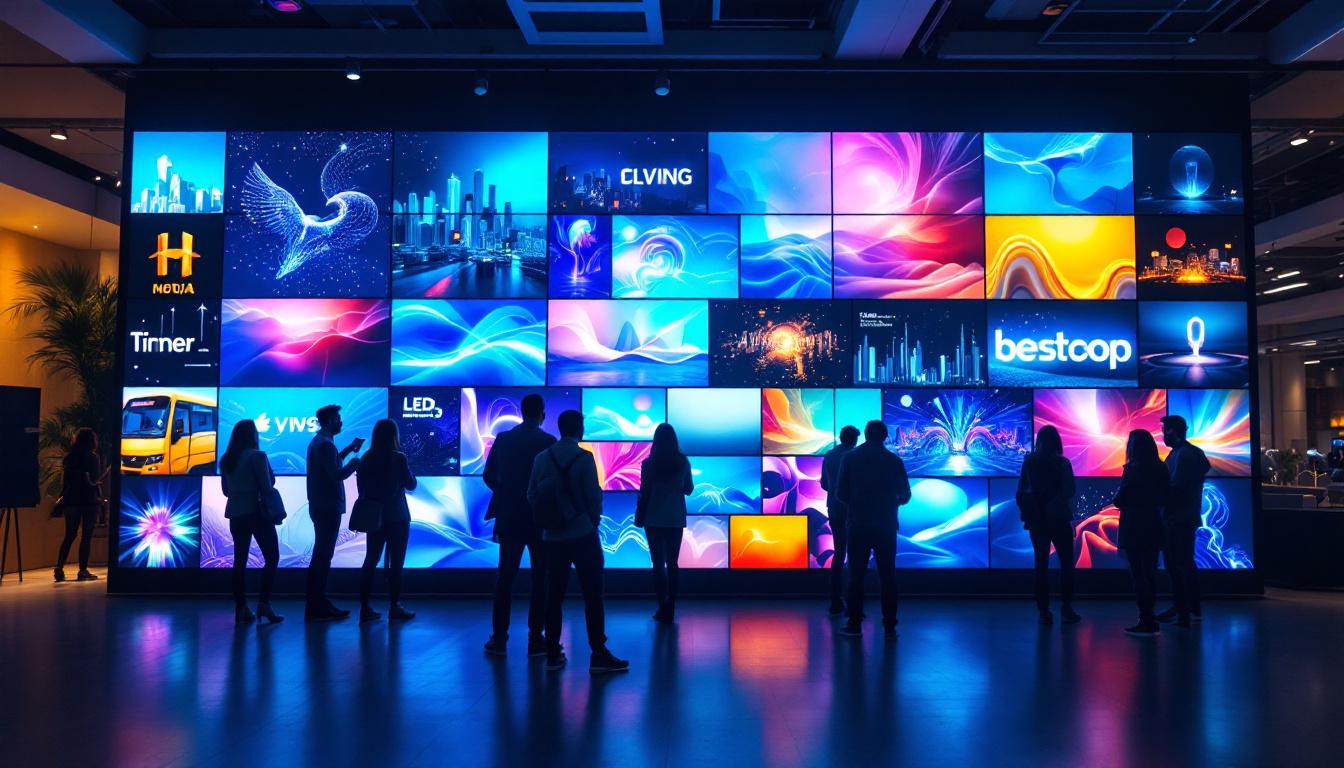
In today’s fast-paced digital world, media walls have become a cornerstone for businesses, event organizers, and public spaces aiming to capture attention and communicate messages effectively. Among the various display technologies available, LED displays stand out for their brightness, flexibility, and visual impact. This article delves into the essentials of building a media wall using LED display technology, exploring its components, benefits, applications, and practical considerations.
Understanding LED Media Walls
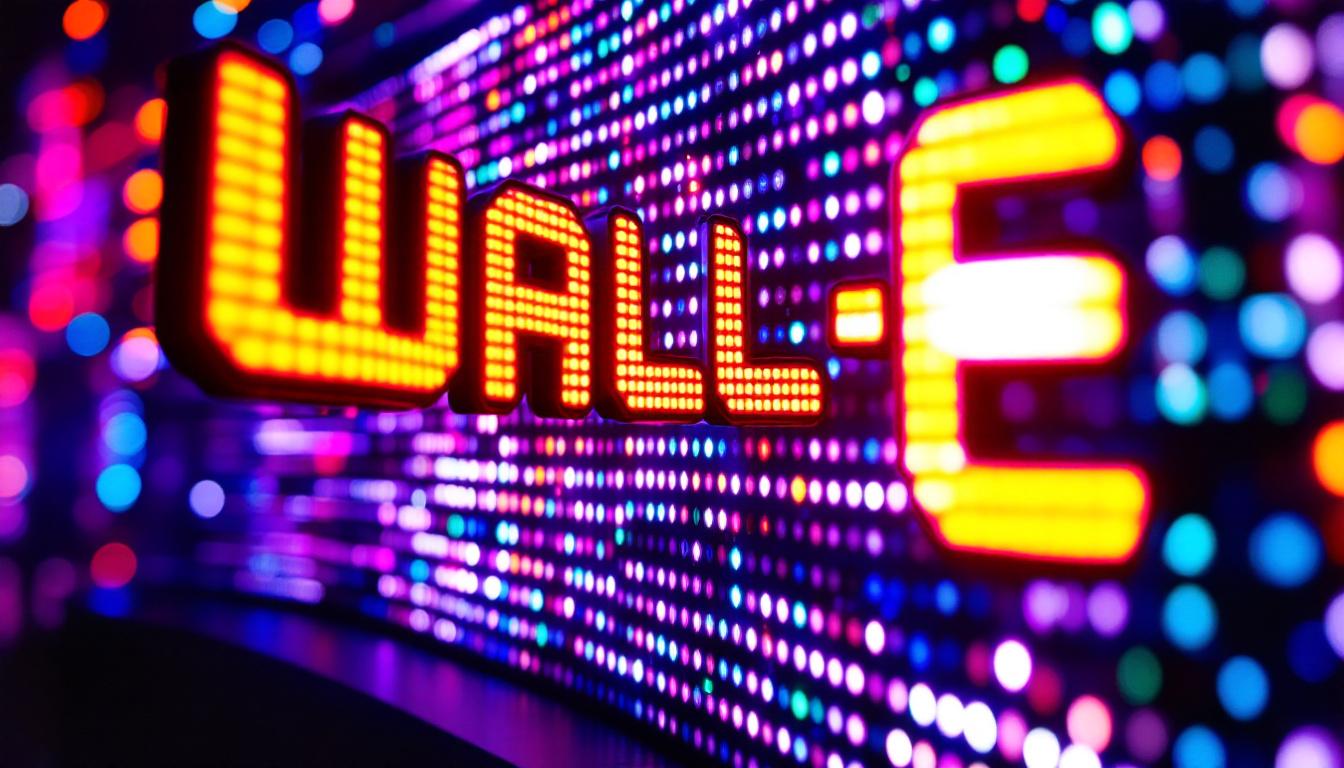
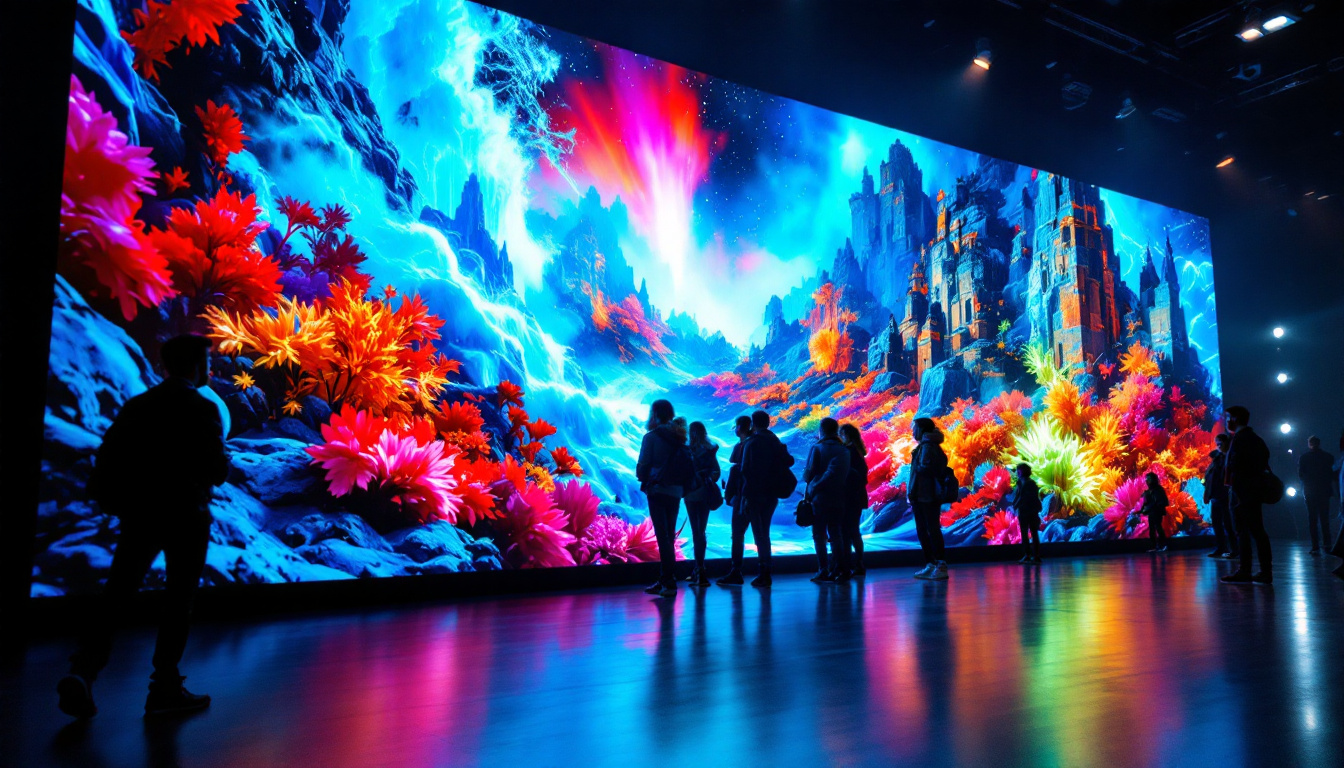
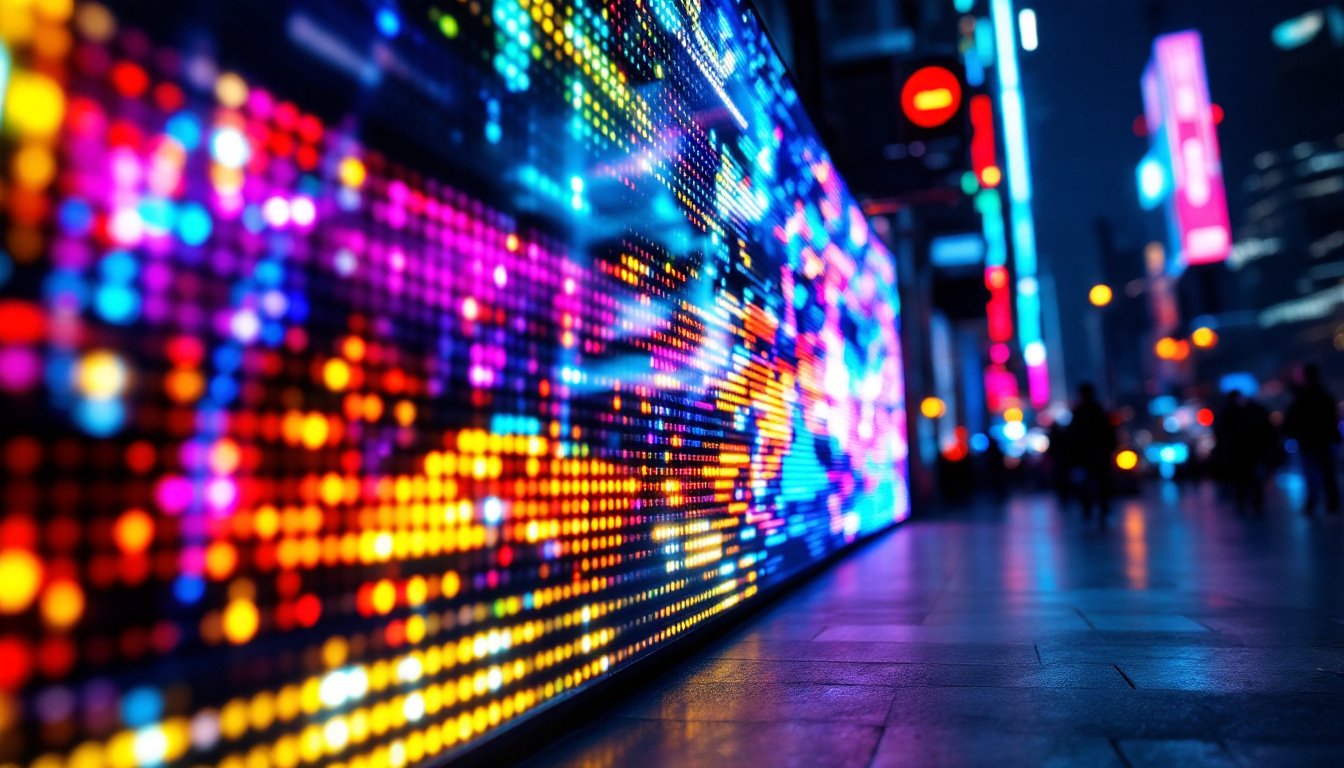
LED media walls are large-scale digital displays composed of numerous light-emitting diode (LED) modules arranged in a grid. These walls serve as dynamic canvases for videos, images, animations, and real-time data, delivering vivid and engaging content to audiences of all sizes.
Unlike traditional LCD or projection systems, LED media walls offer unparalleled brightness and contrast, making them ideal for both indoor and outdoor environments. Their modular design allows for customization in size and shape, enabling creative freedom in architectural and event design. This adaptability has made LED media walls a popular choice for various applications, from corporate events and concerts to advertising and public installations, where capturing attention is paramount.
Moreover, the ability to create seamless displays without bezels enhances the visual experience, allowing for immersive storytelling and captivating presentations. As technology evolves, these media walls are becoming increasingly sophisticated, incorporating features such as interactivity and integration with social media feeds, which further enriches audience engagement.
What Makes LED Technology Unique?
LEDs are semiconductor devices that emit light when an electric current passes through them. This technology offers several advantages:
- Brightness: LEDs can achieve luminance levels up to 5,000 nits or more, ensuring visibility even under direct sunlight.
- Energy Efficiency: Compared to other display types, LEDs consume less power while maintaining high brightness.
- Longevity: LED modules typically have a lifespan exceeding 100,000 hours, reducing maintenance and replacement costs.
- Color Accuracy: Advanced LEDs can reproduce a wide color gamut with high fidelity, enhancing visual appeal.
In addition to these benefits, LED technology is continually advancing, with innovations such as organic LEDs (OLEDs) and microLEDs pushing the boundaries of display capabilities. These advancements promise even greater flexibility in design and improved performance, allowing for thinner profiles and enhanced color depth. As a result, industries are increasingly leveraging LED technology to create stunning visual experiences that resonate with audiences on a deeper level.
Key Components of an LED Media Wall
Building an effective LED media wall requires understanding its core components:
- LED Modules: These are the fundamental building blocks containing arrays of LEDs. Modules come in various pixel pitches, which determine resolution and viewing distance.
- Cabinets: Frames that house multiple LED modules, providing structural support and facilitating installation.
- Control System: Hardware and software that manage content playback, synchronization, and display settings.
- Power Supply: Ensures stable and sufficient power to the entire media wall.
- Mounting Structure: Framework or rigging that supports the media wall securely in the desired location.
Each of these components plays a crucial role in the overall performance and reliability of the media wall. For instance, the choice of pixel pitch not only affects the clarity of the images displayed but also impacts the cost and installation complexity. Additionally, the control system is vital for ensuring that the content is seamlessly synchronized across all modules, which is particularly important for live events where timing is critical. Understanding these elements allows designers and technicians to create tailored solutions that meet specific project needs, ensuring a successful implementation of LED media walls.
Choosing the Right LED Display for Your Media Wall
Selecting the appropriate LED display is crucial for achieving the desired visual impact and functionality. Several factors influence this decision, from pixel pitch to environmental conditions.
Pixel Pitch and Resolution
Pixel pitch refers to the distance between the centers of two adjacent pixels, typically measured in millimeters. It directly affects the display’s resolution and optimal viewing distance:
- Smaller Pixel Pitch (e.g., 1.2mm to 2.5mm): Offers higher resolution and is suitable for close viewing distances, such as indoor corporate lobbies or control rooms.
- Larger Pixel Pitch (e.g., 4mm to 10mm+): Suitable for outdoor or large venue applications where viewers are farther away.
For example, a pixel pitch of 2.5mm is ideal for indoor media walls viewed from a few meters, while a 10mm pitch works well for outdoor advertising billboards viewed from tens of meters away.
Indoor vs. Outdoor LED Displays
Environmental factors play a significant role in display selection:
- Indoor Displays: Typically have higher resolution and lower brightness (around 800 to 1,200 nits) since ambient lighting is controlled. They are designed with lighter, thinner cabinets for easier installation.
- Outdoor Displays: Require high brightness (3,000 to 7,000 nits) to combat sunlight and weatherproofing features such as IP65-rated enclosures to resist dust and water.
Choosing the right type ensures longevity and optimal performance under specific environmental conditions.
Refresh Rate and Color Depth
The refresh rate, measured in Hertz (Hz), indicates how often the image updates per second. A higher refresh rate (above 1,000 Hz) is essential for smooth video playback and reduces flicker, especially important for broadcasts or live events.
Color depth, or bit depth, determines the number of colors the display can produce. Modern LED walls support 16-bit or higher color depth, enabling millions of colors for rich and vibrant visuals.
Designing and Building Your LED Media Wall
Once the display type and specifications are selected, the next step is the design and construction phase. This involves careful planning to ensure structural integrity, optimal viewing experience, and seamless integration with content management systems.
Planning the Layout and Size
The size of the media wall depends on the installation environment and viewing distance. A general guideline is that the viewing distance should be at least 10 times the pixel pitch in millimeters. For example, a 3mm pitch display should be viewed from at least 30mm (3cm), though practical distances are usually much greater.
Designers also consider the aspect ratio, content type, and architectural constraints. Media walls can be flat, curved, or even irregularly shaped, offering creative possibilities for immersive experiences.
Structural and Electrical Considerations
Supporting a large LED media wall requires a robust mounting system capable of handling the weight and ensuring safety. Materials such as aluminum or steel frames are common, with considerations for ventilation and heat dissipation.
Electrical planning includes ensuring adequate power supply, cable management, and grounding to prevent interference and hazards. Backup power solutions may be necessary for critical applications.
Content Management and Control Systems
Modern LED media walls are driven by sophisticated control systems that allow real-time content updates, scheduling, and remote management. Software platforms often support multiple input sources, including live video feeds, social media streams, and interactive content.
Integration with content management systems (CMS) enables centralized control, analytics, and automation, which are vital for dynamic advertising campaigns or event productions.
Applications and Benefits of LED Media Walls
LED media walls have transformed the way organizations communicate visually. Their versatility and impact make them suitable for a wide range of applications.
Corporate and Retail Environments
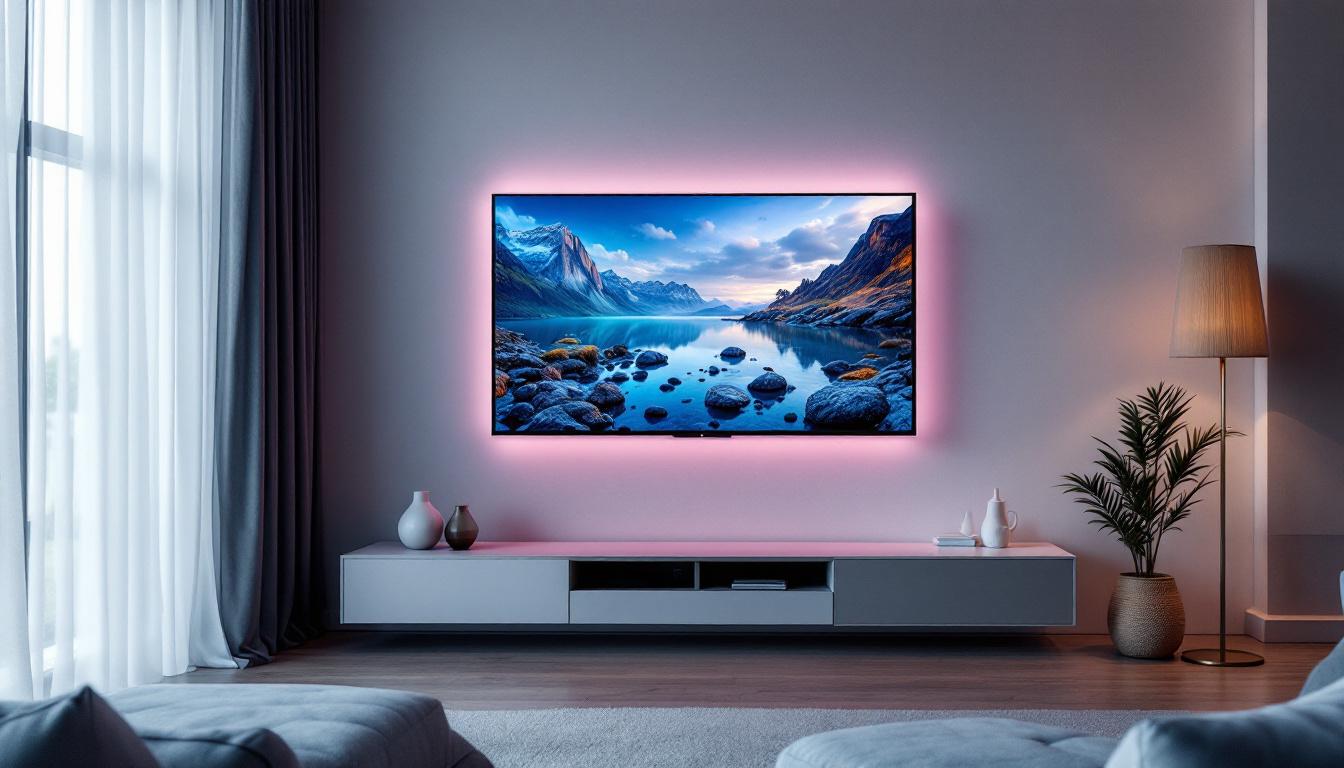
In corporate settings, LED media walls enhance lobbies, conference rooms, and trade show booths by displaying branding, product information, and live presentations. Retailers use them to create immersive shopping experiences, promote products, and engage customers with dynamic content.
Entertainment and Events
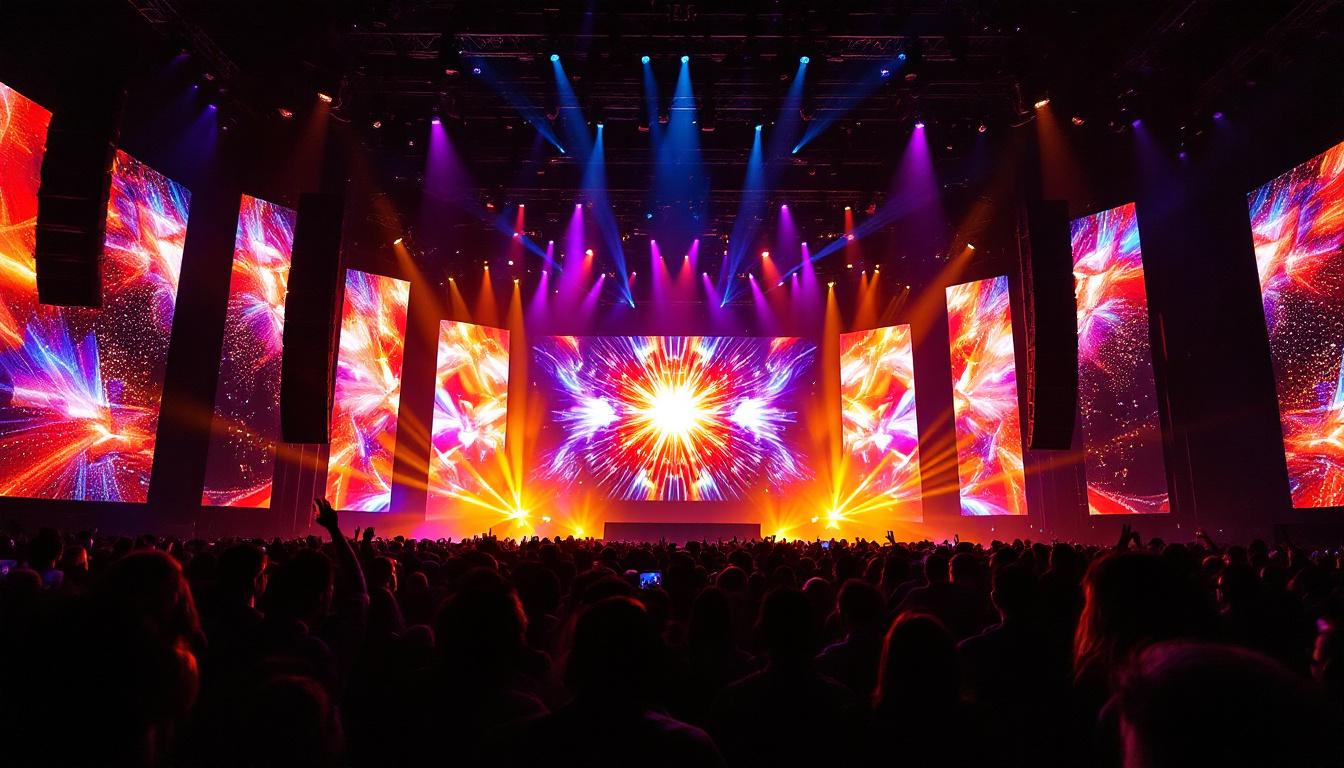
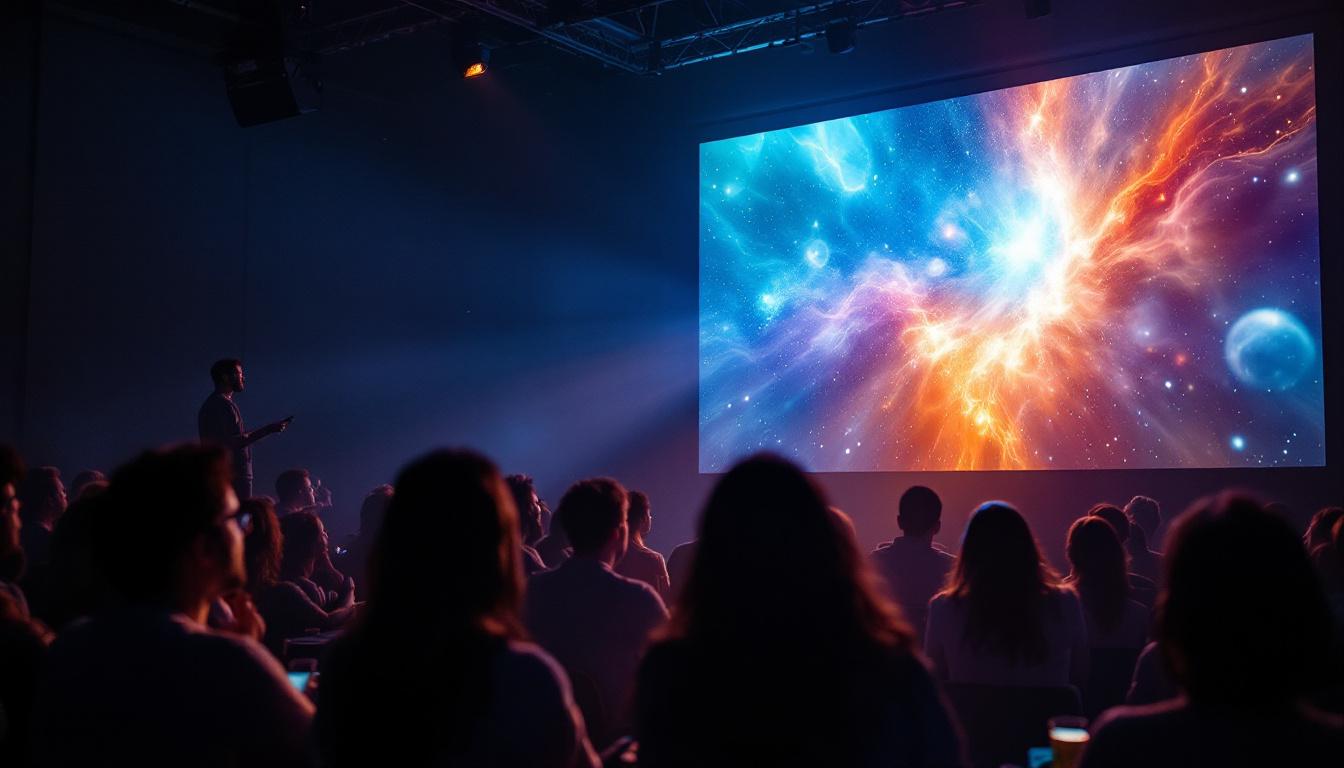
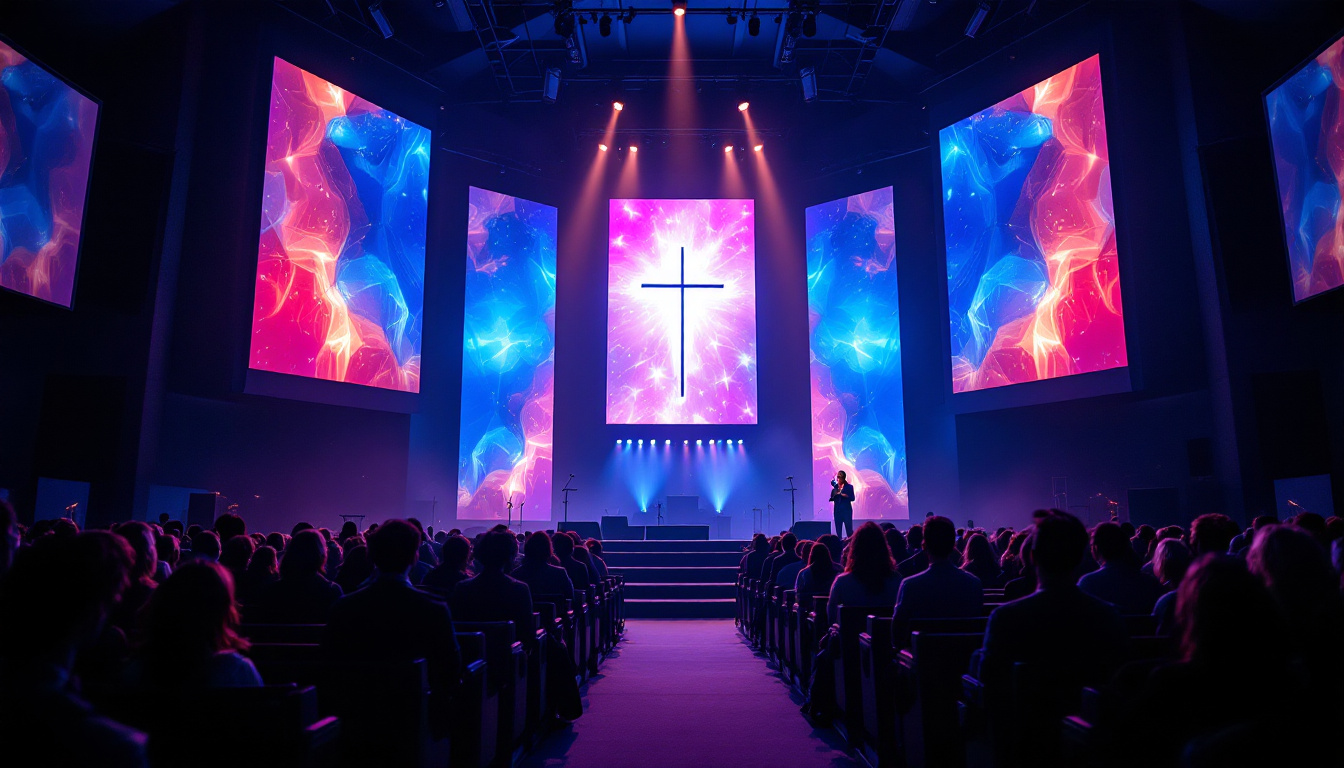
Concerts, sports arenas, and festivals leverage massive LED walls to provide high-definition visuals, live feeds, and interactive elements that captivate audiences. Their scalability allows for impressive stage backdrops and immersive environments.
Public Spaces and Transportation Hubs
Airports, train stations, and urban centers utilize LED media walls for wayfinding, advertising, and public information displays. Their high visibility and adaptability make them effective tools for communication in busy environments.
Advertising and Digital Signage
LED media walls are a staple in outdoor advertising, offering bright, eye-catching displays that outperform traditional billboards. The ability to update content instantly allows advertisers to run targeted campaigns and respond to market trends swiftly.
Challenges and Considerations
While LED media walls offer numerous advantages, there are challenges to address during planning and implementation.
Cost and Budgeting
Initial investment in LED media walls can be substantial, including hardware, installation, and content creation. However, the long-term benefits of durability, energy efficiency, and dynamic content often justify the expense.
Maintenance and Technical Support
Regular maintenance is essential to ensure optimal performance. This includes cleaning, firmware updates, and occasional module replacements. Partnering with experienced providers who offer technical support can mitigate downtime and extend the display’s lifespan.
Content Strategy
Effective use of a media wall requires a well-planned content strategy. Poorly designed or irrelevant content can diminish impact and waste resources. Investing in professional content creation and scheduling enhances audience engagement.
Future Trends in LED Media Walls
The LED display industry continues to evolve rapidly, driven by technological advancements and changing user expectations.
MicroLED and MiniLED Technologies
Emerging MicroLED and MiniLED technologies promise even higher resolution, better color accuracy, and improved energy efficiency. These innovations will enable thinner, lighter, and more flexible media walls.
Interactive and Immersive Experiences
Integration with sensors, augmented reality (AR), and artificial intelligence (AI) is creating interactive media walls that respond to audience behavior and environmental cues, enhancing engagement and personalization.
Smart Integration and IoT Connectivity
Future media walls will increasingly connect with Internet of Things (IoT) devices, enabling real-time data visualization, environmental monitoring, and seamless integration with smart building systems.
Conclusion
Building a media wall with LED display technology offers a powerful way to communicate, engage, and captivate audiences across diverse environments. Understanding the technology, selecting the right components, and planning carefully are key to creating impactful installations that deliver long-term value.
As LED technology advances, media walls will become even more versatile and immersive, opening new possibilities for creativity and interaction. Whether for corporate branding, entertainment, public information, or advertising, LED media walls represent a dynamic medium that continues to shape the future of visual communication.
Illuminate Your Space with LumenMatrix
Ready to transform your environment with a captivating LED media wall? LumenMatrix is at the forefront of LED display innovation, offering a diverse range of solutions tailored to your unique needs. From Indoor and Outdoor LED Wall Displays to specialized options like Vehicle, Sports, and Floor LED Displays, our mission is to revolutionize your visual storytelling. Elevate your brand’s presence and create immersive experiences with our cutting-edge technology. Check out LumenMatrix LED Display Solutions today and step into the future of visual communication.