In the world of sports and event management, the scoreboard is an essential element that keeps fans, players, and officials informed in real-time. Modern scoreboards have evolved far beyond the traditional manual flip boards, embracing advanced technologies such as LED displays. This article explores the intricacies of LED scoreboards, their technology, advantages, and why they have become the preferred choice for venues worldwide.
Understanding LED Technology in Scoreboards
LED, or Light Emitting Diode, technology has revolutionized the way information is displayed in various applications, including scoreboards. Unlike older systems that relied on incandescent bulbs or mechanical digits, LED displays utilize semiconductor diodes that emit light when an electric current passes through them. This fundamental shift has brought about several improvements in visibility, durability, and energy efficiency.
How LED Displays Work
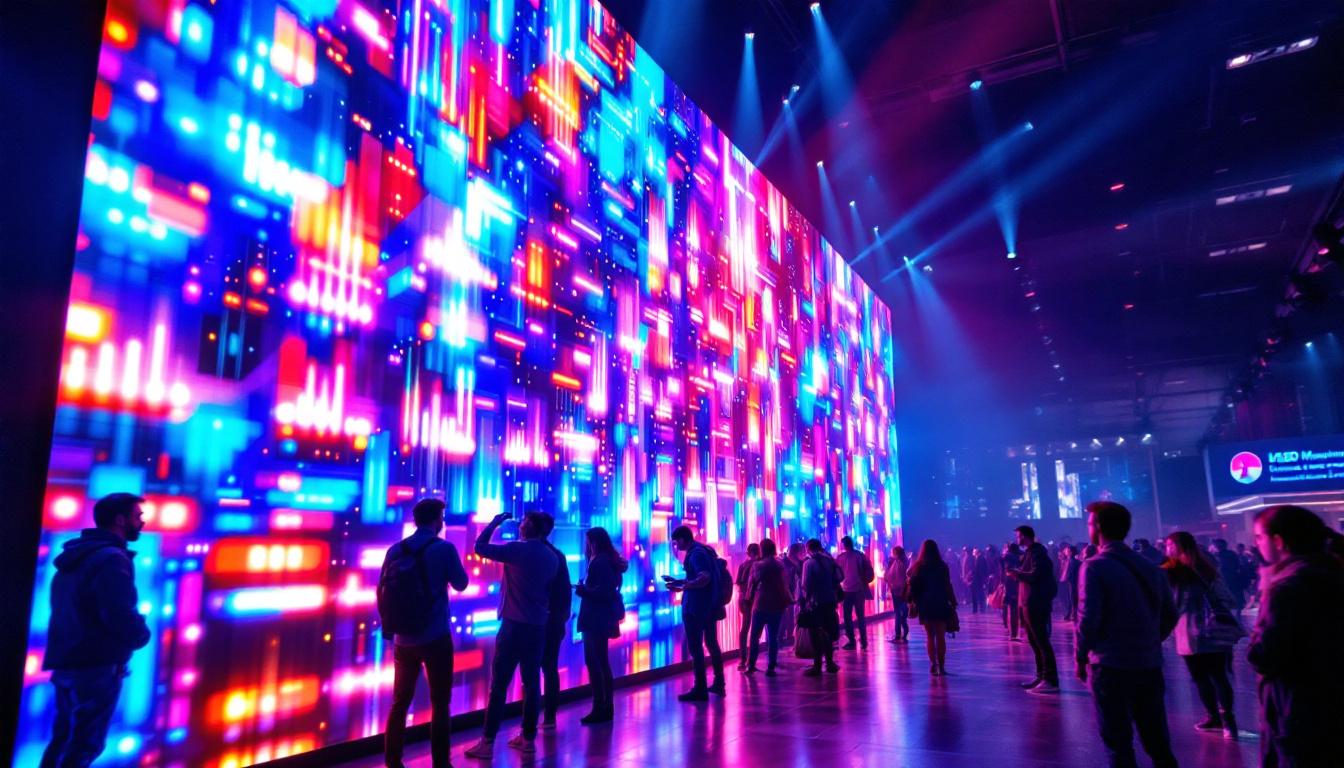
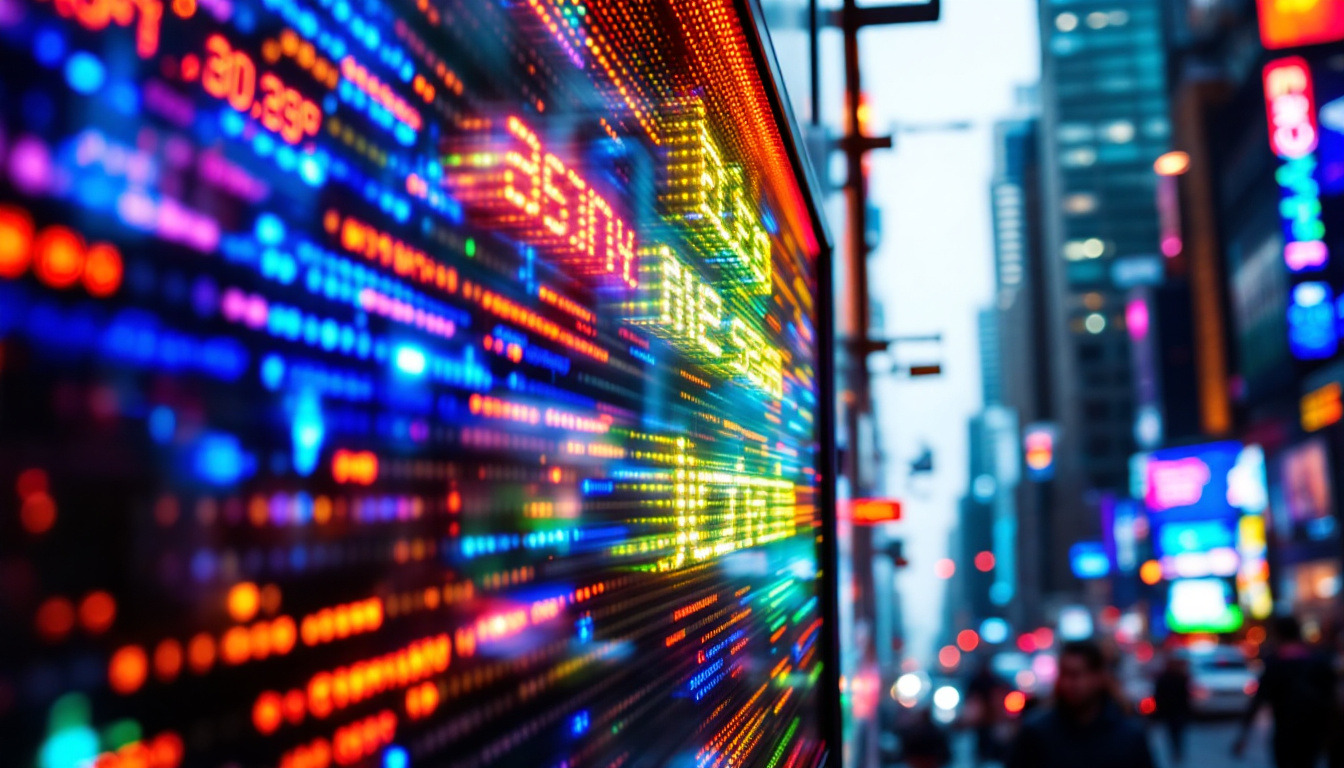
LED displays are composed of numerous tiny diodes arranged in a matrix. Each diode acts as a pixel, and by controlling the brightness and color of these pixels, the display can show numbers, letters, and even complex graphics. For scoreboards, this means clear, bright, and dynamic presentations that can be easily seen from long distances and under various lighting conditions.
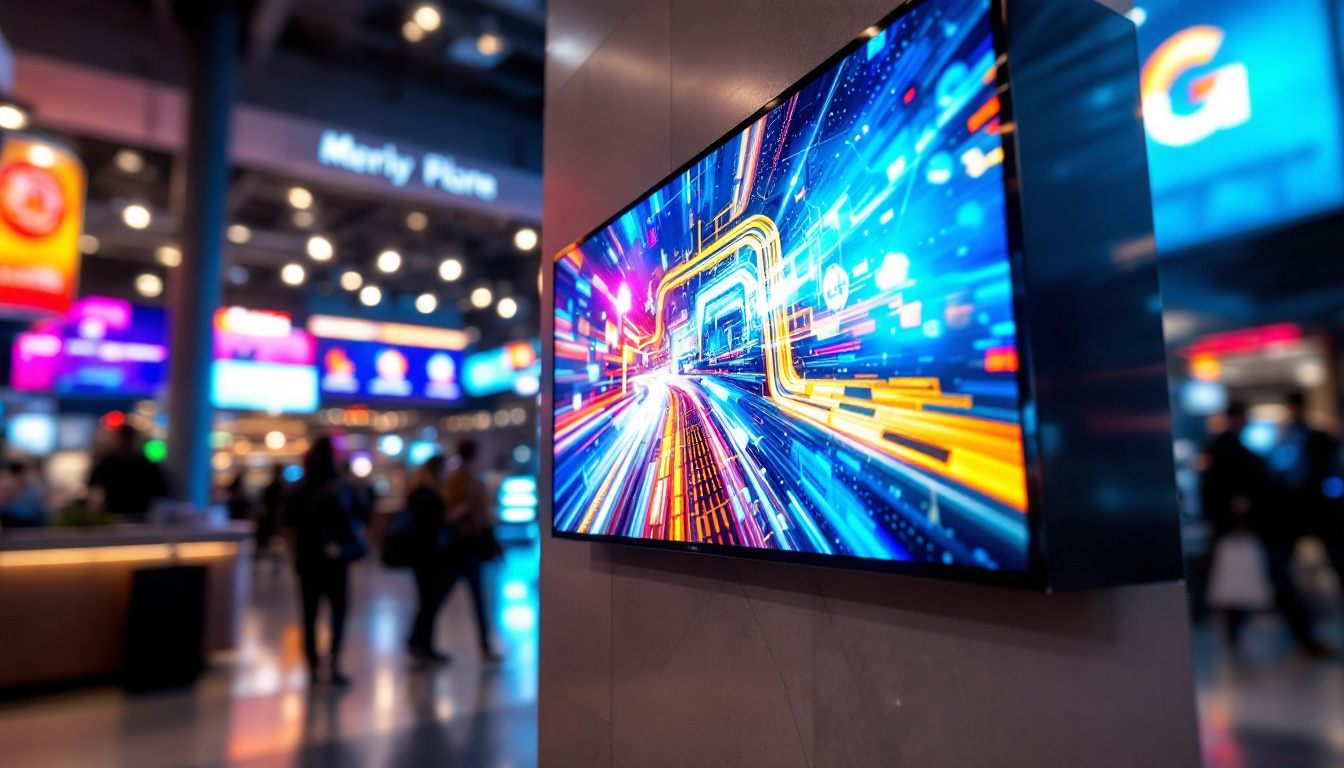
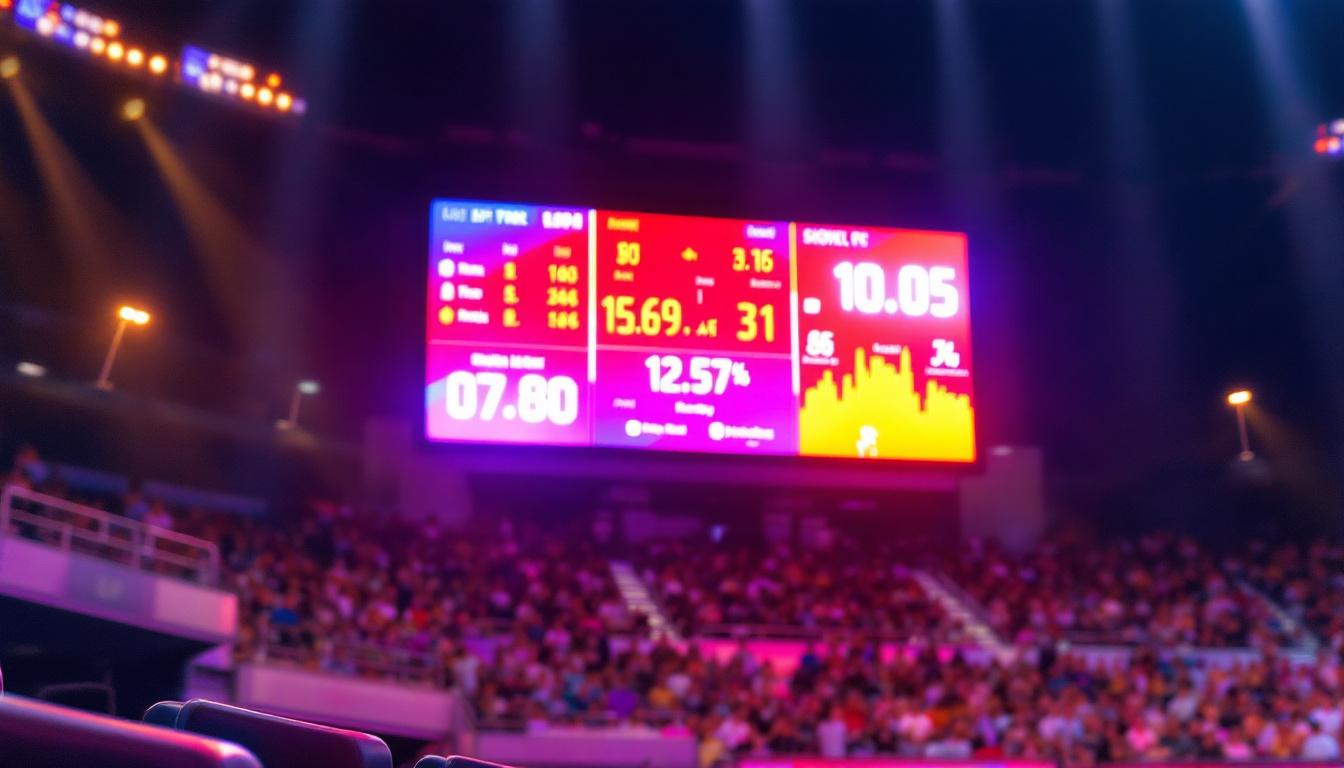
Modern LED scoreboards often use full-color RGB (red, green, blue) LEDs, allowing for a wide range of colors and effects. This capability enhances the visual appeal and allows for the display of additional information such as team logos, animations, and advertisements alongside the score. The ability to incorporate live video feeds and replays is another significant advantage, as it keeps fans engaged and enhances the overall game-day experience.
Types of LED Scoreboards
There are several types of LED scoreboards tailored to different sporting environments and requirements:
- Single-Color LED Scoreboards: Typically use red LEDs and are common in smaller venues or for basic score and timer displays.
- Dual-Color LED Scoreboards: Combine two colors, often red and green or red and amber, to differentiate between teams or display additional information.
- Full-Color LED Scoreboards: Utilize RGB LEDs to show vibrant graphics, animations, and video content, suitable for large stadiums and multi-purpose venues.
In addition to these types, LED scoreboards can also vary in size and resolution, catering to different audience sizes and viewing distances. For instance, a high-resolution scoreboard is essential for large arenas where spectators may be seated far from the display, ensuring that every detail is legible. Furthermore, advancements in technology have led to the development of modular scoreboards, which allow for customization and scalability. This means that venues can start with a smaller display and expand as their needs grow, making LED scoreboards a flexible investment for sports facilities.
Moreover, the integration of smart technology into LED scoreboards is becoming increasingly popular. Many modern scoreboards can connect to mobile apps, allowing fans to receive real-time updates, statistics, and notifications directly on their devices. This interactivity not only enhances the spectator experience but also opens up new avenues for sponsorship and advertising, as brands can engage with audiences in more dynamic ways. As LED technology continues to evolve, the possibilities for scoreboard applications are virtually limitless, promising an exciting future for sports entertainment.
Advantages of LED Scoreboards Over Traditional Displays
LED scoreboards offer numerous benefits compared to traditional display methods, making them the preferred choice for sports arenas, schools, and event organizers.
Enhanced Visibility and Brightness
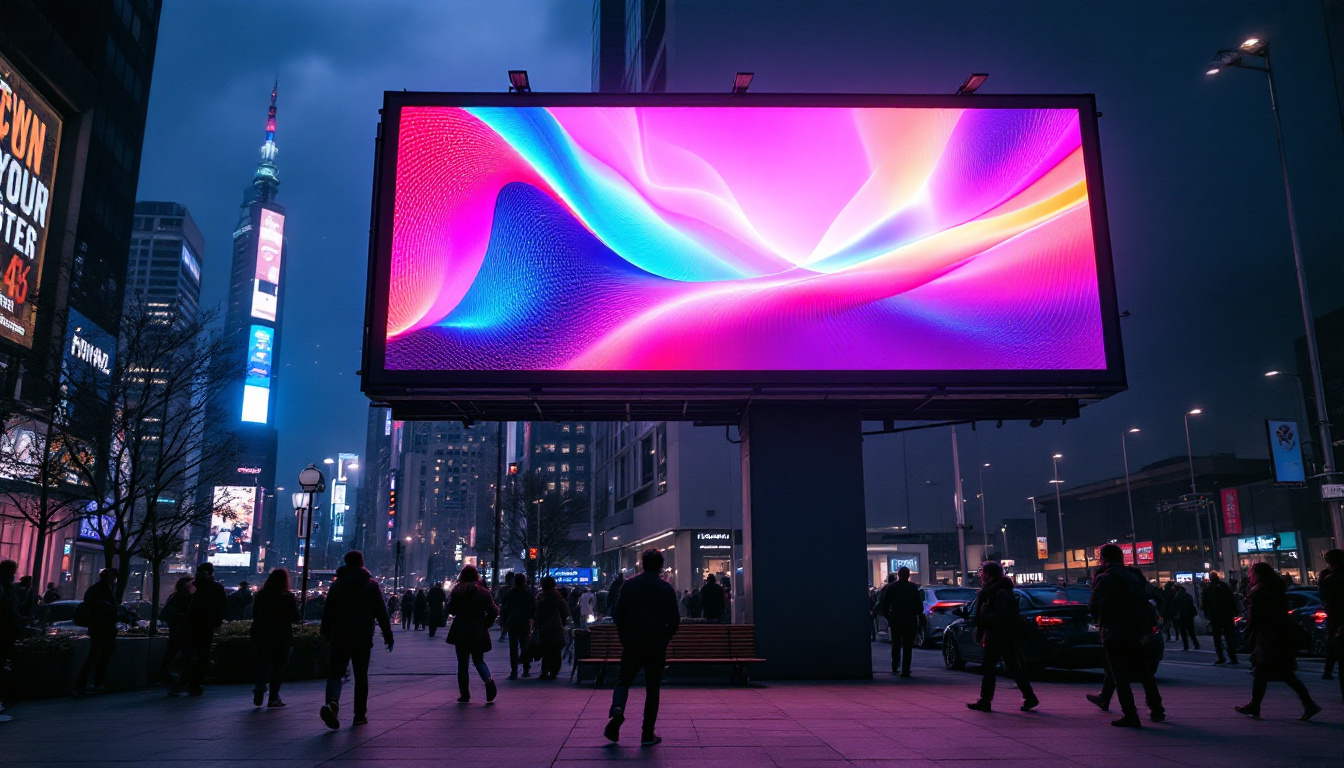
One of the most significant advantages of LED scoreboards is their superior brightness. LEDs can produce intense light that remains visible even in direct sunlight, a crucial factor for outdoor sports venues. This brightness ensures that spectators can easily read scores and other information from great distances, improving the overall experience.
Additionally, LED displays have excellent contrast ratios, making the digits and graphics stand out sharply against the background. This clarity reduces confusion and helps officials, players, and fans stay informed without straining their eyes. The ability to adjust brightness levels dynamically based on ambient light conditions further enhances visibility, ensuring that the scoreboard remains effective in varying environments, from bright sunny days to dimly lit indoor arenas.
Durability and Longevity
LEDs are solid-state devices with no fragile filaments or moving parts, which makes them highly durable. They can withstand harsh weather conditions, including rain, snow, and extreme temperatures, without significant degradation. This robustness translates to lower maintenance costs and longer service life compared to incandescent or fluorescent-based scoreboards.
On average, LED modules can last between 50,000 to 100,000 hours, depending on usage and environmental conditions. This longevity ensures that venues can rely on their scoreboard for many seasons without needing frequent replacements. Furthermore, the materials used in LED construction are often resistant to corrosion and UV damage, which means that even exposure to the elements will not compromise their performance or aesthetic appeal over time.
Energy Efficiency and Cost Savings
LED technology is known for its energy efficiency. Compared to traditional lighting methods, LEDs consume significantly less power to produce the same level of brightness. This efficiency results in reduced operating costs, especially for large scoreboards that remain on for extended periods during events.
Moreover, the lower heat output of LEDs reduces the need for additional cooling systems, further decreasing energy expenses and enhancing sustainability. This energy efficiency not only benefits the venue’s budget but also contributes to a smaller carbon footprint, aligning with the growing emphasis on environmentally friendly practices in sports and entertainment. Many organizations are now prioritizing sustainable solutions, and the adoption of LED technology is a significant step in that direction.
Flexibility and Customization
LED scoreboards offer unparalleled flexibility in terms of display content. Beyond just showing scores and timers, they can present player statistics, team logos, sponsor advertisements, and even live video feeds. This versatility allows venues to enhance fan engagement and generate additional revenue through advertising.
Control systems for LED scoreboards are often user-friendly, with software interfaces that allow operators to update information quickly and customize displays for different sports or events. This adaptability is particularly valuable for multi-use arenas that host various types of competitions and entertainment. Additionally, the ability to program animations and special effects can create an electrifying atmosphere during games, captivating audiences and enhancing the overall entertainment value. As technology continues to evolve, the integration of interactive features, such as social media feeds and fan polls, is becoming increasingly common, further enriching the spectator experience.
Applications of LED Scoreboards in Sports and Beyond
While LED scoreboards are most commonly associated with sports, their applications extend to a variety of settings where real-time information display is critical.
Sports Venues
From local high school gyms to professional stadiums, LED scoreboards are integral to sports events. They provide real-time scoring updates for sports such as basketball, football, soccer, baseball, and hockey. The ability to display timers, fouls, player statistics, and instant replays enhances the spectator experience and aids officials in game management.
Major sports leagues around the world, including the NBA, NFL, and FIFA, have adopted LED technology for their scoreboards and video boards, recognizing the importance of clear and dynamic displays in engaging global audiences.
Event and Concert Venues
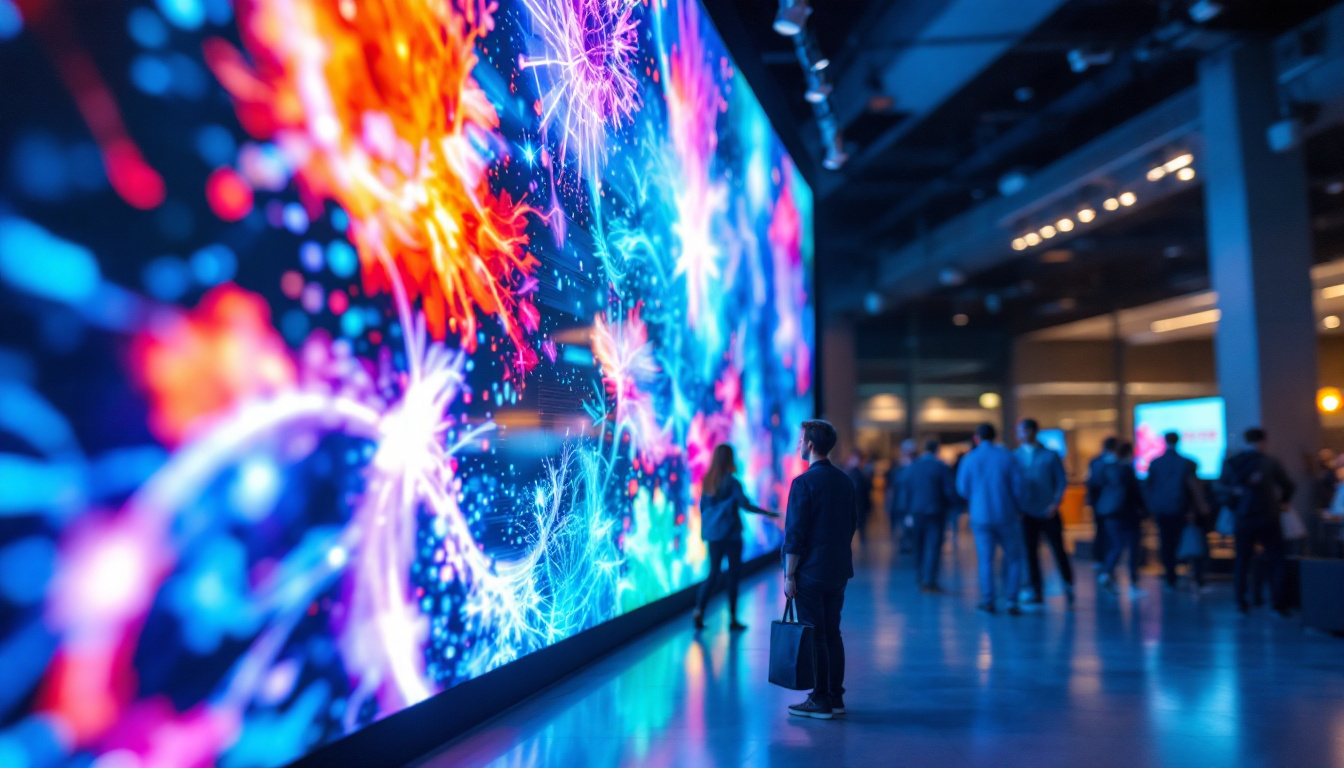
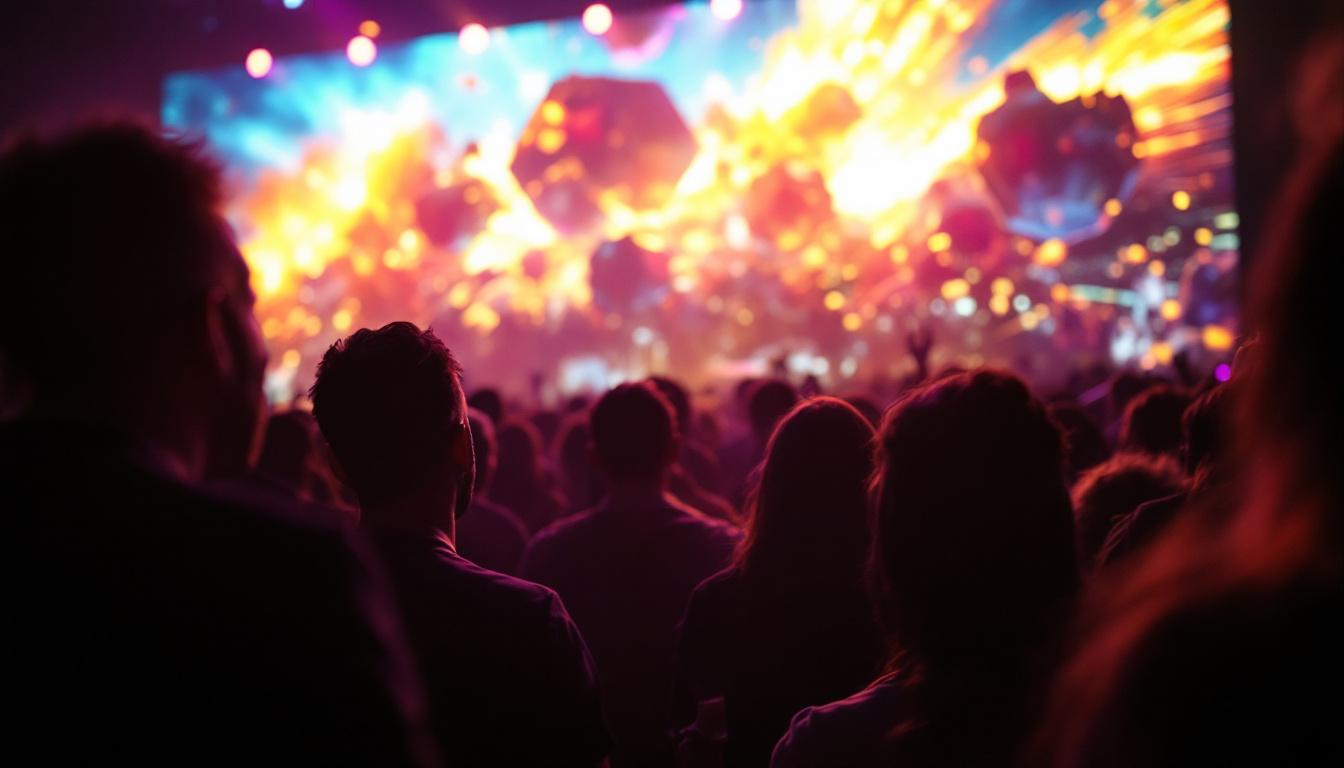
Beyond sports, LED displays are used in concert halls, convention centers, and outdoor festivals to provide event information, schedules, and promotional content. Their bright and vivid presentation ensures visibility even in crowded or dimly lit environments.
Educational Institutions
Schools and universities utilize LED scoreboards not only for athletic events but also for assemblies and other gatherings. The ability to quickly update information and customize messages makes LED displays a valuable communication tool on campuses.
Choosing the Right LED Scoreboard for Your Venue
Selecting an LED scoreboard involves considering several factors to ensure it meets the specific needs of the venue and its audience.
Size and Viewing Distance
The physical size of the scoreboard and the size of the LED pixels (pixel pitch) determine how far away the display can be read clearly. Larger venues require bigger scoreboards with smaller pixel pitches to maintain clarity at long distances. Conversely, smaller gyms or community fields can opt for more compact displays with larger pixels.
Brightness and Environmental Conditions
Outdoor scoreboards must have higher brightness levels to combat sunlight glare, while indoor scoreboards can operate at lower brightness to avoid overwhelming viewers. Weatherproofing and durability features are also critical for outdoor installations to ensure longevity.
Functionality and Features
Consider the types of sports and events the scoreboard will support. Basic models may only show scores and timers, while advanced systems can display animations, video replays, and advertisements. Integration with other technologies, such as sound systems and instant replay cameras, can further enhance functionality.
Budget and Maintenance
While LED scoreboards can represent a significant investment, their long-term cost savings in energy and maintenance often justify the initial expense. It is important to factor in installation costs, software licenses, and potential future upgrades when budgeting.
Future Trends in LED Scoreboard Technology
The evolution of LED technology continues to shape the future of scoreboards, with innovations aimed at improving performance and interactivity.
Higher Resolution and Pixel Density
Advancements in LED manufacturing are enabling higher resolution displays with finer pixel pitches. This improvement allows scoreboards to show more detailed graphics and video content, rivaling the quality of television screens and enhancing the fan experience.
Interactive and Smart Displays
Emerging technologies are integrating touchscreens and sensor-based interactivity into LED displays. Such features could allow fans to interact with the scoreboard, access real-time statistics on their mobile devices, or customize the information shown during events.
Energy Harvesting and Sustainability
Efforts to reduce the environmental impact of large LED installations include the development of energy-harvesting technologies and the use of recyclable materials. Solar-powered scoreboards and systems that adjust brightness based on ambient light are becoming more common.
Conclusion
LED scoreboards represent a significant advancement in the way sports and event information is communicated to audiences. Their superior brightness, durability, energy efficiency, and versatility make them indispensable in modern venues. As technology continues to evolve, LED displays will offer even more immersive and interactive experiences, enhancing fan engagement and operational efficiency.
For venue managers, event organizers, and sports professionals, understanding the capabilities and benefits of LED scoreboards is crucial to making informed decisions that align with their needs and budgets. Investing in quality LED display technology not only elevates the spectator experience but also contributes to the long-term success and sustainability of the venue.
Discover the Future of LED Displays with LumenMatrix
Ready to elevate your venue’s experience with the latest in LED display technology? Look no further than LumenMatrix, a pioneer in creating immersive visual experiences that captivate and engage. From vibrant Indoor and Outdoor LED Wall Displays to innovative solutions like Vehicle LED Displays, LED Posters, and LED Sports Displays, LumenMatrix offers a wide range of products designed to revolutionize the way you communicate with your audience. Embrace the future of visual storytelling and check out LumenMatrix LED Display Solutions today to see how we can transform your space and bring your vision to life.