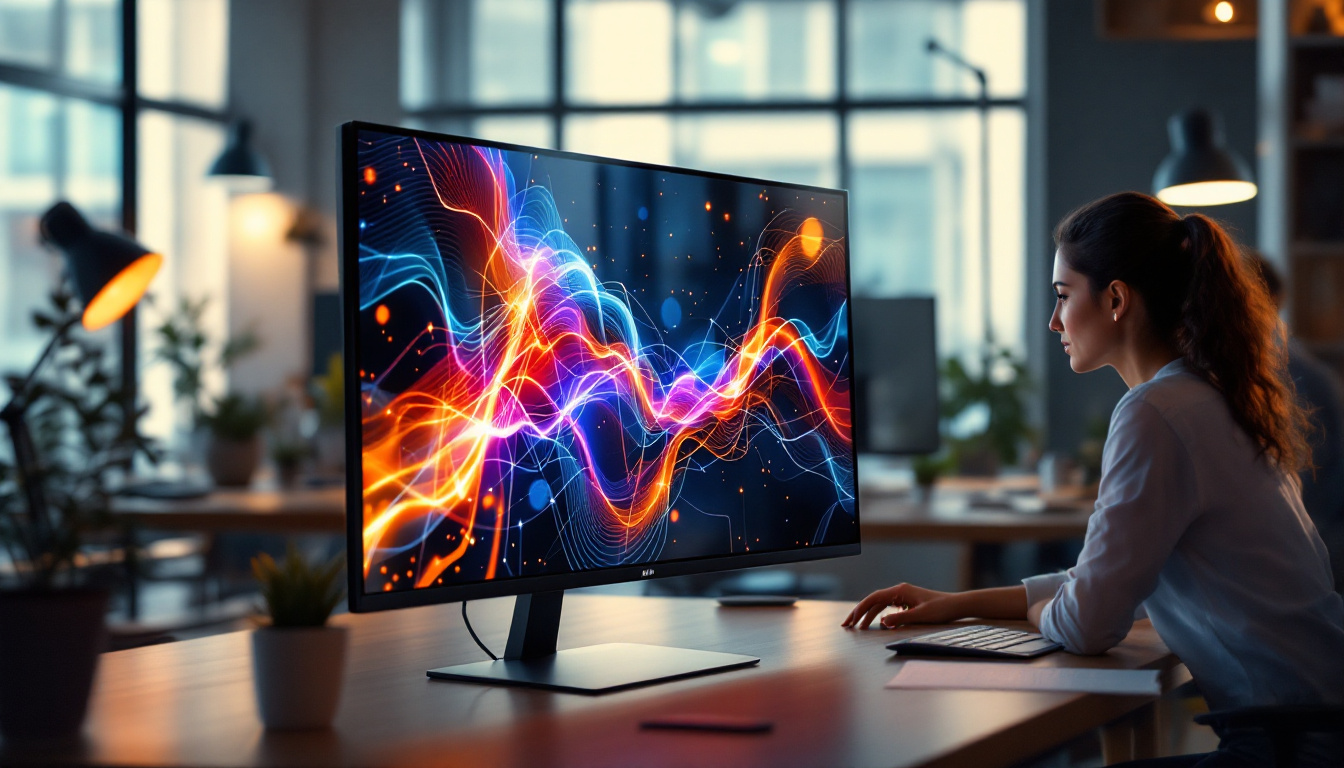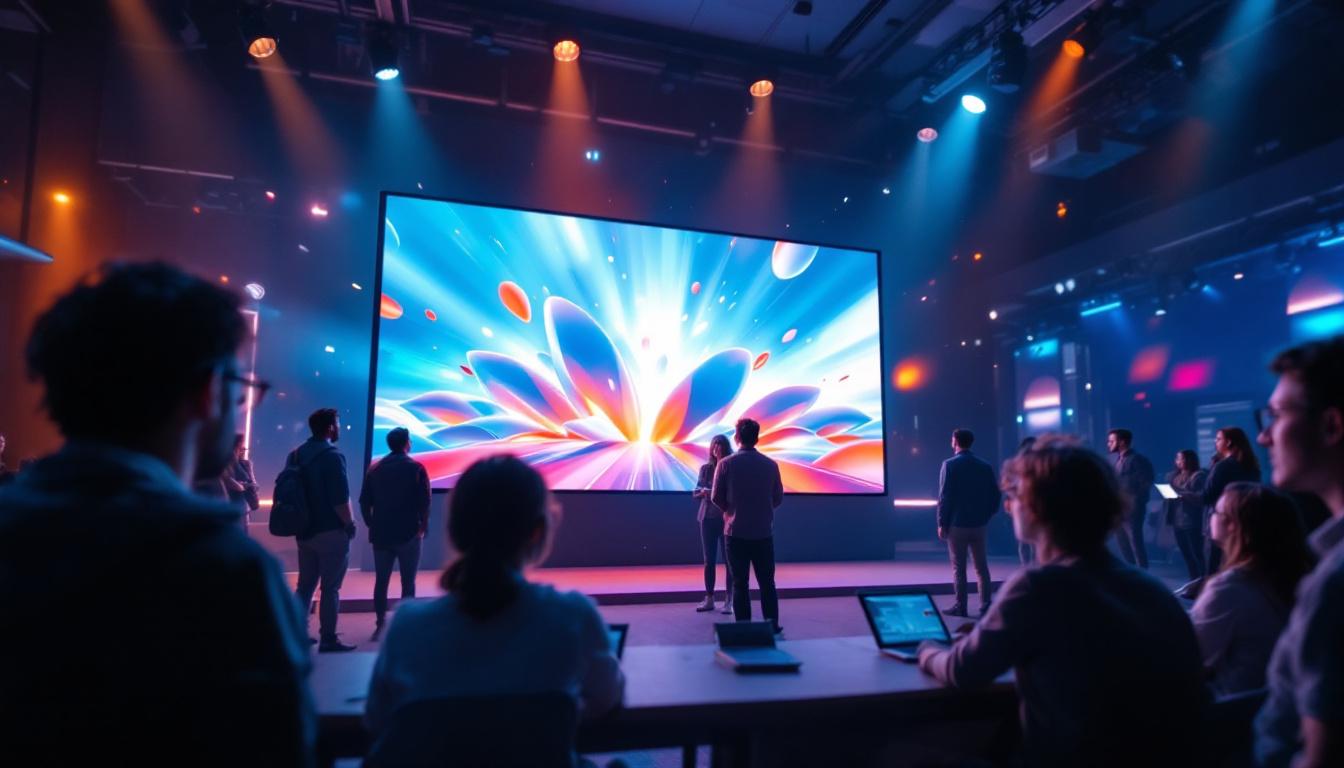
In today’s fast-paced digital world, businesses and organizations are constantly seeking innovative ways to capture attention and communicate effectively with their audiences. Indoor digital signage, particularly LED displays, has emerged as a powerful tool to transform interior spaces into dynamic, engaging environments. This article explores the fundamentals of indoor LED digital signage, its advantages, technology, applications, and best practices to help you understand why it’s becoming an essential element in modern communication strategies.
What is Indoor Digital Signage?
Indoor digital signage refers to electronic displays used inside buildings to present multimedia content such as advertisements, information, entertainment, and interactive experiences. Unlike traditional static signs, digital signage allows for real-time updates, dynamic visuals, and interactive capabilities, making it highly versatile.
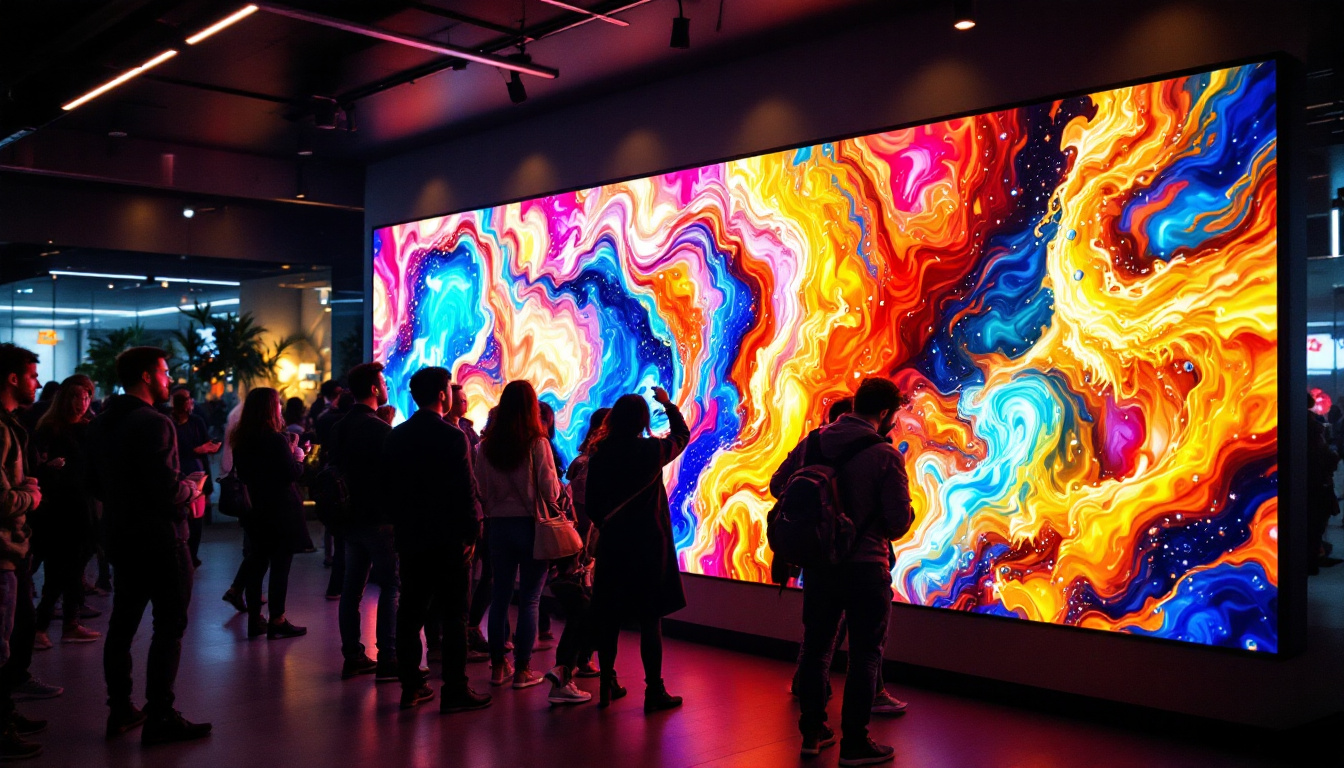
LED (Light Emitting Diode) displays are one of the most popular types of screens used for indoor digital signage. These displays consist of numerous tiny LEDs that emit light to form images and videos. Their brightness, color accuracy, and ability to display high-resolution content make them ideal for indoor environments such as retail stores, corporate offices, airports, hospitals, and entertainment venues.
The Rise of Digital Signage in Indoor Spaces
The global digital signage market is projected to grow at a compound annual growth rate (CAGR) of over 8% from 2023 to 2028, driven by increasing demand for interactive and visually appealing communication tools. Indoor digital signage, in particular, is experiencing rapid adoption due to its ability to enhance customer engagement and improve operational efficiency.
Businesses are leveraging indoor LED displays to create immersive brand experiences, provide wayfinding solutions, and deliver timely information. This trend is supported by advancements in LED technology, falling costs, and the growing importance of digital transformation across industries.
Moreover, the integration of artificial intelligence and machine learning into digital signage systems is revolutionizing how businesses interact with their customers. These technologies enable personalized content delivery based on real-time data, such as customer demographics and behavior patterns. For instance, a retail store might display tailored promotions on its digital signage based on the time of day or the specific audience present, thereby maximizing engagement and driving sales. This level of customization not only enhances the customer experience but also provides businesses with valuable insights into consumer preferences.
Additionally, the rise of cloud-based digital signage solutions is simplifying the management and deployment of content across multiple locations. Businesses can now update their signage remotely, ensuring that all displays reflect the latest information without the need for on-site intervention. This flexibility is particularly beneficial for franchises and multi-location operations, allowing for consistent messaging and branding while adapting to local market conditions. As a result, indoor digital signage is not just a tool for communication; it has become a strategic asset that can significantly influence a brand’s success in a competitive landscape.
Understanding LED Display Technology
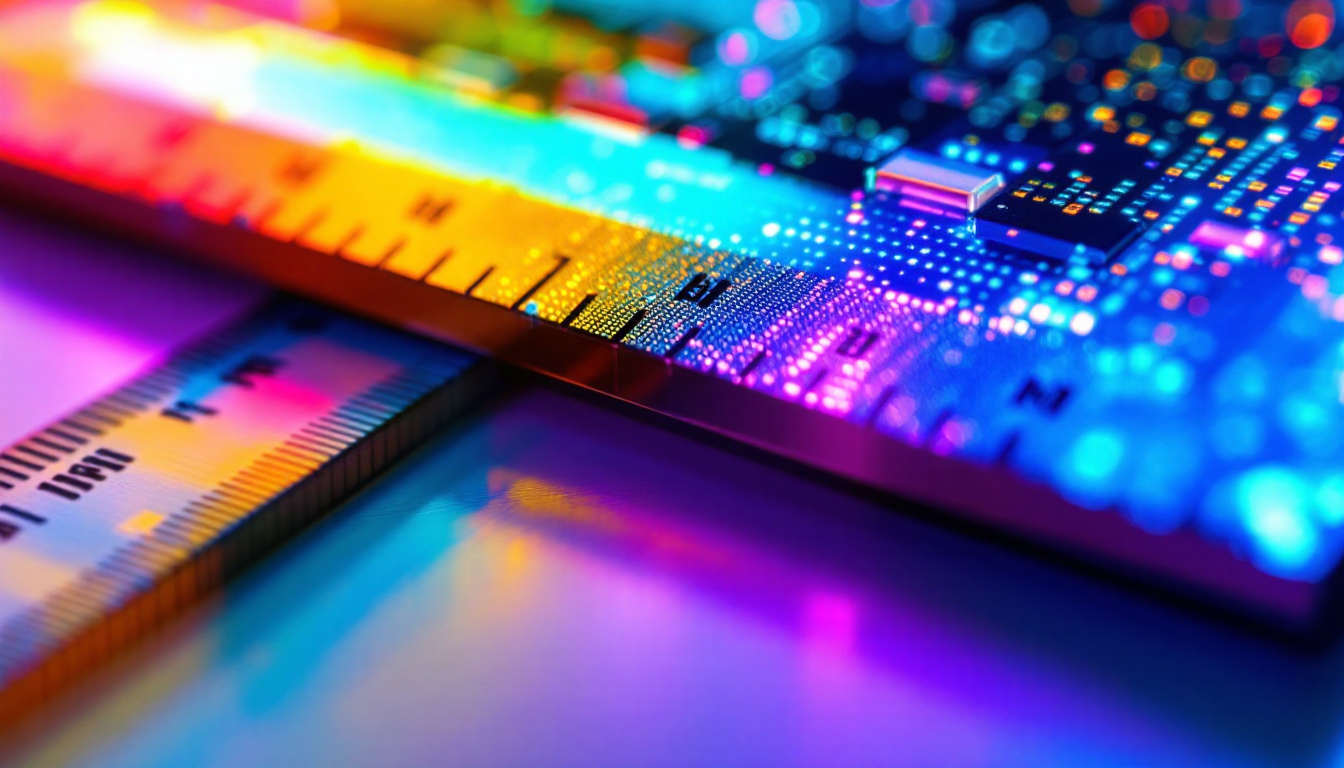
LED displays are composed of tiny light-emitting diodes arranged in a grid to form pixels. Each pixel can emit red, green, and blue light, which combine to produce a full spectrum of colors. The technology behind LED displays offers several advantages over other display types like LCD or projection screens.
Key Components of LED Displays
At the heart of an LED display are the individual diodes, which are semiconductor devices that emit light when an electric current passes through them. These diodes are grouped into pixels, and each pixel contains sub-pixels for red, green, and blue light. By adjusting the intensity of each sub-pixel, the display can render millions of colors.
The display panel itself is made up of modules that can be combined to create screens of various sizes and resolutions. The control system manages the input content and synchronizes the pixels to produce smooth, vibrant images and videos.
Types of Indoor LED Displays
Indoor LED displays come in several varieties, each suited for different applications:
- Direct View LED (DV-LED): These displays use LEDs as the pixels themselves, offering excellent brightness and color accuracy. They are commonly used in large-format installations such as video walls.
- MicroLED: A newer technology featuring tiny LEDs that deliver superior resolution and energy efficiency. MicroLED is gaining traction for high-end indoor signage but is still relatively expensive.
- LED-backlit LCD: While not purely LED displays, these use LED lighting behind an LCD panel. They are more affordable but generally offer lower brightness and contrast compared to direct-view LEDs.
Advantages of Indoor LED Digital Signage
Choosing LED displays for indoor digital signage offers numerous benefits that make them a preferred choice for a variety of settings.
Superior Visual Performance
LED displays provide exceptional brightness levels, which is crucial for visibility in well-lit indoor environments. They also deliver vibrant colors and deep blacks, enhancing the overall image quality and making content more engaging. This high visual impact is essential for capturing attention in busy spaces like shopping malls or transportation hubs.
Flexibility and Scalability
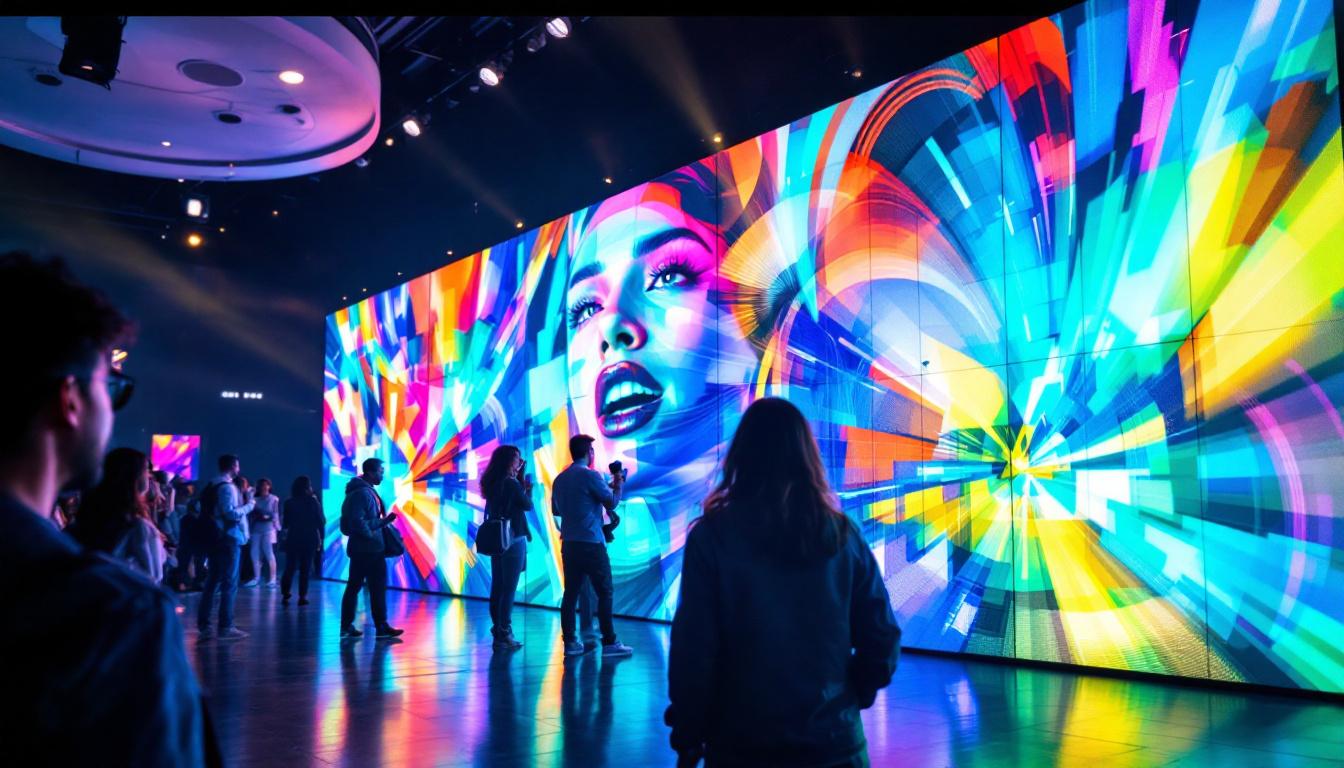
LED modules can be configured into virtually any size or shape, allowing businesses to design custom digital signage solutions that fit their unique spaces and branding requirements. Whether it’s a small menu board or a massive video wall, LED displays can be scaled accordingly without compromising image quality.
Durability and Longevity
LED technology is known for its long lifespan, often exceeding 100,000 hours of operation. This durability reduces maintenance costs and downtime, making LED displays a cost-effective investment over time. Additionally, LEDs are resistant to shock and vibration, which is beneficial in high-traffic indoor environments.
Energy Efficiency
Compared to other display technologies, LEDs consume less power while delivering brighter images. This energy efficiency translates into lower operating costs and aligns with sustainability goals, an increasingly important consideration for many organizations.
Common Applications of Indoor LED Digital Signage
Indoor LED displays are versatile and can be tailored to suit a wide range of applications across different industries.
Retail and Hospitality
Retailers use LED signage to showcase promotions, new products, and brand stories. Dynamic content can influence purchasing decisions by highlighting special offers or creating immersive brand experiences. Hotels and restaurants employ LED displays for digital menus, event announcements, and wayfinding, enhancing customer convenience and satisfaction.
Corporate Environments
In offices and corporate lobbies, LED signage serves as a communication platform for internal messaging, visitor information, and branding. Video walls in conference rooms facilitate presentations and collaborative work, improving productivity and engagement.
Transportation Hubs
Airports, train stations, and bus terminals rely on LED displays to provide real-time schedules, safety information, and advertising. The high visibility and reliability of LEDs ensure passengers receive accurate and timely updates.
Healthcare Facilities
Hospitals and clinics use indoor LED signage to guide patients, display health tips, and share important announcements. Clear, bright displays help reduce confusion and improve the overall patient experience.
Design and Implementation Considerations
Successfully deploying indoor LED digital signage requires careful planning and attention to several factors to maximize impact and ROI.
Resolution and Pixel Pitch
Pixel pitch—the distance between the centers of two adjacent pixels—directly affects image clarity. For indoor environments where viewers are close to the screen, a smaller pixel pitch (e.g., 1.2mm to 2.5mm) ensures sharp, detailed images. Selecting the appropriate resolution based on viewing distance is critical to avoid pixelation and maintain visual quality.
Brightness and Ambient Light
Indoor LED displays must be bright enough to compete with ambient lighting but not so bright as to cause discomfort. Most indoor LEDs offer brightness levels between 800 and 1,500 nits, which is sufficient for typical indoor settings. Adjustability features allow brightness to be tuned according to the environment and time of day.
Content Management Systems (CMS)
A robust CMS is vital for managing and scheduling content across multiple displays. Modern CMS platforms offer user-friendly interfaces, remote control, and integration with data sources to deliver personalized and dynamic content. Investing in a scalable CMS simplifies content updates and enhances operational efficiency.
Installation and Maintenance
Proper installation ensures optimal viewing angles, secure mounting, and compliance with safety standards. Additionally, planning for easy access to the display for maintenance and repairs minimizes downtime. Many LED displays feature modular designs that allow quick replacement of faulty components.
Future Trends in Indoor LED Digital Signage
The indoor digital signage landscape continues to evolve, driven by technological advancements and changing user expectations.
Interactive and Touch-enabled Displays
Interactive LED signage is gaining popularity, enabling users to engage directly with content through touch or gesture controls. This interactivity enhances customer experiences in retail, museums, and corporate settings by providing personalized information and entertainment.
Integration with Artificial Intelligence (AI)
AI-powered digital signage can analyze audience demographics, behaviors, and preferences to deliver targeted content in real-time. For example, facial recognition and sensors can adjust advertisements based on the viewer’s age or gender, increasing relevance and effectiveness.
Higher Resolution and MicroLED Adoption
As MicroLED technology matures, it promises even higher resolution, better color accuracy, and improved energy efficiency. This will enable ultra-high-definition indoor displays suitable for premium applications such as luxury retail and immersive entertainment.
Eco-friendly and Sustainable Solutions
Environmental concerns are driving demand for sustainable digital signage solutions. Manufacturers are focusing on recyclable materials, reduced power consumption, and longer-lasting components to minimize ecological impact.
Conclusion
Indoor digital signage using LED displays represents a significant advancement in how organizations communicate with their audiences. Offering superior visual quality, flexibility, durability, and energy efficiency, LED displays are transforming indoor spaces into vibrant, interactive environments. Whether for retail, corporate, healthcare, or transportation applications, understanding the technology and best practices behind indoor LED signage is essential for maximizing its benefits.
As the technology continues to evolve, embracing innovations such as interactivity, AI integration, and sustainable design will further enhance the impact of indoor digital signage. Investing in LED displays today positions businesses and institutions to engage audiences more effectively and stay ahead in an increasingly digital world.
Explore Cutting-Edge LED Solutions with LumenMatrix
Ready to elevate your indoor space with the latest in LED display technology? LumenMatrix is at the forefront of innovation, offering a diverse range of LED display solutions tailored to meet your specific needs. From captivating Indoor LED Wall Displays to versatile All-in-One LED Displays and beyond, our mission is to transform your visual communication strategy with displays that engage, captivate, and leave a lasting impression. Don’t miss the opportunity to enhance your brand’s visibility and impact. Check out LumenMatrix LED Display Solutions today and step into the future of digital signage.