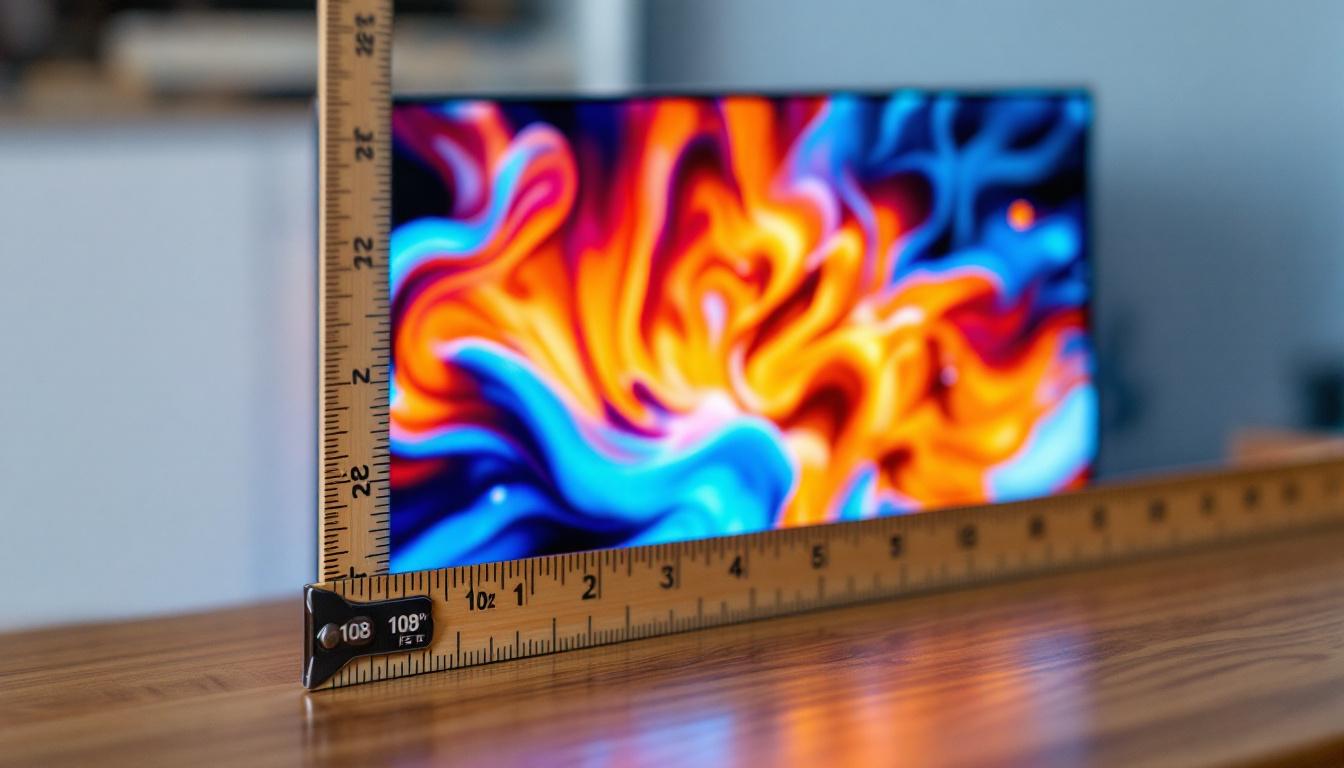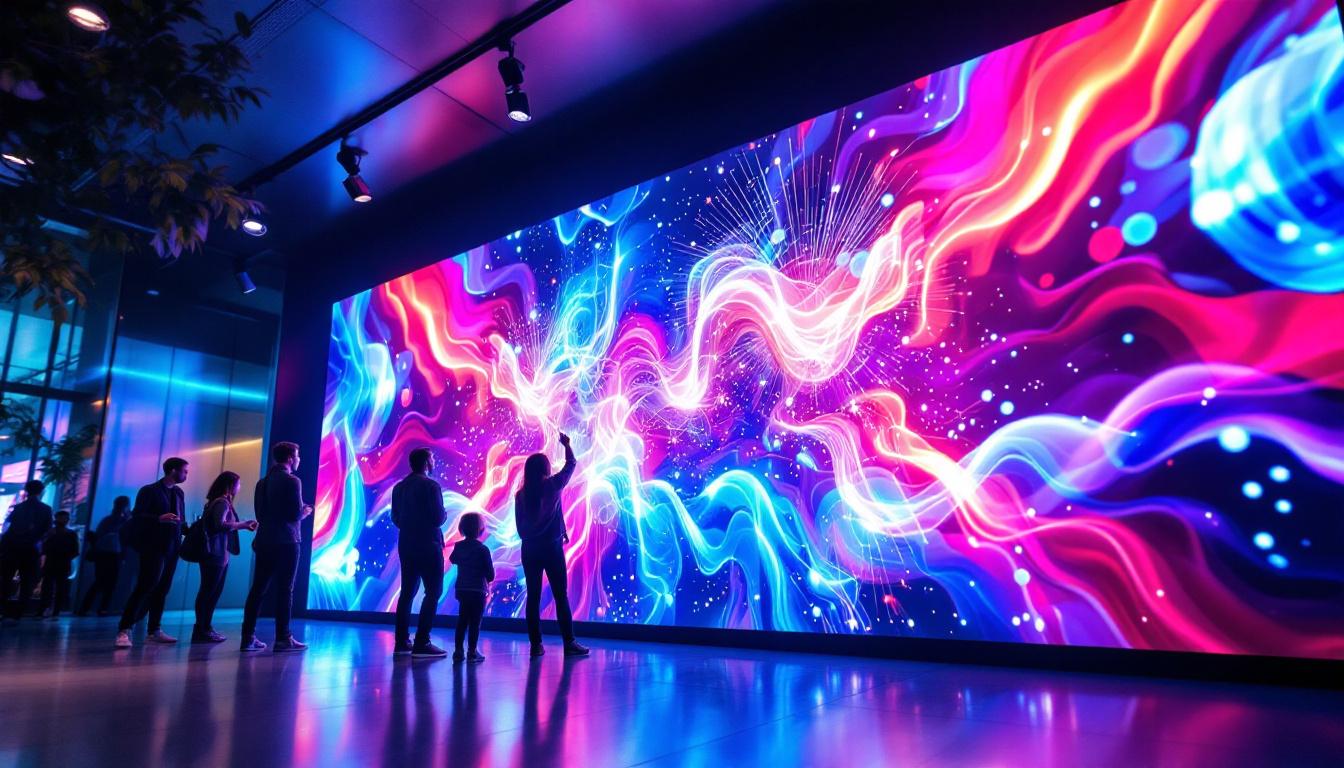
In today’s digital landscape, visual communication is more important than ever. Whether in retail stores, corporate lobbies, control rooms, or entertainment venues, large-format displays have become essential tools for capturing attention and conveying information effectively. Among the most popular solutions are LCD video walls and LED displays, each offering unique advantages and applications. This article delves into the technology behind these display systems, comparing their features, benefits, and ideal use cases to help businesses and professionals make informed decisions.
Understanding LCD Video Walls
What is an LCD Video Wall?
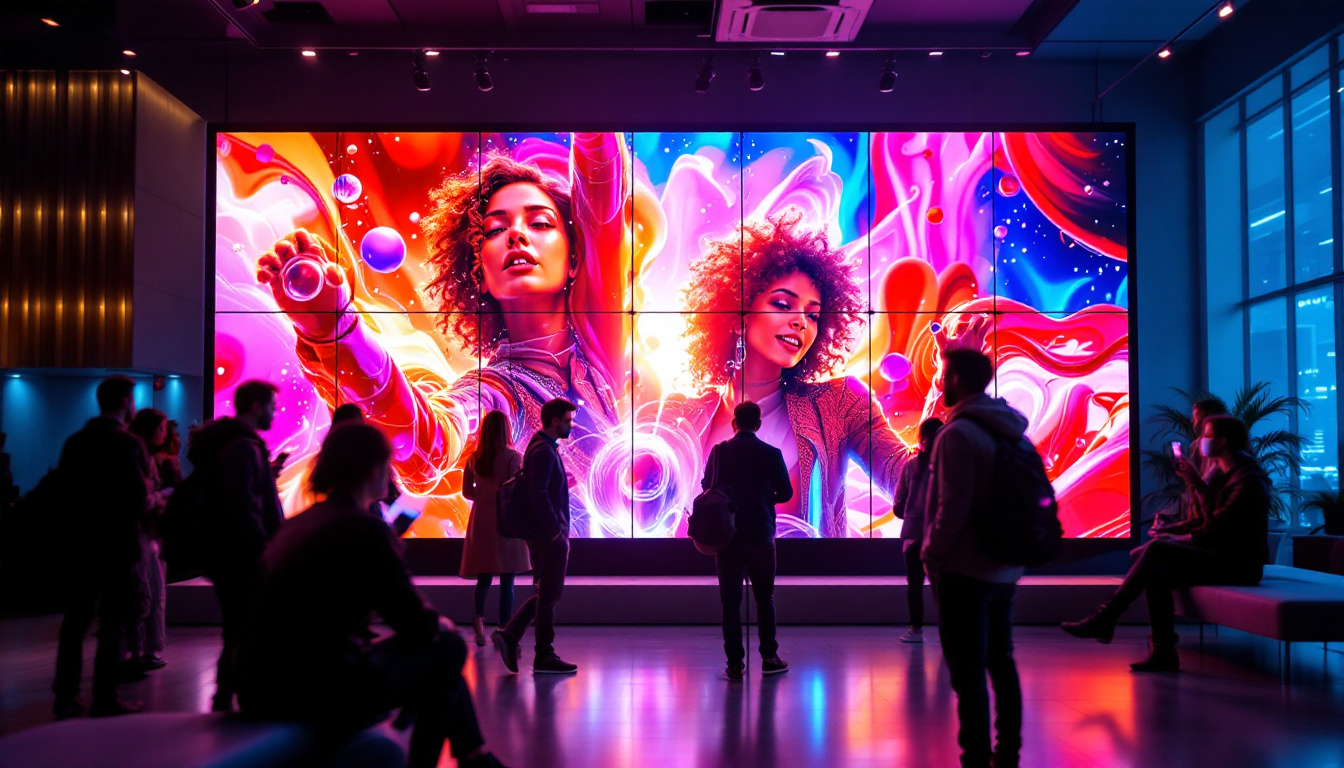
An LCD video wall is a large display surface composed of multiple liquid crystal display (LCD) panels tiled together seamlessly. Each panel acts as a single screen, but when combined, they create one expansive, high-resolution display that can show images, videos, or data across its entire surface.
Typically, these panels are mounted in a grid formation with ultra-thin bezels to minimize the visible gaps between screens. Modern LCD video walls often feature bezels as thin as 0.9mm, creating a nearly continuous image that enhances viewer immersion. This seamless design is particularly beneficial in environments such as control rooms, retail spaces, and event venues, where a unified visual experience is crucial for engagement and communication.
In addition to their aesthetic appeal, LCD video walls are highly versatile. They can be configured in various shapes and sizes to fit specific spaces and requirements. For instance, some installations may utilize curved or irregular layouts to create dynamic visual presentations that capture attention and convey messages more effectively. The adaptability of LCD video walls makes them a popular choice for both temporary events and permanent installations.
How LCD Technology Works
LCD panels use a backlight that shines through liquid crystals to produce images. The liquid crystals themselves do not emit light but modulate the backlight’s intensity and color as it passes through color filters. This technology allows for bright, sharp images with accurate color reproduction.
Advancements in LCD technology, such as In-Plane Switching (IPS) panels, have significantly improved viewing angles and color consistency, making LCD video walls suitable for environments where multiple viewers observe the display from different positions. This is particularly important in settings like conference rooms or public displays, where diverse audiences may be viewing the content from various angles. Furthermore, the introduction of technologies like High Dynamic Range (HDR) enhances the contrast and color depth, providing a more lifelike viewing experience that captivates and informs audiences.
Key Features of LCD Video Walls
- High Resolution: LCD panels typically offer high pixel density, resulting in crisp and detailed images even at close viewing distances.
- Brightness: LCD video walls can achieve brightness levels around 700 to 1500 nits, making them suitable for indoor environments with controlled lighting.
- Color Accuracy: Thanks to advanced color calibration, LCD walls deliver consistent and vibrant colors, essential for branding and detailed visual content.
- Scalability: The modular nature allows for flexible sizing, from small 2×2 arrays to massive installations spanning dozens of panels.
Moreover, many LCD video walls come equipped with advanced connectivity options, allowing for seamless integration with various media sources and control systems. This flexibility enables users to display content from multiple sources simultaneously, including live feeds, presentations, and pre-recorded videos. The ability to manage and control the content displayed across the video wall in real-time enhances its functionality, making it an invaluable tool for presentations, advertising, and information dissemination.
Another significant advantage of LCD video walls is their energy efficiency. Compared to traditional projection systems, LCD panels consume less power while providing superior image quality. This efficiency not only reduces operational costs but also contributes to a more sustainable approach to large-scale visual displays, aligning with the growing emphasis on environmentally friendly technologies in various industries.
Exploring LED Displays
What is an LED Display?
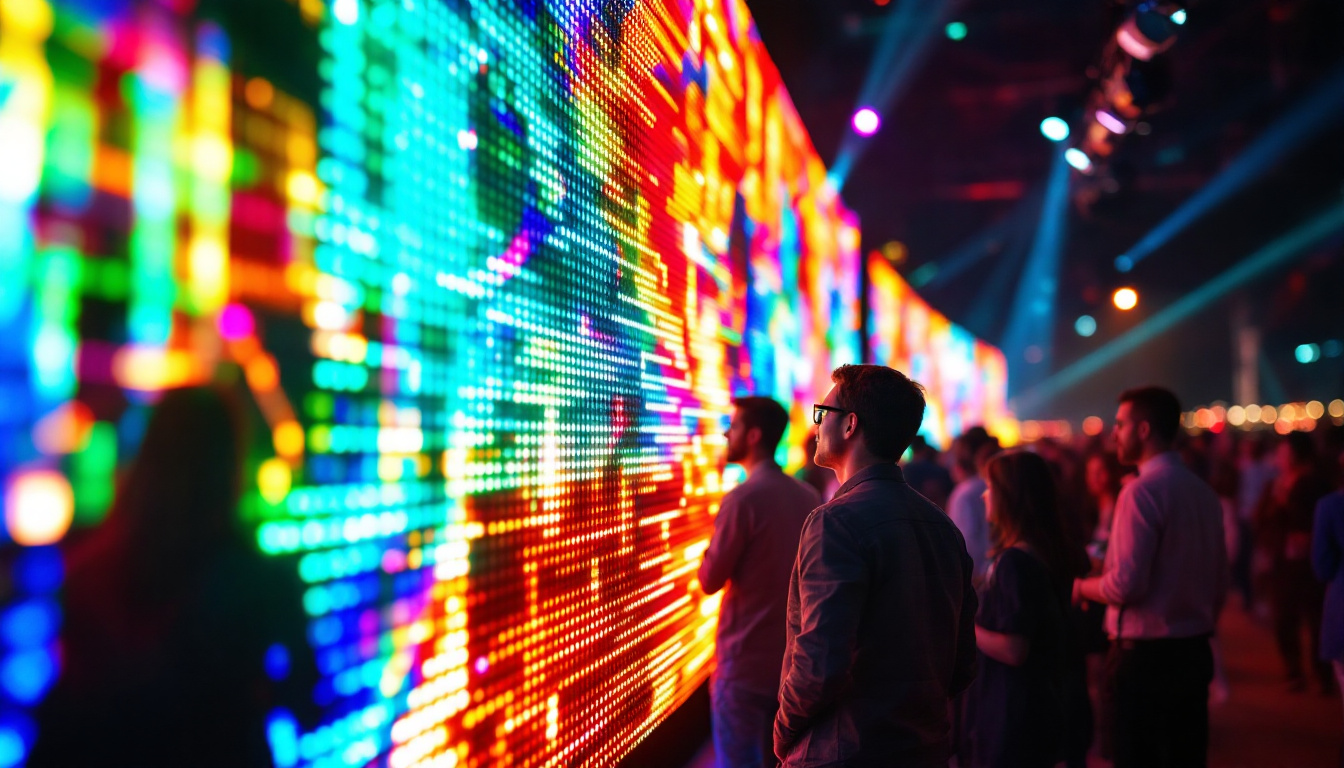
LED displays, often referred to as LED video walls, use light-emitting diodes as their light source. Unlike LCDs, which rely on backlighting, LEDs emit their own light, creating vibrant images with high contrast ratios. LED displays are composed of numerous tiny LEDs arranged in a grid, which can be grouped into pixels to form images.
LED technology is widely used in both indoor and outdoor settings, with configurations varying from fine-pitch indoor panels to large, robust outdoor screens.
How LED Technology Works
Each pixel in an LED display consists of red, green, and blue LEDs. By adjusting the intensity of each LED, the display can produce a full spectrum of colors. The direct emission of light allows LED displays to achieve exceptional brightness and contrast levels.
LED displays are available in two main types: direct-view LED and LED-backlit LCDs. This article focuses on direct-view LED video walls, which are true LED panels without LCD components.
Key Features of LED Displays
- Brightness: LED video walls can reach brightness levels exceeding 5,000 nits, making them ideal for outdoor and high ambient light environments.
- Contrast Ratio: Because LEDs can be turned off completely, these displays offer superior contrast with true blacks.
- Viewing Distance: Pixel pitch determines the optimal viewing distance, with fine-pitch LEDs suitable for close viewing and larger pitches for distant audiences.
- Durability: LED panels are highly durable and weather-resistant, making them suitable for outdoor installations.
Comparing LCD Video Walls and LED Displays
Image Quality and Viewing Experience
LCD video walls excel in delivering high-resolution images with excellent color accuracy and wide viewing angles. This makes them well-suited for indoor environments where viewers may be close to the screen, such as control rooms, conference centers, and retail spaces.
LED displays provide superior brightness and contrast, which is crucial for outdoor use or brightly lit venues. Their ability to display true blacks enhances image depth, making content more vivid and engaging, especially for video playback and dynamic signage.
Installation and Maintenance
LCD video walls typically require careful alignment and calibration to ensure seamless image blending across panels. They are relatively thin and lightweight, but the bezel width can affect the overall visual continuity.
LED displays are modular and can be configured in various sizes and shapes. Their panels are generally thicker and heavier than LCDs, but they offer easier maintenance through front or rear access. Additionally, LED modules can be replaced individually without disrupting the entire display.
Cost Considerations
LCD video walls tend to have a lower upfront cost compared to fine-pitch LED video walls, especially for indoor applications. The price per square foot for LCD panels is generally more affordable, making them attractive for budget-conscious projects.
LED displays, particularly those with fine pixel pitches, can be significantly more expensive due to the complexity of the technology and manufacturing costs. However, their longevity and lower power consumption can offset initial expenses over time.
Energy Efficiency
LED displays are typically more energy-efficient than LCD video walls because LEDs emit light directly, whereas LCDs require a constant backlight. This efficiency translates into lower operating costs and reduced environmental impact, especially for large-scale or 24/7 installations.
Applications and Use Cases
Indoor Environments
LCD video walls are widely used indoors where high resolution and color fidelity are paramount. Examples include:
- Corporate Settings: For presentations, digital signage, and video conferencing in lobbies and boardrooms.
- Control Rooms: Monitoring systems in utilities, transportation, and security sectors benefit from the sharp, detailed imagery of LCD walls.
- Retail Stores: To showcase promotions and product information with vibrant visuals.
Outdoor and Large Venue Installations
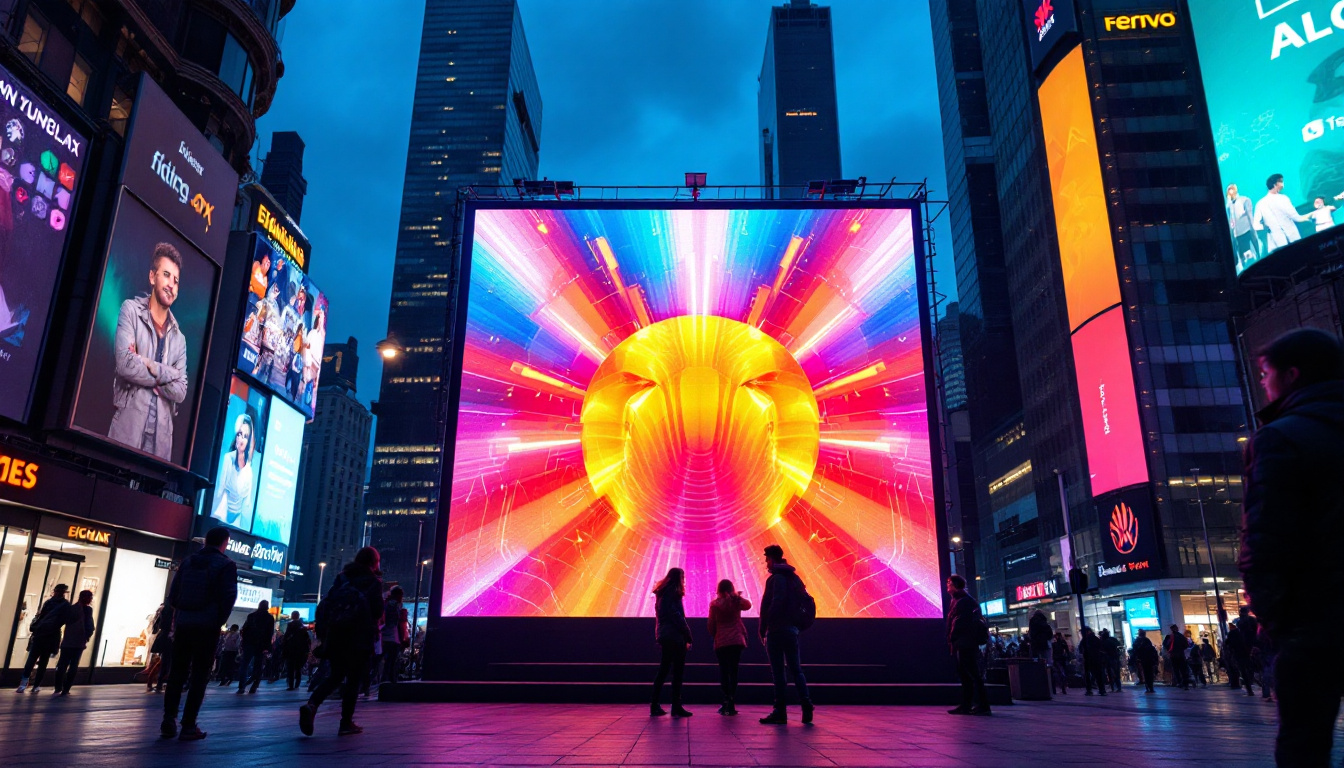
LED video walls dominate outdoor and large venue applications due to their brightness and durability. Common uses include:
- Sports Arenas: Scoreboards and advertising displays that must be visible in daylight.
- Public Events: Concerts, festivals, and public gatherings where large audiences require clear visuals from a distance.
- Transportation Hubs: Airports and train stations use LED walls for real-time information and wayfinding.
Hybrid Solutions
Some projects combine LCD and LED technologies to leverage the strengths of both. For example, indoor LED displays with fine pixel pitches are becoming more popular as prices decrease, while LCD video walls may be used in semi-outdoor environments with controlled lighting.
Future Trends in Video Wall Technology
Mini-LED and Micro-LED Innovations
Emerging technologies like Mini-LED and Micro-LED offer promising advancements by combining the benefits of LCD and LED displays. Mini-LED backlighting enhances LCD contrast and brightness, while Micro-LED displays provide self-emissive pixels with exceptional color and efficiency.
These innovations are expected to blur the lines between traditional LCD and LED video walls, offering higher performance at competitive price points within the next few years.
Improved Software and Content Management
Advanced video wall controllers and content management systems are making it easier to create dynamic, interactive experiences. Features such as real-time data integration, multi-source inputs, and remote management enhance the value of video walls across industries.
Sustainability and Energy Efficiency
With growing emphasis on sustainability, manufacturers are focusing on reducing power consumption and using environmentally friendly materials. Energy-efficient displays not only reduce operational costs but also support corporate social responsibility goals.
Conclusion
Choosing between LCD video walls and LED displays depends largely on the specific requirements of the installation environment, budget, and desired visual impact. LCD video walls offer high resolution and color accuracy ideal for indoor applications, while LED displays provide unmatched brightness and durability suited for outdoor and large-scale venues.
As technology continues to evolve, the distinctions between these display types will become less pronounced, offering more versatile and powerful visual solutions. Understanding the strengths and limitations of each technology empowers businesses to select the right video wall system that maximizes engagement and delivers lasting value.
Discover LumenMatrix’s Innovative LED Solutions
Ready to elevate your visual communication with cutting-edge technology? LumenMatrix offers a comprehensive range of LED display modules tailored to your needs. From vibrant Indoor and Outdoor LED Wall Displays to dynamic Vehicle and Sports LED Displays, our solutions are designed to captivate and engage your audience. Experience the future of digital signage with our Floor, Custom, All-in-One, and Transparent LED Displays. Embrace the power of LumenMatrix and transform your space into a mesmerizing visual journey. Check out LumenMatrix LED Display Solutions today and see the difference innovation can make.