In the rapidly evolving world of display technology, LED-backlit displays have become a cornerstone for delivering vibrant visuals and energy efficiency. Whether you’re shopping for a new television, computer monitor, or smartphone, understanding what LED-backlit displays are and how they work can help you make informed decisions. This article dives deep into the technology behind LED displays, their benefits, types, and how they compare to other display technologies.
Understanding LED-Backlit Displays
What Does LED-Backlit Mean?
The term “LED-backlit display” refers to an LCD (Liquid Crystal Display) panel that uses Light Emitting Diodes (LEDs) as its light source. Unlike traditional LCDs that relied on cold cathode fluorescent lamps (CCFLs) for backlighting, LED-backlit displays use an array of LEDs to illuminate the screen from behind. This shift has significantly improved display quality, energy efficiency, and design flexibility.
LEDs are tiny semiconductor devices that emit light when an electric current passes through them. Their compact size allows manufacturers to create thinner and lighter displays, which is why LED-backlit screens dominate modern consumer electronics. Additionally, the use of LEDs allows for a wider color gamut and improved contrast ratios, making images appear more vibrant and lifelike. This advancement has not only enhanced the viewing experience for consumers but has also paved the way for innovations in display technology, such as ultra-thin televisions and portable devices.
How Does an LED-Backlit Display Work?
At the core, an LED-backlit display consists of two main components: the LCD panel and the LED backlight system. The LCD panel itself doesn’t produce light; it modulates light passing through it to create images. The LEDs provide the necessary illumination behind the LCD panel.
The backlight shines light through layers of liquid crystals, color filters, and polarizers. By adjusting the orientation of these liquid crystals with electric signals, the display controls how much light passes through each pixel, thus forming images. The LED backlight ensures that the images are bright and visible, even in well-lit environments. Furthermore, advancements in LED technology, such as local dimming and edge lighting, have further enhanced the performance of these displays. Local dimming, for instance, allows specific areas of the screen to dim or brighten independently, resulting in deeper blacks and improved contrast, which is especially beneficial for viewing high-definition content.
Types of LED Backlighting
Edge-Lit LED Displays
Edge-lit LED displays position LEDs along the edges of the screen. Light is then distributed across the display using light guides. This design allows for ultra-thin panels and is commonly found in televisions and monitors.
While edge-lit displays enable sleek designs, they sometimes struggle with uniform brightness and contrast, especially in larger screens. However, advancements like local dimming zones have improved picture quality by selectively dimming or brightening portions of the screen. These displays are particularly popular in modern living spaces, where aesthetics play a crucial role. Their slim profile allows them to blend seamlessly into any decor, making them a favorite for wall-mounted installations.
Moreover, edge-lit technology has evolved to include features such as HDR (High Dynamic Range), which enhances the viewing experience by providing a broader spectrum of colors and improved brightness levels. This makes edge-lit displays increasingly viable for cinematic experiences at home, as they can deliver vibrant visuals that are particularly effective for watching movies or playing video games.
Full-Array LED Displays
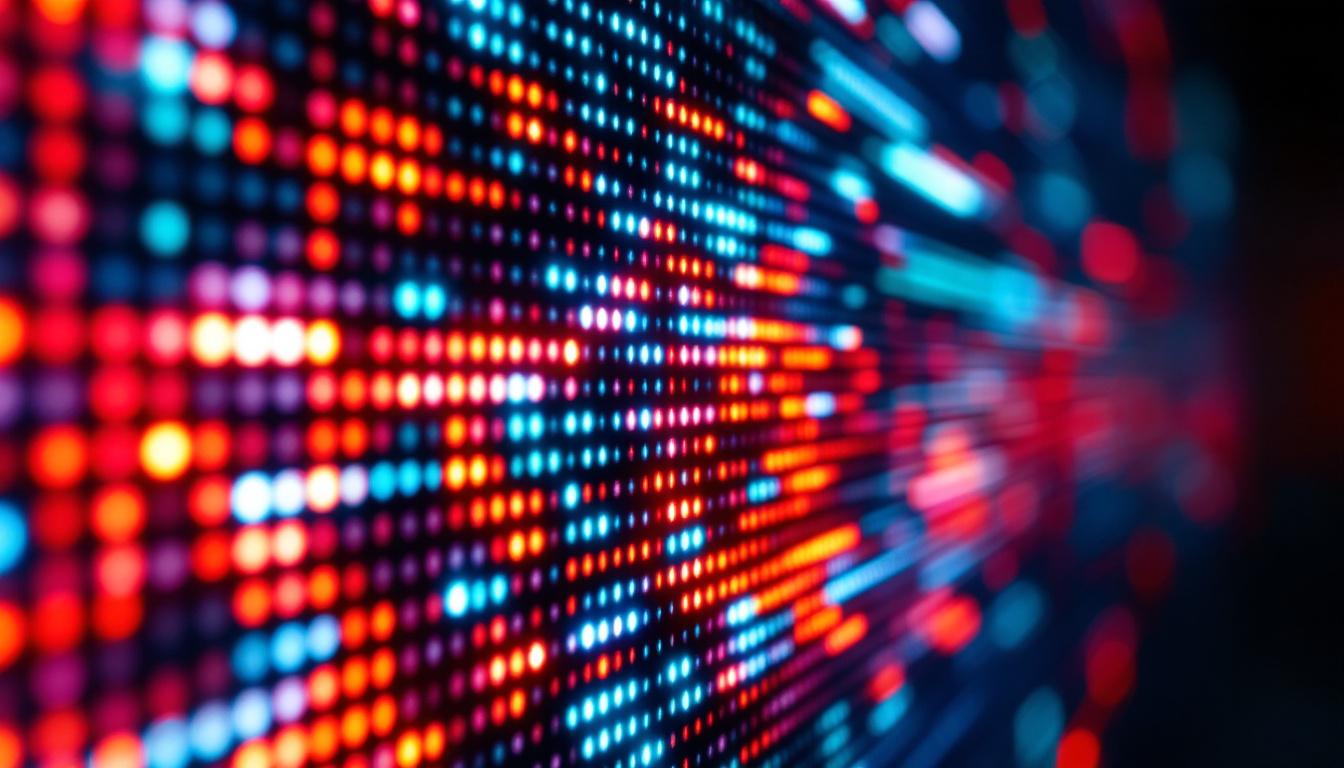
Full-array LED displays feature LEDs placed directly behind the entire LCD panel, arranged in a grid. This setup allows for more precise control over brightness and contrast, especially when combined with local dimming technology. Local dimming turns off or dims LEDs in dark areas of the screen, enhancing black levels and overall picture quality.
Although full-array LED displays tend to be thicker and more expensive than edge-lit models, they offer superior contrast ratios and are preferred for high-end televisions and professional monitors. The ability to achieve deeper blacks and brighter whites makes these displays ideal for viewing in varied lighting conditions, from bright rooms to dark home theaters. Additionally, full-array technology is often favored by content creators and graphic designers, as the enhanced color accuracy and detail allow for more precise work in visual media.
Furthermore, many full-array displays now come equipped with advanced features such as wide color gamut support and high refresh rates, catering to gamers and film enthusiasts alike. This makes them not just a choice for casual viewing, but a serious contender for immersive experiences that demand the best in visual fidelity.
Mini-LED and Micro-LED Technologies
Mini-LED technology takes full-array backlighting to the next level by using thousands of tiny LEDs, allowing for even finer local dimming control. This results in improved contrast, brightness, and color accuracy. Mini-LED displays have gained popularity in premium laptops, tablets, and TVs due to their impressive picture quality. The compact size of mini-LEDs enables manufacturers to pack more of them into a display, which translates to better performance in terms of dynamic range and overall image quality.
Micro-LED technology, still emerging in the consumer market, uses microscopic LEDs that act as individual pixels. Unlike traditional LED-backlit LCDs, Micro-LEDs are self-emissive, meaning they don’t require a separate backlight. This technology promises exceptional brightness, contrast, and energy efficiency, rivaling OLED displays, but is currently costly and complex to manufacture. As production techniques improve, we may see Micro-LED displays become more accessible, potentially revolutionizing the market with their ability to deliver stunning visuals without the risk of burn-in that can affect OLED screens.
Additionally, Micro-LED technology offers the flexibility of modular design, allowing for screens that can be customized in size and shape to fit various applications, from large-scale commercial displays to personal home theater setups. This adaptability, combined with their superior performance, positions Micro-LED as a game-changer in the future of display technology, promising a new era of visual experiences that are both breathtaking and versatile.
Advantages of LED-Backlit Displays
Improved Energy Efficiency
One of the most significant benefits of LED-backlit displays over CCFL-backlit LCDs is energy efficiency. LEDs consume less power while providing brighter illumination. According to the U.S. Department of Energy, LED-backlit displays can reduce energy consumption by up to 40% compared to traditional LCDs with CCFL backlighting.
This energy efficiency not only lowers electricity bills but also contributes to environmental sustainability by reducing overall power demand.
Enhanced Picture Quality
LED backlighting enables higher brightness levels and better contrast ratios, which are essential for vivid and lifelike images. The ability to implement local dimming in full-array LED displays enhances black levels, making dark scenes appear deeper and more detailed.
Additionally, LED backlights can support a wider color gamut, especially when combined with quantum dot technology, which enhances color accuracy and saturation for a more immersive viewing experience.
Thinner and Lighter Design
LEDs are much smaller and more flexible than CCFL tubes, allowing manufacturers to design thinner and lighter displays. This has been a key factor in the development of ultra-slim televisions, portable monitors, and lightweight laptops.
LED-Backlit Displays vs. Other Display Technologies
LED-Backlit LCD vs. OLED
Organic Light Emitting Diode (OLED) displays differ fundamentally from LED-backlit LCDs. OLEDs are self-emissive, meaning each pixel emits its own light, allowing for perfect black levels and infinite contrast ratios. This results in superior picture quality, especially in dark scenes.
However, OLED displays are generally more expensive to produce and can suffer from burn-in issues over time. LED-backlit LCDs, particularly those with full-array local dimming, offer a more affordable alternative with excellent brightness and durability.
LED-Backlit LCD vs. QLED
QLED (Quantum Dot LED) displays are essentially LED-backlit LCDs enhanced with a quantum dot layer that improves color accuracy and brightness. QLED displays are known for their vibrant colors and high peak brightness, making them ideal for bright room environments.
While QLEDs enhance LED-backlit LCD technology, they still rely on backlighting and do not achieve the perfect blacks of OLEDs. Nevertheless, they strike a good balance between price, brightness, and color performance.
LED-Backlit LCD vs. Plasma
Plasma displays, once popular for their excellent color reproduction and contrast, have largely been phased out in favor of LED-backlit LCDs. Plasma screens consume more power, generate more heat, and are heavier and thicker compared to LED-backlit models.
LED-backlit displays offer longer lifespans and better energy efficiency, making them the preferred choice in today’s market.
Applications of LED-Backlit Displays
Consumer Electronics
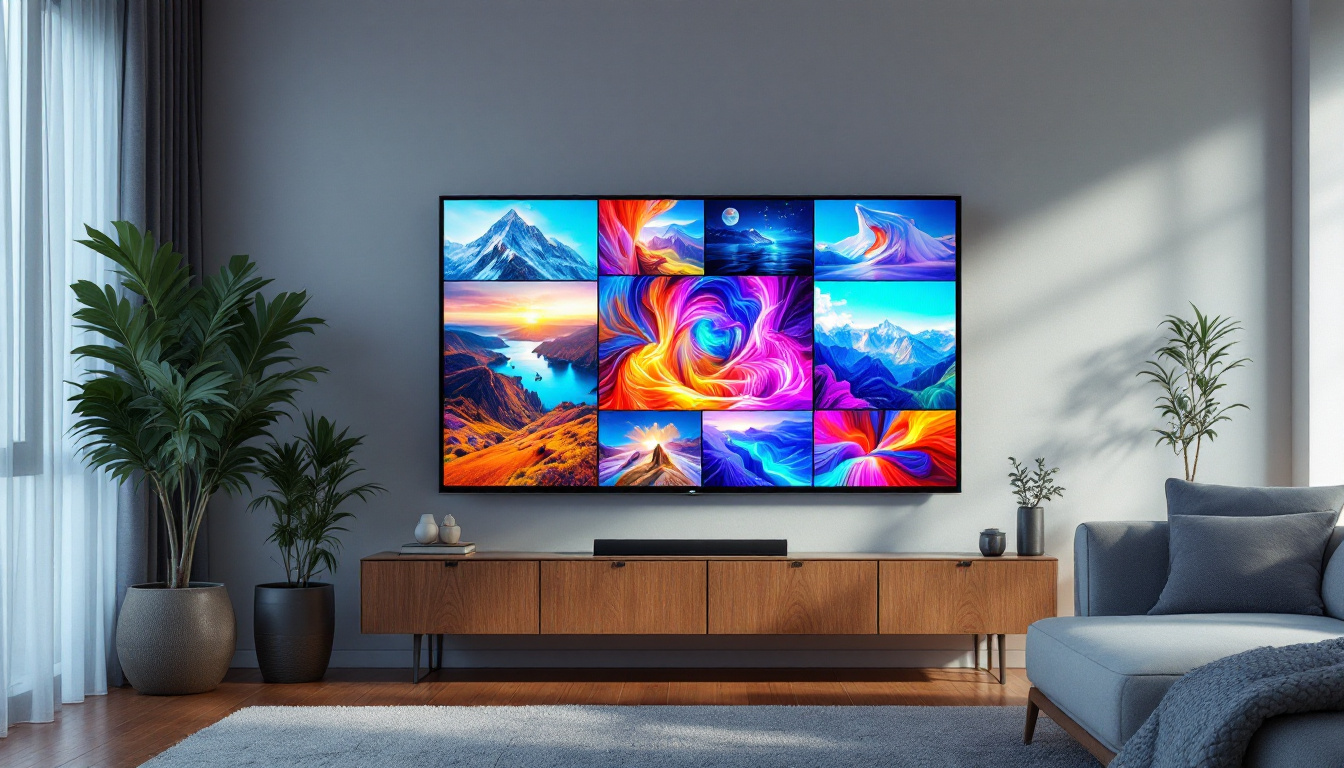
LED-backlit displays are ubiquitous in consumer electronics such as televisions, computer monitors, smartphones, tablets, and laptops. Their balance of image quality, energy efficiency, and slim design makes them ideal for everyday use.
In 2023, the global LED display market was valued at over $40 billion, with consumer electronics accounting for a significant share, reflecting the widespread adoption of this technology.
Digital Signage and Advertising
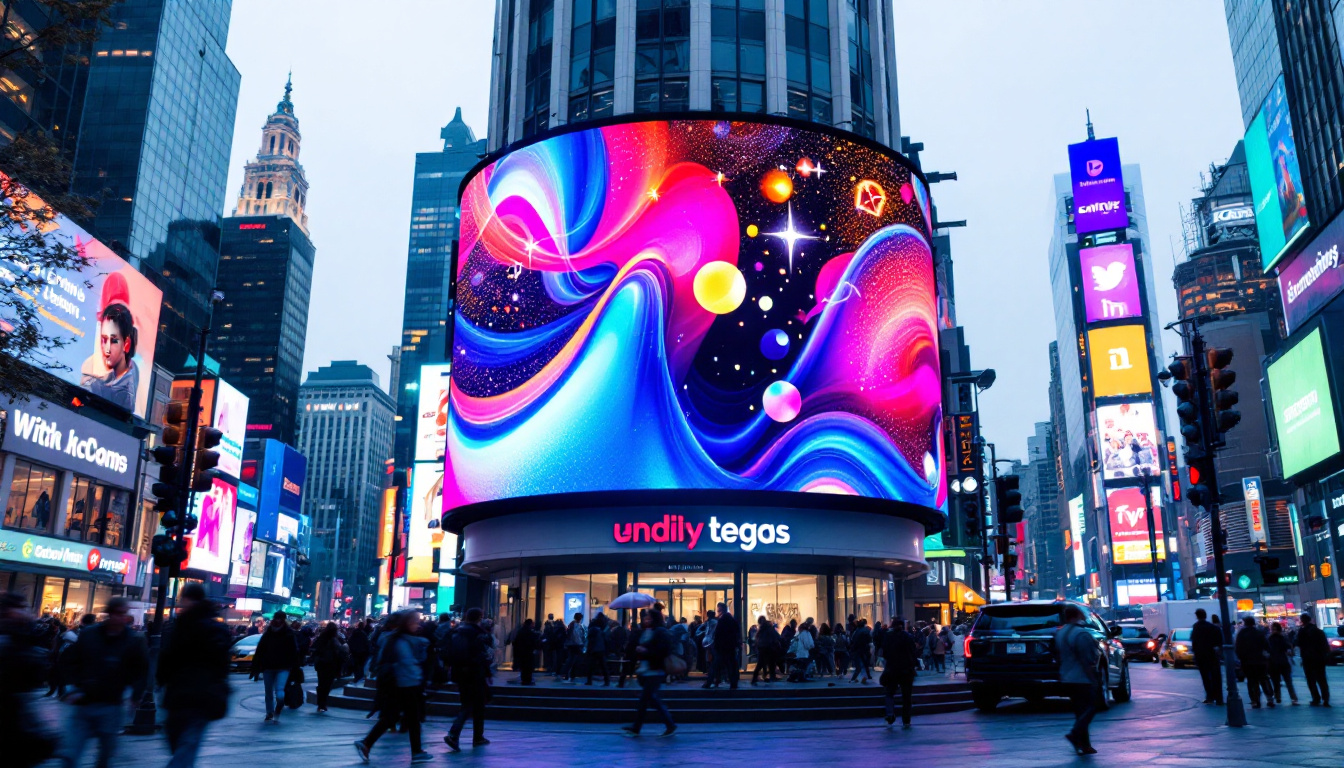
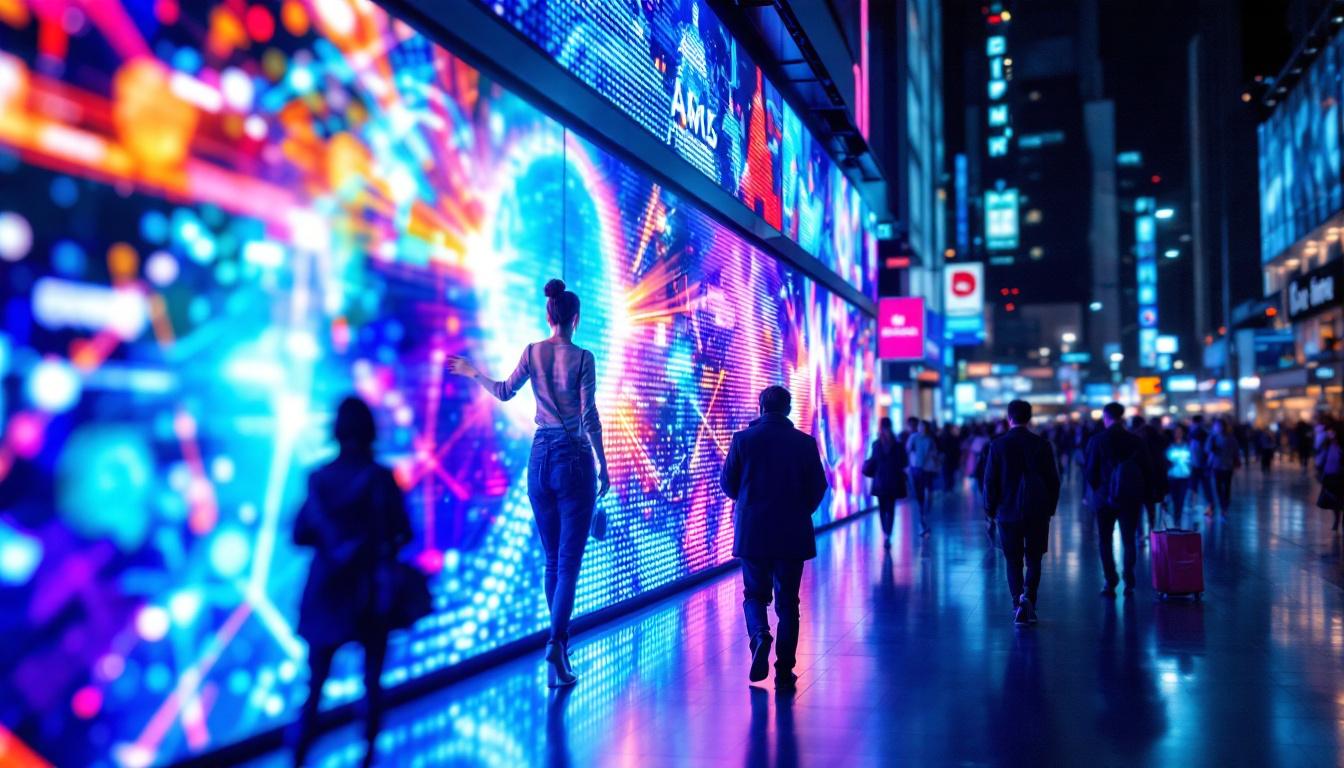
Beyond personal devices, LED displays are widely used in digital signage, billboards, and advertising screens. Large-format LED displays provide high brightness and visibility even in direct sunlight, making them perfect for outdoor applications.
Advanced LED panels with high refresh rates and color accuracy are also used in stadiums, concerts, and event venues to deliver immersive visual experiences.
Industrial and Medical Applications
In industrial settings, LED-backlit displays are used for control panels, instrumentation, and monitoring systems due to their reliability and clarity. Medical imaging devices also benefit from LED backlighting, offering precise color reproduction and brightness essential for accurate diagnostics.
Future Trends in LED Display Technology
Advancements in Mini-LED and Micro-LED
Mini-LED technology is expected to become mainstream in the next few years, offering premium display quality at more accessible prices. Manufacturers are investing heavily in refining this technology to enhance local dimming precision and reduce costs.
Micro-LED, while still in early stages, promises to revolutionize displays with its self-emissive nature, combining the best attributes of OLED and LED technologies. Progress in manufacturing techniques will determine how quickly Micro-LED becomes widely available.
Integration with Smart Technologies
LED displays are increasingly integrated with smart features such as adaptive brightness, eye comfort modes, and AI-driven image optimization. These enhancements improve user experience by automatically adjusting display settings based on ambient conditions and content type.
Sustainability and Environmental Impact
As environmental concerns grow, the LED display industry is focusing on sustainability by developing longer-lasting LEDs, reducing hazardous materials, and improving recyclability. Energy-efficient designs continue to be a priority to minimize the carbon footprint of electronic devices.
Conclusion
LED-backlit displays represent a significant advancement in display technology, combining energy efficiency, improved picture quality, and sleek design. Understanding the different types of LED backlighting, their advantages, and how they compare to other display technologies helps consumers and professionals make better choices for their specific needs.
With ongoing innovations like Mini-LED and Micro-LED, the future of LED displays looks bright, promising even more immersive and efficient visual experiences across a wide range of applications.
Discover Cutting-Edge LED Displays with LumenMatrix
Ready to elevate your visual experience with the latest in LED display technology? LumenMatrix is at the forefront of innovation, offering a diverse range of LED display solutions tailored to your needs. From captivating Indoor LED Wall Displays to dynamic Outdoor LED Wall Displays, and from versatile Vehicle LED Displays to sleek LED Poster Displays, our products are designed to make your brand shine. Embrace the future of visual communication with LumenMatrix’s LED Sports Displays, Floor LED Displays, Custom LED Displays, All-in-One LED Displays, and LED Transparent Displays. Check out LumenMatrix LED Display Solutions today and transform how you engage with your audience!