Home theater projectors have become a popular choice for movie enthusiasts and gamers alike, offering a cinematic experience right in the comfort of one’s living room. Among the various technologies available, LED home theater projectors stand out for their unique display features and advantages. This article delves into the intricacies of LED displays in home theater projectors, explaining how they work, their benefits, and what to consider when choosing one.
Understanding LED Technology in Home Theater Projectors
What is an LED Display?
LED stands for Light Emitting Diode, a semiconductor device that emits light when an electric current passes through it. In the context of home theater projectors, LED technology is used as a light source instead of traditional lamps or lasers. Unlike conventional projectors that rely on high-pressure mercury lamps, LED projectors utilize arrays of tiny LEDs to generate light, which is then modulated to produce images on the screen.
The LED display in projectors is not the same as the LED screens found in TVs or monitors. Instead, LEDs serve as the illumination source behind the projector’s imaging system, which could be based on LCD (Liquid Crystal Display) or DLP (Digital Light Processing) technology. This combination allows for bright, vivid images with a longer lifespan and greater energy efficiency.
How Do LED Projectors Work?
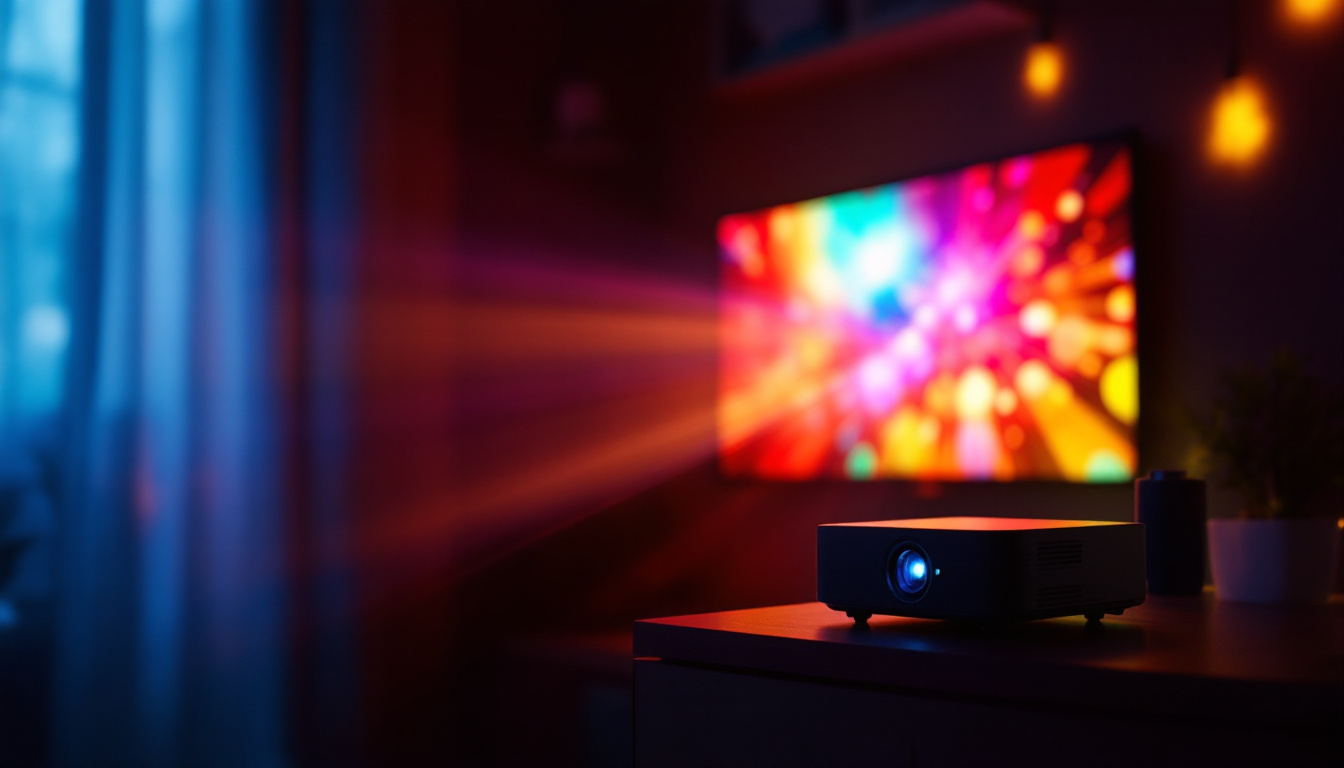
In an LED home theater projector, the light emitted by the LEDs passes through or reflects off a microdisplay panel that creates the image. For example, in an LCD projector, the LED light shines through three separate LCD panels (red, green, and blue), which combine to form a full-color image. In DLP projectors, the LED light reflects off a chip containing thousands of microscopic mirrors that tilt to direct light and create images.
This LED-based illumination system contrasts with traditional lamps that require warm-up time and have a limited lifespan. LEDs can reach full brightness almost instantly and maintain consistent performance over tens of thousands of hours, making them highly reliable for home theater use.
Advantages of LED Home Theater Projectors
Longevity and Durability
One of the most significant benefits of LED projectors is their impressive lifespan. Traditional projector lamps typically last between 2,000 to 5,000 hours before needing replacement. In contrast, LED light sources can last up to 20,000 to 30,000 hours or more. This longevity translates into lower maintenance costs and less hassle for users, especially those who use their projectors frequently for movies, gaming, or presentations.
Additionally, LEDs are more robust and less fragile than conventional lamps, which are made of glass and contain hazardous materials like mercury. This makes LED projectors safer and more environmentally friendly.
Energy Efficiency and Heat Management
LEDs consume significantly less power than traditional projector lamps. This energy efficiency not only reduces electricity bills but also means the projector generates less heat during operation. Lower heat output reduces the need for large cooling fans, which can be noisy and disruptive in a quiet home theater environment.
Many users appreciate the quieter operation of LED projectors, as it enhances the immersive experience without distracting background noise. The reduced heat also contributes to the longevity of the projector’s internal components.
Color Accuracy and Image Quality
LED projectors are known for producing vibrant colors and excellent contrast ratios. Because LEDs can be precisely controlled and produce pure primary colors (red, green, and blue), they can display a broader color gamut compared to traditional lamps. This results in more lifelike and saturated images, which is especially important for watching movies and playing video games where color fidelity enhances the overall experience.
Moreover, LED projectors can achieve high contrast ratios, enabling deeper blacks and brighter whites. This dynamic range is crucial for displaying detailed shadows and highlights, contributing to a more cinematic picture quality.
Comparing LED Projectors with Other Light Sources
LED vs. Traditional Lamp Projectors
Traditional lamp projectors use high-intensity discharge (HID) lamps, which can be bright but have several drawbacks. These lamps require warm-up and cool-down periods, have a limited lifespan, and their brightness diminishes over time. In contrast, LED projectors offer instant-on capabilities, consistent brightness, and longer operational life.
However, traditional lamp projectors can sometimes achieve higher peak brightness levels than LED models, making them more suitable for environments with high ambient light. For dedicated home theaters with controlled lighting, LED projectors often provide superior color performance and lower maintenance.
LED vs. Laser Projectors
Laser projectors are another emerging technology that competes with LED projectors. Laser light sources provide very high brightness and excellent color accuracy, often surpassing LED projectors in these areas. They also have long lifespans, similar to LEDs.
That said, laser projectors tend to be more expensive and complex. LED projectors typically offer a more affordable entry point for consumers seeking long-lasting, high-quality home theater projection without the premium price tag of laser systems.
Key Features to Consider When Buying an LED Home Theater Projector
Brightness and Lumens
Brightness is measured in lumens and is a critical factor in projector performance. For home theaters, a projector with 1,500 to 2,500 lumens is generally sufficient, especially in darkened rooms. LED projectors often have lower lumen ratings than lamp or laser projectors but compensate with better color saturation and contrast.
It is essential to consider the room’s ambient light conditions. If the room cannot be darkened effectively, a projector with higher brightness may be necessary, though LED projectors excel in controlled lighting environments.
Resolution and Image Size
Resolution determines the sharpness and clarity of the projected image. Most modern LED home theater projectors support at least Full HD (1920×1080 pixels), with many models offering 4K UHD (3840×2160 pixels) for ultra-high-definition viewing.
Choosing a projector with a resolution that matches the content source and screen size ensures the best possible viewing experience. Larger screens benefit from higher resolution projectors to maintain image sharpness at greater sizes.
Connectivity and Smart Features
Modern LED projectors often come equipped with multiple connectivity options, including HDMI, USB, and wireless capabilities like Wi-Fi and Bluetooth. These features enable easy connection to streaming devices, gaming consoles, laptops, and smartphones.
Some projectors also offer built-in smart platforms, allowing users to stream content directly without needing an external device. When selecting a projector, consider the types of devices you plan to connect and whether integrated smart features are important for your setup.
Portability and Design
LED projectors are typically more compact and lightweight than traditional lamp projectors due to their smaller light source and cooling requirements. This portability makes them ideal for users who want to move their projector between rooms or take it on the go for outdoor movie nights.
Design elements such as quiet operation, ease of setup, and remote control functionality also contribute to the overall user experience and should be factored into the purchase decision.
Common Misconceptions About LED Home Theater Projectors
“LED Projectors Are Not Bright Enough”
While it is true that LED projectors generally have lower lumen ratings compared to lamp or laser projectors, their superior color performance and contrast often make images appear brighter and more vibrant to the human eye. For typical home theater environments with controlled lighting, LED projectors provide ample brightness for an immersive viewing experience.
“LED Projectors Are Too Expensive”
Initially, LED projectors were priced higher due to the novelty of the technology. However, as LED manufacturing has advanced and become more widespread, prices have become more competitive. Many affordable models now offer excellent performance, making LED projectors accessible to a broad range of consumers.
“LED Projectors Have Poor Color Accuracy”
On the contrary, LED technology often delivers better color accuracy than traditional lamps because of the pure and stable light emitted by LEDs. This results in richer colors and better overall image quality, which is a key reason why many home theater enthusiasts prefer LED projectors.
Future Trends in LED Home Theater Projection
Advancements in LED Brightness and Efficiency
Ongoing research and development in LED technology continue to improve brightness levels and energy efficiency. New materials and manufacturing techniques are enabling LEDs to produce even more intense light without sacrificing lifespan or color quality.
Integration with Smart Home Ecosystems
As smart home technology becomes more prevalent, LED projectors are increasingly being designed to integrate seamlessly with voice assistants and home automation systems. This allows users to control their home theater setup with simple voice commands or through smartphone apps, enhancing convenience and user experience.
Hybrid Light Sources
Some manufacturers are exploring hybrid projectors that combine LED and laser light sources to leverage the benefits of both technologies. These hybrid systems aim to deliver superior brightness, color accuracy, and longevity, potentially setting new standards for home theater projection.
Conclusion
LED home theater projectors represent a compelling choice for anyone seeking a high-quality, durable, and energy-efficient projection system. Their long lifespan, excellent color performance, and quiet operation make them well-suited for immersive movie nights, gaming sessions, and multimedia presentations.
Understanding the technology behind LED displays and how they compare to other light sources helps consumers make informed decisions tailored to their specific needs and environments. As LED technology continues to evolve, it is poised to become an even more dominant force in the home theater projector market.
When selecting an LED home theater projector, consider factors such as brightness, resolution, connectivity, and portability to ensure the best fit for your viewing preferences and space. With the right choice, an LED projector can transform any room into a captivating cinematic experience.
Discover the Future of Visual Experience with LumenMatrix
Ready to elevate your home theater experience with cutting-edge LED technology? LumenMatrix is at the forefront of innovation, offering a wide array of LED display solutions that promise to transform your viewing experience. From immersive Indoor LED Wall Displays to dynamic Outdoor LED Wall Displays and beyond, our products are designed to bring your content to life with unparalleled brightness, clarity, and color accuracy. Don’t just watch; immerse yourself in a visual journey with LumenMatrix. Check out LumenMatrix LED Display Solutions today and step into the future of entertainment.