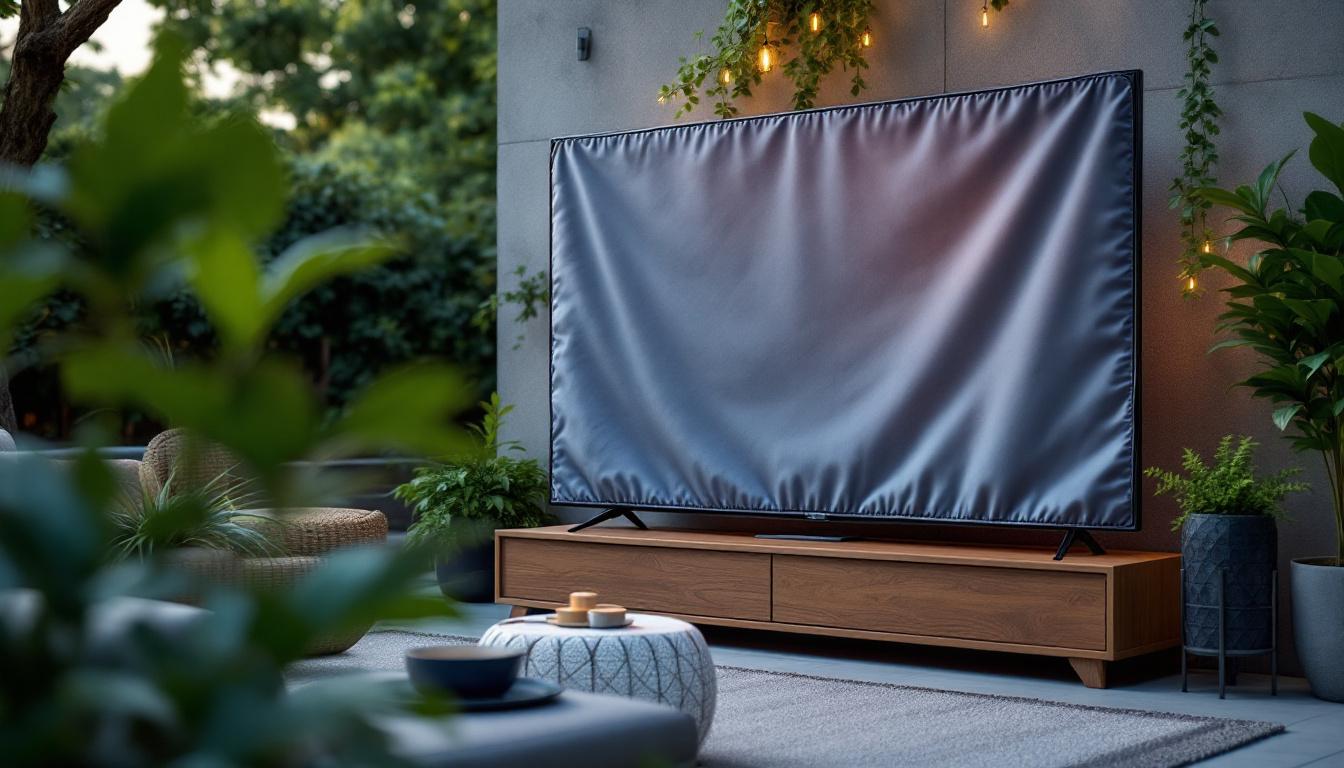
In recent years, outdoor televisions have become increasingly popular for enhancing backyard entertainment, poolside viewing, and outdoor gatherings. However, protecting these expensive devices from the elements is crucial, and that’s where outdoor TV covers come into play. For a 55-inch outdoor TV, the right cover not only shields the screen but also complements the LED display technology that powers the viewing experience. This article delves into the essentials of outdoor 55-inch TV covers, with a special focus on how they interact with LED displays, ensuring longevity and optimal performance.
Understanding Outdoor 55-Inch TVs and Their LED Displays
What Makes Outdoor TVs Different?
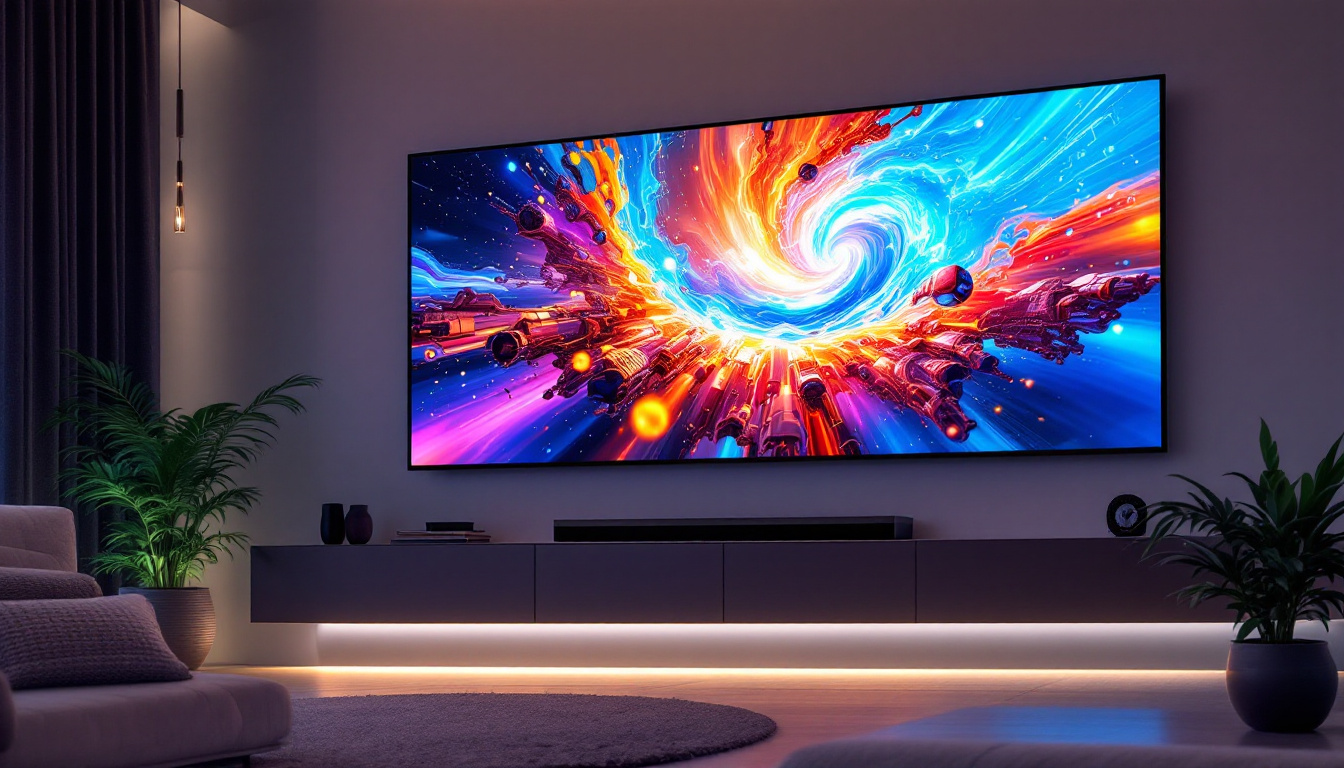
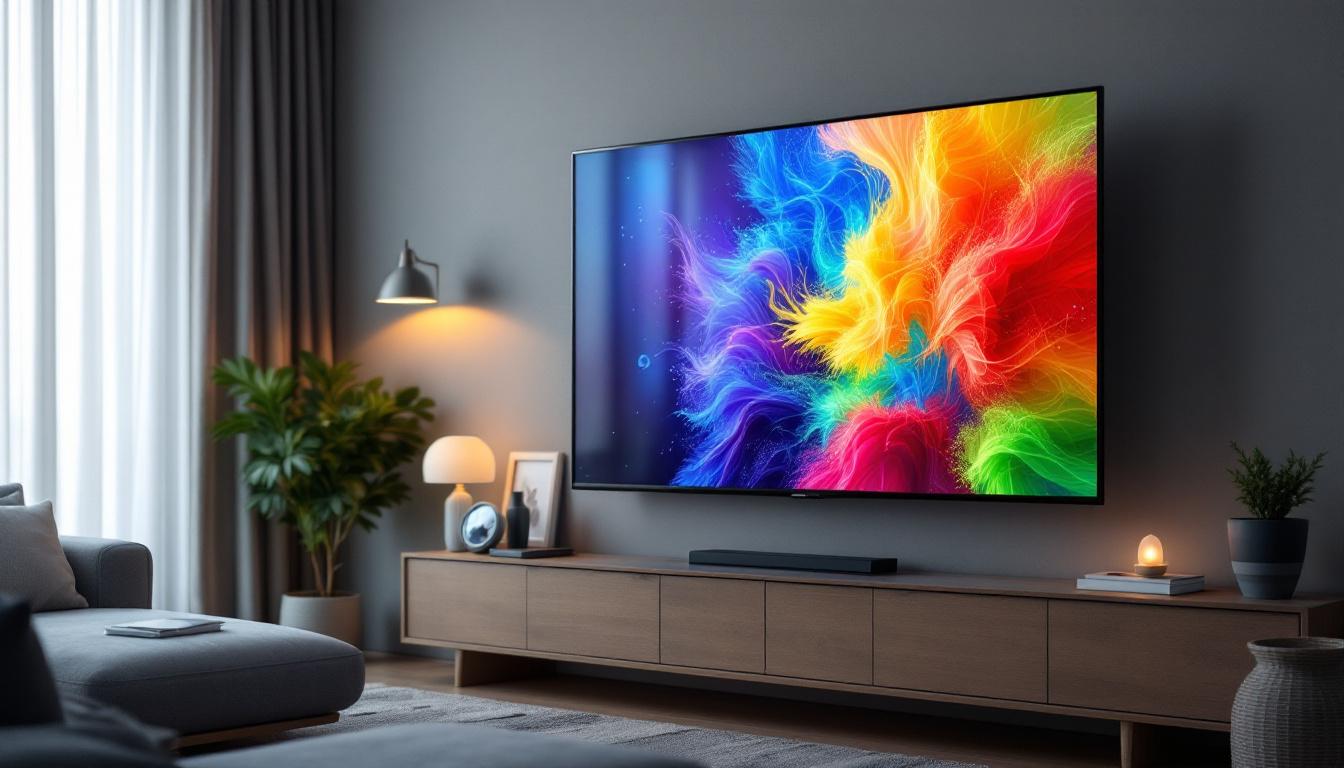
Outdoor TVs are specially designed to withstand environmental factors such as rain, dust, extreme temperatures, and direct sunlight. Unlike indoor TVs, these models often feature enhanced brightness levels—sometimes exceeding 1,000 nits—to combat glare and maintain picture clarity under bright daylight conditions. The 55-inch size is a popular choice, striking a balance between immersive viewing and manageable installation. This size is particularly advantageous for patios, backyards, and poolside areas, allowing for a cinematic experience without overwhelming the space.
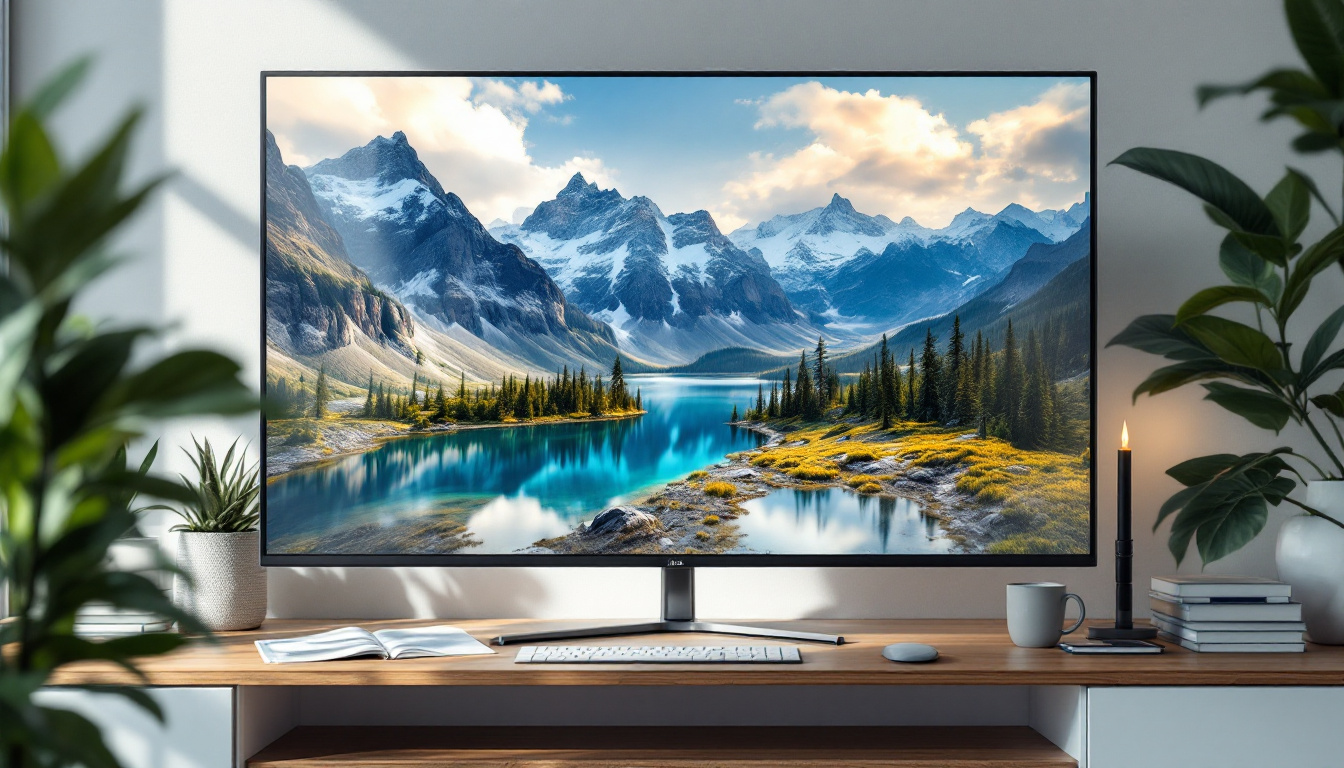
One of the key components of these TVs is the LED display technology, which is responsible for the image quality, brightness, and energy efficiency. LED (Light Emitting Diode) displays use a backlighting system that illuminates the pixels on the screen, creating vivid and sharp images. For outdoor use, this technology is optimized to provide high contrast and vibrant colors even in challenging lighting conditions. Additionally, many outdoor TVs are built with anti-reflective screens that reduce glare, ensuring that viewers can enjoy their favorite shows or games without distraction, even during peak sunlight hours.
LED Display Technology: A Closer Look
LED displays come in various forms, including edge-lit and direct-lit configurations. Most outdoor TVs employ direct LED backlighting, where LEDs are placed directly behind the screen, offering superior brightness and uniformity. Additionally, some models use local dimming zones to enhance contrast by dimming parts of the screen that should be darker. This feature is particularly beneficial for watching movies or sports, as it allows for deeper blacks and more realistic imagery, enhancing the overall viewing experience.
Recent advancements have introduced Quantum Dot LED (QLED) technology, which enhances color accuracy and brightness further. While QLED is more common in premium indoor models, some outdoor TVs are beginning to incorporate this technology, making the display even more vibrant and durable. Furthermore, many outdoor TVs are equipped with weatherproof casings and robust ventilation systems to prevent overheating, ensuring that they can operate efficiently even in high temperatures. As a result, consumers can enjoy their outdoor entertainment without worrying about the durability of their devices, making these TVs a worthwhile investment for any outdoor living space.
The Importance of a Quality Outdoor TV Cover
Protection Against Environmental Hazards
Outdoor TVs face a variety of hazards that can degrade their performance or cause permanent damage. Rain and moisture are the most obvious threats, but dust, dirt, insects, and UV rays also contribute to wear and tear. A high-quality outdoor TV cover acts as a barrier against these elements, preventing water ingress and minimizing exposure to harmful UV radiation.
Materials like waterproof polyester or vinyl are commonly used for covers, often with UV-resistant coatings to prevent fading and material breakdown. Sealed seams and reinforced zippers enhance protection by ensuring that no moisture seeps through the edges. Additionally, many covers feature breathable fabric technology, which allows moisture to escape while still keeping out external elements. This is particularly important in humid climates where condensation can form under a less effective cover, leading to mold and mildew growth.
Furthermore, investing in a cover that fits snugly around your TV can help prevent wind from displacing it, which is especially crucial in areas prone to storms or high winds. Some advanced covers even come with built-in straps or buckles to secure them in place, providing an extra layer of stability. This attention to detail in design not only enhances the longevity of your outdoor TV but also ensures that it remains a reliable source of entertainment for gatherings and events, regardless of the weather conditions.
Maintaining LED Display Performance
LED displays are sensitive to temperature fluctuations and moisture. Excessive heat can cause the backlight to degrade faster, while moisture can lead to internal corrosion or electrical shorts. Using a proper cover helps regulate the TV’s microenvironment, reducing the risk of damage to the LED components.
Moreover, prolonged exposure to direct sunlight without protection can cause screen discoloration or pixel damage over time. A cover with UV protection helps preserve the integrity of the LED display, ensuring consistent picture quality season after season. In addition to protecting against sunlight, a quality cover can also shield the TV from unexpected temperature drops, which can lead to condensation forming inside the unit. This is particularly important during the transition from warm summer evenings to cooler fall nights, when temperature swings can be significant.
Another aspect to consider is the potential for wildlife interference. Birds, squirrels, and other animals may be attracted to the warmth of an outdoor TV, leading to potential damage from nesting or droppings. A well-fitted cover not only deters these critters but also keeps the screen clean and free from debris. By ensuring that your outdoor TV is adequately protected, you can enjoy your favorite shows and movies in the open air without the constant worry of environmental damage or unwanted visitors disrupting your viewing experience.
Choosing the Right Outdoor 55-Inch TV Cover
Size and Fit Considerations
When selecting a cover for a 55-inch outdoor TV, size and fit are paramount. A cover that is too tight may cause stress on the seams or screen, while one that is too loose can allow wind to blow debris underneath. Ideally, the cover should be designed specifically for 55-inch models or adjustable to fit snugly around the TV.
Many manufacturers provide covers with elastic hems, adjustable straps, or Velcro closures to ensure a secure fit. These features also make it easier to install and remove the cover as needed.
Material and Durability
Durability is another critical factor. Outdoor covers must withstand prolonged exposure to sun, rain, and wind without degrading. Materials like heavy-duty polyester with PVC or polyurethane coatings are common due to their waterproof nature and resistance to tearing.
Additionally, look for covers with reinforced stitching and rust-proof hardware. Some covers also feature breathable fabrics or ventilation flaps to prevent condensation buildup, which can be harmful to the LED display.
Ease of Use and Storage
Practicality matters when it comes to outdoor TV covers. A cover that is cumbersome to put on or take off may discourage regular use, reducing the protection it offers. Lightweight designs with handles or storage bags can make handling easier, especially for larger 55-inch screens.
Some covers also include quick-release mechanisms or magnetic closures, allowing for fast access to the TV without compromising protection.
Installation Tips for Outdoor TV Covers
Preparing the TV and Surrounding Area
Before installing the cover, ensure the TV and its mounting bracket are clean and dry. Dirt or moisture trapped under the cover can cause scratches or promote mold growth. It’s also wise to check the mounting hardware for rust or looseness, as these issues can worsen over time if not addressed.
Clear the surrounding area of sharp objects or debris that could puncture the cover. If the TV is mounted near trees or bushes, trimming branches can prevent accidental damage when placing or removing the cover.
Proper Cover Placement
When placing the cover, start by aligning it at the top of the TV and gently pulling it down over the screen and sides. Avoid forcing the cover or stretching it excessively, as this can damage the material or the TV itself.
Secure all straps, zippers, or Velcro fasteners to ensure the cover remains in place during windy conditions. If the cover has ventilation flaps, make sure they are positioned correctly to allow airflow without letting moisture enter.
Regular Maintenance and Cleaning
Outdoor TV covers require periodic cleaning to maintain their protective qualities. Use mild soap and water to clean the cover, avoiding harsh chemicals that can degrade the material. After washing, allow the cover to air dry completely before placing it back on the TV or storing it.
Inspect the cover regularly for signs of wear, such as tears or broken fasteners, and replace it if necessary to maintain optimal protection for the LED display.
Additional Tips for Maximizing Outdoor TV Longevity
Optimal Placement and Mounting
Beyond using a cover, the location and mounting of the outdoor TV play a significant role in its lifespan. Position the TV in a shaded area if possible, or use an awning to reduce direct sun exposure. Mounting the TV with a tilt or swivel bracket can help minimize glare and improve viewing angles.
Ensure the mounting hardware is rated for outdoor use and securely anchored to withstand wind and weather conditions.
Power and Connectivity Considerations
Outdoor TVs require weatherproof power sources and cable management to prevent electrical hazards. Use outdoor-rated extension cords and waterproof connectors to protect against moisture intrusion. Additionally, consider wireless streaming options to reduce the need for extensive cabling.
Routine Performance Checks
Regularly check the TV’s performance, including brightness, color accuracy, and sound quality. Any sudden changes could indicate damage or the need for maintenance. Early detection of issues can prevent costly repairs or replacements.
Conclusion
Investing in a high-quality outdoor 55-inch TV cover is essential for protecting LED displays from the harsh conditions of outdoor environments. Understanding the unique demands of outdoor LED technology and selecting a cover that offers waterproofing, UV protection, and a secure fit will extend the life of the TV and preserve its vibrant picture quality.
By combining proper cover use with thoughtful placement, regular maintenance, and attention to power and connectivity, outdoor TV owners can enjoy a premium viewing experience year-round. Whether for backyard movie nights, sports viewing, or casual entertainment, the right outdoor TV cover is a small investment that pays dividends in durability and performance.
Explore LumenMatrix’s Advanced LED Display Solutions
Ready to elevate your outdoor entertainment experience with the latest in LED display technology? Look no further than LumenMatrix, a pioneer in crafting visually stunning and robust LED display modules perfect for any setting. From vibrant backyard movie nights to dynamic sports viewing, our comprehensive range of solutions, including Outdoor LED Wall Displays and Custom LED Displays, are designed to bring your content to life. Check out LumenMatrix LED Display Solutions today and transform your space into a captivating visual haven.