In today’s fast-paced digital world, visual communication plays a crucial role in capturing attention and conveying messages effectively. Among the many display technologies available, LED displays stand out for their brightness, versatility, and energy efficiency. This article delves into the world of wide LED displays, explaining their technology, applications, benefits, and future trends to provide a comprehensive understanding for professionals, marketers, and technology enthusiasts alike.
Understanding LED Display Technology
What Is an LED Display?
LED stands for Light Emitting Diode, a semiconductor device that emits light when an electric current passes through it. An LED display is a flat panel display that uses an array of these tiny LEDs as pixels to produce images, videos, or text. Unlike traditional LCD or plasma screens, LED displays generate their own light, which results in higher brightness and better contrast. This self-illuminating capability allows for vibrant colors and deeper blacks, making LED displays particularly appealing for applications where visual impact is crucial.
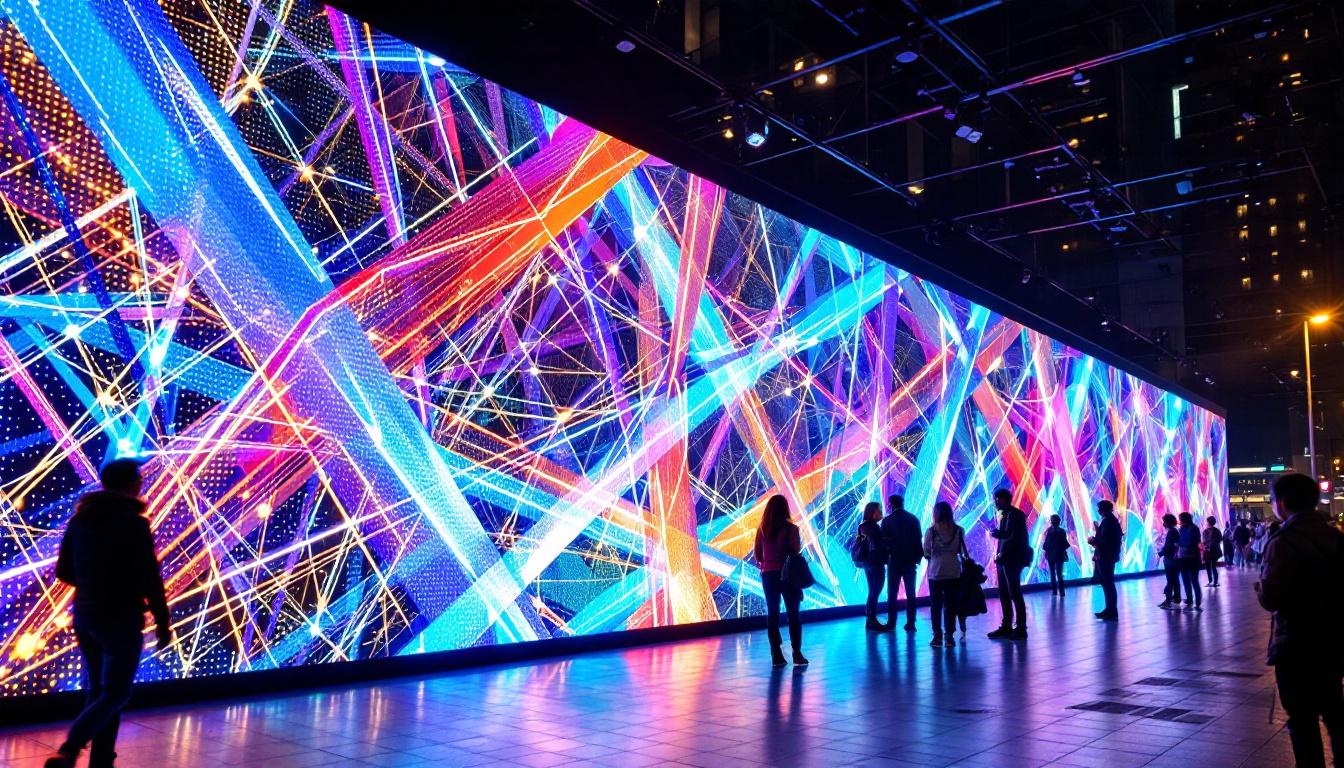
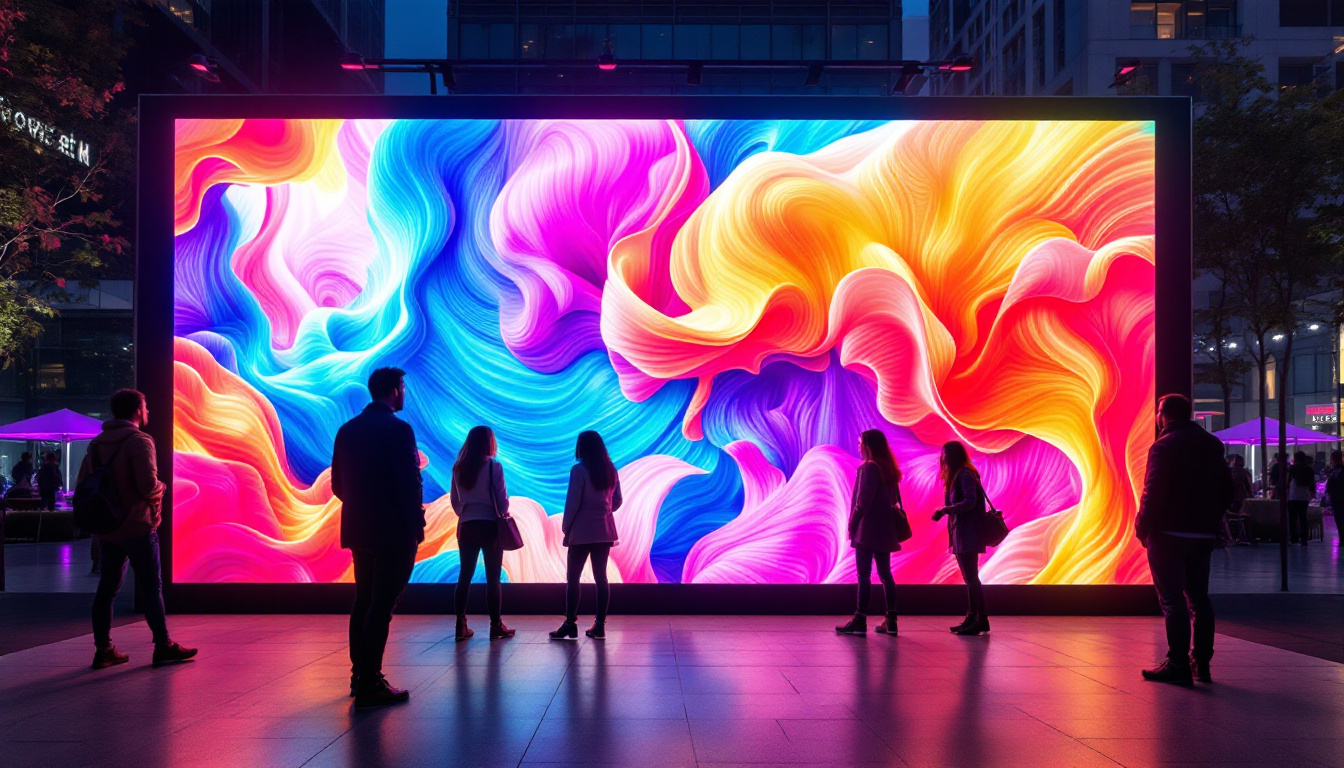
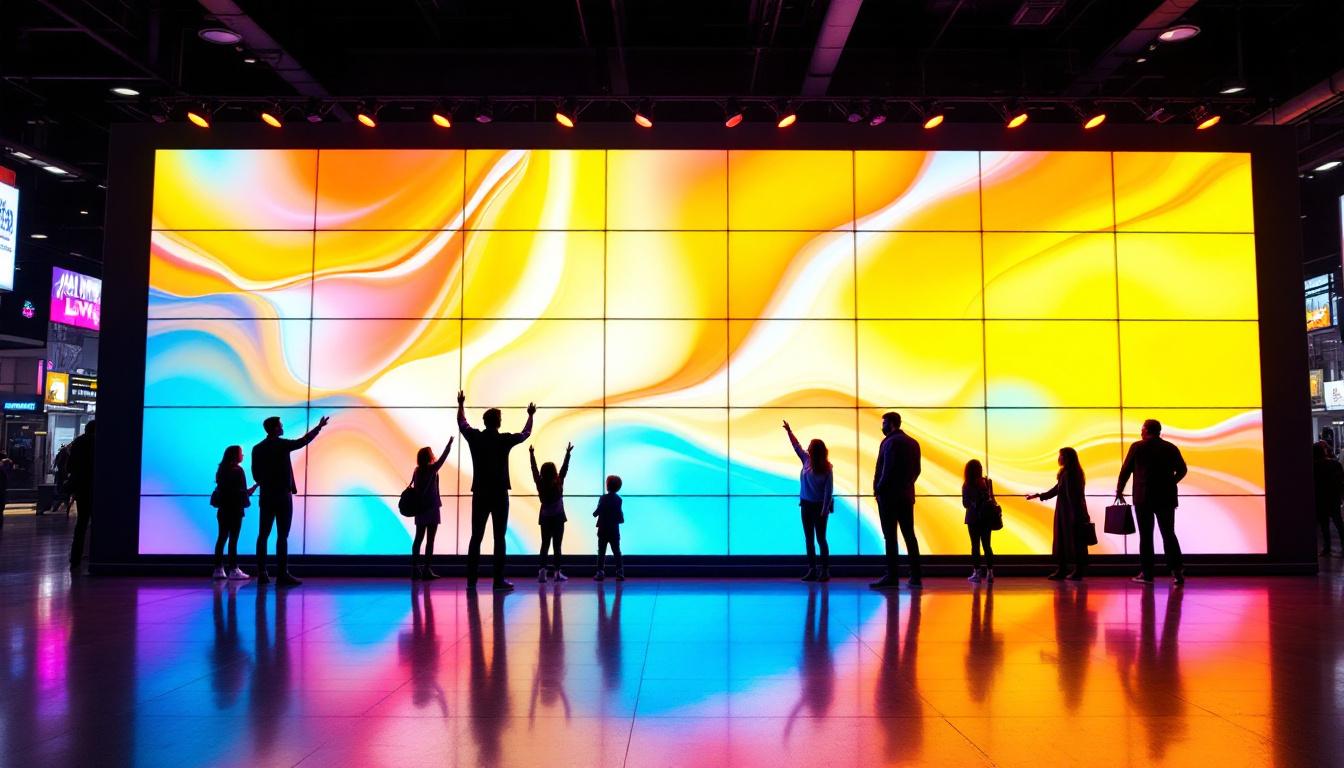
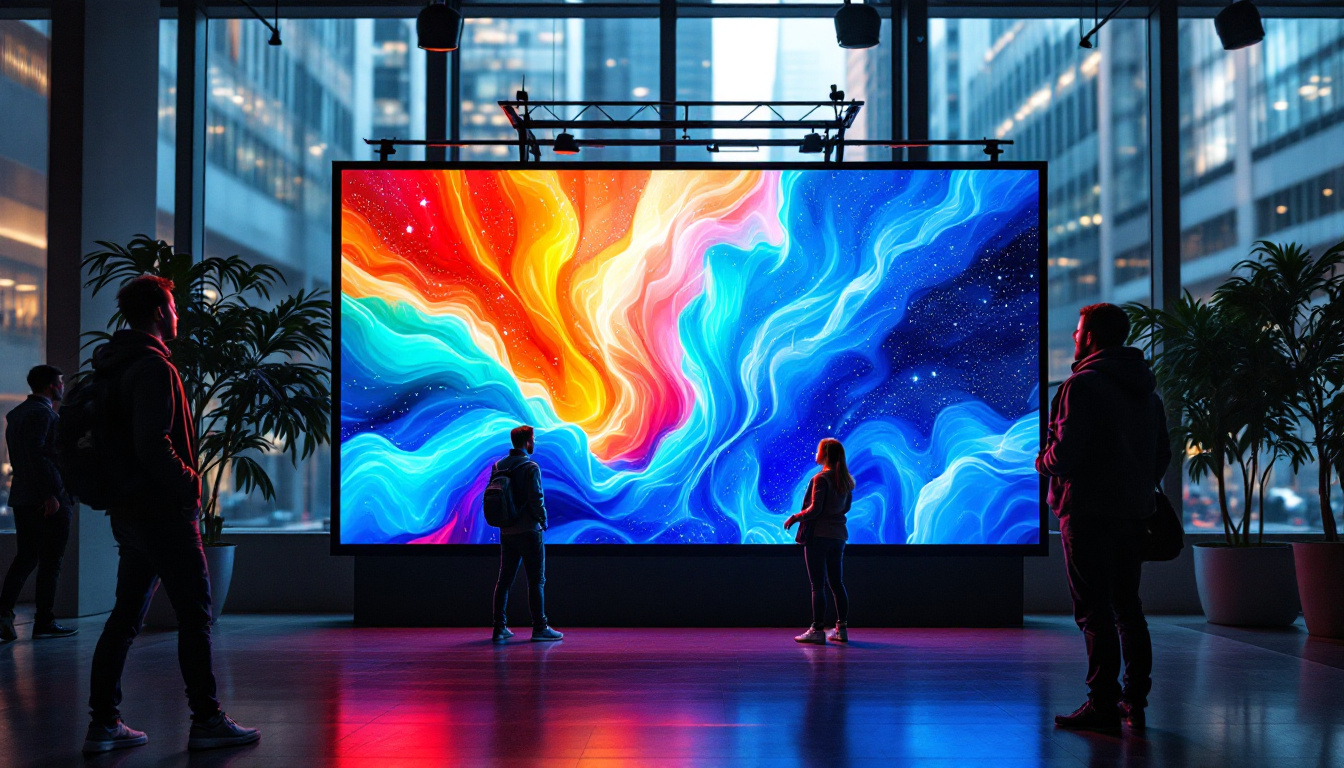
Wide LED displays refer to screens with a broader aspect ratio or physically larger dimensions, often used in outdoor advertising, stadiums, and large venues where visibility from a distance is critical. These displays can be modular, allowing for customization of size and shape to fit specific environments. For instance, they can be configured into curved or irregular shapes, enhancing the aesthetic appeal and functionality of the installation. This flexibility makes them ideal for creative advertising campaigns and immersive experiences in public spaces, where capturing attention is paramount.
Types of LED Displays
There are primarily two types of LED displays: direct view LED (DV-LED) and LED-backlit LCDs. The former uses LEDs as the actual pixels, while the latter uses LEDs as a backlight behind an LCD panel. The direct view LED displays are known for their ability to deliver stunning visuals, making them a popular choice for concert stages, sports arenas, and large-scale events where audience engagement is essential.
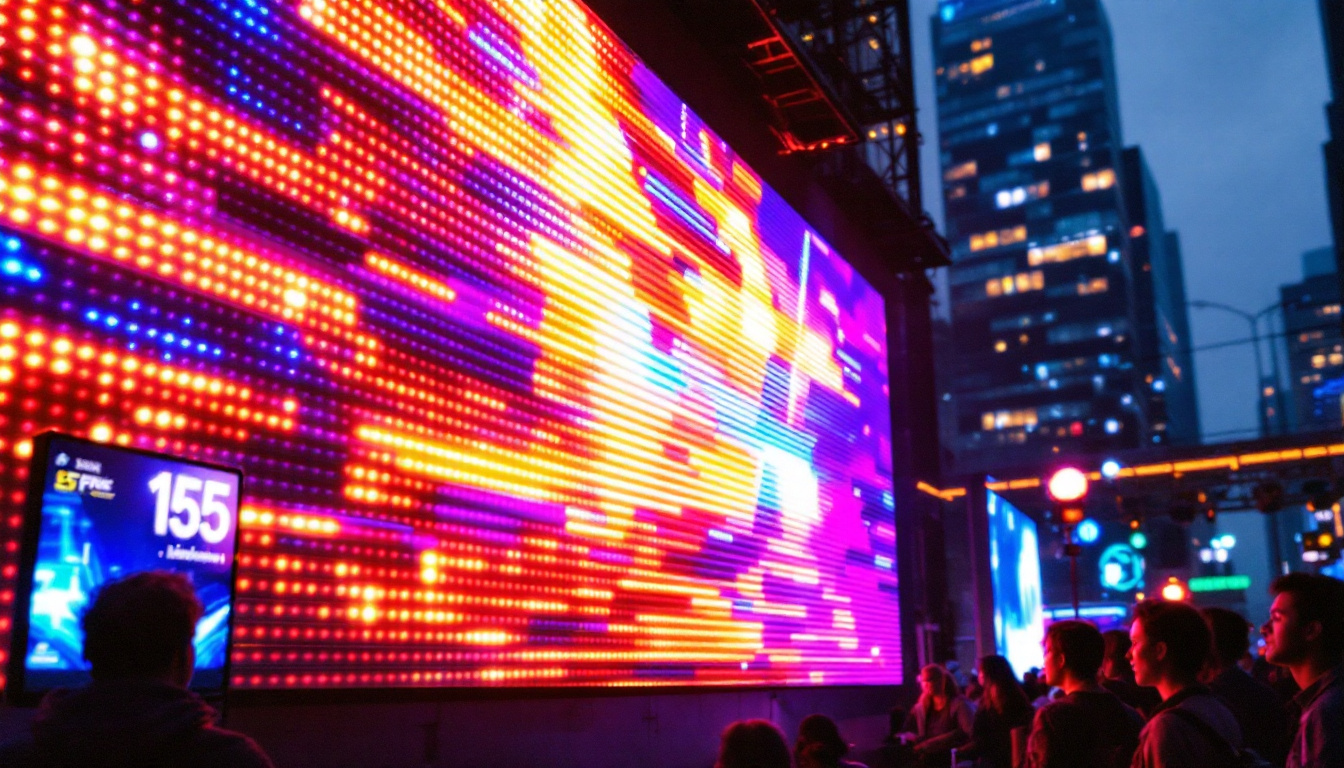
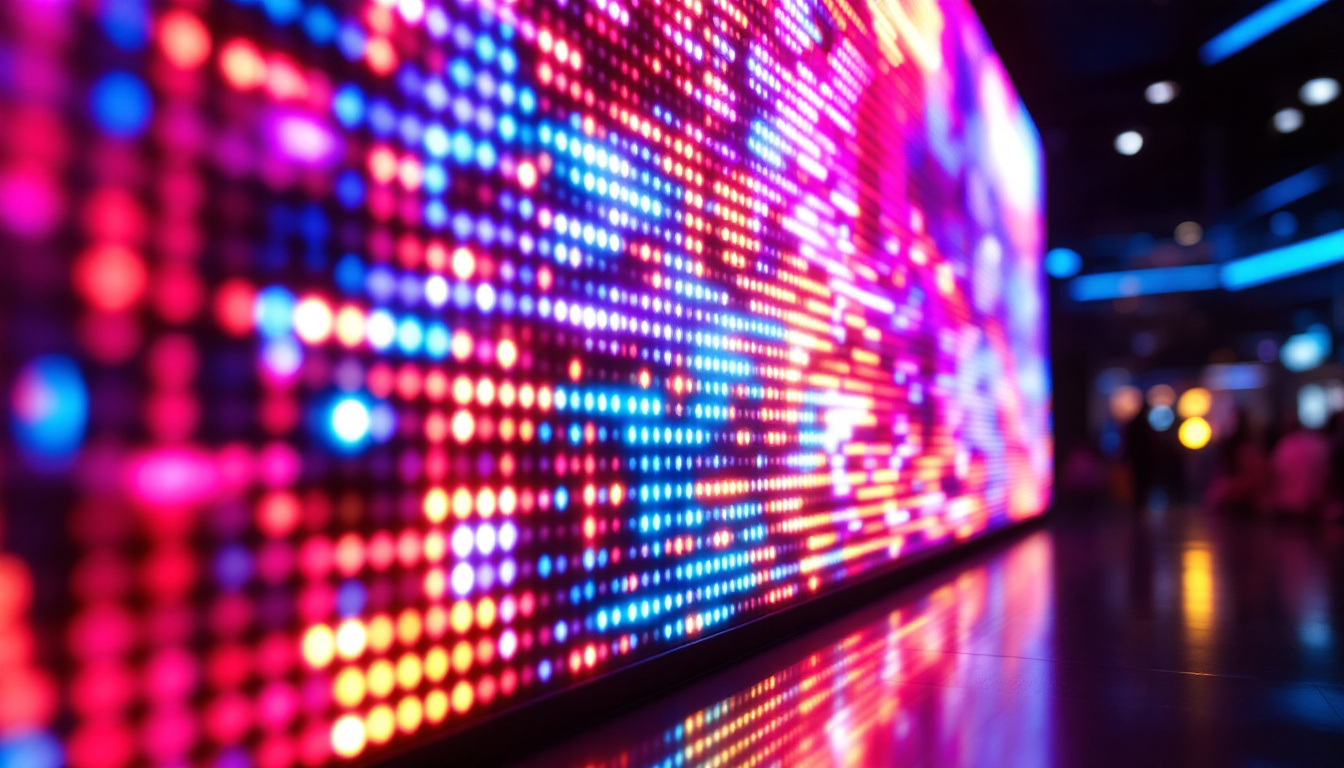
Direct view LED displays are the most common for wide, large-scale applications due to their superior brightness and viewing angles. They are further categorized based on pixel pitch—the distance between the centers of two adjacent LEDs. A smaller pixel pitch means higher resolution and better image quality, which is essential for close viewing distances. This feature is particularly beneficial in environments like trade shows and exhibitions, where viewers may be standing just a few feet away from the screen. Moreover, advancements in technology have led to the development of transparent LED displays, which allow for innovative applications in retail environments, providing an unobstructed view of products while still delivering dynamic content.
Applications of Wide LED Displays
Outdoor Advertising and Digital Billboards
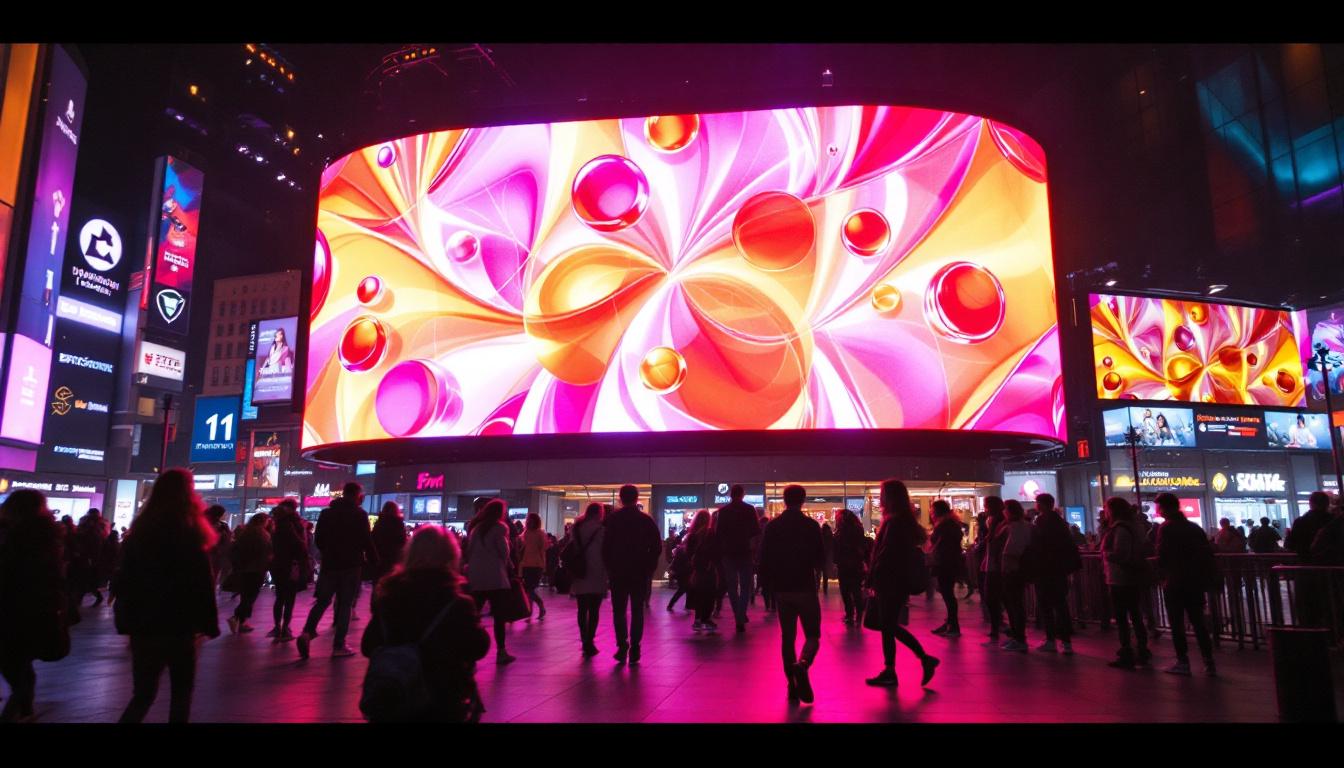
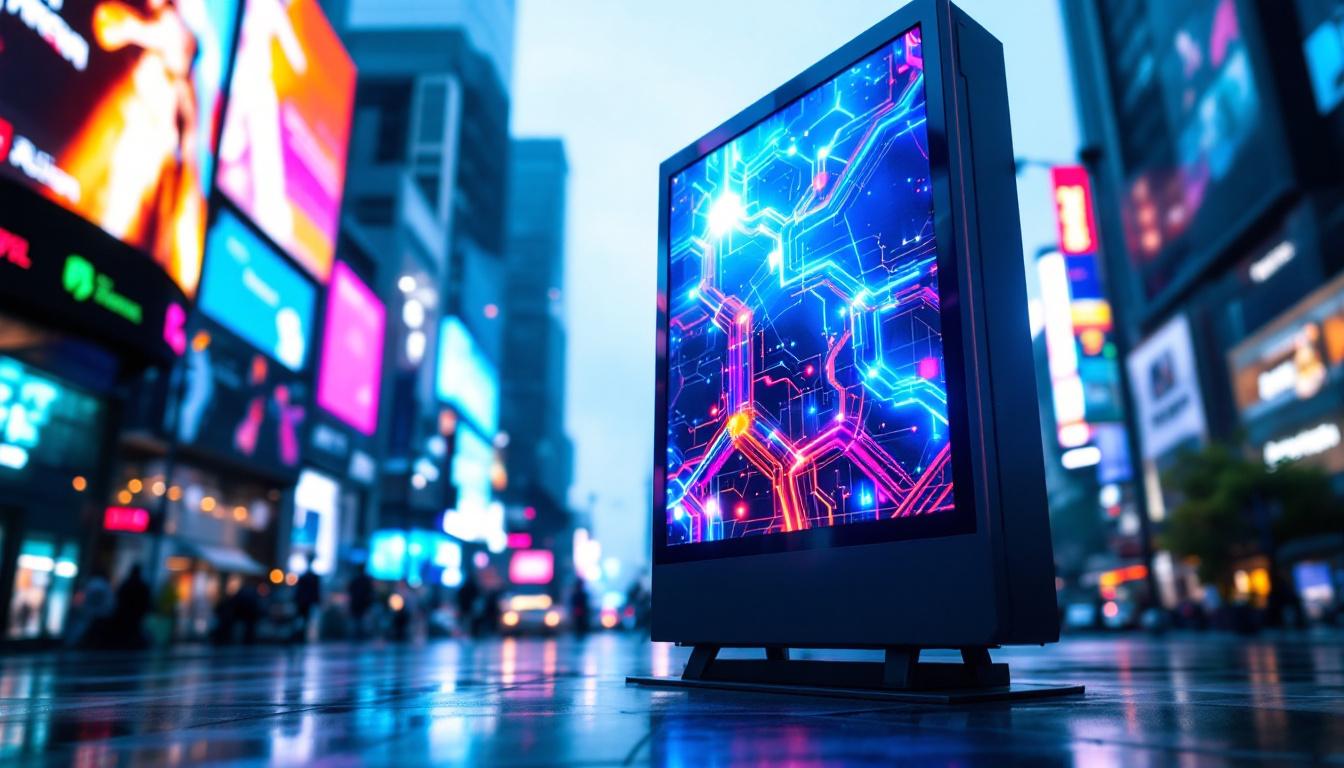
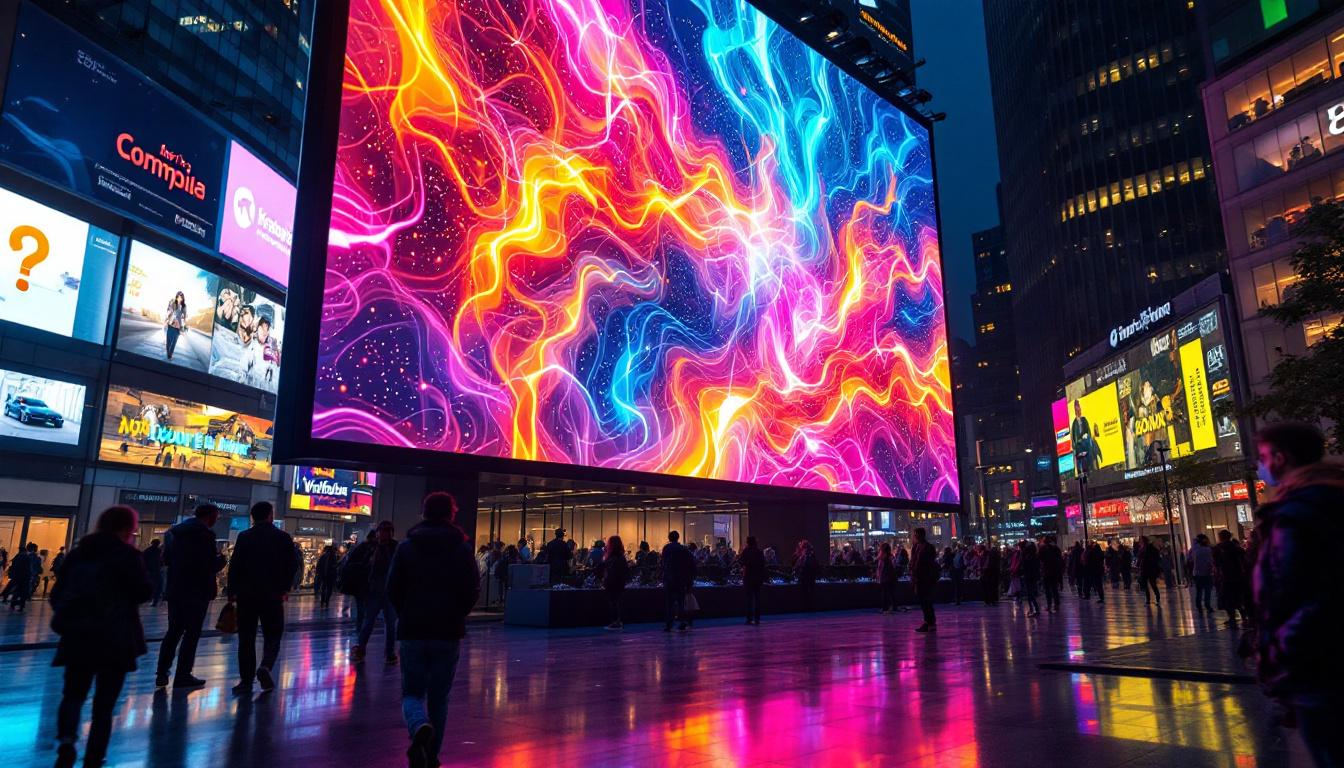
Wide LED displays have revolutionized outdoor advertising by offering dynamic, eye-catching content that can be updated in real-time. According to the Outdoor Advertising Association of America, digital billboard revenue in the U.S. grew by over 10% annually in recent years, driven largely by LED technology advancements.
These displays are designed to withstand harsh weather conditions and maintain visibility under direct sunlight, making them ideal for highways, city centers, and retail locations. Their ability to display video, animations, and interactive content enhances engagement compared to static billboards. Additionally, many of these displays now incorporate advanced analytics and targeting capabilities, allowing advertisers to tailor their messages based on time of day, audience demographics, and even weather conditions. This level of customization not only maximizes the effectiveness of advertising campaigns but also provides advertisers with valuable data on consumer behavior and engagement.
Sports Arenas and Event Venues
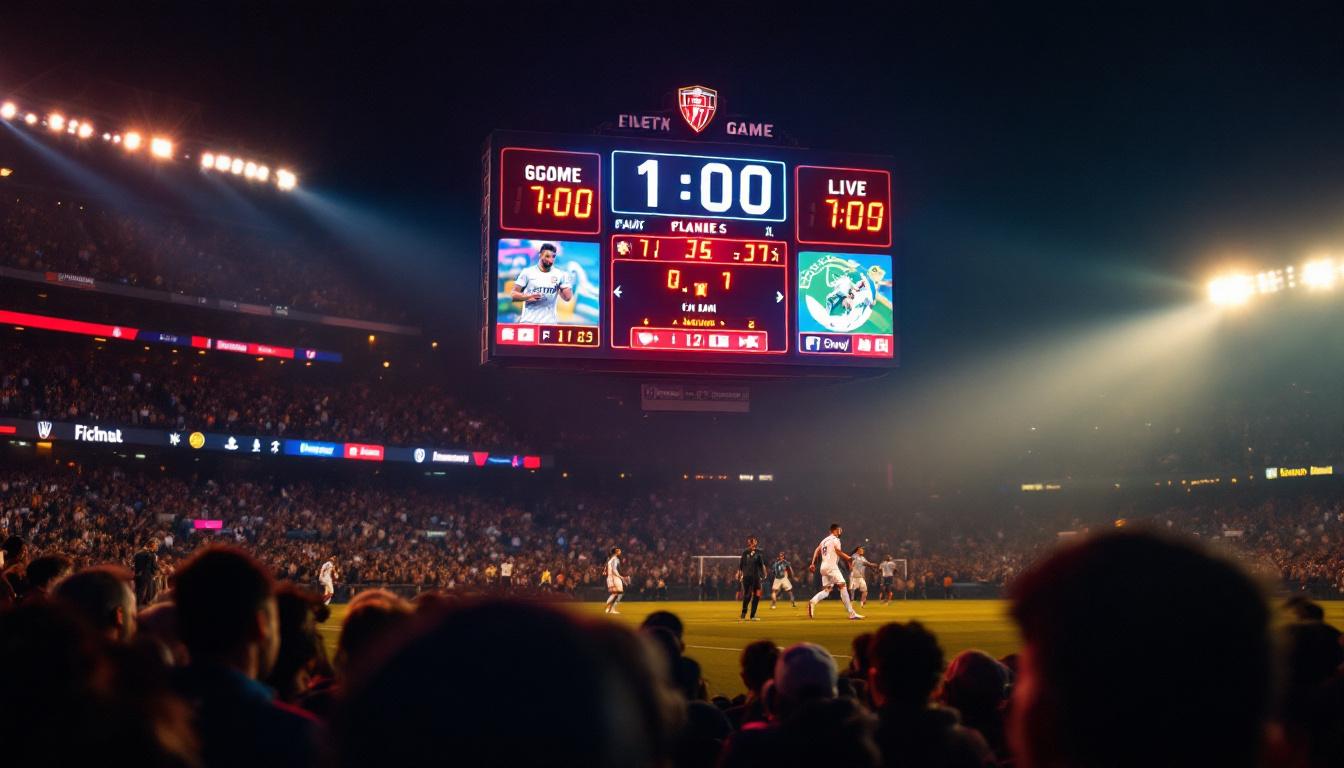
Sports arenas and large event venues rely heavily on wide LED displays to provide spectators with live scores, replays, and advertisements. The immersive experience created by these displays not only improves fan engagement but also opens up lucrative sponsorship opportunities.
For example, the AT&T Stadium in Texas features one of the largest center-hung LED video boards in the world, measuring approximately 160 feet wide and 72 feet tall. This scale of display ensures visibility from every seat, enhancing the overall event experience. Moreover, these displays often serve as platforms for fan interaction, allowing attendees to participate in live polls or social media feeds during games. This interactivity not only keeps fans engaged but also fosters a sense of community among attendees, as they share their experiences in real-time.
Corporate and Retail Environments
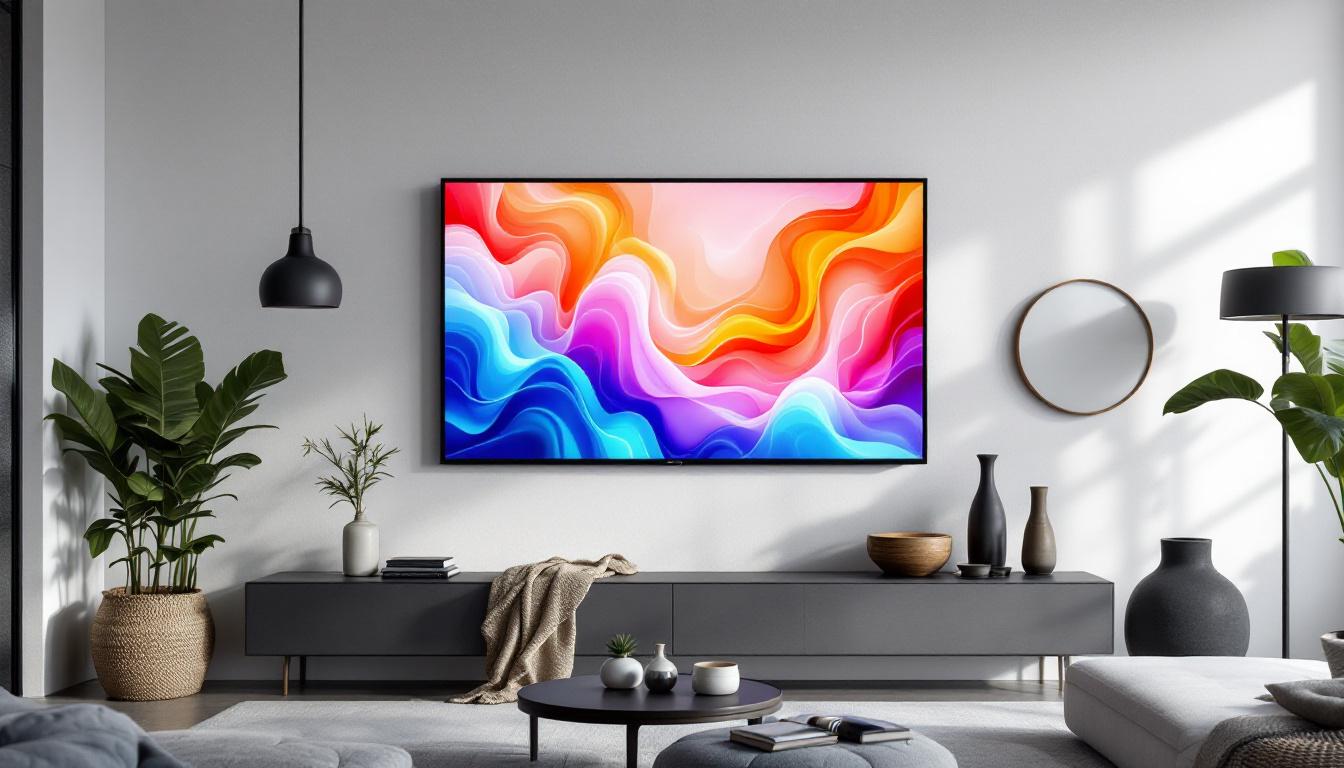
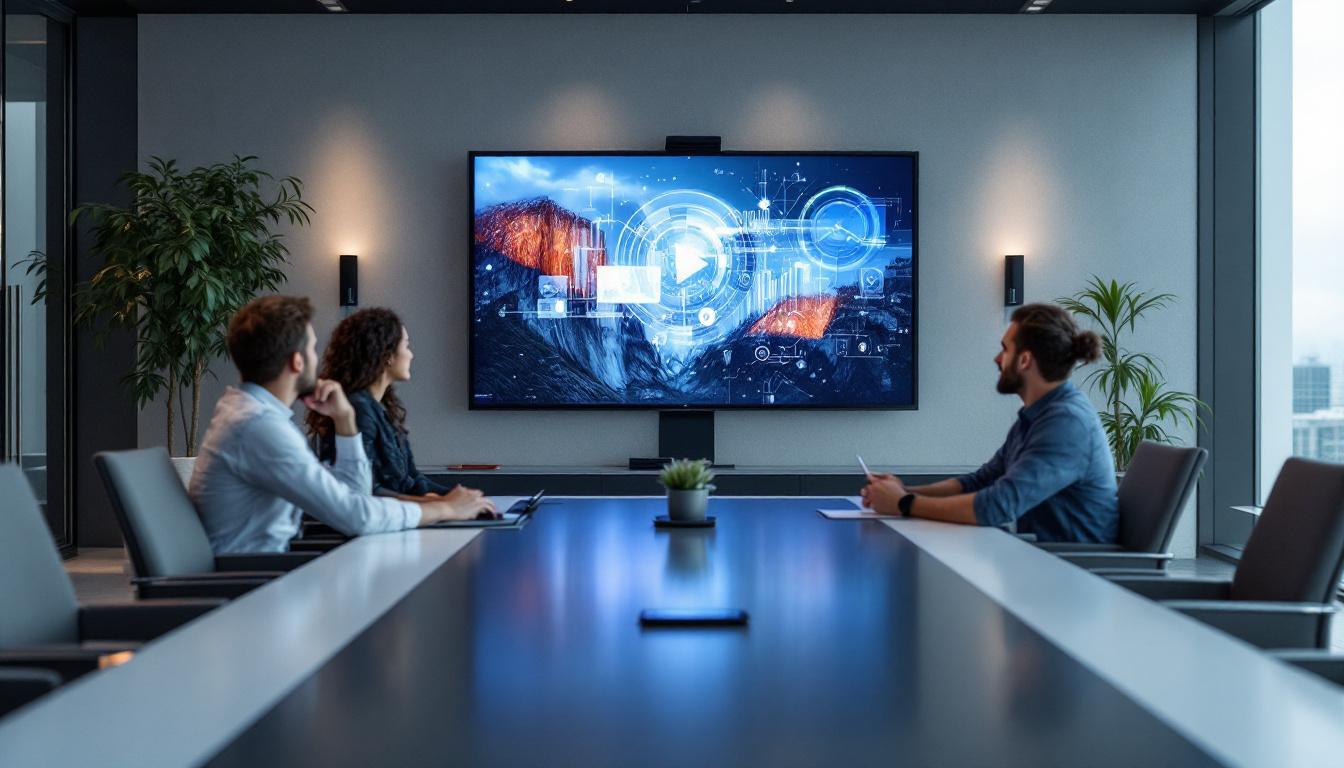
In corporate settings, wide LED displays are used for presentations, digital signage, and video conferencing. Their high resolution and brightness make them suitable for boardrooms, lobbies, and trade shows. Retailers use LED displays to showcase promotions and product information, creating interactive and engaging shopping experiences.
Furthermore, the versatility of wide LED displays allows for seamless integration with various digital platforms, enabling businesses to create cohesive marketing strategies across multiple channels. In retail environments, for instance, these displays can be synchronized with mobile apps to provide personalized offers to customers as they shop. Such innovations not only enhance the shopping experience but also drive sales by encouraging impulse purchases through timely and relevant messaging. As technology continues to evolve, the potential applications of wide LED displays in both corporate and retail settings are bound to expand, further transforming how businesses communicate with their audiences.
Key Benefits of Wide LED Displays
Superior Brightness and Visibility
One of the most significant advantages of LED displays is their brightness. LED panels can achieve brightness levels exceeding 5,000 nits, which is essential for outdoor use where sunlight can wash out other types of displays. This ensures content remains vibrant and legible at all times.
Wide LED displays also offer wide viewing angles, often up to 160 degrees or more, allowing audiences to see clear images from various positions without color distortion or loss of brightness.
Energy Efficiency and Longevity
Compared to traditional lighting and display technologies, LEDs consume significantly less power. This energy efficiency translates to lower operating costs, especially important for large-scale displays that run continuously.
Additionally, LED displays have a long operational lifespan, often rated between 50,000 to 100,000 hours. This durability reduces maintenance frequency and costs, making them a sustainable choice for businesses and municipalities.
Customization and Scalability
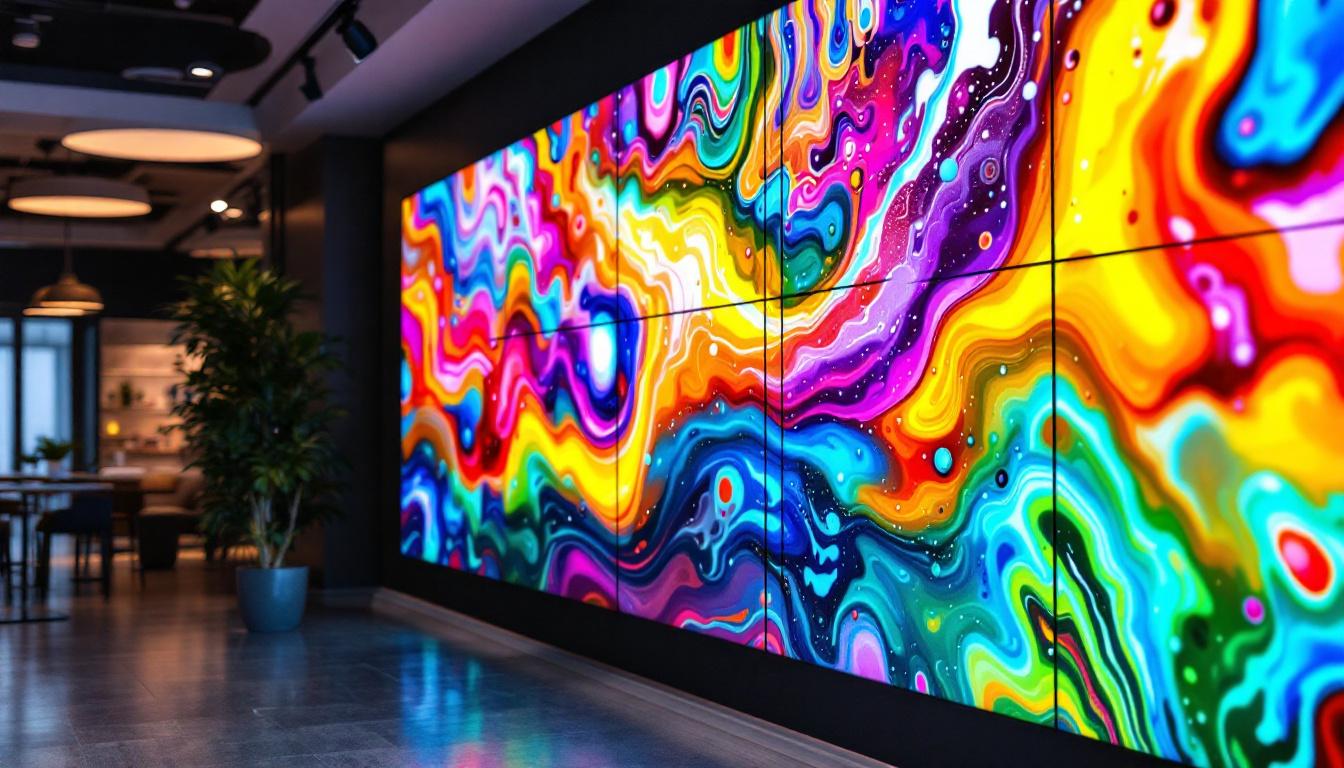
Wide LED displays are highly customizable. Modules can be combined to create virtually any size or shape, from ultra-wide panoramic screens to curved or irregularly shaped installations. This flexibility allows designers and advertisers to tailor displays to specific environments and branding needs.
Scalability is another benefit—displays can be expanded or reconfigured as requirements change, providing long-term value and adaptability.
Technical Considerations When Choosing a Wide LED Display
Pixel Pitch and Resolution
Pixel pitch is a critical factor in determining the clarity of an LED display. For wide displays intended to be viewed from a distance, a larger pixel pitch (e.g., 10mm or more) may be sufficient. However, for displays viewed up close, such as in retail stores or corporate settings, a smaller pixel pitch (1.2mm to 4mm) is necessary to ensure sharp images.
Resolution depends on pixel pitch and the overall size of the display. Higher resolution means more pixels per square meter, which enhances image detail but also increases cost.
Brightness and Contrast Ratio
Brightness is measured in nits, and for outdoor wide LED displays, a minimum of 5,000 nits is recommended to combat sunlight glare. Indoor displays typically require lower brightness levels, around 800 to 1,500 nits, to avoid eye strain.
Contrast ratio—the difference between the darkest black and the brightest white—is also important for image quality. LED displays generally offer excellent contrast due to their ability to turn off individual LEDs completely, producing true blacks.
Durability and Weather Resistance
For outdoor applications, LED displays must be weatherproof, with an IP65 rating or higher to protect against dust and water ingress. They should also be resistant to temperature extremes, UV exposure, and physical impact.
Indoor displays, while less exposed to harsh conditions, still require robust construction to ensure longevity and consistent performance.
Emerging Trends and Future Outlook
MicroLED and MiniLED Innovations
MicroLED and MiniLED technologies represent the next evolution in LED displays. MicroLEDs are much smaller than traditional LEDs, allowing for even higher resolution and thinner, lighter displays. This technology promises improved color accuracy, lower power consumption, and longer lifespan.
MiniLEDs, while larger than MicroLEDs, offer enhanced backlighting for LCD panels, improving contrast and brightness. Both technologies are gaining traction in premium consumer electronics and commercial displays.
Integration with Smart Technologies
Wide LED displays are increasingly integrated with smart technologies such as IoT sensors, AI-driven content management, and interactive touch capabilities. This integration allows for real-time data-driven advertising, personalized content delivery, and enhanced user engagement.
For instance, some digital billboards now adjust brightness and content based on ambient light and pedestrian traffic, optimizing visibility and impact.
Sustainability and Eco-Friendly Designs
As environmental concerns grow, manufacturers are focusing on making LED displays more sustainable. This includes using recyclable materials, improving energy efficiency, and designing for easier repair and component replacement.
Additionally, advancements in power management and solar-powered LED displays are emerging, reducing the carbon footprint of large-scale installations.
Conclusion
Wide LED displays have become an indispensable tool in modern visual communication, offering unmatched brightness, flexibility, and durability. Their applications span from outdoor advertising and sports arenas to corporate environments and retail spaces, providing dynamic and engaging content to diverse audiences.
Understanding the technical aspects such as pixel pitch, brightness, and weather resistance is essential for selecting the right display for specific needs. Looking ahead, innovations like MicroLED technology and smart integration promise to further enhance the capabilities and sustainability of LED displays.
For businesses and organizations aiming to make a powerful visual impact, investing in wide LED display technology is a forward-thinking choice that combines cutting-edge innovation with proven performance.
Discover LumenMatrix’s Advanced LED Display Solutions
Ready to elevate your visual communication strategy with the latest in LED technology? Look no further than LumenMatrix. As a pioneer in the industry, we offer an extensive range of LED display modules tailored to your unique needs, from Indoor and Outdoor LED Wall Displays to innovative solutions like Vehicle LED Displays, LED Posters, and even Custom LED Displays. Our mission is to transform your visual engagement, ensuring your message resonates with brilliance and precision. Don’t miss the opportunity to captivate your audience. Check out LumenMatrix LED Display Solutions today and experience the future of digital signage.