The Dallas Cowboys are not just one of the most iconic teams in the NFL; they are also pioneers in stadium technology and fan engagement. Central to this experience is the massive jumbotron at AT&T Stadium, often hailed as one of the most impressive LED displays in the world. But what goes into creating such a colossal screen, and how much does it actually cost? This article dives deep into the Dallas Cowboys jumbotron, exploring its technology, size, cost, and the impact it has on fans and the sports industry.
The Evolution of Stadium Jumbotrons
Jumbotrons have come a long way since their inception in the late 1960s. Originally, these large screens were simple, low-resolution displays primarily used to show scores and replays. Over the decades, advances in LED technology have transformed jumbotrons into ultra-high-definition, multi-functional displays that enhance the live event experience.
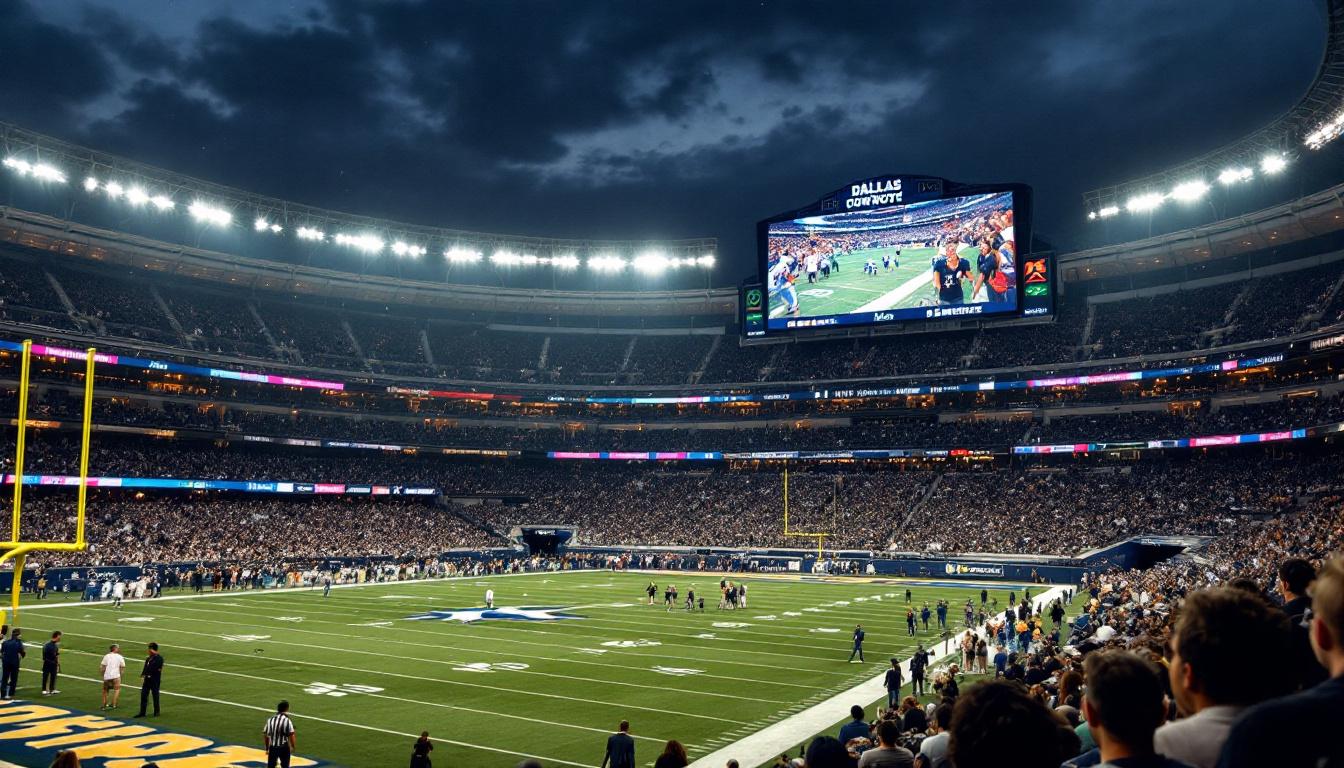
AT&T Stadium, home of the Dallas Cowboys, set a new standard when it opened in 2009. The stadium’s center-hung video board was, at the time, the largest high-definition video display in the world. This jumbotron is not just a screen; it’s an engineering marvel that combines size, clarity, and technology to create an immersive viewing experience.
From Basic Screens to Immersive Experiences
Early stadium screens were bulky and limited in resolution. The Dallas Cowboys’ jumbotron, by contrast, measures 160 feet wide and 72 feet tall, suspended over the field. It features four separate LED displays arranged in a rectangular shape, allowing fans from every angle to enjoy crisp, clear images. The screen’s pixel pitch—the distance between each LED diode—is incredibly small, enabling high-definition video playback even from great distances.
This evolution reflects broader trends in sports entertainment, where fan engagement is paramount. The jumbotron now displays instant replays, player stats, interactive content, and even live social media feeds, making it a central hub for in-stadium entertainment.
In addition to enhancing the viewing experience, jumbotrons have also become vital marketing tools for teams and sponsors alike. Advertisements can be dynamically integrated into the game experience, allowing brands to reach fans in real-time with tailored messages. This has led to a new era of revenue generation for sports teams, as they can leverage these massive displays to create engaging content that resonates with the audience. Furthermore, the integration of augmented reality features is on the rise, allowing fans to interact with the jumbotron through their smartphones, creating a more personalized experience that keeps them engaged throughout the event.
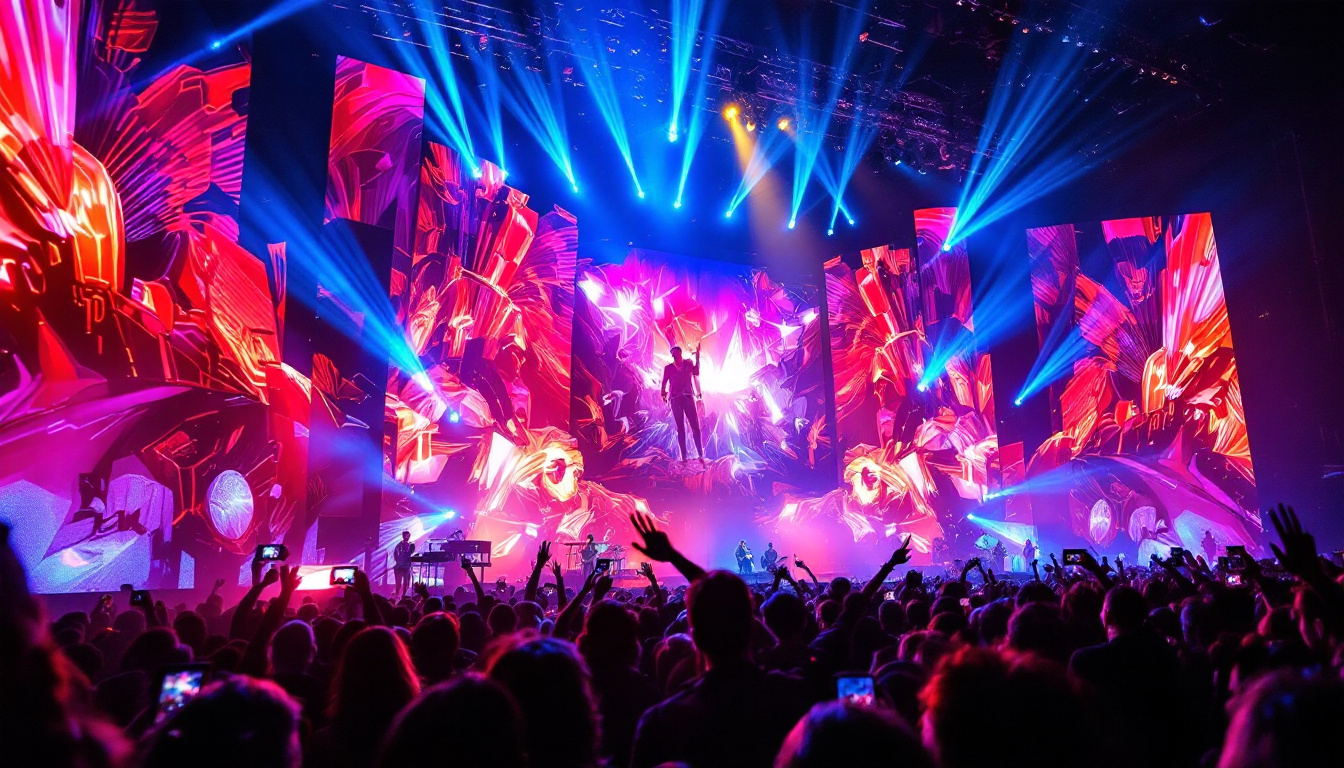
Moreover, the technological advancements in jumbotron displays have paved the way for innovative uses beyond sports. Concerts, festivals, and other large-scale events now utilize these impressive screens to create stunning visual effects that captivate audiences. The ability to synchronize video feeds with live performances has transformed how entertainment is delivered, making jumbotrons an essential element in the production of large events. As technology continues to evolve, we can expect even more creative applications for these colossal screens, further blurring the lines between live events and digital experiences.
Technical Specifications of the Dallas Cowboys Jumbotron
Understanding the cost of the Dallas Cowboys jumbotron requires a look at its technical specifications. The display is a masterpiece of LED technology, designed to deliver unparalleled brightness, resolution, and durability.
Size and Resolution
The AT&T Stadium jumbotron measures approximately 11,520 square feet, making it one of the largest in the world. The screen is actually composed of four separate panels, each measuring 160 feet wide by 72 feet tall, hanging in a rectangle above the field. This design ensures visibility from virtually every seat in the stadium.
In terms of resolution, the display boasts a pixel pitch of about 10 millimeters, which means the LEDs are spaced 10 mm apart. This tight pixel pitch results in a high-definition image quality that can display detailed video, graphics, and text clearly, even from long distances.
Brightness and Durability
Brightness is a critical factor for outdoor and indoor stadium screens. The Dallas Cowboys’ jumbotron can reach brightness levels of up to 3,000 nits, which is essential for visibility under direct sunlight or stadium lighting. This ensures that the content remains vibrant and easily viewable regardless of the time of day or weather conditions.
Durability is equally important, as the screen must withstand temperature fluctuations, humidity, and the vibrations caused by thousands of cheering fans. The LED modules are designed for long-term use, with weatherproofing and robust construction to minimize maintenance needs.
Cost Breakdown: What Does the Dallas Cowboys Jumbotron Cost?
When considering the cost of the Dallas Cowboys jumbotron, it’s important to factor in not only the price of the LED panels but also the associated infrastructure, installation, and ongoing maintenance. The total investment reflects the complexity and scale of the project.
Initial Installation Costs
Estimates for the total cost of the AT&T Stadium jumbotron range between $40 million and $50 million. This figure includes the LED panels themselves, the supporting steel structure, the control systems, and the installation labor. The screen’s sheer size and the engineering challenges of suspending it over the field contribute significantly to the cost.
For comparison, smaller stadium screens typically cost a few million dollars, but the Cowboys’ jumbotron is in a league of its own due to its unprecedented size and technological sophistication.
Ongoing Maintenance and Upgrades
Maintaining such a massive LED display is an ongoing expense. The Cowboys and AT&T Stadium management invest millions annually in upkeep, including cleaning, repairs, and software updates. LED technology also evolves rapidly, so periodic upgrades are necessary to maintain image quality and functionality.
Additionally, the control room and video production teams require specialized equipment and personnel to operate the jumbotron effectively during games and events. These operational costs add to the overall investment in the display.
Why the Dallas Cowboys Invested in Such a Massive Jumbotron
The decision to install the world’s largest high-definition jumbotron was strategic, reflecting the Dallas Cowboys’ commitment to fan experience, brand prestige, and revenue generation.
Enhancing Fan Engagement
Modern sports fans expect more than just the game; they want an immersive, interactive experience. The jumbotron allows the Cowboys to deliver instant replays, close-ups, player stats, and fan interactions that keep attendees engaged throughout the event. This level of engagement helps maintain high attendance rates and boosts fan loyalty.
Boosting Revenue Streams
The jumbotron also opens up new revenue opportunities. High-quality advertising space on such a massive and visible screen commands premium rates. Sponsors and advertisers are willing to pay top dollar to reach tens of thousands of fans in the stadium and millions watching broadcasts that incorporate jumbotron content.
Moreover, the enhanced fan experience encourages longer stays at the stadium, increased concession sales, and greater merchandise purchases, all of which contribute to the Cowboys’ bottom line.
Setting Industry Standards
By investing in cutting-edge technology, the Dallas Cowboys position themselves as leaders in sports entertainment. This reputation attracts major events beyond football, such as concerts and college sports, which benefit from the stadium’s advanced audiovisual capabilities.
Comparing the Dallas Cowboys Jumbotron to Other Stadium Displays
While the Cowboys’ jumbotron is among the largest and most advanced, it is useful to compare it with other notable stadium displays to appreciate its scale and impact.
Other NFL Stadiums
Many NFL stadiums have upgraded their video boards in recent years, but few match the size or resolution of the Cowboys’ display. For example, the New York Giants and Jets’ MetLife Stadium features a large LED ribbon board and video screens, but these are smaller and less centrally located. The Green Bay Packers’ Lambeau Field has a large video board, but it is more traditional in size and placement.
International and Non-Sports Venues
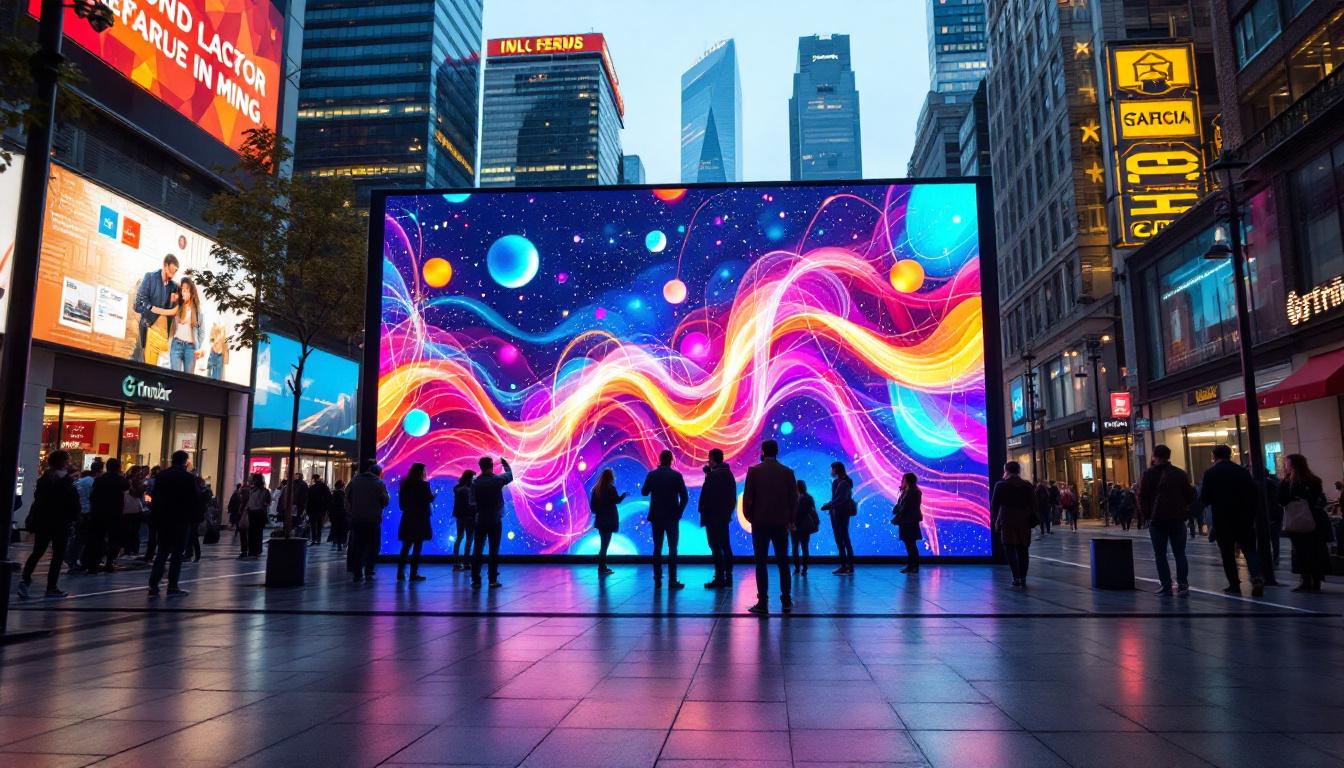
Outside the NFL, some venues boast massive LED displays, such as the Las Vegas Strip’s Fremont Street Experience or Times Square in New York City. However, these are designed for different purposes and viewing distances. The Cowboys’ jumbotron is unique in balancing size, resolution, and proximity to the audience in a sports setting.
The Future of Stadium LED Displays
The Dallas Cowboys jumbotron represents the pinnacle of current LED technology, but the future promises even more innovation.
Higher Resolution and Flexible Displays
Advancements in microLED and OLED technology may soon allow for even higher resolution screens with better color accuracy and contrast. Flexible and transparent displays could enable new forms of stadium integration, such as wrapping screens around columns or creating dynamic architectural elements.
Interactive and Augmented Reality Features
Future stadium displays may incorporate interactive elements, allowing fans to customize what they view or participate in live polls and games via their smartphones. Augmented reality (AR) overlays could enhance the live experience by providing real-time stats or player tracking visible on the jumbotron or personal devices.
Energy Efficiency and Sustainability
As stadiums focus more on sustainability, LED displays will evolve to be more energy-efficient and environmentally friendly. The Dallas Cowboys and other teams will likely invest in greener technologies to reduce operational costs and carbon footprints.
Conclusion
The Dallas Cowboys jumbotron is more than just a screen; it’s a symbol of innovation, fan engagement, and the business of sports entertainment. With a price tag estimated between $40 million and $50 million, the investment reflects the importance of technology in enhancing the live game experience and driving revenue.
As LED technology continues to advance, the Cowboys’ jumbotron will remain a benchmark for stadium displays worldwide. For fans, it transforms a football game into a multimedia event, and for the team, it represents a strategic asset that elevates the brand and enriches the overall stadium experience.
Illuminate Your Venue with LumenMatrix
As you marvel at the Dallas Cowboys’ groundbreaking jumbotron, imagine the possibilities for your own venue. LumenMatrix, a leader in LED display technology, offers a range of innovative solutions tailored to bring your space to life. From Indoor and Outdoor LED Wall Displays to specialized LED Sports Displays and beyond, LumenMatrix is committed to transforming environments with vibrant, high-impact visuals. Ready to elevate your audience’s experience and amplify your message? Check out LumenMatrix LED Display Solutions and join the revolution in visual communication.