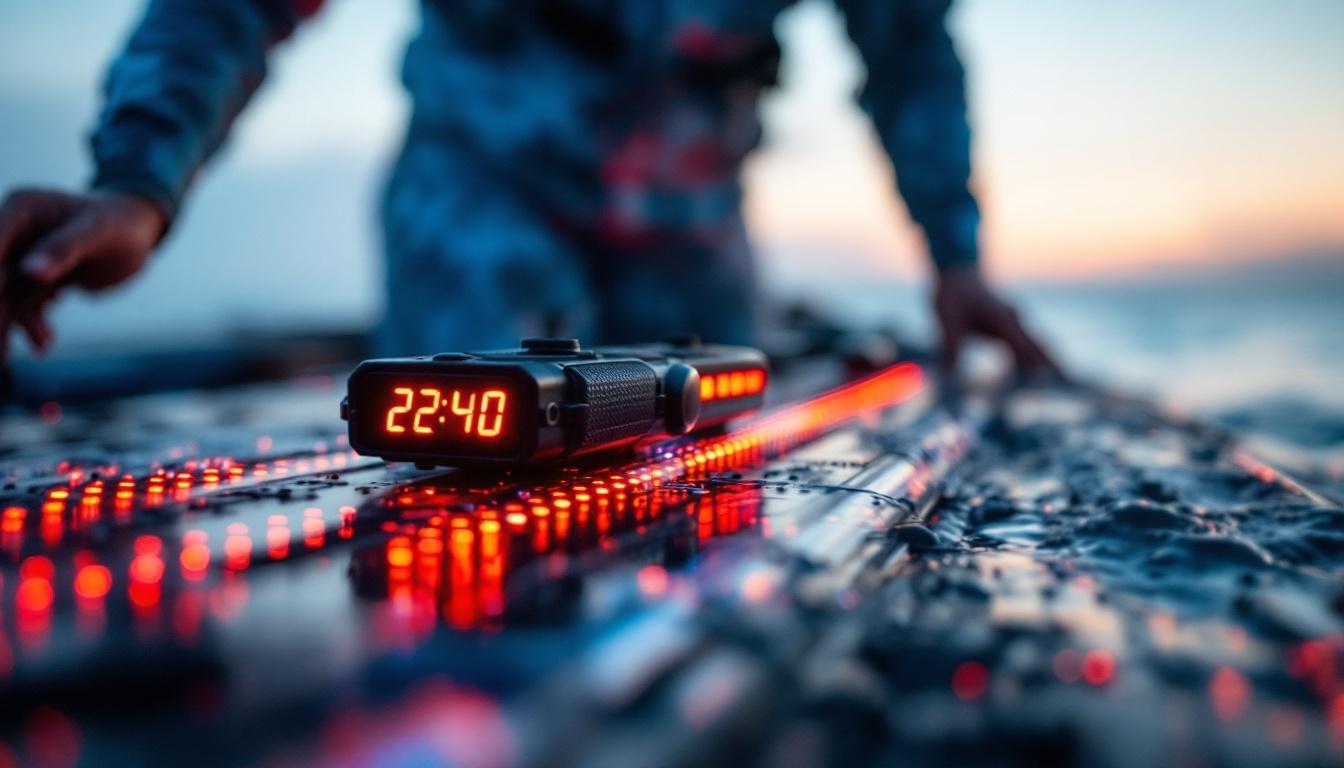
Planer boards have long been a staple in the arsenal of anglers targeting species like salmon, trout, and striped bass. These versatile tools allow fishermen to spread multiple lines away from the boat, increasing coverage and improving catch rates. In recent years, the integration of LED displays with planer boards has revolutionized their usability and effectiveness, offering anglers real-time data and enhanced control.
This comprehensive guide explores how to use a planer board equipped with an LED display, detailing the components, setup process, operational tips, and benefits. Whether you’re a seasoned angler or new to planer boards, understanding the technology behind LED displays can elevate your fishing experience.
Understanding Planer Boards and Their Purpose
Before diving into the LED display features, it’s essential to understand what a planer board is and why it’s used. A planer board is a flat, buoyant device attached to a fishing line that allows anglers to troll multiple lines at varying distances from the boat. This technique is particularly effective for covering a wider area and targeting fish that are spread out or wary of the boat’s presence. By utilizing a planer board, anglers can effectively increase their chances of encountering fish that might otherwise be missed by traditional trolling methods.
Planer boards work by creating lateral drag, pushing the fishing line away from the boat as it moves forward. This separation reduces line tangling and simulates a natural bait presentation, increasing the chances of attracting fish. Traditionally, anglers relied on visual cues and manual adjustments to monitor planer boards, but LED displays have introduced a new level of precision and convenience. These displays not only provide real-time feedback on the position of each board but also allow for easy adjustments, ensuring that the bait remains at the optimal depth and distance from the boat.
Why Use a Planer Board?
Using a planer board can increase your fishing area by up to 200%, allowing multiple lines to be trolled simultaneously without interference. This efficiency is particularly valuable in competitive fishing or when targeting elusive species. Additionally, planer boards help maintain consistent line depth and presentation, which is critical for species sensitive to bait movement. The ability to adjust the angle and distance of the board also enables anglers to adapt to varying water conditions, currents, and fish behavior, making it a versatile tool in any angler’s arsenal.
Common Species Targeted with Planer Boards
Planer boards are popular in both freshwater and saltwater environments. Anglers targeting salmon, steelhead, walleye, striped bass, and lake trout often rely on planer boards to optimize their trolling techniques. The ability to position baits precisely and cover more water makes planer boards indispensable in many fishing scenarios. Beyond these common species, some anglers have found success targeting less conventional species, such as catfish and even certain types of panfish, by adapting their bait and presentation techniques to suit the unique feeding habits of these fish.
Moreover, the use of planer boards has evolved with advancements in technology. Many modern boards come equipped with features such as adjustable weights and built-in lights for nighttime fishing, enhancing their functionality. This innovation allows anglers to fish at various depths and times, increasing their chances of success. As the fishing community continues to embrace these advancements, the popularity of planer boards is likely to grow, further revolutionizing the way anglers approach their sport.
Introducing LED Displays on Planer Boards
The integration of LED displays into planer boards represents a significant technological advancement. These displays provide anglers with crucial information such as board position, line tension, and depth, all in real-time. This data-driven approach enhances decision-making and reduces guesswork during trolling.
Key Features of LED Displays on Planer Boards
Modern LED displays on planer boards typically include:
- Position Indicators: Show the lateral spread of the board relative to the boat.
- Line Tension Sensors: Alert anglers to changes in tension that may indicate a strike or snag.
- Depth Readouts: Provide real-time depth information to maintain optimal bait placement.
- Battery Status: Ensures the device is powered throughout the fishing session.
- Wireless Connectivity: Some models offer integration with smartphones or onboard fish finders for enhanced monitoring.
These features collectively improve the angler’s ability to manage multiple lines effectively and respond quickly to fish activity.
Benefits of Using LED Displays with Planer Boards
LED displays enhance safety and efficiency on the water. By providing clear visual feedback, anglers can avoid line tangles and reduce the risk of losing gear. Moreover, the ability to monitor multiple boards simultaneously via LED indicators streamlines trolling operations, especially in low-light or challenging weather conditions.
According to a 2023 survey by the National Marine Electronics Association, anglers using LED-equipped planer boards reported a 30% increase in catch rates compared to traditional setups, underscoring the practical advantages of this technology.
Setting Up a Planer Board with an LED Display
Proper setup is crucial to maximize the benefits of a planer board with an LED display. The process involves assembling the board, attaching the LED unit, and calibrating the system for accurate readings.
Step 1: Assemble the Planer Board
Begin by attaching the planer board’s hardware components, including the line release clip and swivel. Ensure the board is clean and free of debris to allow smooth operation. Most planer boards are designed to be lightweight yet durable, typically made from high-density foam or composite materials.
Step 2: Attach the LED Display Unit
Secure the LED display unit to the planer board according to the manufacturer’s instructions. This usually involves mounting the sensor module in a position where it can accurately detect line tension and board movement. Some models come with waterproof casings to protect electronics from water exposure.
Step 3: Connect and Calibrate
Once the LED unit is attached, connect it to the power source, often a rechargeable battery pack. Power on the device and follow the calibration procedure, which may include setting baseline tension levels and confirming the board’s neutral position. Calibration ensures that the LED display provides accurate and reliable data during use.
Step 4: Attach Fishing Lines and Test
Attach your fishing line to the planer board’s release clip and perform a test run. Monitor the LED display for position and tension readings, making adjustments as necessary. It’s advisable to conduct this test in calm waters before heading into more challenging fishing conditions.
Operating Planer Boards with LED Displays: Best Practices
Using a planer board with an LED display effectively requires understanding both the technology and fishing tactics. Here are some best practices to optimize your trolling setup.
Monitoring Board Position and Spread
Use the LED display to maintain an optimal spread between multiple planer boards. Keeping lines spaced prevents tangling and maximizes water coverage. For example, when targeting salmon in rivers, maintaining a 20-30 foot spread between boards can significantly increase strike opportunities.
Responding to Line Tension Alerts
The line tension sensor is a critical feature for detecting strikes or snags. When the LED display indicates a sudden change in tension, anglers should be prepared to reel in or set the hook promptly. This responsiveness can mean the difference between landing a fish and losing it.
Adjusting Depth Based on LED Feedback
Depth readouts allow anglers to keep baits in the strike zone. Fish often congregate at specific depths depending on water temperature, time of day, and season. Using the LED display to adjust planer board depth can improve bait presentation and increase catch rates.
Maintaining Equipment and Battery Life
Regular maintenance of the planer board and LED unit ensures longevity and reliable performance. Clean the board after each use, check for damage, and recharge batteries fully before trips. Many LED units feature low-battery warnings to prevent unexpected power loss.
Advanced Tips for Experienced Anglers
For anglers looking to push their trolling game further, integrating LED displays with other fishing technologies can yield impressive results.
Integration with GPS and Fish Finders
Some LED-equipped planer boards can connect wirelessly to GPS systems and fish finders, providing a comprehensive view of fishing conditions. This integration allows for precise navigation, targeted trolling routes, and real-time adjustments based on fish location data.
Using Multiple Boards Simultaneously
Experienced anglers often deploy several planer boards on each side of the boat, each monitored via individual LED displays or a centralized control unit. This multi-board approach maximizes water coverage and increases the chances of detecting fish activity across different depths and distances.
Customizing LED Alerts and Settings
Advanced LED units offer customizable alerts for tension thresholds, battery levels, and positional limits. Tailoring these settings to specific fishing conditions or personal preferences can enhance focus and reduce distractions during critical moments.
Common Challenges and Troubleshooting
While LED displays add convenience, they also introduce potential technical challenges. Understanding common issues and their solutions can help maintain smooth operation.
Signal Interference and Connectivity Issues
Wireless LED units may experience interference from other electronic devices or environmental factors. To mitigate this, keep devices updated with the latest firmware and avoid operating multiple high-frequency electronics simultaneously.
Inaccurate Readings
Calibration errors or sensor damage can cause inaccurate tension or position readings. Regularly recalibrate the system and inspect sensors for wear or corrosion. If problems persist, consult the manufacturer’s support resources.
Battery Drain
Unexpected battery drain can disrupt fishing sessions. Carry spare batteries or portable chargers, and monitor battery status closely via the LED display. Opt for high-quality rechargeable batteries to ensure consistent power supply.
Conclusion: Elevating Your Fishing Experience with LED-Equipped Planer Boards
Planer boards remain an essential tool for anglers seeking to expand their trolling capabilities. The addition of LED displays has transformed these devices from simple mechanical aids into sophisticated electronic systems that provide real-time data and enhanced control. By understanding how to use a planer board with an LED display, anglers can improve efficiency, increase catch rates, and enjoy a more informed and engaging fishing experience.
Embracing this technology requires careful setup, regular maintenance, and a willingness to adapt to new fishing strategies. However, the benefits—ranging from improved line management to precise bait presentation—make it a worthwhile investment for serious anglers. As LED technology continues to advance, the future of planer board fishing looks brighter than ever.
Discover the Future of Fishing with LumenMatrix LED Displays
Ready to take your angling to the next level? LumenMatrix is at the forefront of integrating advanced LED display technology into the fishing experience. Our range of LED display solutions, from Sports Displays to Custom and All-in-One LED Displays, are designed to elevate your success on the water. Experience the difference that real-time data and superior visibility can make in your fishing adventures. Check out LumenMatrix LED Display Solutions today and transform the way you fish with cutting-edge technology that’s as reliable as it is innovative.