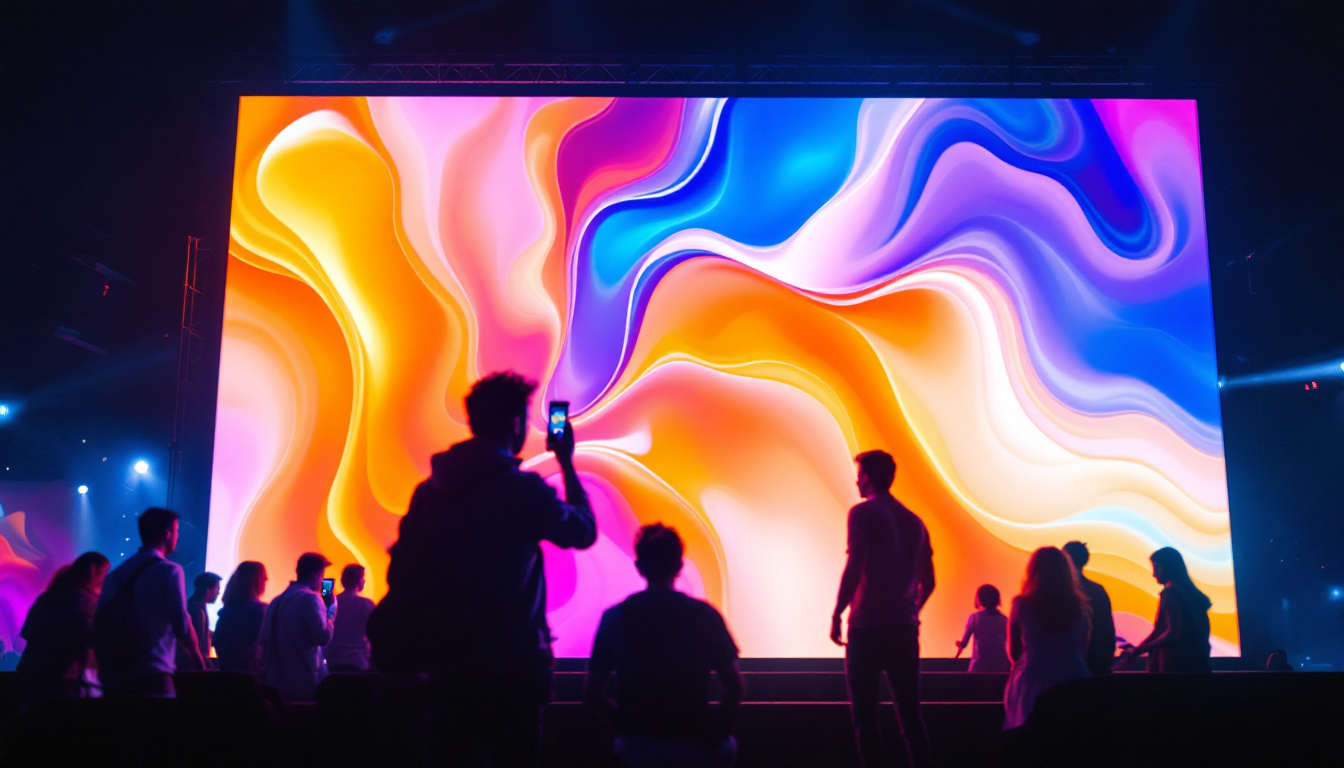
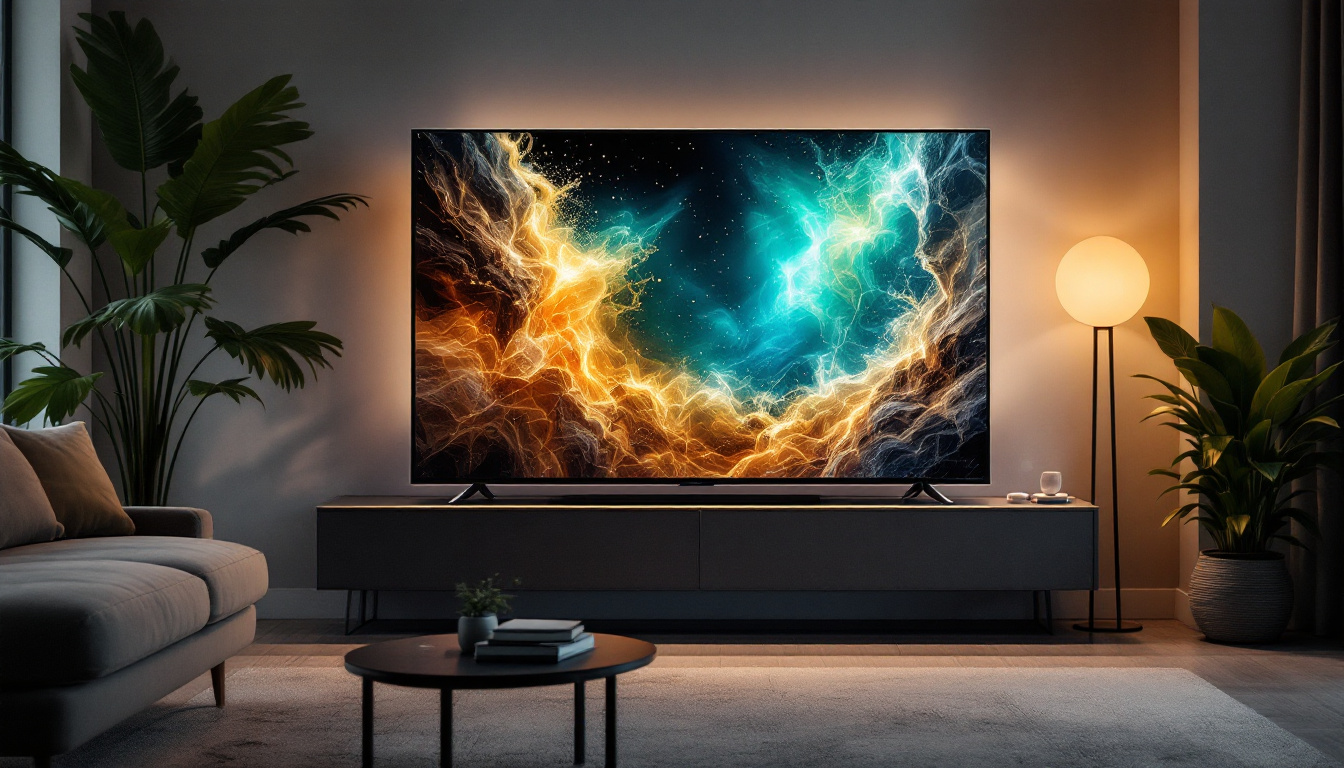
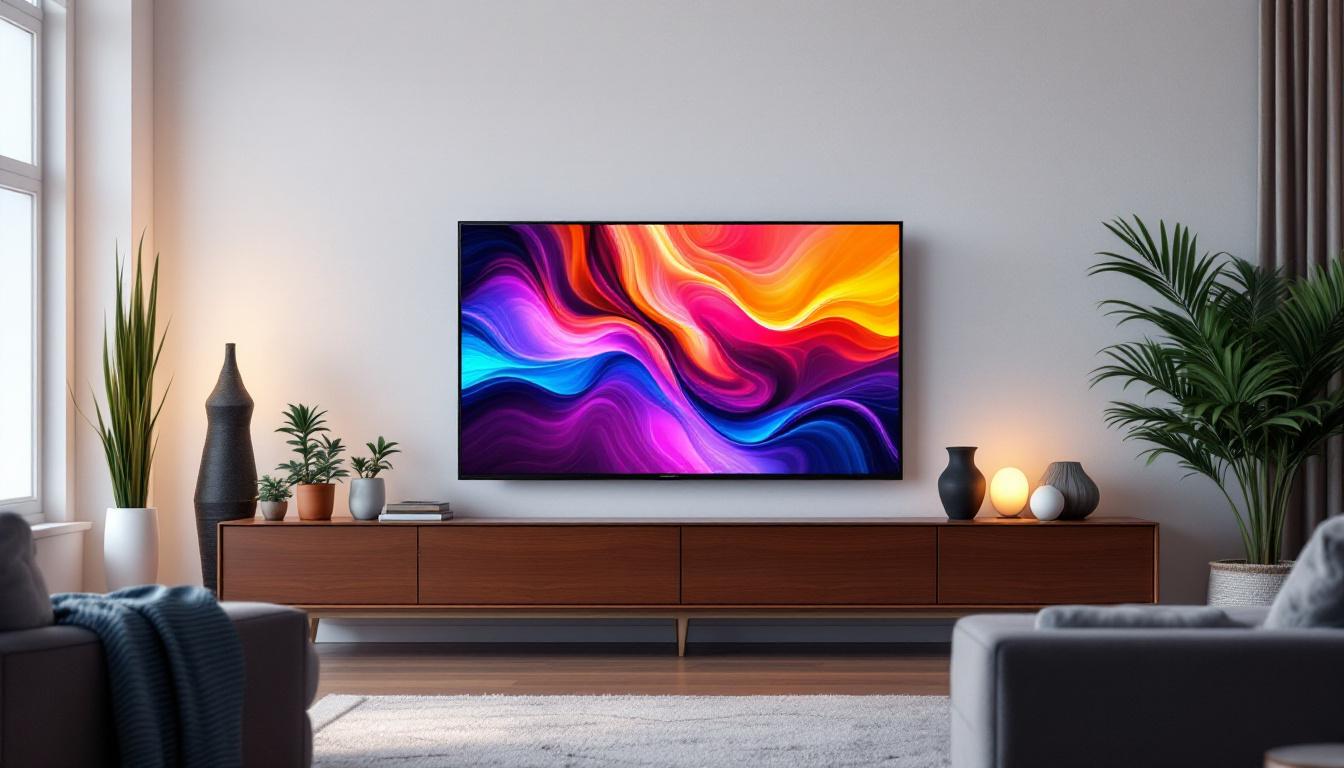
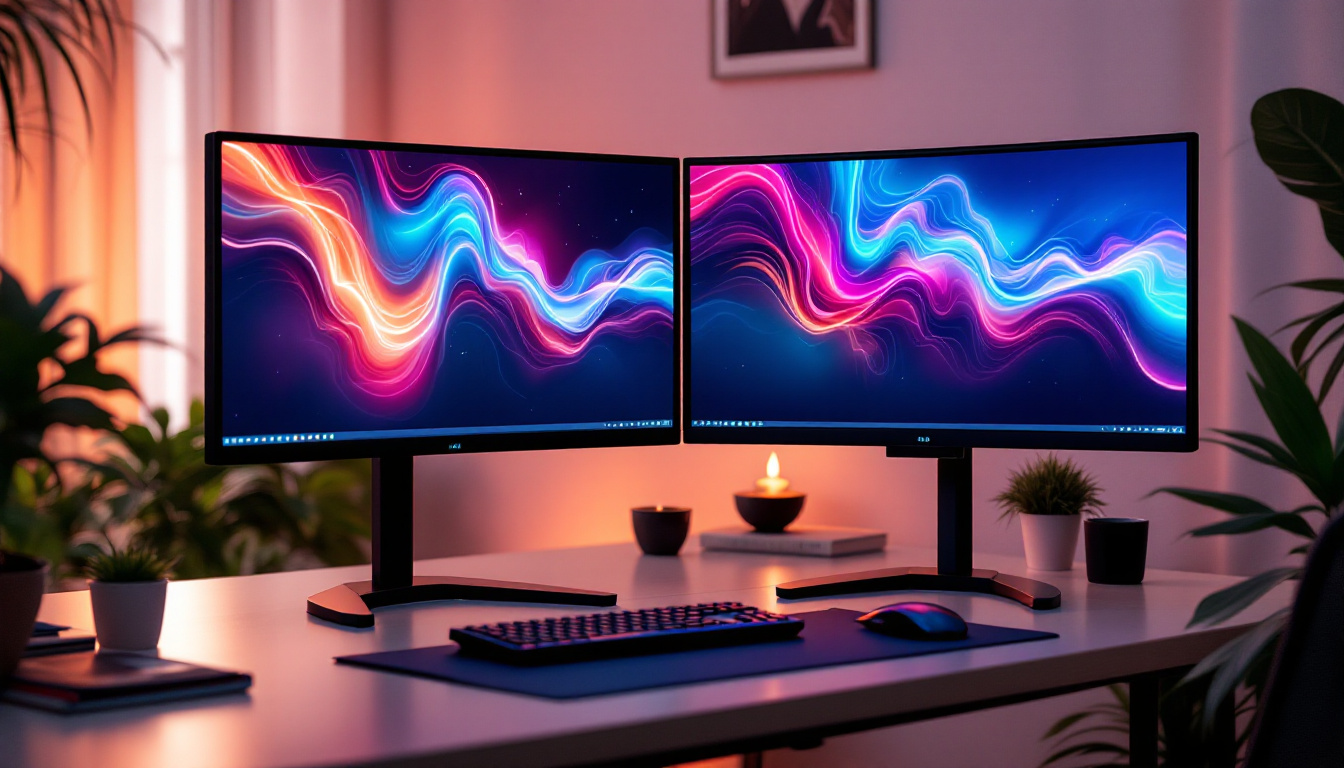
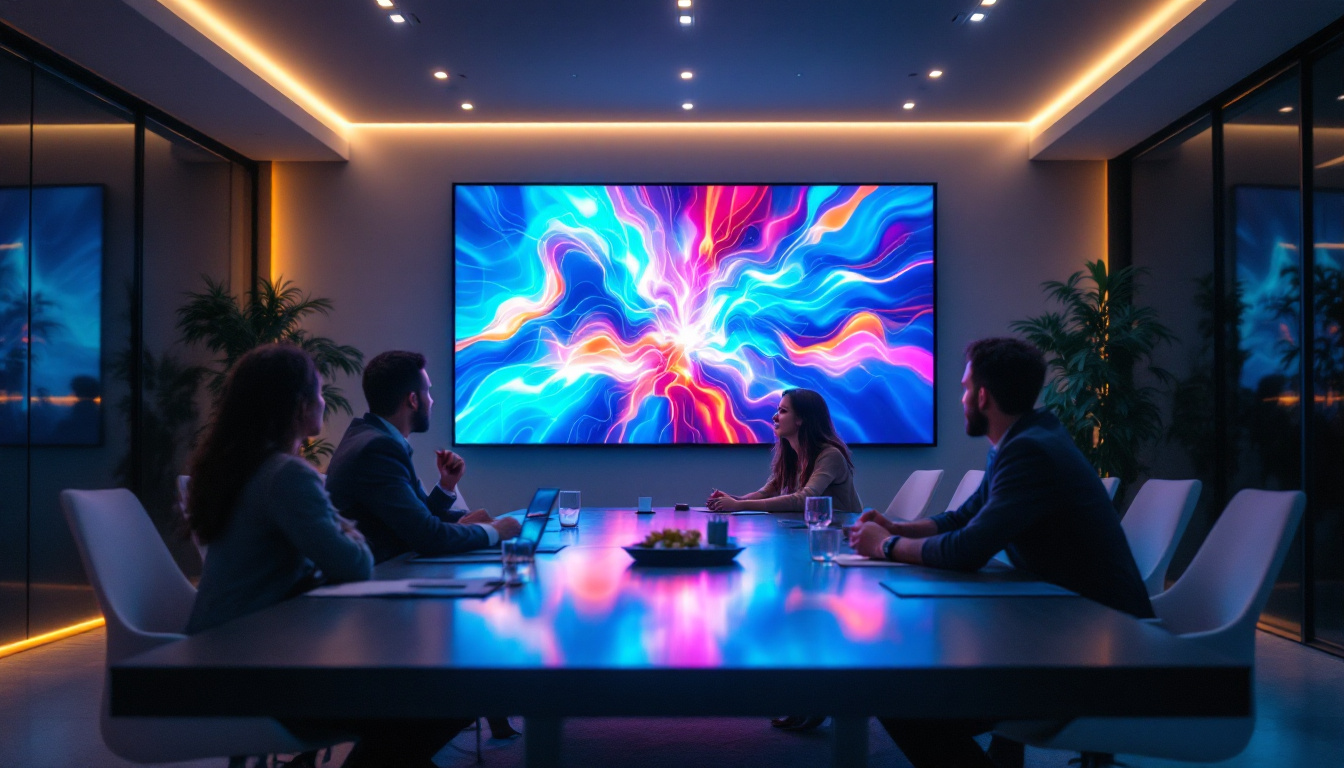
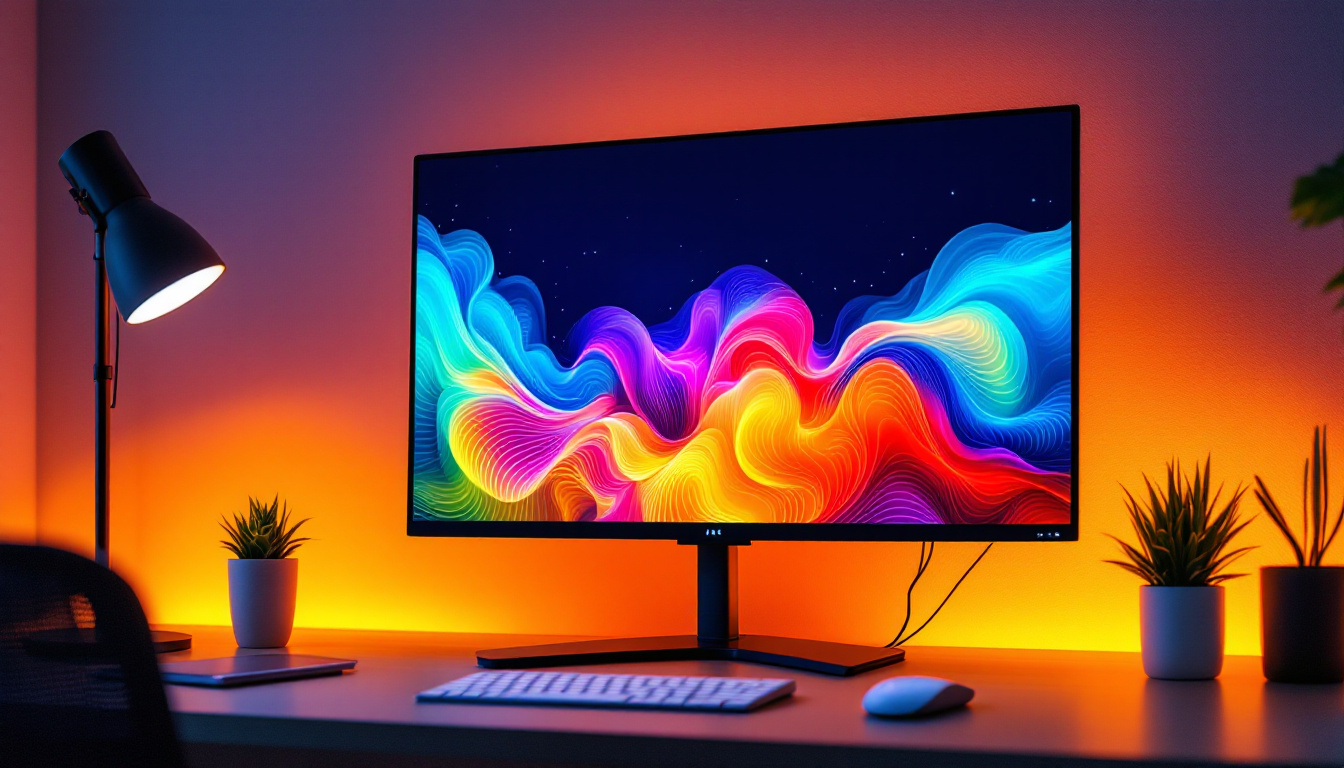
In today’s digital age, LED displays have become an integral part of visual communication, transforming everything from advertising to entertainment. Whether in retail stores, corporate offices, public venues, or home theaters, LED screens offer vibrant, bright, and energy-efficient solutions for displaying content. However, the effectiveness of these displays often depends as much on how they are mounted and supported as on the technology itself. This article explores the essentials of screen stands and mounts for LED displays, providing a comprehensive guide to help you understand their types, benefits, and best practices for installation.
Understanding LED Display Technology
LED, or Light Emitting Diode, technology has revolutionized screen displays by offering unparalleled brightness, color accuracy, and energy efficiency. Unlike traditional LCD or plasma screens, LED displays use an array of tiny diodes that emit light when an electric current passes through them. This direct emission of light allows for deeper blacks and more vivid colors, making LED screens ideal for environments with varying lighting conditions. Furthermore, advancements in LED technology have led to the development of HDR (High Dynamic Range) displays, which enhance the contrast and color range, providing a more immersive viewing experience that is particularly beneficial for movie enthusiasts and gamers alike.
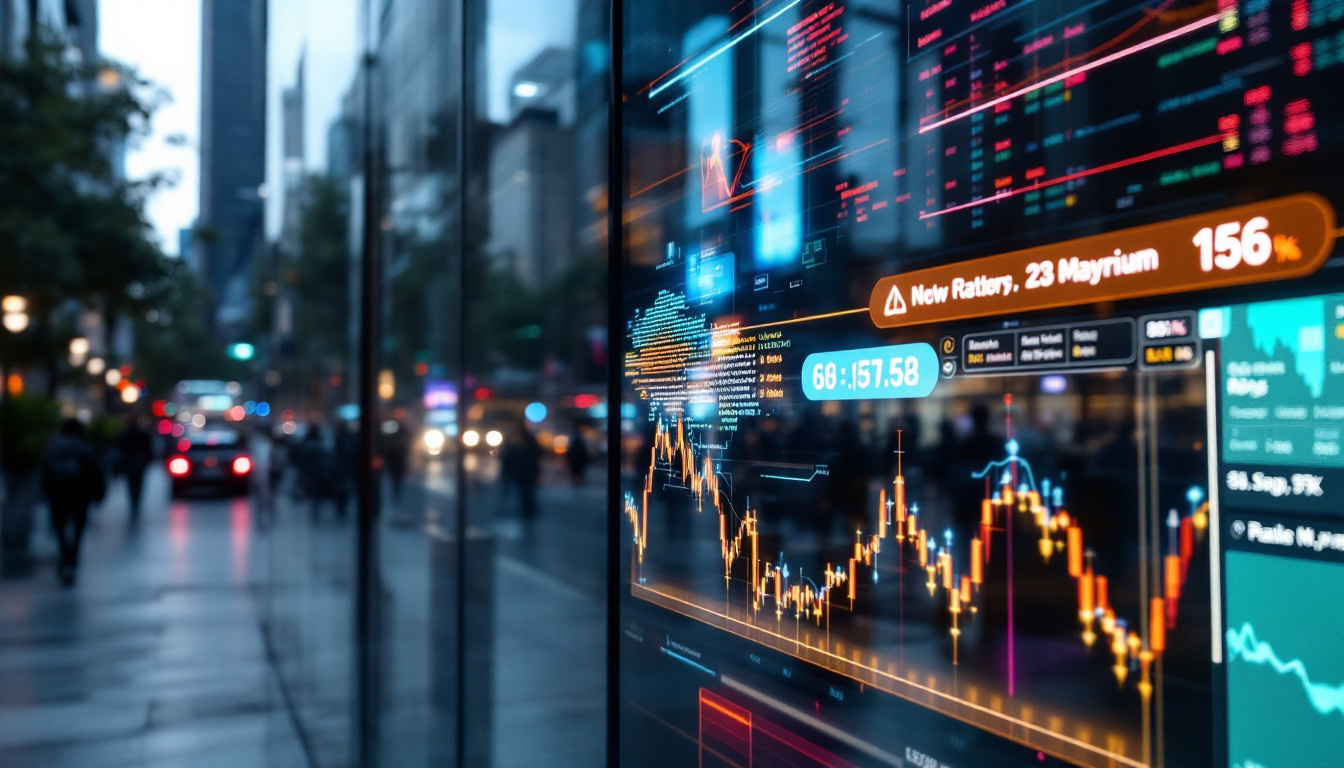
Modern LED displays come in various forms, including direct-view LED panels, LED-backlit LCDs, and flexible LED screens. Direct-view LED panels are especially popular for large-scale installations such as stadiums, billboards, and conference rooms due to their scalability and high brightness levels. According to a 2023 report by Grand View Research, the global LED display market size was valued at over $15 billion and is expected to grow at a compound annual growth rate (CAGR) of 11% through 2030, driven by increasing demand in advertising and digital signage sectors. This growth is further fueled by the rise of smart technology, where LED displays can integrate with IoT devices, allowing for real-time updates and interactive features that enhance viewer engagement.
Why Mounting Matters for LED Displays
While LED technology provides the visual brilliance, the mounting system ensures that the display is securely positioned for optimal viewing and longevity. Poor mounting can lead to screen damage, reduced image quality due to improper angles, and even safety hazards. Additionally, the mounting solution often affects the ease of maintenance and upgrade, which are critical for commercial applications where downtime can be costly. For instance, in high-traffic areas, a secure and well-designed mount can prevent accidents caused by accidental bumps or shifts, ensuring that the display remains functional and visually appealing at all times.
Choosing the right screen stand or mount also contributes to space optimization and aesthetic appeal, especially in retail and corporate environments where the display is a focal point. For example, a sleek, low-profile wall mount can create a clean, modern look, whereas a mobile stand might be preferred in dynamic settings such as trade shows or classrooms. Additionally, innovative mounting solutions like tilting or rotating mounts allow for versatile viewing angles, accommodating different audience heights and preferences. This adaptability is crucial in environments where presentations or advertisements need to be viewed by a diverse audience, ensuring that everyone has an optimal viewing experience regardless of their position in the room.
Types of Screen Stands and Mounts for LED Displays
There is a wide variety of mounting options available for LED displays, each suited to different use cases, screen sizes, and environments. Understanding these types helps in selecting the most appropriate solution for your specific needs.
Wall Mounts
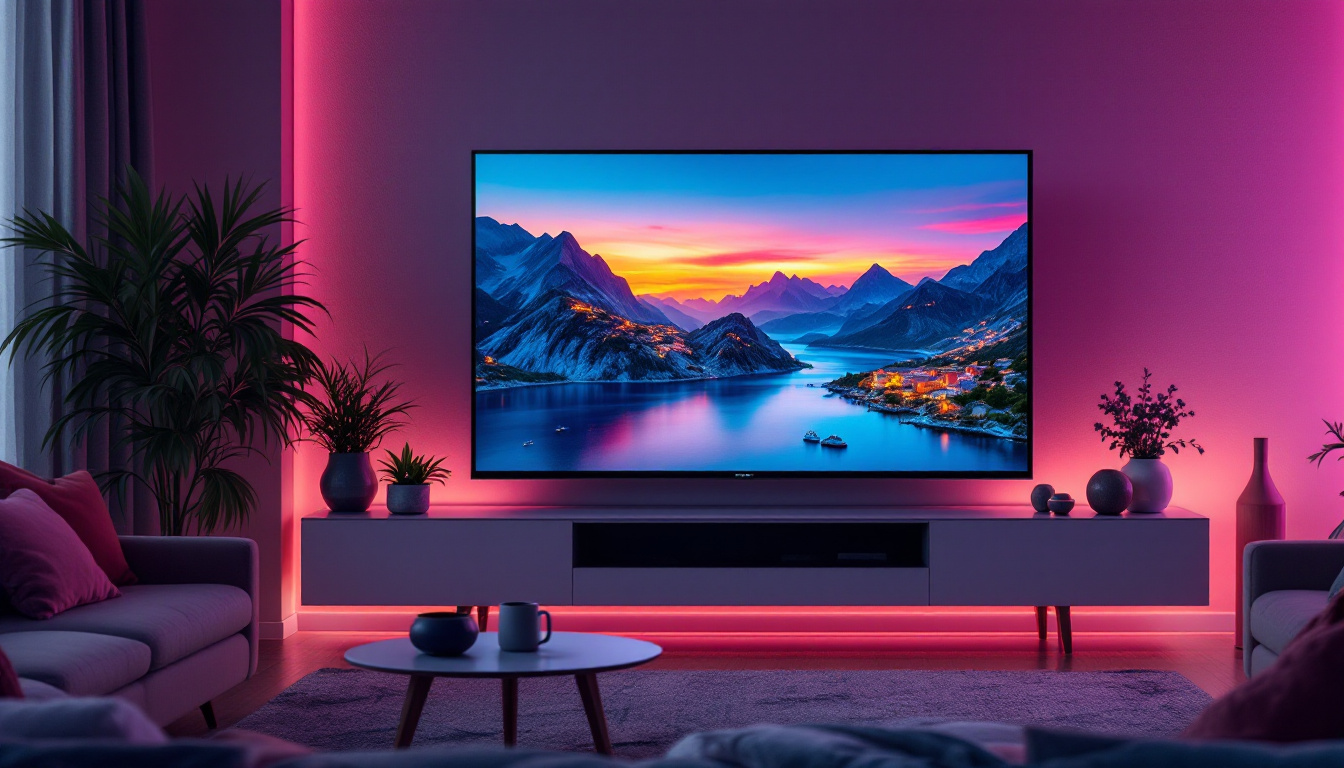
Wall mounts are among the most common solutions for LED displays, especially in fixed installations. They come in several styles:
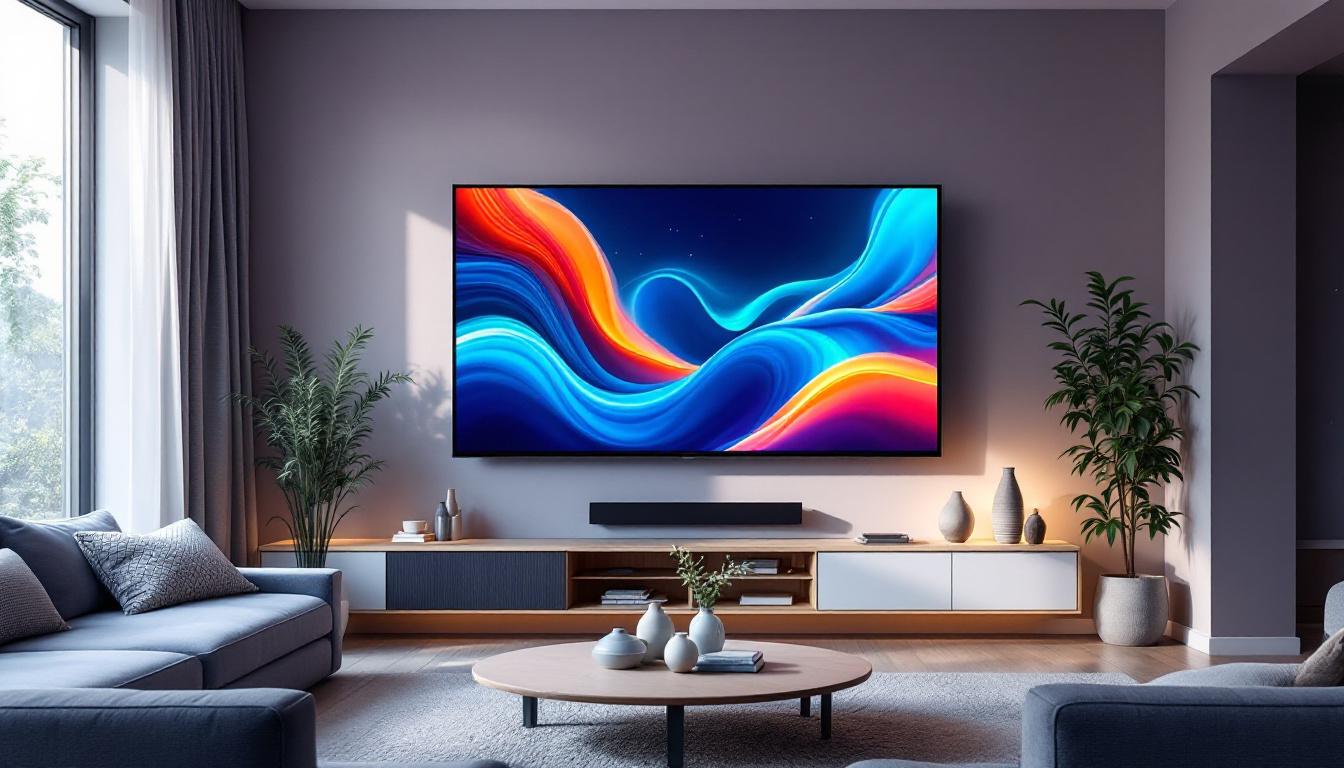
- Fixed Wall Mounts: These hold the screen flush against the wall, ideal for spaces where the viewing angle is consistent.
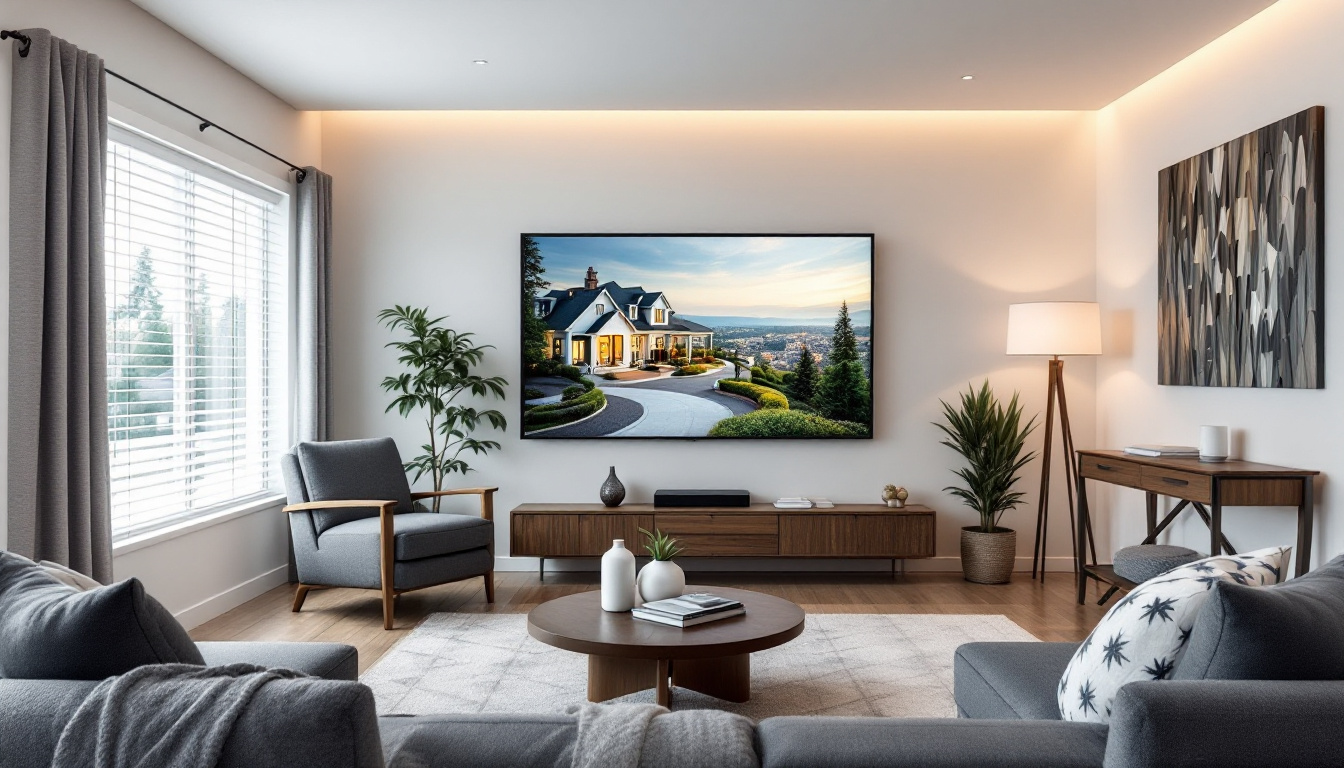
- Tilting Wall Mounts: Allow the screen to tilt vertically, helping to reduce glare and improve viewing angles.
- Full-Motion or Articulating Mounts: Provide flexibility to tilt, swivel, and extend the screen away from the wall, suitable for multi-purpose rooms or areas with varied seating arrangements.
Wall mounts are typically rated by the screen size and weight they can support. For LED displays, which can be heavier than traditional TVs due to their modular construction, it’s essential to verify the mount’s load capacity and compatibility.
Floor Stands and Mobile Stands
Floor stands offer a freestanding solution that doesn’t require wall mounting, making them ideal for rental events, exhibitions, or spaces where wall installation is not feasible. These stands come in fixed or adjustable heights and can accommodate single or multiple LED panels.
Mobile stands include wheels or casters, enabling easy movement of the display between rooms or locations. This flexibility is particularly valuable in educational settings, corporate training rooms, and trade shows. Some mobile stands also feature cable management systems to keep the setup tidy and safe.
Ceiling Mounts
Ceiling mounts are less common but useful in environments where wall space is limited or where the display needs to be suspended for better visibility, such as in airports, shopping malls, or large conference halls. These mounts often include adjustable height and tilt options to optimize the viewing experience.
Custom and Modular Mounting Systems
For large-scale LED video walls or unconventional installations, custom mounting solutions are often necessary. Modular mounting systems allow for the assembly of multiple LED panels into seamless video walls, with precise alignment and easy maintenance access. These systems are engineered to support the weight and heat dissipation requirements of large LED arrays.
Key Considerations When Choosing a Mount for Your LED Display
Selecting the right mount or stand for an LED display requires careful consideration of several factors to ensure safety, functionality, and visual impact.
Weight and Size Compatibility
LED displays vary significantly in weight depending on their size and design. Always check the mount’s specifications to confirm it can safely support your screen. Overloading a mount can lead to structural failure and damage to the display.
Viewing Angle and Placement
The mount should allow positioning the screen at an optimal angle for the intended audience. For example, in a retail environment, the screen might need to be tilted downward for customers walking by, whereas in a conference room, a straight-on view is preferable.
Installation Environment
Consider the physical environment where the display will be installed. Factors such as wall material (drywall, concrete, brick), ceiling height, and available space influence the choice of mounting hardware. Outdoor LED displays require mounts that can withstand weather conditions and corrosion.
Accessibility for Maintenance
LED displays require periodic maintenance, including cleaning, firmware updates, and sometimes module replacements. Mounting solutions that allow easy access to the back or front of the screen without disassembly reduce downtime and maintenance costs.
Cable Management
Proper cable management is essential for safety and aesthetics. Many mounts include integrated cable channels or clips to keep power and signal cables organized and hidden from view.
Installation Best Practices for LED Screen Mounts
Proper installation is critical to maximize the lifespan and performance of your LED display. Following industry best practices ensures safety and optimal viewing experience.
Professional Assessment and Planning
Before installation, conduct a thorough assessment of the site, including measurements, wall or floor strength, and electrical requirements. Consulting with professional installers or engineers can help identify potential challenges and ensure compliance with building codes.
Use of Appropriate Hardware
Always use mounting hardware rated for the specific weight and size of your LED display. This includes anchors, bolts, and brackets. For heavier screens, consider reinforced wall studs or additional support structures.
Leveling and Alignment
Ensure the mount is perfectly level and the screen is aligned correctly. Even slight tilts can affect the visual quality and viewer comfort. Use laser levels or spirit levels during installation.
Safety Precautions
Secure all components tightly and double-check connections. For ceiling mounts or overhead installations, use safety cables or secondary supports to prevent accidental falls. Follow manufacturer guidelines strictly.
Testing and Calibration
After installation, test the display for image quality, brightness uniformity, and viewing angles. Adjust the mount as necessary to optimize performance.
Emerging Trends in LED Display Mounting Solutions
The LED display industry continues to evolve, with mounting solutions adapting to new technologies and user needs. Some of the latest trends include:
Motorized and Remote-Controlled Mounts
Motorized mounts allow users to adjust the position of the screen remotely, enhancing convenience in large venues or multi-purpose rooms. These mounts can tilt, swivel, or extend with the push of a button, improving accessibility and flexibility.
Ultra-Thin and Minimalist Designs
As LED panels become thinner and lighter, mounts are also becoming less obtrusive. Ultra-thin mounts help create a sleek, modern aesthetic, making the display appear as if it is floating on the wall.
Integration with Smart Building Systems
Advanced mounting solutions are being integrated with smart building technologies, allowing automated adjustments based on room occupancy, lighting conditions, or scheduled events. This integration enhances energy efficiency and user experience.
Conclusion
LED displays are a powerful tool for communication and engagement across various industries. However, their impact depends significantly on how they are mounted and positioned. Understanding the different types of screen stands and mounts, along with key considerations for installation, ensures that your LED display delivers its full potential in both performance and aesthetics.
By investing in the right mounting solution and following best practices, businesses and individuals can enjoy vibrant, durable, and safe LED displays that captivate audiences and enhance environments. As technology advances, staying informed about emerging mounting trends will help maintain cutting-edge installations that meet evolving needs.
Explore Cutting-Edge LED Display Solutions with LumenMatrix
Ready to elevate your visual communication with the latest in LED display technology? LumenMatrix is at the forefront of innovation, offering a diverse range of LED display modules designed to bring your brand to life. From Indoor and Outdoor LED Wall Displays to dynamic Vehicle and Sports LED Displays, our solutions are crafted to captivate and engage your audience. Discover the transformative power of our Custom, All-in-One, and Transparent LED Displays, and see how our commitment to excellence can enhance your message. Check out LumenMatrix LED Display Solutions today and step into the future of digital signage.