China’s rapid urbanization and economic growth have transformed its real estate landscape dramatically over the past few decades. Affordable housing, especially in the form of cheap apartments, has become a critical topic for many residents and investors alike. Interestingly, one of the most innovative and visible technologies influencing urban living spaces in China is the use of LED displays. From advertising on apartment buildings to smart home integration, LED technology plays a surprising role in shaping the experience and perception of affordable housing.
This article explores the intersection of cheap apartments in China and the use of LED displays, providing a comprehensive understanding of how LED technology is integrated into urban housing environments and why it matters for residents, developers, and city planners.
Understanding the Landscape of Cheap Apartments in China
The Demand for Affordable Housing
China’s urban population has grown exponentially, with over 900 million people living in cities as of 2023. This rapid urban migration has created an immense demand for affordable housing. According to the National Bureau of Statistics of China, the average urban housing price-to-income ratio remains high, making cheap apartments a necessity for a significant portion of the population.
Government initiatives, such as the “Affordable Housing Project” and “Public Rental Housing Programs,” have aimed to provide low-cost housing options primarily in Tier 2 and Tier 3 cities. These apartments often feature smaller living spaces but are strategically located near public transport and essential amenities, making them attractive to young professionals and migrant workers. The influx of residents into these cities has also led to the development of vibrant local economies, where affordable housing plays a crucial role in sustaining the workforce. As a result, many local governments are incentivizing developers to create more budget-friendly housing options, recognizing that a stable living environment is essential for economic growth.
Characteristics of Cheap Apartments in China
Cheap apartments in China typically range from 30 to 60 square meters in size, designed to maximize space efficiency. They often come with basic furnishings and are part of larger residential complexes. While affordability is key, these apartments are increasingly incorporating modern technologies to enhance livability.
One notable trend is the integration of smart home features, including energy-efficient lighting, security systems, and digital displays. This is where LED technology becomes particularly relevant, as it offers cost-effective, energy-saving solutions that can be scaled across large residential developments. Furthermore, many of these apartments are designed with multifunctional furniture, such as foldable tables and convertible sofas, allowing residents to optimize their limited space. The use of modular designs not only caters to the aesthetic preferences of younger tenants but also promotes sustainability by reducing waste during the construction process. As urban living continues to evolve, the focus on creating adaptable living spaces is becoming increasingly important, ensuring that even the most affordable apartments can provide a comfortable and modern lifestyle.
What Are LED Displays and How Are They Used in Urban Housing?
Basics of LED Display Technology
LED (Light Emitting Diode) displays are screens that use light-emitting diodes to produce images and videos. They are known for their brightness, energy efficiency, long lifespan, and versatility. LED displays come in various forms, including indoor and outdoor screens, flexible panels, and transparent displays.
In urban environments, LED displays are widely used for advertising, information dissemination, and decorative purposes. Their ability to attract attention with vivid colors and dynamic content makes them ideal for public spaces, including residential areas. Furthermore, advancements in LED technology have led to the development of high-resolution displays that can showcase intricate details, making them suitable for art installations and interactive experiences in urban settings.
Applications of LED Displays in Residential Buildings
In China, LED displays are increasingly integrated into residential buildings for multiple purposes:
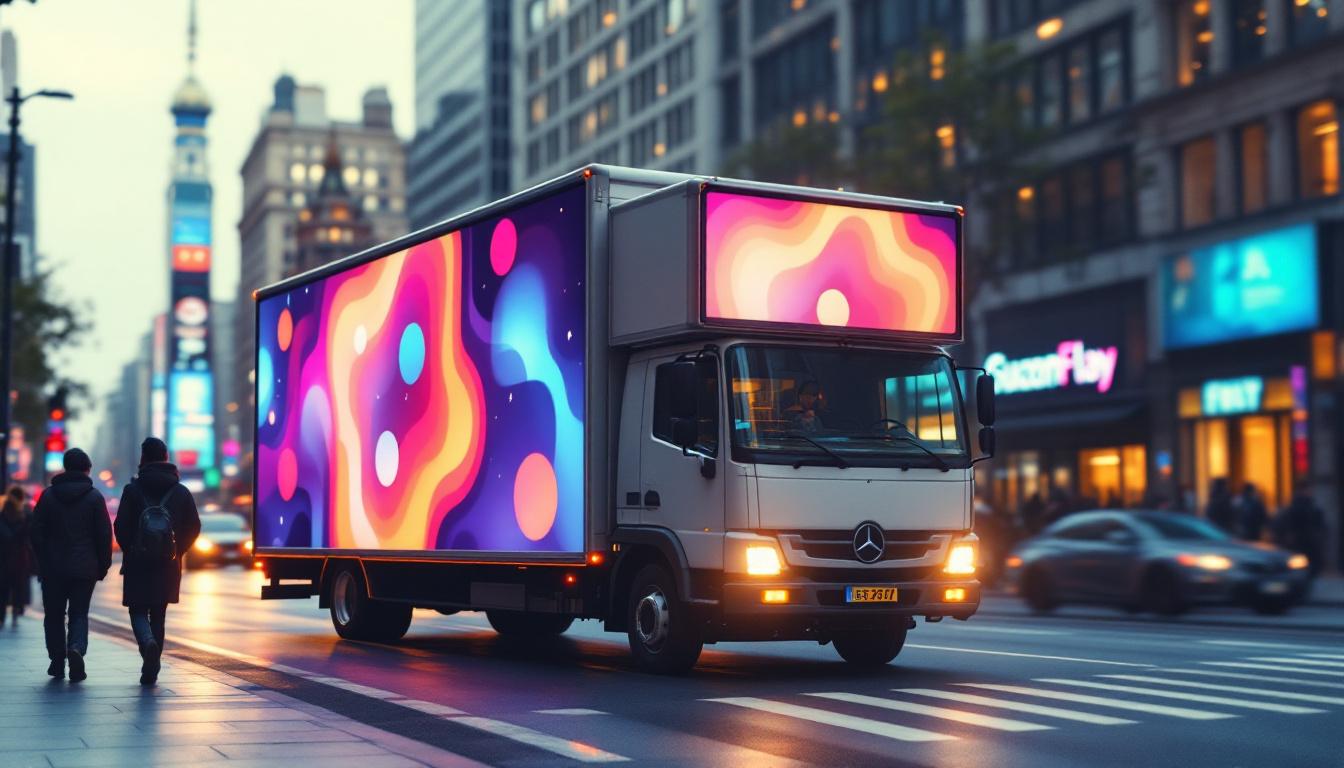
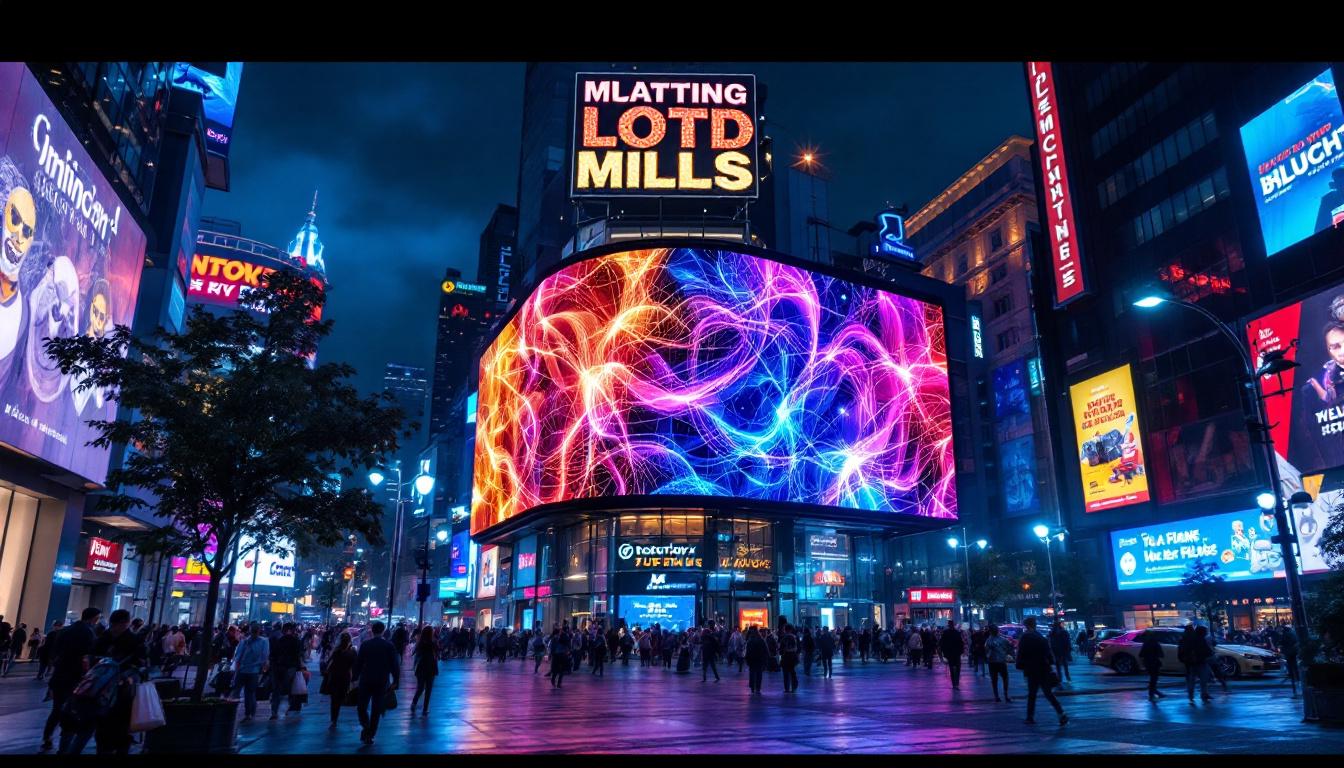
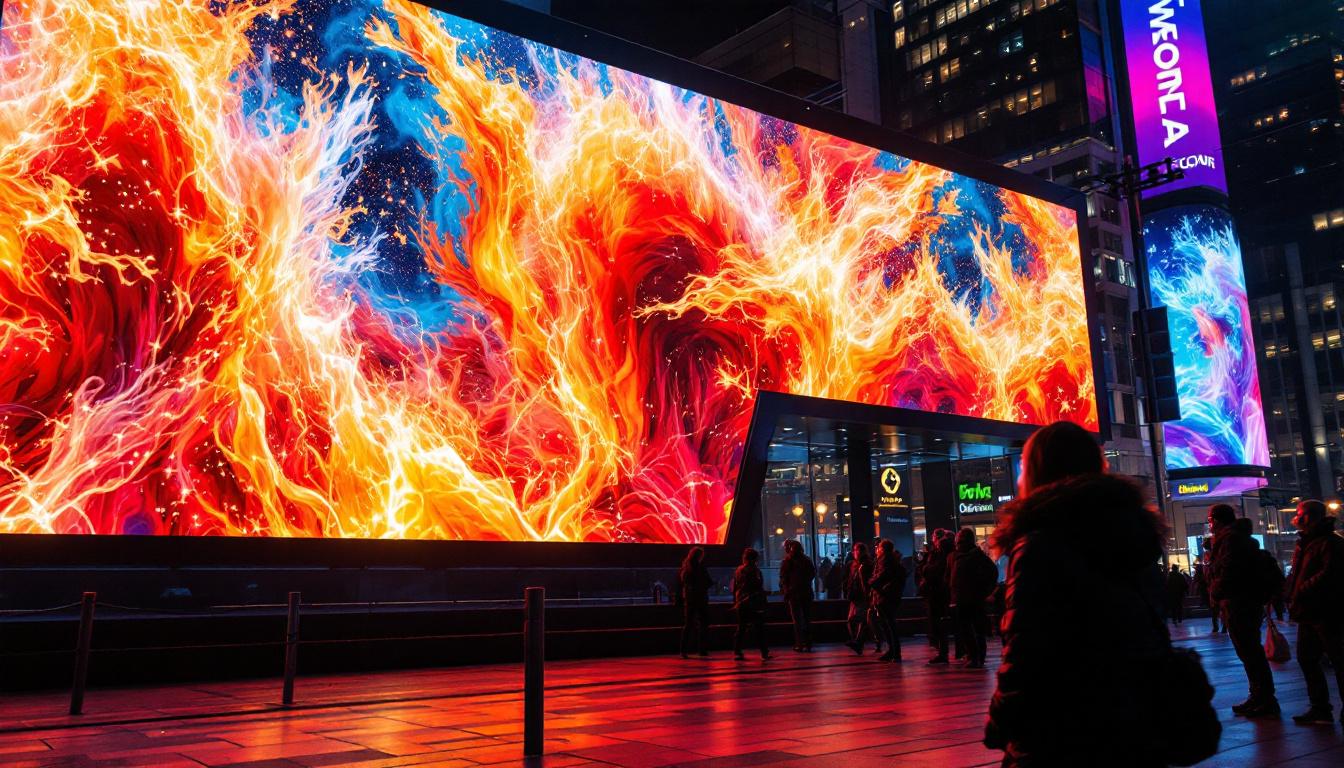
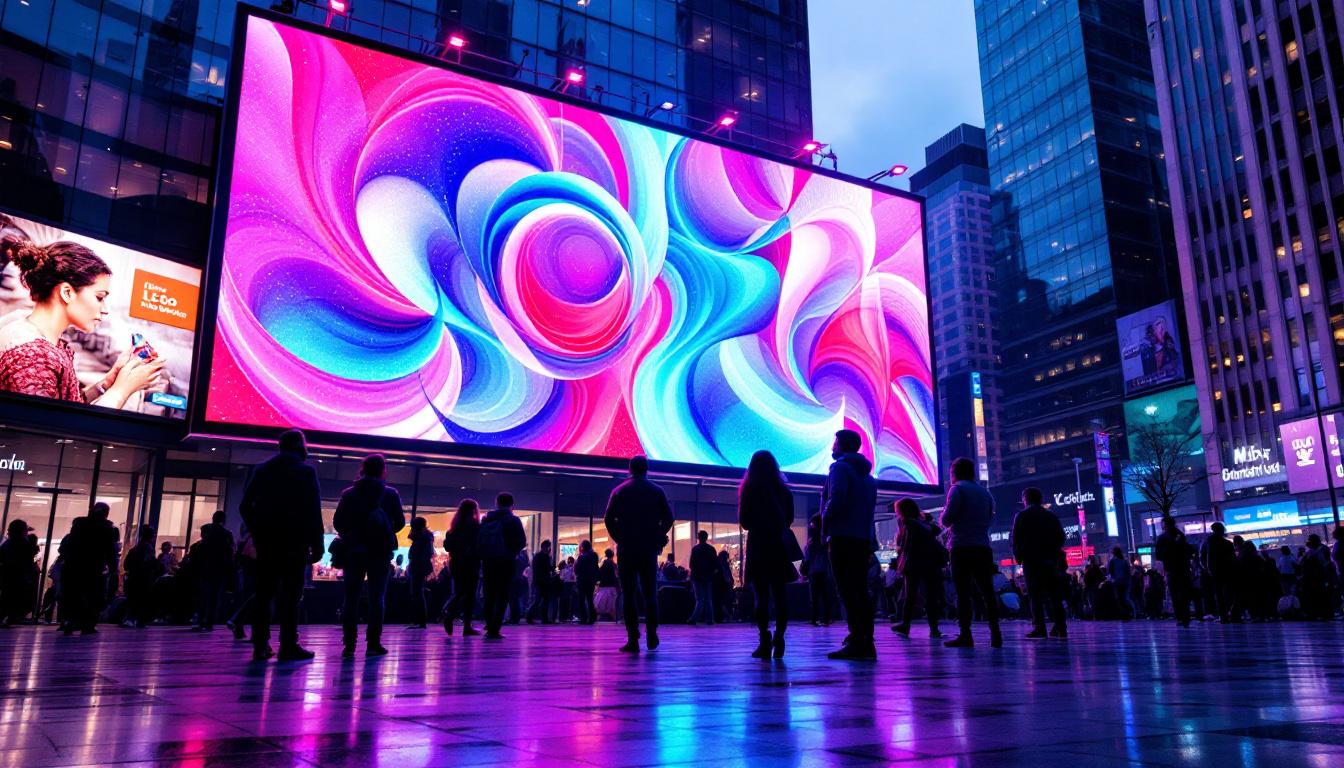
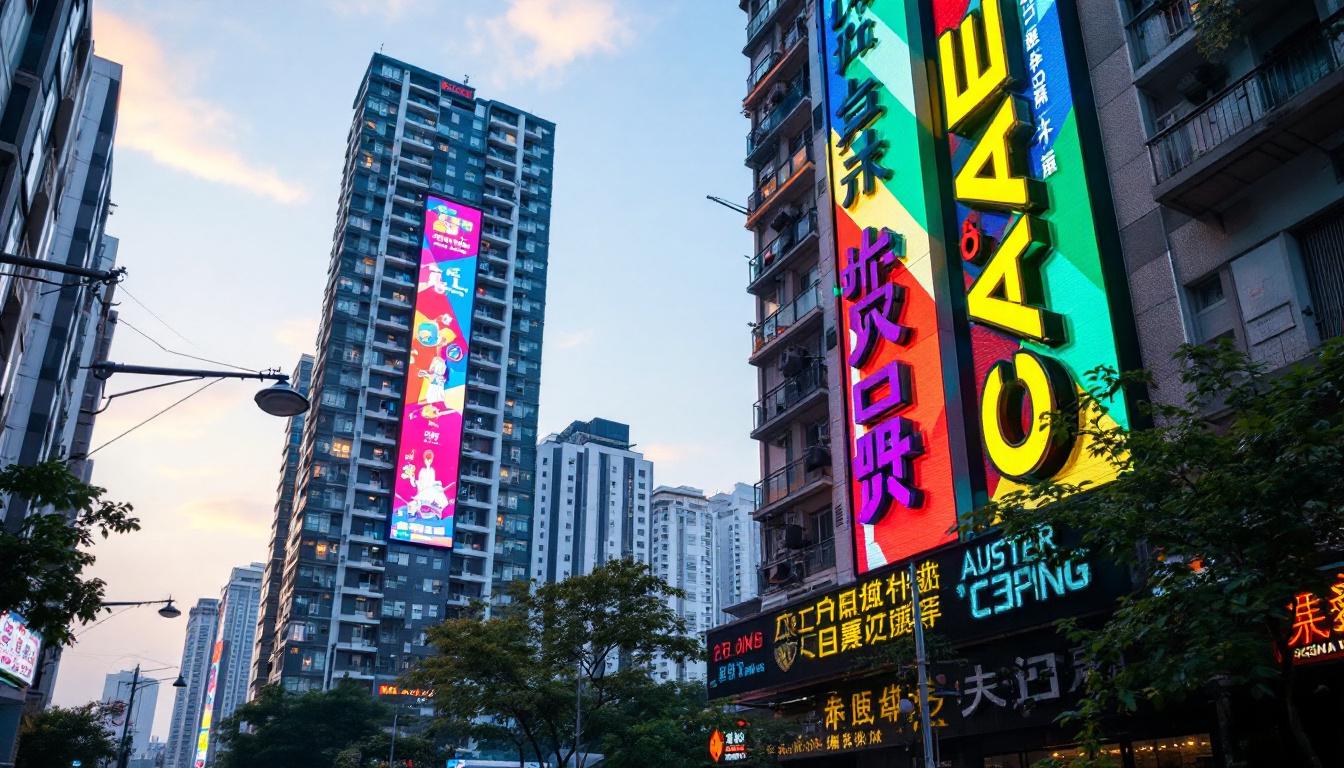
- Advertising and Commercial Use: Large LED billboards are often installed on the facades of apartment complexes, especially in busy urban districts, generating additional revenue for property owners.
- Community Information Boards: LED panels are used within residential compounds to broadcast community announcements, weather updates, and emergency alerts, enhancing communication between management and residents.
- Smart Home Integration: Smaller LED screens and panels are embedded in apartments to control lighting, security cameras, and environmental settings, contributing to a modern living experience.
- Decorative and Aesthetic Enhancements: LED lighting and displays are used to beautify building exteriors and common areas, making affordable housing more attractive and vibrant.
Moreover, the integration of LED displays in urban housing extends beyond mere functionality; they also foster a sense of community. For instance, many residential complexes utilize LED screens to feature local events, art exhibitions, or even resident spotlights, thereby encouraging social interaction among neighbors. This communal aspect is particularly important in densely populated urban areas where residents may feel isolated despite living in close proximity to one another.
Additionally, the environmental impact of LED technology cannot be overlooked. As cities strive for sustainability, LED displays offer a greener alternative to traditional lighting and signage. Their low energy consumption not only reduces electricity costs but also contributes to lower carbon emissions. In some innovative projects, solar-powered LED displays have been implemented, showcasing a commitment to eco-friendly practices while providing essential information and entertainment to residents.
The Impact of LED Displays on Affordable Housing in China
Enhancing Livability and Safety
LED displays improve the livability of cheap apartments by providing residents with real-time information and interactive features. For example, LED community boards can display health advisories, maintenance schedules, and local news, fostering a sense of community and safety. These displays can also serve as platforms for local events, encouraging residents to participate in neighborhood activities and strengthening social ties. In a country where urban migration has led to a transient population, such initiatives can create a sense of belonging and stability among residents.
Moreover, LED lighting contributes to better security in residential areas. Bright, energy-efficient LED streetlights and corridor lights reduce crime rates and enhance nighttime visibility, which is crucial in densely populated affordable housing complexes. The presence of well-lit public spaces can deter criminal activities and promote safer environments for children and families. Furthermore, the integration of smart LED systems that can be monitored and controlled remotely allows for adaptive lighting solutions that respond to real-time conditions, ensuring that areas remain well-lit when needed most.
Economic Benefits for Developers and Residents
For developers, installing LED displays on apartment buildings offers an additional revenue stream through advertising. Given the high foot traffic in urban areas, LED billboards attract businesses eager to reach local consumers. This helps subsidize the cost of building maintenance and upgrades, indirectly benefiting residents by keeping housing affordable. Additionally, the presence of LED displays can enhance the overall aesthetic of the building, making it more appealing to potential tenants and increasing occupancy rates, which is vital in a competitive housing market.
Residents also enjoy lower utility bills thanks to the energy efficiency of LED lighting and displays. Compared to traditional lighting, LEDs consume up to 75% less energy and last significantly longer, reducing replacement costs and environmental impact. This financial relief can be particularly beneficial for low-income families, allowing them to allocate more of their limited resources toward other essential needs, such as education or healthcare. Furthermore, the use of LED technology aligns with global sustainability goals, contributing to a greener urban environment that benefits everyone in the community.
Challenges and Considerations
Despite their advantages, LED displays pose certain challenges in affordable housing contexts. The installation and maintenance costs, while decreasing, can still be significant for low-budget projects. Additionally, excessive or poorly managed LED advertising can lead to light pollution and visual clutter, potentially disturbing residents. The brightness and frequency of advertisements may distract or irritate those living nearby, leading to calls for stricter regulations on display usage. Addressing these concerns is essential to ensure that the benefits of LED technology do not come at the expense of residents’ comfort.
Regulatory frameworks in Chinese cities are evolving to address these issues, with guidelines on brightness levels, operating hours, and content restrictions to balance commercial interests with residents’ well-being. Local governments are increasingly recognizing the importance of community input in shaping these regulations, leading to public forums where residents can voice their opinions and concerns. This participatory approach not only fosters transparency but also empowers communities to take an active role in the development of their living environments, ensuring that the integration of LED technology aligns with their needs and preferences.
Case Studies: LED Displays in Affordable Housing Projects
Shanghai’s Smart Affordable Housing Initiative
Shanghai has been at the forefront of integrating LED technology into affordable housing. In the Pudong district, several public rental housing complexes feature LED community boards that provide multilingual information to residents, many of whom are migrant workers from different provinces.
These LED installations have improved communication efficiency and resident satisfaction, while LED lighting in common areas has enhanced safety and reduced energy consumption by 40% compared to older lighting systems.
Guangzhou’s LED Advertising Facades
In Guangzhou, developers of affordable apartment complexes have partnered with advertising companies to install large LED billboards on building exteriors. This innovative approach has generated substantial rental income, helping keep apartment prices low.
Residents benefit from improved building maintenance funded by advertising revenue, and the city benefits from a visually dynamic urban landscape. However, the project also prompted local authorities to implement strict regulations to minimize light pollution.
Future Trends: The Role of LED Displays in China’s Affordable Housing
Integration with Smart City Technologies
As China advances its smart city initiatives, LED displays in affordable housing are expected to become more interactive and integrated with other digital systems. For instance, LED panels could connect with mobile apps to provide personalized notifications, energy usage data, and community event updates.
Such integration will enhance residents’ quality of life and promote sustainable living practices, aligning with China’s broader goals of urban modernization and environmental responsibility.
Advancements in LED Technology
Emerging LED technologies, such as micro-LED and transparent LED displays, offer exciting possibilities for affordable housing. Micro-LEDs provide higher resolution and lower power consumption, while transparent LEDs can be embedded into windows and glass walls, creating multifunctional surfaces without compromising natural light.
These innovations could redefine the aesthetics and functionality of cheap apartments, making them more appealing and comfortable for urban dwellers.
Conclusion
The intersection of cheap apartments and LED display technology in China reflects a broader trend of combining affordability with modern urban living. LED displays not only enhance the visual appeal and safety of affordable housing but also contribute economically and environmentally through energy savings and advertising revenue.
As China continues to urbanize and innovate, LED technology will play an increasingly vital role in shaping affordable housing solutions, making them smarter, safer, and more connected. Understanding this dynamic offers valuable insights for policymakers, developers, and residents navigating the evolving landscape of urban housing in China.
Illuminate Your Space with LumenMatrix
As China’s urban housing continues to evolve, integrating cutting-edge LED technology is key to creating affordable, modern, and sustainable living spaces. LumenMatrix is at the forefront of this transformation, offering a wide range of LED display solutions that cater to the diverse needs of urban developments. From enhancing the aesthetics of apartment complexes with Outdoor LED Wall Displays to improving community engagement through Interactive Floor LED Displays, our products are designed to revolutionize visual communication. Discover how LumenMatrix can elevate your property and captivate residents by exploring our innovative LED Display Solutions.