Mounting a television on the wall has become a popular choice for modern homes and offices, offering a sleek aesthetic and saving valuable floor space. Among the various types of TVs available, LED displays stand out due to their vibrant picture quality, energy efficiency, and slim profiles. This article explores the essentials of LED display technology, the benefits of wall mounting your TV, and practical guidance on how to install an LED TV on the wall safely and effectively.
Understanding LED Display Technology
What is an LED Display?
LED stands for Light Emitting Diode, a technology that has revolutionized the way televisions produce images. Unlike traditional LCD TVs that rely on cold cathode fluorescent lamps (CCFL) for backlighting, LED TVs use an array of tiny LEDs to illuminate the screen. This shift has resulted in brighter displays, better contrast ratios, and more energy-efficient operation.
LED displays come in two main types: edge-lit and full-array. Edge-lit LED TVs position LEDs along the edges of the screen, allowing for thinner panels but sometimes compromising uniformity of brightness. Full-array LED TVs place LEDs directly behind the entire screen, providing superior contrast and local dimming capabilities, which enhance picture quality especially in dark scenes. This technology not only improves the viewing experience but also allows for more precise control over how light is distributed across the screen, resulting in deeper blacks and more vibrant colors.
Benefits of LED Technology Over Other Display Types
When compared to older technologies such as plasma or CCFL-backlit LCDs, LED TVs offer several advantages. They consume less power, reducing electricity costs and environmental impact. Their slim design allows for wall mounting without bulky mounts or excessive protrusion from the wall. Additionally, LED TVs typically have longer lifespans and are less prone to screen burn-in, a common issue with plasma screens. This durability means that consumers can enjoy their investment for years without worrying about degradation in picture quality.
Recent advancements have also introduced Quantum Dot LED (QLED) technology, which enhances color accuracy and brightness further, making LED displays a preferred choice for both casual viewers and home theater enthusiasts. QLEDs utilize nanometer-sized semiconductor particles that emit specific colors when illuminated, resulting in a wider color gamut and improved brightness levels compared to standard LED displays. Furthermore, the integration of HDR (High Dynamic Range) technology into LED displays allows for a more dynamic range of colors and contrasts, making images pop and providing a more immersive viewing experience. As these technologies continue to evolve, the gap between LED displays and other types of screens, such as OLED, narrows, leading to exciting developments in the world of visual entertainment.
Why Wall Mount Your LED TV?
Space Optimization and Aesthetics
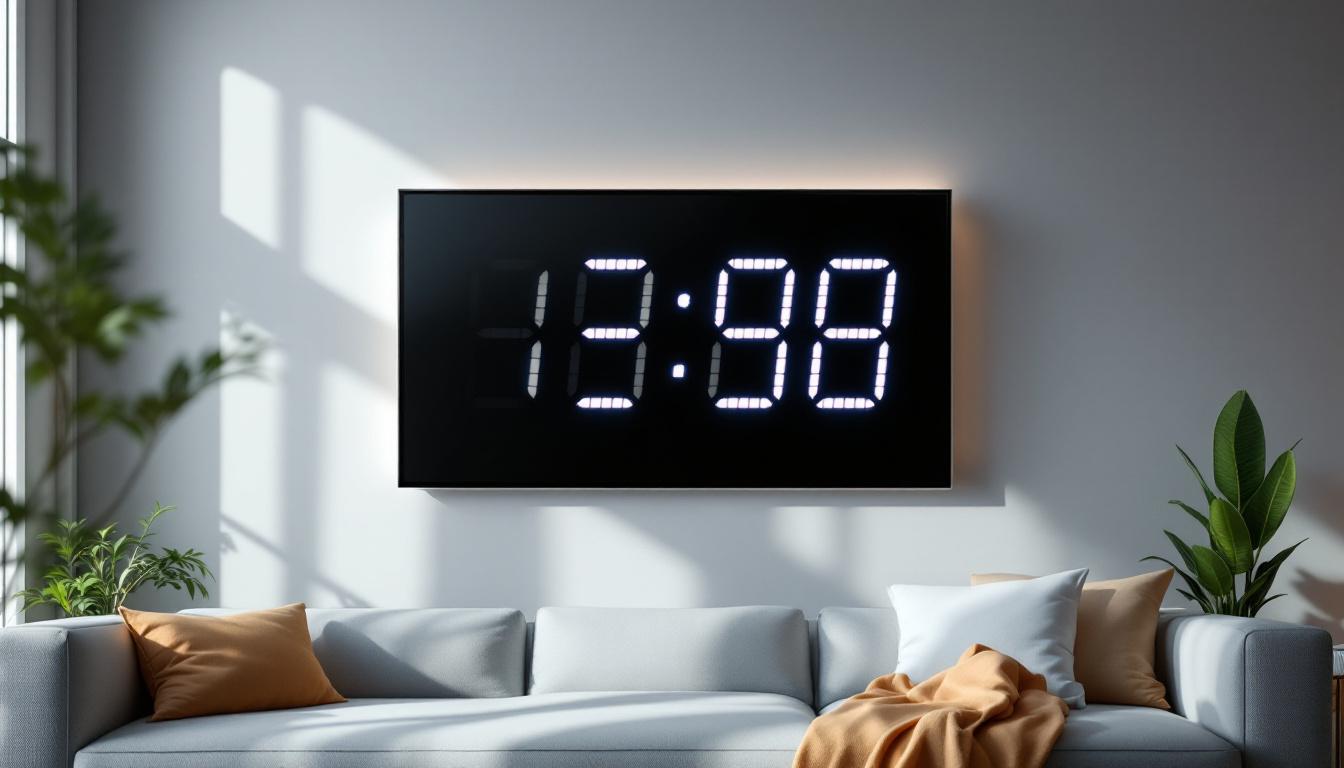
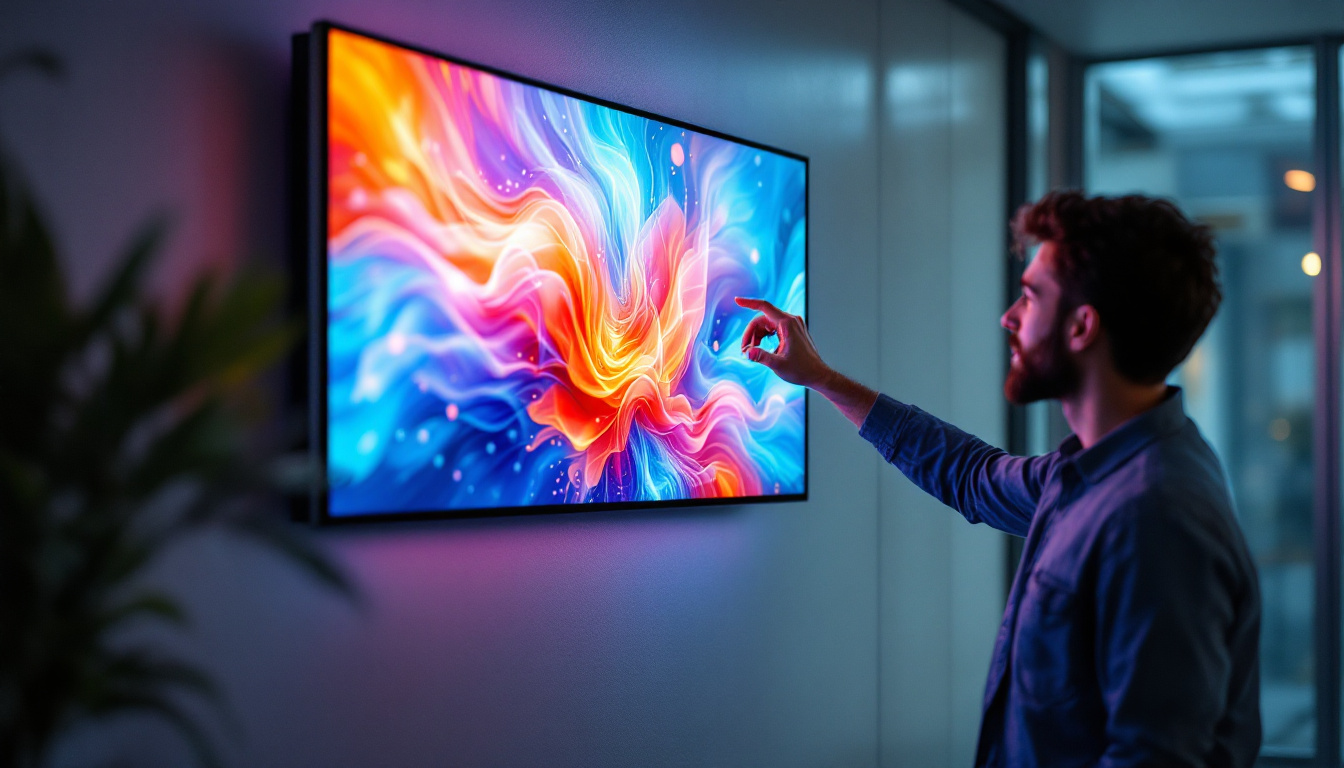
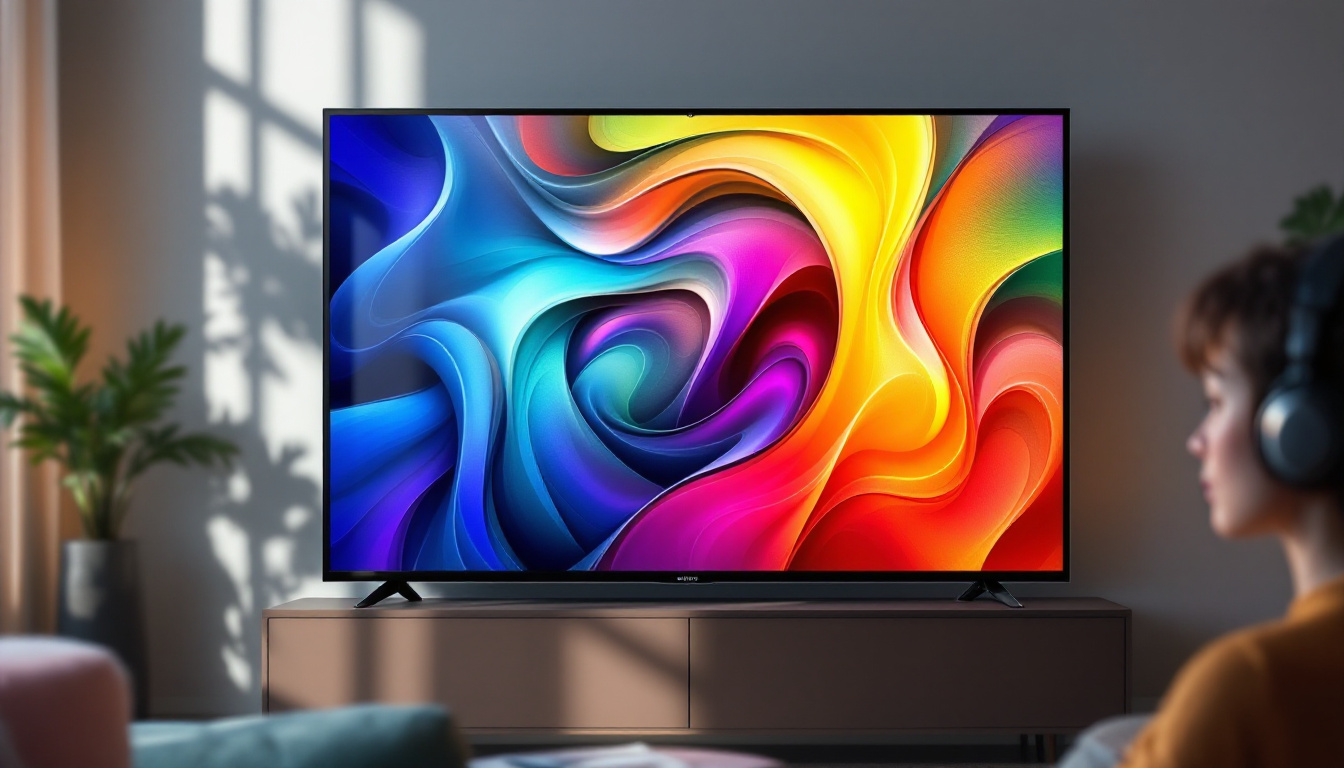
Wall mounting an LED TV frees up floor space that would otherwise be occupied by bulky TV stands or cabinets. This is particularly beneficial in smaller living rooms or apartments where maximizing usable space is critical. A wall-mounted TV also creates a clean, minimalist look that complements modern interior design trends. By eliminating the need for a traditional TV stand, homeowners can explore alternative furniture arrangements, allowing for more versatile layouts that enhance the flow of the room.
Moreover, mounting your TV at the optimal height and angle improves viewing comfort, reducing neck strain and glare. It also allows for better cable management, keeping wires hidden and organized for a tidy appearance. This not only contributes to a more polished aesthetic but also minimizes the risk of tripping hazards, making it a safer option for homes with children or pets. Furthermore, many wall mounts come with built-in features such as swivel and tilt capabilities, allowing for even greater flexibility in positioning the screen for the best possible viewing experience.
Enhanced Viewing Experience
Positioning your LED TV on the wall allows for more flexible placement options, enabling viewers to achieve the ideal viewing distance and angle. This can significantly enhance picture quality perception, especially with high-definition and 4K LED displays. Additionally, wall mounting can help reduce reflections from windows and lights, improving overall image clarity. The ability to adjust the TV’s position means that viewers can enjoy their favorite shows and movies without the distractions of glare or distortion, ensuring a more immersive experience.
Moreover, wall mounting can also facilitate a better sound experience. By positioning the TV at ear level, sound waves can travel more directly to the viewer, enhancing audio clarity and depth. This is particularly important for those who enjoy watching movies or playing video games, where sound quality can greatly impact enjoyment. With the right wall mount, you can even integrate soundbars or surround sound systems seamlessly into your setup, creating a home theater experience that rivals commercial cinemas.
Preparing to Install Your LED TV on the Wall
Choosing the Right Wall Mount
Wall mounts come in several styles: fixed, tilting, and full-motion (articulating). The choice depends on your room layout and viewing preferences.
- Fixed mounts hold the TV flat against the wall, offering a clean look but limited adjustability.
- Tilting mounts allow vertical angle adjustments, which can reduce glare and improve viewing angles if the TV is mounted higher than eye level.
- Full-motion mounts provide the most flexibility, enabling the TV to be swiveled, extended, or retracted as needed.
Ensure the mount is compatible with your TV’s size and weight. Most manufacturers provide VESA (Video Electronics Standards Association) mounting patterns that specify the distance between mounting holes on the back of the TV, which must match the mount.
Assessing Wall Type and Stud Location
Before installation, identify the type of wall you are mounting the TV on. Drywall over wooden studs is the most common and easiest to work with. Concrete or brick walls require special anchors and tools.
Using a stud finder, locate the studs behind the drywall. Mounting the TV bracket directly into studs ensures the installation is secure and can support the TV’s weight. Avoid mounting solely on drywall, as this may lead to damage or the TV falling.
Gathering Tools and Materials
To install your LED TV on the wall, you will typically need:
- Wall mount kit compatible with your TV
- Stud finder
- Drill with appropriate drill bits
- Screwdriver or power driver
- Level to ensure the mount is straight
- Measuring tape
- Socket wrench (if required by mount hardware)
- Optional: Cable management system
Step-by-Step Guide to Installing Your LED TV on the Wall
Step 1: Select the Mounting Location
Choose a wall that offers a comfortable viewing angle from your seating area. Consider factors such as natural light sources, proximity to power outlets, and cable accessibility. Mark the desired height, typically with the center of the screen at eye level when seated.
Step 2: Locate Studs and Mark Drill Points
Use the stud finder to locate the studs and mark their edges with a pencil. Position the wall mount bracket on the wall, aligning it with the stud marks. Use a level to ensure the bracket is perfectly horizontal, then mark the drill holes through the mount’s holes.
Step 3: Drill Pilot Holes and Attach the Wall Bracket
Drill pilot holes into the studs at the marked points to prevent wood splitting and make screwing easier. Secure the wall bracket to the wall using the screws provided, tightening them firmly but avoiding over-tightening that could damage the wall or mount.
Step 4: Attach Mounting Plate to the TV
Lay the TV face down on a soft surface to avoid scratches. Attach the mounting plate or arms to the back of the TV using the screws that match the VESA pattern. Ensure the screws are tight but do not overtighten, as this could damage the TV casing.
Step 5: Hang the TV on the Wall Bracket
With assistance, lift the TV and hook or secure it onto the wall bracket according to the mount’s instructions. Double-check that the TV is firmly attached and locked into place. Some mounts have safety screws or clips to prevent accidental dislodging.
Step 6: Connect Cables and Manage Wires
Connect power, HDMI, and other cables to the TV. Use cable management solutions such as raceways or in-wall cable kits to keep wires organized and hidden, maintaining a clean appearance. Ensure cables have enough slack to prevent strain on connectors.
Step 7: Final Adjustments and Testing
Adjust the tilt or swivel of the TV if your mount allows. Use the level to verify the TV is straight. Power on the TV and test all inputs to confirm everything is functioning correctly. Make any necessary adjustments to optimize viewing comfort.
Safety Considerations and Best Practices
Weight Limits and Proper Anchoring
Always adhere to the weight limits specified by the wall mount manufacturer. Overloading the mount can lead to failure and potential injury or damage. Use appropriate anchors for your wall type; for example, toggle bolts for drywall if studs are unavailable, or masonry anchors for concrete walls.
Professional Installation vs. DIY
While many homeowners successfully install their LED TVs on the wall themselves, those unfamiliar with tools or wall structures may benefit from professional installation. Experts can ensure the mount is secure, cables are properly managed, and the TV is optimally positioned. This is especially recommended for larger TVs or complex mounting scenarios.
Considerations for Sound and Accessories
Wall mounting may affect your sound system setup. Soundbars and speakers may need separate mounts or placement adjustments. Additionally, ensure that ventilation around the TV is adequate to prevent overheating, as wall mounting can sometimes restrict airflow compared to stand placement.
Conclusion: Enhancing Your Viewing Space with LED Wall-Mounted TVs
Installing an LED TV on the wall combines the benefits of cutting-edge display technology with practical home design solutions. Understanding the fundamentals of LED displays, selecting the right mounting hardware, and following careful installation steps can transform your viewing experience while enhancing room aesthetics.
With the growing popularity of large-screen LED TVs and the increasing availability of user-friendly mounting options, wall mounting is an accessible upgrade for most households. Whether upgrading a living room, bedroom, or office space, a well-installed LED TV on the wall offers a modern, stylish, and immersive entertainment solution.
Discover the Future of Visual Entertainment with LumenMatrix
Ready to elevate your space with the latest in LED display technology? LumenMatrix is at the forefront of creating immersive visual experiences that captivate and engage. From stunning Indoor and Outdoor LED Wall Displays to innovative solutions like Vehicle LED Displays and LED Sports Displays, our range is designed to meet your every need. Experience the difference with our Custom LED Displays, All-in-One solutions, and LED Transparent Displays, perfect for any setting. Don’t just watch—immerse yourself in the world of vibrant visuals and clear messaging. Check out LumenMatrix LED Display Solutions today and transform your viewing experience.