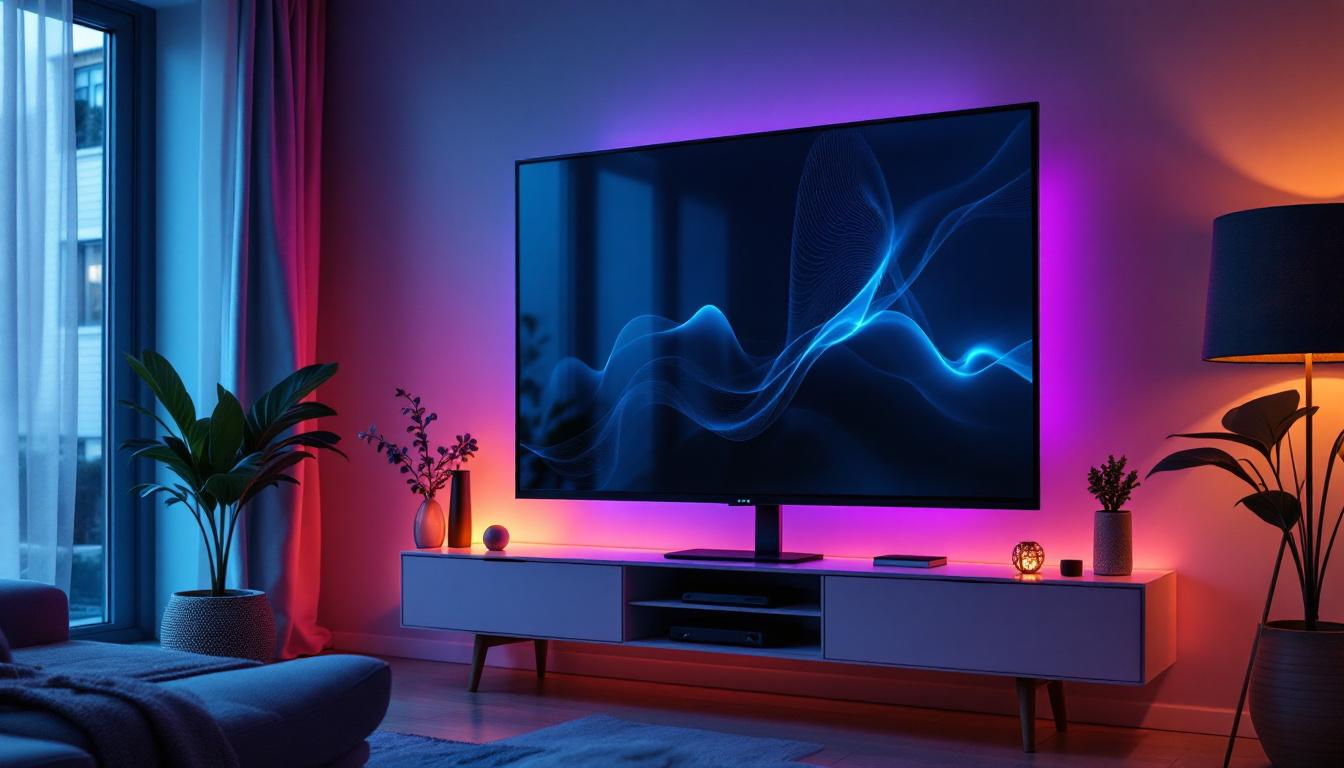
In an age where digital privacy is becoming increasingly important, the concept of a TV privacy screen has gained traction among consumers and professionals alike. With the rise of smart TVs and connected devices, protecting what appears on your screen from prying eyes is no longer just a luxury but a necessity. This article delves into the technology behind TV privacy screens, with a particular focus on LED displays, explaining how they work, their benefits, and considerations when choosing one.
Understanding TV Privacy Screens
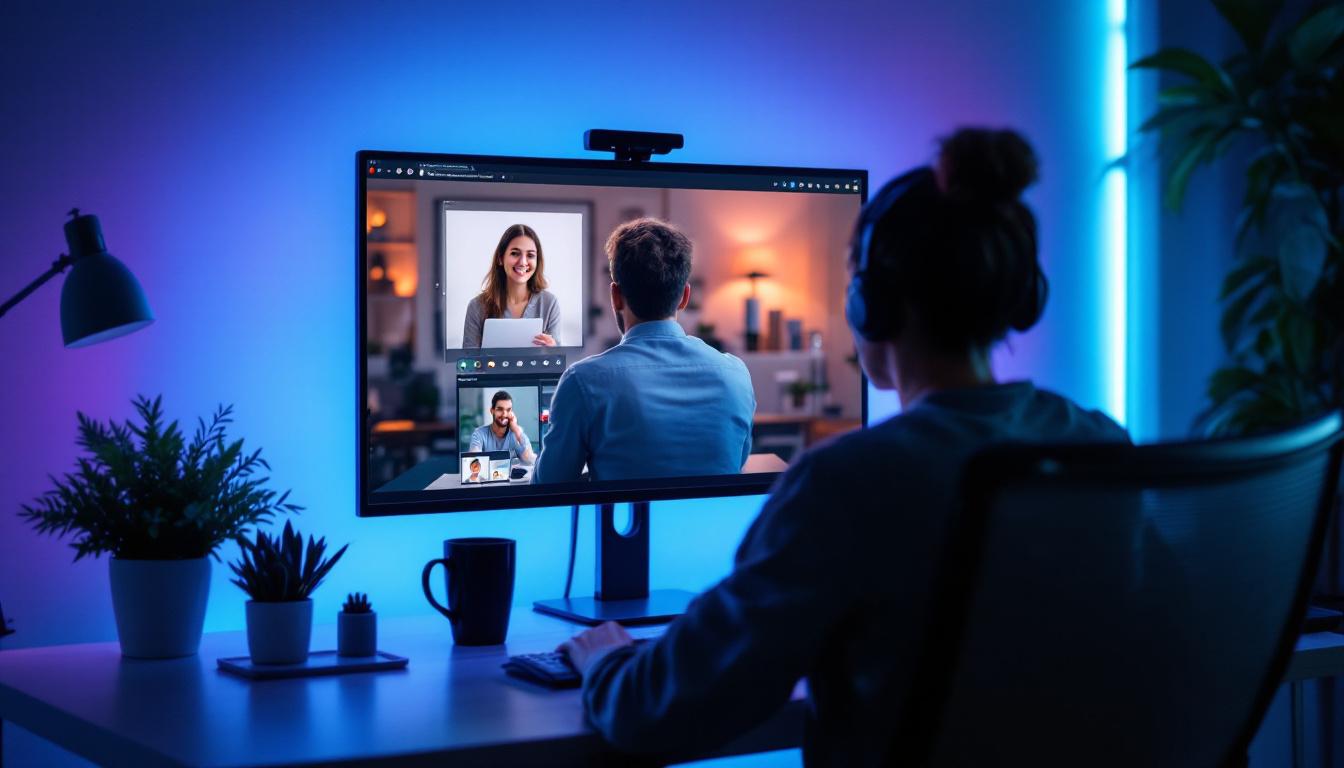
A TV privacy screen is a specialized filter or screen protector designed to limit the viewing angle of a television display, ensuring that only the person directly in front of the screen can see the content clearly. This technology is particularly useful in environments where sensitive information is displayed, such as corporate offices, medical facilities, or even in homes where privacy is a concern. With the rise of remote work and virtual meetings, the need for such privacy solutions has become more pronounced, as employees often share screens that may contain confidential information.
Privacy screens work by controlling the direction of light emitted from the TV screen. By narrowing the viewing angle, these screens prevent side viewers from seeing the content clearly, effectively shielding the display from unwanted observation. This is especially relevant for LED displays, which are prevalent in modern televisions due to their brightness, energy efficiency, and image quality. Additionally, many privacy screens are designed to be easy to install and remove, allowing users to switch between privacy and standard viewing modes based on their needs.
The Importance of Privacy in Modern TV Usage
With the proliferation of smart TVs, which often connect to the internet and incorporate voice recognition, cameras, and microphones, privacy concerns have escalated. According to a 2023 survey by Consumer Reports, nearly 60% of smart TV owners expressed concern about their devices potentially exposing personal data or activities to unauthorized parties. These concerns are not unfounded, as there have been instances where smart TVs were found to be vulnerable to hacking, leading to unauthorized access to personal information.
Moreover, in public or semi-public settings such as waiting rooms, hotels, or shared living spaces, privacy screens help prevent accidental disclosure of personal or confidential content. For businesses, this can mean safeguarding proprietary information during presentations or video conferences. In addition to protecting sensitive data, privacy screens can also enhance the viewing experience by reducing glare and reflections, making it easier for viewers to enjoy their favorite shows without distractions. As the demand for privacy solutions continues to grow, manufacturers are innovating with new materials and technologies to create more effective and aesthetically pleasing privacy screens that blend seamlessly with modern decor.
LED Displays: A Brief Overview
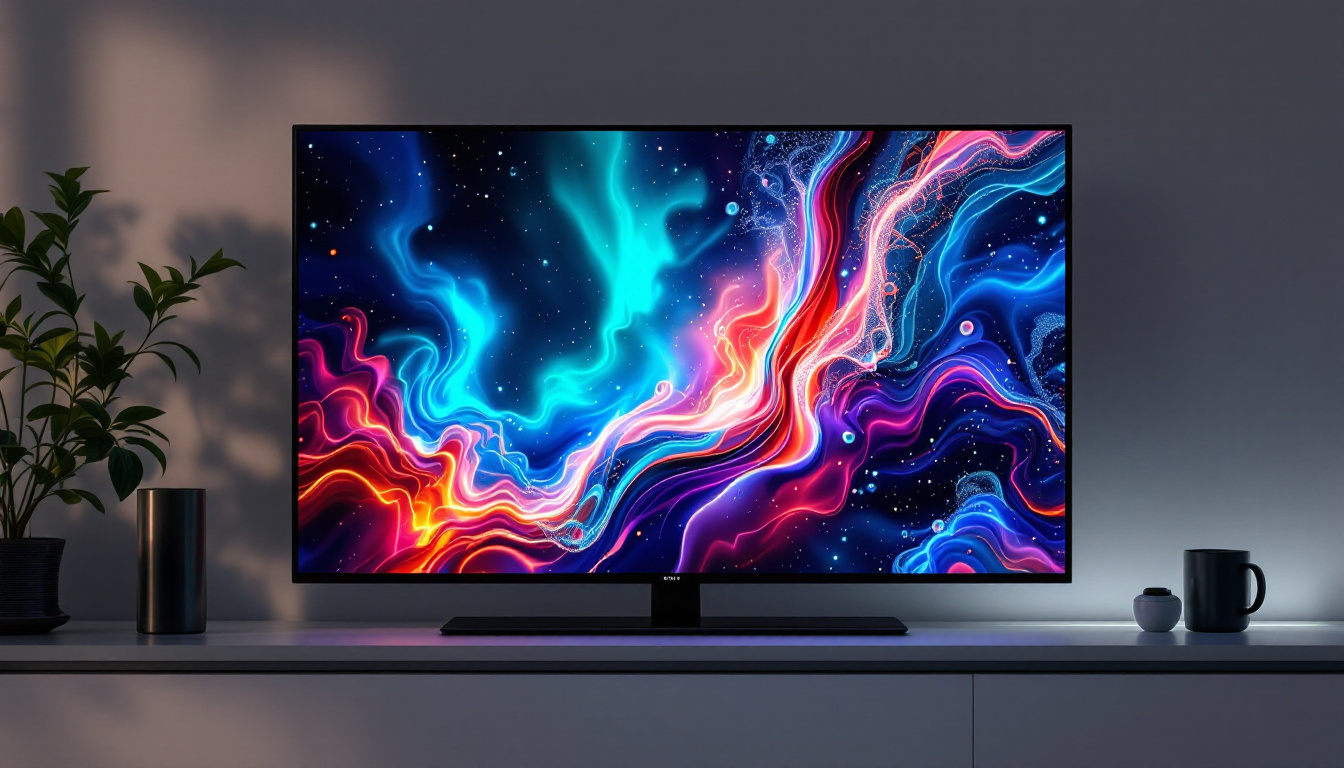
Light Emitting Diode (LED) displays have become the standard for modern televisions, replacing older technologies like Cathode Ray Tube (CRT) and Plasma displays. LED TVs use an array of LEDs to backlight an LCD panel, producing bright, vibrant images with high contrast ratios and energy efficiency. This transition to LED technology has not only improved the viewing experience but has also contributed to a significant reduction in energy consumption, making them a more environmentally friendly option.
There are several types of LED displays, including edge-lit, direct-lit, and full-array LED backlighting. Each type offers different levels of brightness uniformity and contrast, but all share the advantage of being thinner and more energy-efficient than their predecessors. Full-array backlighting, for instance, provides superior local dimming capabilities, enhancing the depth of blacks and overall picture quality, which is particularly beneficial for watching movies in dimly lit environments.
Why LED Displays Are Ideal for Privacy Screens
The nature of LED technology makes it particularly compatible with privacy screen applications. Because LED displays emit light in a controlled manner, privacy filters can be effectively applied without significantly degrading image quality for the intended viewer. This is crucial in settings such as offices or public spaces where sensitive information may be displayed and needs to be shielded from prying eyes.
Additionally, the slim profile of LED TVs allows for easier integration of privacy screens, whether as physical overlays or built-in features. This contrasts with older, bulkier display technologies where adding a privacy screen could be cumbersome or impractical. Moreover, advancements in privacy filter technology have led to options that not only protect sensitive content but also enhance viewing angles, ensuring that the intended audience enjoys a clear and unobstructed view while maintaining confidentiality for others nearby. This dual functionality makes LED displays particularly appealing for both personal and professional use, as they cater to the growing demand for privacy in our increasingly digital lives.
How TV Privacy Screens Work on LED Displays
Privacy screens for LED TVs typically employ one of two main technologies: microlouver filters or polarized films. Both methods manipulate light to restrict the viewing angle, but they do so in different ways.
Microlouver Technology
Microlouver filters consist of a series of tiny vertical blinds embedded in the screen protector. These louvers block light traveling at angles outside the intended viewing range, effectively narrowing the field of vision. When viewed head-on, the screen appears clear and bright, but from side angles, the image darkens or becomes completely blacked out.
This technology is widely used in privacy screens for laptops and monitors and has been adapted for use in LED TVs. The precision of microlouver placement is critical to maintaining image quality while ensuring privacy.
Polarized Film Technology
Polarized films work by filtering light waves based on their orientation. By layering polarized films at specific angles, privacy screens can reduce glare and limit side viewing angles. This method also enhances contrast and reduces reflections, which can improve viewing comfort.
However, polarized privacy screens may sometimes affect color accuracy or brightness, so it is essential to choose high-quality films designed specifically for LED TVs.
Benefits of Using a Privacy Screen on LED TVs
Incorporating a privacy screen on an LED TV offers multiple advantages beyond just protecting sensitive content. These benefits make privacy screens a worthwhile investment for both personal and professional use.
Enhanced Security and Confidentiality
For businesses, privacy screens help protect confidential information displayed during meetings or presentations. This is particularly important in industries such as finance, healthcare, and legal services, where unauthorized viewing could lead to data breaches or compliance violations.
In homes, privacy screens can prevent neighbors or passersby from seeing what is being watched, adding an extra layer of security for personal viewing preferences.
Reduced Glare and Eye Strain
Many privacy screens also serve as anti-glare filters, reducing reflections from ambient light sources. This can make viewing more comfortable, especially in brightly lit rooms or during daytime use.
Reducing glare and improving contrast can help minimize eye fatigue, a common complaint among frequent TV viewers.
Maintaining Image Quality
High-quality privacy screens are designed to preserve the sharpness, brightness, and color accuracy of LED displays. This ensures that the viewing experience remains enjoyable for the intended viewer while restricting visibility from other angles.
Advancements in privacy screen technology have minimized the trade-offs between privacy and image quality, making them suitable even for high-definition and 4K LED TVs.
Considerations When Choosing a TV Privacy Screen for LED Displays
Selecting the right privacy screen involves balancing privacy needs with viewing experience and compatibility. Several factors should be considered before making a purchase.
Screen Size and Compatibility
Privacy screens must match the size and aspect ratio of the TV to function correctly. An ill-fitting screen can reduce effectiveness and detract from the viewing experience.
Many manufacturers offer privacy screens tailored to specific TV models or standard sizes, but custom options are also available for unique setups.
Viewing Angle and Privacy Level
Different privacy screens offer varying degrees of viewing angle restriction. Narrower viewing angles provide greater privacy but may also limit the number of people who can comfortably watch the screen simultaneously.
It is important to assess the typical viewing environment and decide on the appropriate balance between privacy and shared viewing.
Installation Method
Privacy screens can be attached in several ways, including magnetic mounts, adhesive strips, or clip-on frames. The choice depends on the TV’s design and whether the screen needs to be removable or permanent.
Some modern LED TVs come with built-in privacy features or compatible accessories, simplifying installation.
Impact on Brightness and Color Accuracy
While privacy screens aim to preserve image quality, some reduction in brightness or slight color shifts can occur. It is advisable to test the screen or review user feedback to ensure acceptable performance.
Adjusting TV brightness settings may help compensate for any dimming caused by the privacy filter.
Emerging Trends and Future Developments
As privacy concerns continue to grow, innovations in TV privacy screen technology are advancing rapidly. Manufacturers are exploring new materials and smart features to enhance privacy without compromising display quality.
Smart Privacy Screens
Emerging smart privacy screens incorporate electronic shutters or liquid crystal layers that can dynamically adjust the viewing angle or opacity based on user preferences. These screens can switch between privacy and wide-view modes at the touch of a button.
Such technology is still in the early stages but promises greater flexibility and convenience for users.
Integration with Smart TV Features
Future LED TVs may integrate privacy controls directly into the software, allowing users to manage viewing angles or content visibility through settings or apps. This could complement physical privacy screens and provide a multi-layered approach to privacy.
Environmental Considerations
Manufacturers are also focusing on eco-friendly materials and manufacturing processes for privacy screens, aligning with broader sustainability goals in consumer electronics.
Conclusion
TV privacy screens for LED displays represent a practical solution to the growing need for visual privacy in both personal and professional settings. By understanding the underlying technologies, benefits, and considerations, consumers can make informed decisions to protect their content without sacrificing viewing quality.
As LED display technology continues to evolve, privacy screens will likely become more sophisticated, offering enhanced security, comfort, and convenience. Whether for safeguarding sensitive business information or simply enjoying entertainment without unwanted viewers, investing in a quality privacy screen is a smart step toward maintaining control over what appears on your TV screen.
Discover LumenMatrix’s Advanced Privacy Solutions
As you consider the importance of visual privacy for your LED displays, LumenMatrix stands at the forefront of innovation, ready to provide you with cutting-edge solutions tailored to your needs. From Indoor and Outdoor LED Wall Displays to specialized Privacy Screens, our products are designed to ensure confidentiality while delivering an unparalleled viewing experience. Embrace the future of secure and engaging visual communication with LumenMatrix. Check out LumenMatrix LED Display Solutions today and take the first step towards transforming your space with our dynamic and eco-friendly display technology.