As urban areas continue to grow and traffic volumes increase, cities like Beaverton, Oregon, are turning to advanced traffic management technologies to improve road safety and enhance commuter experiences. One such technology that has become increasingly visible on Beaverton’s streets is the LED display integrated with traffic cameras. These LED displays serve multiple functions, from providing real-time traffic information to enhancing law enforcement capabilities. Understanding how these systems work and their impact on traffic management is essential for residents, commuters, and city planners alike.
The Role of Traffic Cameras in Beaverton’s Transportation Network
Traffic cameras have become a cornerstone of modern urban traffic management systems. In Beaverton, these cameras are strategically installed at key intersections and along major roadways to monitor traffic flow, detect incidents, and support law enforcement activities. The integration of LED displays with these cameras represents an evolution in how traffic data is communicated to the public.
Beaverton’s traffic cameras are part of a broader regional effort coordinated by the Oregon Department of Transportation (ODOT) and local agencies to enhance traffic monitoring. According to recent data, the Portland metropolitan area, which includes Beaverton, experiences over 1.5 million vehicle trips daily. Managing this volume efficiently requires real-time data collection and dissemination, which traffic cameras and LED displays facilitate.
How Traffic Cameras Work
Traffic cameras typically use a combination of video imaging and sensors to capture live footage and data on vehicle movements. These cameras can detect traffic congestion, accidents, and even violations such as running red lights or speeding. The footage is transmitted to traffic management centers where operators analyze the data to make informed decisions about traffic signal timing, emergency response, and public notifications.
In Beaverton, many traffic cameras are equipped with high-definition capabilities, enabling clearer images that improve the accuracy of incident detection. This clarity is also critical for law enforcement when reviewing footage for investigations or issuing citations.
Understanding the LED Displays: Functions and Features
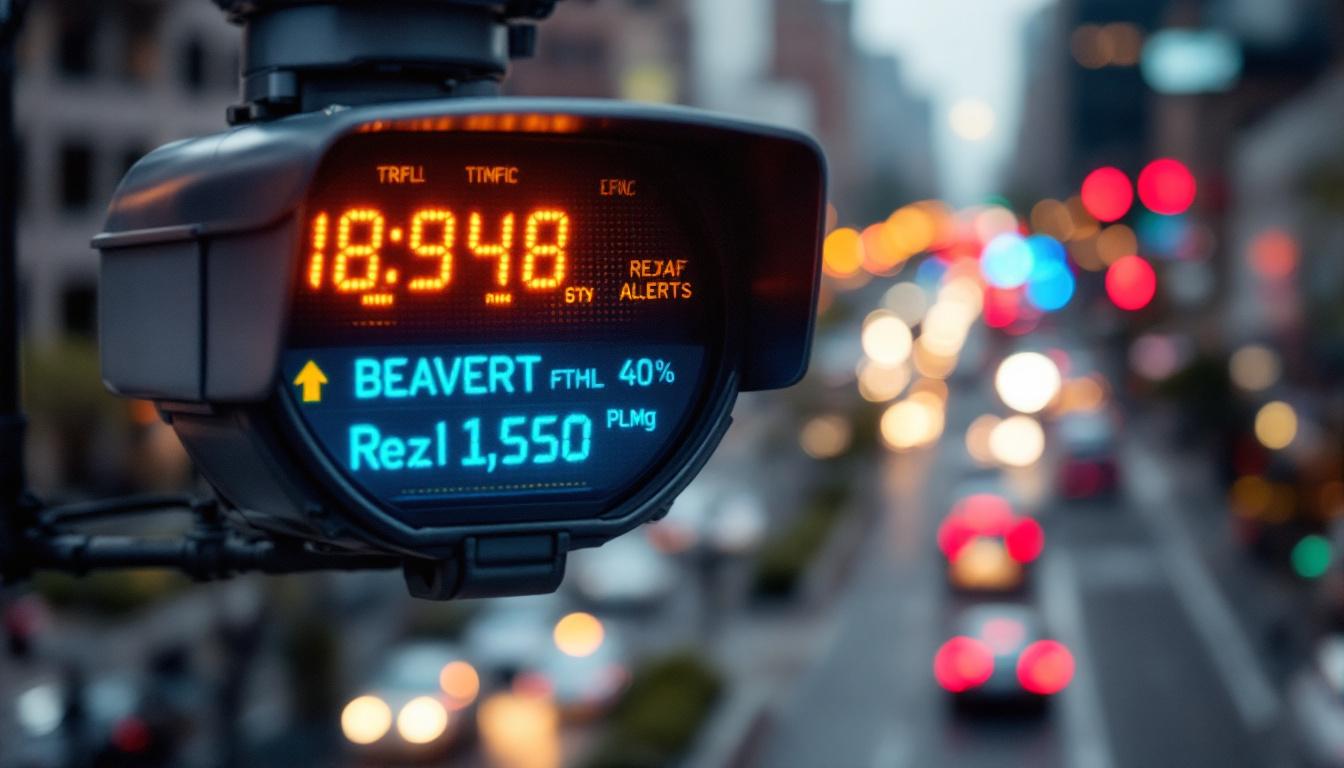
The LED displays integrated with Beaverton’s traffic cameras serve as dynamic communication tools. These bright, programmable signs are mounted near intersections or along roadways and provide drivers with immediate, relevant information. Unlike static signs, LED displays can be updated in real-time to reflect changing traffic conditions or emergency alerts.
Real-Time Traffic Updates
One of the primary functions of these LED displays is to convey real-time traffic updates to drivers. For example, during peak commute hours, the displays might show messages such as “Heavy Traffic Ahead – Expect Delays” or “Accident on SW Canyon Road – Use Alternate Route.” This immediate feedback helps drivers make informed decisions, potentially reducing congestion by encouraging alternate routes.
Data from the Beaverton Transportation Division indicates that timely information dissemination can reduce average commute times by up to 10% during peak hours. The LED displays contribute significantly to this improvement by providing on-the-spot alerts.
Safety Warnings and Enforcement Notifications
Safety is a paramount concern in traffic management, and the LED displays play a vital role in this regard. They can be programmed to flash warnings about hazardous conditions such as icy roads, construction zones, or pedestrian crossings. Additionally, these displays often work in tandem with traffic cameras to notify drivers of enforcement activities, such as speed monitoring or red-light cameras in operation.
For example, a display might read “Speed Camera Active – Slow Down” to encourage compliance with speed limits. Studies have shown that such warnings can reduce speeding violations by up to 15% in areas where they are implemented, contributing to safer roadways.
Emergency and Public Service Announcements
Beyond traffic-related information, the LED displays are also used for emergency alerts and public service announcements. In the event of natural disasters, such as wildfires or floods, or city-wide emergencies, these signs can broadcast critical instructions and updates. This capability enhances public safety by ensuring that important messages reach drivers promptly.
During the COVID-19 pandemic, for instance, some LED displays in Beaverton were utilized to communicate health guidelines and testing site information, demonstrating their versatility beyond traditional traffic management.
Technical Aspects of Beaverton’s LED Traffic Displays
Understanding the technology behind Beaverton’s LED traffic displays helps appreciate their effectiveness and reliability. These systems combine hardware and software components designed to operate efficiently in diverse weather and lighting conditions.
Display Technology and Visibility
The LED displays use high-intensity light-emitting diodes arranged in a matrix to form characters and symbols. This technology ensures excellent visibility during both day and night, even in adverse weather conditions such as fog or heavy rain. The brightness levels of these displays are automatically adjusted based on ambient light sensors, preventing glare that could distract drivers while maintaining readability.
Moreover, the color schemes used—typically amber or white LEDs—are chosen for maximum legibility and to conform with traffic sign standards. The displays are designed to be durable, with weatherproof casings that protect against dust, moisture, and temperature extremes.
Integration with Traffic Management Systems
Beaverton’s LED displays are integrated into a centralized traffic management system that collects data from cameras, sensors, and other monitoring tools. This integration allows for seamless updates and coordinated messaging across multiple locations. The system employs advanced algorithms to analyze traffic patterns and determine the most relevant messages to display.
For instance, if a traffic camera detects a sudden slowdown on a major corridor, the system can automatically trigger LED displays upstream to warn approaching drivers. This proactive approach helps prevent secondary accidents and eases congestion.
Remote Control and Automation
The LED displays are remotely controlled from Beaverton’s traffic operations center, allowing operators to update messages instantly as situations evolve. Additionally, many messages are automated based on predefined triggers, such as sensor data or scheduled events like roadwork. This automation reduces response times and ensures consistent communication.
Operators also have the capability to override automated messages in emergencies, ensuring that critical information is prioritized.
Benefits of LED Traffic Displays for Beaverton Residents and Commuters
The implementation of LED displays alongside traffic cameras offers multiple benefits that enhance the overall transportation experience in Beaverton.
Improved Traffic Flow and Reduced Congestion
By providing real-time updates and alternative route suggestions, LED displays help distribute traffic more evenly across the road network. This dynamic management reduces bottlenecks and improves travel times, especially during rush hours. According to a 2023 traffic study conducted by the City of Beaverton, intersections equipped with LED displays experienced a 12% reduction in average vehicle wait times compared to those without.
Enhanced Road Safety
Safety improvements are among the most significant benefits. The combination of traffic cameras and LED displays deters dangerous driving behaviors by increasing driver awareness of enforcement activities and hazardous conditions. This heightened awareness contributes to fewer accidents and injuries on Beaverton’s roads.
Environmental Impact and Sustainability
Efficient traffic flow supported by LED display notifications can also reduce vehicle emissions by minimizing stop-and-go traffic and idling times. This environmental benefit aligns with Beaverton’s sustainability goals, which include reducing greenhouse gas emissions from transportation by 40% by 2035. The energy-efficient LED technology itself consumes less power than traditional signage, further supporting eco-friendly initiatives.
Community Engagement and Transparency
LED displays serve as a communication bridge between city officials and the public, fostering transparency about traffic conditions and safety measures. By keeping residents informed, the city encourages community cooperation and trust in local traffic management efforts.
Challenges and Considerations in Deploying LED Traffic Displays
While the benefits are clear, deploying and maintaining LED traffic displays alongside cameras involves several challenges that Beaverton continues to address.
Cost and Maintenance
Installation and upkeep of LED displays and traffic cameras require significant investment. High-quality hardware, software integration, and ongoing maintenance to ensure optimal performance can strain municipal budgets. Beaverton mitigates these costs by prioritizing high-impact locations and seeking grants and partnerships.
Privacy Concerns
The use of traffic cameras raises privacy questions among some residents, particularly regarding data collection and storage. Beaverton adheres to strict policies that limit footage use to traffic management and law enforcement purposes, with safeguards to protect individual privacy. Public outreach and transparency about these policies help address community concerns.
Technical Limitations and Reliability
Like all technology, LED displays and cameras can experience malfunctions due to weather, power outages, or technical glitches. The city employs redundant systems and regular maintenance schedules to minimize downtime and ensure reliability.
The Future of Traffic Management in Beaverton
Beaverton’s investment in LED displays integrated with traffic cameras is part of a broader vision for smart city infrastructure. Future developments may include enhanced artificial intelligence for predictive traffic management, integration with connected vehicle technologies, and expanded use of data analytics to optimize traffic flow further.
Emerging trends such as vehicle-to-infrastructure (V2I) communication could allow LED displays to interact directly with vehicles, providing personalized alerts and improving safety even more. Additionally, the city is exploring solar-powered LED displays to reduce energy consumption and increase sustainability.
As Beaverton continues to grow, these technologies will play a crucial role in creating a safer, more efficient, and environmentally responsible transportation system.
Conclusion
The LED displays integrated with Beaverton’s traffic cameras represent a significant advancement in urban traffic management. By providing real-time information, enhancing safety, and supporting efficient traffic flow, these systems benefit residents, commuters, and the city as a whole. While challenges such as cost and privacy must be managed carefully, the overall impact of this technology is positive and aligns with Beaverton’s goals for a smarter, safer, and more sustainable community.
Understanding how these LED displays function and their role in the broader traffic ecosystem empowers the public to appreciate the efforts behind smoother commutes and safer roads. As technology evolves, Beaverton’s commitment to leveraging innovative solutions will continue to improve the quality of life for all who travel its streets.
Explore Cutting-Edge LED Display Solutions with LumenMatrix
As Beaverton embraces the future of traffic management with LED display technology, you too can leverage the power of advanced visual communication. LumenMatrix, a pioneer in LED display innovation, offers a wide range of solutions that transform urban spaces, enhance public safety, and captivate audiences. From dynamic vehicle LED displays to all-encompassing outdoor LED walls, our products are designed to deliver unparalleled clarity and impact. Discover how LumenMatrix can illuminate your brand and message by checking out our LED Display Solutions today.