In the evolving world of interior design and architectural aesthetics, lighted wall decor has emerged as a dynamic and captivating element. Among the various technologies available, LED displays stand out for their versatility, energy efficiency, and vibrant visual impact. This article delves into the intricacies of LED display technology as applied to wall decor, exploring its types, benefits, installation considerations, and emerging trends that are shaping the future of illuminated interiors.
Understanding LED Display Technology in Wall Decor
LED, or Light Emitting Diode, technology has revolutionized lighting and display solutions across numerous industries. When integrated into wall decor, LEDs transform static surfaces into interactive, eye-catching features that can convey art, information, or ambiance with remarkable clarity and brightness. The versatility of LED technology allows for a wide range of applications, from enhancing the aesthetic appeal of a room to providing functional lighting solutions that can adapt to various moods and settings.
At its core, an LED display consists of an array of tiny light sources that can be individually controlled to produce images, patterns, or text. These displays range from simple LED strips embedded behind translucent panels to complex video walls capable of streaming high-definition content. The ability to customize these displays means that they can be tailored to fit the unique style of any space, making them an attractive option for both residential and commercial environments.
Types of LED Displays Used in Wall Decor
There are several types of LED displays commonly used in lighted wall decor, each suited to different applications and aesthetic goals:
- LED Strip Lights: Flexible and easy to install, LED strips are often used to create subtle backlighting or accent lighting around wall features, shelves, or artwork. They offer a wide range of colors and can be controlled via remote or smart home systems. Their adaptability allows them to be cut to size, making them perfect for any project, whether it’s highlighting a gallery wall or outlining architectural features.
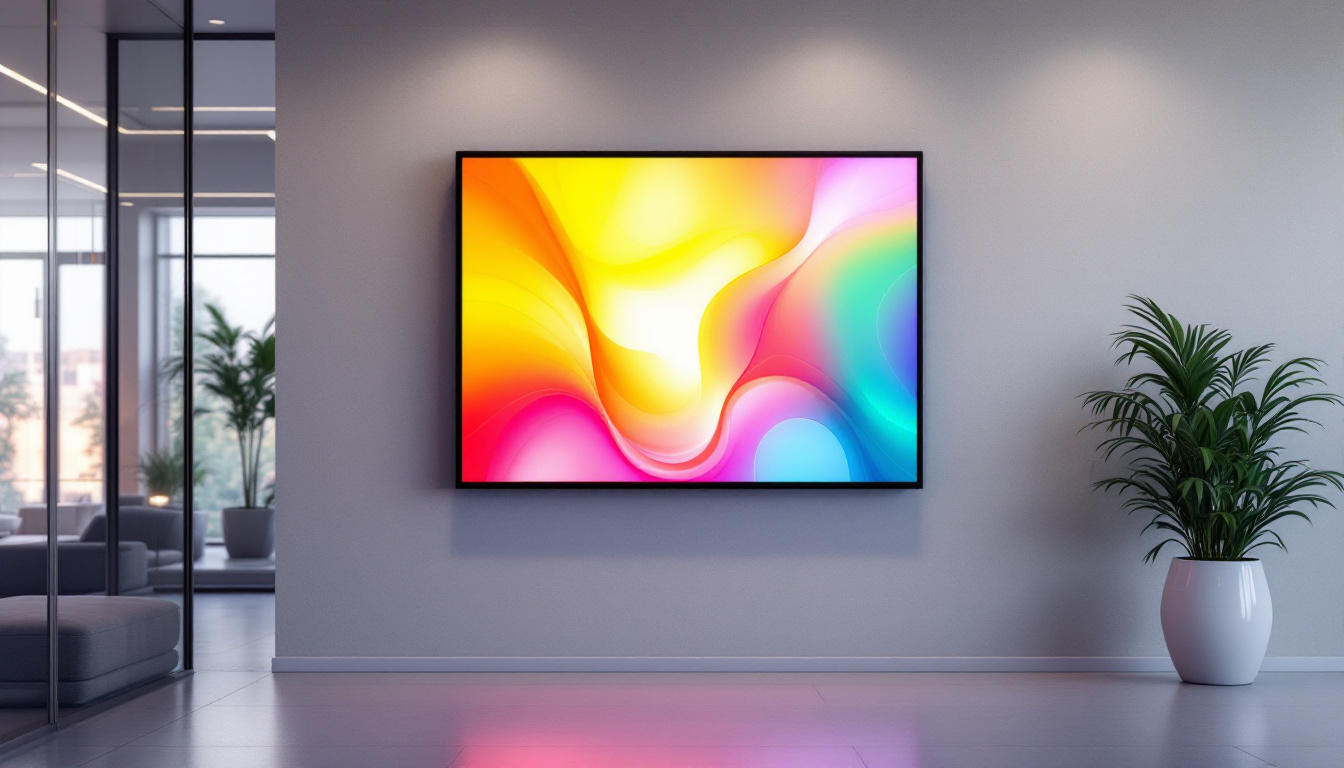
- LED Panels: These are flat, modular units that can be combined to form larger illuminated surfaces. LED panels are popular for creating modern, minimalist wall installations that emit uniform light. Their sleek design makes them ideal for corporate environments, where they can display logos or branding messages while maintaining a professional appearance.
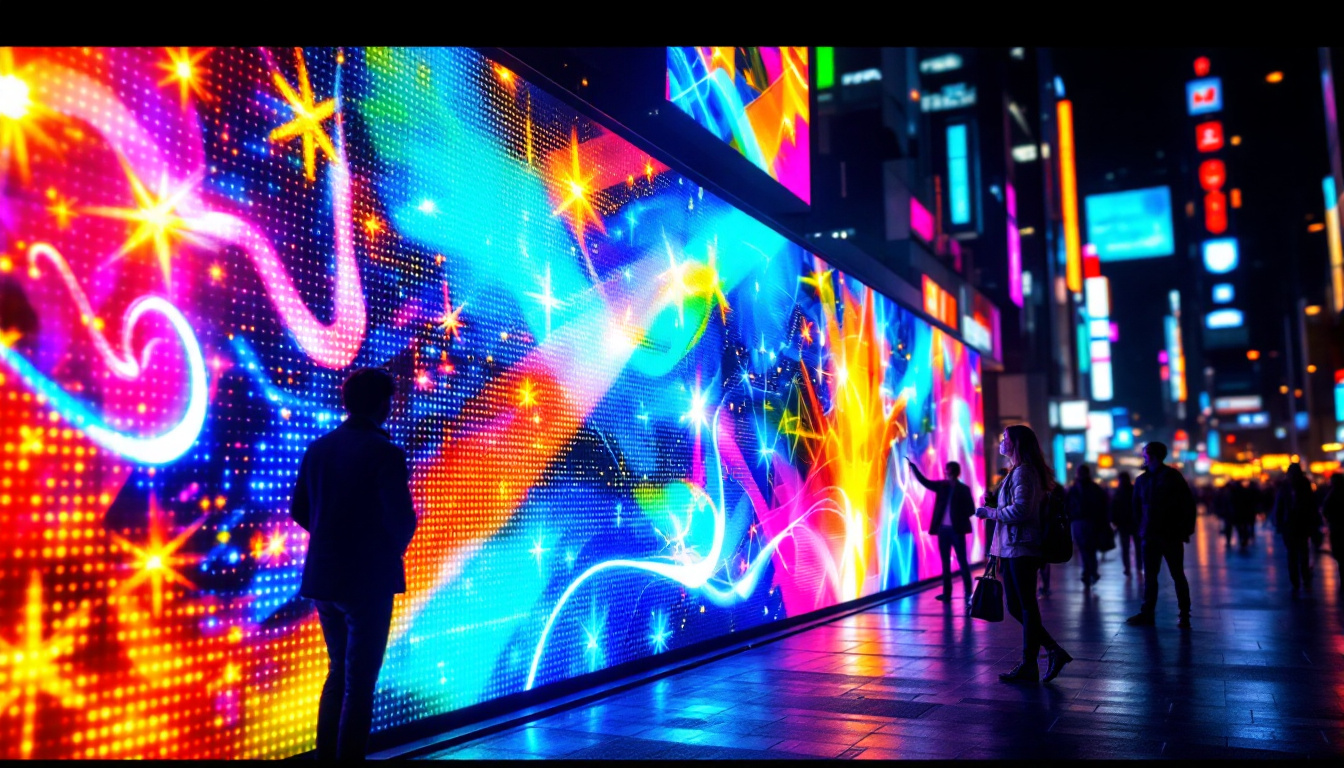
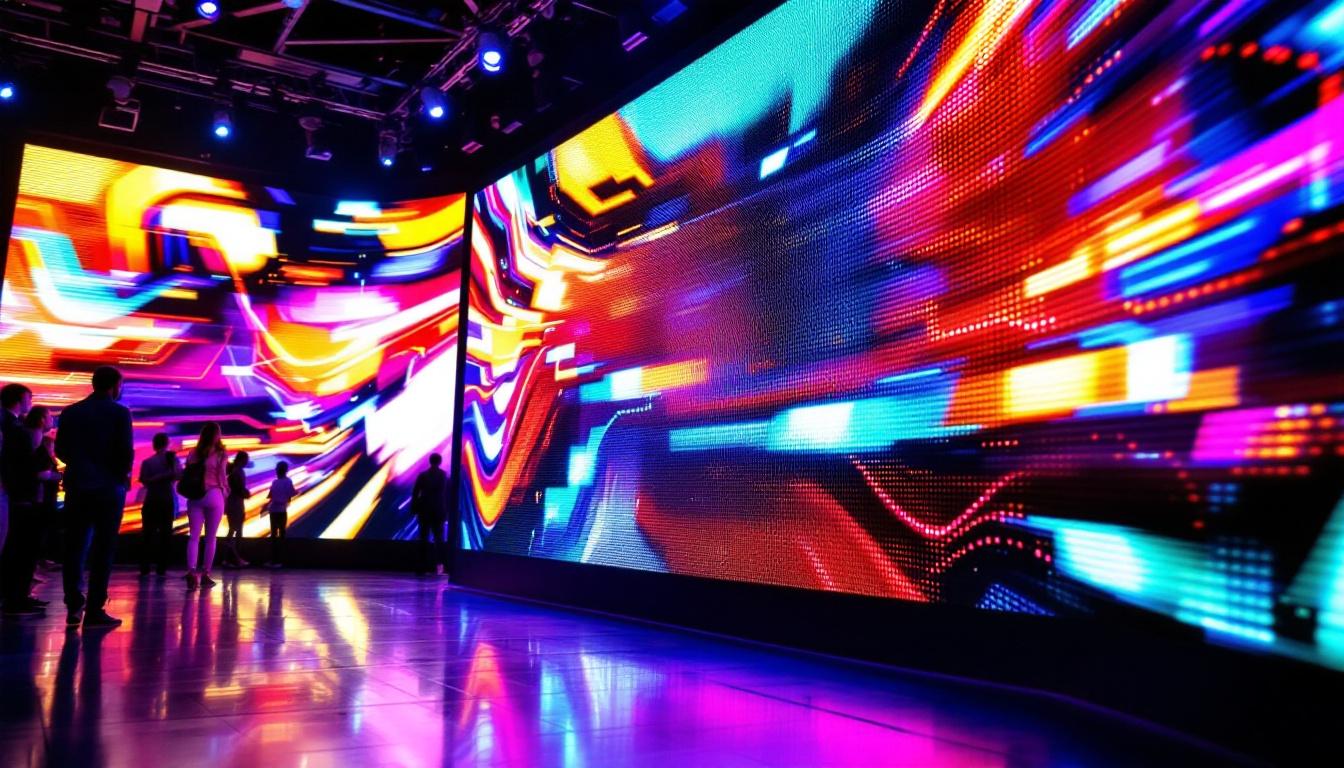
- Pixel LED Displays: Featuring individually addressable LEDs, these displays can produce intricate images, animations, or dynamic patterns. They are ideal for commercial spaces or artistic installations where visual storytelling is desired. The high level of customization available with pixel displays allows artists and designers to create immersive experiences that engage viewers and draw them into the narrative being presented.
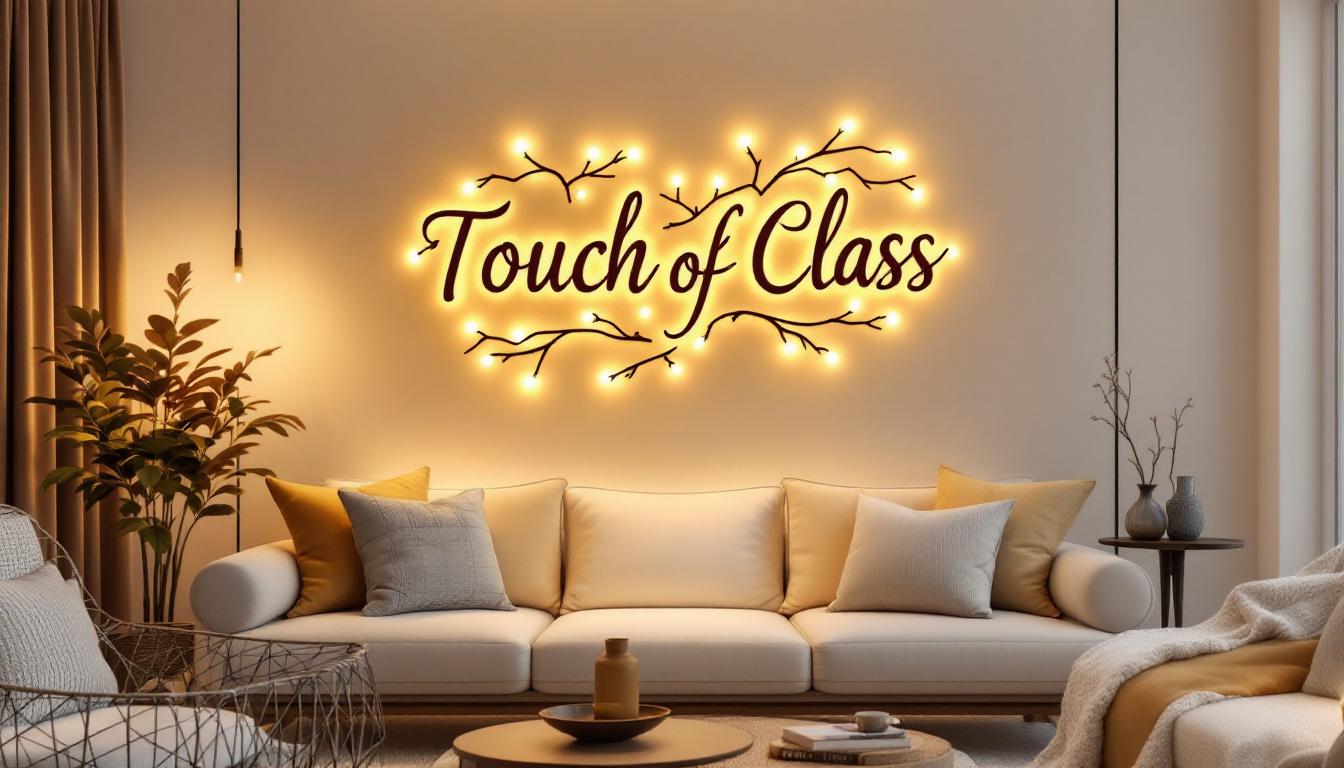
- Neon-style LED Tubes: Mimicking traditional neon signs but with greater durability and efficiency, these tubes are often used for custom lettering or graphic designs on walls. Their vibrant glow and retro aesthetic can evoke nostalgia while providing a modern twist, making them a popular choice for restaurants, bars, and creative studios.
In addition to their aesthetic benefits, LED displays also offer significant energy efficiency compared to traditional lighting options. This not only reduces electricity costs but also contributes to a more sustainable approach to interior design. Furthermore, many LED systems come with smart technology integration, allowing users to adjust brightness, color, and even patterns through mobile apps or voice commands. This level of control enhances the user experience, enabling individuals to create the perfect ambiance for any occasion, from a cozy movie night to a lively gathering with friends.
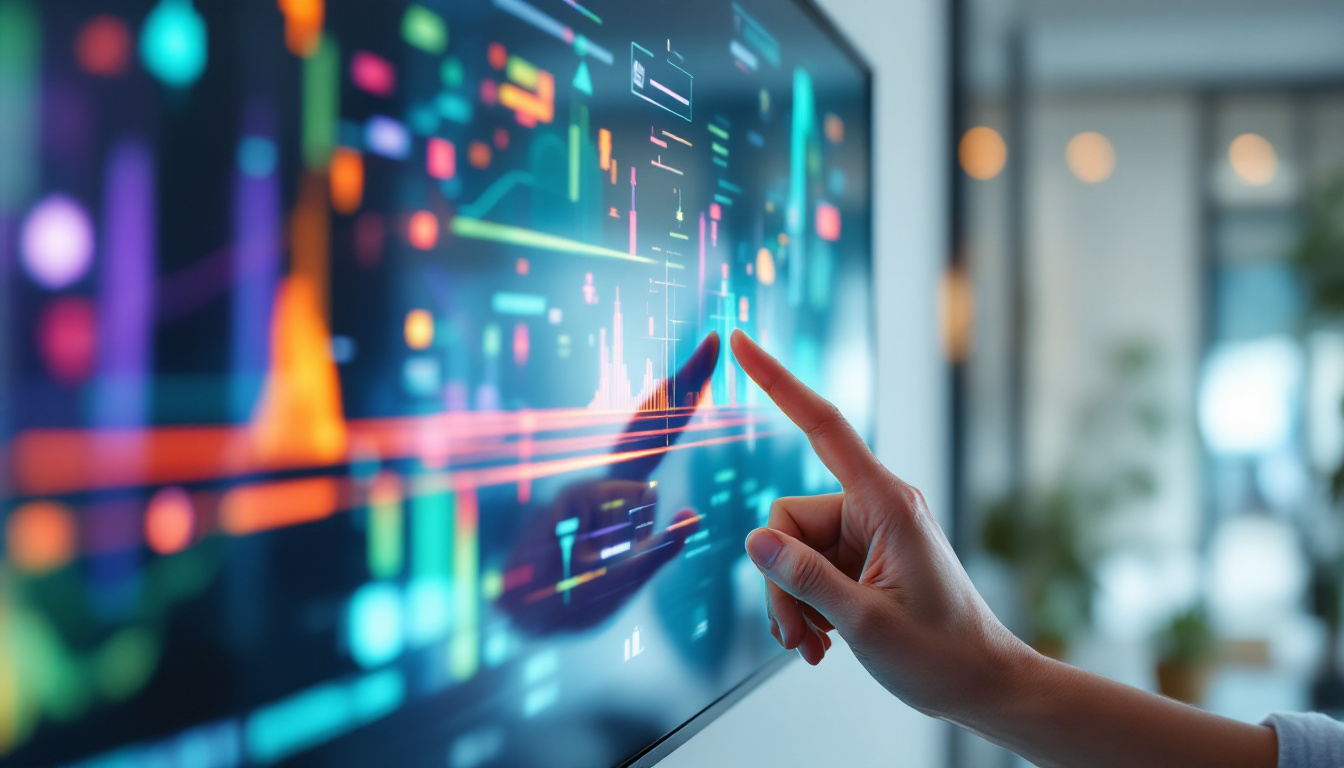
As the technology continues to evolve, we can expect to see even more innovative applications of LED displays in wall decor. Emerging trends include interactive surfaces that respond to touch or movement, creating a dynamic environment that engages users in new ways. Additionally, advancements in energy efficiency and longevity mean that LED displays will not only be a stylish choice but also a practical one, offering long-lasting performance that meets the demands of modern living.
Benefits of Using LED Displays for Wall Decor
LED displays offer a range of advantages over traditional lighting and decorative options, making them increasingly popular in both residential and commercial settings.
Energy Efficiency and Longevity
One of the most significant benefits of LED technology is its energy efficiency. LEDs consume up to 80% less energy than incandescent bulbs, which translates into lower electricity bills and a reduced environmental footprint. Additionally, LED lights have an average lifespan of 25,000 to 50,000 hours, far exceeding that of conventional lighting. This longevity reduces maintenance costs and the frequency of replacements.
Design Flexibility and Customization
LED displays provide unparalleled flexibility in design. Their compact size and modular nature allow for creative freedom in shaping, sizing, and color selection. Whether it’s a subtle glow behind a textured wall or a vibrant, animated mural, LEDs can be tailored to meet specific design visions. Advances in smart lighting technology also enable users to change colors, brightness, and patterns remotely, adding a dynamic element to interior spaces.
Enhanced Ambiance and Visual Impact
Lighting significantly influences mood and perception within a space. LED wall decor can be used to create ambiance, highlight architectural details, or serve as a focal point. The ability to produce vivid colors and smooth gradients enables designers to evoke emotions and complement the overall interior theme effectively.
Integration with Smart Home Systems
Modern LED displays often come equipped with compatibility for smart home ecosystems such as Amazon Alexa, Google Home, or Apple HomeKit. This integration allows users to control lighting scenes, schedules, and effects via voice commands or smartphone apps, enhancing convenience and personalization.
Installation and Maintenance Considerations
While LED displays offer many benefits, successful implementation requires careful planning and consideration of technical factors.
Assessing Wall Structure and Space
Before installation, it is essential to evaluate the wall’s structural integrity and surface type. Some LED panels or heavy installations may require reinforced mounting solutions. Additionally, the available space will influence the size and type of LED display that can be accommodated without overwhelming the room.
Electrical Requirements and Safety
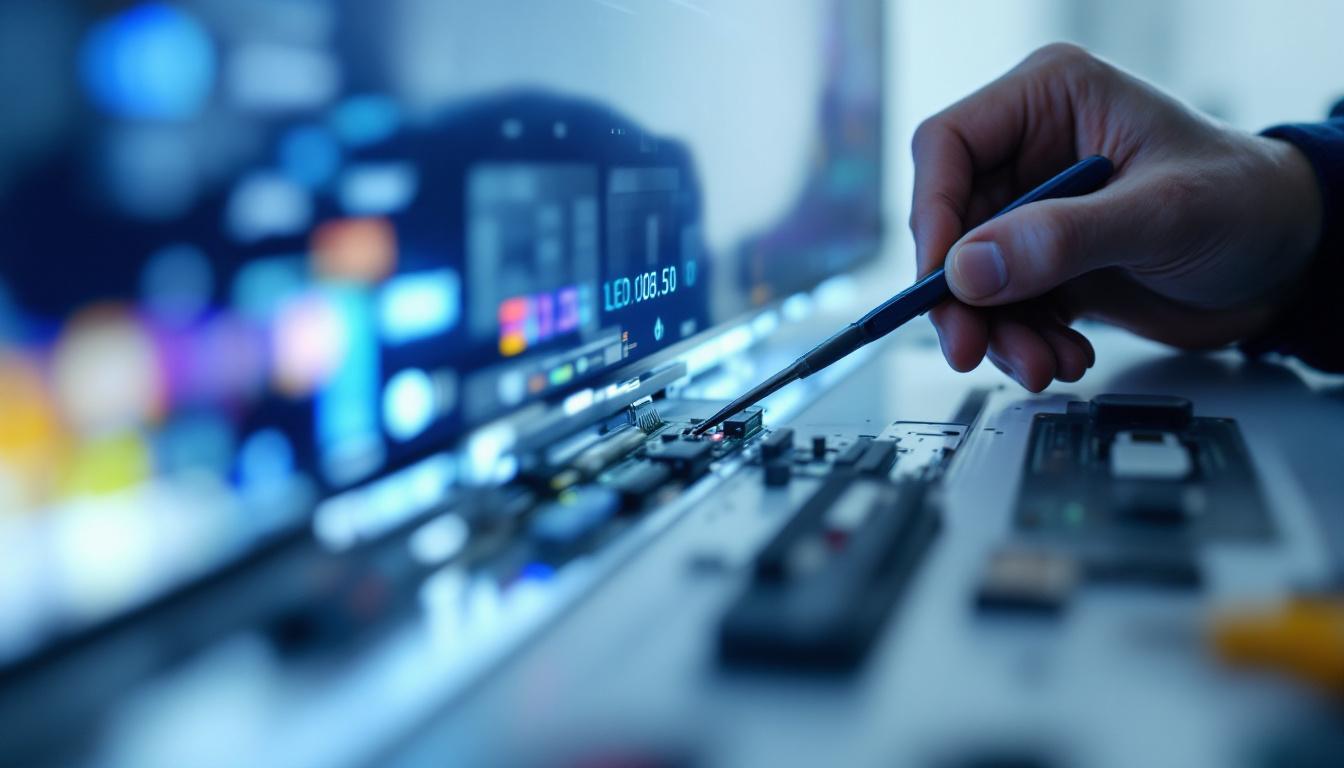
LED displays need a reliable power source and proper wiring to function safely. It is advisable to work with licensed electricians to ensure compliance with local electrical codes and standards. Proper insulation and ventilation are also important to prevent overheating, especially for large or high-brightness displays.
Maintenance and Cleaning
LED displays generally require minimal maintenance, but periodic cleaning is necessary to maintain optimal brightness and appearance. Using soft, dry cloths or gentle cleaning agents helps prevent damage to delicate LED components. Additionally, software updates for smart LED systems may be required to maintain functionality and security.
Applications of LED Wall Displays in Various Settings
LED lighted wall decor is versatile and finds applications across a wide range of environments, from homes to commercial and public spaces.
Residential Spaces
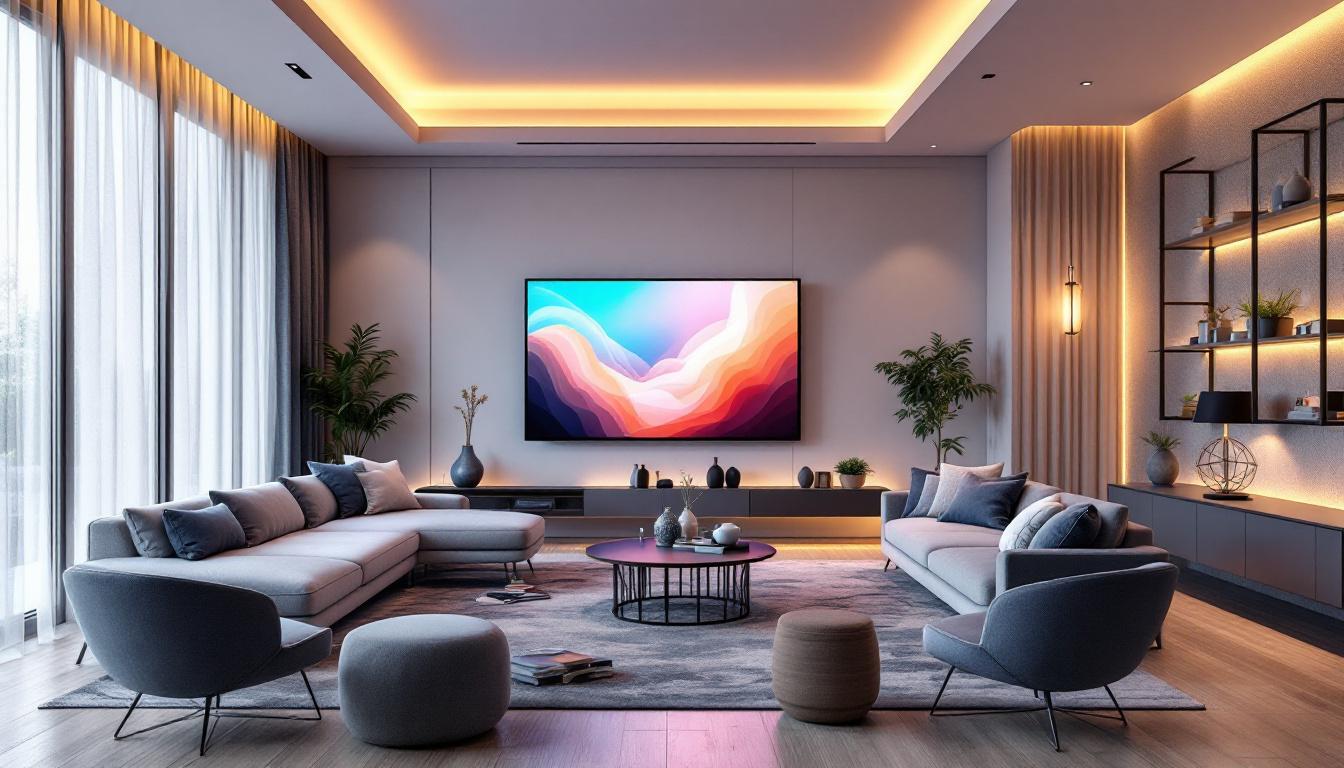
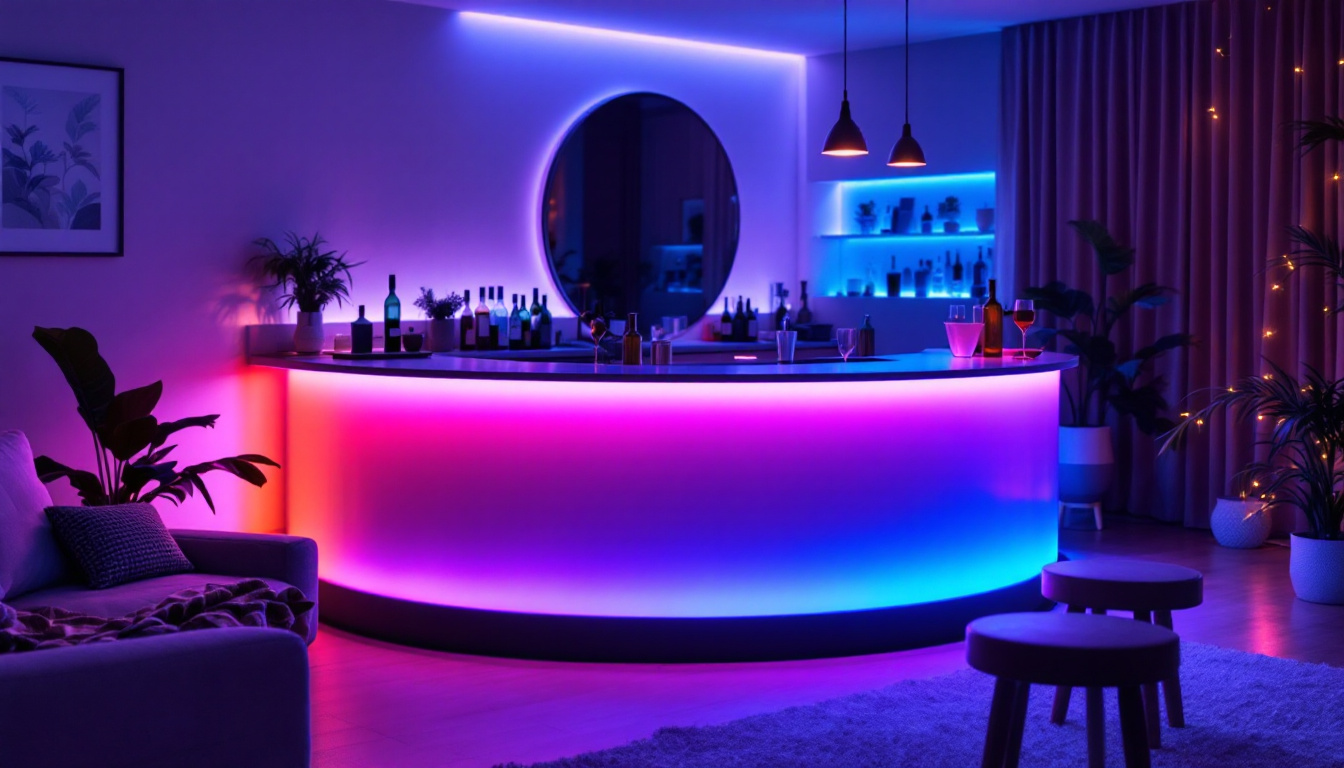
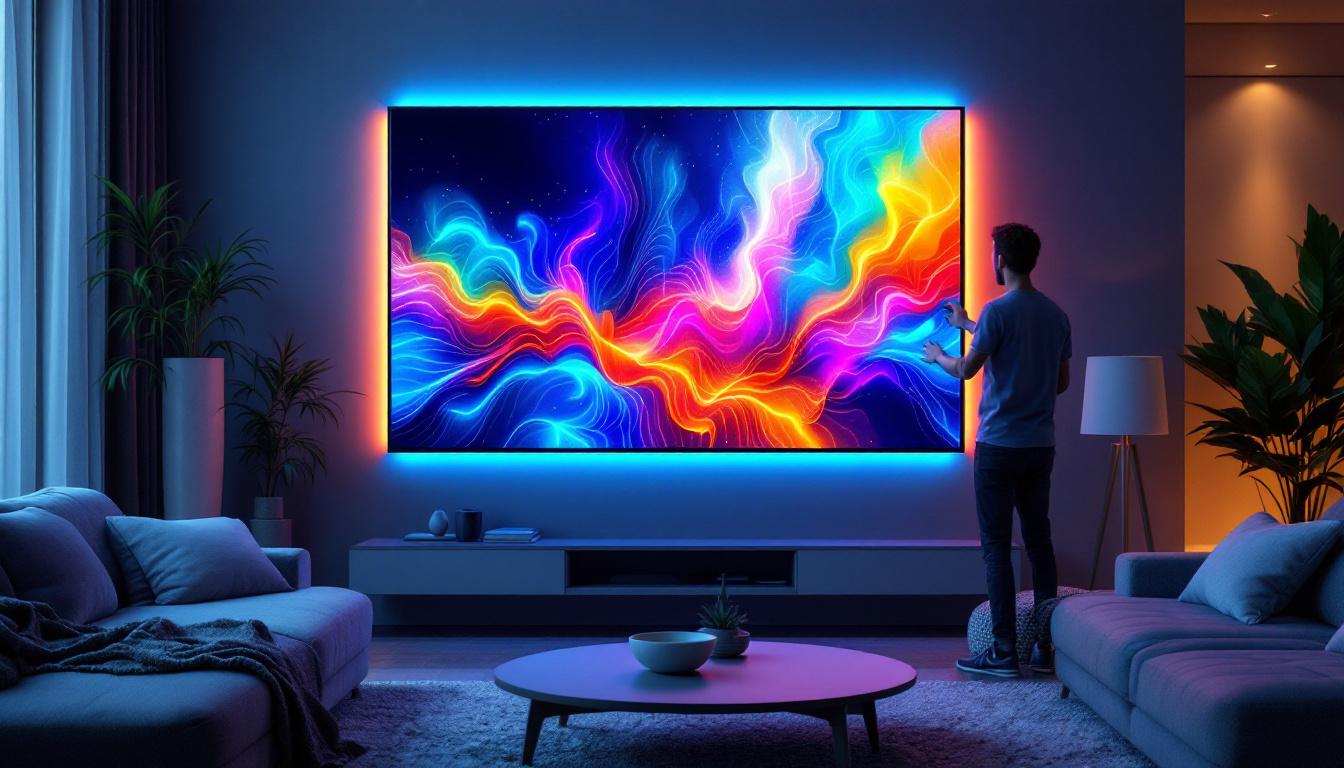
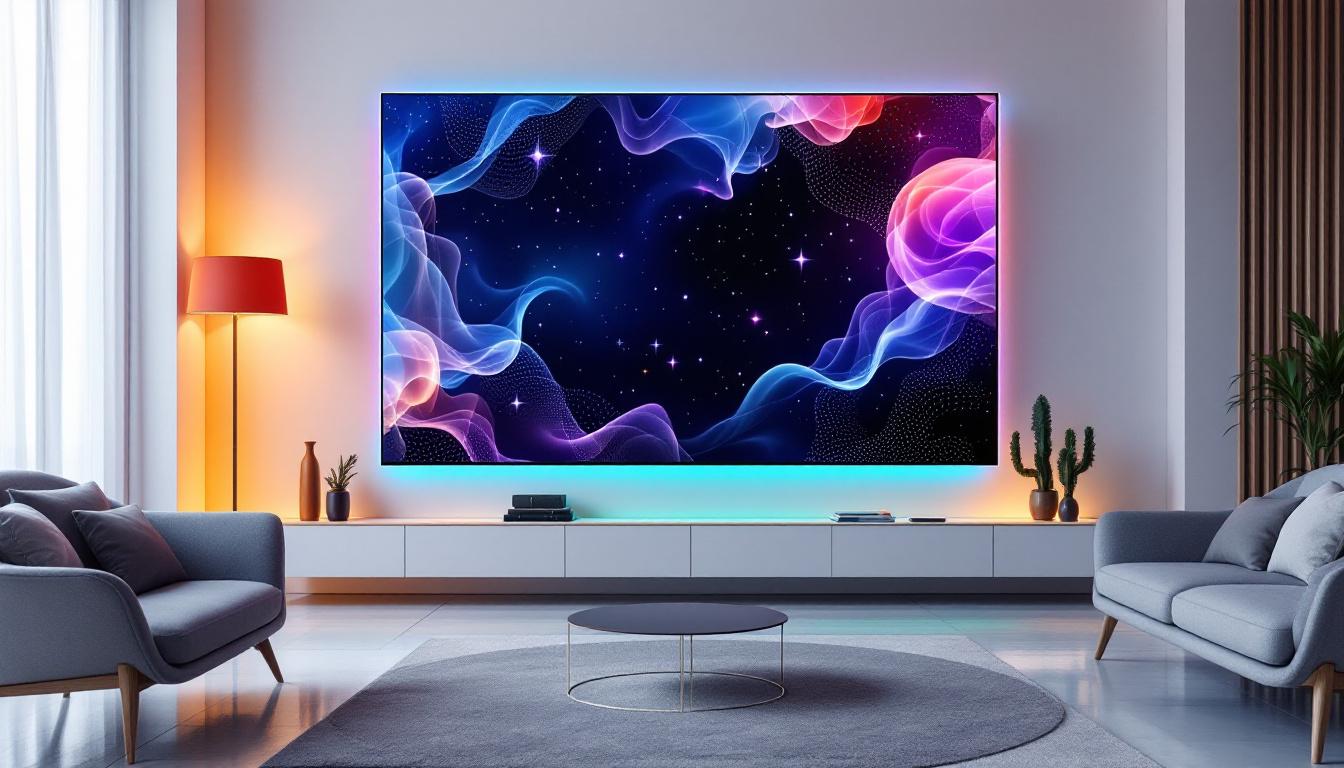
In homes, LED wall decor can serve both functional and aesthetic purposes. Common uses include accent lighting in living rooms, illuminated headboards in bedrooms, or artistic LED murals in entertainment areas. Homeowners increasingly favor LED displays for their ability to create personalized atmospheres and enhance interior design themes.
Retail and Commercial Environments
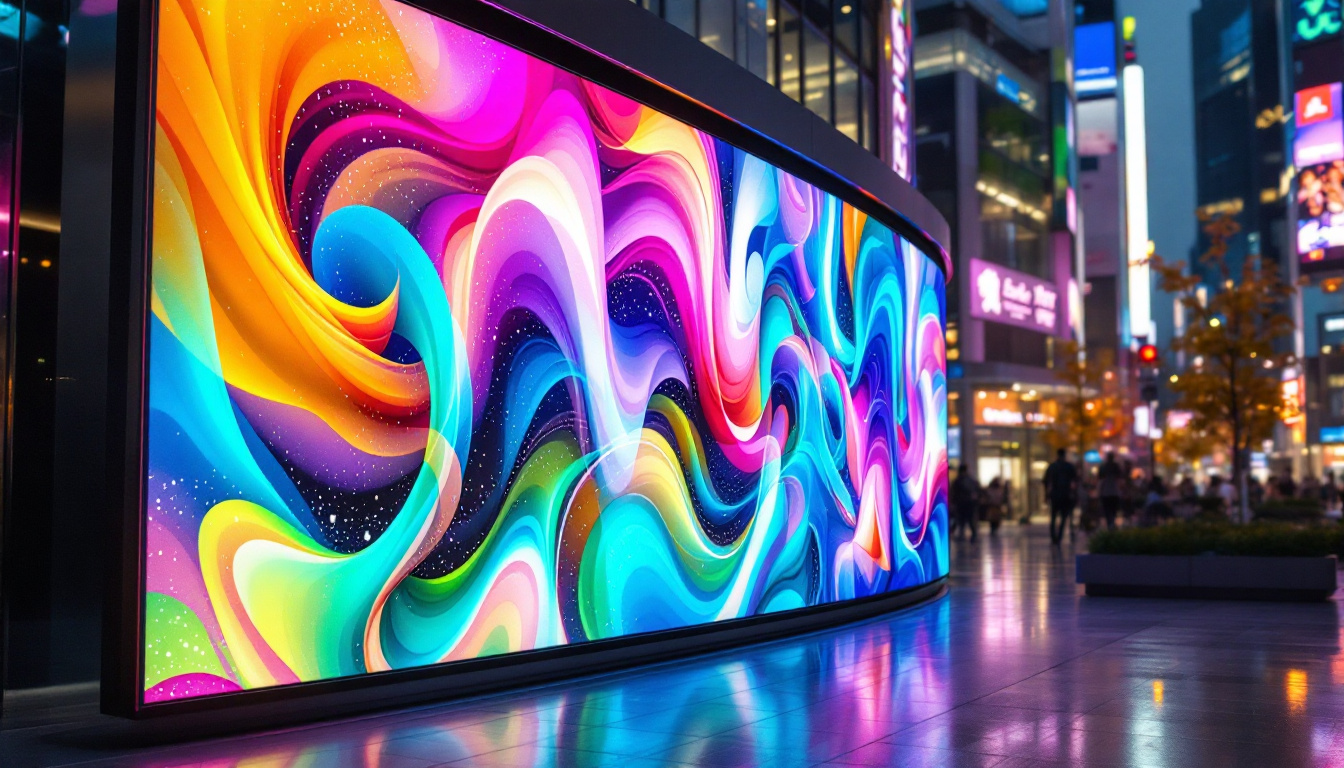
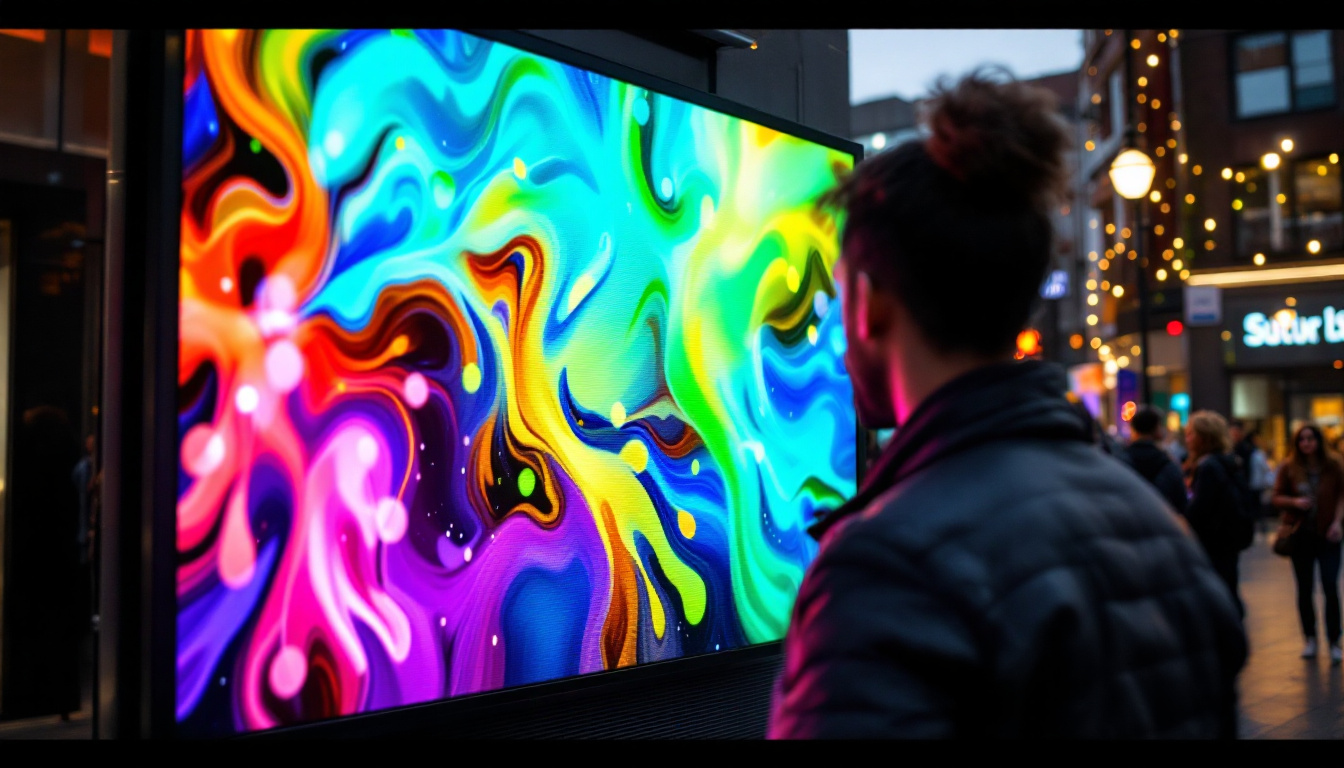
Retailers leverage LED wall displays to attract customers and communicate brand messages effectively. Digital signage, promotional animations, and interactive displays are common in storefronts and shopping malls. The high visibility and dynamic content capabilities of LED walls help increase engagement and drive sales.
Hospitality and Entertainment Venues
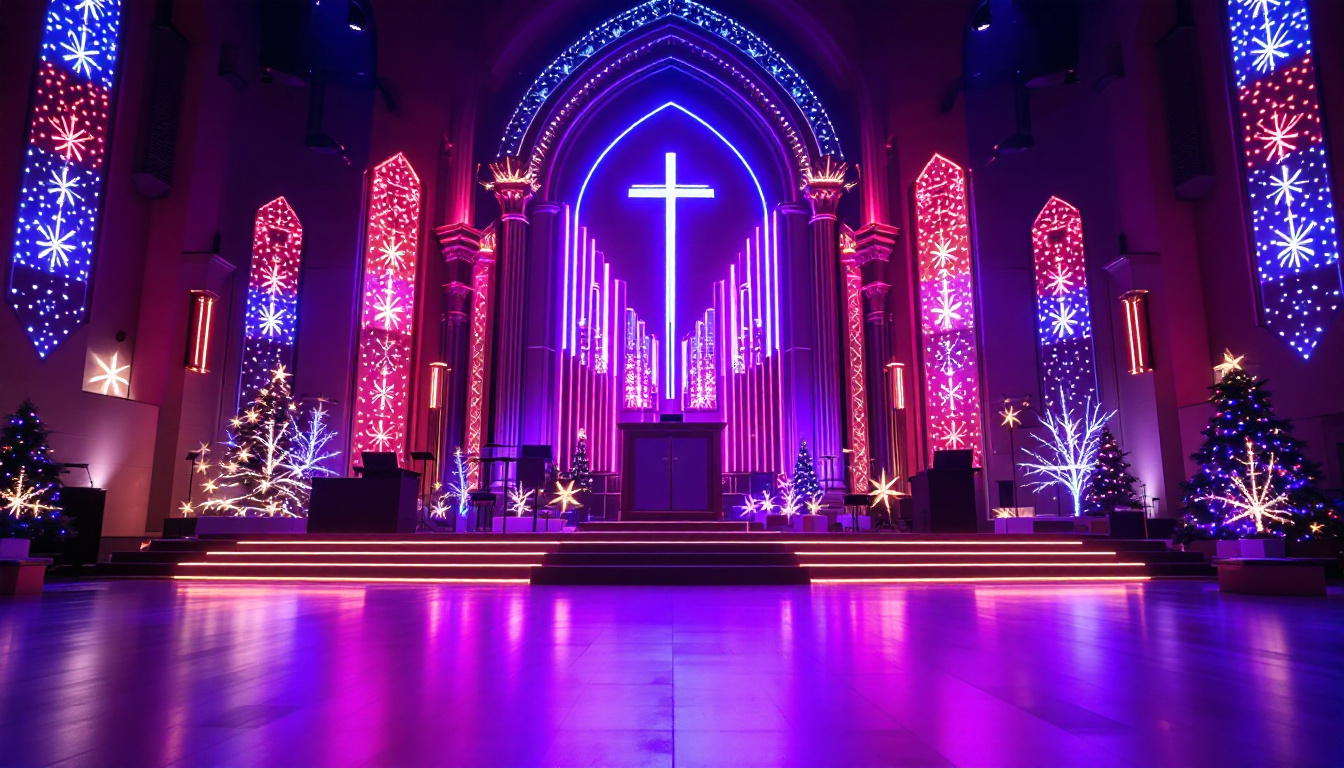
Hotels, restaurants, and entertainment venues utilize LED wall decor to create immersive experiences. From mood lighting in lounges to large-scale digital art installations in lobbies, LEDs contribute to memorable environments that enhance guest satisfaction and brand identity.
Public and Cultural Spaces
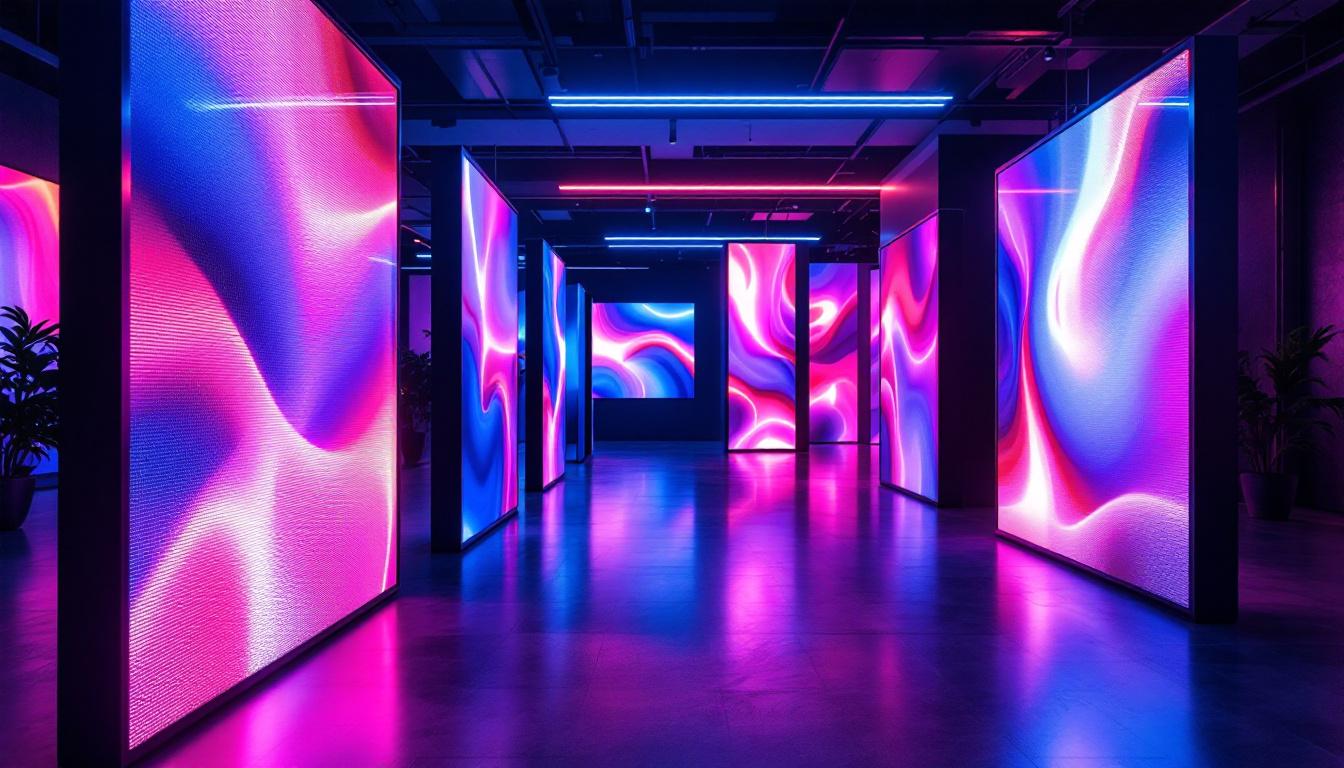
Museums, galleries, and public installations often incorporate LED displays to provide educational content, interactive exhibits, or artistic expressions. The adaptability of LED technology supports innovative storytelling and community engagement through lighted wall decor.
Emerging Trends and Innovations in LED Wall Decor
The field of LED wall decor continues to evolve rapidly, driven by technological advancements and changing consumer preferences.
MicroLED and MiniLED Technologies
Emerging display technologies such as MicroLED and MiniLED promise even higher resolution, brightness, and energy efficiency. These innovations enable ultra-thin, flexible, and more vibrant displays that can be seamlessly integrated into walls, offering new possibilities for designers and architects.
Interactive and Responsive Displays
Integration of sensors and AI allows LED wall displays to respond to environmental cues or user interactions. For example, walls can change colors based on ambient sound, motion, or temperature, creating dynamic and engaging environments that adapt in real time.
Sustainable and Eco-friendly Solutions
As sustainability becomes a priority, manufacturers are focusing on eco-friendly materials and recyclable components in LED display production. Additionally, advances in low-power consumption and solar-powered LED systems contribute to greener lighted wall decor solutions.
Conclusion
LED displays have transformed lighted wall decor from simple illumination to a sophisticated medium for artistic expression, branding, and ambiance creation. Their energy efficiency, design flexibility, and integration capabilities make them an attractive choice for a wide array of applications. As technology advances, LED wall displays will continue to push the boundaries of interior design, offering innovative and sustainable ways to enhance spaces with light.
For anyone considering lighted wall decor, understanding the nuances of LED display technology is essential to making informed decisions that balance aesthetics, functionality, and cost-effectiveness. Whether for a cozy home environment or a bustling commercial venue, LED displays offer endless possibilities to illuminate walls with creativity and brilliance.
Illuminate Your Space with LumenMatrix
Ready to elevate your environment with the latest in LED display technology? LumenMatrix offers a comprehensive range of innovative solutions tailored to your needs. From Indoor and Outdoor LED Wall Displays to specialized options like Vehicle, Sports, and Floor LED Displays, our products are designed to transform your space and captivate your audience. Embrace the future of visual communication and check out LumenMatrix LED Display Solutions today to create unforgettable experiences and share your message with the world.