In recent years, churches around the world have embraced technology to enhance worship experiences and community engagement. One of the most transformative tools in this evolution is the use of large LED displays. These vibrant, high-resolution screens have become a staple in modern church settings, offering dynamic visual support for sermons, music, announcements, and events. But what exactly are LED displays, and why are they becoming so popular in houses of worship? This article explores the technology behind LED screens, their benefits for churches, and practical considerations for implementation.
Understanding LED Display Technology
What Is an LED Display?
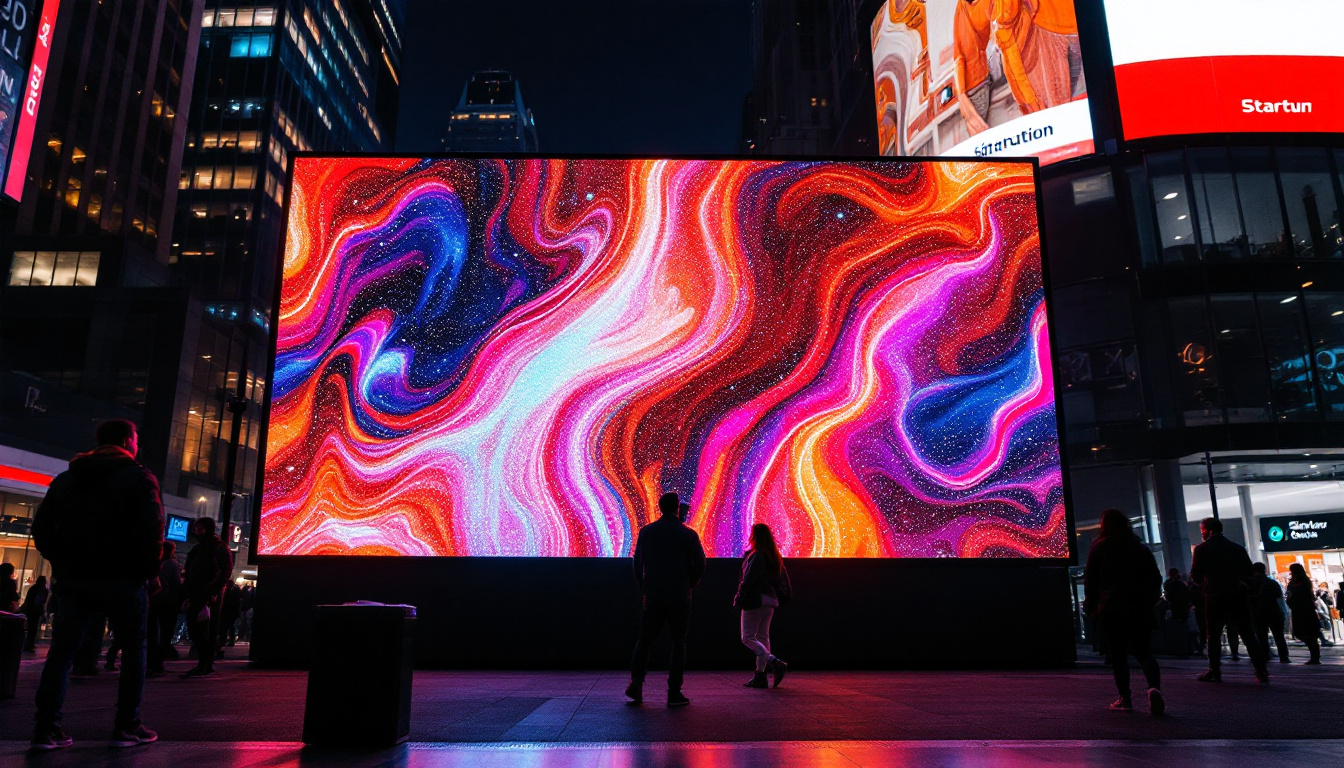
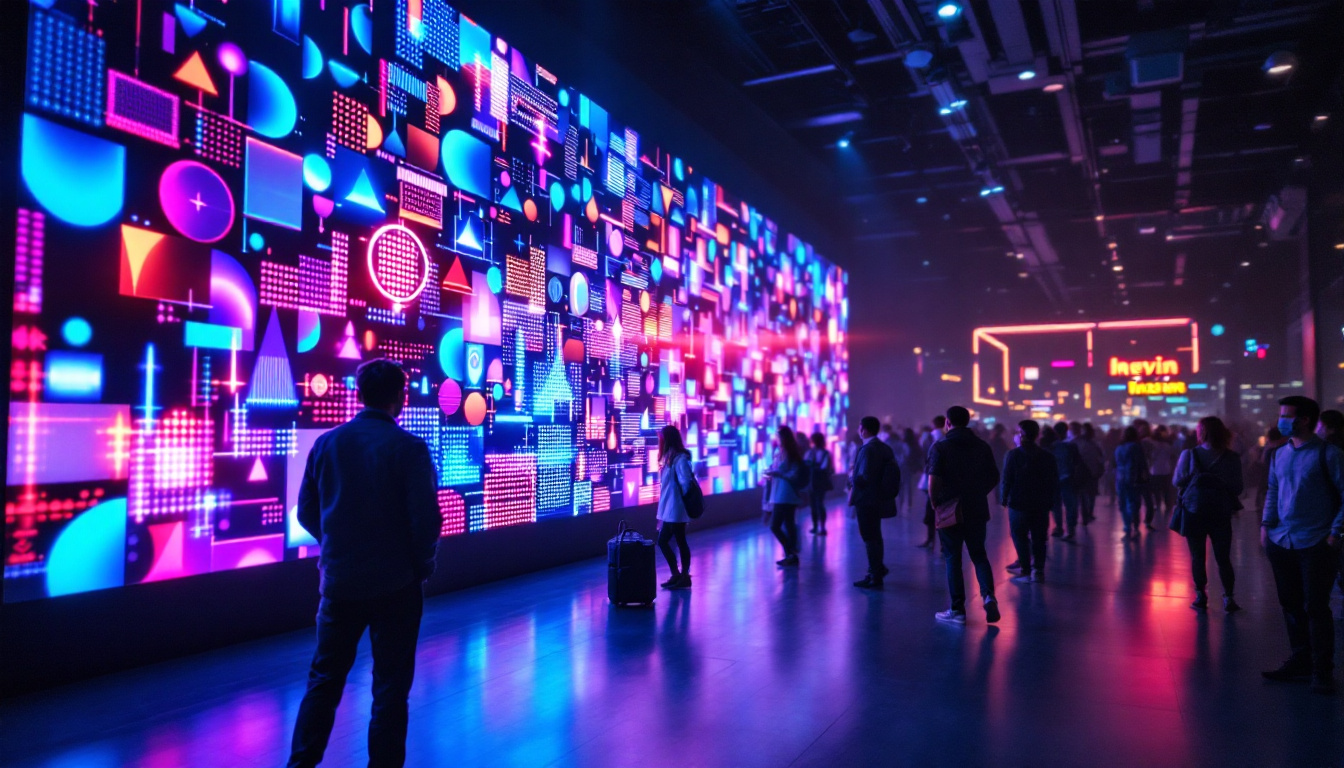
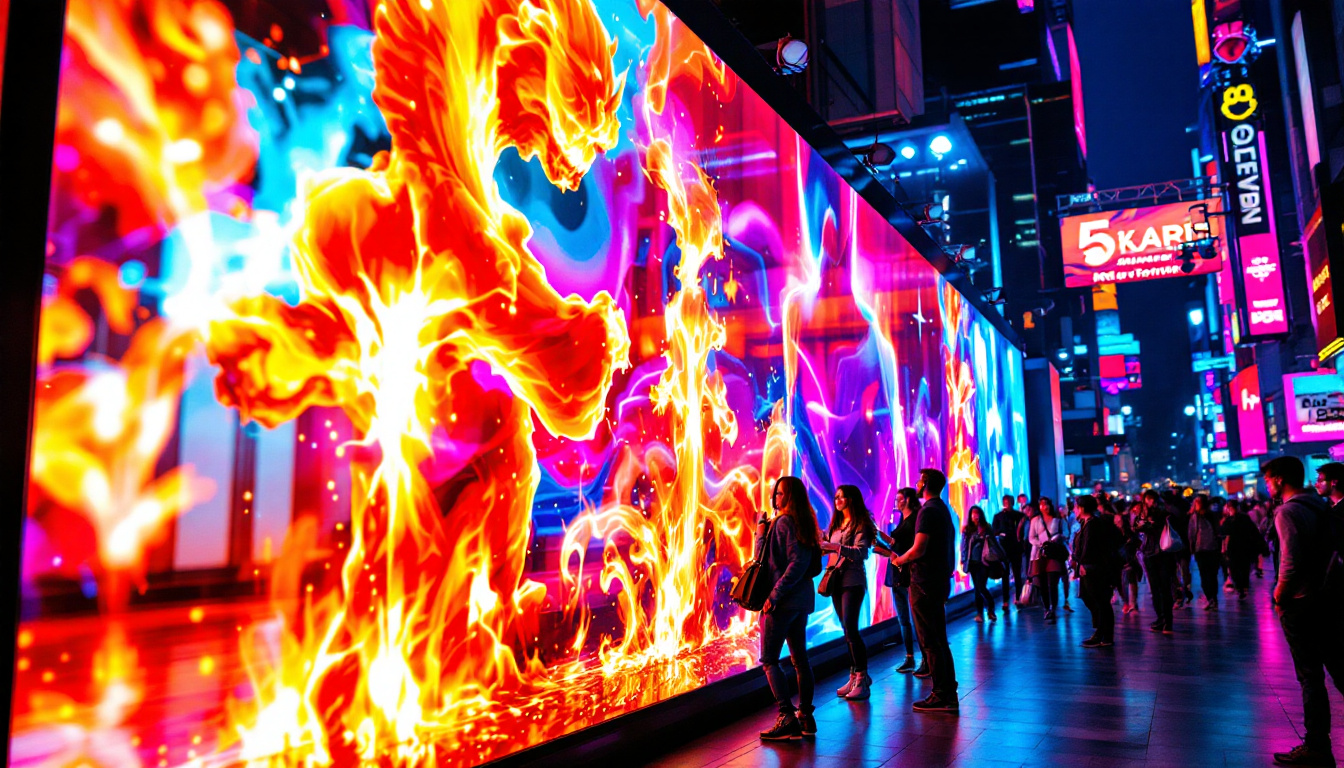
LED stands for Light Emitting Diode, a semiconductor device that emits light when an electric current passes through it. An LED display is a large screen composed of thousands or even millions of these tiny diodes arranged in a grid. Each diode acts as a pixel that can emit red, green, or blue light, which combine to produce a full spectrum of colors. This technology allows LED displays to produce bright, vivid images that are visible even in well-lit environments.
Unlike traditional LCD or projection screens, LED displays are self-illuminating, meaning they don’t require a backlight. This results in higher contrast ratios, deeper blacks, and more vibrant colors. LED displays can be configured in various sizes and shapes, making them highly versatile for different church spaces—from small chapels to large auditoriums.
Types of LED Displays Used in Churches
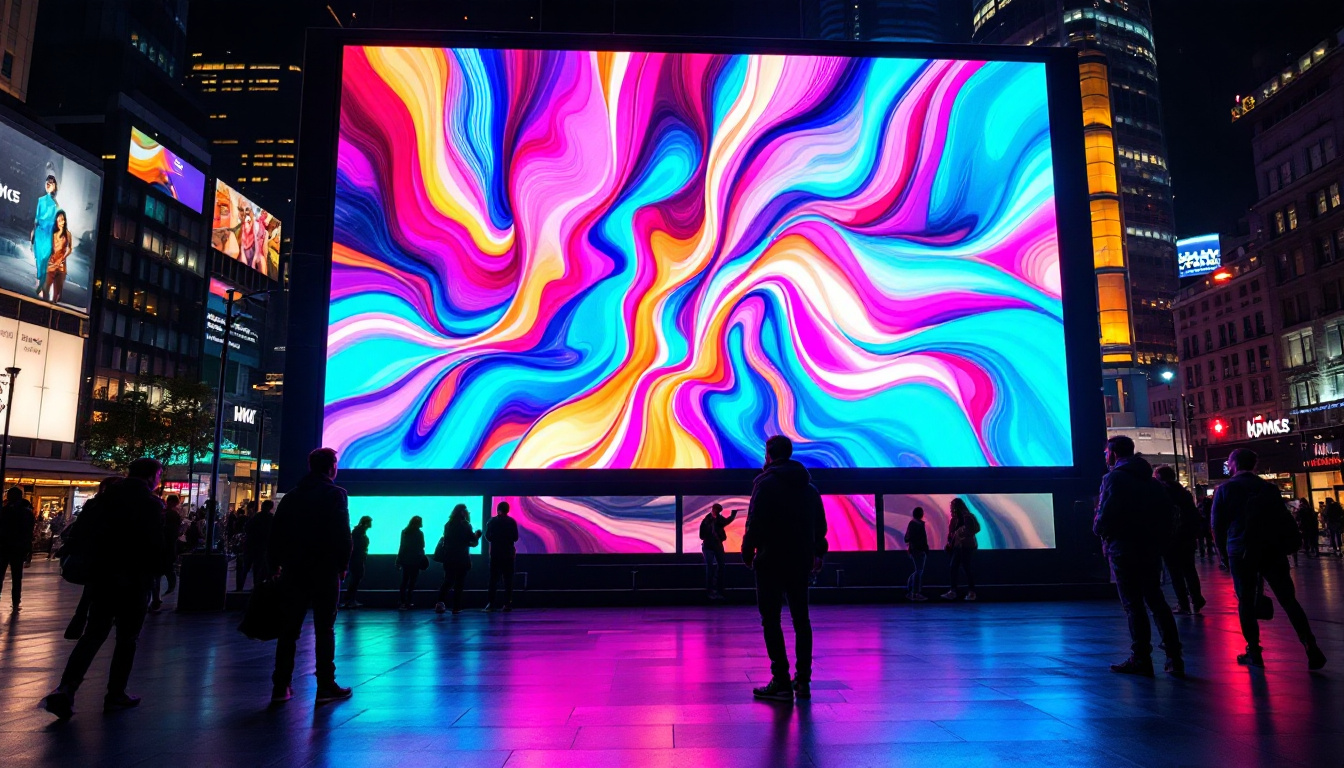
Churches typically use two main types of LED displays: indoor and outdoor. Indoor LED screens are designed for controlled lighting environments and have a finer pixel pitch, which means the diodes are closer together for sharper images at close viewing distances. Outdoor LED displays, on the other hand, are built to withstand weather conditions and are brighter to combat sunlight glare, but usually have a larger pixel pitch.
Another important distinction is between fixed and rental LED displays. Fixed LED walls are permanently installed and integrated into the church’s architecture, while rental or portable LED screens can be moved and set up for special events, conferences, or outdoor services.
Why Churches Are Choosing LED Displays
Enhancing Worship and Engagement
One of the primary reasons churches invest in LED displays is to create a more immersive and engaging worship experience. Visual aids can help congregants follow along with song lyrics, scripture readings, sermon points, and multimedia presentations. This is especially beneficial in large congregations where not everyone can easily see the stage or pulpit.
Studies show that multisensory engagement—combining audio, visual, and sometimes tactile elements—can improve information retention and emotional connection. A 2022 survey by Barna Group found that 68% of churchgoers felt more connected to the message when visual elements were incorporated into services. LED screens provide a powerful platform for this kind of dynamic content delivery.
Improving Accessibility
LED displays also play a crucial role in making church services more accessible. For individuals with hearing impairments, displaying real-time captions or sign language interpreters on screen can be invaluable. For those with visual impairments, high-contrast, large-format text and images can make following the service easier.
Moreover, LED screens can support multiple languages in multicultural congregations, displaying translations simultaneously to foster inclusivity. This capability aligns with many churches’ missions to reach diverse communities and ensure everyone feels welcome.
Versatility Beyond Sunday Services
LED displays are not limited to enhancing Sunday worship. Many churches use them for a variety of purposes throughout the week, including youth group meetings, Bible studies, weddings, funerals, community events, and outreach programs.
For example, during holiday celebrations like Christmas and Easter, LED screens can display thematic visuals and videos that enrich the atmosphere. During community outreach events, they can be used to broadcast messages, schedules, or live feeds. This versatility makes LED displays a valuable investment that extends well beyond regular services.
Key Features to Consider When Choosing an LED Display for Your Church
Resolution and Pixel Pitch
The resolution of an LED display refers to the number of pixels it contains, which directly affects image clarity. Pixel pitch is the distance between the centers of two adjacent pixels, measured in millimeters. A smaller pixel pitch means higher resolution and sharper images, especially important for indoor displays viewed up close.
For churches, selecting the right pixel pitch depends on the size of the venue and the typical viewing distance. For example, a pixel pitch of 2-3 mm is ideal for indoor screens where viewers are close to the display, while 4-6 mm might suffice for larger auditoriums.
Brightness and Contrast
Brightness is measured in nits (candelas per square meter) and determines how well the screen performs under different lighting conditions. Indoor LED displays generally have brightness levels between 800 to 1,500 nits, which is sufficient for most church environments. Outdoor screens require much higher brightness—often above 5,000 nits—to remain visible in direct sunlight.
Contrast ratio, the difference between the darkest black and the brightest white, is another critical factor. LED displays typically offer excellent contrast, which enhances image depth and readability.
Size and Aspect Ratio
The physical size of the LED display should be proportional to the church space and the number of attendees. A screen that is too small may not be visible to those seated at the back, while an excessively large screen can overwhelm the sanctuary and distract from the service.
Aspect ratio—the ratio of width to height—also matters. Most LED displays use a 16:9 ratio, which is standard for video content and presentations. However, some churches opt for custom shapes or multiple screens arranged in creative layouts to fit architectural features or to create unique visual effects.
Durability and Maintenance
Churches should consider the durability of LED displays, especially if they are installed outdoors or in high-traffic areas. Quality LED panels are designed to last for tens of thousands of hours and often come with warranties covering performance and weather resistance.
Maintenance requirements include regular cleaning, software updates, and occasional repairs or replacements of individual modules. Partnering with a reputable supplier who offers ongoing support can help ensure the display remains in optimal condition.
Installation and Integration Considerations
Space and Structural Requirements
Installing a large LED display requires careful planning regarding space, weight support, and electrical infrastructure. Churches should consult with structural engineers and AV professionals to assess whether walls or mounting frameworks can safely support the screen’s weight.
Ceiling-mounted or free-standing LED walls may be options when wall space is limited. Additionally, the location should allow for easy visibility from all seating areas without obstructing sightlines or emergency exits.
Audio-Visual System Integration
An LED display is only one component of a comprehensive audio-visual (AV) system. Integrating the screen with sound systems, cameras, lighting, and control consoles is essential for seamless operation during services and events.
Modern LED displays often support various input sources such as HDMI, SDI, and wireless connections, enabling flexible content management. Churches may also invest in media servers and software platforms that allow real-time content switching, overlays, and remote control.
Content Creation and Management
Having a large LED screen opens up creative possibilities, but it also requires consistent content creation and management. Churches should consider who will be responsible for designing visuals, preparing presentations, and operating the system during services.
Training volunteers or staff on content management software and scheduling regular updates can keep the visual experience fresh and relevant. Many churches collaborate with graphic designers or media ministries to produce high-quality content that aligns with their messaging and branding.
Cost and Return on Investment
Initial Investment and Financing Options
The cost of LED displays varies widely depending on size, resolution, and features. For a medium-sized church, an indoor LED wall can range from $20,000 to $100,000 or more, including installation and integration. Outdoor screens and custom configurations tend to be more expensive.
Many churches explore financing options such as leasing, fundraising campaigns, or grants to offset upfront costs. Some vendors offer payment plans or rental agreements that make the technology more accessible.
Long-Term Benefits and Value
While the initial expense may seem significant, LED displays offer long-term value through enhanced engagement, increased attendance, and expanded outreach capabilities. They can also reduce costs associated with printed materials, as announcements and song lyrics can be displayed digitally.
Furthermore, the versatility of LED screens allows churches to host a wider variety of events and activities, potentially generating additional revenue or community goodwill. When properly maintained, LED displays can serve a congregation for many years, making them a worthwhile investment in the church’s future.
Case Studies: Churches Successfully Using LED Displays
Large Urban Church Enhances Worship Experience
A prominent urban church with a congregation exceeding 2,000 members installed a 20-foot-wide indoor LED display with a 2.5 mm pixel pitch. The screen is used to display sermon notes, live video feeds, and multimedia presentations. Since installation, the church has reported a 15% increase in visitor retention, attributing the improvement to the enhanced visual experience.
Small Community Church Boosts Accessibility
A smaller rural church implemented a modest 10-foot LED screen primarily to support hearing-impaired members by displaying real-time captions and sign language interpretation. This initiative has made services more inclusive and welcomed new members from neighboring communities.
Outdoor LED Screen for Seasonal Events
Another church invested in a weather-resistant outdoor LED display to host Christmas and Easter services in their parking lot, accommodating social distancing requirements. The bright, clear screen allowed attendees to participate from their vehicles, demonstrating the flexibility of LED technology in adapting to changing circumstances.
Conclusion: Embracing the Future of Worship with LED Displays
LED display technology offers churches a powerful tool to enrich worship, foster community, and communicate more effectively. By understanding the technical aspects, benefits, and practical considerations, church leaders can make informed decisions that align with their mission and resources.
As technology continues to evolve, LED displays will likely become even more integral to church environments, enabling creative expression and deeper connections among congregants. Investing in a big screen for church is not just about upgrading equipment—it’s about enhancing the spiritual journey for all who gather to worship.
Discover LumenMatrix LED Solutions for Your Church
Ready to elevate your worship experience and connect with your congregation like never before? LumenMatrix offers an extensive range of LED display solutions tailored to meet the unique needs of your church. From vibrant Indoor and Outdoor LED Wall Displays to innovative Custom and All-in-One LED solutions, our technology is designed to captivate and engage. Embrace the future of worship and check out LumenMatrix LED Display Solutions today to create unforgettable spiritual journeys for your community.