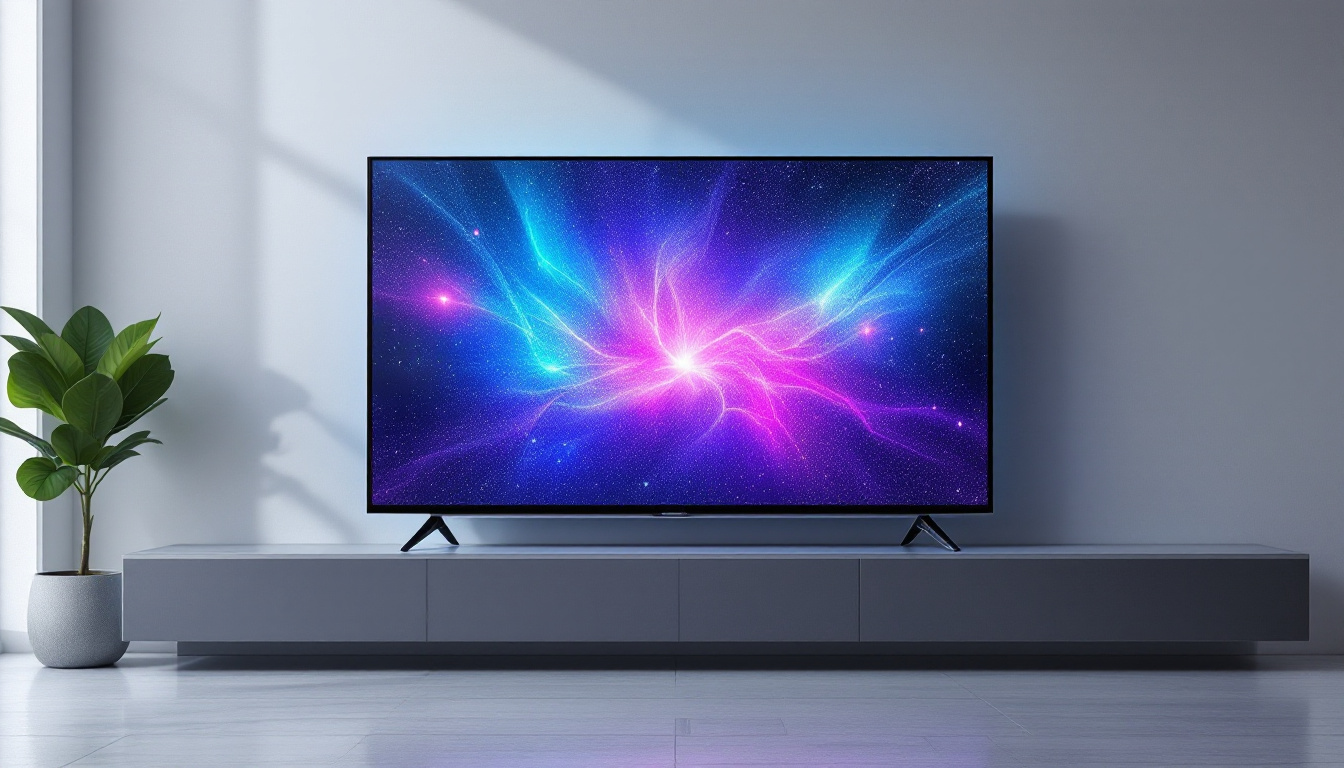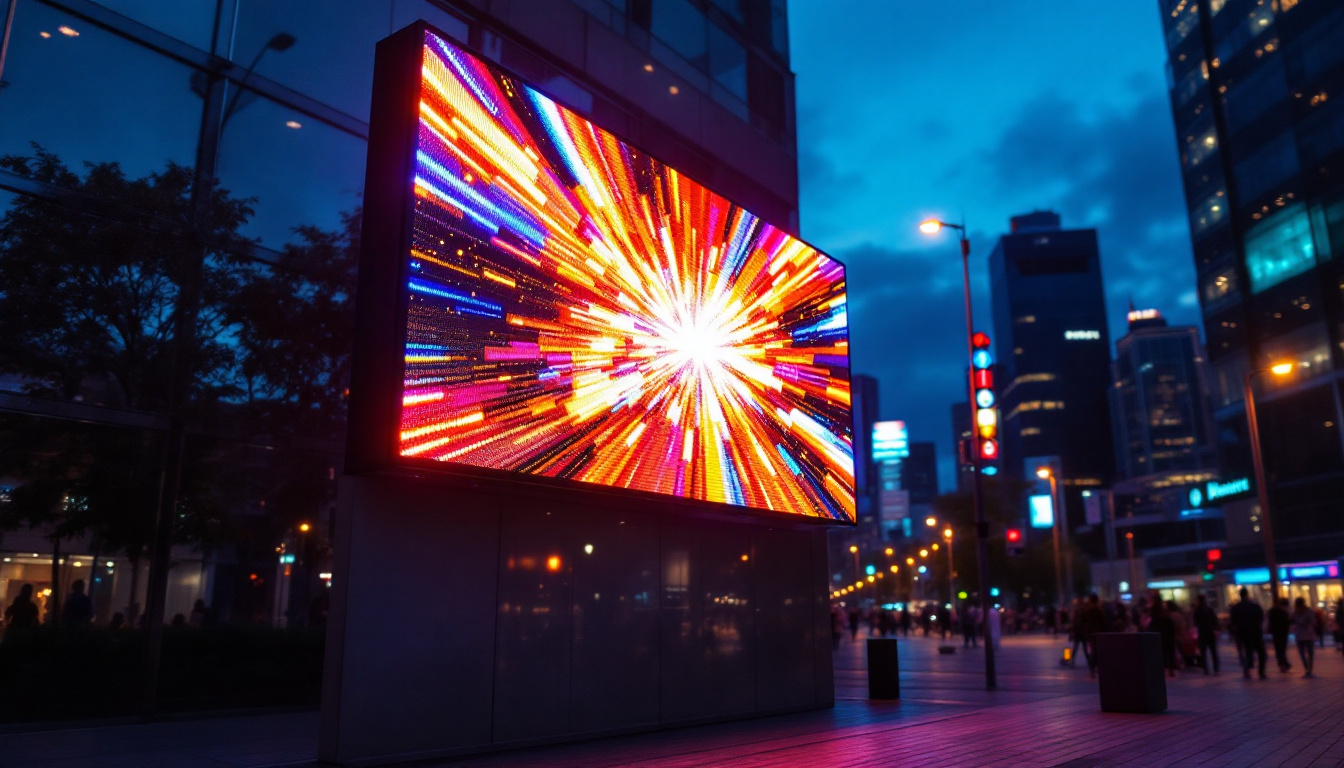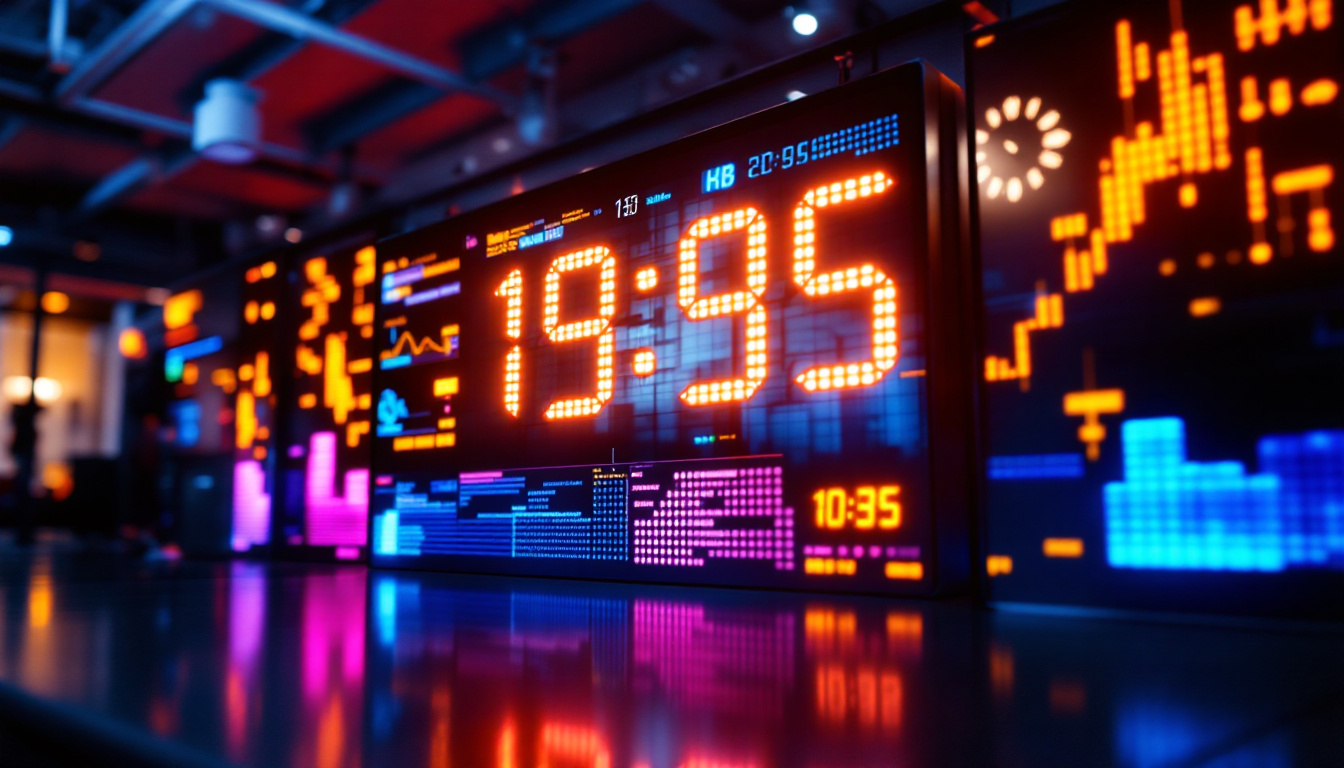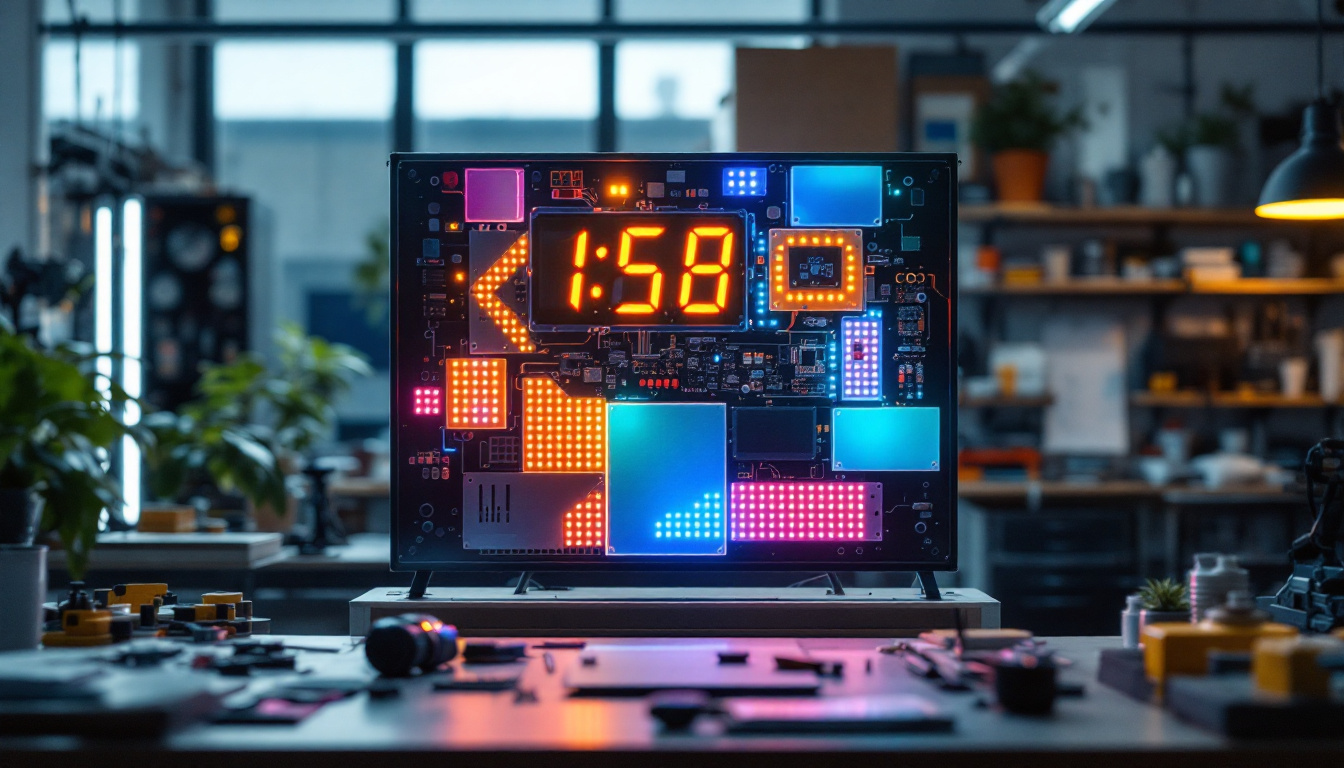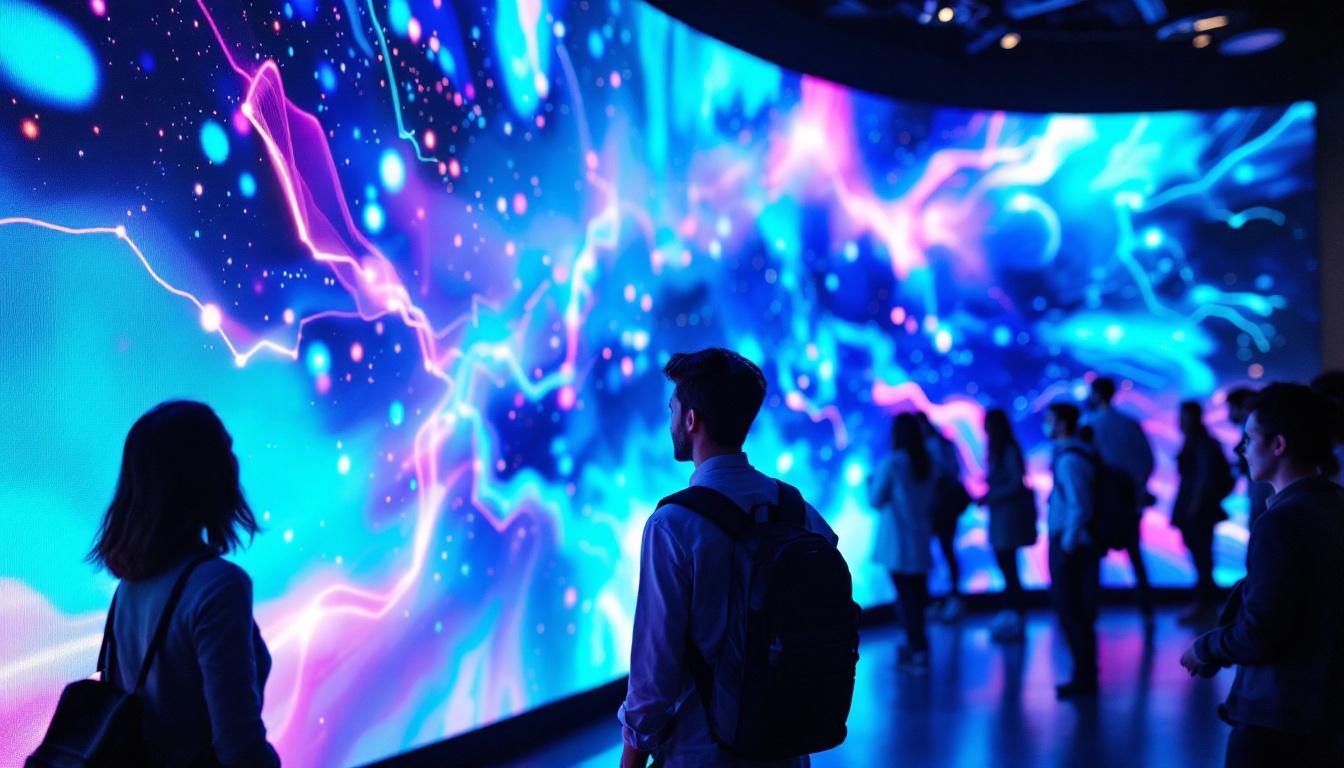
In an era where visual communication dominates, high-resolution LED displays have become a cornerstone technology across various industries. From advertising billboards and stadium screens to control rooms and retail environments, these displays offer unparalleled brightness, clarity, and versatility. This article delves into the intricacies of LED displays, explaining what makes them tick, their advantages, and how high resolution is transforming the way we experience digital content.
Understanding LED Display Technology
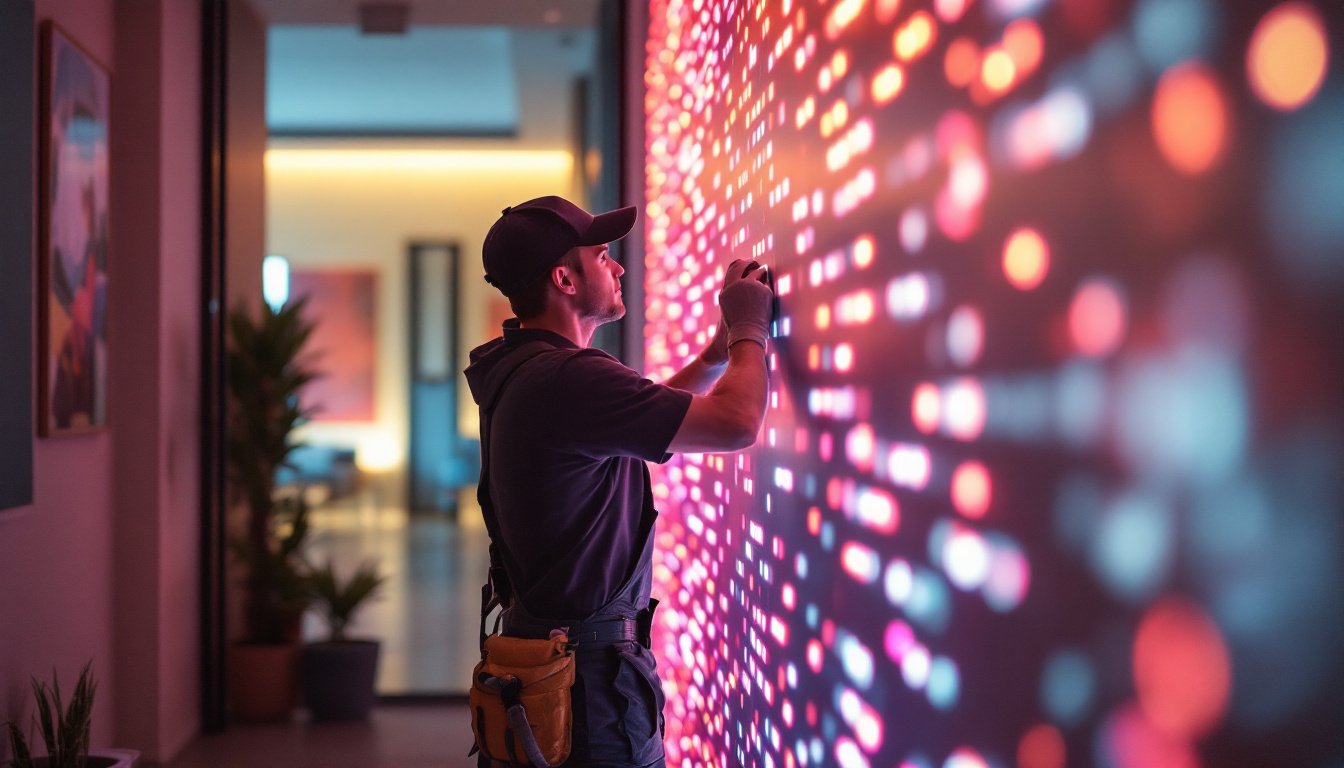
LED, or Light Emitting Diode, displays utilize tiny semiconductor light sources to produce images. Unlike traditional LCD or plasma screens, LEDs emit their own light, which allows for greater brightness and contrast. The basic building block of an LED display is the pixel, which is composed of one or more LEDs that combine to create a full-color image.
How Do LED Displays Work?
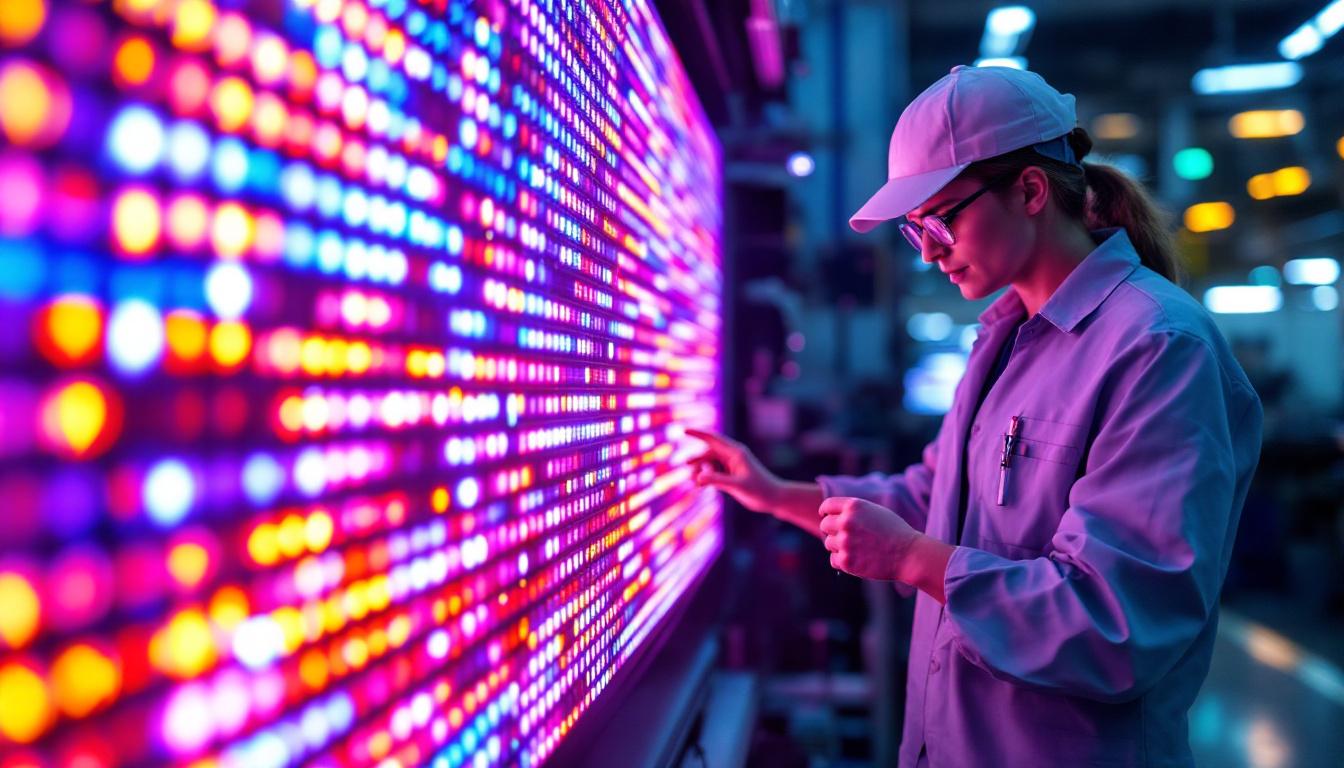
Each pixel in an LED display consists of red, green, and blue LEDs. By varying the intensity of these three colors, the display can produce a wide spectrum of colors. The LEDs are arranged in a grid, and the resolution of the display depends on the number of pixels per unit area. The more pixels packed into a smaller space, the higher the resolution and the sharper the image.
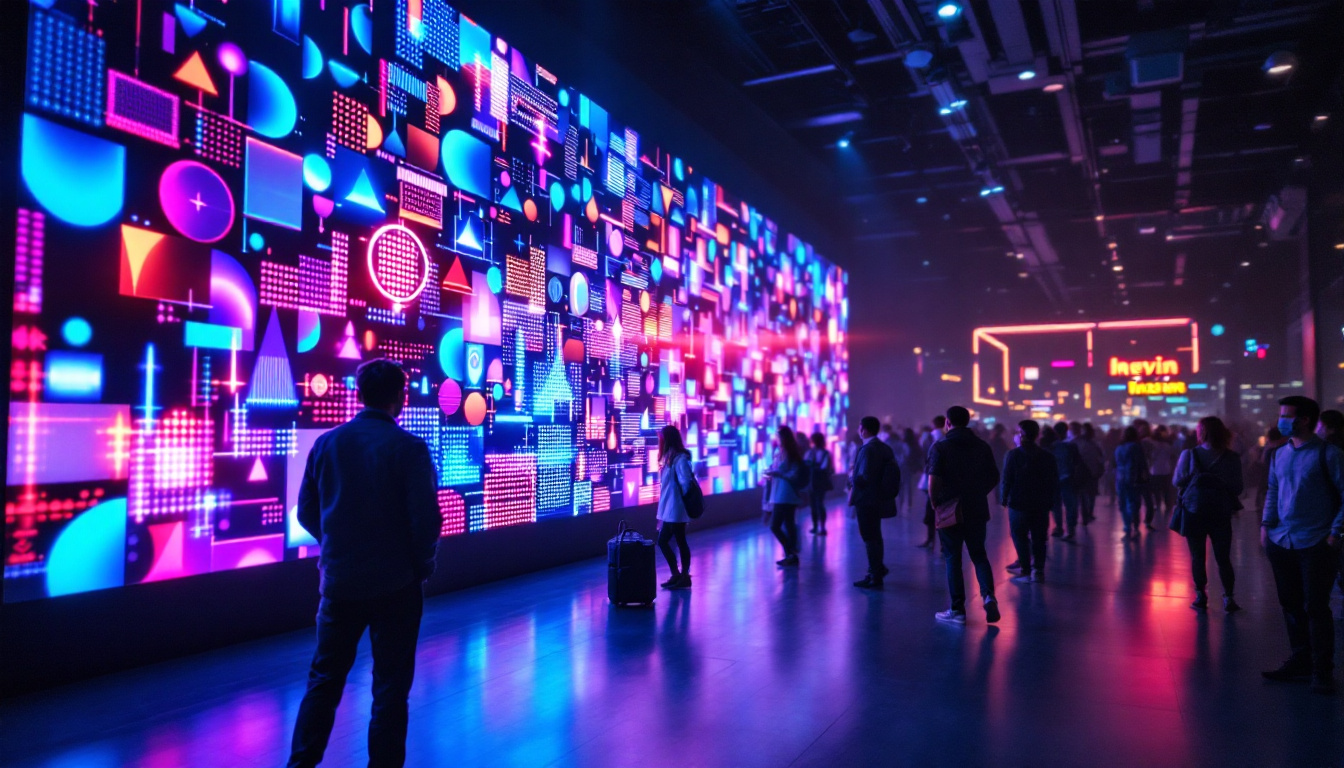
LED displays are often modular, meaning they are made up of smaller panels or “modules” that can be connected to form larger screens. This modularity allows for scalability and customization, making LED displays suitable for everything from small indoor screens to massive outdoor billboards. The flexibility in design also means that they can be configured in various shapes and sizes, catering to the specific needs of different environments, whether it’s a concert stage, a sports arena, or a retail space.
Types of LED Displays
LED displays come in several varieties, primarily categorized by their intended use and pixel pitch—the distance between the centers of adjacent pixels.
- Indoor LED Displays: Designed for close viewing distances, these displays have a small pixel pitch (typically 1mm to 4mm), enabling high resolution and fine detail.
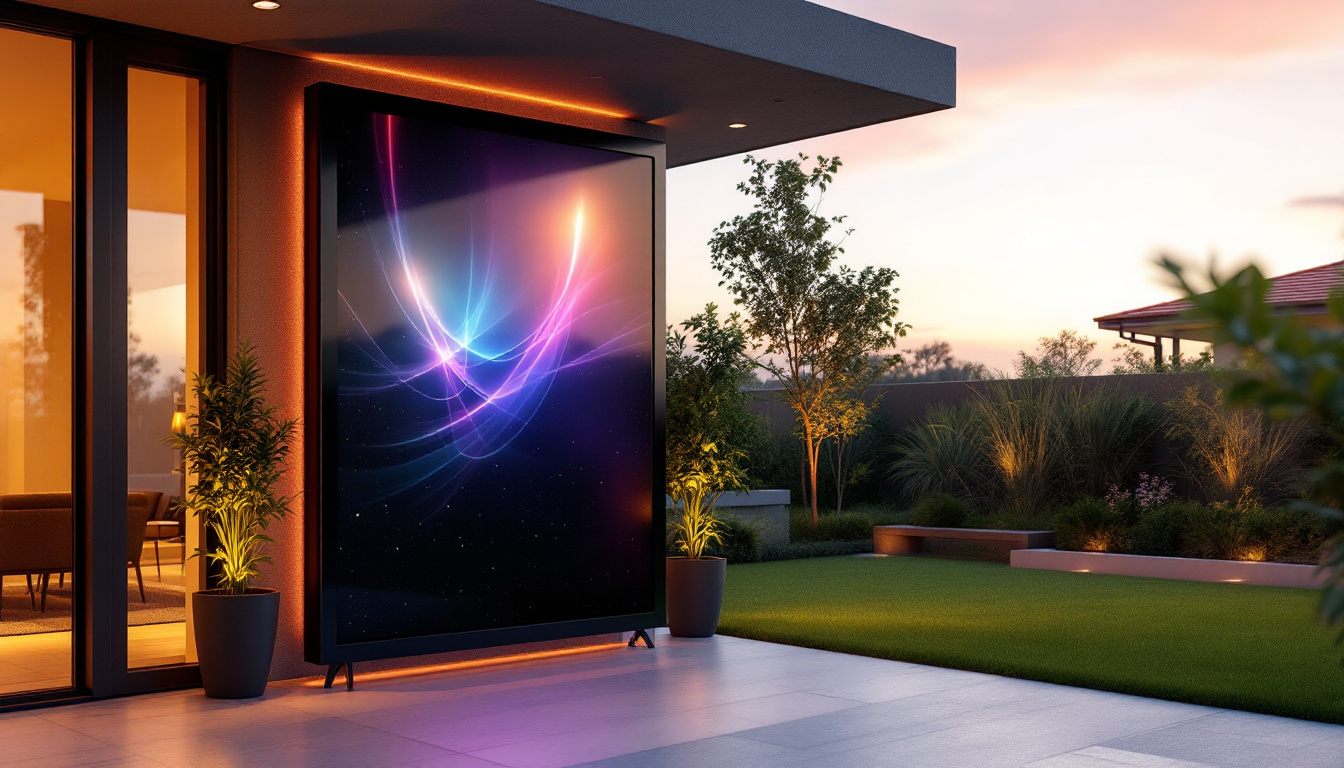
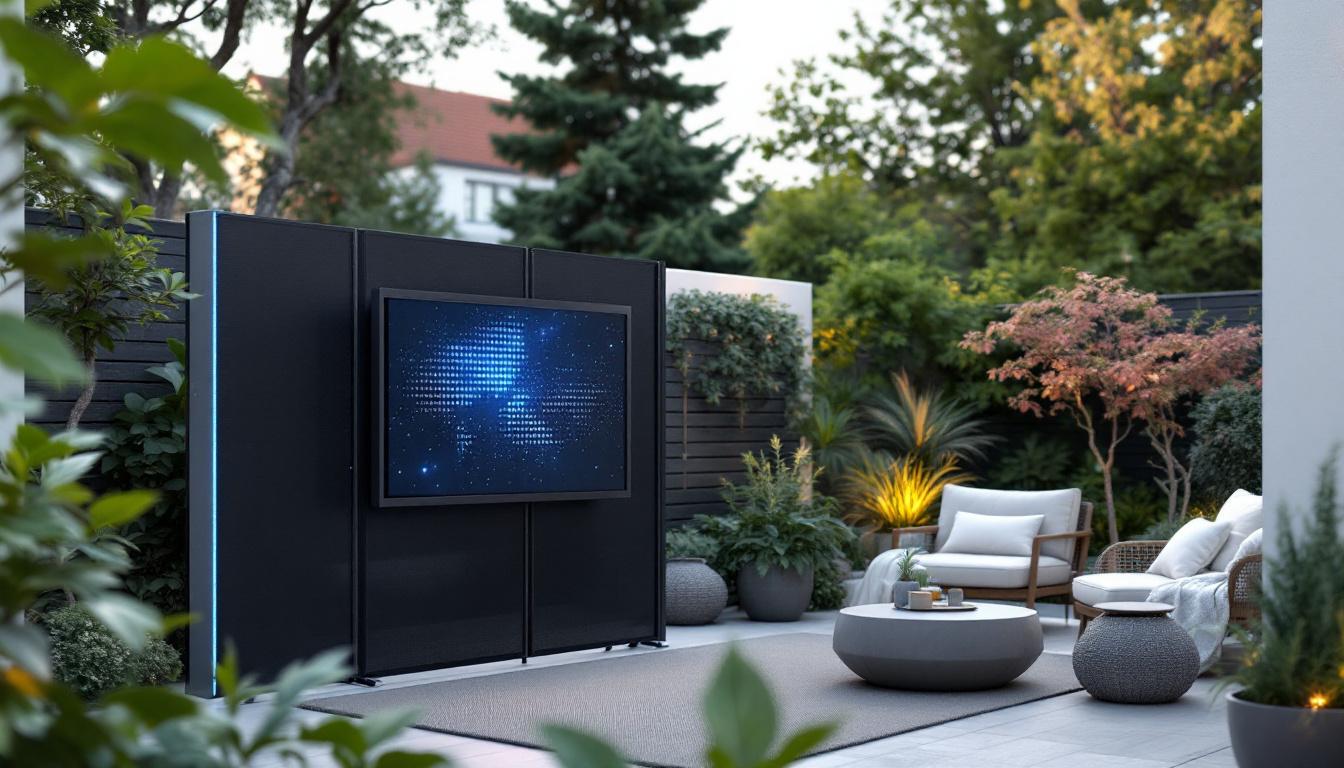
- Outdoor LED Displays: Built to withstand weather conditions, these have larger pixel pitches (4mm to 20mm or more) to ensure visibility from greater distances.
- Transparent LED Displays: These innovative screens allow light to pass through, making them ideal for retail windows and architectural applications. They create a stunning visual effect without obstructing views, merging digital content with the physical world.
- Flexible and Curved LED Displays: Using flexible substrates, these displays can bend or curve, opening new possibilities for creative installations. This adaptability allows designers to create immersive environments, such as wrapping screens around columns or creating dynamic shapes that enhance the viewer’s experience.
Another emerging type of LED display is the MicroLED, which utilizes microscopic LEDs to create incredibly high-resolution images. MicroLED technology promises to deliver superior brightness, contrast, and energy efficiency compared to traditional LED displays. This technology is particularly exciting for applications in augmented reality (AR) and virtual reality (VR), where the need for compact, high-quality displays is paramount. As the technology continues to evolve, we may see even more innovative applications and enhancements in LED display technology, pushing the boundaries of visual communication and entertainment.
The Importance of Resolution in LED Displays
Resolution is a critical factor that determines the quality and clarity of an LED display. It is defined by the number of pixels horizontally and vertically. Higher resolution means more pixels, which translates to finer detail and smoother images. In today’s digital landscape, where content is consumed on various devices, the demand for high-resolution displays has surged, making it essential for manufacturers to innovate continually.
Pixel Pitch and Viewing Distance
Pixel pitch, measured in millimeters, is the physical distance between two adjacent pixels. It directly impacts the resolution and optimal viewing distance. A smaller pixel pitch means more pixels per square meter, resulting in a higher resolution display. The choice of pixel pitch is not merely a technical specification; it plays a significant role in the viewer’s experience, influencing how engaging and immersive the content appears.
For example, a 1.5mm pixel pitch LED display is ideal for indoor environments where viewers are close to the screen, such as conference rooms or retail spaces. Conversely, a 10mm pixel pitch display suits outdoor advertising where viewers are far away, like highway billboards. Understanding the relationship between pixel pitch and viewing distance is crucial for businesses aiming to maximize the impact of their visual communications, as it ensures that the display performs optimally in its intended setting.
High-Resolution LED Displays: What Sets Them Apart?
High-resolution LED displays typically feature pixel pitches below 2mm, offering image quality comparable to high-end LCD or OLED screens but with the advantages of LED technology. These displays can render ultra-fine text, detailed graphics, and vibrant videos without visible pixelation. This capability is particularly beneficial in environments where precision and detail are paramount, such as in medical imaging, design studios, and high-end retail environments where product visuals must captivate customers.
Recent advancements in manufacturing have made high-resolution LED displays more affordable and accessible. For instance, micro-LED technology, which uses microscopic LEDs, is pushing the boundaries of resolution and brightness even further. This innovation not only enhances image quality but also improves energy efficiency, making it a sustainable choice for businesses. Moreover, the flexibility of micro-LEDs allows for creative applications, such as curved displays and even transparent screens, opening up new possibilities for immersive experiences in public spaces and events. As the technology continues to evolve, the potential for high-resolution LED displays to transform how we interact with visual content is immense.
Advantages of High-Resolution LED Displays
High-resolution LED displays offer numerous benefits that make them increasingly popular in various sectors. Understanding these advantages helps businesses and consumers make informed decisions when selecting display technology.
Exceptional Brightness and Visibility
LED displays are renowned for their brightness, often exceeding 1,000 nits for indoor screens and reaching over 5,000 nits outdoors. This brightness ensures visibility even under direct sunlight, a significant advantage over LCDs and projectors that struggle in bright environments.
Wide Viewing Angles and Color Accuracy
High-resolution LED displays provide consistent color and brightness across wide viewing angles, typically up to 160 degrees or more. This means viewers can see clear, vibrant images from almost any position without distortion or color shift.
Energy Efficiency and Longevity
LED technology is inherently energy-efficient compared to traditional display methods. High-quality LED displays can operate for tens of thousands of hours with minimal degradation in brightness or color fidelity, reducing maintenance and replacement costs.
Customization and Scalability
Due to their modular nature, LED displays can be custom-built to fit any size or shape, from small digital signage to massive stadium screens. This flexibility allows for creative and impactful visual installations tailored to specific environments and purposes.
Applications of High-Resolution LED Displays
The versatility of high-resolution LED displays has led to their adoption across a wide range of industries. Their ability to deliver bright, sharp images in diverse environments makes them invaluable tools for communication and entertainment.
Advertising and Digital Signage
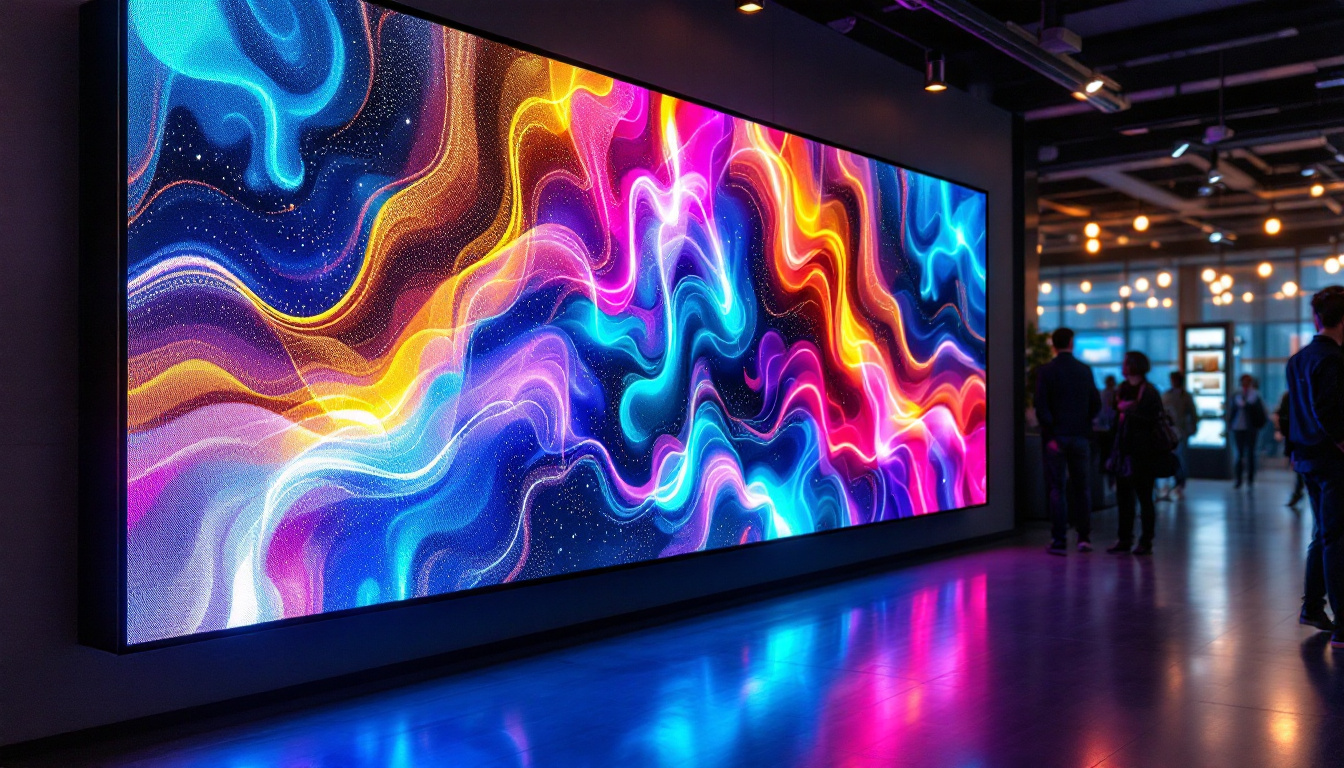
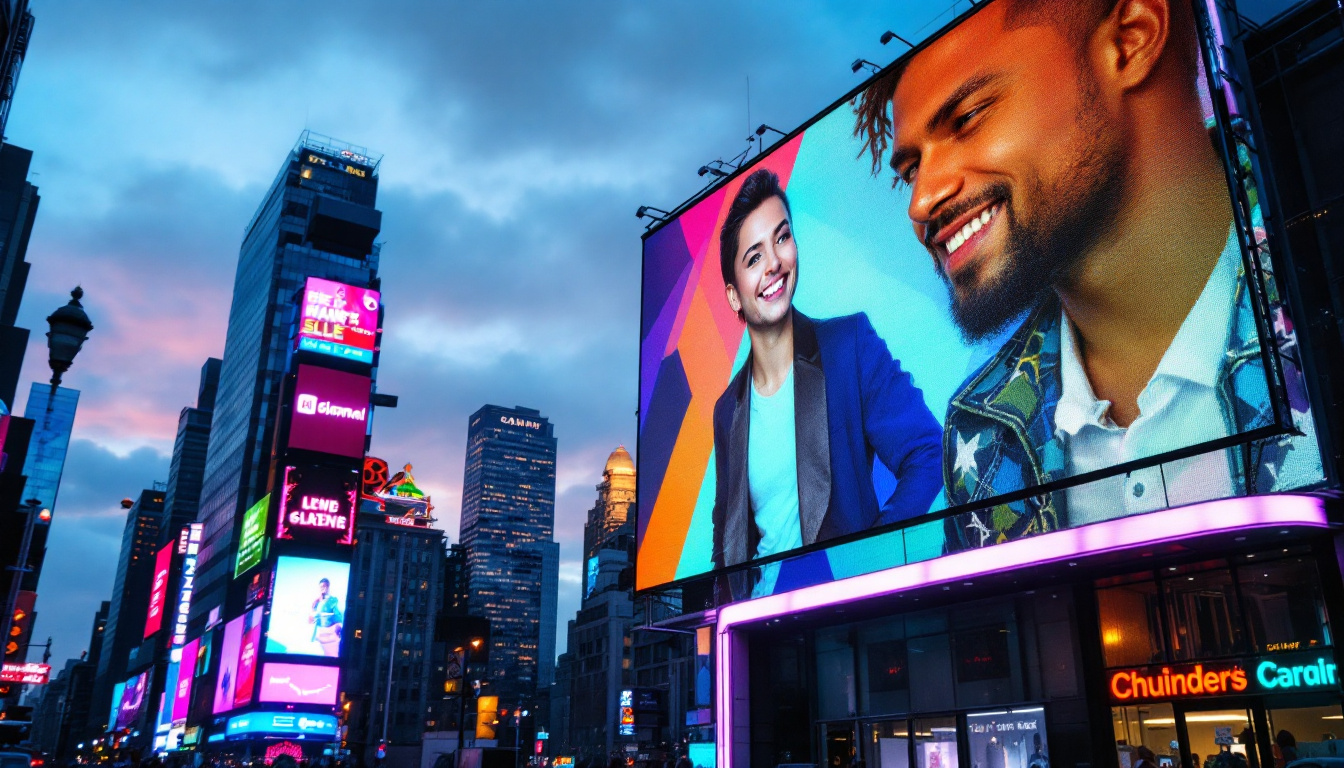
Outdoor and indoor advertising rely heavily on LED displays to capture attention and convey messages effectively. High-resolution screens enable advertisers to showcase detailed visuals and dynamic content, increasing engagement and recall.
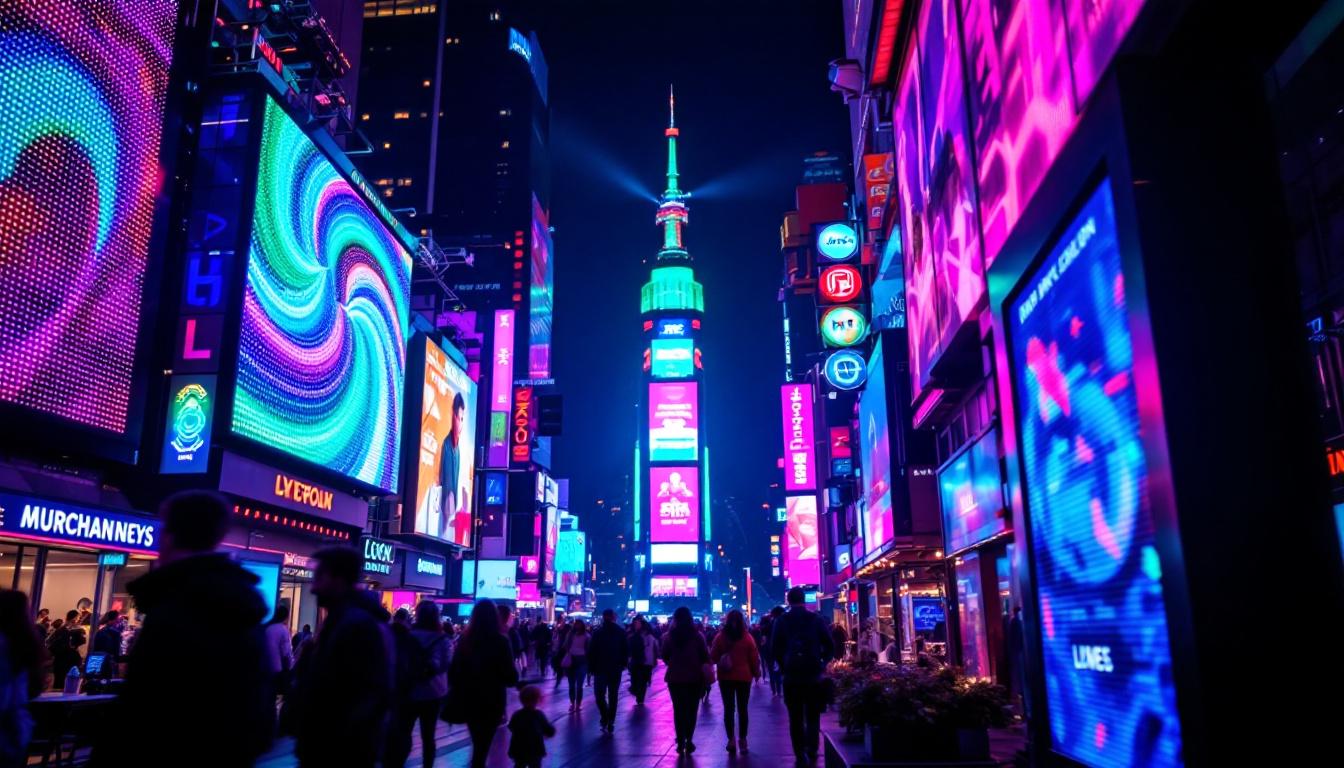
For example, Times Square in New York City features some of the world’s most iconic high-resolution LED billboards, demonstrating the power of this technology in urban advertising landscapes.
Sports and Entertainment Venues
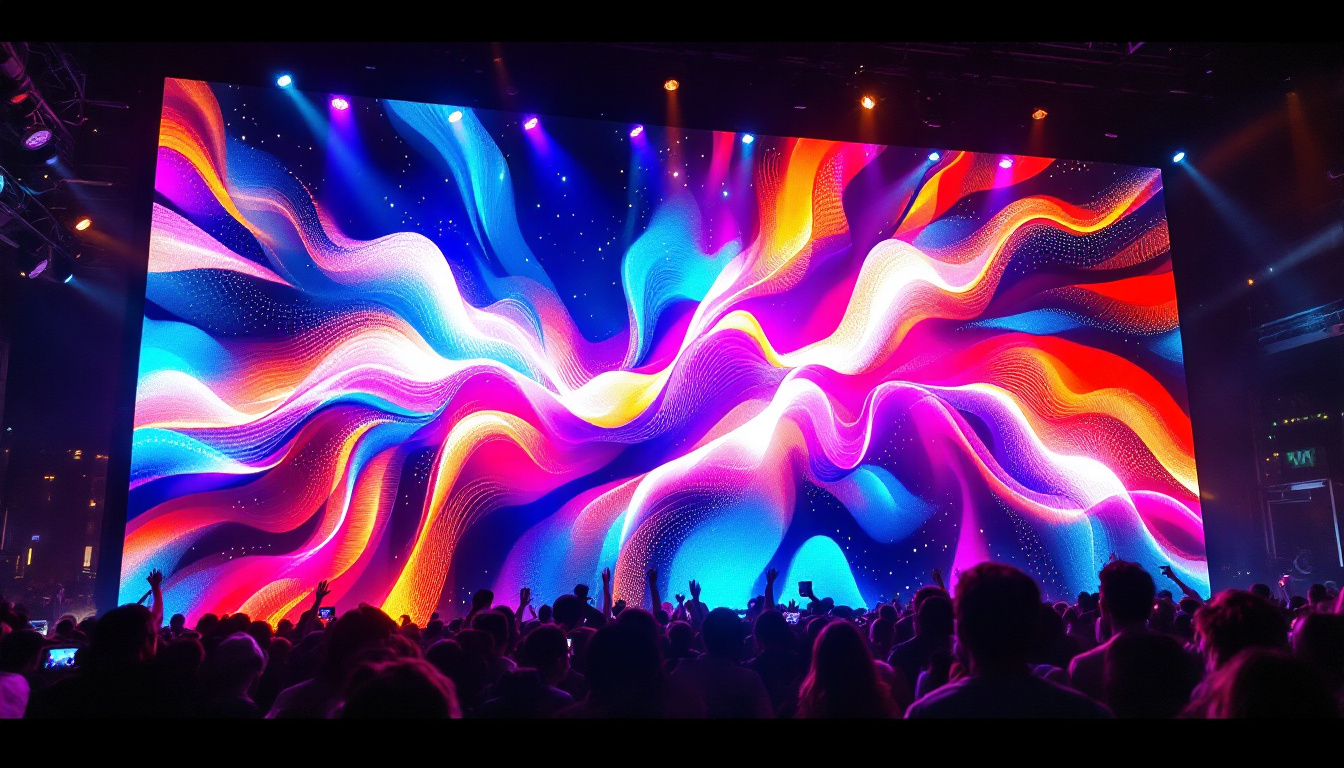
Stadiums and arenas use large LED displays to enhance the spectator experience with live video feeds, replays, and interactive content. High-resolution screens ensure that even fans seated far from the action can enjoy clear and vibrant visuals.
Corporate and Control Rooms
In control rooms, command centers, and conference facilities, high-resolution LED displays provide critical data visualization with precision and clarity. This capability supports better decision-making and situational awareness.
Retail and Hospitality
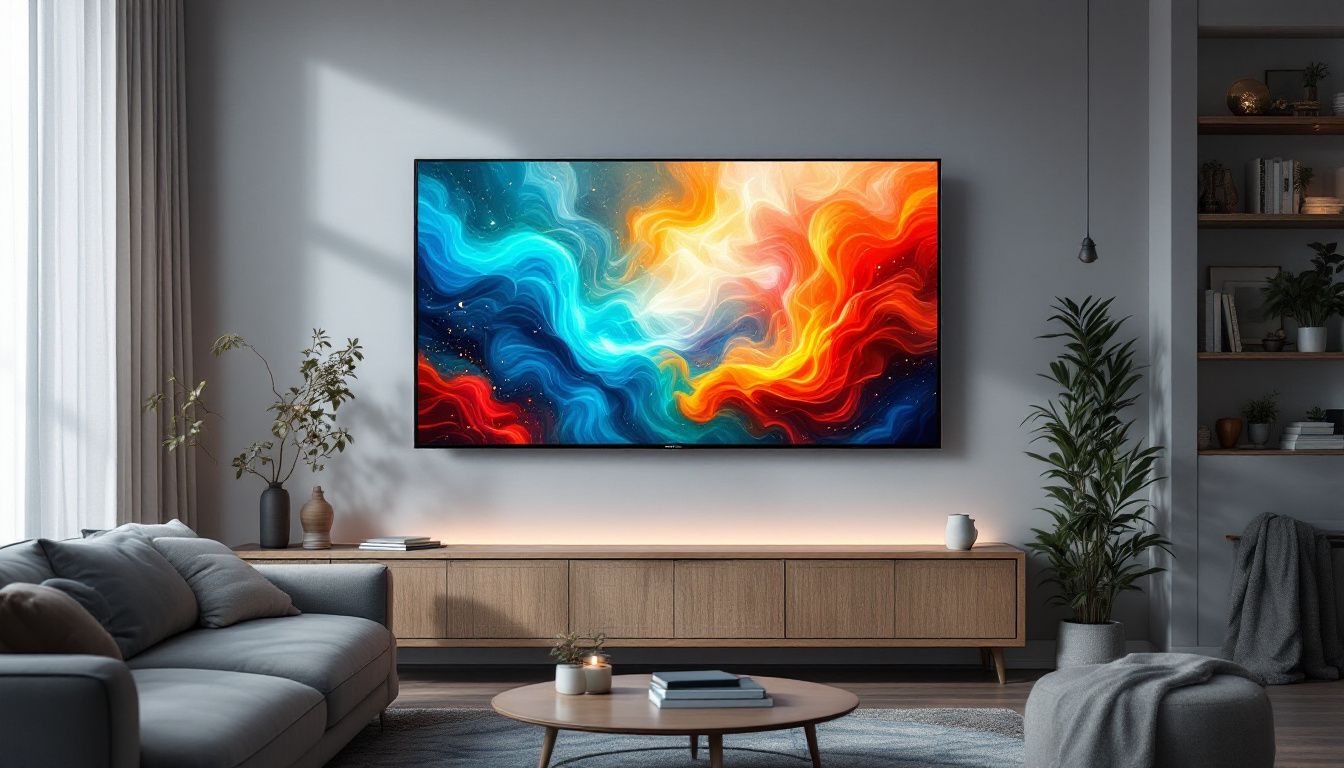
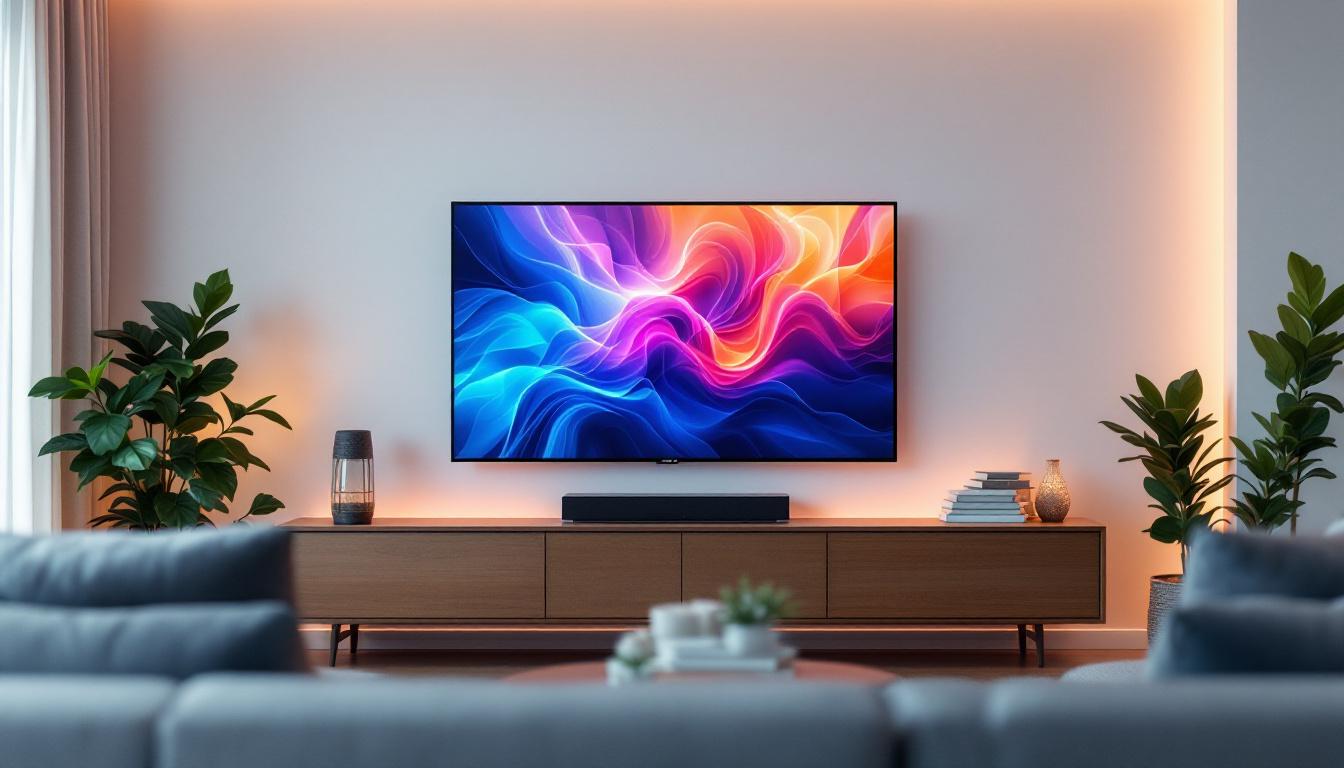
Retailers use high-resolution LED displays to create immersive shopping experiences through digital signage and interactive displays. Hotels and restaurants also employ LED screens for ambiance, information, and entertainment.
Future Trends in LED Display Technology
The LED display industry continues to evolve rapidly, driven by technological innovation and growing demand for immersive visual experiences. Several trends are shaping the future of high-resolution LED displays.
Micro-LED and Mini-LED Technologies
Micro-LED displays, which use microscopic LEDs, promise even higher resolution, better energy efficiency, and improved color accuracy. Mini-LED technology, which uses smaller LEDs than traditional displays, enhances contrast ratios and local dimming capabilities.
Flexible and Transparent Displays
Advances in flexible substrates and transparent LED technology are enabling new form factors and applications. These displays can be integrated into windows, curved surfaces, and wearable devices, expanding the possibilities for digital signage and user interaction.
Integration with AI and IoT
Smart LED displays integrated with artificial intelligence and Internet of Things (IoT) technologies can deliver personalized content, optimize energy consumption, and enable remote management. This integration enhances the functionality and efficiency of LED display systems.
Choosing the Right High-Resolution LED Display
Selecting the appropriate LED display involves considering several factors to ensure it meets the specific needs of the application.
Assessing Viewing Distance and Environment
Understanding where and how the display will be viewed is crucial. Indoor environments with close viewing distances require smaller pixel pitches for high resolution, while outdoor displays prioritize brightness and durability.
Resolution and Image Quality Requirements
Determine the level of detail needed based on the content type. Text-heavy or detailed graphical content demands higher resolution, while video playback may tolerate slightly lower pixel density.
Budget and Total Cost of Ownership
While high-resolution LED displays can be more expensive upfront, their longevity and energy efficiency often result in lower total costs over time. Consider installation, maintenance, and operational costs alongside initial purchase price.
Supplier Reputation and Support
Choosing a reputable manufacturer or supplier with proven expertise ensures quality, reliability, and post-sale support. This is particularly important for large-scale or mission-critical installations.
Conclusion
High-resolution LED displays represent a significant advancement in visual technology, combining brightness, clarity, and flexibility to meet the demands of modern communication. Their ability to deliver stunning images across various environments makes them indispensable in advertising, entertainment, corporate, and retail sectors.
As technology progresses, innovations like micro-LED and flexible displays will further enhance the capabilities of LED screens, opening new horizons for digital content delivery. Understanding the fundamentals of LED display technology and the importance of resolution helps businesses and consumers make informed decisions, ensuring they invest in solutions that maximize impact and value.
Discover LumenMatrix’s Advanced LED Display Solutions
Ready to elevate your visual communication with high-resolution LED displays? LumenMatrix is at the forefront of LED display innovation, offering a diverse range of solutions tailored to your unique needs. From vibrant Indoor LED Wall Displays to robust Outdoor LED Wall Displays, and from dynamic Vehicle LED Displays to sleek LED Poster Displays, our technology is designed to captivate and engage. Experience the future of digital signage with our LED Sports Displays, interactive Floor LED Displays, and the transformative LED Transparent Display. Embrace the power of visual storytelling with LumenMatrix and make a lasting impression. Check out LumenMatrix LED Display Solutions today and see your vision come to life.