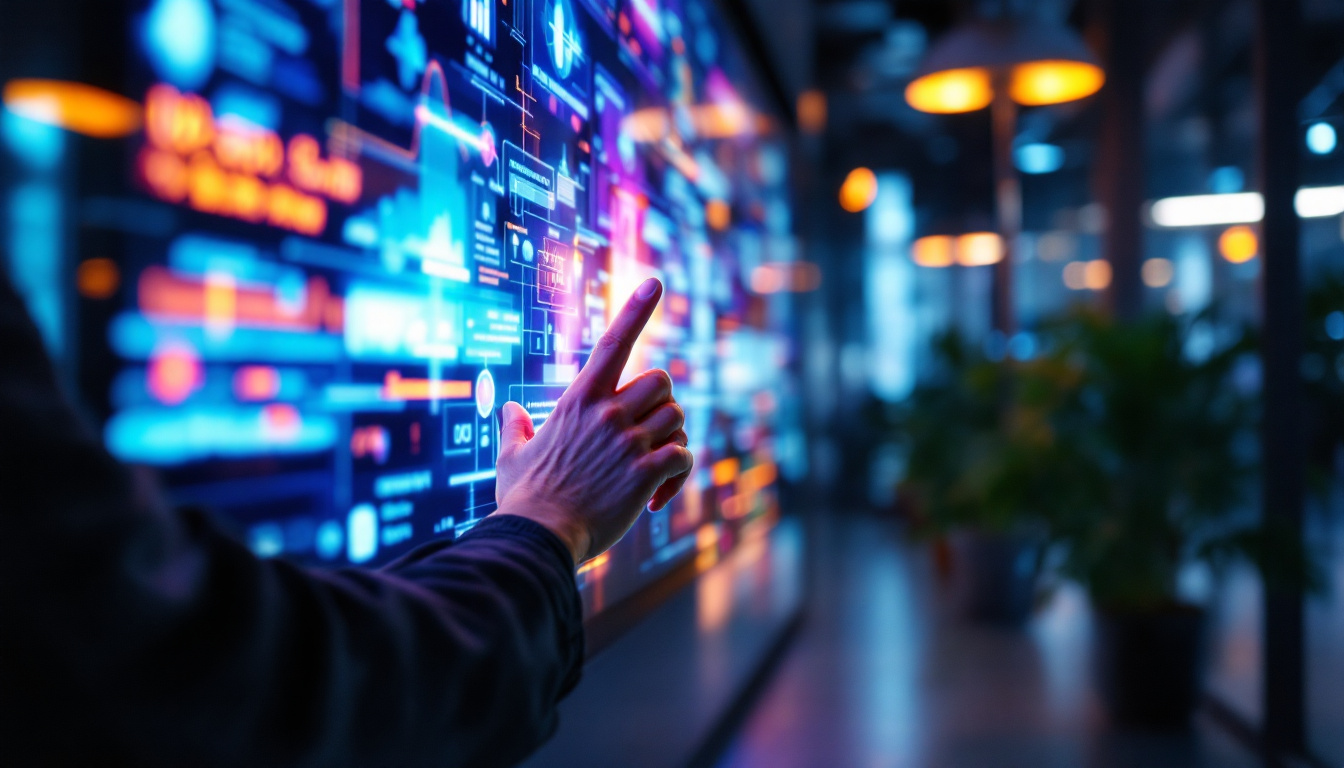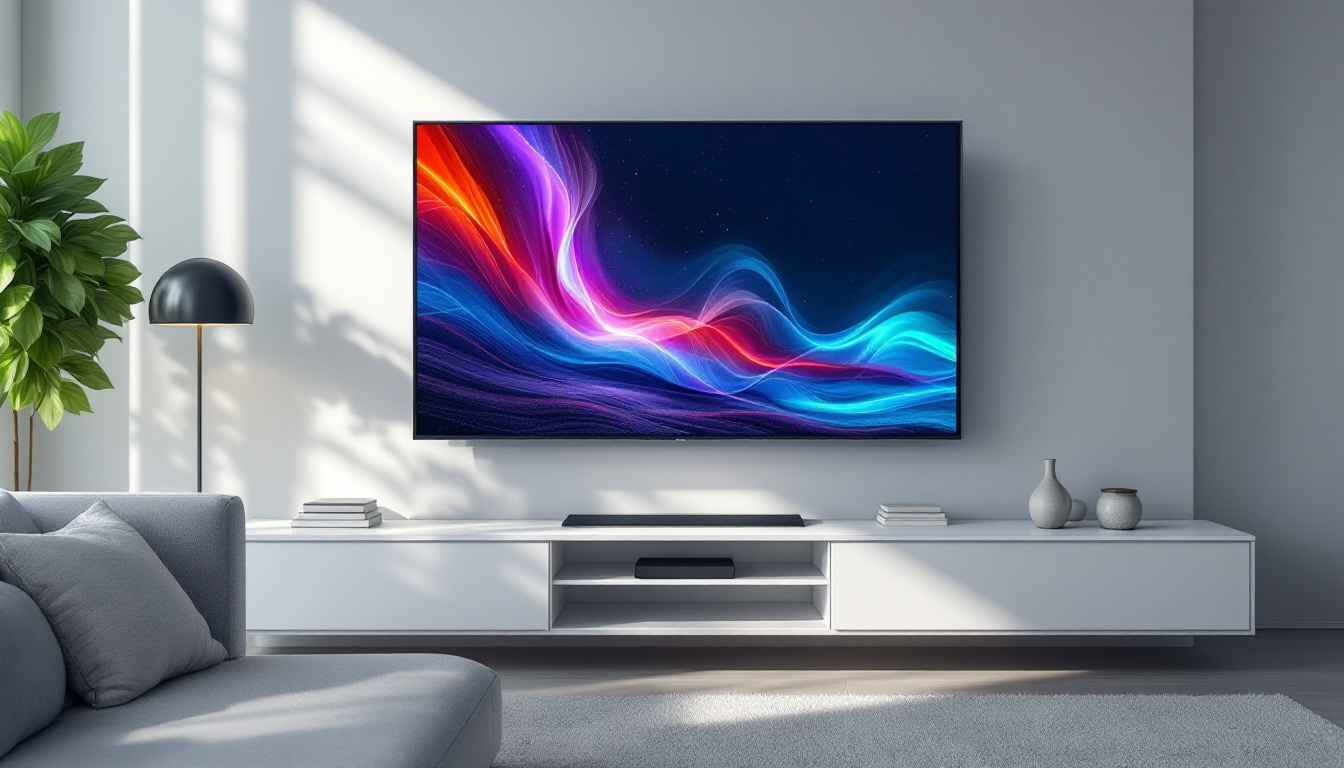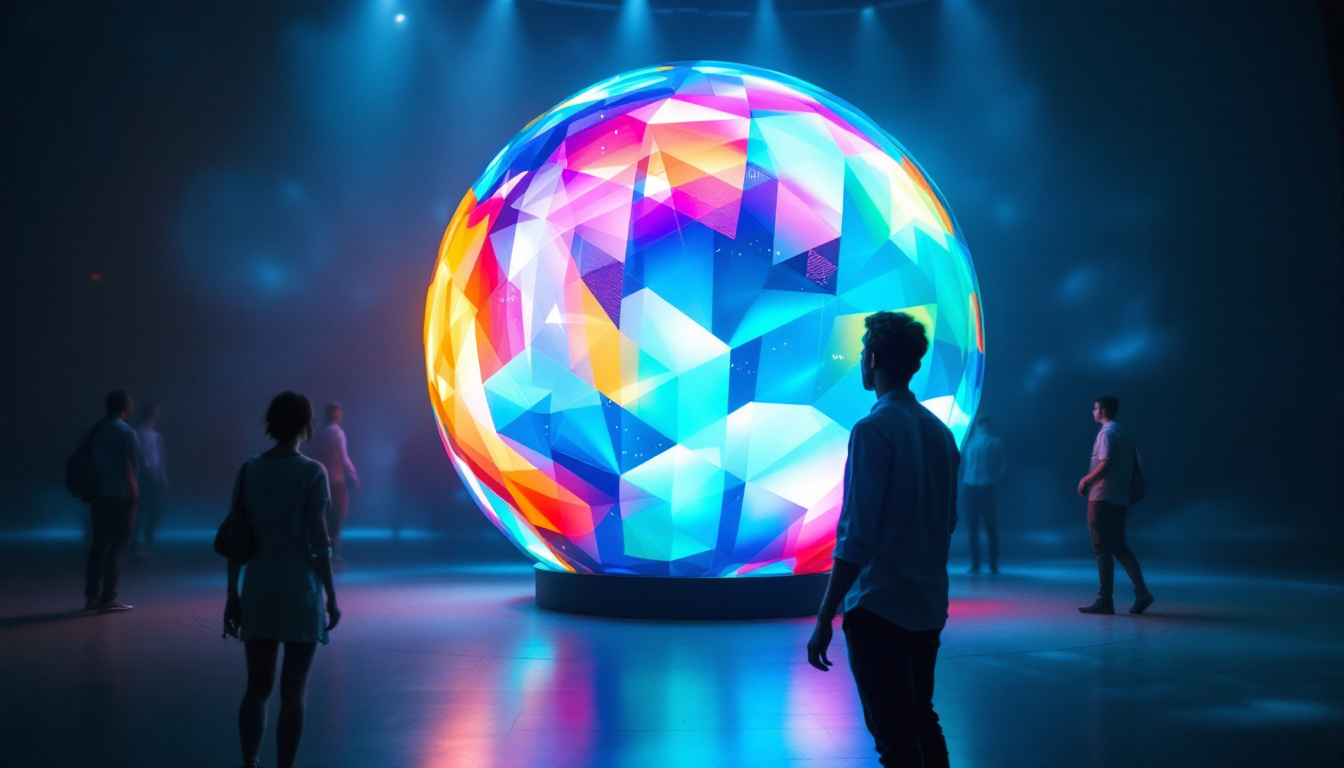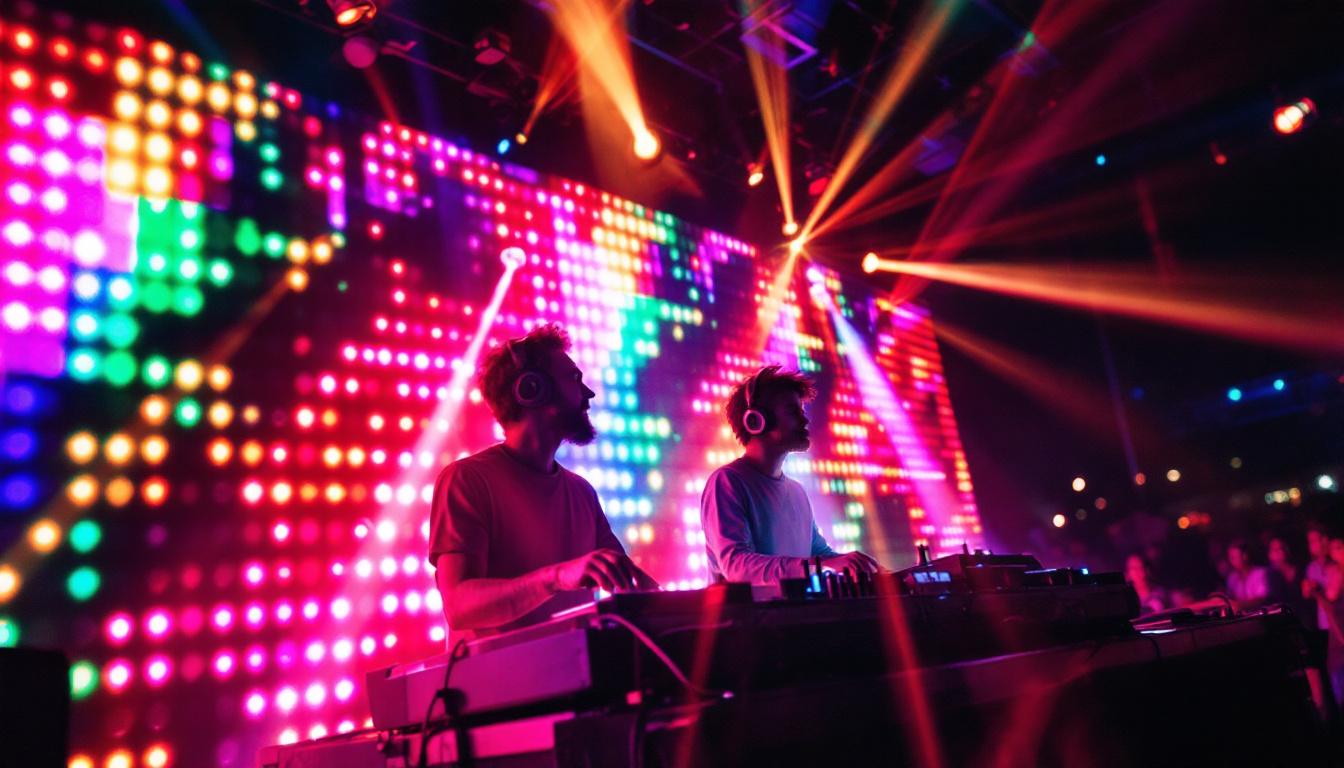
In today’s digital age, LED displays have become an integral part of visual communication, transforming how information and entertainment are delivered in public spaces, events, retail environments, and more. The term “Screen Dj” often refers to the dynamic, vibrant LED screens that captivate audiences with stunning visuals and interactive content. This article dives deep into the world of LED displays, exploring their technology, types, applications, and why they are revolutionizing digital signage and entertainment.
Understanding LED Display Technology
LED stands for Light Emitting Diode, a semiconductor device that emits light when an electric current passes through it. Unlike traditional display technologies such as LCD or plasma, LED displays use these tiny diodes to create images, offering superior brightness, color accuracy, and energy efficiency. This technology has revolutionized the way we experience visual content, from advertising billboards to televisions and computer monitors.
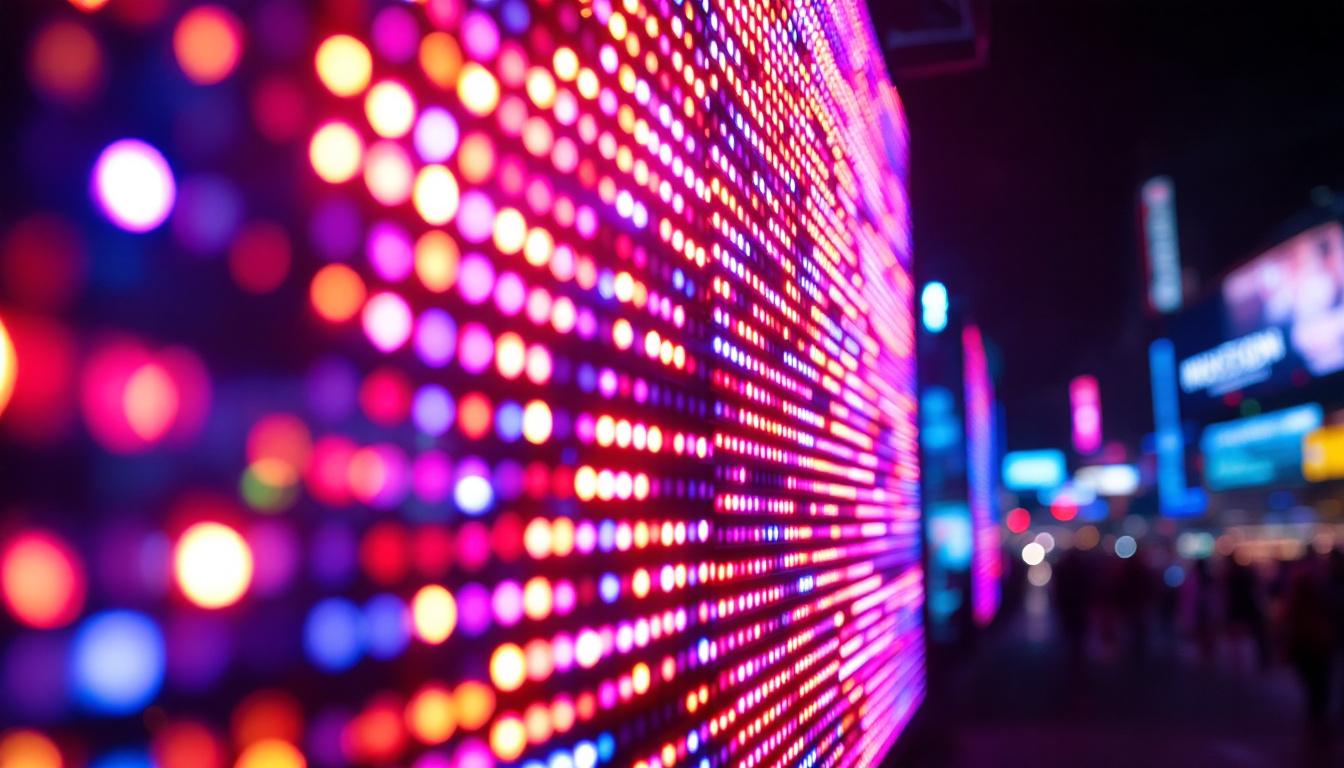
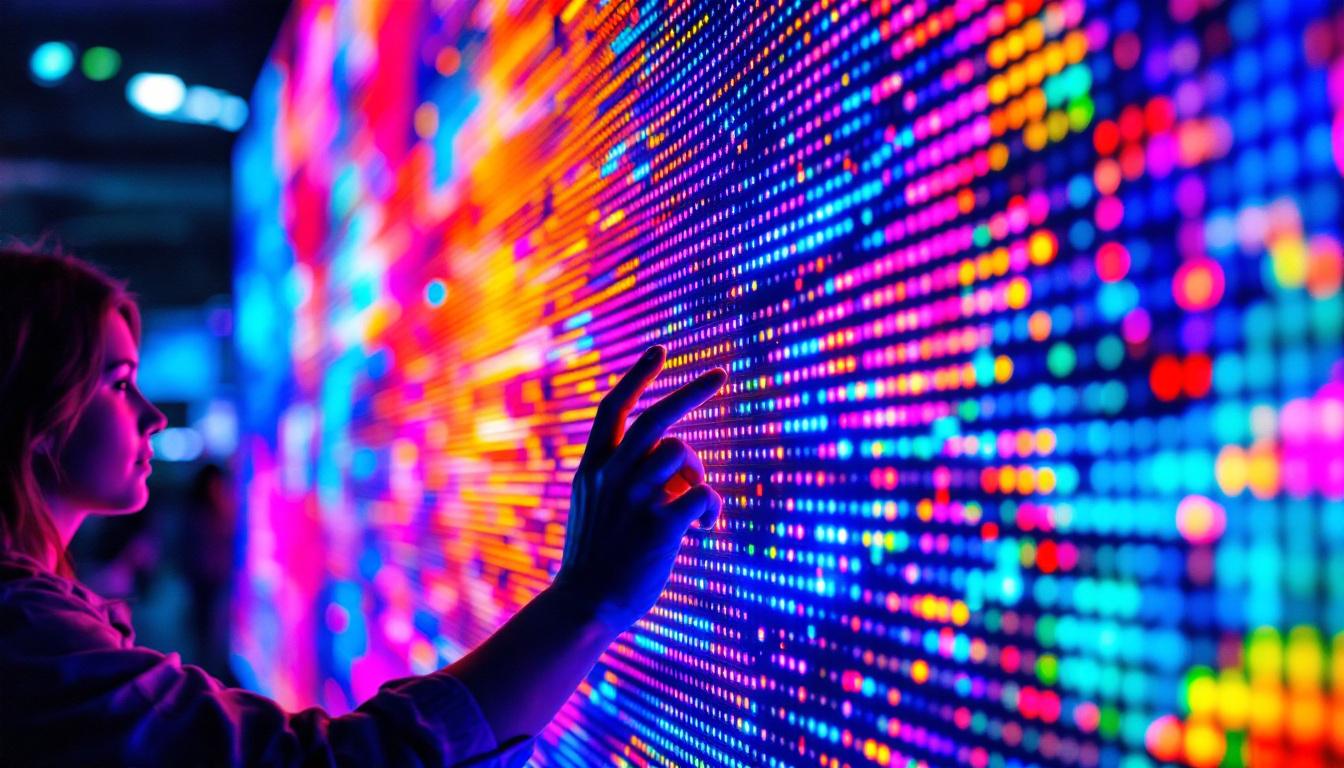
At its core, an LED display is composed of thousands to millions of individual LEDs arranged in a matrix. Each LED acts as a pixel or part of a pixel, illuminating in different colors and intensities to form images or video content. The ability to control each LED precisely allows for high-resolution displays that can be viewed clearly even in bright outdoor environments. This precision is particularly beneficial for applications like digital signage, where clarity and visibility are paramount.
How Do LED Displays Work?
LED displays operate by controlling the light emitted from each diode. Typically, these diodes are grouped into clusters of red, green, and blue (RGB), which combine to produce a full spectrum of colors. By adjusting the brightness of each color diode, the display can render millions of colors, creating vivid and lifelike images. The technology behind this color mixing is not only fascinating but also essential for achieving the desired visual effects in various applications, from gaming to cinematic experiences.
The control system behind an LED display processes incoming video signals and translates them into commands that dictate which LEDs should light up and at what intensity. This process occurs thousands of times per second, ensuring smooth motion and accurate color reproduction. Advanced algorithms and processing techniques are often employed to enhance image quality further, allowing for features such as dynamic contrast adjustment and frame interpolation, which improve the viewing experience significantly.
Advantages of LED Displays
LED technology offers several advantages over other display types:
- Brightness: LEDs can achieve extremely high brightness levels, making them ideal for outdoor use where sunlight can wash out other displays.
- Energy Efficiency: LEDs consume less power compared to traditional lighting and display technologies, reducing operational costs. This efficiency not only benefits users financially but also contributes to a lower environmental impact, as less energy consumption translates to reduced carbon emissions.
- Longevity: LED displays typically have a longer lifespan, often exceeding 100,000 hours of use. This durability means less frequent replacements, which is both cost-effective and environmentally friendly.
- Flexibility: LED panels can be manufactured in various sizes and shapes, including curved and flexible configurations. This adaptability allows designers to create innovative installations that can fit unique spaces and artistic visions.
- Color Accuracy and Contrast: The ability to turn off individual LEDs completely allows for deep blacks and vibrant colors, enhancing image quality. This feature is particularly important in professional settings like film production and graphic design, where color fidelity is crucial.
Moreover, the rapid advancements in LED technology have led to the development of features such as high dynamic range (HDR) and wide color gamut (WCG), which further elevate the viewing experience. HDR enhances the contrast between the brightest and darkest parts of an image, while WCG allows for a broader range of colors to be displayed, making visuals more immersive and realistic. As a result, LED displays are becoming the preferred choice not only for commercial applications but also for home entertainment systems, where consumers seek the best possible picture quality.
Types of LED Displays
LED displays come in various forms tailored to different applications, environments, and viewing distances. Understanding these types helps businesses and event organizers choose the right solution for their needs.
Indoor LED Displays
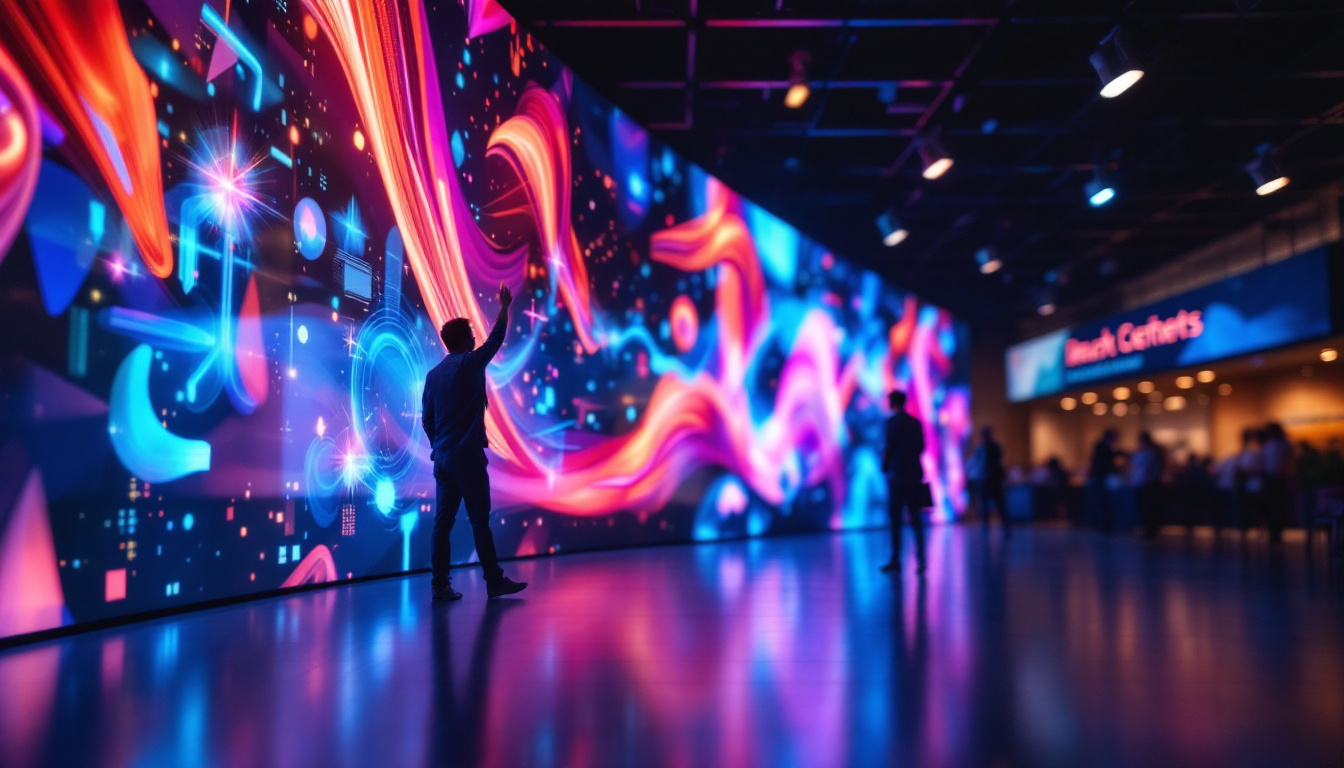
Indoor LED screens are designed for environments with controlled lighting, such as shopping malls, conference rooms, airports, and retail stores. They typically have a smaller pixel pitch—the distance between individual LEDs—ranging from 0.9mm to 4mm, allowing for high-resolution images viewed at close range.
Because indoor displays don’t need to compete with sunlight, their brightness levels usually range between 800 to 1,500 nits, which is sufficient for clear visibility without excessive power consumption.
Outdoor LED Displays
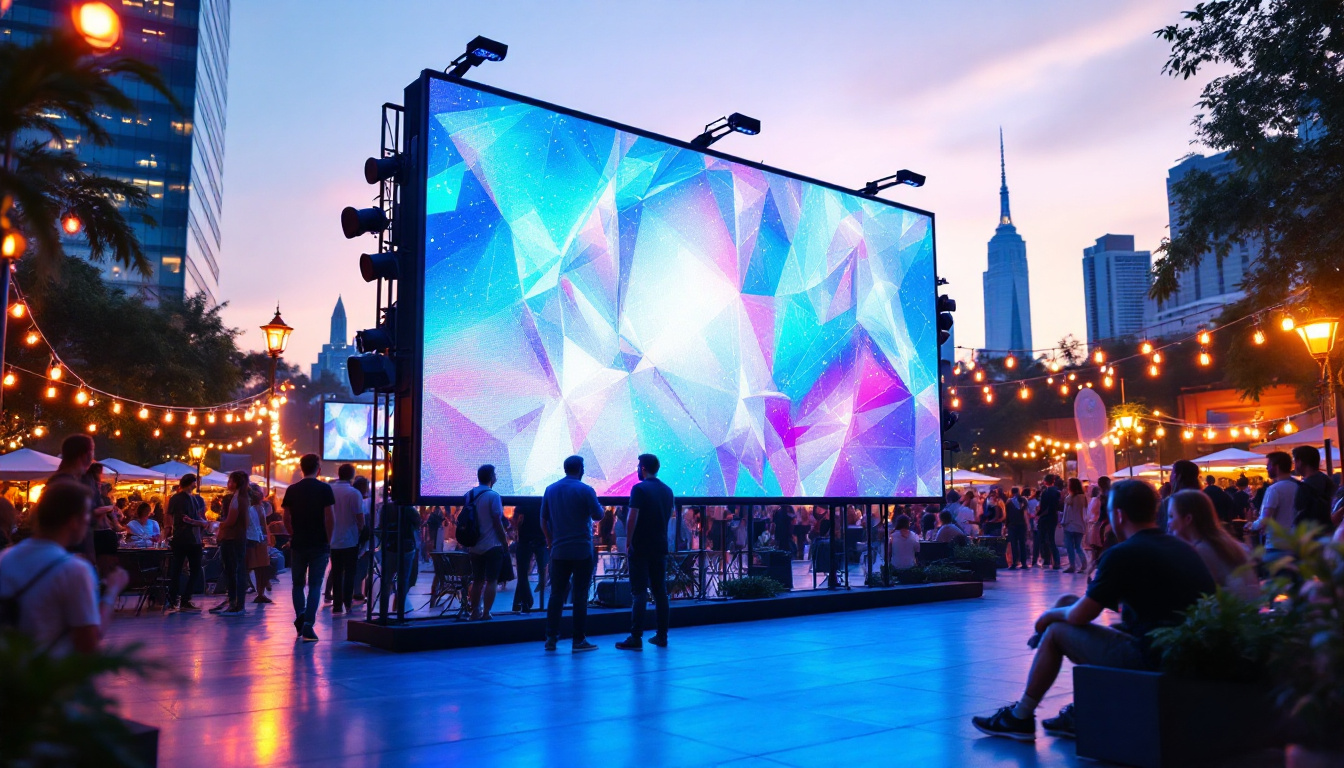
Outdoor LED screens are built to withstand harsh weather conditions and direct sunlight. Their pixel pitch is generally larger, from 4mm to 20mm or more, because viewers tend to see these displays from greater distances. The larger pitch reduces the number of LEDs required, making the display more cost-effective for large-scale installations.
Outdoor displays boast brightness levels of 5,000 nits or higher, ensuring visibility even on bright sunny days. They are also equipped with weatherproof casings and cooling systems to maintain performance and durability.
Transparent and Flexible LED Displays
Innovations in LED technology have led to the development of transparent LED screens, which allow light to pass through them while displaying images. These are popular in retail windows and architectural applications where maintaining natural light and visibility is important.
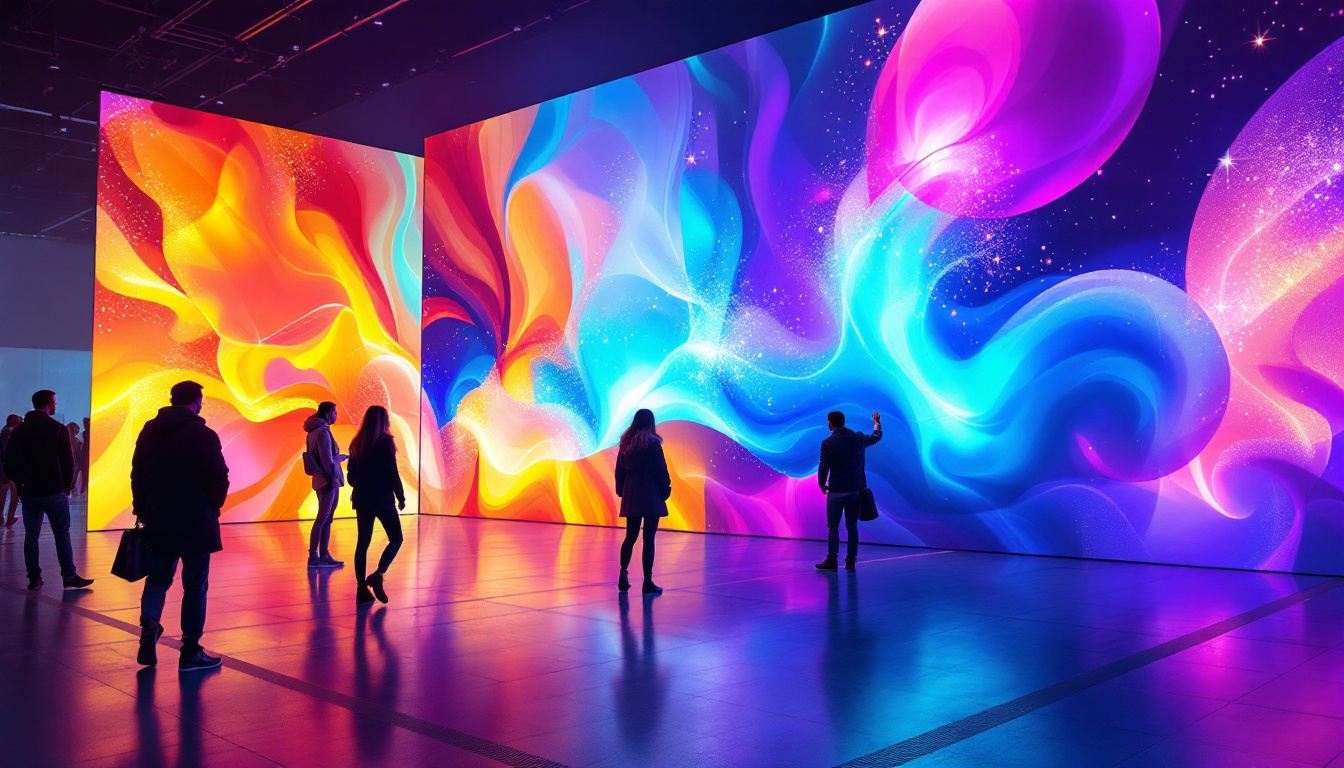
Flexible LED displays use bendable substrates, enabling screens to curve around surfaces or be shaped into creative designs. These are increasingly used in experiential marketing, stage design, and immersive installations.
Applications of LED Displays
The versatility of LED displays has led to their adoption across numerous industries. Their ability to deliver bright, dynamic content makes them ideal for capturing attention and conveying messages effectively.
Advertising and Digital Signage
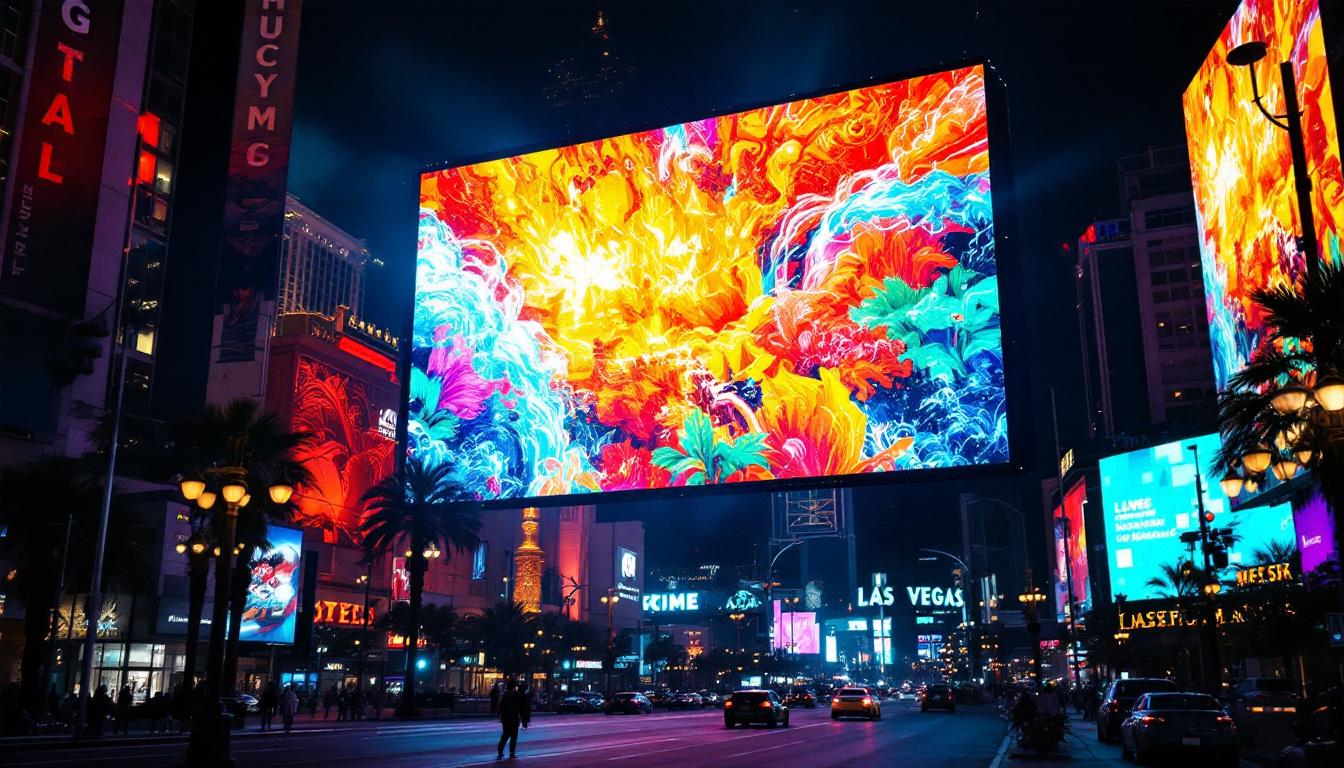
One of the most common uses of LED displays is in advertising. Digital billboards equipped with LED screens can display multiple ads in rotation, use animation and video, and update content remotely in real time. This flexibility significantly increases engagement compared to static billboards.
Retailers also use LED screens inside stores to promote products, announce sales, and enhance the shopping experience. According to a 2023 study by the Digital Signage Federation, LED digital signage can increase customer engagement by up to 30%, driving higher sales and brand awareness.
Events and Entertainment
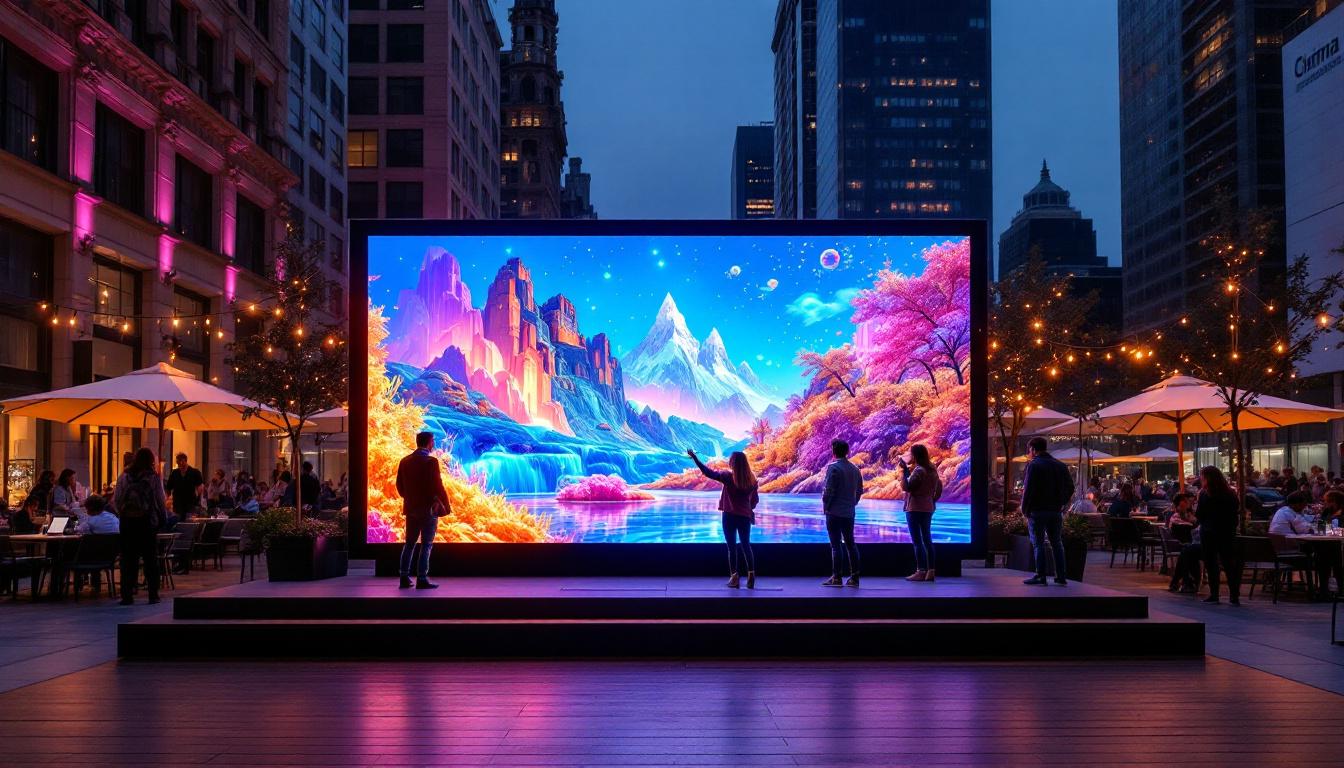
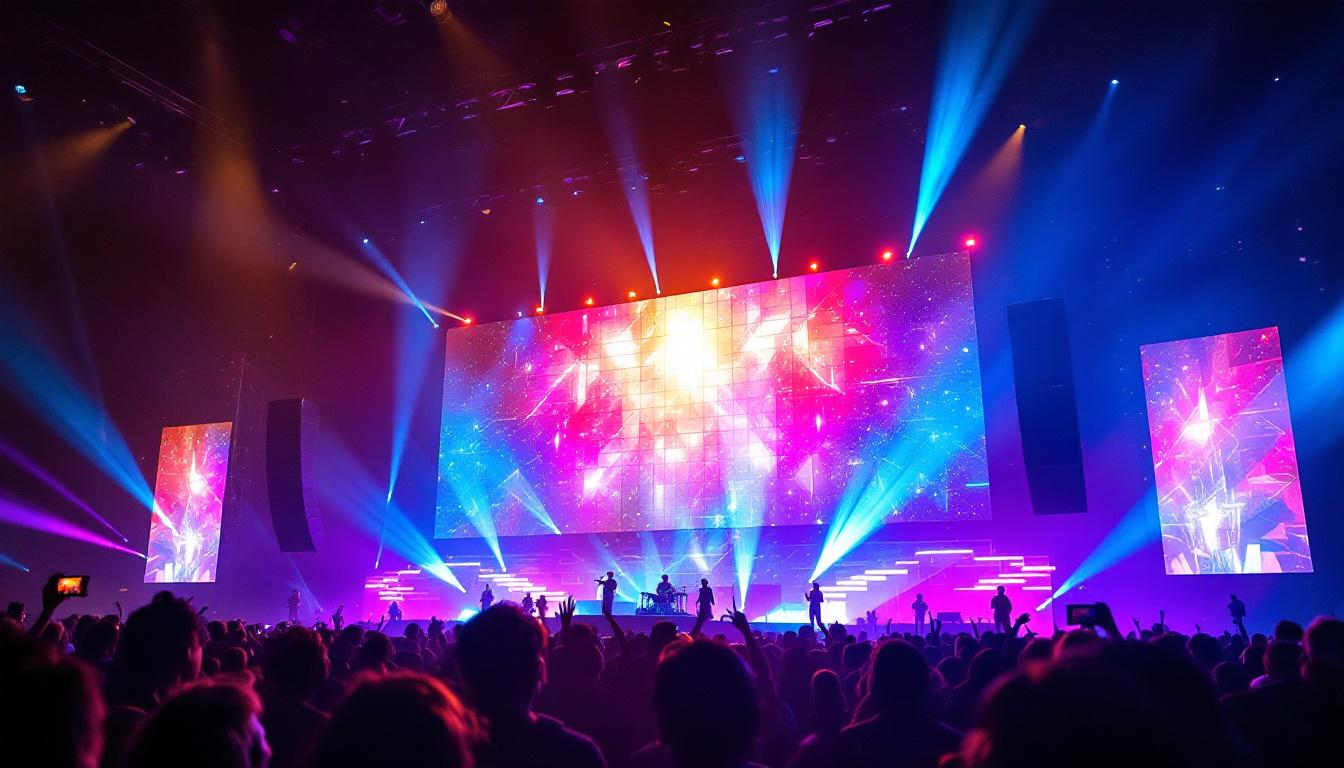
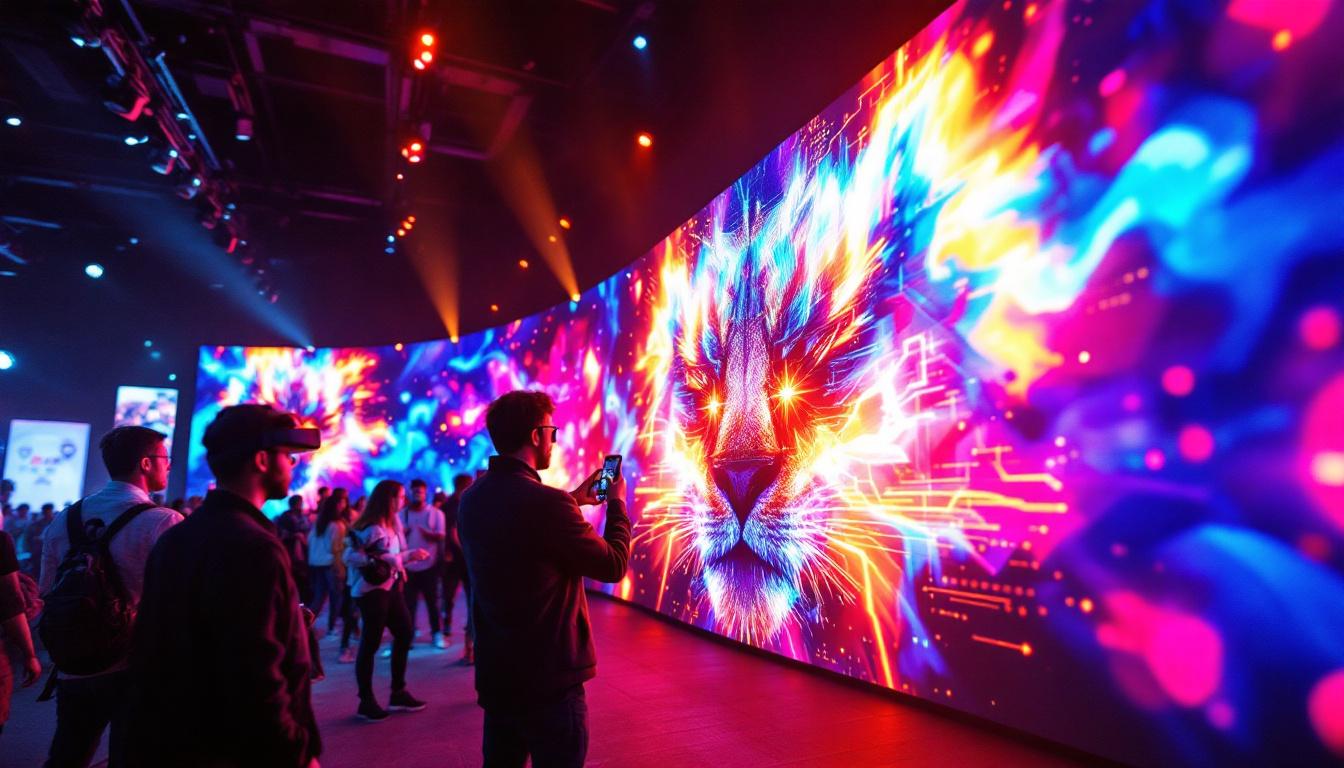
Concerts, festivals, and live events frequently incorporate massive LED screens to provide audiences with close-up views of performers, display visual effects, and share interactive content. The scalability of LED displays allows event organizers to create immersive environments that enhance the overall experience.
In nightclubs and DJ performances, LED screens synchronized with music beats create dynamic atmospheres that captivate audiences. The term “Screen Dj” often refers to this integration of LED visuals with live DJ sets, blending audio and visual art forms.
Corporate and Educational Use
LED displays are increasingly common in corporate settings for presentations, video conferencing, and digital whiteboards. Their clarity and size make them ideal for boardrooms and auditoriums.
Educational institutions use LED screens to display announcements, interactive lessons, and event information, improving communication and engagement with students and staff.
Transportation and Public Information
Airports, train stations, and bus terminals utilize LED displays for real-time information such as arrivals, departures, delays, and emergency announcements. The high visibility and reliability of LED technology ensure that critical information is accessible to large crowds.
Key Considerations When Choosing an LED Display
Selecting the right LED display requires careful evaluation of several factors to ensure optimal performance and return on investment.
Pixel Pitch and Resolution
Pixel pitch directly affects the resolution and viewing distance of an LED display. A smaller pixel pitch means higher resolution and better image quality at close range, but it also increases cost. For example, a retail store window display might use a 1.5mm pitch, while a stadium scoreboard could use a 10mm pitch.
Brightness and Contrast Ratio
Brightness is measured in nits, and the required level depends on the environment. Outdoor displays need higher brightness to overcome sunlight, whereas indoor displays can operate at lower levels. Contrast ratio impacts the depth of blacks and overall image quality, enhancing viewer experience.
Durability and Maintenance
Outdoor LED displays must be weather-resistant, with protection against rain, dust, and temperature extremes. Maintenance access and modular design also affect long-term usability and repair costs.
Control Systems and Software
The software used to manage LED content plays a significant role in flexibility and ease of use. Modern LED displays often support remote content management, scheduling, and integration with other digital systems.
Cost and Energy Consumption
While LED displays can be a significant investment, their energy efficiency and longevity often translate into lower total cost of ownership. Evaluating upfront costs against operational expenses is essential for budgeting.
The Future of LED Displays
LED technology continues to evolve rapidly, with innovations that promise even more immersive and interactive experiences.
MicroLED and MiniLED Technologies
Emerging MicroLED and MiniLED displays offer even higher resolution, brightness, and energy efficiency by using smaller diodes. These technologies are expected to revolutionize consumer electronics, including televisions and smartphones, as well as large-scale digital signage.
Integration with AI and IoT
Artificial intelligence and Internet of Things (IoT) integration enable LED displays to adapt content dynamically based on audience demographics, weather conditions, or real-time events. This smart functionality enhances engagement and relevance.
Environmental Sustainability
Manufacturers are focusing on eco-friendly materials and energy-saving designs to reduce the environmental footprint of LED displays. Recycling programs and longer-lasting components contribute to sustainability goals.
Conclusion
LED displays have transformed the landscape of digital communication, offering unparalleled brightness, flexibility, and visual impact. Whether used for advertising, entertainment, corporate communication, or public information, LED technology delivers vibrant, engaging content that captures attention and drives results.
Understanding the technical aspects, types, and applications of LED displays empowers businesses and event organizers to make informed decisions that maximize their investment. As the technology advances, LED screens will continue to play a pivotal role in shaping how information and experiences are shared in our increasingly digital world.
Discover LumenMatrix LED Display Solutions
Ready to elevate your visual communication with the brilliance of LED technology? Look no further than LumenMatrix, a pioneer in crafting LED display modules that bring your brand to life. From the vibrancy of an Indoor LED Wall Display to the robustness of an Outdoor LED Wall Display, and the innovation of our Custom LED and Transparent Displays, we have the solutions to captivate your audience. Embrace the future of digital signage with LumenMatrix and create experiences that resonate. Check out LumenMatrix LED Display Solutions today and transform your space into a dynamic visual spectacle.