In the rapidly evolving world of digital displays, LED technology has emerged as a dominant force, transforming how information and visuals are presented across various industries. From vibrant outdoor billboards to sleek indoor screens, LED displays offer unmatched brightness, energy efficiency, and versatility. This article delves into the fundamentals of LED displays, focusing on panel LED technology, its applications, advantages, and the innovations shaping its future.
Understanding LED Display Technology
What is an LED Display?
LED stands for Light Emitting Diode, a semiconductor device that emits light when an electric current passes through it. An LED display is a flat panel or screen that uses an array of tiny LEDs as pixels to produce images, videos, or text. Unlike traditional LCD or plasma screens, LED displays rely on direct light emission, which results in higher brightness and contrast. This technology has revolutionized the way we experience visual content, providing vibrant colors and deeper blacks that enhance the overall viewing experience.
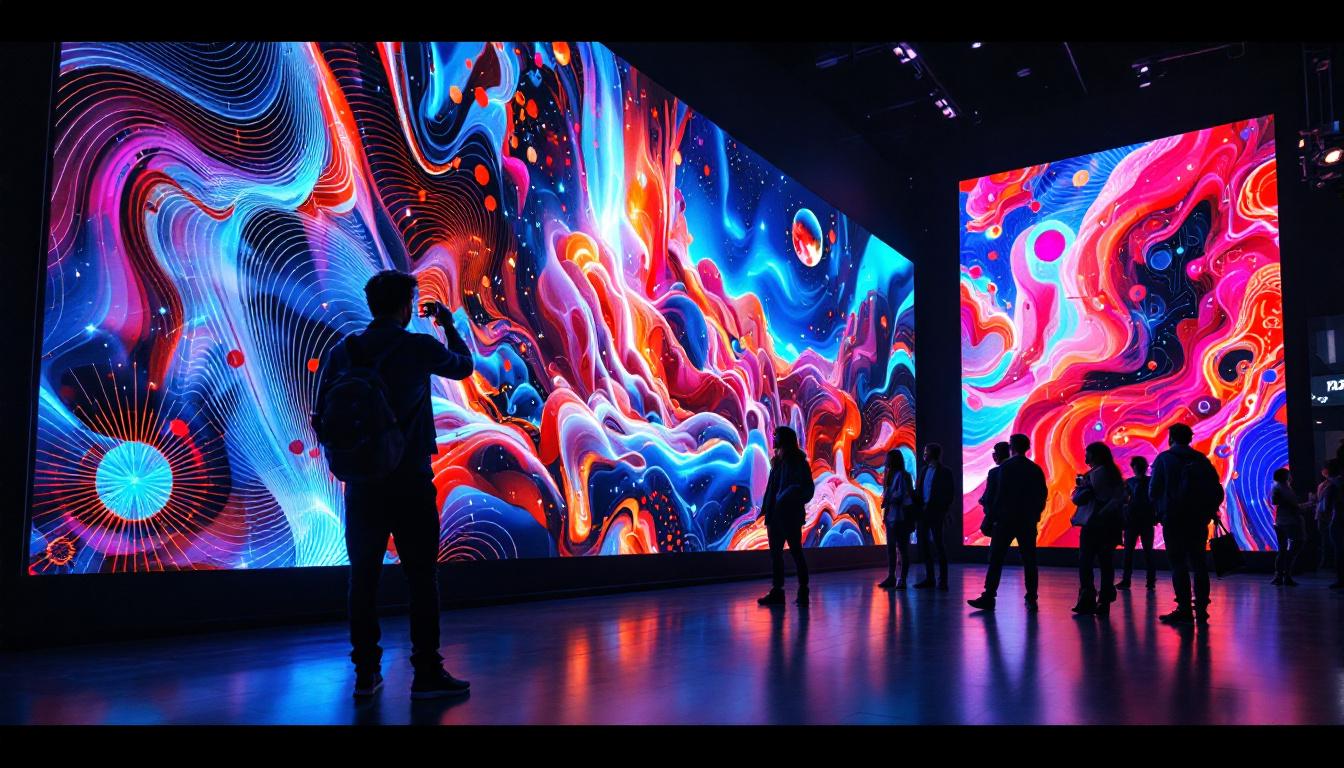
LED displays come in various forms, including individual LED modules, flexible LED strips, and large LED panels. The panels are composed of multiple LED modules arranged in a grid to create a seamless display surface. Each module contains numerous LEDs that can emit red, green, and blue light, combining to produce a full spectrum of colors. The versatility of LED technology allows for creative applications, such as digital signage, art installations, and architectural lighting, making it a popular choice for both commercial and artistic endeavors.
Types of LED Displays
LED displays can be broadly categorized into two types based on their structure and application:
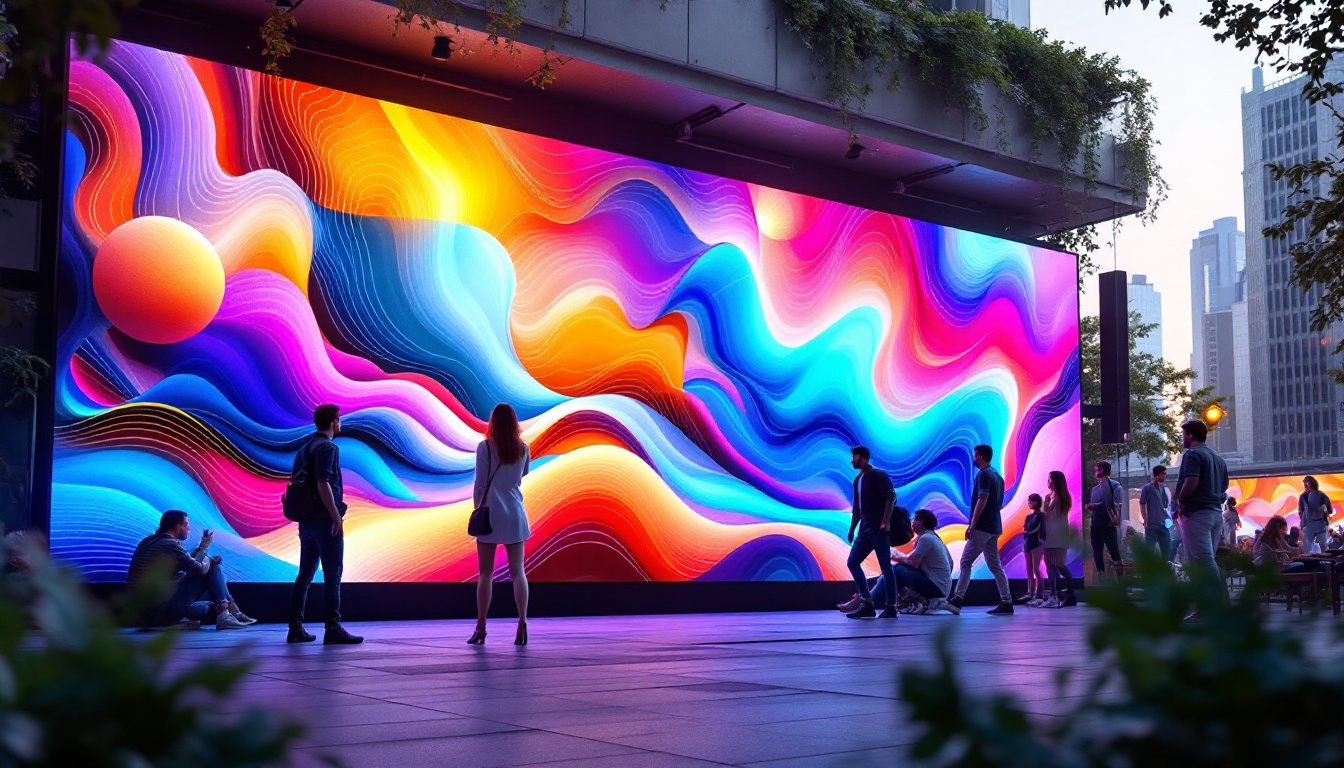
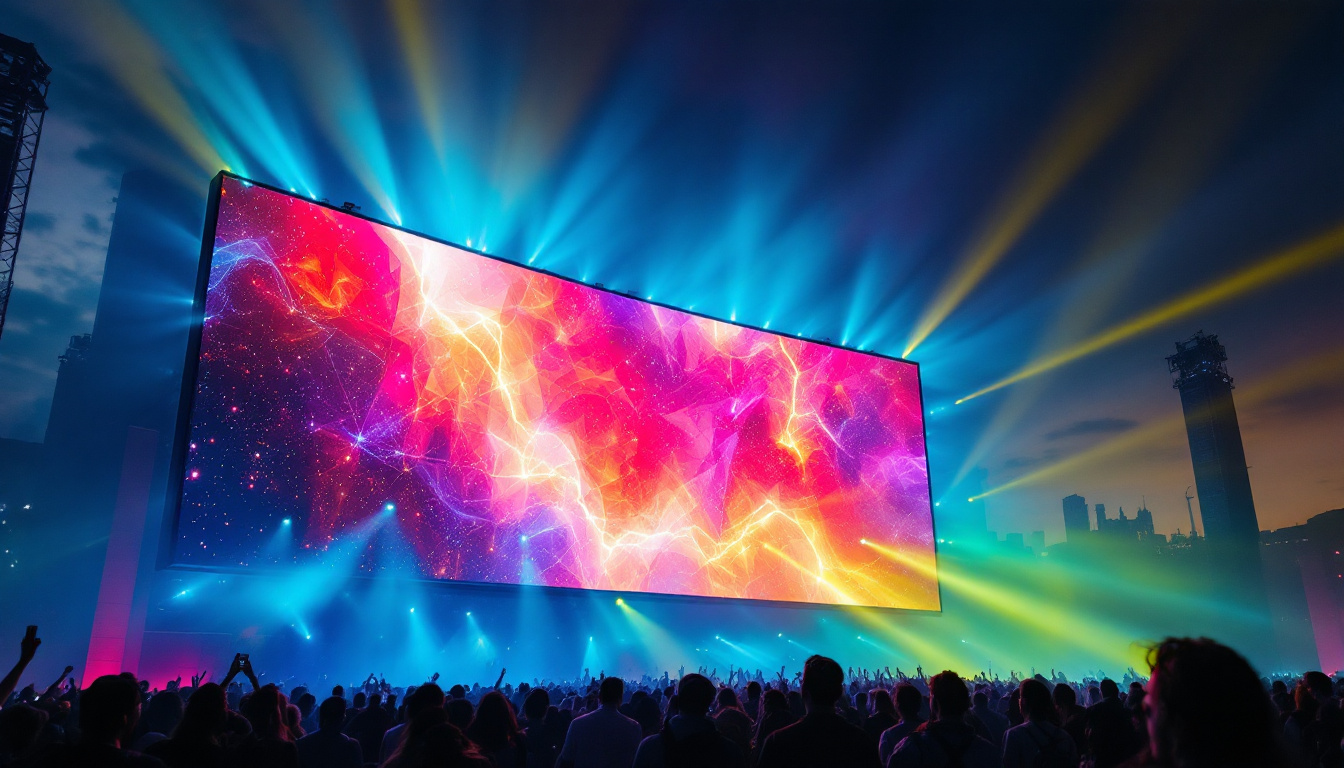
- Direct View LED (DV-LED): These displays use LEDs as the actual pixels, offering superior brightness and color accuracy. They are commonly used for large-scale outdoor billboards, stadium screens, and indoor video walls. The ability to create massive displays with high resolution makes DV-LED ideal for events and advertising, where visibility from a distance is crucial.
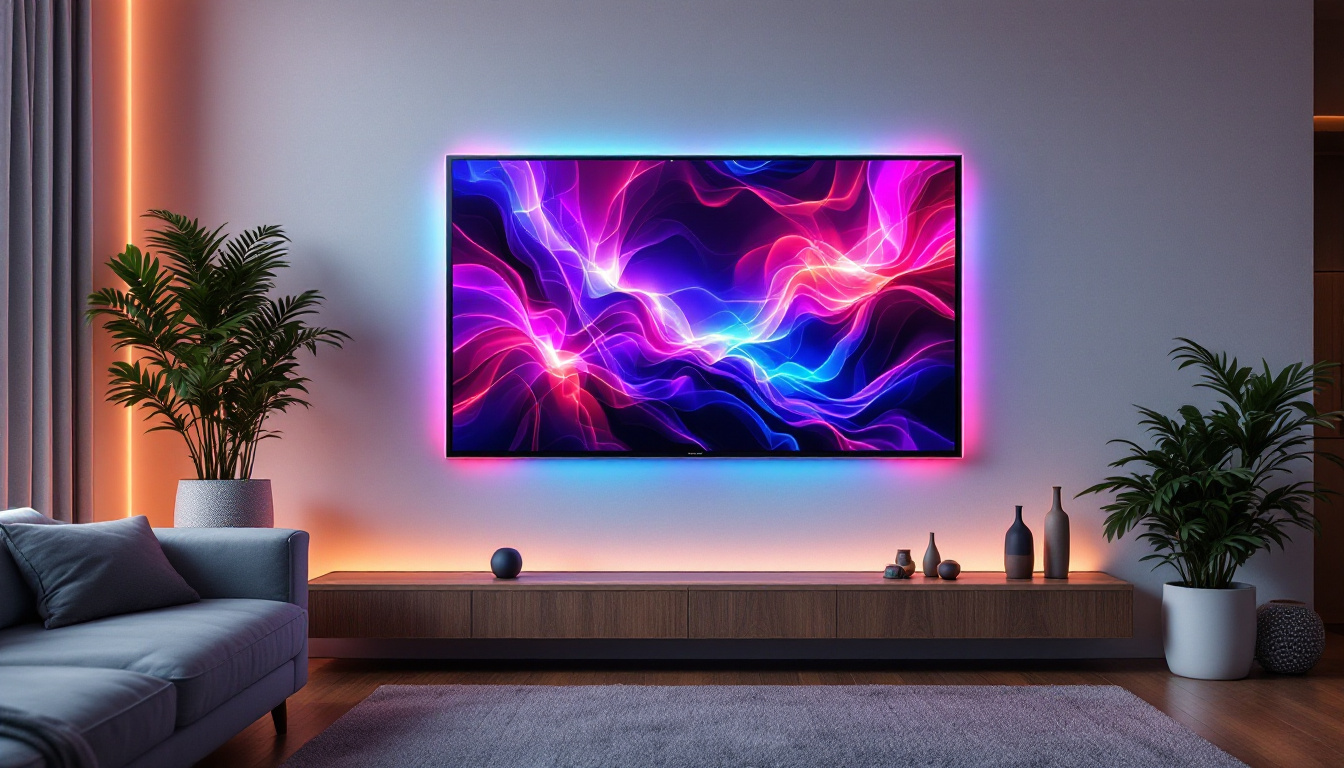
- LED-backlit LCD: In this type, LEDs serve as a backlight source behind an LCD panel. This technology enhances brightness and energy efficiency compared to traditional CCFL backlighting but differs from direct view LED displays in terms of pixel control. LED-backlit LCDs are often found in televisions and computer monitors, providing a balance between cost-effectiveness and performance.
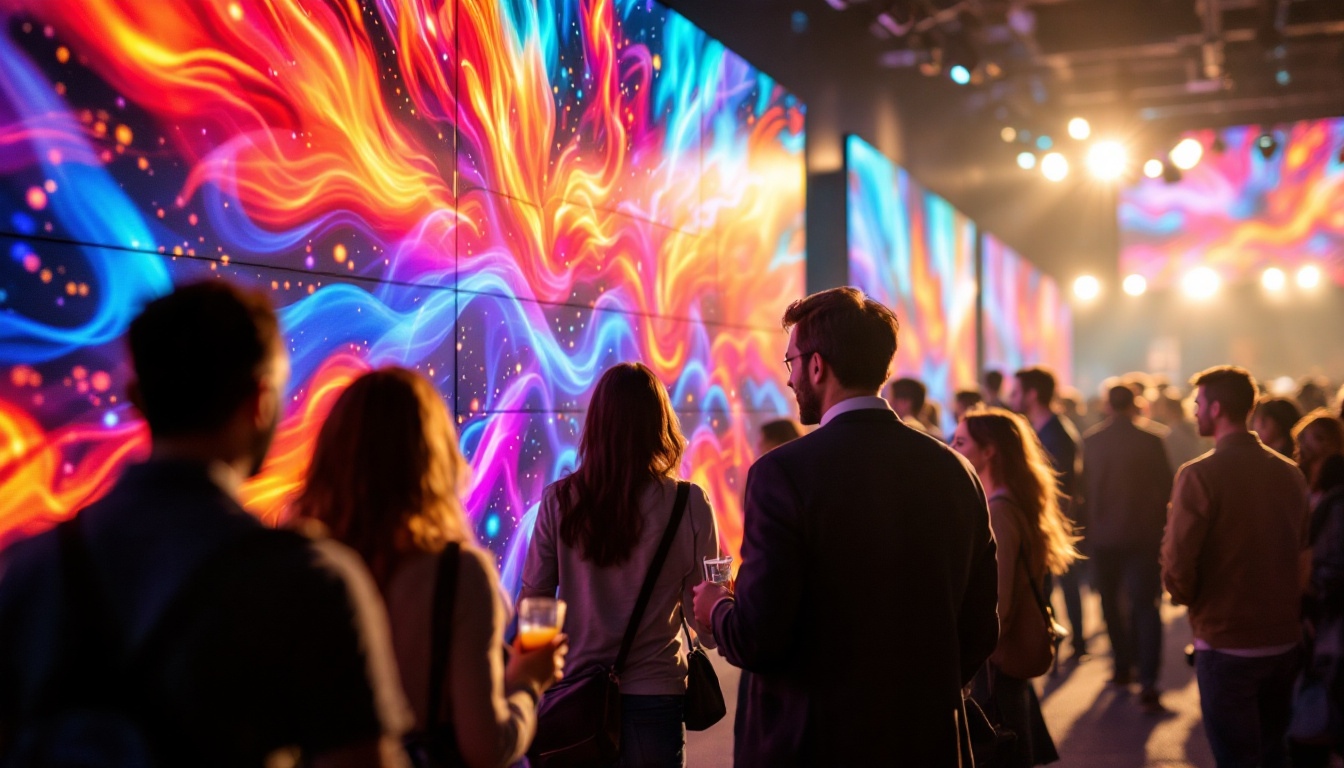
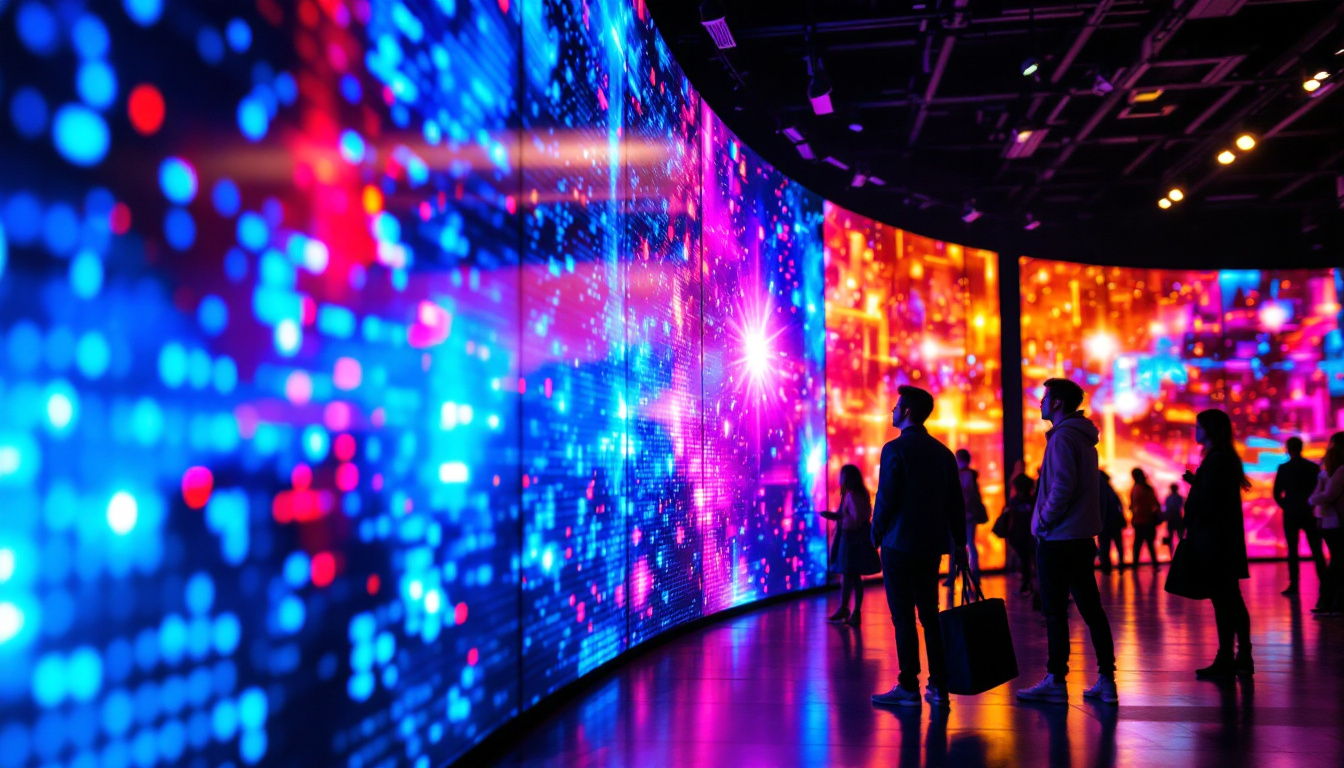
Panel LED displays typically refer to direct view LED screens composed of multiple panels or modules, enabling scalable, high-resolution visuals. These modular designs allow for easy customization and installation, making them suitable for a variety of environments, from retail spaces to concert venues. Furthermore, advancements in LED technology have led to the development of ultra-thin and lightweight panels, which facilitate creative installations that were previously unimaginable. As the demand for high-quality visual displays continues to grow, the evolution of LED technology promises to deliver even more innovative solutions for enhancing visual communication.
The Anatomy of a Panel LED Display
LED Modules and Panels
A panel LED display is constructed from individual LED modules, each containing a matrix of LEDs arranged in pixels. These modules are assembled into panels, which are then combined to form the complete display. This modular design allows for flexible sizing and easy maintenance, as faulty modules can be replaced without dismantling the entire screen.
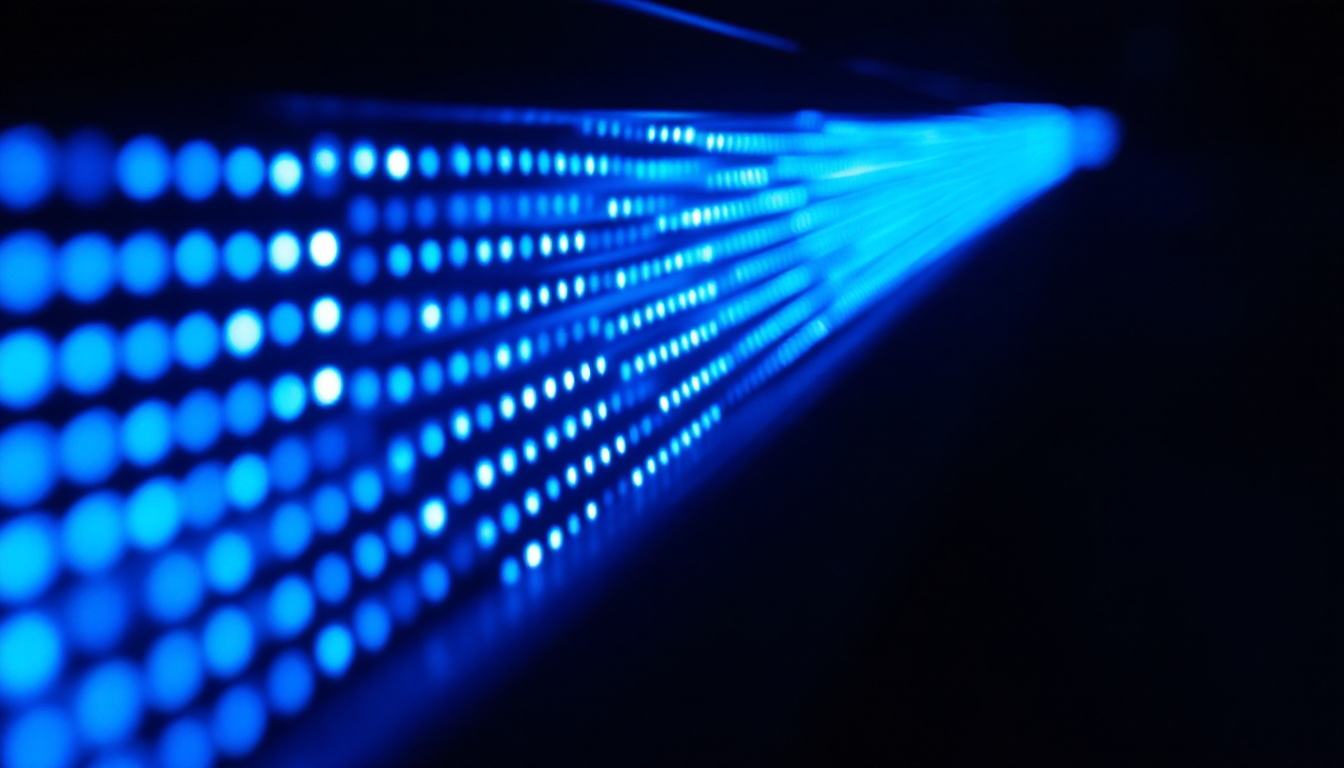
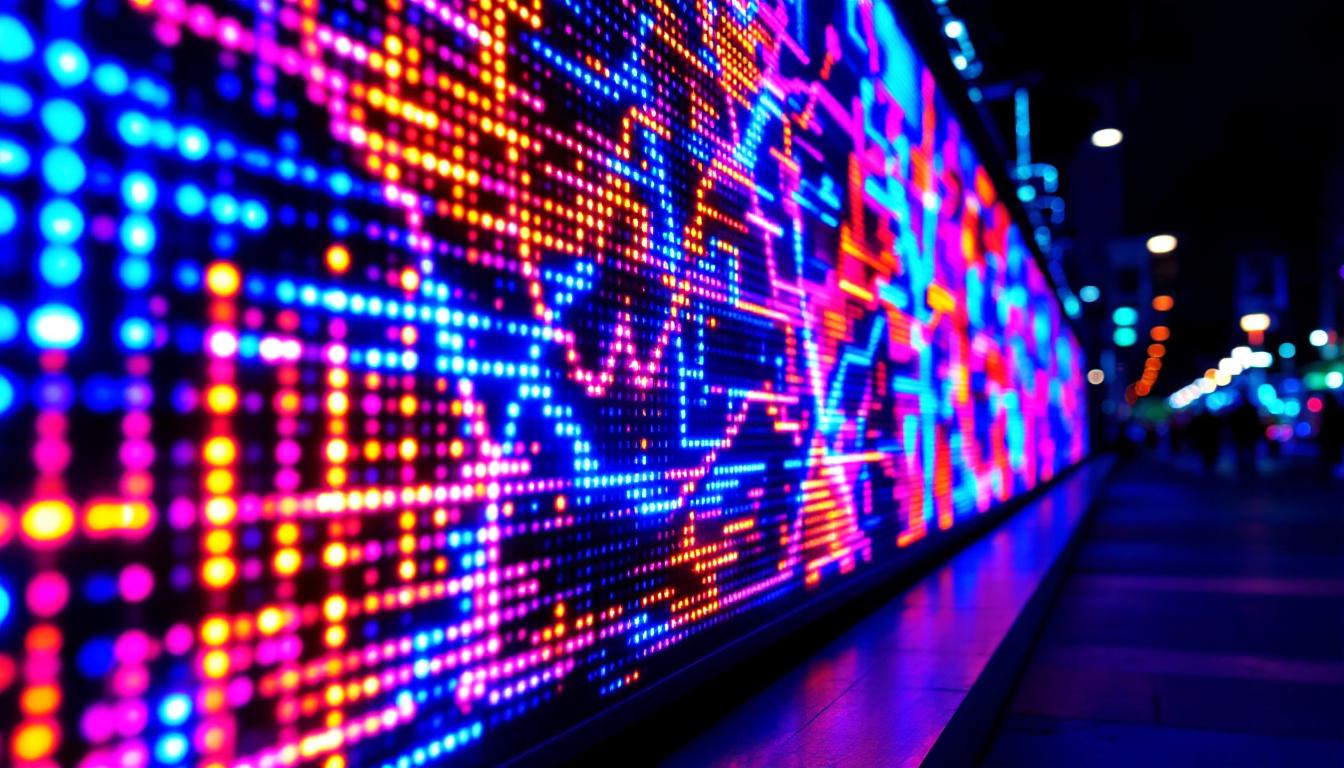
Each LED pixel in a module consists of three sub-pixels: red, green, and blue (RGB). By adjusting the intensity of these sub-pixels, the display can render millions of colors, producing vivid and lifelike images. The pixel pitch, or the distance between the centers of adjacent pixels, plays a crucial role in determining the resolution and viewing distance of the display. Smaller pixel pitches result in higher resolution and better image clarity, especially for close viewing.
Driving Electronics and Control Systems
Behind the vibrant visuals of a panel LED display lies a sophisticated control system. Driving electronics regulate the current supplied to each LED to control brightness and color. Advanced controllers process incoming video signals, convert them into pixel data, and synchronize the display to ensure seamless image reproduction across all panels.
Modern LED displays employ technologies such as Pulse Width Modulation (PWM) to adjust brightness levels efficiently without compromising color accuracy. Additionally, integrated sensors can monitor ambient light and adjust display brightness dynamically, enhancing visibility and reducing power consumption.
Advantages of Panel LED Displays
Exceptional Brightness and Visibility
One of the most significant advantages of panel LED displays is their outstanding brightness. Unlike LCD or OLED screens, which rely on backlighting or organic compounds, LEDs emit light directly, allowing them to achieve brightness levels exceeding 5,000 nits in some outdoor models. This makes them highly visible even under direct sunlight, a critical factor for outdoor advertising, sports arenas, and transportation hubs.
Moreover, LED displays offer wide viewing angles, typically up to 160 degrees or more, ensuring consistent image quality from various perspectives. This attribute is essential in public spaces where audiences view the screen from multiple angles.
Energy Efficiency and Longevity
LED technology is renowned for its energy efficiency. Compared to traditional display technologies, LED panels consume significantly less power while delivering brighter images. This efficiency translates to lower operational costs, especially for large-scale installations that run continuously.
In addition to energy savings, LEDs boast impressive longevity. High-quality LED modules can operate for 50,000 to 100,000 hours before noticeable degradation occurs. This durability reduces maintenance frequency and costs, making panel LED displays a cost-effective solution over time.
Flexibility and Scalability
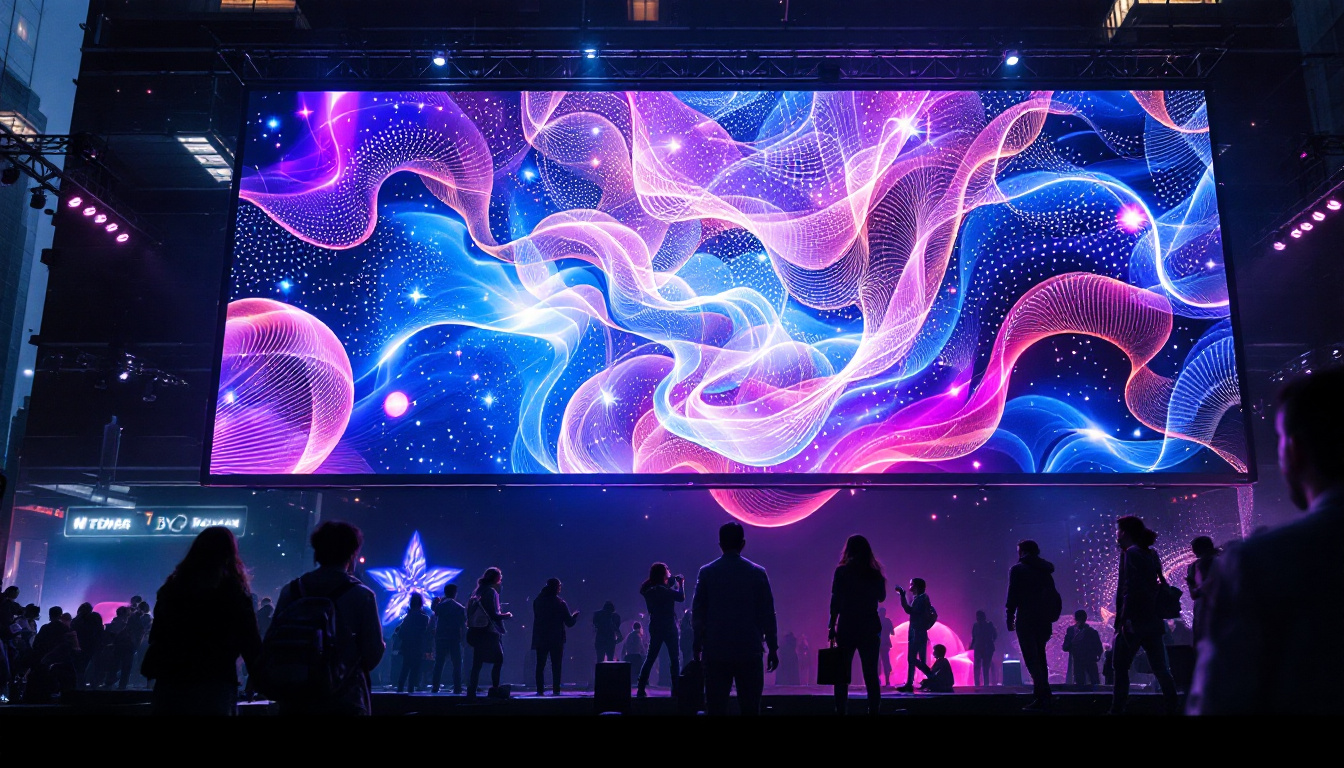
The modular nature of panel LED displays allows for unparalleled flexibility in design and installation. Panels can be configured into various shapes and sizes, from small indoor screens to massive outdoor video walls spanning hundreds of square meters. This scalability enables tailored solutions for diverse applications, including retail signage, concert backdrops, corporate presentations, and public information systems.
Additionally, some LED panels are designed to be curved or flexible, opening creative possibilities for architects and designers. Transparent LED panels also exist, allowing for see-through displays that integrate seamlessly with glass surfaces.
Applications of Panel LED Displays
Outdoor Advertising and Digital Billboards
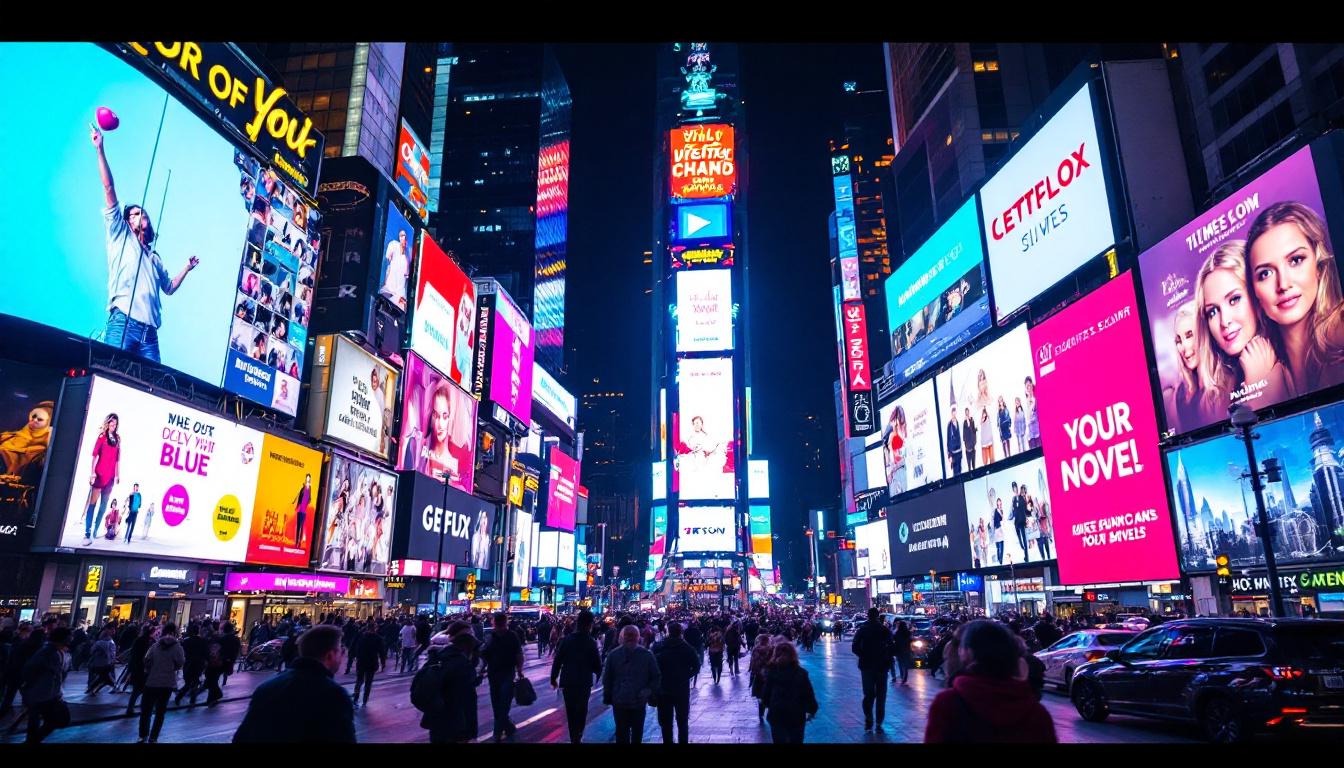
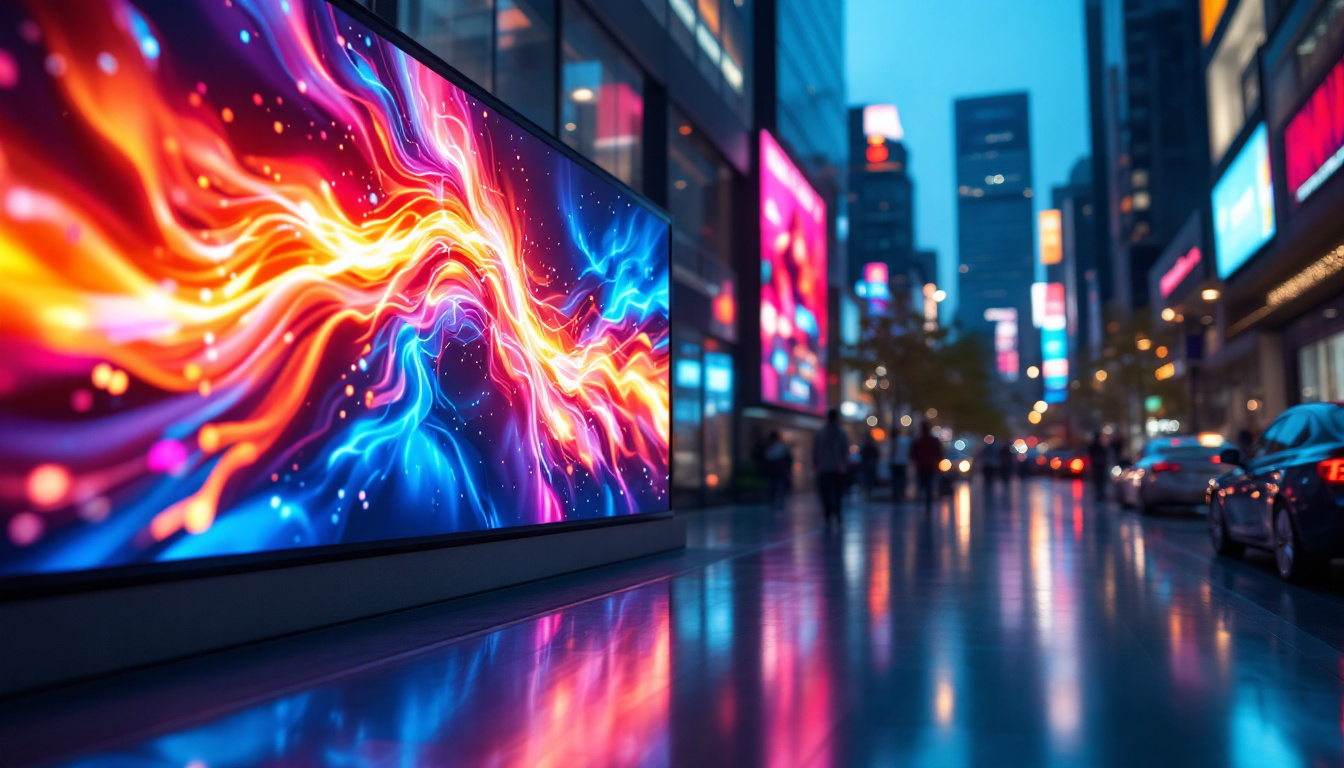
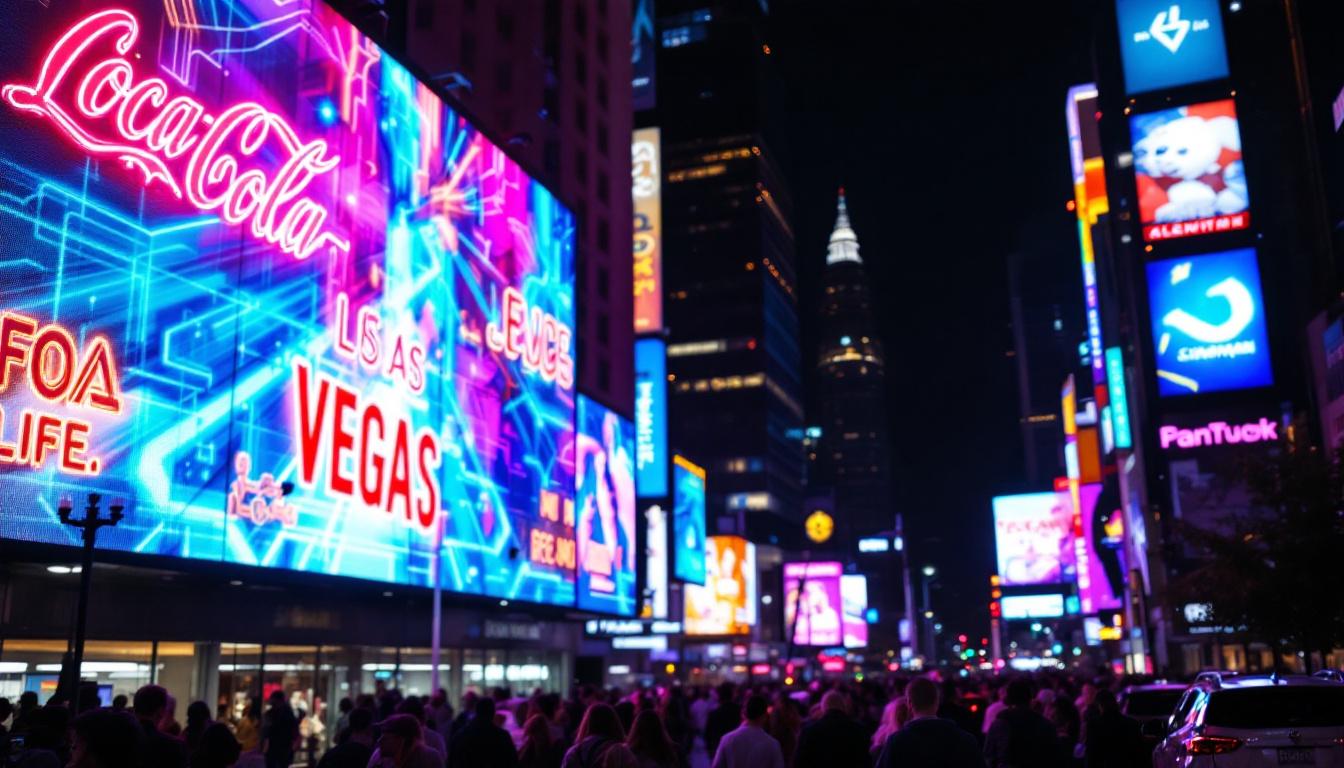
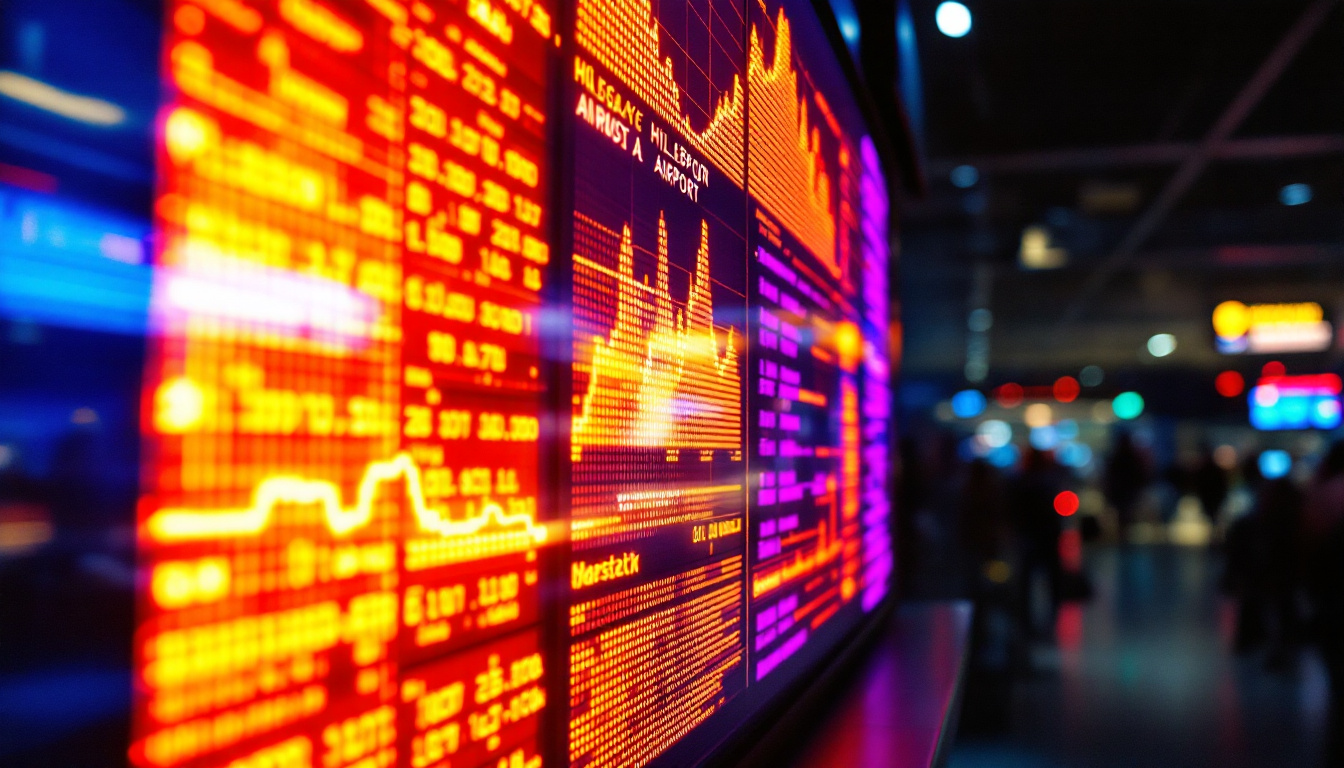
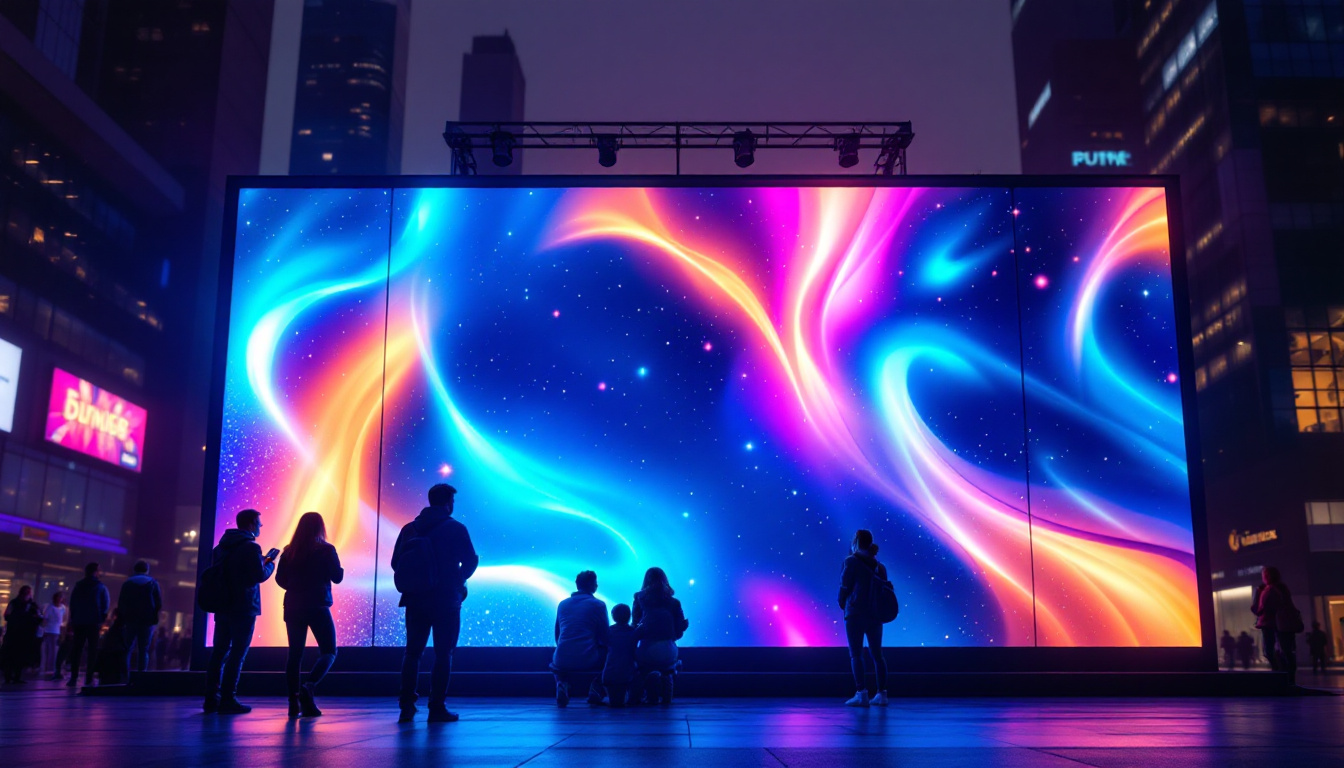
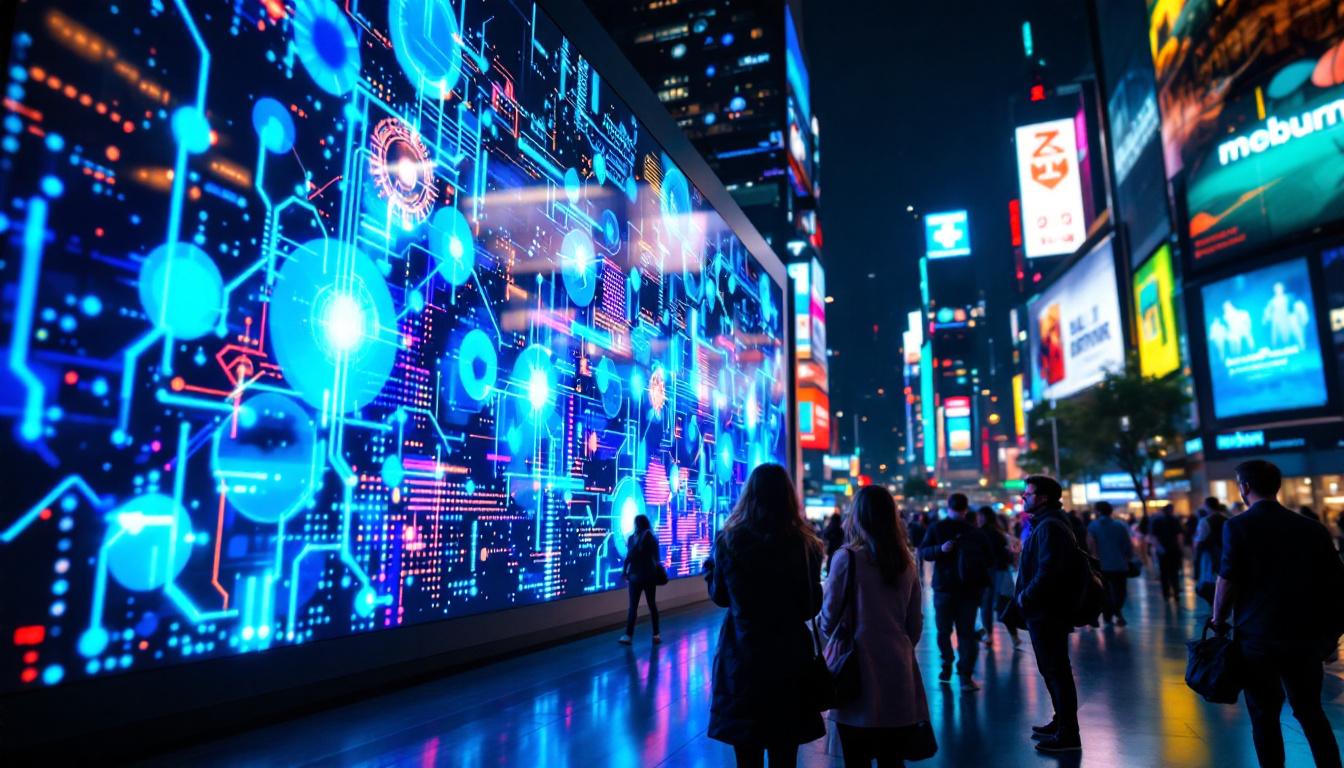
Outdoor advertising is one of the most prominent applications of panel LED technology. Digital billboards equipped with LED panels offer advertisers dynamic content capabilities, enabling real-time updates, animations, and interactive campaigns. According to recent industry reports, the global digital out-of-home advertising market is expected to grow at a CAGR of over 10% through 2027, driven largely by LED display adoption.
LED billboards outperform traditional static signs by attracting more attention and delivering measurable engagement. Their high brightness ensures visibility in all weather conditions, while weatherproof panel designs guarantee durability.
Sports Arenas and Event Venues
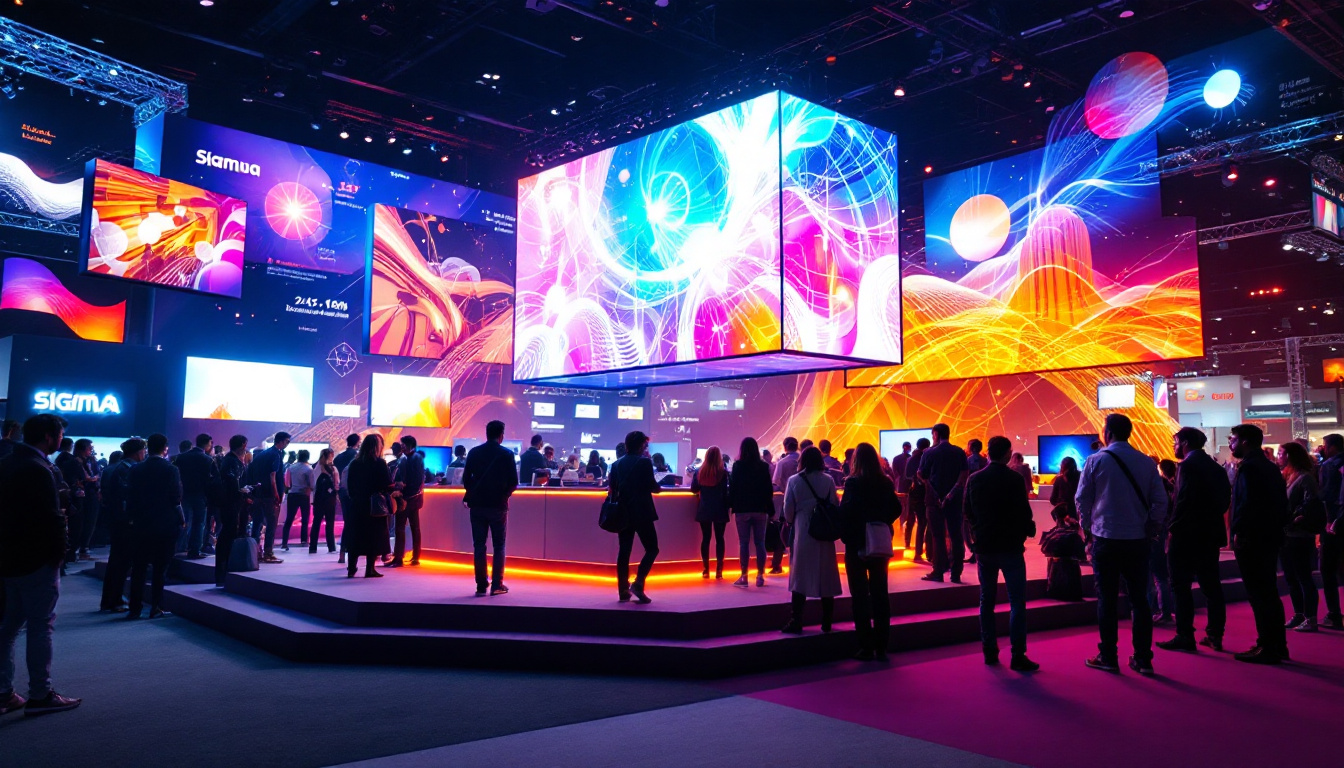
Sports stadiums and event venues utilize panel LED displays for scoreboards, live video feeds, and advertising. The ability to produce high-resolution, large-format images enhances the spectator experience and provides venues with additional revenue streams through advertising partnerships.
Innovations such as ultra-fine pixel pitch LED panels enable close-up viewing without loss of image quality, making them suitable for indoor arenas and premium seating areas.
Retail and Corporate Environments
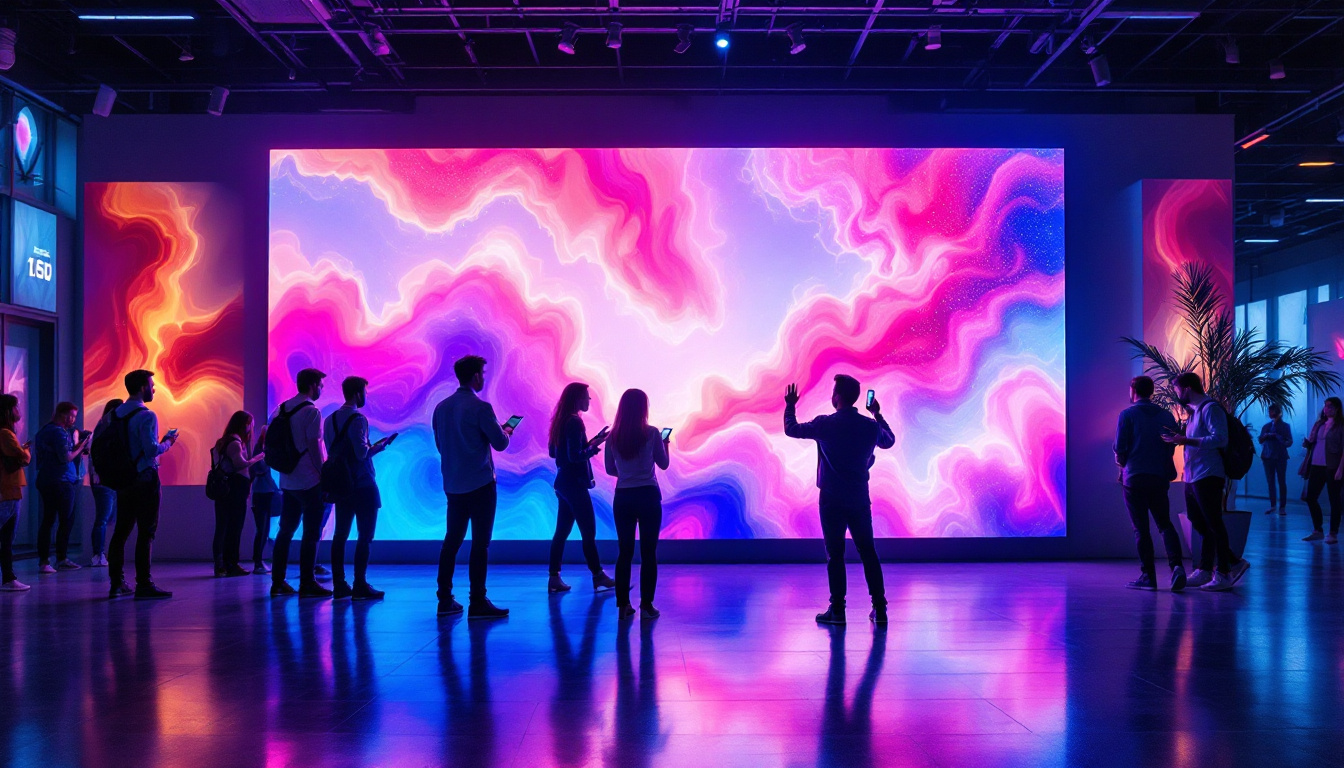
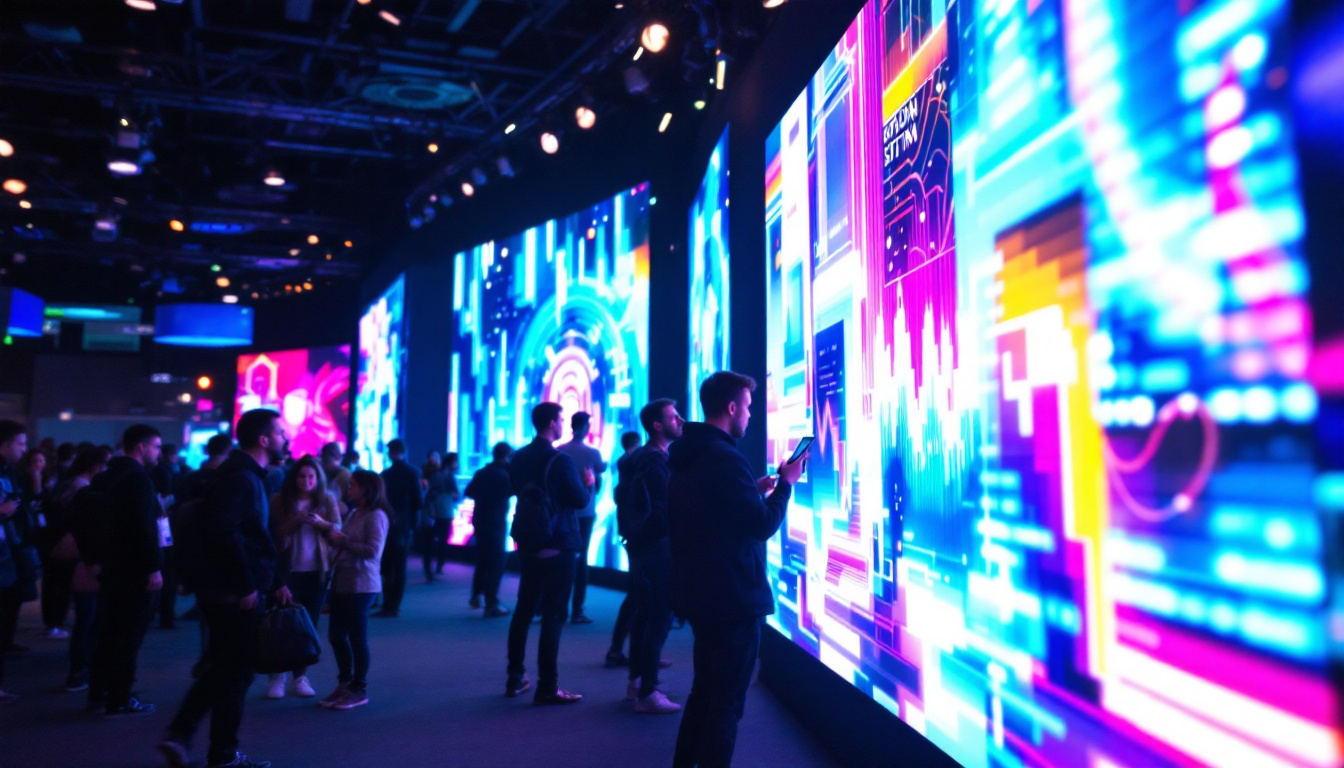
In retail, LED panels serve as eye-catching digital signage that can display promotions, product information, and immersive brand experiences. Corporate offices use LED video walls for presentations, video conferencing, and digital art installations, leveraging the technology’s clarity and flexibility.
The ability to customize panel configurations allows businesses to create unique visual environments that enhance customer engagement and internal communication.
Technological Innovations and Future Trends
Mini-LED and Micro-LED Advances
Recent advancements in LED technology have introduced mini-LED and micro-LED displays, which use smaller LEDs to achieve higher pixel densities and improved image quality. Micro-LEDs, in particular, promise OLED-level contrast and color performance with superior brightness and longevity.
These technologies are gradually making their way into consumer electronics, digital signage, and specialized applications, heralding a new era of LED display capabilities.
Integration with Smart Technologies
Panel LED displays are increasingly integrated with smart technologies such as IoT sensors, AI-driven content management, and interactive touch capabilities. These integrations enable adaptive content delivery based on audience demographics, environmental conditions, and real-time analytics.
For example, smart LED billboards can adjust brightness automatically, change advertisements based on weather or time of day, and even interact with mobile devices to enhance user engagement.
Sustainability and Environmental Impact
As sustainability becomes a priority, LED display manufacturers are focusing on eco-friendly materials, energy-saving designs, and recyclability. The long lifespan and low power consumption of LED panels contribute to reducing the carbon footprint of digital signage and display solutions.
Additionally, innovations in manufacturing processes aim to minimize waste and hazardous substances, aligning the LED display industry with global environmental standards.
Choosing the Right Panel LED Display
Key Considerations
Selecting the appropriate panel LED display depends on several factors:
- Viewing Distance: Determines the required pixel pitch for optimal image clarity.
- Environment: Indoor or outdoor use influences brightness, weatherproofing, and durability requirements.
- Resolution and Size: Based on content type and audience size.
- Budget: Balancing upfront costs with long-term operational savings.
- Installation and Maintenance: Accessibility and modularity for ease of service.
Working with Professionals
Given the technical complexity and customization options, partnering with experienced LED display providers and integrators is crucial. Professionals can conduct site assessments, recommend suitable panel configurations, and ensure compliance with safety and regulatory standards.
Proper installation and calibration also maximize the performance and lifespan of the LED display, safeguarding the investment.
Conclusion
Panel LED displays represent a powerful and versatile technology that continues to redefine digital visual communication. Their superior brightness, energy efficiency, and modular design make them ideal for a wide range of applications, from advertising and entertainment to corporate and public information systems.
As innovations like mini-LED and micro-LED mature, and smart integrations become more prevalent, panel LED technology will only grow in importance and capability. For businesses and organizations looking to captivate audiences with stunning visuals, understanding the nuances of panel LED displays is essential to making informed decisions and harnessing the full potential of this dynamic technology.
Discover LumenMatrix’s Innovative LED Display Solutions
Ready to elevate your visual communication with the latest in LED display technology? Look no further than LumenMatrix, where innovation meets excellence. Our comprehensive range of LED display solutions, including Indoor and Outdoor LED Wall Displays, Vehicle LED Displays, LED Poster Displays, LED Sports Displays, Floor LED Displays, Custom LED Displays, All-in-One LED Displays, and LED Transparent Displays, are designed to captivate your audience and amplify your brand’s message. Experience the future of digital signage with LumenMatrix and transform your space into a dynamic visual experience. Check out LumenMatrix LED Display Solutions today and see the difference for yourself.