In today’s fast-paced advertising landscape, digital billboards have emerged as a powerful medium for brands to capture audience attention dynamically and effectively. Among the various types of digital signage, LED displays stand out due to their brightness, versatility, and energy efficiency. If you’re considering investing in a digital billboard, understanding the technology behind LED displays is crucial for making an informed decision that maximizes your marketing impact and return on investment.
What Is an LED Digital Billboard?
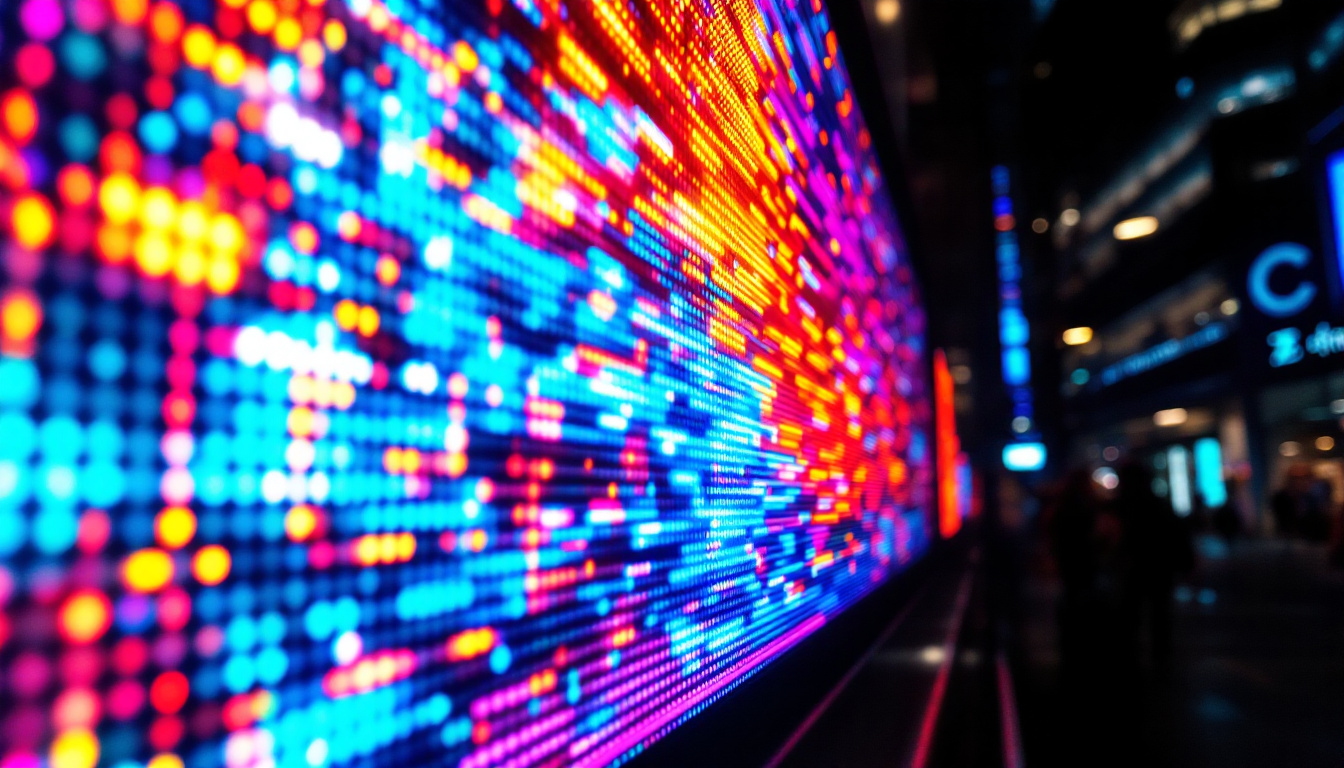
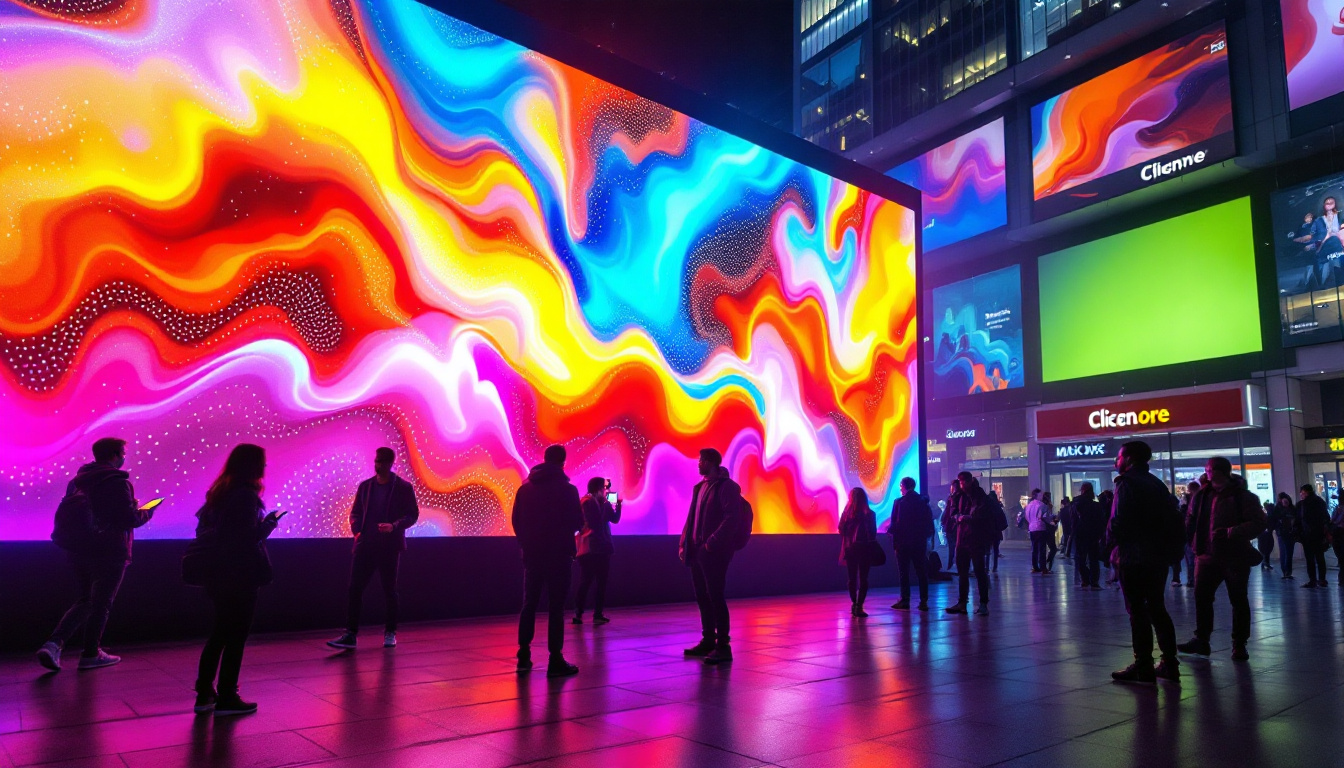
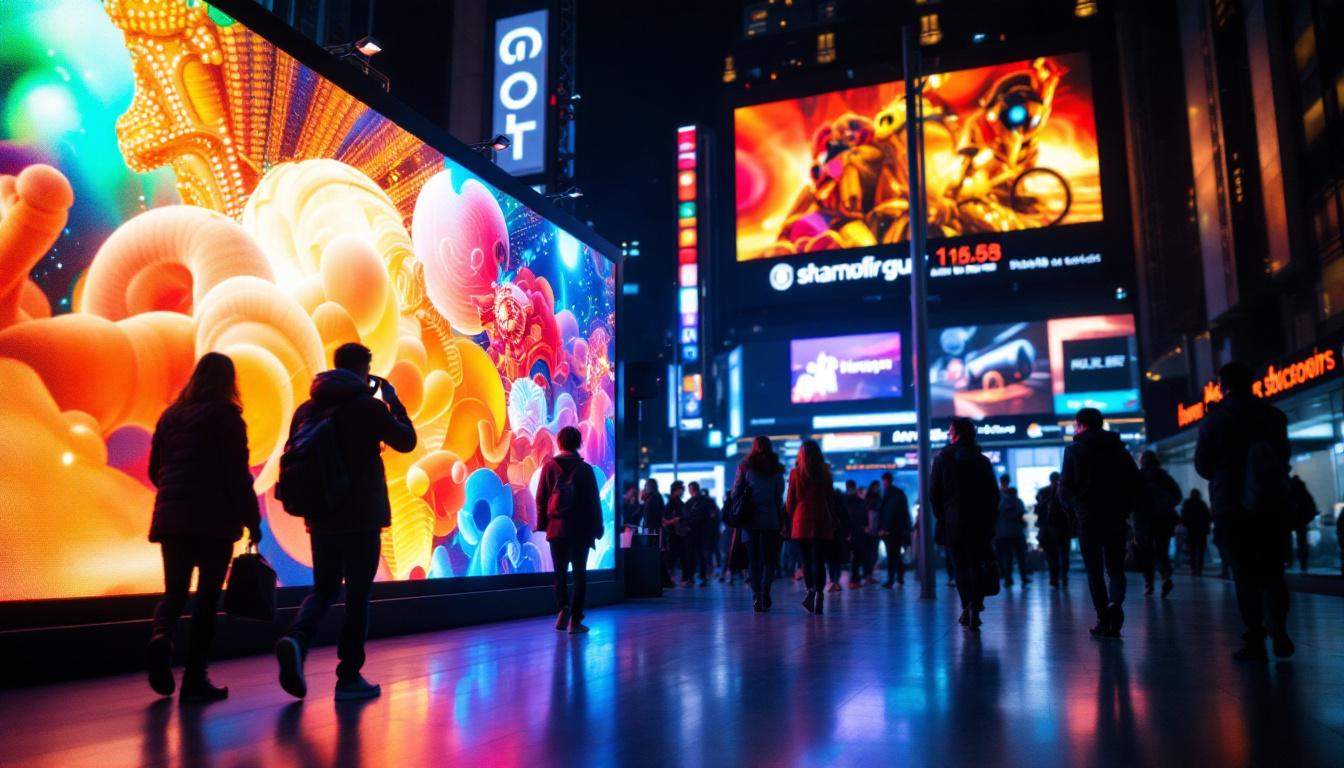
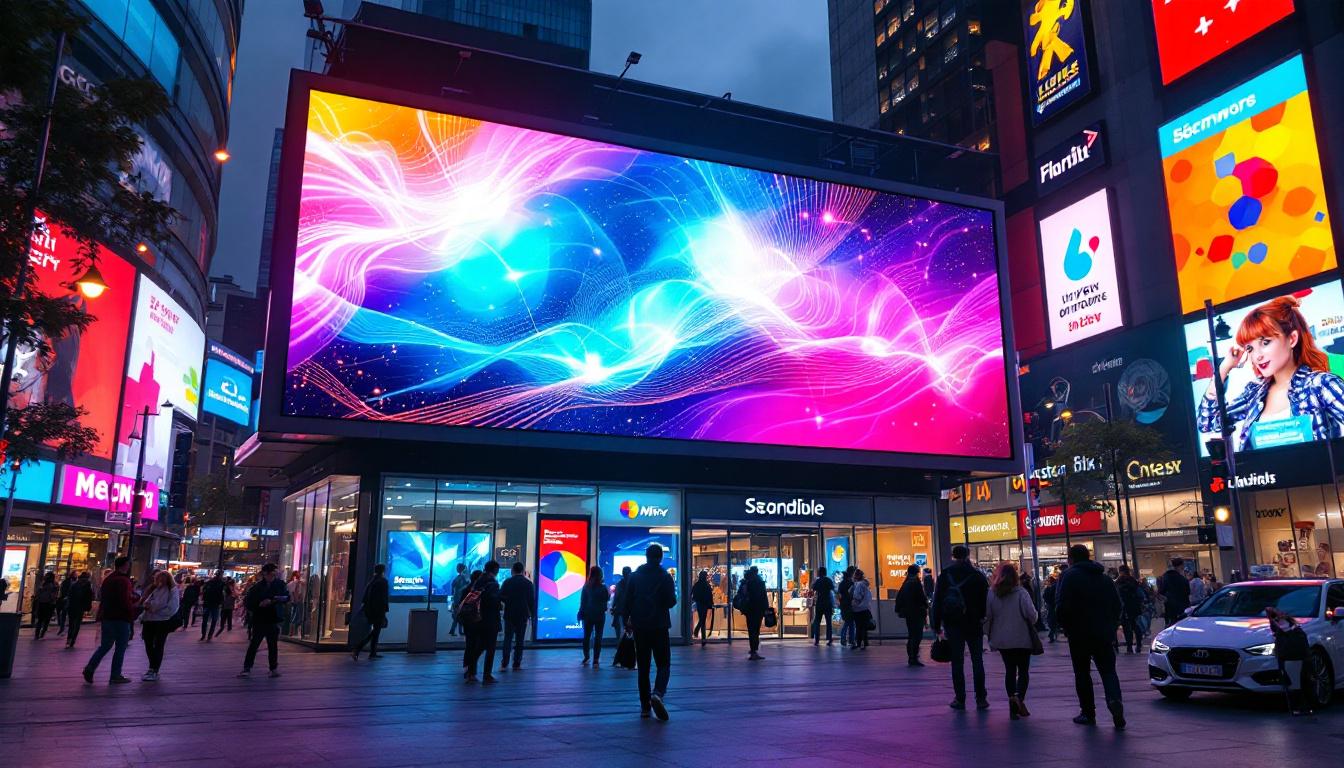
LED (Light Emitting Diode) digital billboards are large-scale displays composed of thousands of tiny LED modules that emit light to create vibrant images and videos. Unlike traditional static billboards, LED billboards can change content instantly, allowing advertisers to showcase multiple messages throughout the day or even interact with real-time data. This dynamic capability enables brands to tailor their messaging to specific audiences and times, enhancing engagement and effectiveness.
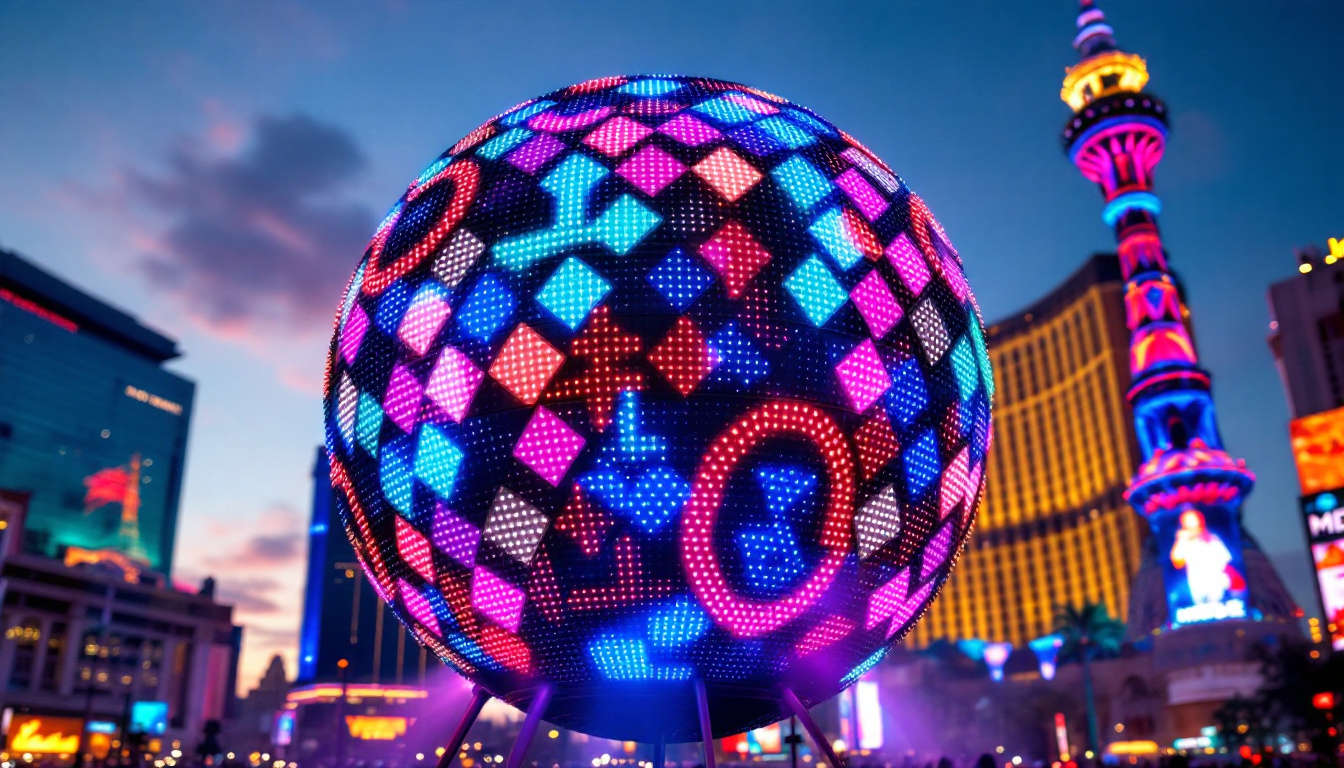
The core advantage of LED technology lies in its ability to produce bright, high-contrast visuals that remain visible even under direct sunlight. This makes LED billboards ideal for outdoor advertising, where visibility is paramount. Additionally, their modular design allows for flexible sizing and shapes, catering to various locations and marketing needs. The versatility of LED billboards means they can be found in a variety of settings, from bustling urban centers to remote highways, ensuring that advertisers can reach their target demographics wherever they are.
How LED Billboards Work
Each LED module consists of red, green, and blue diodes that combine to produce a full spectrum of colors through varying intensities. The modules are arranged in a grid, and a control system manages the light output of each diode to form images or videos. The resolution of an LED billboard depends on the pixel pitch—the distance between each LED module—with smaller pitches delivering sharper images at closer viewing distances. This technology not only allows for stunning visuals but also supports advanced features such as animations and video playback, which can captivate passersby and draw attention to the displayed content.
Comparison with Other Digital Display Technologies
While LCD and projection-based digital billboards exist, LED displays are generally preferred for outdoor use due to their superior brightness and durability. LCD screens struggle with glare and limited brightness outdoors, while projectors require controlled lighting conditions to be effective. LEDs also consume less power relative to their brightness output, making them more cost-efficient over time. Furthermore, LED technology boasts a longer lifespan compared to traditional display options, reducing the frequency of replacements and maintenance costs. This longevity, combined with their energy efficiency, makes LED billboards a sustainable choice for advertisers looking to minimize their environmental footprint while maximizing their reach.
Moreover, the rapid advancement of LED technology has led to innovations such as transparent LED displays and flexible LED screens, which open up new possibilities for creative advertising. Transparent displays can be integrated into windows, allowing brands to promote their messages without obstructing views, while flexible screens can be shaped to fit unconventional surfaces, offering unique advertising opportunities. As the market continues to evolve, LED digital billboards are likely to become even more sophisticated, incorporating features like augmented reality and interactive elements that engage consumers in entirely new ways.
Key Benefits of Buying an LED Digital Billboard
Investing in an LED digital billboard offers numerous advantages that can elevate your advertising strategy and business visibility.
1. Enhanced Visibility and Engagement
LED billboards are remarkably bright, often reaching over 5,000 nits of luminance, which ensures clear visibility even in direct sunlight. This heightened visibility increases the likelihood of capturing the attention of passersby, leading to higher engagement rates compared to static billboards.
Additionally, the dynamic nature of LED content—such as animations, videos, and real-time updates—can create more memorable and impactful advertising experiences. Studies show that digital billboards can increase brand recall by up to 47% compared to traditional billboards.
2. Flexibility and Content Control
One of the most compelling reasons to choose an LED digital billboard is the ability to update content instantly and remotely. Advertisers can schedule different messages for various times of the day, target specific demographics, or respond to current events and promotions without the need for physical replacements.
This flexibility supports multi-campaign strategies and allows businesses to test and optimize messaging in real time, which can lead to improved marketing effectiveness and reduced waste.
3. Durability and Longevity
LED billboards are designed to withstand harsh outdoor conditions, including rain, wind, and extreme temperatures. High-quality LED modules can last upwards of 100,000 hours, translating to more than a decade of continuous use. This longevity reduces maintenance costs and downtime, providing a reliable advertising platform over time.
4. Energy Efficiency and Sustainability
Compared to older lighting technologies, LEDs consume significantly less power while delivering superior brightness. This energy efficiency not only lowers operational costs but also aligns with growing corporate sustainability goals. Many LED billboard manufacturers now offer eco-friendly options, including solar-powered units and recyclable components.
Factors to Consider When Buying an LED Digital Billboard
Purchasing an LED digital billboard is a significant investment that requires careful consideration of various factors to ensure the display meets your business needs and budget.
Resolution and Pixel Pitch
The resolution of an LED billboard is determined by its pixel pitch, which is the distance between each LED cluster measured in millimeters. Smaller pixel pitches mean higher resolution and sharper images, which are essential for billboards viewed from close proximity, such as in urban centers or pedestrian-heavy areas.
For billboards intended to be seen from highways or long distances, a larger pixel pitch is acceptable and more cost-effective. Selecting the appropriate pixel pitch balances image quality with budget constraints.
Size and Viewing Distance
The physical size of the billboard should correspond with its intended viewing distance and location. Larger displays are more effective for highways and open spaces, while smaller, higher-resolution screens suit urban environments with closer foot traffic. Proper sizing ensures optimal visibility and message clarity.
Brightness and Weather Resistance
Brightness levels should be sufficient to maintain visibility in various lighting conditions, including direct sunlight. Most outdoor LED billboards offer automatic brightness adjustment sensors that modulate luminance based on ambient light, enhancing viewer comfort and energy savings.
Weather resistance ratings, such as IP65 or higher, indicate the display’s ability to resist dust and water ingress, which is critical for outdoor installations. Confirming these specifications with the manufacturer ensures your billboard will endure local climate conditions.
Content Management System (CMS)
An intuitive and robust CMS is vital for managing digital billboard content efficiently. Look for platforms that support remote access, scheduling, multiple users, and integration with data feeds for dynamic content such as news, weather, or social media updates.
Ease of use and technical support availability can significantly impact your ability to maintain fresh and relevant advertising content.
Installation and Maintenance
Consider the complexity of installation, including structural support, electrical requirements, and local permitting regulations. Partnering with experienced installers can streamline this process and ensure compliance with safety standards.
Maintenance services, including routine inspections, cleaning, and repairs, should be factored into the total cost of ownership. Some providers offer service contracts that can minimize downtime and extend the lifespan of your billboard.
Current Trends and Innovations in LED Digital Billboards
The digital billboard industry is continuously evolving, driven by technological advancements and changing consumer behaviors.
Integration with Data and AI
Modern LED billboards increasingly incorporate artificial intelligence and data analytics to deliver personalized and context-aware advertising. For example, some billboards adjust content based on real-time traffic patterns, weather conditions, or audience demographics detected through sensors and cameras.
This level of targeting enhances campaign effectiveness and provides measurable insights for advertisers.
Interactive and Augmented Reality Features
Interactive LED billboards are gaining traction, allowing consumers to engage with advertisements via mobile devices or touch-sensitive displays. Augmented reality (AR) elements can create immersive brand experiences that deepen consumer connection and drive social sharing.
Energy-Saving Technologies
Advancements in LED chip design and power management are making digital billboards even more energy-efficient. Some installations now incorporate solar panels or energy storage systems to reduce reliance on grid power and lower environmental impact.
Cost Considerations and Return on Investment
The cost of an LED digital billboard varies widely based on size, resolution, brightness, and additional features. On average, prices can range from $10,000 for smaller displays to several hundred thousand dollars for large, high-resolution billboards.
While the upfront investment may be substantial, the ability to run multiple campaigns, update content instantly, and attract higher engagement can lead to significant returns. According to industry reports, businesses leveraging digital billboards have seen up to a 30% increase in sales attributed directly to enhanced advertising visibility.
It is essential to perform a detailed cost-benefit analysis, factoring in installation, maintenance, energy consumption, and potential revenue uplift to justify the purchase.
Conclusion: Is an LED Digital Billboard Right for Your Business?
LED digital billboards represent a dynamic and impactful advertising medium that can transform how businesses communicate with their audiences. Their brightness, flexibility, and durability make them well-suited for a wide range of environments and marketing objectives.
By understanding the technology, benefits, and key purchasing considerations outlined in this article, businesses can make informed decisions that align with their goals and budgets. Whether aiming to increase brand awareness, promote time-sensitive offers, or engage customers interactively, investing in an LED digital billboard can provide a competitive edge in today’s crowded advertising space.
Discover LumenMatrix’s Innovative LED Solutions
Ready to elevate your advertising strategy with a digital billboard that stands out? LumenMatrix is at the forefront of LED display technology, offering a diverse range of solutions tailored to your unique needs. From Indoor and Outdoor LED Wall Displays to specialized options like Vehicle, Sports, and Floor LED Displays, we have the cutting-edge tools to boost your brand’s visibility. Experience the future of visual communication with our Custom, All-in-One, and Transparent LED Displays. Don’t just take our word for it; check out LumenMatrix LED Display Solutions today and see how we can help you make a lasting impression in the digital age.