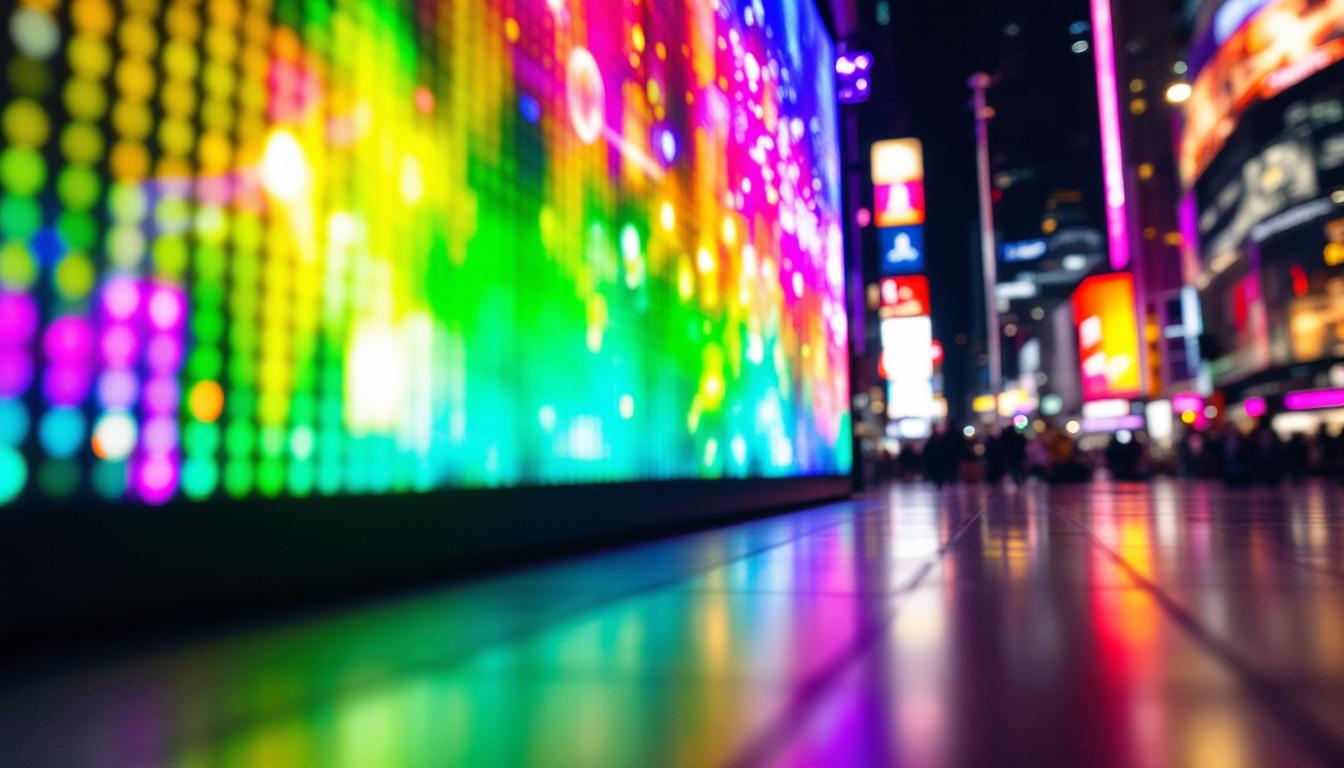
In an era where digital communication dominates, the demand for innovative display technologies continues to grow. Among these, long LED screens have emerged as a versatile and impactful solution for a variety of applications, from advertising to public information systems. This article delves into the world of long LED displays, exploring their technology, advantages, applications, and future trends to provide a comprehensive understanding of why they have become a staple in modern visual communication.
Understanding Long LED Screens: Technology and Structure
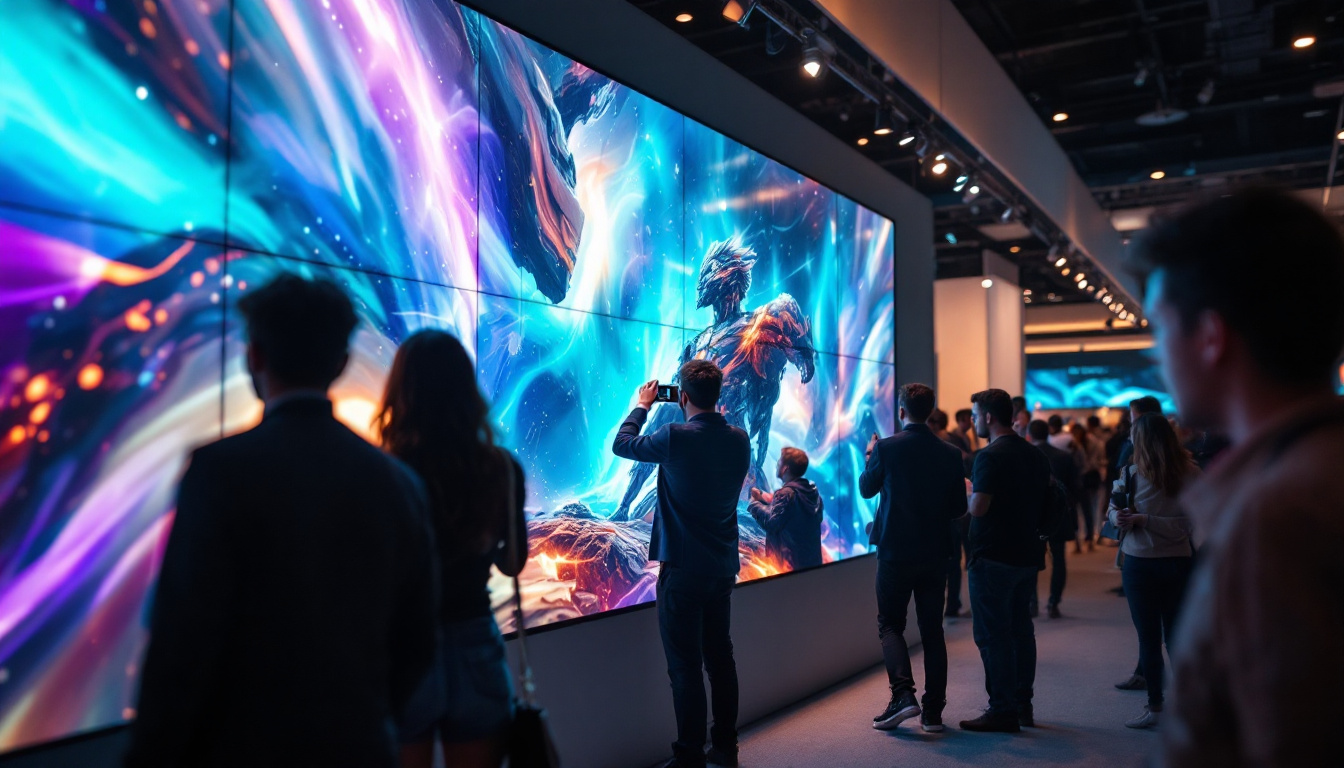
Long LED screens are essentially elongated digital displays composed of numerous light-emitting diodes (LEDs) arranged in a linear or panoramic format. Unlike traditional square or rectangular LED panels, these screens are designed to stretch horizontally or vertically, creating a continuous visual experience that can span several meters. This unique aspect makes them particularly popular in settings where a wide field of view is essential, such as sports arenas, concert venues, and large public events.
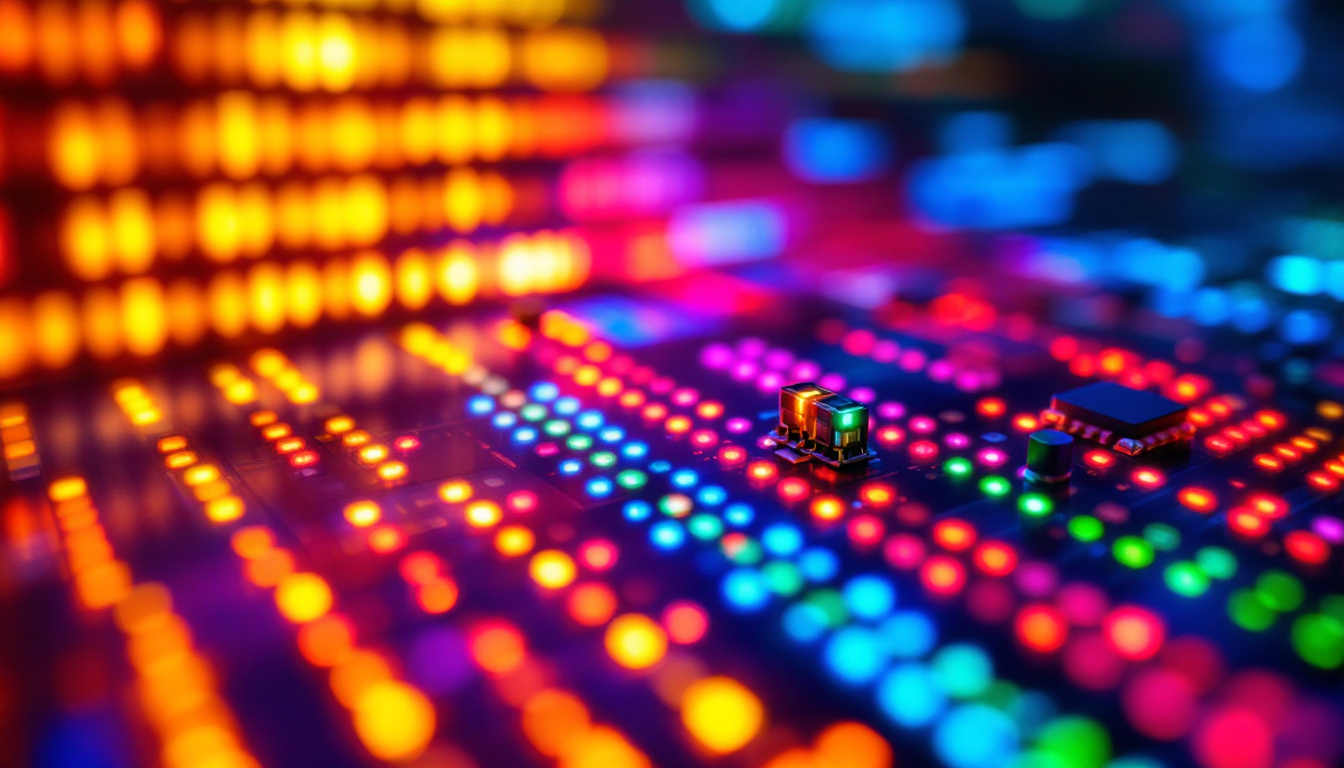
The core technology behind these displays involves individual LEDs that emit light when an electric current passes through them. These LEDs are grouped into pixels, which together form the images or videos displayed. Modern long LED screens use surface-mounted device (SMD) LEDs, known for their brightness, energy efficiency, and color accuracy. The integration of advanced technologies, such as HDR (High Dynamic Range) and 4K resolution, has further enhanced the visual quality, allowing for more vibrant colors and deeper contrasts that captivate audiences.
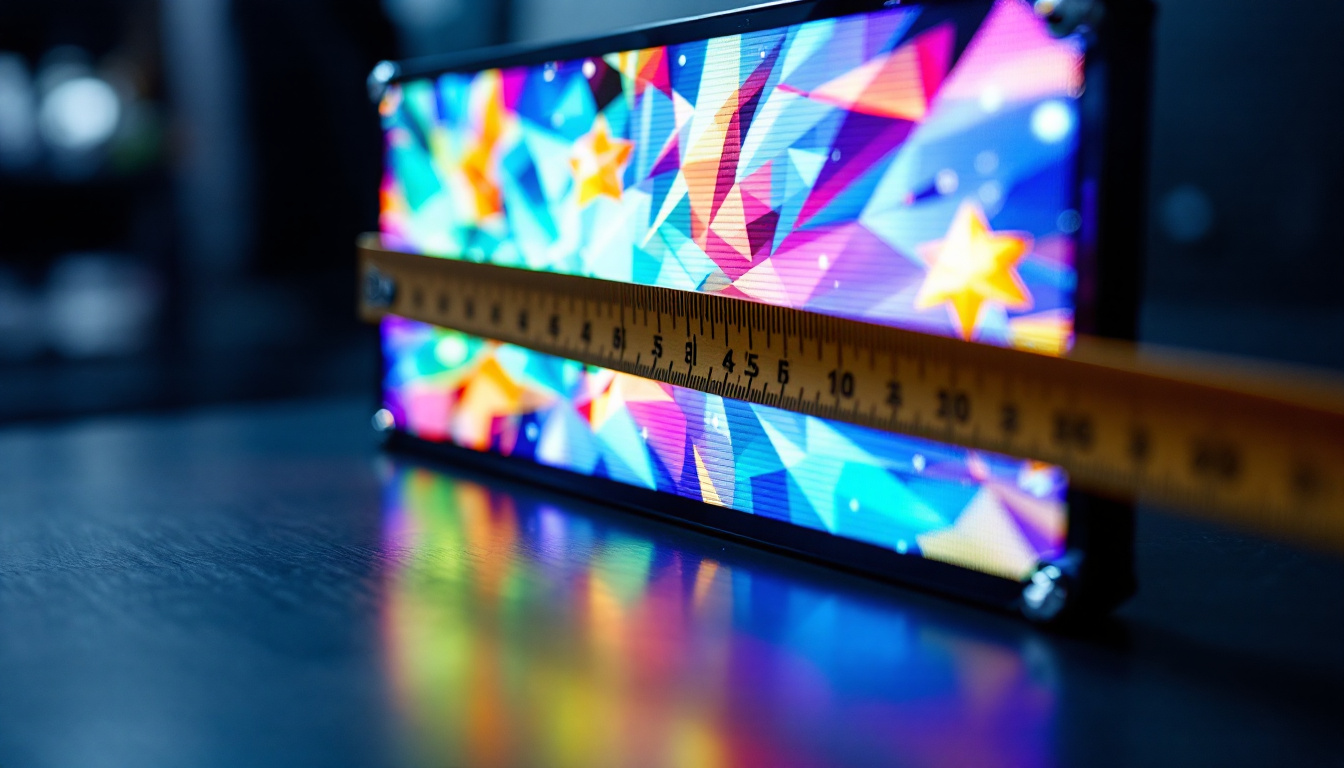
One of the critical factors in the design of long LED screens is pixel pitch — the distance between the centers of two adjacent pixels. A smaller pixel pitch results in higher resolution and sharper images, which is particularly important for screens viewed from close distances. Conversely, larger pixel pitches are suitable for long-distance viewing, such as roadside billboards. The choice of pixel pitch is crucial for optimizing the viewer’s experience, as it directly influences how the content is perceived depending on the viewing distance and angle.
Types of Long LED Displays
Long LED screens come in various configurations depending on their intended use:
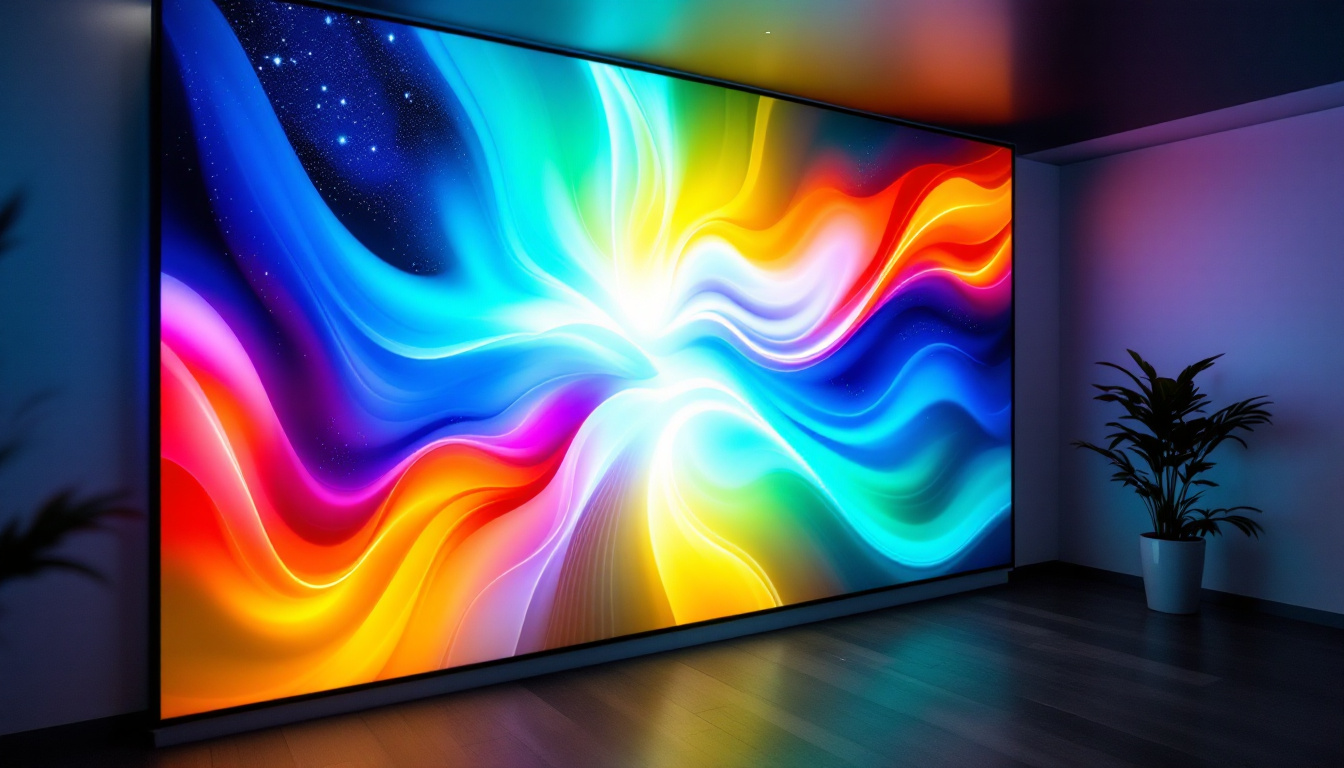
- Indoor Long LED Screens: These have a finer pixel pitch (often between 1.2mm to 3mm) to deliver crisp images in environments like shopping malls, airports, and conference halls. Their ability to display high-definition content makes them ideal for advertising, information dissemination, and even interactive installations that engage visitors.
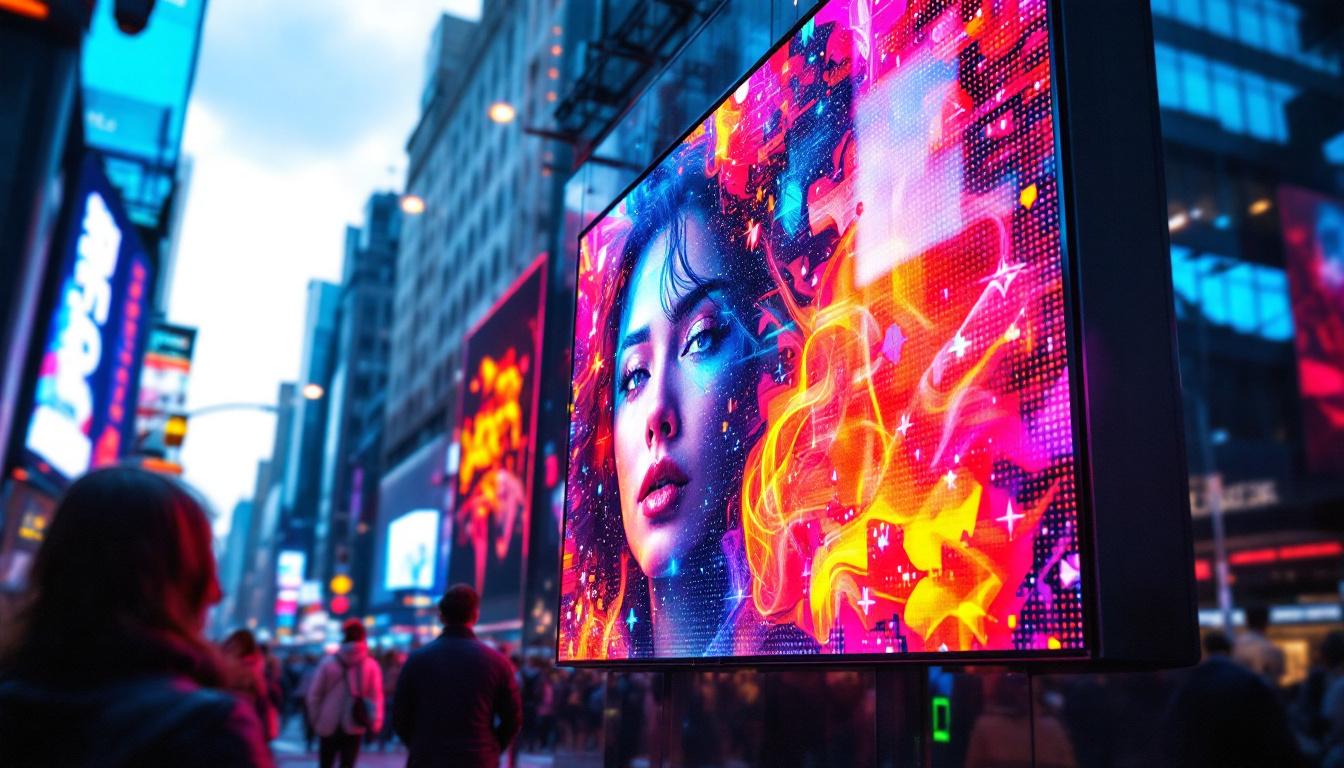
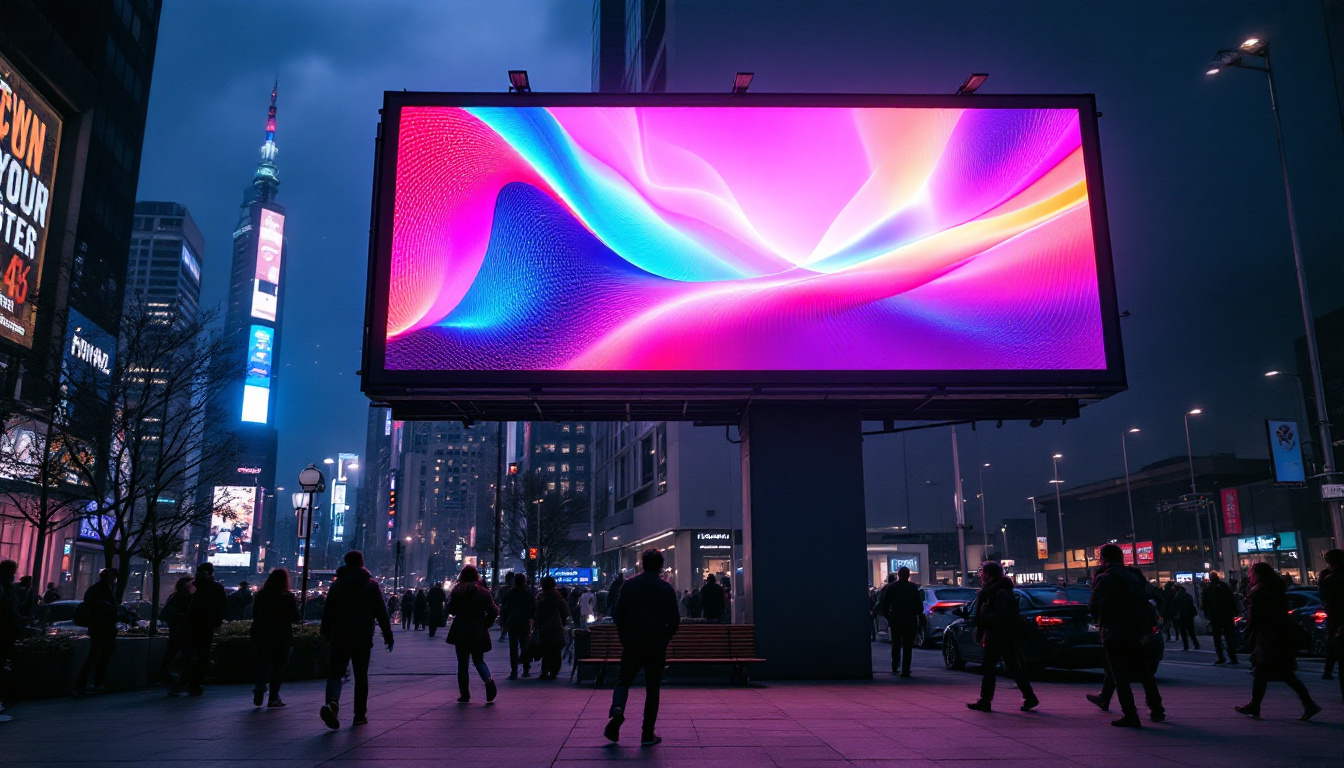
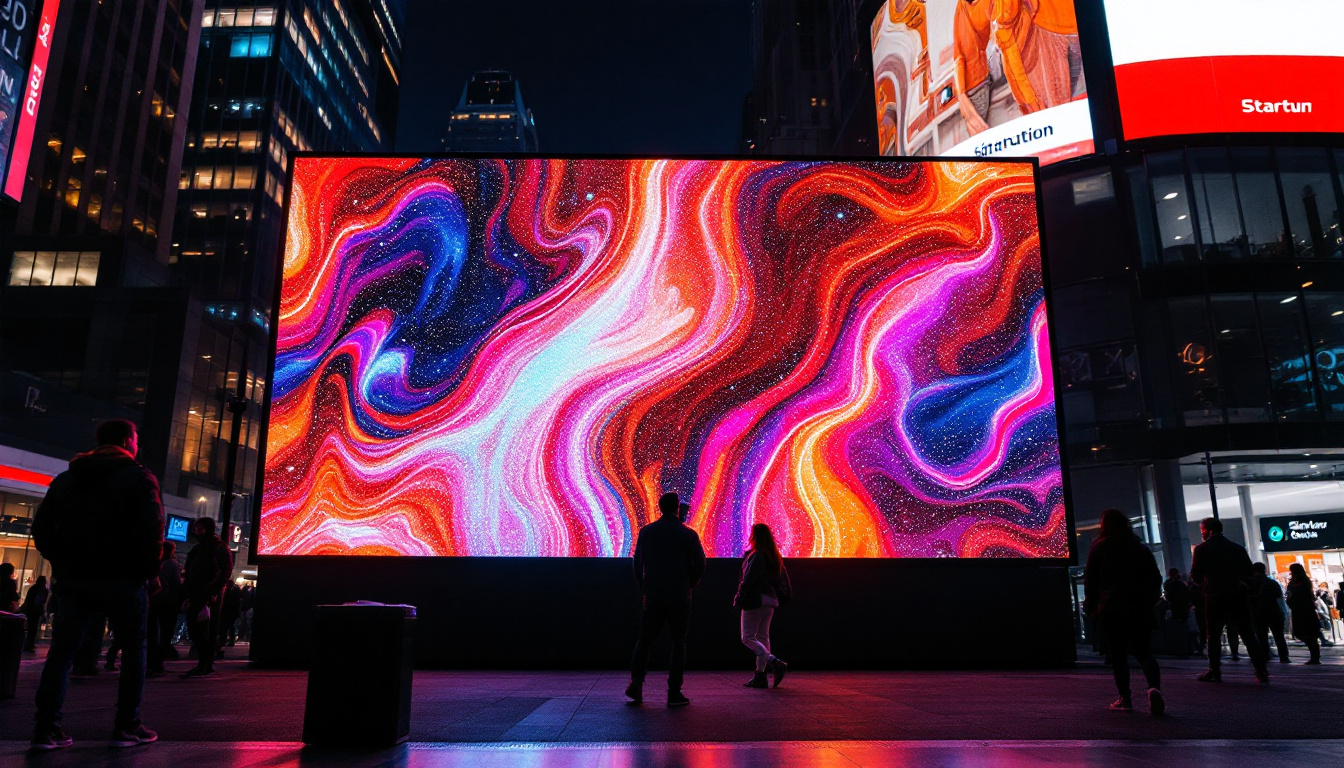
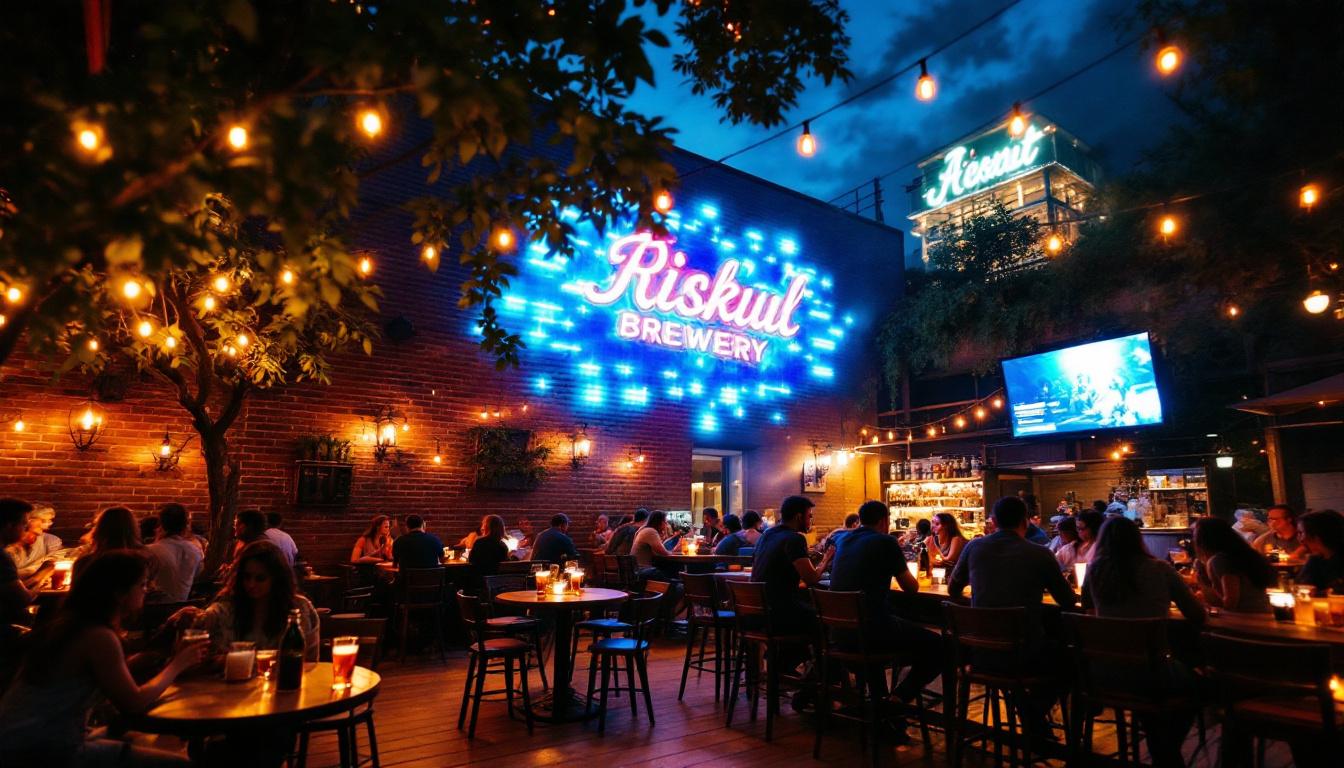
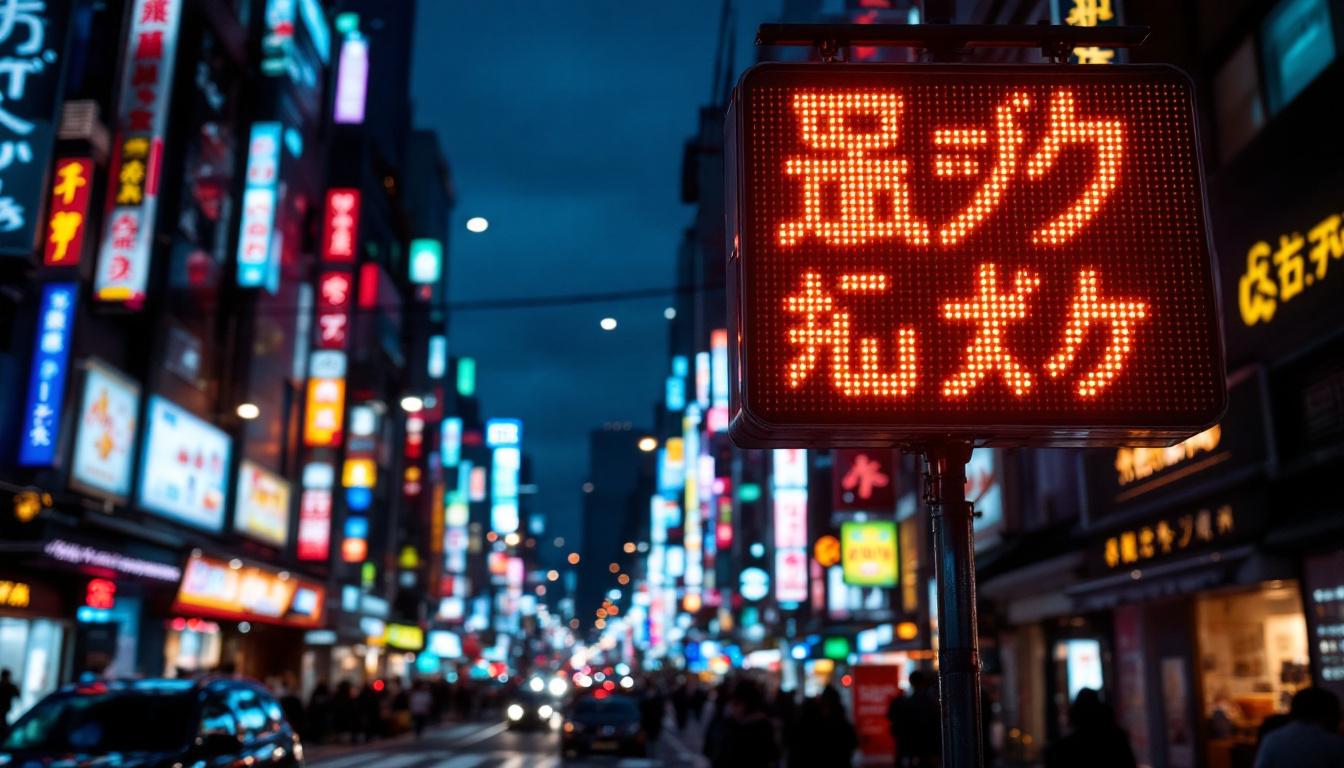
- Outdoor Long LED Screens: Designed to withstand weather conditions, these screens feature higher brightness levels (often exceeding 5,000 nits) and larger pixel pitches (typically 6mm to 20mm) to ensure visibility under direct sunlight. They are often used for large-scale advertising, public announcements, and event broadcasting, making them a staple in urban landscapes.
- Flexible and Curved LED Screens: Advances in LED technology have enabled the creation of flexible long screens that can wrap around architectural features, enhancing aesthetic appeal and engagement. These innovative displays can be utilized in creative ways, such as immersive environments in museums or dynamic stage designs for live performances.
Furthermore, the integration of smart technology into long LED screens has revolutionized their functionality. Many of these screens now come equipped with sensors and connectivity options that allow for real-time content updates and audience interaction. For instance, screens in retail environments can display personalized advertisements based on customer demographics or behaviors, while those in sports venues can provide live stats and instant replays, enriching the viewer experience. This adaptability not only maximizes the impact of the content displayed but also opens up new avenues for advertisers and content creators to engage with their audiences in meaningful ways.
Advantages of Long LED Screens Over Traditional Displays
Long LED screens offer several benefits that make them preferable to conventional display technologies such as LCD or projection systems, especially for large-scale and dynamic content presentation.
Superior Brightness and Visibility
One of the standout features of LED technology is its brightness. Long LED screens can achieve luminance levels far exceeding those of LCD displays, making them easily visible even in direct sunlight. This attribute is crucial for outdoor applications like advertising billboards or transportation hubs, where ambient light conditions can vary significantly.
Energy Efficiency and Longevity
Compared to other display types, LEDs consume less power, translating into cost savings over time. Their long operational lifespan—often rated at 50,000 to 100,000 hours—also reduces maintenance and replacement costs, making them a sustainable choice for businesses and municipalities.
Flexibility in Size and Shape
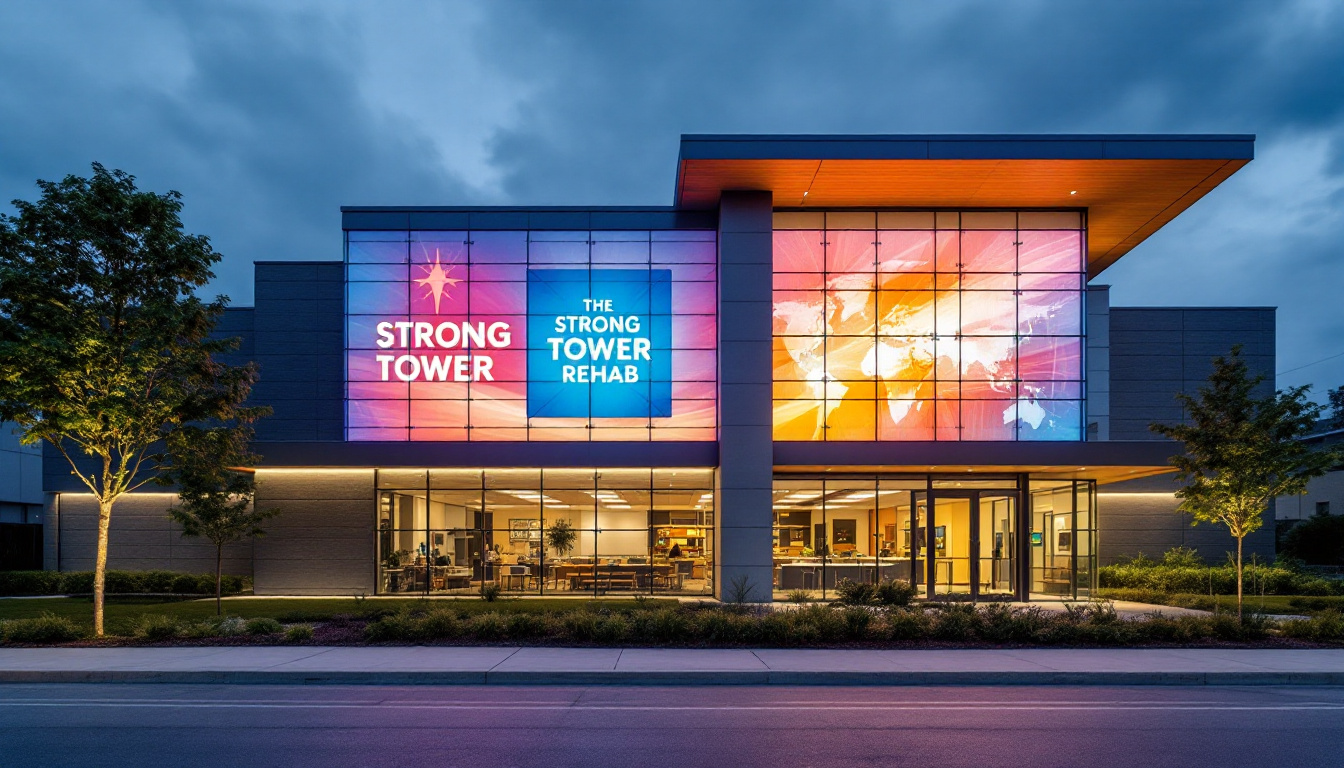
The modular nature of LED panels allows for customization of screen dimensions and shapes. Long LED screens can be tailored to fit narrow spaces such as building facades, stadium perimeters, or transportation platforms, where traditional screens would be impractical or impossible to install.
Dynamic and Engaging Content Delivery
LED displays support high-definition video, animations, and real-time data feeds, enabling dynamic content that captures attention more effectively than static signage. This capability is especially valuable in advertising, where engaging visuals can significantly influence consumer behavior.
Common Applications of Long LED Screens
The versatility of long LED screens has led to their widespread adoption across various industries and environments. Their ability to deliver clear, bright, and dynamic content makes them ideal for both informational and promotional purposes.
Advertising and Marketing
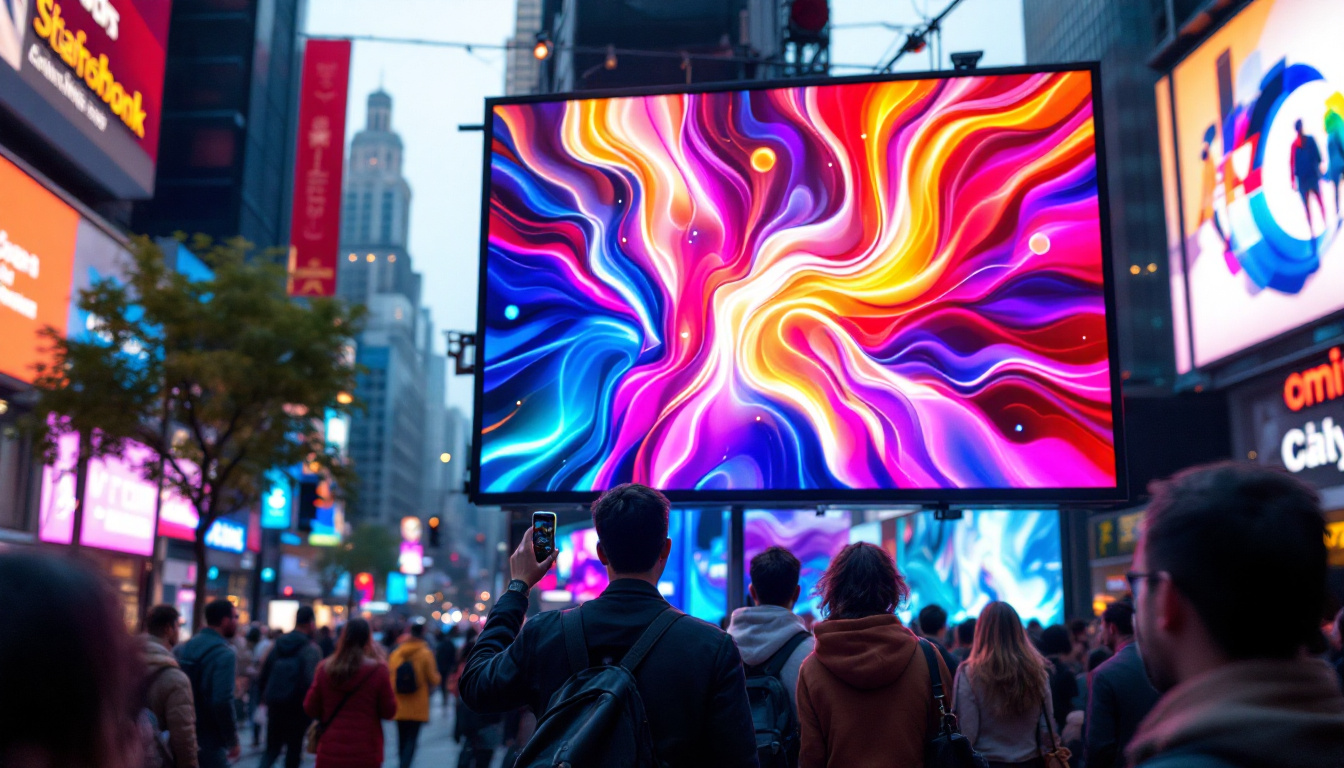
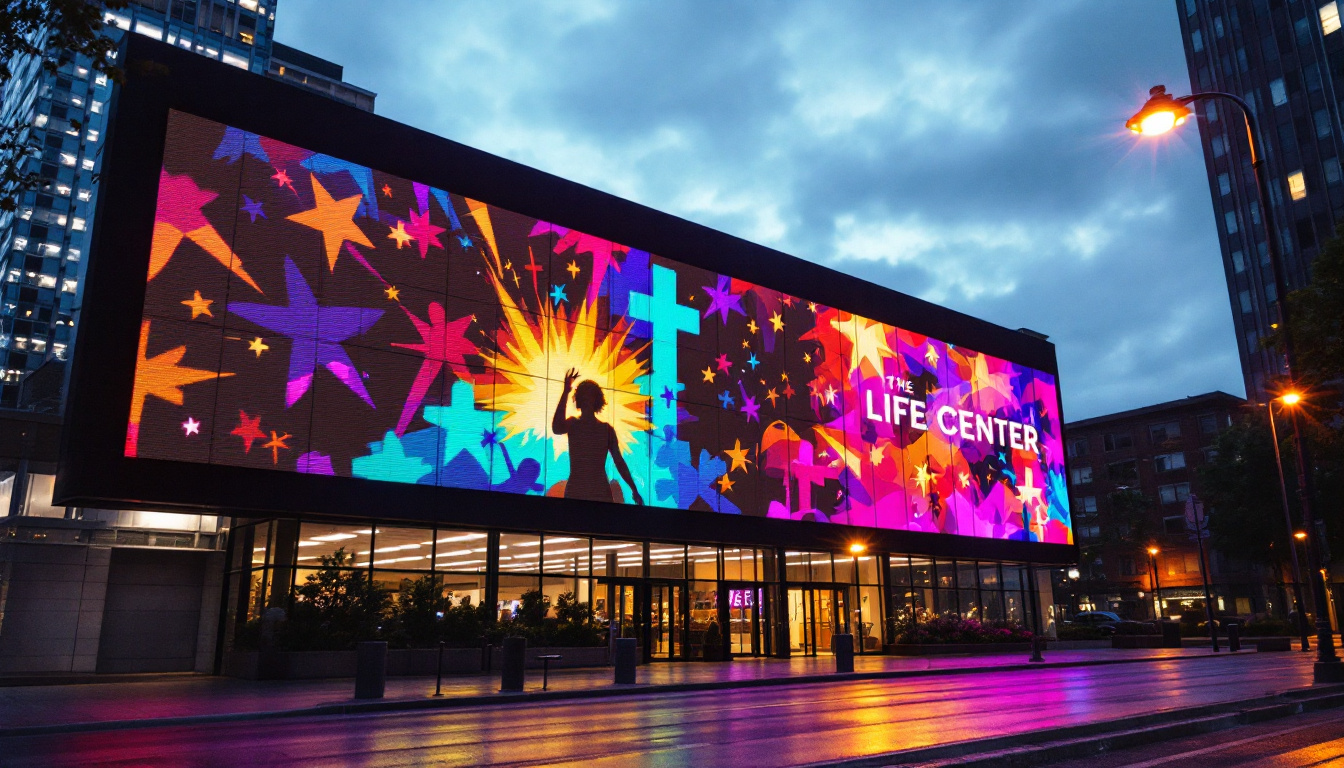
Outdoor advertising has been revolutionized by the advent of long LED screens. These displays can be installed along highways, on building exteriors, or within shopping centers to broadcast advertisements that are visible from great distances and in all lighting conditions. According to a 2023 report by the Digital Signage Federation, LED-based digital signage has increased advertising engagement rates by up to 30% compared to traditional static billboards.
Moreover, the ability to update content remotely and instantly allows advertisers to tailor messages based on time of day, weather, or audience demographics, enhancing the effectiveness of campaigns.
Transportation and Public Information
Long LED screens are extensively used in airports, train stations, and bus terminals to provide travelers with real-time information such as schedules, delays, and safety announcements. Their high visibility ensures that critical messages are communicated clearly, reducing confusion and improving passenger experience.
Additionally, many cities have integrated long LED displays into their public transit systems to offer dynamic route maps and emergency alerts, contributing to smarter and safer urban mobility.
Sports and Entertainment Venues
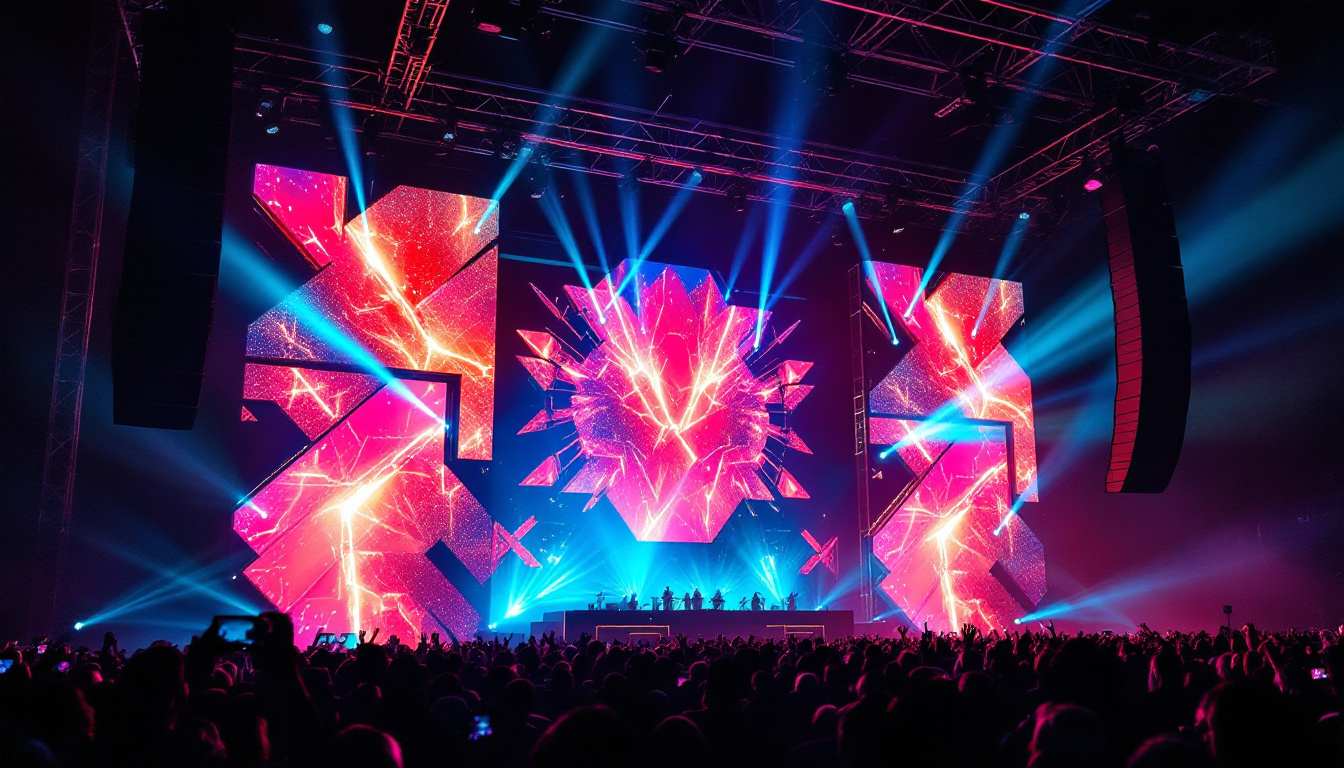
Stadiums and arenas utilize long LED screens along sidelines, scoreboards, and perimeter advertising to enhance spectator engagement. These screens deliver instant replays, player statistics, and interactive content that enrich the live event experience. The 2022 FIFA World Cup, for example, showcased extensive use of long LED screens to provide immersive viewing experiences both inside and outside the stadiums.
Corporate and Retail Environments
In corporate settings, long LED screens serve as digital signage for branding, internal communications, and event presentations. Retailers use them to create eye-catching window displays or in-store promotions that attract customers and drive sales. The adaptability of these screens to different sizes and resolutions makes them suitable for a variety of spatial constraints.
Installation and Maintenance Considerations
While long LED screens offer numerous benefits, successful deployment requires careful planning and ongoing maintenance to ensure optimal performance and longevity.
Site Assessment and Structural Requirements
Before installation, a thorough site assessment is essential to determine the appropriate screen size, resolution, and brightness. Structural integrity must be evaluated, especially for large outdoor installations, to ensure the mounting surface can support the weight and withstand environmental stresses such as wind and vibration.
Power and Connectivity
Long LED screens require reliable power sources and data connections. Modern displays often use Ethernet or fiber optic cables for content transmission, enabling high-speed updates and remote management. Backup power solutions are also recommended to prevent outages during critical periods.
Maintenance and Repairs
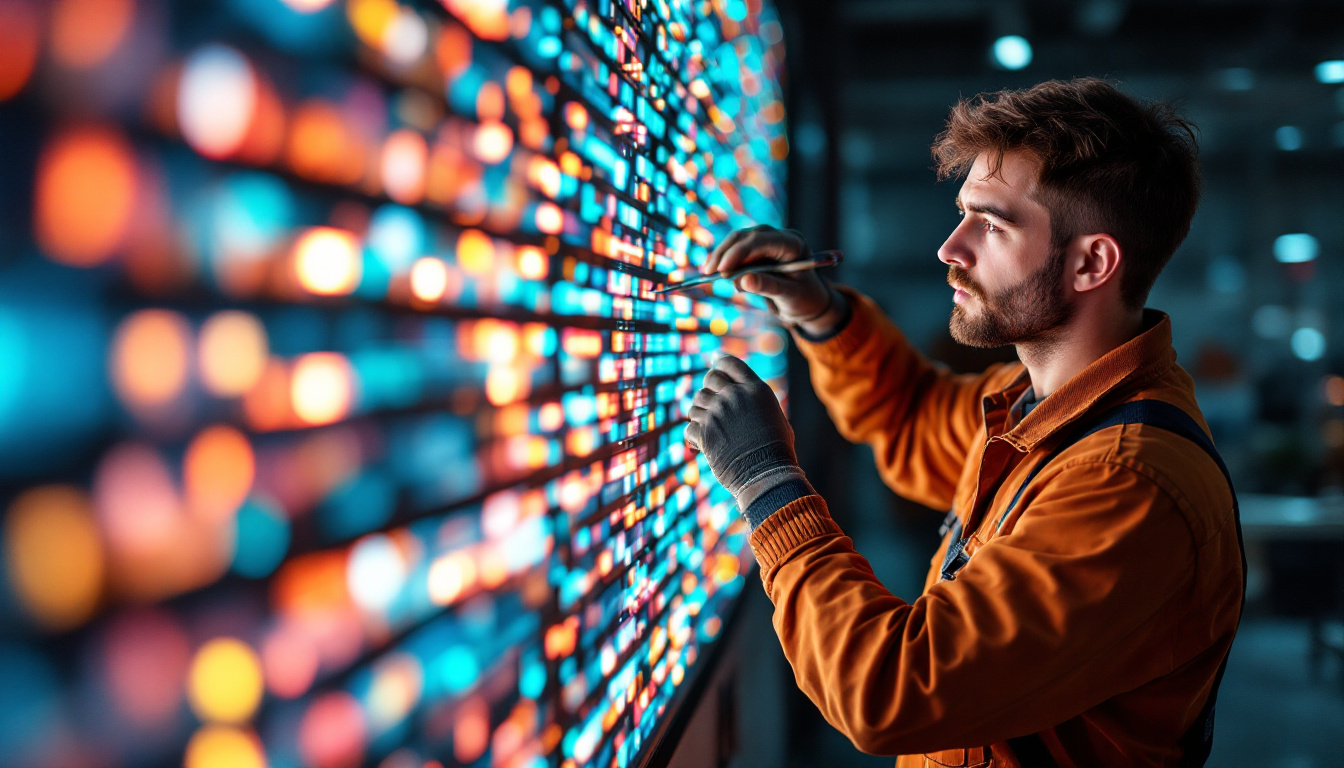
Regular maintenance involves cleaning the screen surface, checking for dead pixels, and ensuring all LEDs function correctly. Many manufacturers provide diagnostic tools that allow operators to monitor screen health remotely. Prompt repair of any damaged modules is vital to maintain image quality and prevent further deterioration.
Future Trends in Long LED Display Technology
The LED display industry continues to evolve rapidly, driven by advancements in materials, manufacturing techniques, and software integration. Several emerging trends are set to enhance the capabilities and applications of long LED screens.
MicroLED and MiniLED Innovations
MicroLED technology, which uses microscopic LEDs to create displays with exceptional brightness, contrast, and energy efficiency, promises to revolutionize long screen applications. Although still in early stages of commercial deployment, MicroLEDs offer the potential for ultra-high resolution and flexible form factors without the burn-in issues associated with OLEDs.
Integration with Artificial Intelligence
Artificial intelligence (AI) is increasingly being integrated into LED display systems to optimize content delivery. AI algorithms can analyze audience demographics, weather conditions, and traffic patterns to automatically adjust displayed content for maximum engagement and relevance.
Enhanced Interactivity and Immersive Experiences
Future long LED screens are expected to incorporate interactive features such as touch sensitivity, gesture recognition, and augmented reality overlays. These enhancements will transform passive viewing into active participation, opening new possibilities for marketing, education, and entertainment.
Conclusion
Long LED screens represent a powerful and flexible medium for visual communication, combining technological sophistication with practical advantages. Their superior brightness, energy efficiency, and customizable formats make them ideal for a wide range of applications, from advertising and public information to entertainment and corporate use.
As technology advances, these displays will become even more dynamic and interactive, further enhancing their impact and value. For businesses and organizations looking to captivate audiences and convey messages effectively, investing in long LED screen technology offers a future-proof solution that meets the demands of today’s fast-paced digital world.
Discover the Future of Visual Communication with LumenMatrix
Ready to elevate your visual messaging with the latest in LED display technology? LumenMatrix is at the forefront of creating immersive and dynamic visual experiences. Whether you need an Indoor LED Wall Display for your corporate headquarters, an Outdoor LED Wall Display for impactful advertising, or any of our other innovative solutions like Vehicle LED Displays or LED Sports Displays, we have you covered. Embrace the future of digital signage with LumenMatrix and transform how you engage with your audience. Check out LumenMatrix LED Display Solutions today and start making a lasting impression.