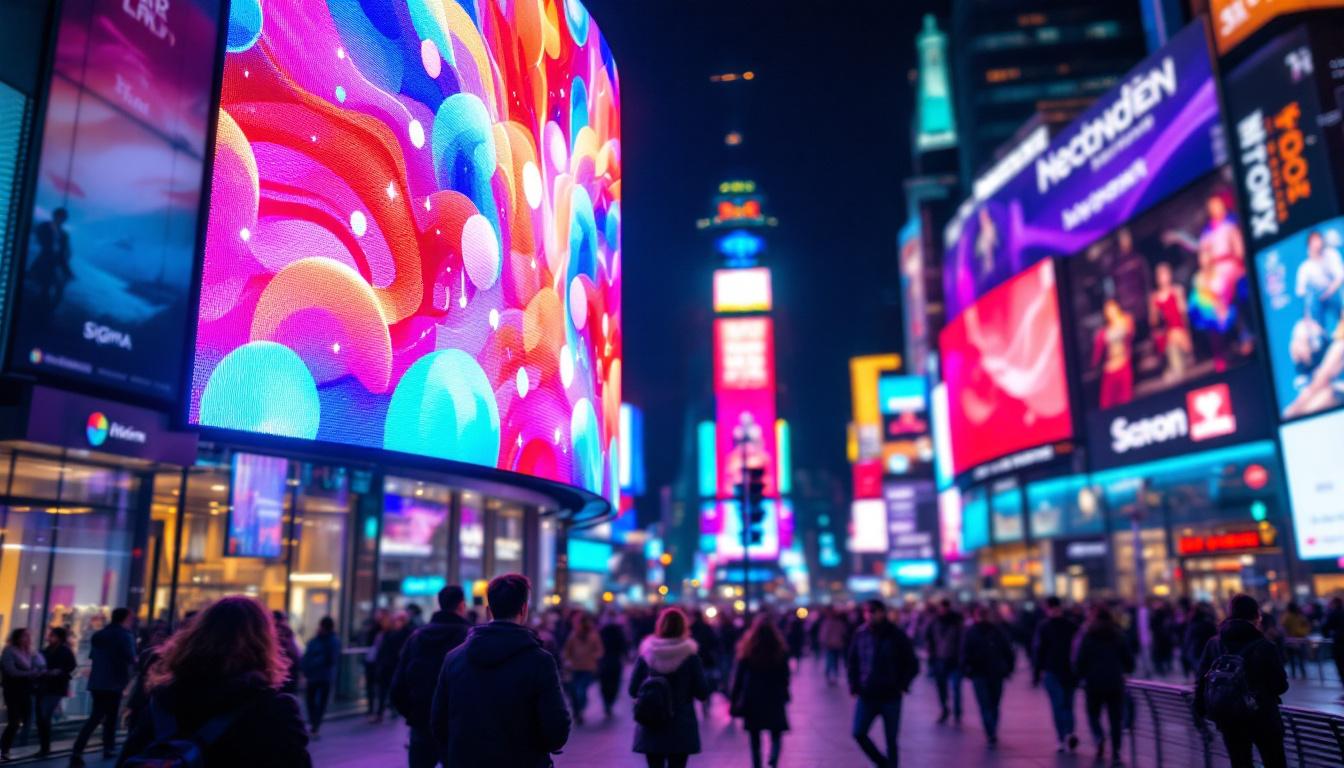
In the world of digital displays, especially LED technology, understanding how physical dimensions translate into digital pixels is crucial for designers, engineers, and marketers alike. The conversion from millimeters (mm) to pixels (px) is more than just a simple calculation—it forms the foundation for creating visually stunning and technically precise LED displays. This article explores the essentials of mm to px conversion, the principles behind LED displays, and how these concepts come together to impact display quality and performance.
Understanding the Basics: What is Mm to Px Conversion?
Millimeters (mm) and pixels (px) represent two different units of measurement. Millimeters measure physical length or size in the real world, while pixels are the smallest units of a digital image or display. When working with LED screens, converting mm to px allows designers to map physical dimensions to the digital grid, ensuring that images and text appear as intended on the screen.
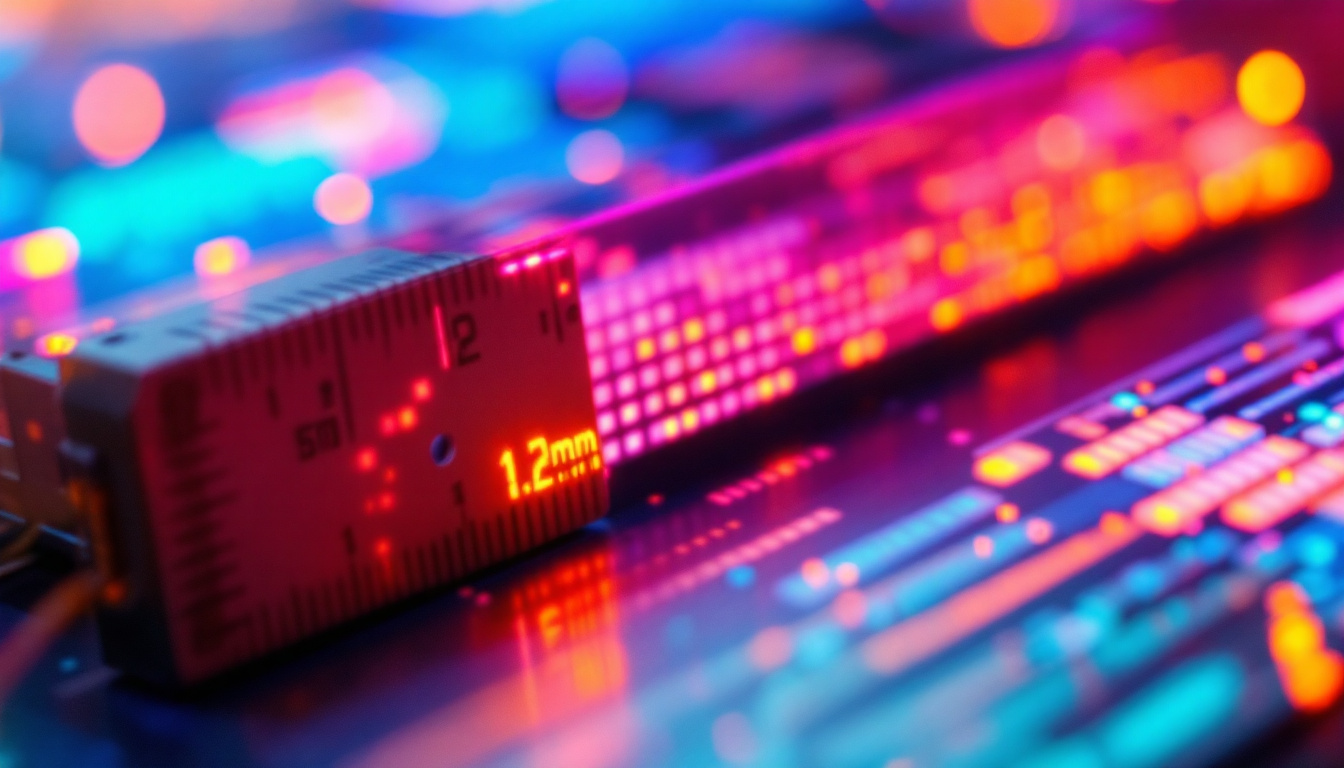
The conversion depends largely on the pixel density, often expressed as pixels per inch (PPI) or pixels per millimeter (PPM). For LED displays, pixel pitch—the distance between the centers of two adjacent pixels—is a critical factor. Pixel pitch is typically measured in millimeters and directly influences the resolution and clarity of the display. A smaller pixel pitch means more pixels are packed into a given area, resulting in finer detail and sharper images, which is particularly important for high-resolution applications like digital signage and video walls.
Why is Mm to Px Conversion Important?
Without accurate conversion, content designed for an LED display may appear distorted, blurry, or improperly scaled. For example, a graphic designed at 100 mm wide must be translated into the correct number of pixels to fit perfectly on the screen. This ensures that the image maintains its aspect ratio and sharpness, which is vital for readability and visual impact. The importance of this conversion becomes even more pronounced when considering various display types, such as those used in retail environments or public displays, where clarity can significantly affect viewer engagement and message retention.
Moreover, understanding mm to px conversion helps in planning the display’s physical size and resolution, optimizing viewing distance, and managing costs. Higher resolutions with smaller pixel pitches tend to be more expensive, so balancing these factors is essential for effective LED display design. Additionally, designers must consider the intended viewing distance; for instance, displays viewed from a closer range require higher pixel density to prevent the individual pixels from becoming visible, which can detract from the overall viewing experience. This interplay between physical dimensions, resolution, and viewer proximity is crucial for creating visually appealing and effective digital content.
The Fundamentals of LED Displays
LED (Light Emitting Diode) displays have become ubiquitous in advertising, entertainment, and information dissemination due to their brightness, durability, and flexibility. To grasp the significance of mm to px conversion, it is important to understand how LED displays function and what parameters define their performance.
What is Pixel Pitch?
Pixel pitch is the physical distance between the centers of two adjacent pixels on an LED display, usually measured in millimeters. It determines the density of pixels per unit area and directly affects the display’s resolution and viewing distance. For instance, a pixel pitch of 2 mm means that each pixel is spaced 2 mm apart from its neighbor.
Smaller pixel pitches result in higher resolution and sharper images, suitable for close-up viewing, such as indoor displays or control rooms. Larger pixel pitches are common in outdoor billboards or stadium screens where viewers are farther away.
Resolution and Viewing Distance
The resolution of an LED display is the total number of pixels arranged horizontally and vertically. It is influenced by the pixel pitch and the physical size of the display. A 2-meter wide display with a 2 mm pixel pitch will have more pixels than a 2-meter display with a 10 mm pixel pitch.
Viewing distance plays a crucial role in determining the optimal pixel pitch. The general rule is that the viewing distance in meters should be at least equal to the pixel pitch in millimeters multiplied by 1,000. For example, a 5 mm pixel pitch display is best viewed from at least 5 meters away to avoid seeing individual pixels.
How to Convert Mm to Px for LED Displays
Converting millimeters to pixels for LED displays involves understanding the relationship between pixel pitch and the physical size of the display. The formula is straightforward:
Number of pixels = Physical size in mm ÷ Pixel pitch in mm
This formula applies to both width and height dimensions. For example, if an LED panel is 1,000 mm wide and has a pixel pitch of 5 mm, the horizontal pixel count is:
1,000 mm ÷ 5 mm = 200 pixels
Similarly, if the height is 500 mm, the vertical pixel count is:
500 mm ÷ 5 mm = 100 pixels
Therefore, the total resolution of the display would be 200 x 100 pixels.
Practical Example: Designing a Banner for an LED Display
Imagine designing a digital banner for an outdoor LED screen that measures 3,000 mm wide by 1,500 mm high, with a pixel pitch of 10 mm. To determine the resolution:
- Width in pixels: 3,000 mm ÷ 10 mm = 300 pixels
- Height in pixels: 1,500 mm ÷ 10 mm = 150 pixels
The banner design should therefore be created at 300 x 150 pixels to fit perfectly on the display. If the design is created at a higher resolution, it will be downscaled, potentially losing sharpness. If it’s smaller, it will be upscaled, causing pixelation.
Using Software Tools for Conversion
Many graphic design and LED display management software tools incorporate mm to px conversion features, allowing users to input physical dimensions and pixel pitch to generate accurate pixel dimensions. These tools reduce human error and save time, especially for large-scale projects.
However, understanding the underlying math remains important for troubleshooting and communicating with manufacturers or clients.
Factors Affecting Mm to Px Conversion Accuracy
While the basic formula for mm to px conversion is simple, several factors can influence accuracy and the final display quality. Awareness of these factors helps in making informed decisions and achieving optimal results.
Pixel Shape and Arrangement
LED pixels are not always perfect squares; some displays use rectangular or triangular pixel arrangements to optimize brightness and viewing angles. This can affect how pixel pitch is measured and how mm to px conversion is applied.
For example, a hexagonal pixel arrangement may have different horizontal and vertical pixel pitches, requiring separate calculations for width and height.
Display Module Variations
LED displays are often composed of multiple modules or panels joined together. Variations in module size, alignment, and manufacturing tolerances can introduce small discrepancies between theoretical and actual pixel counts.
Designers should account for these variations, especially in large video walls or curved displays, to ensure seamless visuals.
Scaling and Resolution Matching
Content created at a certain pixel resolution may need to be scaled to fit the LED display. Scaling can introduce artifacts such as blurring or aliasing if not done properly. Using native resolution matching based on mm to px conversion minimizes these issues.
Applications of Mm to Px Conversion in LED Display Industries
The conversion from millimeters to pixels is foundational in several industries that rely on LED displays. Understanding this relationship empowers professionals to create effective visual communications and technological solutions.
Advertising and Digital Signage
Outdoor billboards and indoor digital signage rely on precise mm to px conversion to ensure that advertisements are sharp, legible, and visually appealing. Pixel pitch selection based on viewing distance and environment is critical for maximizing impact and return on investment.
Broadcast and Event Production
In live events, concerts, and broadcast studios, LED walls provide dynamic backdrops and information displays. Accurate mm to px conversion allows content creators to design visuals that fit perfectly on the LED surfaces, maintaining synchronization between physical and digital elements.
Control Rooms and Command Centers
High-resolution LED displays in control rooms require precise pixel mapping to display data, video feeds, and alerts clearly. The mm to px conversion ensures that critical information is displayed at the correct scale and resolution, enhancing operational efficiency.
Future Trends in LED Display Technology and Measurement
As LED technology advances, the relationship between physical dimensions and pixel resolution continues to evolve. Emerging trends influence how mm to px conversion is applied and understood.
MicroLED and Higher Pixel Density
MicroLED technology promises even smaller pixel pitches—down to less than 1 mm—enabling ultra-high-resolution displays with exceptional brightness and energy efficiency. This development will require even more precise mm to px conversions to leverage the technology’s full potential.
Flexible and Transparent LED Displays
Innovations in flexible and transparent LED panels introduce new challenges in measurement and conversion. Curved or irregular surfaces require dynamic pixel mapping, where mm to px conversion must consider three-dimensional geometry and viewing angles.
Integration with Augmented Reality (AR) and Virtual Reality (VR)
LED displays increasingly integrate with AR and VR systems, where pixel density and physical size must be finely tuned to create immersive experiences. Accurate mm to px conversion is essential for aligning digital content with real-world dimensions.
Conclusion: Mastering Mm to Px Conversion for Optimal LED Display Design
Understanding how to convert millimeters to pixels is fundamental for anyone involved in LED display design and deployment. It bridges the gap between physical hardware and digital content, ensuring that visuals are rendered with clarity, precision, and impact.
By mastering the principles of pixel pitch, resolution, and viewing distance, professionals can optimize LED displays for diverse applications—from massive outdoor billboards to intricate control room walls. As LED technology continues to advance, the importance of accurate mm to px conversion will only grow, enabling richer, more immersive visual experiences.
Whether you are a designer, engineer, or marketer, investing time in understanding this conversion process will pay dividends in the quality and effectiveness of your LED display projects.
Discover the Future of Visual Communication with LumenMatrix
Ready to take your LED display projects to the next level? LumenMatrix is at the forefront of LED display innovation, offering a wide array of solutions that transform any space into a dynamic visual experience. From Indoor and Outdoor LED Wall Displays to specialized options like Vehicle, Sports, and Floor LED Displays, our products are designed to make your brand stand out. Embrace the power of advanced LED technology and create immersive environments with our Custom, All-in-One, and Transparent LED Displays. Check out LumenMatrix LED Display Solutions today and start crafting your message with unparalleled clarity and impact.