In today’s fast-evolving technology landscape, ultra-thin TVs have become a staple in modern homes, offering sleek aesthetics without compromising on performance. Among the various sizes available, the 32-inch ultra-thin LED TV stands out as a versatile option for bedrooms, kitchens, offices, and smaller living spaces. Understanding what makes these displays tick can help consumers make informed decisions when purchasing their next television.
This article delves into the technology behind ultra-thin 32-inch LED TVs, exploring their design, display quality, energy efficiency, and how they compare to other display types. Whether you’re a tech enthusiast or simply looking to upgrade your current setup, this comprehensive guide will clarify the key aspects of LED displays in ultra-thin TVs.
What Defines an Ultra Thin TV?
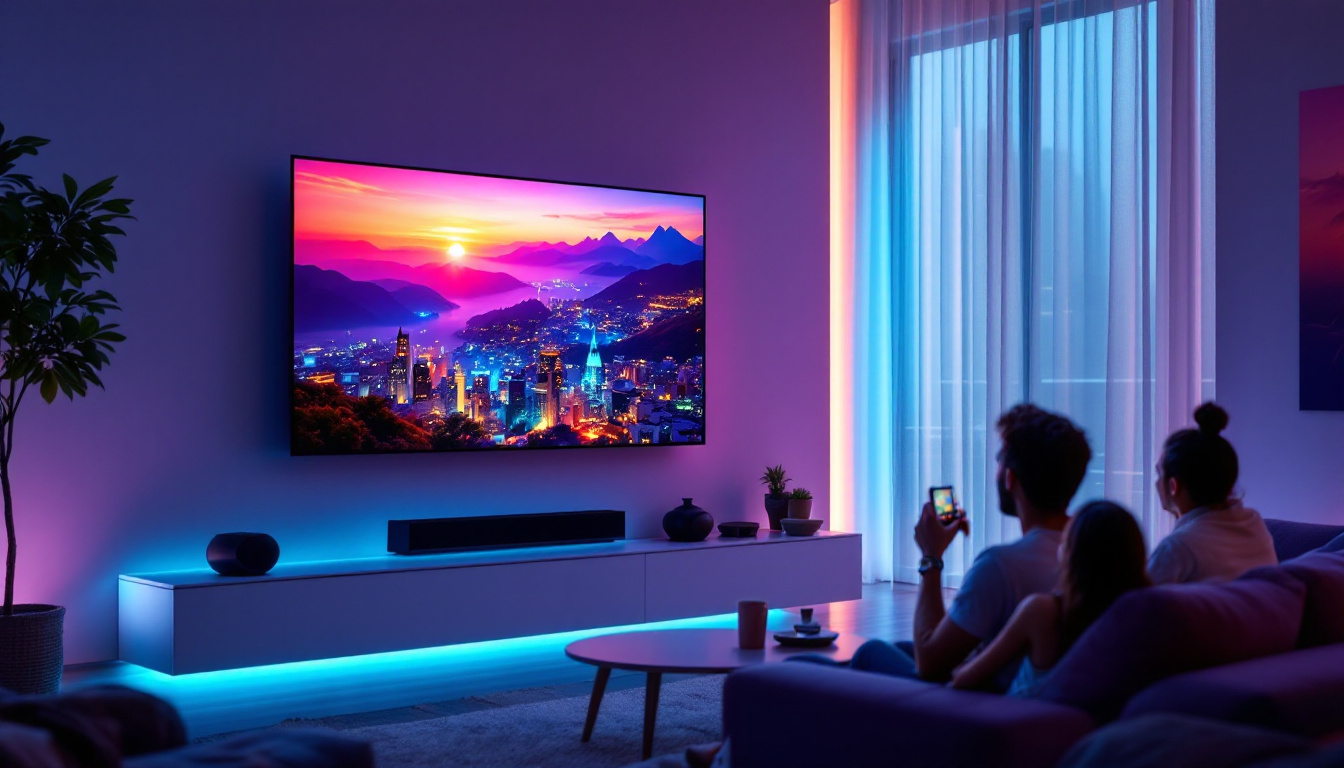
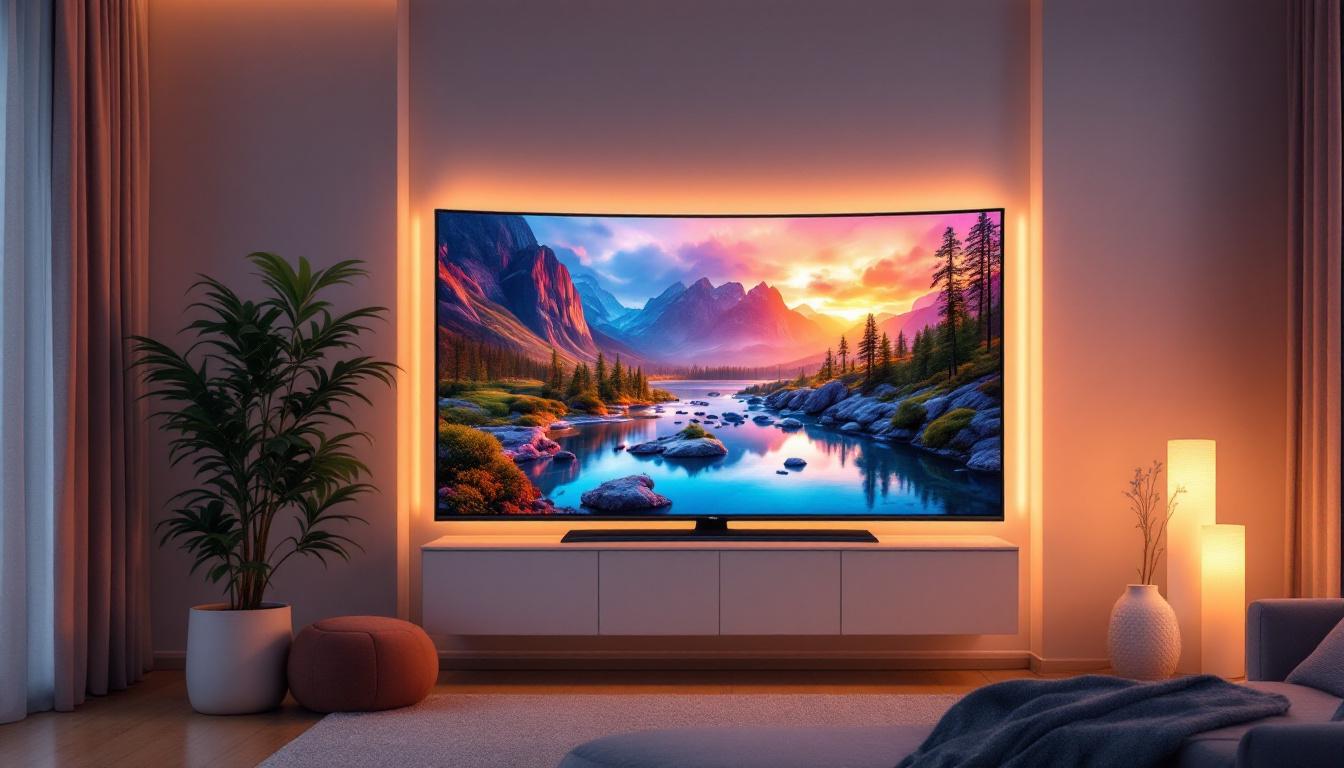
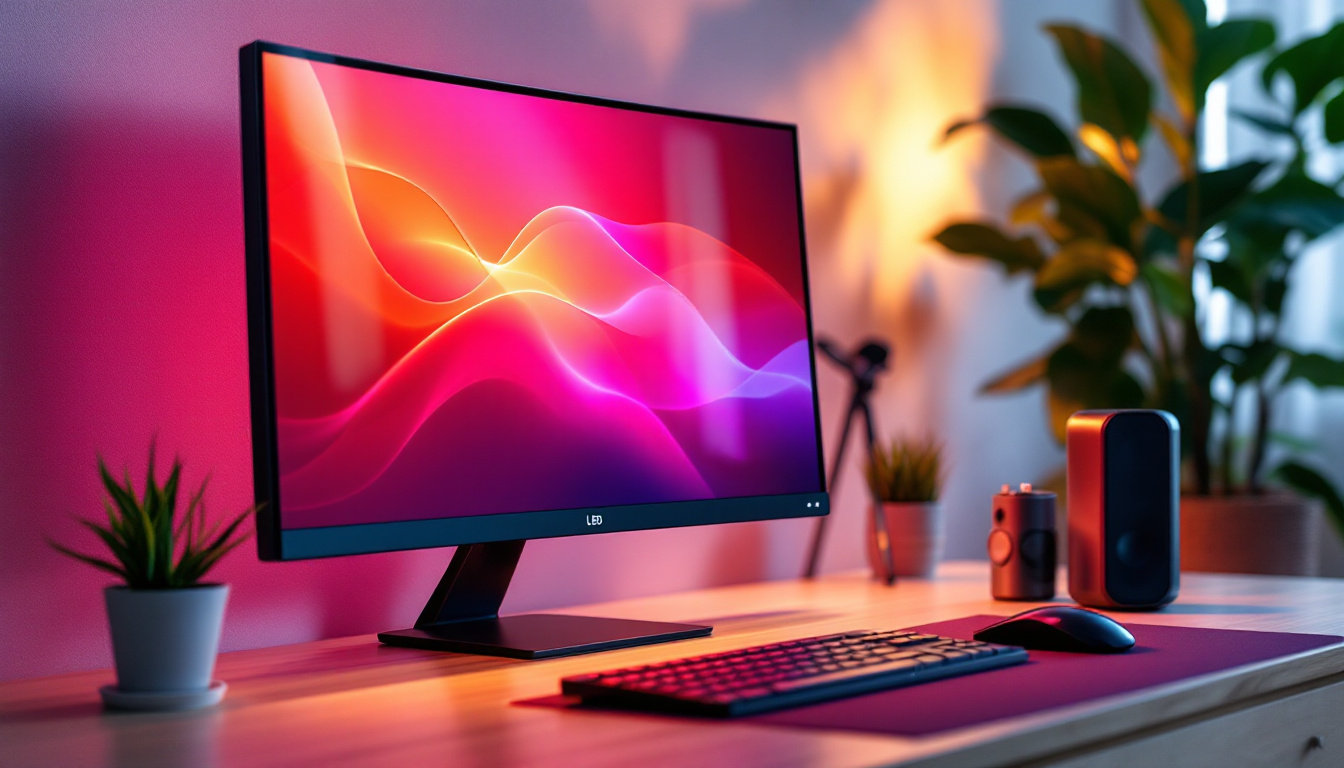
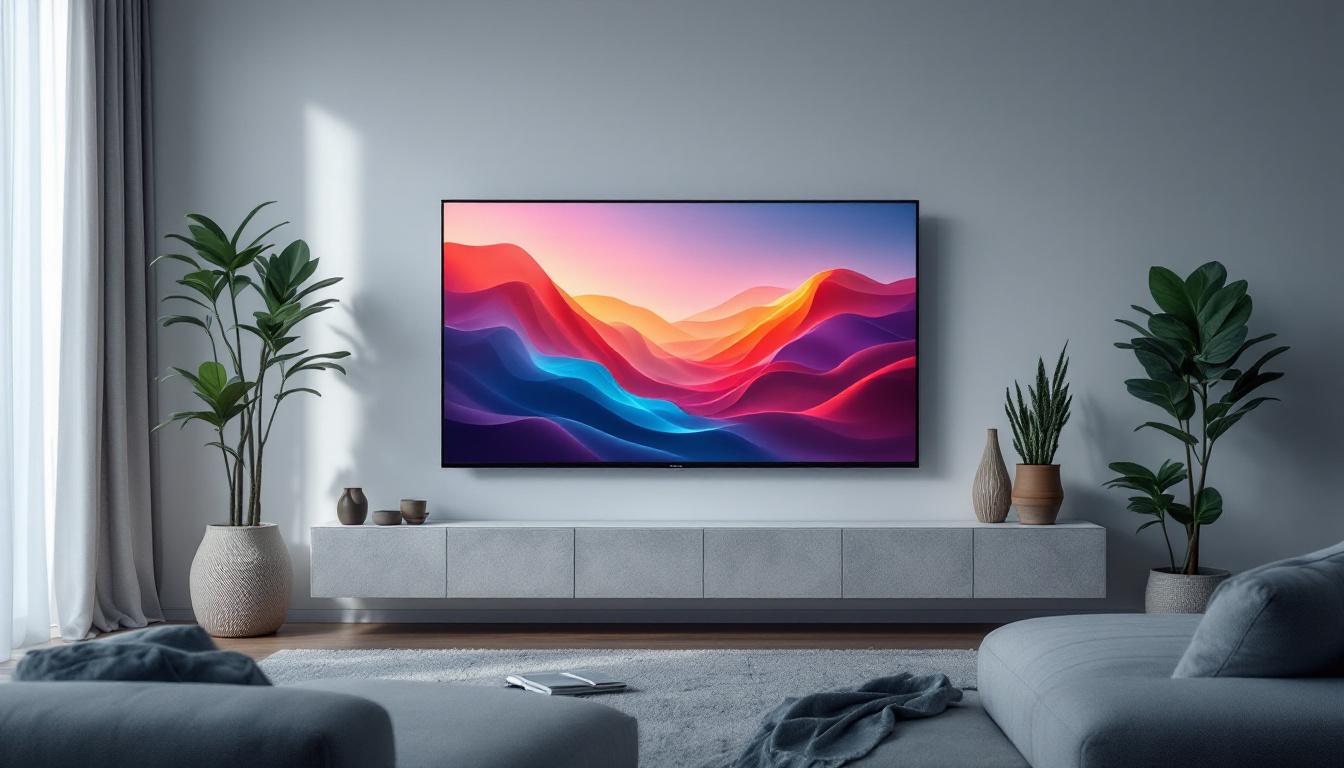
Ultra-thin TVs are characterized primarily by their slim profile, often measuring just a few millimeters thick. This design innovation not only enhances the visual appeal but also facilitates flexible placement options, such as wall mounting or fitting into tight spaces. The evolution of display technology has allowed manufacturers to push the boundaries of design, resulting in televisions that are not only functional but also serve as a statement piece in any room.
For a 32-inch TV, the ultra-thin form factor typically means a thickness of less than 4 centimeters (about 1.5 inches). This is a significant reduction compared to older models, which could be several inches thick due to bulky components like cathode ray tubes or even early LCD panels. The shift to LED and OLED technologies has played a crucial role in this transformation, allowing for thinner screens without compromising on picture quality or performance.
The Benefits of a Slim Profile
The ultra-thin design offers several advantages:
- Space-saving: Ideal for small rooms or multi-purpose areas where space is at a premium.
- Modern Aesthetics: Complements contemporary interior designs with minimalist and sleek looks.
- Lightweight: Easier to handle, mount, and transport.
These benefits make ultra-thin 32-inch TVs particularly popular among renters, dorm residents, and anyone seeking a compact yet stylish display solution. Additionally, the reduced weight of these TVs means that they can often be mounted on walls with less robust support systems, making installation simpler and more accessible for the average consumer. This ease of installation is especially appealing for those who frequently relocate or wish to change their living space’s layout without the hassle of heavy lifting.
Moreover, ultra-thin TVs often come equipped with advanced smart features, allowing users to stream content directly from the internet, access apps, and even control their TV with voice commands. This integration of technology not only enhances the viewing experience but also aligns with the growing trend of smart home devices, where convenience and connectivity are paramount. As a result, these TVs are not just about aesthetics; they represent a convergence of style and cutting-edge technology that caters to modern lifestyles.
Understanding LED Display Technology
The term “LED TV” often causes confusion. It’s important to clarify that LED TVs are essentially LCD TVs that use Light Emitting Diodes (LEDs) as their backlighting source instead of the older Cold Cathode Fluorescent Lamps (CCFLs). This distinction is crucial in understanding the improvements LED technology brings. With the rapid advancement in display technology, consumers are often faced with a plethora of options, making it essential to grasp the fundamentals of how these technologies function and their respective benefits.
How LED Backlighting Works
LCD panels themselves do not emit light; they rely on a backlight to illuminate the pixels. In LED TVs, a matrix of tiny LEDs is placed behind or around the edges of the LCD panel to provide this illumination. This setup allows for better control over brightness and contrast compared to CCFL backlights. The arrangement of these LEDs can significantly influence the overall picture quality, with full-array setups providing superior performance in dark scenes by allowing specific areas of the screen to dim independently.
There are two primary types of LED backlighting:
- Edge-lit LED: LEDs are positioned along the edges of the screen, and light is diffused across the display. This allows for ultra-thin designs but can sometimes lead to uneven brightness.
- Full-array LED: LEDs are distributed evenly behind the entire screen, enabling local dimming and better contrast ratios.
For ultra-thin 32-inch TVs, edge-lit LED technology is more common due to its slim profile advantages. However, as screen sizes increase, consumers often gravitate towards full-array LED options for the enhanced viewing experience they provide, particularly in larger home theater setups.
Advantages of LED Displays Over Older Technologies
Compared to CCFL-backlit LCDs and plasma displays, LED TVs offer:
- Improved Energy Efficiency: LEDs consume less power, reducing electricity bills and environmental impact.
- Better Brightness and Contrast: Enhanced control over lighting results in more vibrant images and deeper blacks.
- Longer Lifespan: LEDs typically last longer than CCFLs, ensuring durability.
- Thinner and Lighter Panels: Enabling the ultra-thin designs that consumers desire.
In addition to these advantages, LED technology has also paved the way for innovations such as HDR (High Dynamic Range), which allows for a broader range of colors and brightness levels, further enhancing the viewing experience. This technology can make scenes appear more lifelike, with details in both the shadows and highlights that were previously lost in standard displays. Moreover, the rapid evolution of smart TV features integrated into LED displays has transformed how we consume content, allowing for seamless streaming, gaming, and connectivity with other devices, making them a versatile choice for modern entertainment needs.
Why Choose a 32-Inch Ultra Thin LED TV?
The 32-inch size strikes a balance between screen real estate and space efficiency. It is large enough to provide an immersive viewing experience while remaining compact for smaller rooms.
Ideal Use Cases
Some common scenarios where a 32-inch ultra-thin LED TV excels include:
- Bedrooms and Guest Rooms: A perfect size for casual viewing without overwhelming the space.
- Kitchens and Dining Areas: Easy to mount and unobtrusive, ideal for background entertainment.
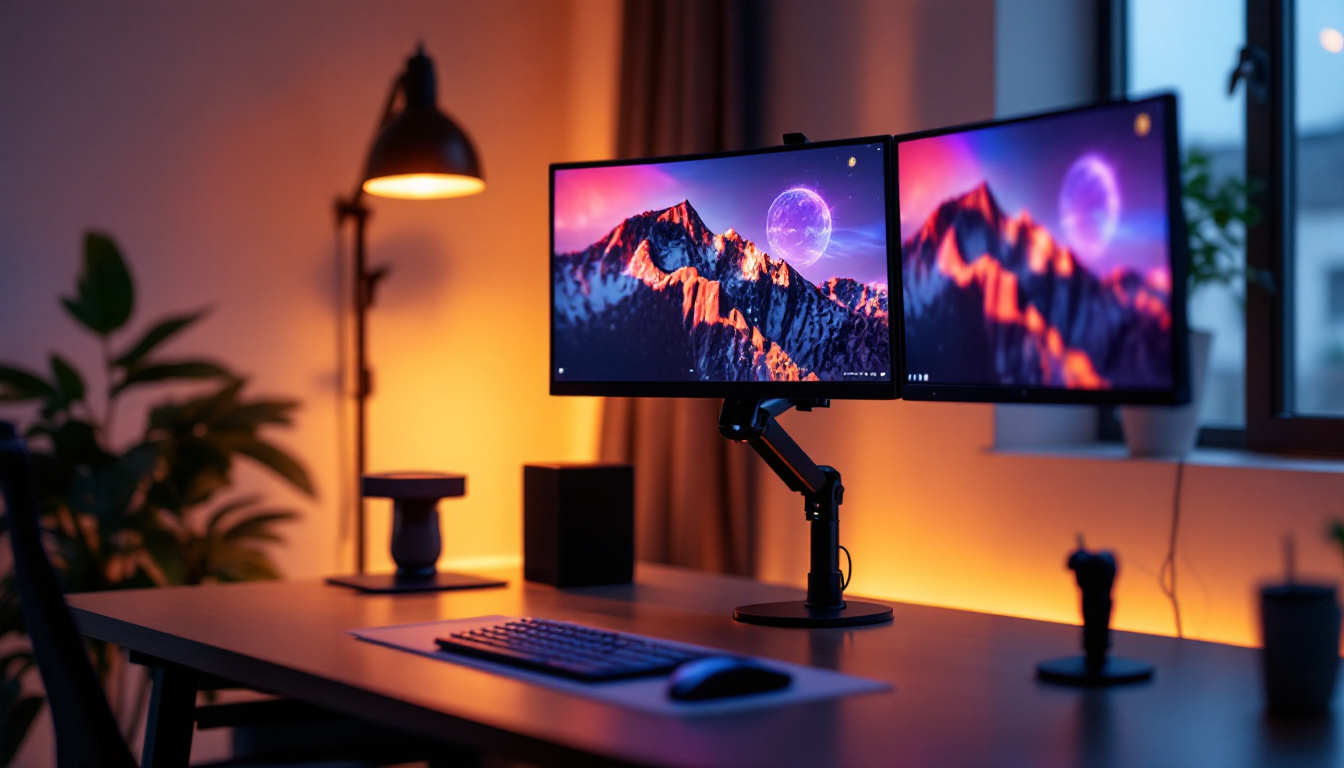
- Offices and Study Rooms: Useful for video conferencing, presentations, or breaks.
- Secondary TVs: Great as a secondary display in larger homes or for gaming setups.
Cost Considerations
Ultra-thin 32-inch LED TVs are generally more affordable than larger models, making them accessible to a wide range of consumers. Additionally, their energy efficiency can lead to savings over time.
According to recent market analyses, the average price for a quality 32-inch ultra-thin LED TV ranges between $150 and $300, depending on features such as smart TV capabilities, refresh rates, and brand reputation.
Display Quality Factors to Consider
When evaluating ultra-thin 32-inch LED TVs, several display quality factors come into play:
Resolution
Resolution determines the clarity and sharpness of the image. The most common resolutions for 32-inch TVs are:
- HD (1366 x 768 pixels): Suitable for casual viewing but may appear less sharp on close inspection.
- Full HD (1920 x 1080 pixels): Offers crisper images and is increasingly common in modern 32-inch models.
- 4K UHD (3840 x 2160 pixels): Rare in 32-inch TVs due to the small screen size, but available in some premium models.
For most users, Full HD is the sweet spot, providing excellent image quality without unnecessary cost.
Refresh Rate and Response Time
A higher refresh rate (measured in Hertz, Hz) results in smoother motion, which is especially important for gaming and fast-paced content. Typical refresh rates for 32-inch LED TVs range from 60Hz to 120Hz.
Response time, measured in milliseconds (ms), indicates how quickly pixels change color. Lower response times reduce motion blur, enhancing the viewing experience.
Color Accuracy and Viewing Angles
LED TVs vary in their ability to reproduce colors accurately and maintain image quality at different viewing angles. Technologies such as IPS (In-Plane Switching) panels improve color consistency and widen viewing angles, making them desirable in ultra-thin TVs.
Energy Efficiency and Environmental Impact
Energy consumption is a critical consideration for many consumers, both for cost savings and environmental responsibility.
LED TVs and Power Consumption
Compared to older LCD and plasma TVs, LED-backlit TVs consume significantly less power. For a 32-inch model, typical power consumption ranges from 20 to 45 watts, depending on brightness settings and usage.
Many ultra-thin LED TVs come with energy-saving modes and automatic brightness adjustments to optimize power use.
Environmental Benefits
Using LED technology reduces the need for hazardous materials like mercury, which was present in CCFL backlights. Additionally, the longer lifespan of LEDs means fewer replacements and less electronic waste.
Comparing Ultra Thin LED TVs to Other Display Technologies
While LED TVs dominate the market, it’s useful to understand how they stack up against alternatives such as OLED and QLED.
OLED vs LED
Organic Light Emitting Diode (OLED) TVs offer superior contrast ratios and perfect blacks because each pixel emits its own light and can be turned off individually. However, OLEDs tend to be more expensive and are less common in smaller sizes like 32 inches.
LED TVs, especially ultra-thin models, provide excellent brightness and are more budget-friendly, making them a practical choice for most consumers.
QLED vs LED
Quantum Dot LED (QLED) TVs are a variation of LED TVs that use quantum dots to enhance color accuracy and brightness. While QLED technology is impressive, it is typically found in larger and more expensive models, with limited availability in the 32-inch ultra-thin segment.
Key Features to Look for in an Ultra Thin 32-Inch LED TV
When shopping for an ultra-thin 32-inch LED TV, consider the following features to ensure the best value and performance:
- Smart TV Functionality: Access to streaming apps and internet connectivity.
- HDMI and USB Ports: For connecting gaming consoles, external drives, and other peripherals.
- Built-in Speakers: Quality audio output or support for external sound systems.
- VESA Mount Compatibility: For easy wall mounting.
- Warranty and Brand Reputation: Reliable after-sales support and product durability.
Conclusion
Ultra-thin 32-inch LED TVs offer a compelling combination of sleek design, efficient performance, and versatile usability. Their LED backlighting technology ensures bright, vibrant images while maintaining an energy-efficient profile. For consumers seeking a compact yet high-quality television, understanding the nuances of LED displays and the benefits of ultra-thin designs can guide smarter purchasing decisions.
With advancements continuing to emerge, ultra-thin LED TVs remain a popular choice for those who value space-saving aesthetics without sacrificing image quality or functionality.
Discover LumenMatrix’s Advanced LED Displays
Ready to elevate your viewing experience with the latest in LED technology? LumenMatrix, a pioneer in LED display innovation, offers an extensive range of solutions tailored to meet your needs. From immersive Indoor LED Wall Displays to dynamic Outdoor LED Wall Displays, and from versatile Vehicle LED Displays to sleek LED Poster Displays, LumenMatrix is committed to transforming your visual communication. Experience the future of LED technology and make a lasting impression with LumenMatrix’s captivating visual solutions. Check out LumenMatrix LED Display Solutions today and bring your vision to life.