In today’s digital age, LED displays have become an essential component in various industries, from advertising and entertainment to transportation and corporate communications. Their vivid colors, energy efficiency, and versatility make them a preferred choice for visual communication. This article delves into the world of LED displays, explaining their technology, types, applications, and why they have become indispensable in modern visual solutions.
Understanding LED Display Technology
What is an LED Display?
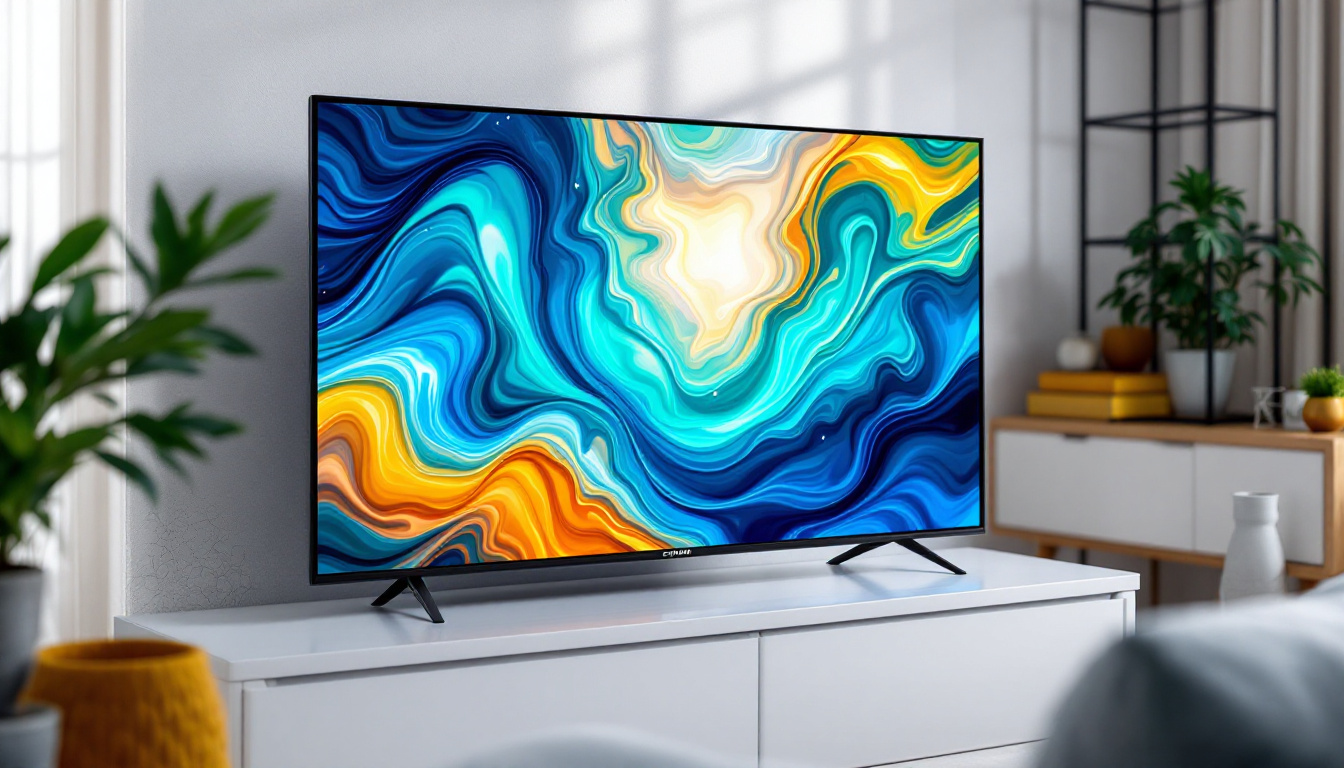
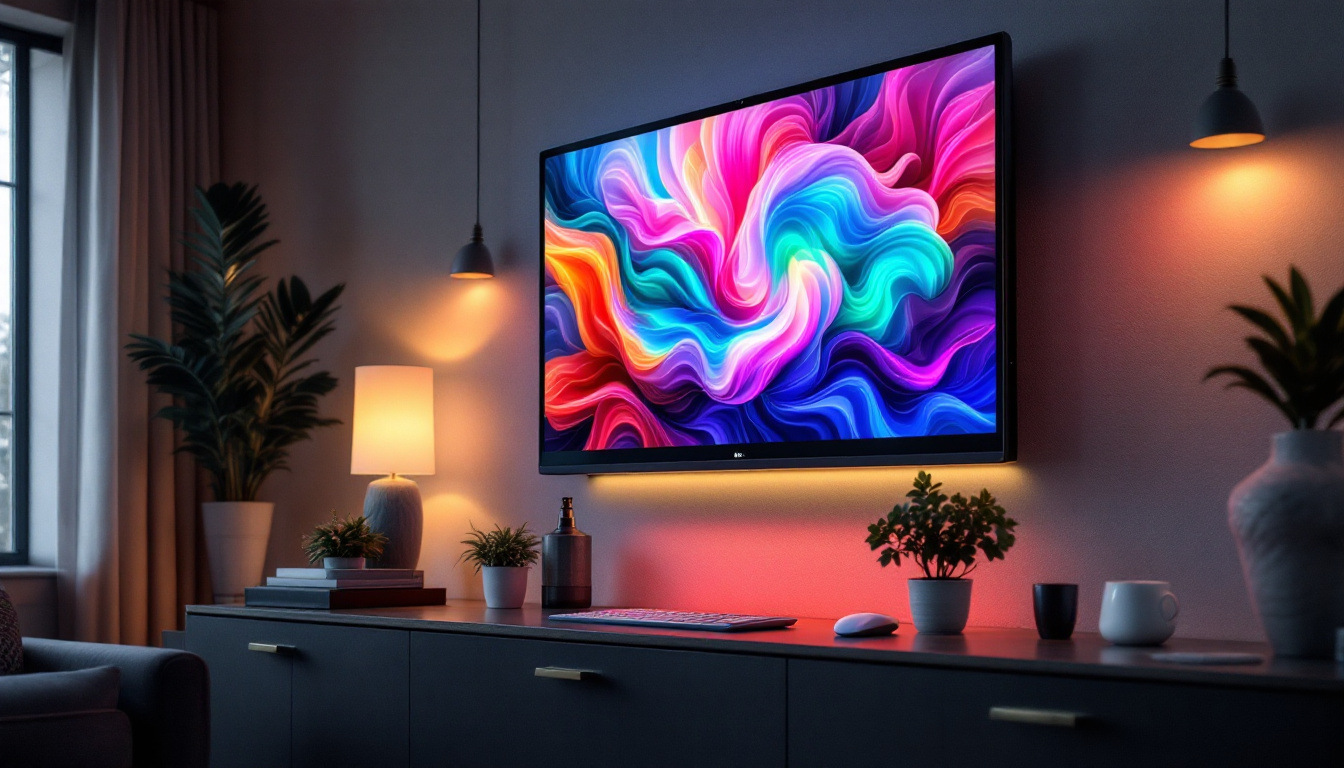
LED, or Light Emitting Diode, displays are screens composed of numerous tiny light sources called diodes. These diodes emit light when an electrical current passes through them, creating images and videos visible to the human eye. Unlike traditional LCD or plasma screens, LED displays use these diodes as individual pixels, allowing for brighter, more vibrant images with better contrast.
The core advantage of LED technology lies in its direct emission of light, which eliminates the need for backlighting. This results in thinner, more energy-efficient displays with superior color accuracy and brightness levels. Modern LED displays can be found in various sizes and resolutions, suitable for everything from small indoor screens to massive outdoor billboards.
How Do LED Displays Work?
At the heart of an LED display is a matrix of LEDs arranged in a grid. Each LED or group of LEDs represents a pixel. By controlling the intensity and color of each pixel, the display can render images and videos. The most common LEDs used in displays are red, green, and blue (RGB), which combine to produce a full spectrum of colors through additive color mixing.
Advanced LED displays use sophisticated control systems to manage the timing, brightness, and color of each diode. These systems receive input signals from video sources and translate them into electrical impulses that light up the LEDs accordingly. The result is a seamless, high-resolution image that can be viewed from various angles and distances.
Types of LED Displays
Indoor vs. Outdoor LED Displays
LED displays are broadly categorized into indoor and outdoor types, each designed to meet specific environmental and usage requirements. Indoor LED displays are optimized for close viewing distances and controlled lighting conditions. They typically have a higher pixel density, meaning smaller pixel pitch, which results in sharper images and finer detail.
Outdoor LED displays, on the other hand, are built to withstand harsh weather conditions such as rain, wind, and extreme temperatures. They feature higher brightness levels, often exceeding 5,000 nits, to remain visible even under direct sunlight. The pixel pitch for outdoor displays is generally larger, as viewers tend to observe these screens from greater distances.
Fixed vs. Rental LED Displays
Another important distinction is between fixed and rental LED displays. Fixed LED displays are permanently installed in a specific location, such as stadiums, retail stores, or corporate lobbies. These installations are designed for long-term use and offer high durability and performance.
Rental LED displays are modular and portable, intended for temporary events like concerts, trade shows, or sports tournaments. They are designed for quick assembly and disassembly, offering flexibility and convenience. Rental displays often prioritize ease of transport and setup over ultra-high resolution, balancing performance with practicality.
Transparent and Flexible LED Displays
Innovations in LED technology have led to the development of transparent and flexible LED displays. Transparent LED displays allow light to pass through the screen, making them ideal for storefront windows and architectural applications where visibility from both sides is important. These displays maintain high brightness and clarity while offering unique design possibilities.
Flexible LED displays use bendable substrates to create screens that can curve or wrap around surfaces. This technology is gaining traction in creative advertising, interior design, and wearable technology, enabling immersive and dynamic visual experiences that traditional rigid screens cannot achieve.
Applications of LED Displays
Advertising and Digital Signage
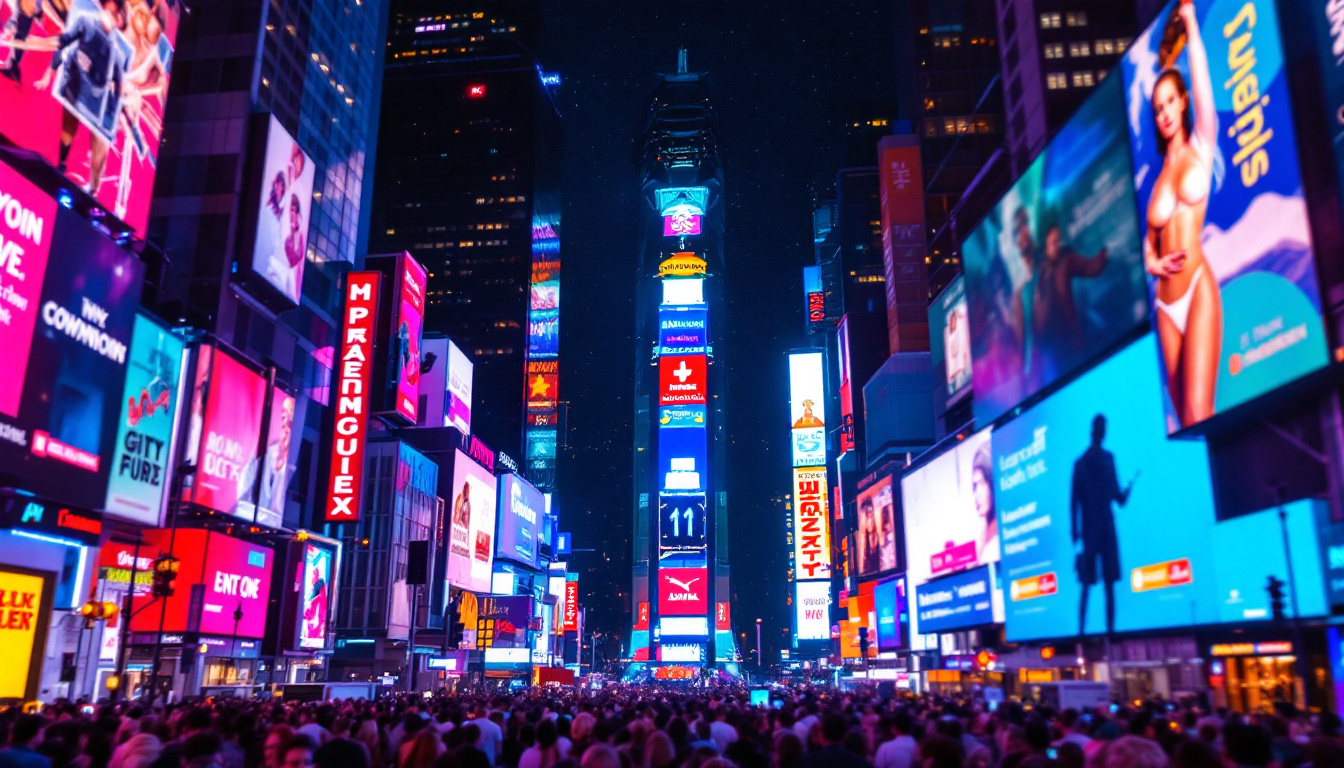
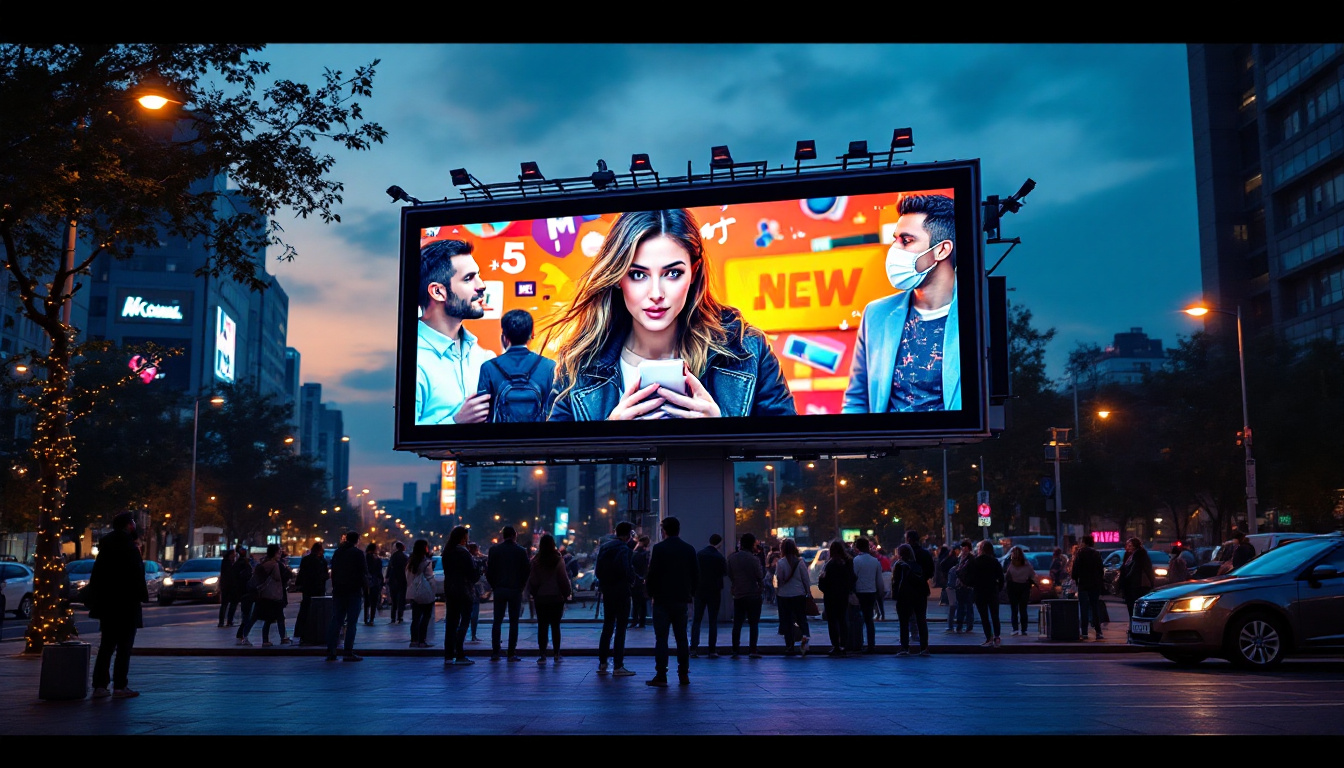
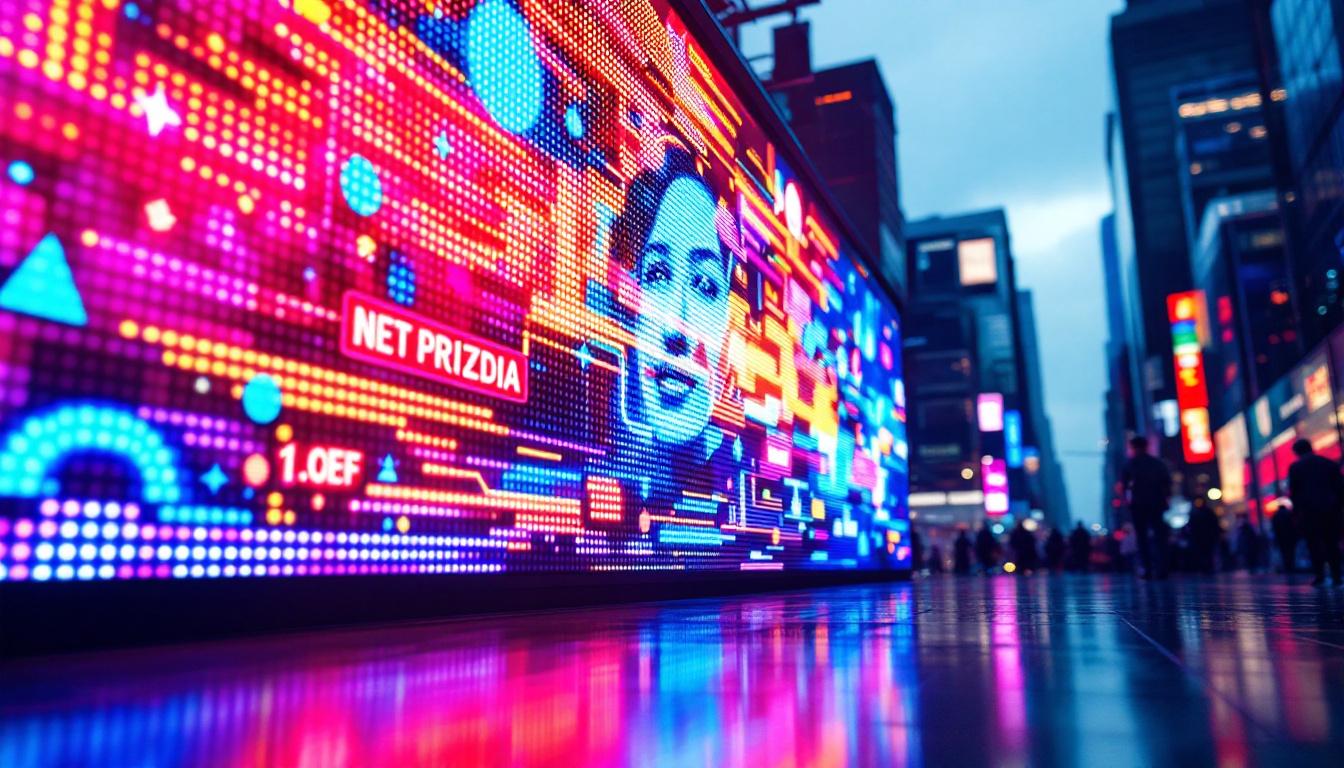
One of the most widespread uses of LED displays is in advertising and digital signage. According to a recent market report, the global digital signage market is expected to reach $32 billion by 2028, with LED displays playing a pivotal role in this growth. Their ability to deliver eye-catching visuals in high traffic areas makes them invaluable for brand promotion and customer engagement.
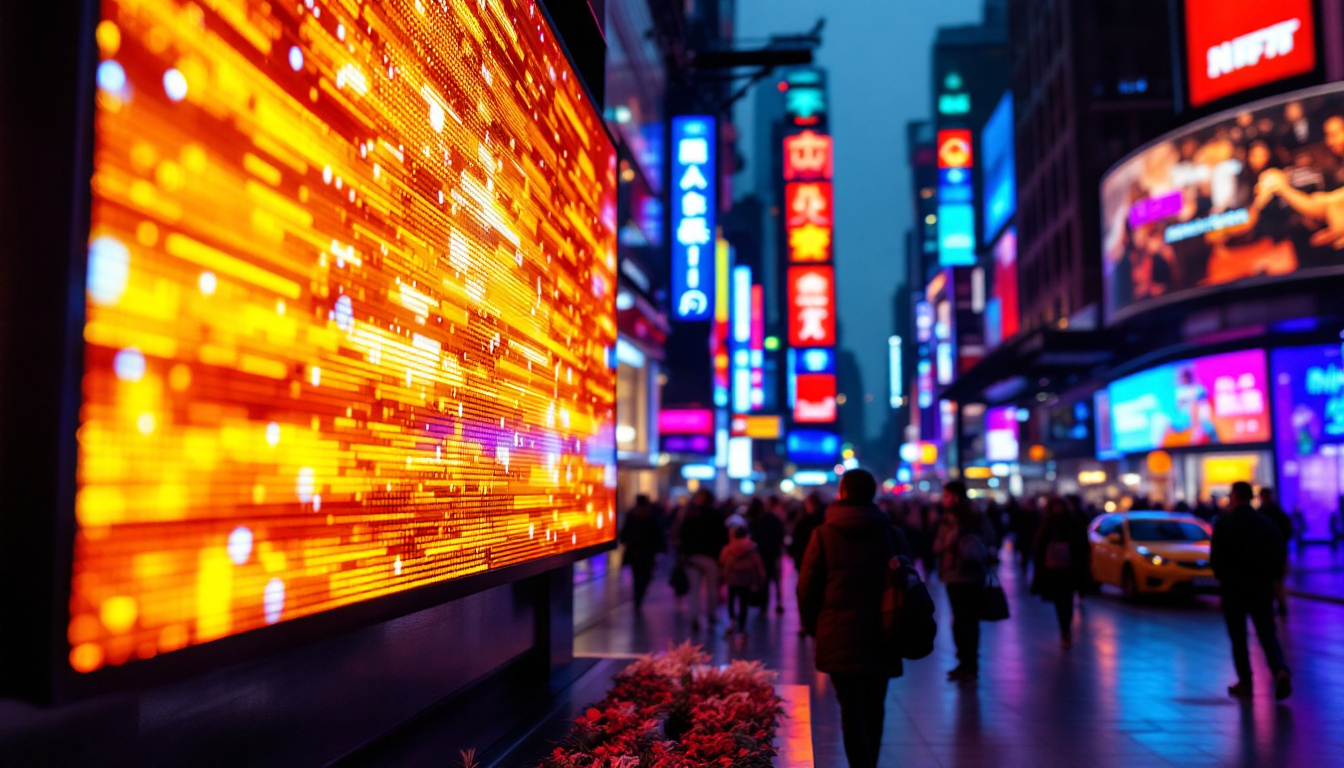
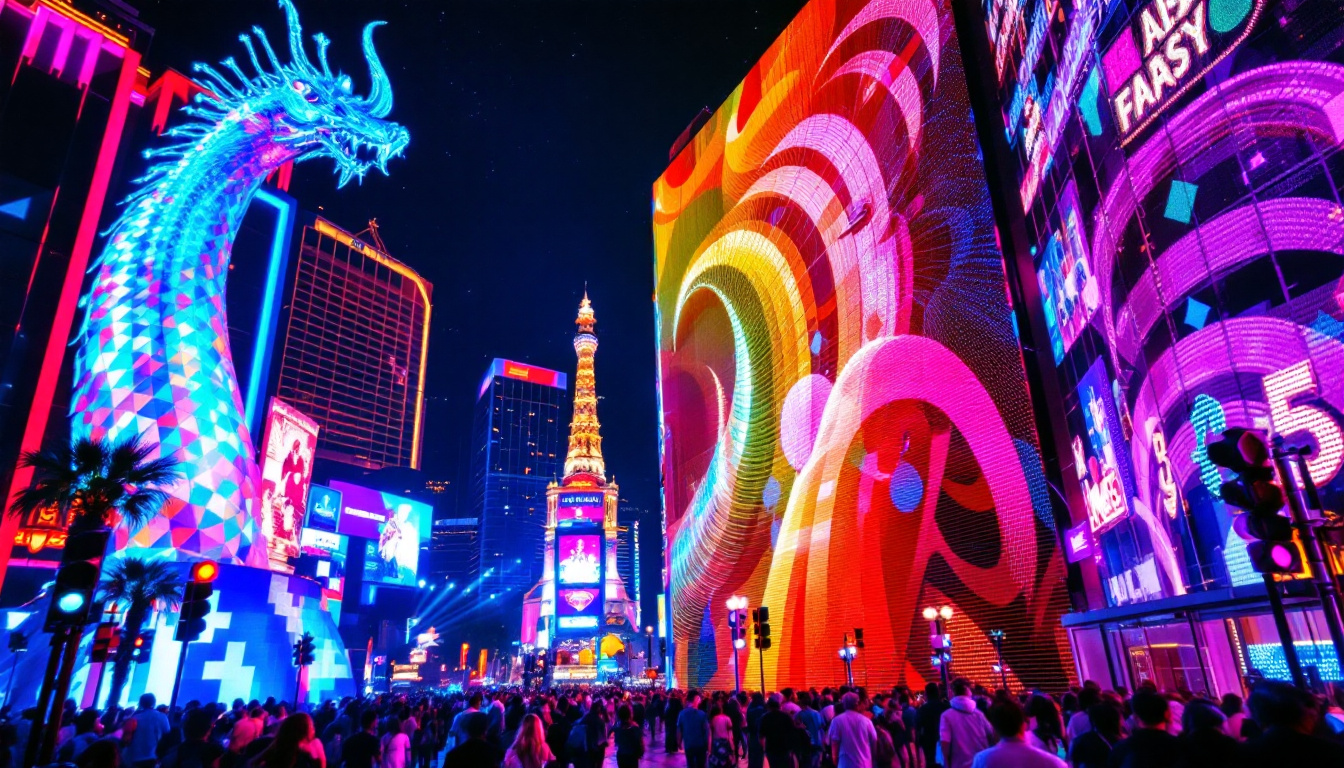
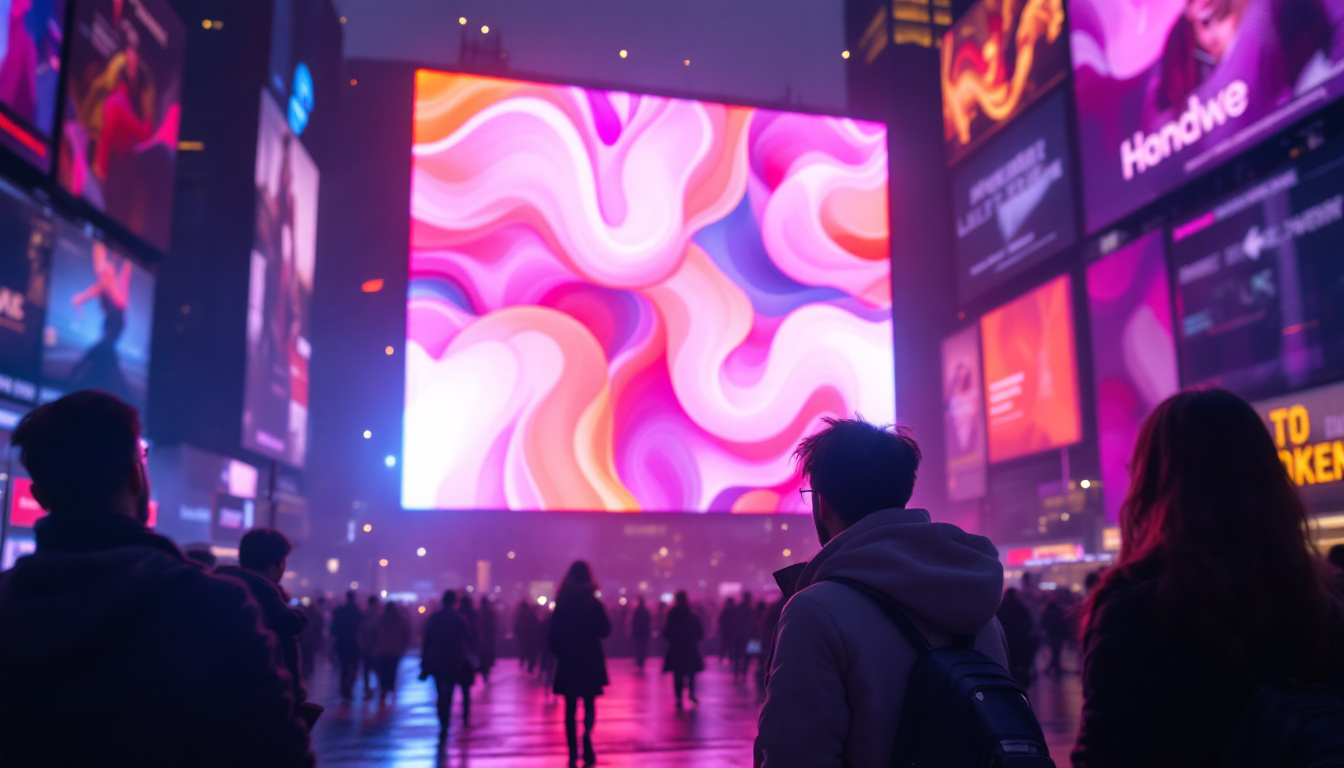
From Times Square’s iconic billboards to shopping mall directories, LED displays provide dynamic content that can be updated in real-time. This flexibility allows businesses to tailor their messaging based on time of day, audience demographics, or special events, maximizing marketing impact.
Sports and Entertainment Venues
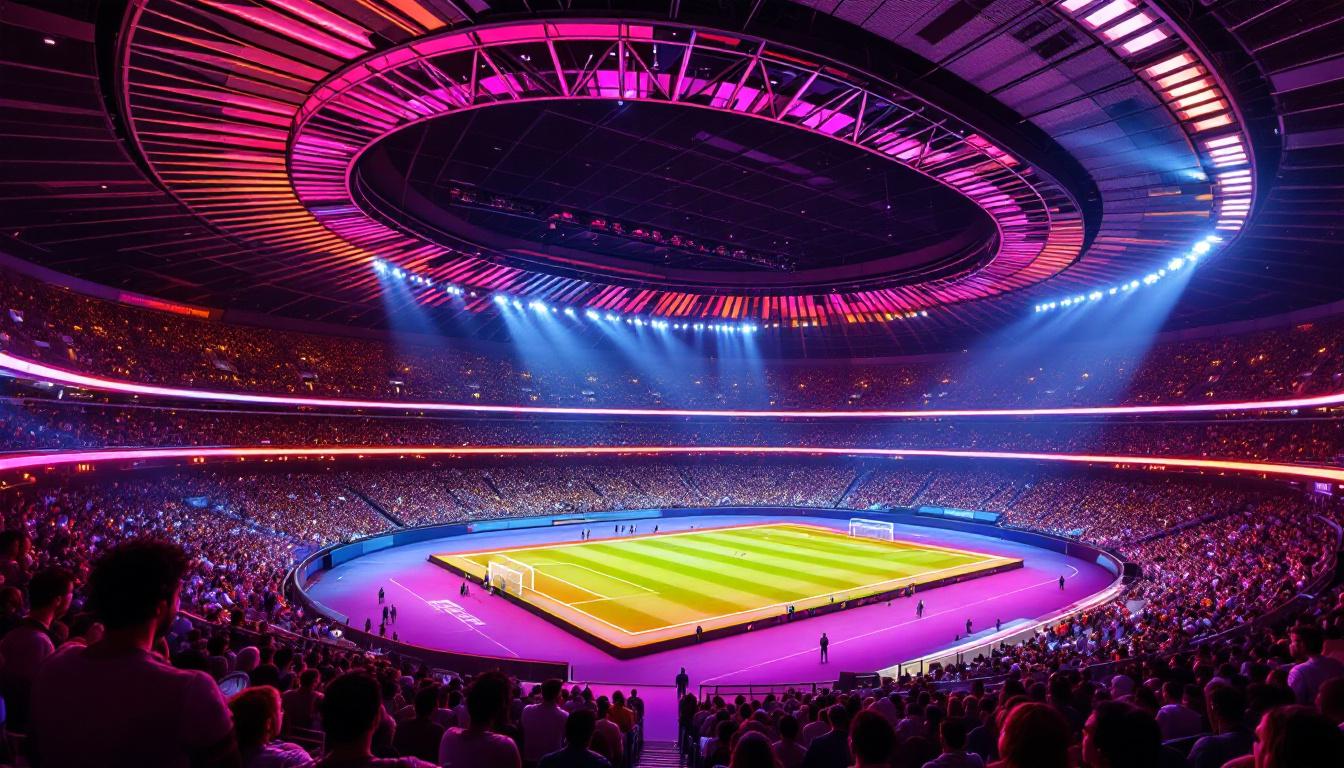
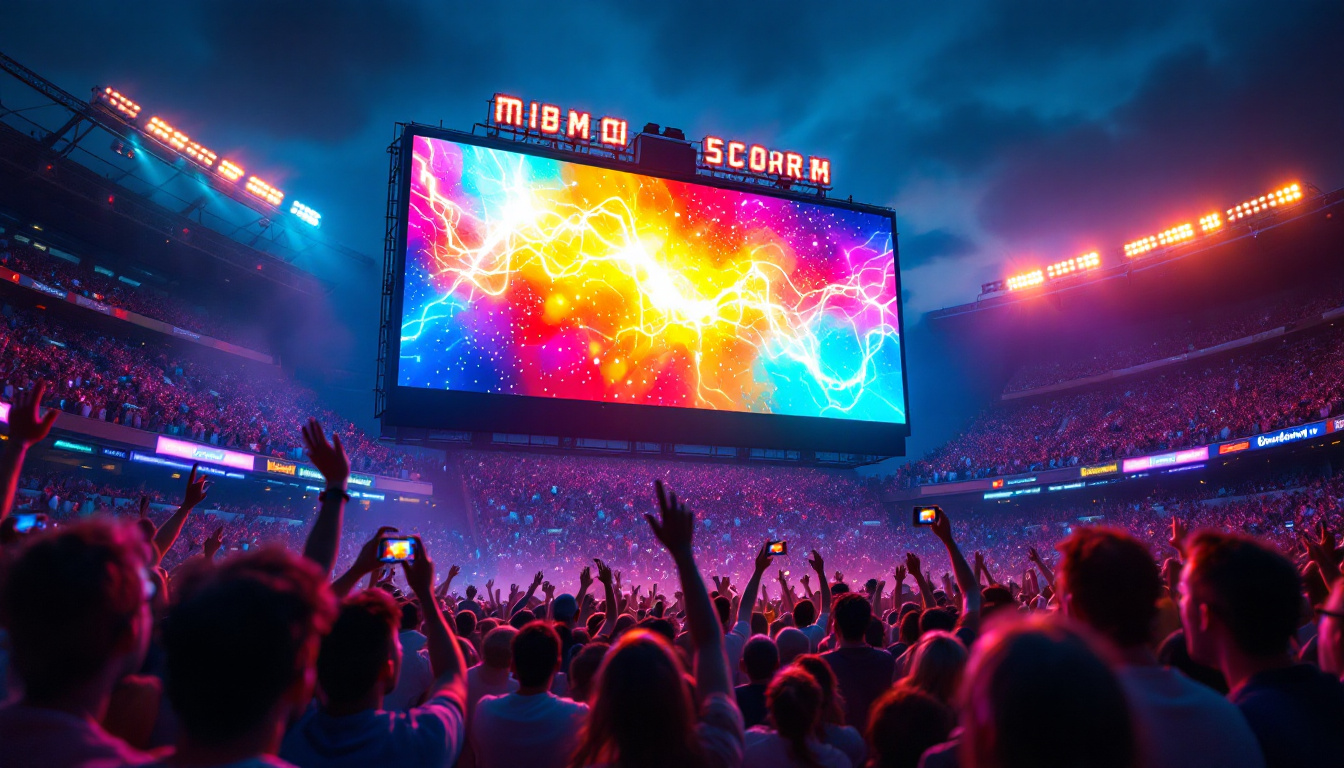
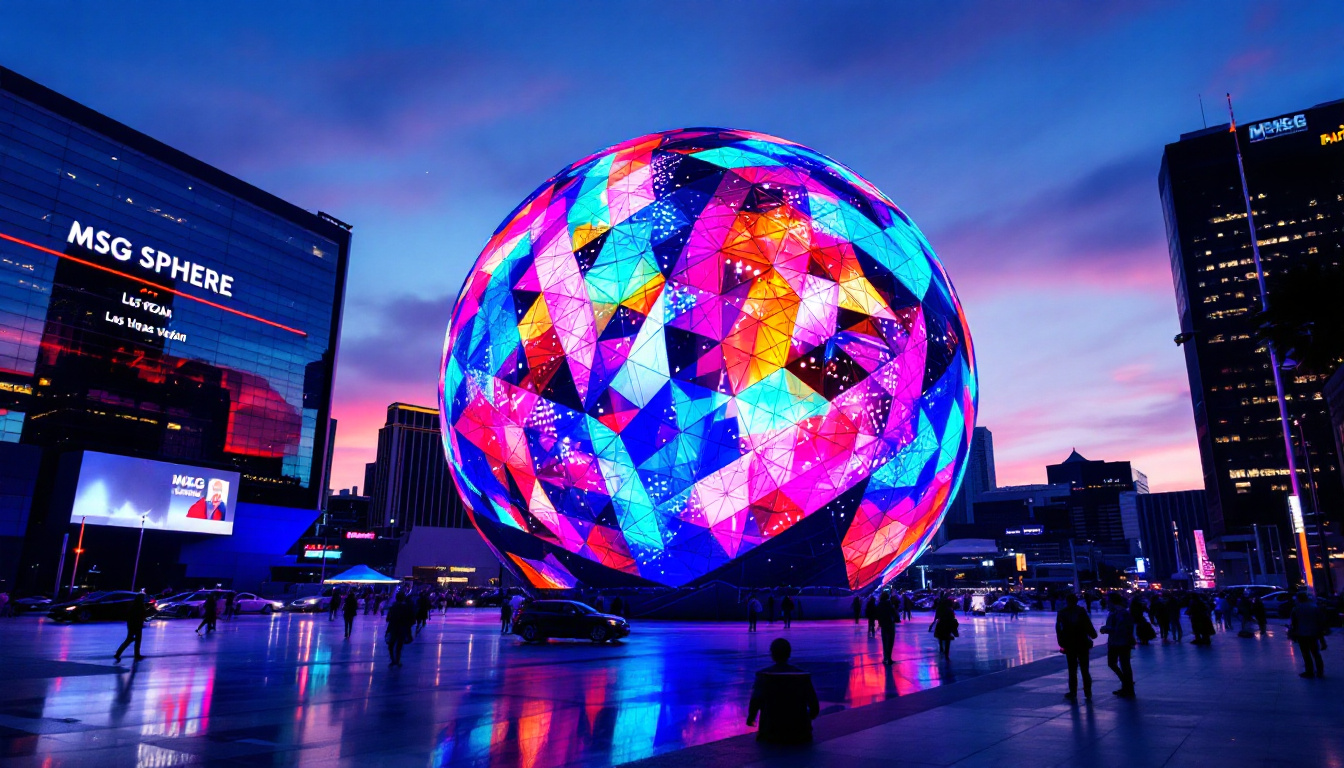
LED displays have revolutionized the spectator experience in sports and entertainment venues. Large-scale LED screens provide live game footage, replays, and interactive content, enhancing fan engagement. Stadiums and arenas utilize LED displays not only for broadcasting but also for advertising and wayfinding.
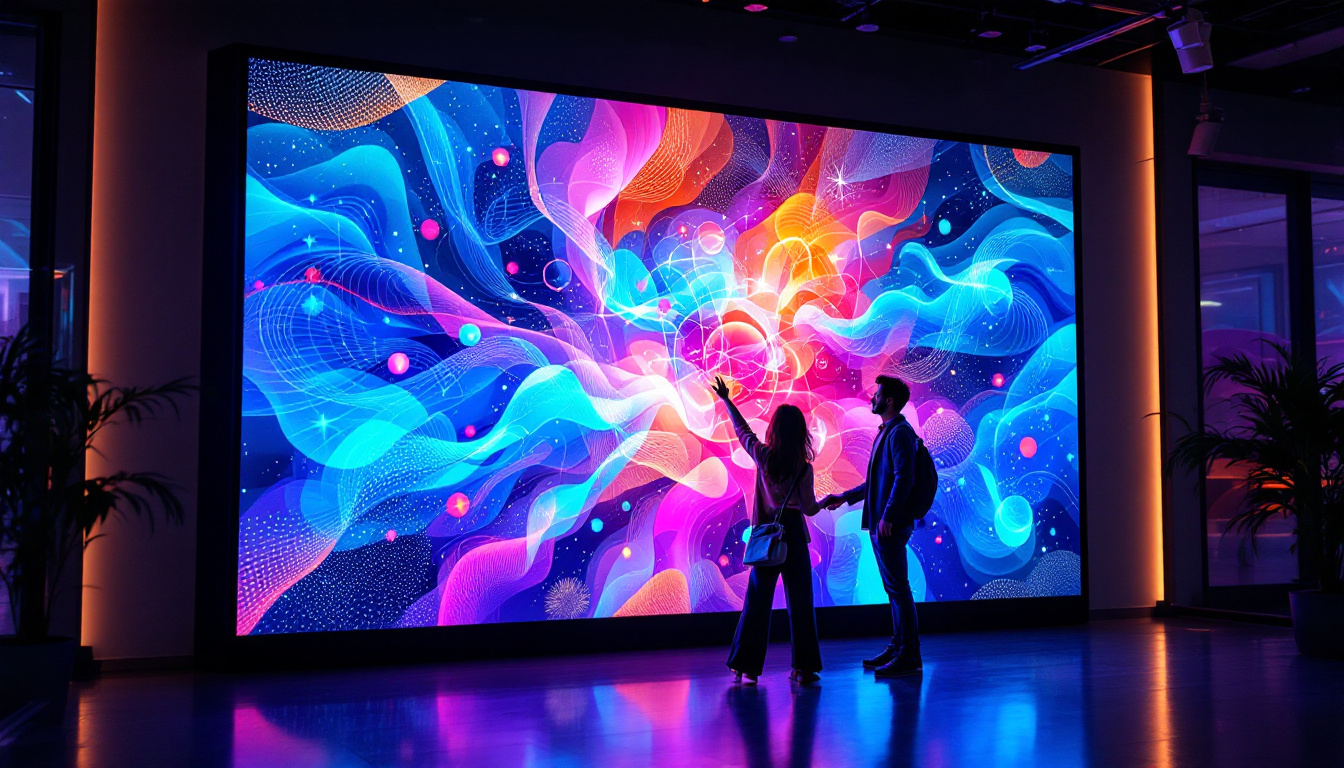
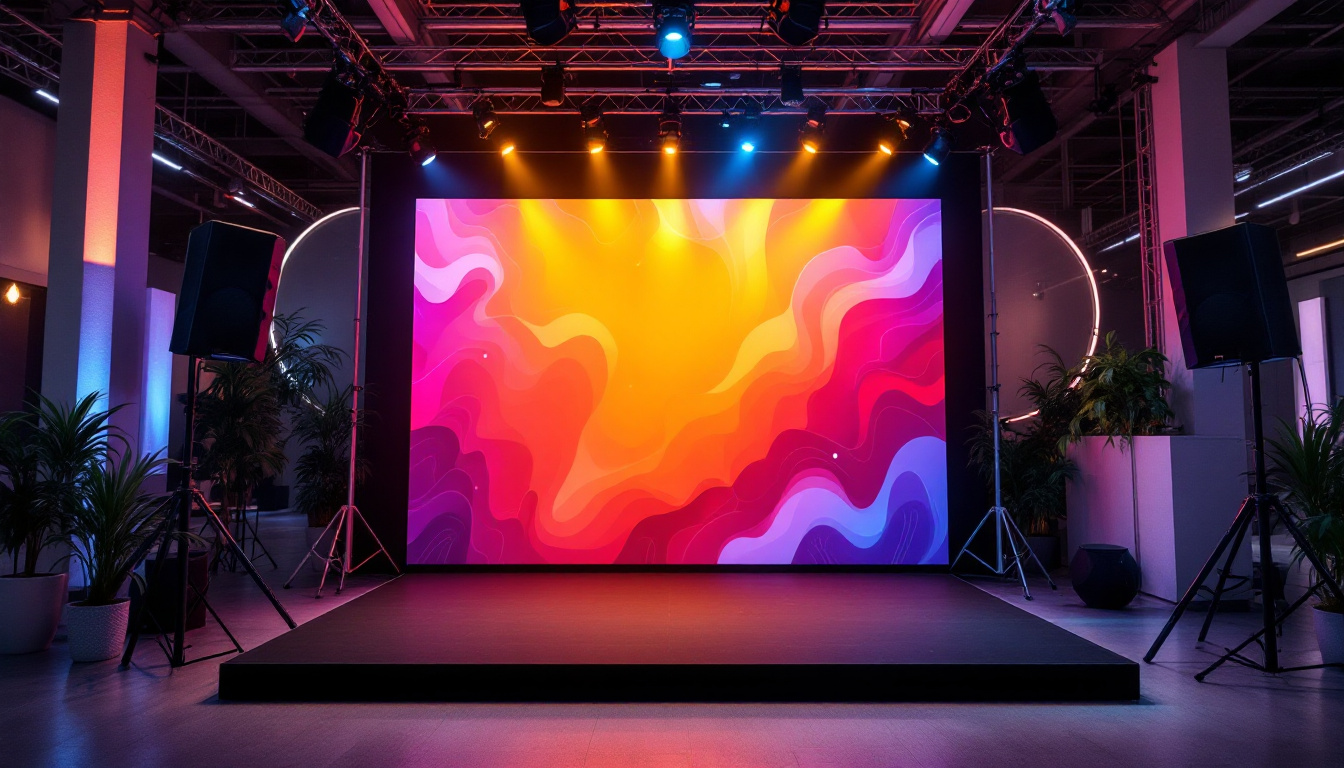
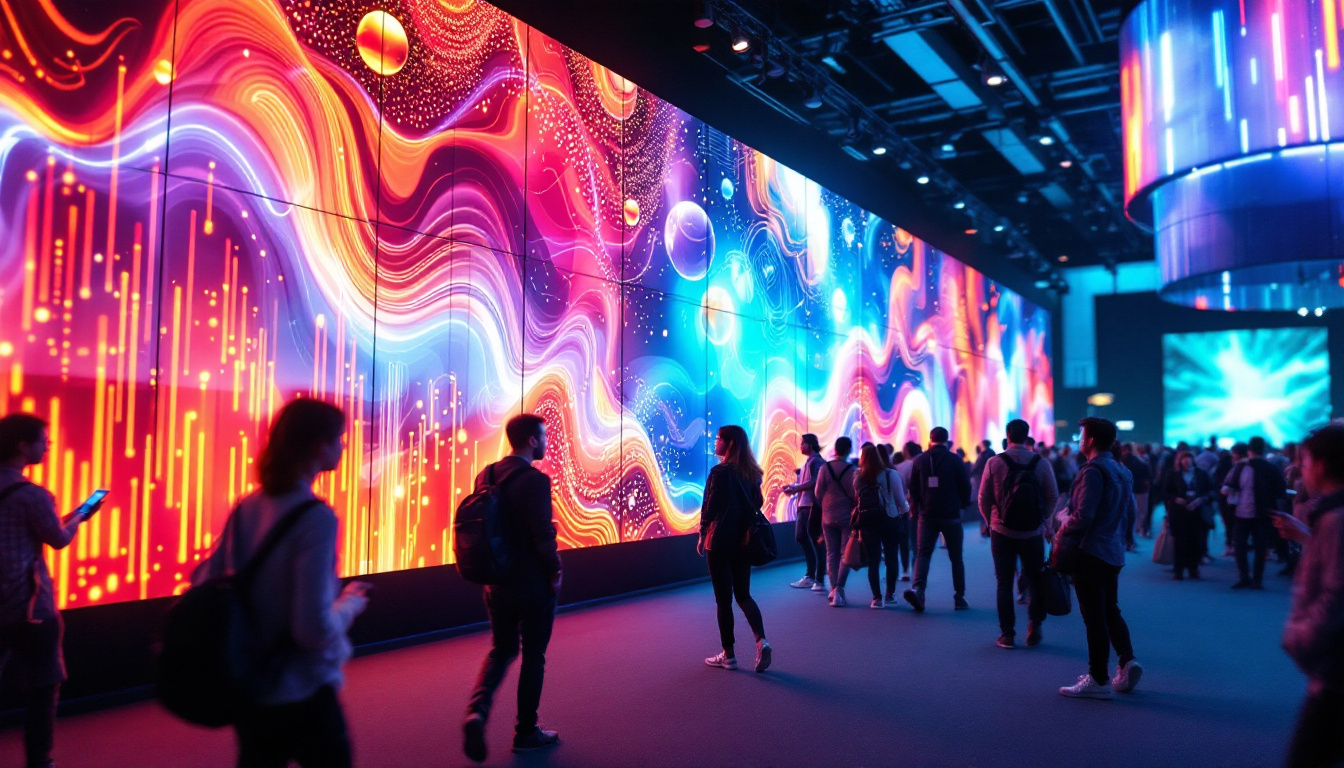
Moreover, concert stages often feature massive LED walls that serve as immersive backdrops, synchronized with music and lighting to create unforgettable performances. The scalability and brightness of LED displays make them ideal for these high-energy environments.
Transportation and Public Information
In transportation hubs such as airports, train stations, and bus terminals, LED displays play a critical role in delivering real-time information. Flight schedules, arrival and departure times, gate changes, and emergency alerts are communicated clearly and efficiently through LED screens.
Outdoor LED displays are also used for traffic management and public safety announcements. Their high visibility ensures that vital information reaches drivers and pedestrians promptly, contributing to smoother and safer transportation systems.
Corporate and Educational Settings
Within corporate environments, LED displays are increasingly used for presentations, video conferencing, and digital notice boards. Their ability to display high-resolution content supports effective communication and collaboration among teams.
Educational institutions utilize LED displays in lecture halls, auditoriums, and common areas to enhance learning experiences and provide important updates. The interactive capabilities of some LED systems also facilitate engaging teaching methods and student participation.
Advantages of LED Displays
Energy Efficiency and Longevity
One of the most significant benefits of LED displays is their energy efficiency. Compared to traditional display technologies, LEDs consume significantly less power while delivering superior brightness and color quality. This efficiency translates into lower operating costs and reduced environmental impact.
Additionally, LEDs have a long operational lifespan, often exceeding 100,000 hours. This durability reduces maintenance requirements and replacement costs, making LED displays a cost-effective investment over time.
Superior Image Quality
LED displays offer exceptional image quality with vibrant colors, high contrast ratios, and wide viewing angles. The ability to produce deep blacks and bright whites enhances visual clarity, making content more engaging and easier to read.
High refresh rates and fast response times also make LED displays ideal for dynamic content such as videos and animations, ensuring smooth and flicker-free visuals even in demanding applications.
Scalability and Customization
LED displays are highly scalable, allowing for custom sizes and shapes to fit specific spaces and design requirements. Modular construction enables the creation of extremely large screens by combining multiple panels seamlessly.
Customization options extend to pixel pitch, brightness levels, and protective coatings, enabling tailored solutions for indoor or outdoor use, various viewing distances, and environmental conditions.
Challenges and Considerations
Initial Investment and Installation
While LED displays offer long-term savings, the initial investment can be substantial, especially for high-resolution or large-scale installations. Costs include not only the display panels but also control systems, mounting structures, and professional installation services.
Proper planning and consultation with experienced providers are essential to ensure that the chosen LED display meets performance expectations and fits within budget constraints.
Maintenance and Environmental Factors
Although LEDs are durable, outdoor displays require regular maintenance to protect against weather damage, dust, and moisture. Protective enclosures and coatings help extend lifespan but add to the overall cost and complexity.
Indoor displays, while less exposed to harsh conditions, still need routine cleaning and occasional calibration to maintain optimal performance.
Content Management
Effective use of LED displays depends heavily on content quality and management. Dynamic, well-designed content maximizes viewer engagement, while poorly planned visuals can detract from the display’s impact.
Many LED display systems include software platforms for content scheduling, remote updates, and analytics, enabling users to optimize their messaging strategies.
The Future of LED Displays
Technological Advancements
Ongoing innovations continue to push the boundaries of LED display technology. MicroLED and MiniLED technologies promise even higher resolution, improved energy efficiency, and thinner form factors. These advancements are expected to expand the applications of LED displays into new markets such as augmented reality and wearable devices.
Integration with artificial intelligence and Internet of Things (IoT) platforms is also enhancing the interactivity and responsiveness of LED displays, allowing for personalized content delivery and smarter environments.
Sustainability and Environmental Impact
As sustainability becomes a priority across industries, LED display manufacturers are focusing on eco-friendly materials, recyclable components, and energy-saving designs. The long lifespan and low power consumption of LEDs already contribute to reduced environmental footprints compared to other display technologies.
Future developments aim to further minimize waste and improve the recyclability of LED panels, aligning with global efforts to promote green technology.
Conclusion
LED displays have transformed the way information and entertainment are presented in public and private spaces. Their brightness, versatility, and efficiency make them a powerful tool for communication across a wide range of applications. Understanding the technology behind LED displays, their types, benefits, and challenges helps businesses and organizations make informed decisions when investing in visual solutions.
As technology continues to evolve, LED displays will remain at the forefront of digital signage and visual communication, offering ever more innovative and sustainable ways to engage audiences worldwide.
Discover Cutting-Edge LED Solutions with LumenMatrix
Ready to elevate your visual communication strategy with the latest in LED technology? LumenMatrix is at the forefront of innovation, offering a diverse range of LED display solutions tailored to your unique needs. From captivating Indoor LED Wall Displays to dynamic Outdoor LED Wall Displays, and from versatile Vehicle LED Displays to engaging LED Sports Displays, our products are designed to make your brand shine. Experience the future of digital signage with our Custom LED Displays, All-in-One LED Displays, and groundbreaking LED Transparent Displays. Embrace the power of LumenMatrix to create unforgettable visual experiences. Check out LumenMatrix LED Display Solutions today and transform the way you connect with your audience.