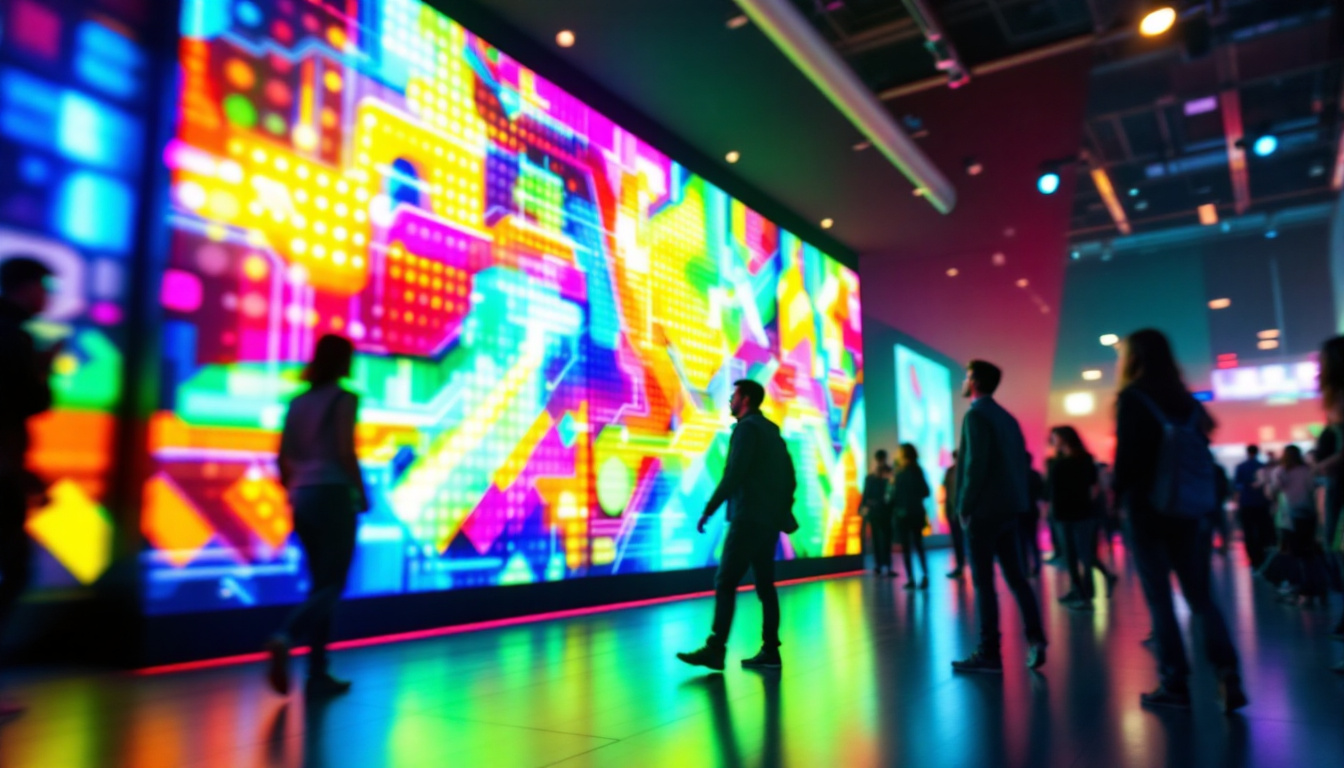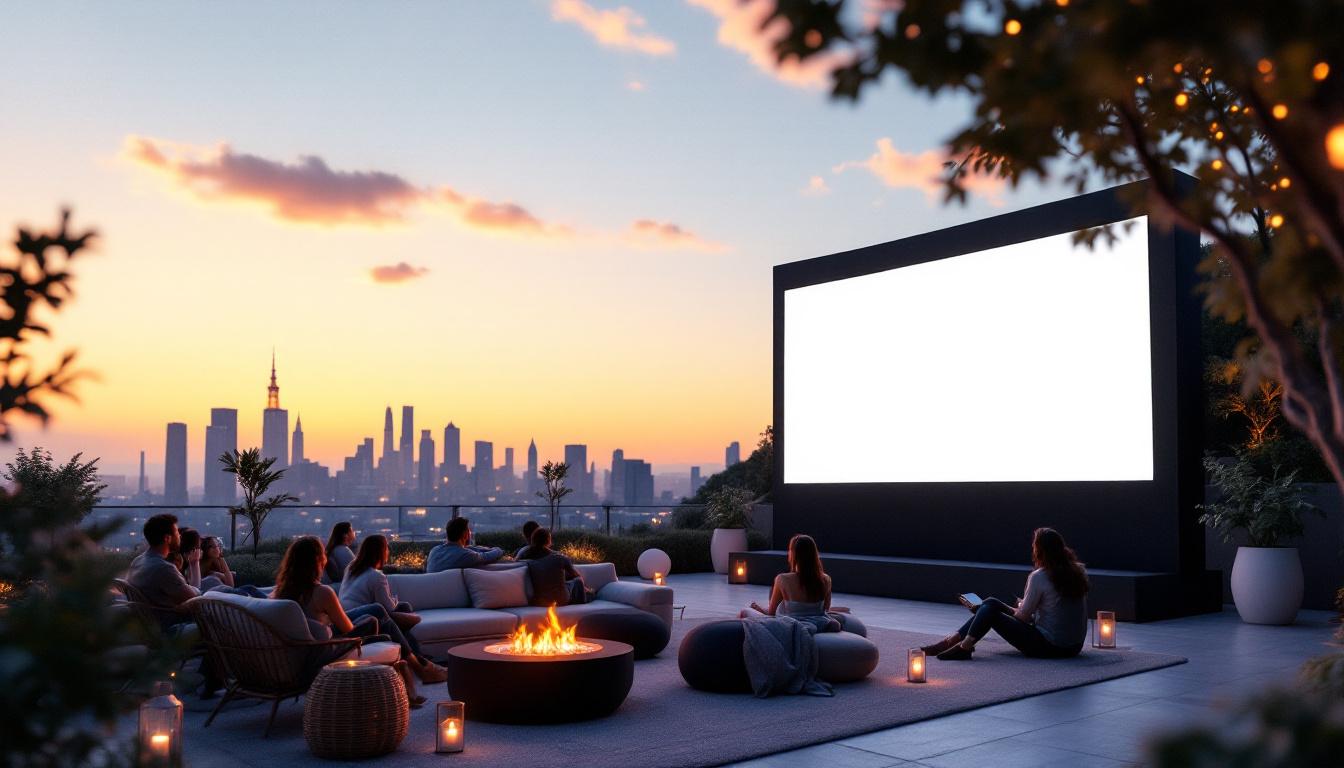
Outdoor entertainment has surged in popularity, with backyard movie nights, sports viewing parties, and community events becoming common social activities. Central to these experiences is the quality of the visual display. While traditional projector screens have long been the go-to solution, LED displays are rapidly gaining traction as a superior alternative for outdoor use. This article delves into the nuances of outdoor projector screens and explores how LED displays are revolutionizing the way audiences enjoy large-format visuals under the open sky.
Understanding Outdoor Projector Screens
Traditional Outdoor Projector Screens: An Overview
Projector screens designed for outdoor use typically consist of a large, reflective surface that enhances the image projected from a digital projector. These screens can be inflatable, tripod-mounted, or fixed-frame, and come in various sizes to accommodate different audience scales. The primary appeal of traditional projector setups lies in their affordability and portability. Many families and event organizers appreciate the ease with which these screens can be set up in backyards, parks, or at outdoor movie nights, creating a unique cinematic experience under the stars.
However, outdoor environments introduce challenges that indoor projector setups do not face. Ambient light from street lamps, the moon, or nearby buildings can wash out the projected image, reducing contrast and vibrancy. Additionally, weather conditions such as wind or moisture can damage screens or disrupt the viewing experience. Despite these challenges, outdoor projector screens remain popular due to their ease of setup and compatibility with a wide range of projectors. Many users find that investing in a high-quality projector with enhanced brightness can mitigate some of these issues, allowing for more flexibility in viewing times.
Limitations of Projector Screens in Outdoor Settings
One of the main limitations of traditional projector screens outdoors is their dependency on controlled lighting conditions. Projectors require a dark environment to deliver crisp, bright images. Even with high-lumen projectors, daylight or artificial light can significantly degrade picture quality. This restricts outdoor viewing to evening or night hours, limiting flexibility. To counteract this, some enthusiasts have turned to using specialized screens designed to reflect light more effectively, which can help improve visibility even in less-than-ideal lighting situations.
Moreover, the physical screen itself is vulnerable. Inflatable screens can be punctured or deflated by wind, while fixed-frame screens may require permanent installation and are susceptible to weather damage. Maintenance and storage also present logistical challenges, especially for community organizations or event planners who need to transport and set up screens frequently. To address these concerns, many manufacturers are now producing more durable materials that can withstand outdoor elements, as well as offering protective covers and storage solutions that extend the lifespan of these screens. Additionally, some users are exploring DIY options, creating custom frames or utilizing materials that enhance durability while still providing an enjoyable viewing experience.
LED Displays: The New Frontier in Outdoor Visuals
What is an LED Display?
LED (Light Emitting Diode) displays are composed of numerous tiny LEDs that emit light individually, creating images without the need for a separate light source like a projector. These displays are modular, allowing for custom sizes and shapes, and are designed to be highly visible even in bright environments.
Unlike projector screens, LED displays do not rely on reflected light; instead, they produce their own light, which results in superior brightness and contrast. This self-illumination characteristic makes LED displays exceptionally well-suited for outdoor use, where ambient light can be unpredictable and intense.
Advantages of LED Displays for Outdoor Use
One of the most compelling advantages of LED displays outdoors is their brightness. Modern outdoor LED screens can reach brightness levels of 5,000 to 7,000 nits or more, compared to projectors that typically output between 2,000 and 5,000 lumens. This means LED displays remain vivid and clear even under direct sunlight, enabling daytime viewing that traditional projector setups cannot match.
Durability is another key benefit. Outdoor LED displays are engineered to withstand harsh weather conditions, including rain, wind, and extreme temperatures. Many units come with IP65 or higher ratings, indicating strong protection against dust and water ingress. This robustness reduces maintenance costs and extends the lifespan of the display.
Additionally, LED displays offer flexible installation options. Their modular design allows for easy assembly and disassembly, making them ideal for both temporary events and permanent installations. They also support a wide range of resolutions and aspect ratios, accommodating everything from cinematic presentations to live sports broadcasts.
Comparing Outdoor Projector Screens and LED Displays
Image Quality and Visibility
When comparing image quality, LED displays consistently outperform traditional projector screens in outdoor environments. The high brightness and contrast ratios of LED panels ensure that images remain sharp and colorful regardless of ambient lighting. In contrast, projector images can appear washed out or dim when exposed to even moderate light sources.
Color accuracy is another consideration. LED displays provide vibrant and consistent color reproduction, which is crucial for immersive viewing experiences. Projectors, particularly budget models, may struggle with color fidelity and uniformity, especially when projecting onto less-than-ideal surfaces.
Setup and Portability
Projector screens are generally more portable and lightweight compared to LED displays, which require careful handling of electronic modules and power supplies. Inflatable or tripod screens can be set up by a small team within minutes, making them convenient for casual or spontaneous events.
Conversely, LED displays demand more technical expertise during assembly and calibration. However, advancements in modular design have simplified this process, allowing for quicker setup times than in previous years. For recurring events or permanent installations, the initial investment in LED technology pays off through ease of use and reliability.
Cost Considerations
Cost remains a significant factor influencing the choice between projector screens and LED displays. Traditional projector setups are more budget-friendly upfront, with quality projectors and screens available for a few hundred to a few thousand dollars depending on size and features.
LED displays, by contrast, involve a higher initial investment, often ranging from tens of thousands to hundreds of thousands of dollars for large-scale outdoor screens. However, their longevity, lower maintenance, and superior performance can justify the expense for venues, municipalities, and businesses seeking long-term solutions.
Applications and Use Cases for Outdoor LED Displays
Community Events and Public Gatherings
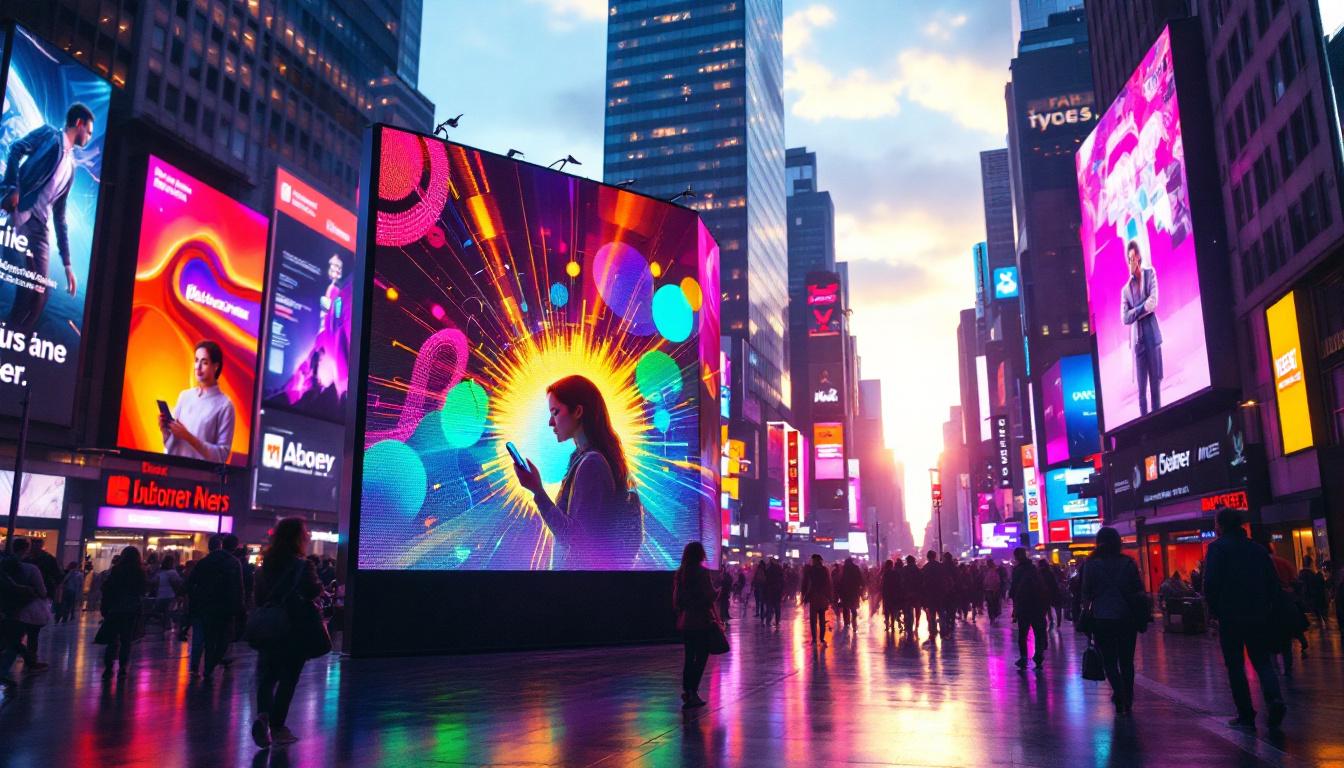
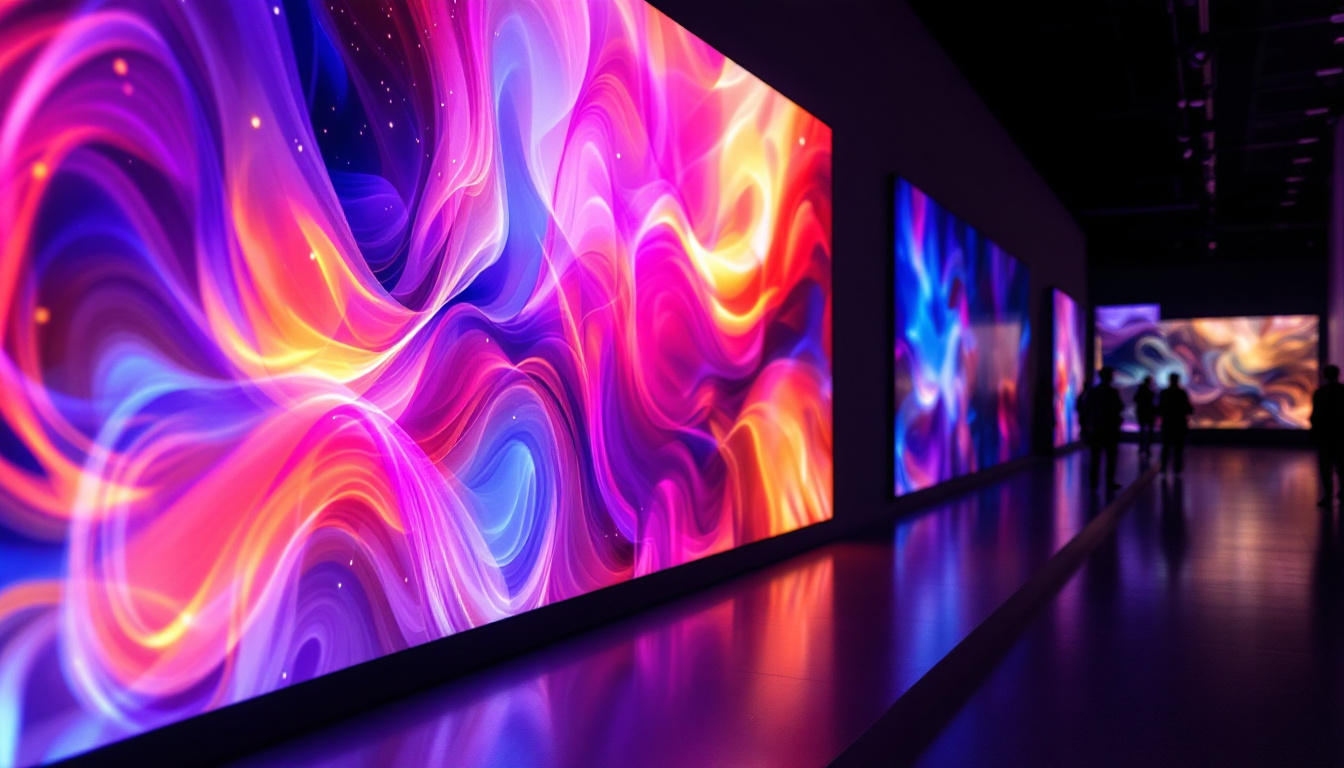
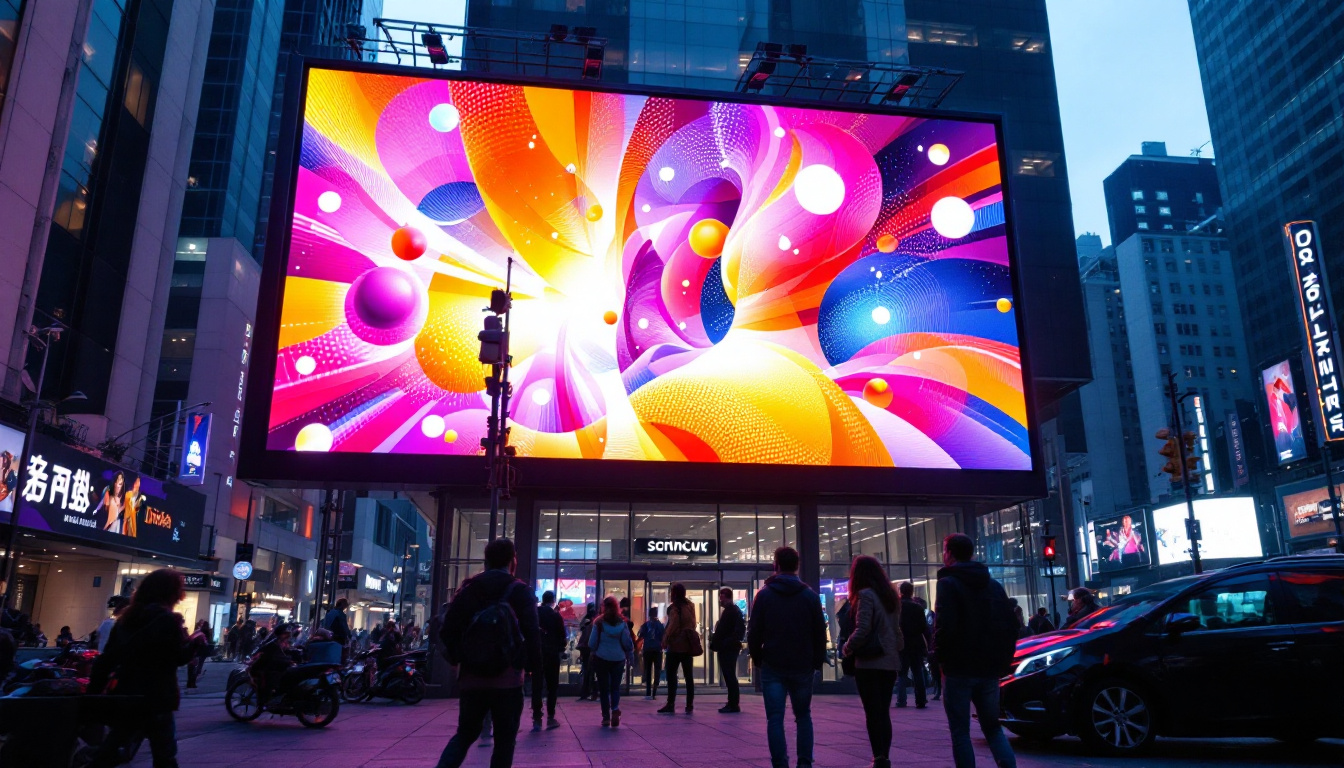
LED displays have become a staple for community events such as outdoor concerts, festivals, and public movie screenings. Their ability to deliver bright, clear images regardless of the time of day enhances audience engagement and satisfaction. Cities and towns increasingly invest in permanent LED installations in parks and plazas to support a variety of cultural and recreational activities.
Sports Viewing and Advertising
Sports arenas and outdoor viewing parties benefit immensely from LED technology. Fans can enjoy live broadcasts on large LED walls that maintain visibility even in daylight. Additionally, LED displays serve as dynamic advertising platforms, enabling event organizers and sponsors to showcase targeted content with high impact.
Corporate and Educational Events
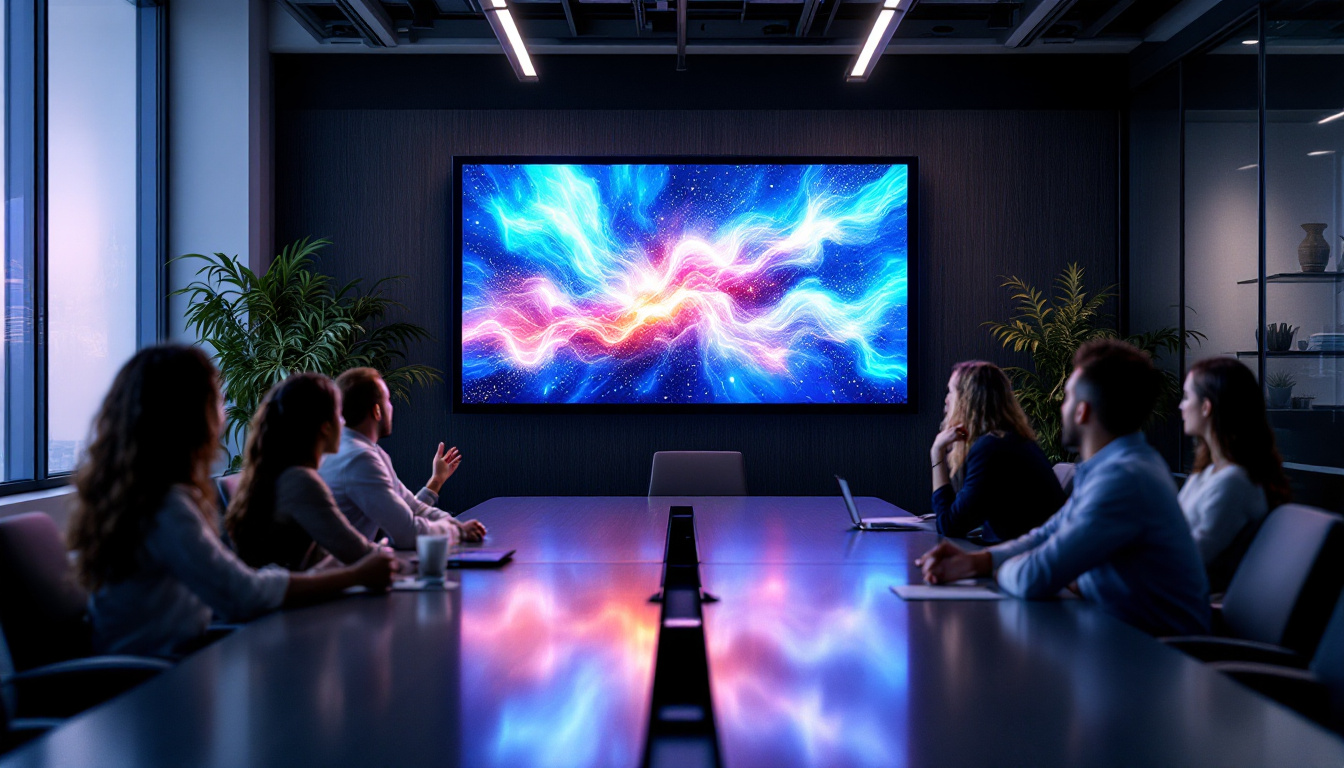
Businesses and educational institutions utilize outdoor LED displays for conferences, product launches, and graduations. The flexibility to tailor screen size and resolution to specific event needs, combined with the ability to operate in diverse lighting conditions, makes LED displays a versatile choice.
Choosing the Right Outdoor Display Solution
Assessing Environmental Factors
When selecting between a traditional projector screen and an LED display for outdoor use, it is essential to consider the environment. Factors such as ambient light levels, typical weather conditions, and the frequency of use will influence the optimal choice. For locations with high ambient light or frequent daytime events, LED displays offer clear advantages.
Budget and Long-Term Value
Budget constraints often dictate initial decisions, but evaluating long-term value is equally important. While projector screens are more affordable upfront, ongoing costs related to projector bulb replacements, screen maintenance, and limited usability hours can add up. LED displays, though costlier initially, tend to provide better return on investment through durability and superior performance.
Technical Support and Installation
Professional installation and technical support are critical for maximizing the benefits of LED displays. Partnering with experienced vendors ensures proper setup, calibration, and maintenance, minimizing downtime and technical issues. For projector screens, simpler setups may reduce the need for specialized assistance, but technical knowledge is still valuable for optimal image quality.
Future Trends in Outdoor Display Technology
Advancements in LED Technology
LED technology continues to evolve rapidly. Innovations such as microLED and miniLED promise even higher brightness, improved energy efficiency, and finer pixel pitch for enhanced image resolution. These advancements will further solidify LED displays as the preferred choice for outdoor applications.
Integration with Smart Systems
Smart outdoor displays integrated with IoT (Internet of Things) technology enable remote monitoring, content management, and adaptive brightness control based on ambient light sensors. This integration enhances user convenience and optimizes energy consumption.
Environmental Sustainability
As sustainability becomes a priority, manufacturers are developing LED displays with eco-friendly materials and energy-saving features. Solar-powered LED screens and recyclable components are emerging trends that align with global environmental goals.
Conclusion
Choosing the right outdoor display solution depends on a variety of factors including environmental conditions, budget, and intended use. While traditional projector screens remain a viable option for casual, low-cost outdoor viewing, LED displays offer unmatched brightness, durability, and versatility for more demanding applications.
As LED technology advances and becomes more accessible, it is poised to become the standard for outdoor visual displays. Whether for community events, sports, advertising, or corporate functions, investing in an LED display ensures a vibrant, reliable, and engaging viewing experience that can captivate audiences day or night.
Illuminate Your Outdoor Experience with LumenMatrix
Ready to elevate your outdoor events with unparalleled visual quality? LumenMatrix, a pioneer in LED display technology, offers a diverse range of solutions tailored to your needs. From vibrant Outdoor LED Wall Displays to dynamic LED Sports Displays and beyond, our products are designed to captivate your audience and amplify your message. Discover how our innovative LED display modules can transform your visual communication and create unforgettable experiences. Check out LumenMatrix LED Display Solutions today and step into the future of outdoor entertainment.