Display LCD: LED Display Explained
In today’s digital age, display technologies are at the heart of how we interact with devices, from smartphones and televisions to digital signage and wearable gadgets. Among the various display technologies available, LCD (Liquid Crystal Display) and LED (Light Emitting Diode) displays dominate the market. However, the terminology can sometimes be confusing, especially when phrases like “LED display” and “LCD display” are used interchangeably. This article aims to clarify these terms, explain how these displays work, and explore their advantages, disadvantages, and applications.
Understanding LCD Technology
What is an LCD?
Liquid Crystal Display (LCD) technology is a flat-panel display technology that uses liquid crystals combined with polarizers to produce images. Unlike traditional cathode ray tube (CRT) displays, LCDs do not emit light directly. Instead, they manipulate light to create visible images. This innovative approach allows for thinner and lighter displays, making them ideal for a wide range of applications, from televisions and computer monitors to smartphones and tablets.
LCD panels consist of multiple layers, including two polarized glass panels with liquid crystals sandwiched between them. When an electric current passes through the liquid crystals, they align in such a way that they either block or allow light to pass through, creating images pixel by pixel. This pixel-based technology enables high-resolution displays, making it possible to achieve sharp and vibrant visuals that are essential for modern media consumption. Additionally, the technology has evolved to include features like touch sensitivity, allowing for interactive displays that enhance user experience.
How Does an LCD Work?
LCDs rely on a backlight to illuminate the screen. The backlight shines through the liquid crystal layer, and the crystals control the amount of light that passes through each pixel. By adjusting the orientation of the crystals, the display can control the brightness and color of each pixel. This precise control over light allows LCDs to produce a wide color gamut and high contrast ratios, which are crucial for displaying detailed images and videos.
The most common backlighting method in LCDs is the use of cold cathode fluorescent lamps (CCFLs), though these have largely been replaced by LED backlighting due to efficiency and performance benefits. LED backlighting not only consumes less power but also allows for thinner designs and improved color accuracy. Furthermore, advancements in LCD technology have led to the development of various types of displays, such as In-Plane Switching (IPS) and Twisted Nematic (TN), each offering different advantages in terms of viewing angles and response times. As a result, LCD technology continues to evolve, providing consumers with an ever-improving visual experience.
What is an LED Display?
Clarifying the Term “LED Display”
The term “LED display” can be somewhat misleading because it is often used to describe two different types of display technologies:
- LED-backlit LCD displays: These are essentially LCD panels that use LEDs as the backlight source instead of CCFLs.
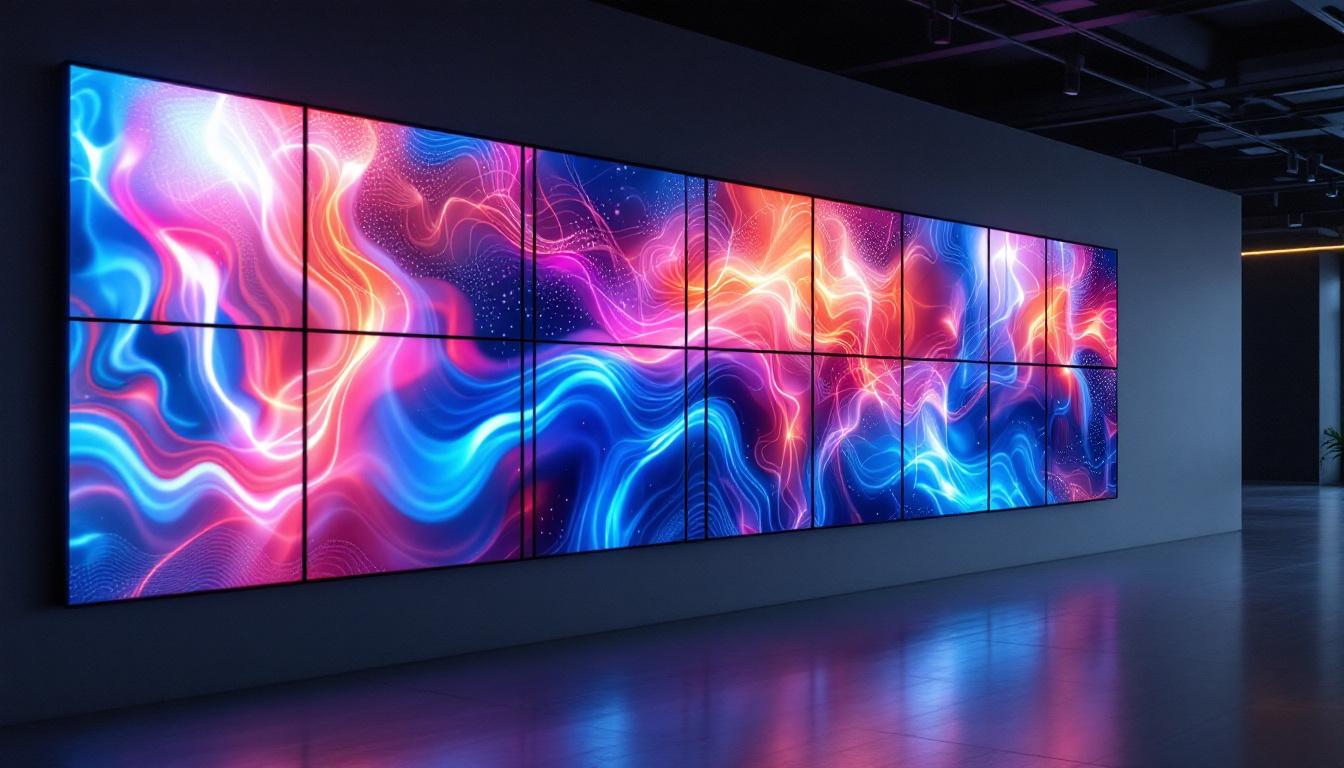
- True LED displays: These displays use individual LEDs as pixels to create images, commonly seen in large outdoor screens and digital billboards.
Understanding this distinction is crucial for consumers and professionals alike when choosing the right display technology for their needs. The confusion often arises because both types of displays are marketed under the same umbrella term, yet they serve different purposes and offer varying performance characteristics. For instance, while LED-backlit LCDs are more common in consumer electronics like televisions and computer monitors, true LED displays are typically reserved for commercial applications where visibility and impact are paramount.
LED-backlit LCD Displays
Modern LCD screens predominantly use LED backlighting. This means the display panel itself is still an LCD, but the light source behind it is composed of LEDs. This combination offers several advantages over older CCFL-backlit LCDs, including thinner panels, better energy efficiency, improved brightness, and enhanced color accuracy.
There are two main types of LED backlighting used in LCDs:
- Edge-lit LED: LEDs are placed along the edges of the panel, and light is spread across the screen using light guides.
- Full-array LED: LEDs are placed directly behind the entire screen, allowing for local dimming zones that improve contrast and black levels.
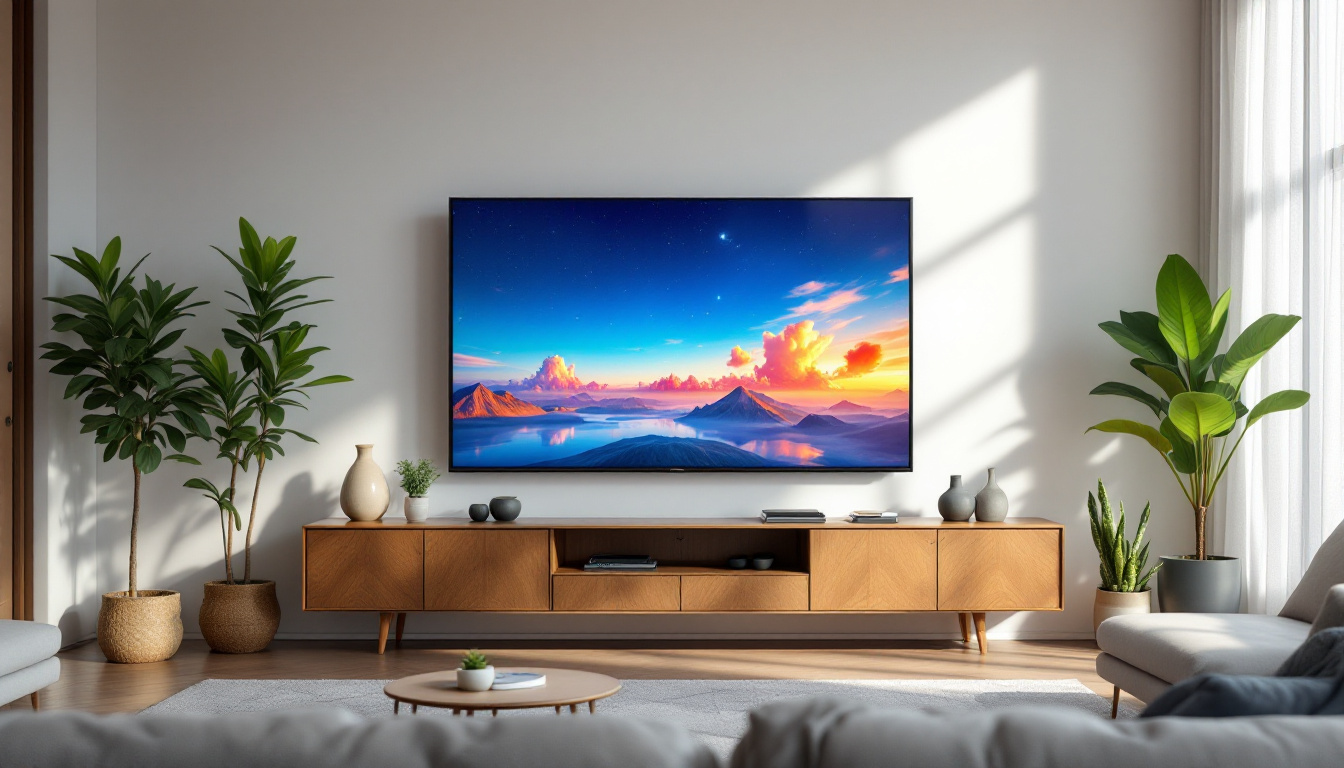
Additionally, the advancements in LED technology have led to features such as HDR (High Dynamic Range) support, which enhances the viewing experience by providing a wider range of colors and better contrast. This is particularly beneficial for movie enthusiasts and gamers who seek immersive visuals. Furthermore, the slim profile of LED-backlit LCDs makes them ideal for wall mounting and integration into modern living spaces, allowing for a seamless aesthetic that complements contemporary design.
True LED Displays
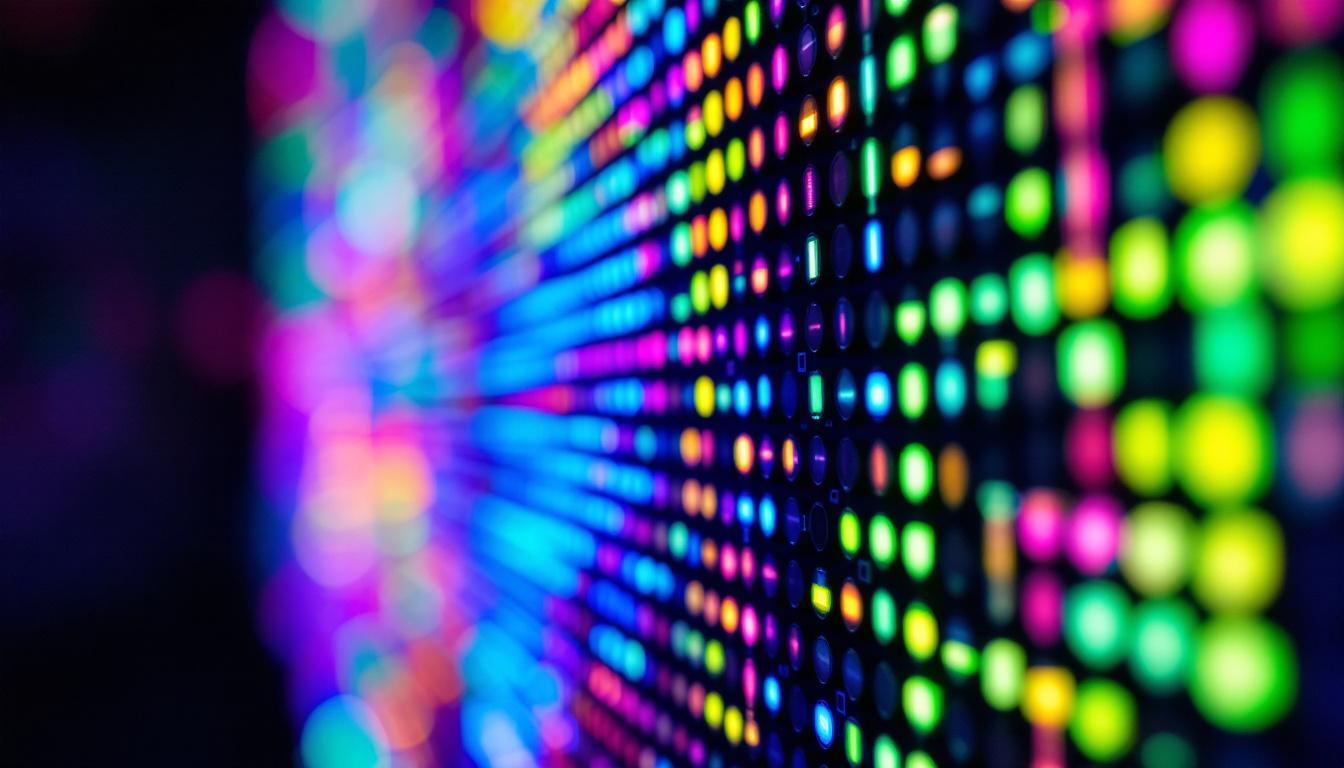
True LED displays, also known as direct-view LED displays, use individual light-emitting diodes as pixels. These displays do not rely on a backlight or liquid crystals. Instead, each LED emits its own light, which can be controlled independently to produce images and videos.
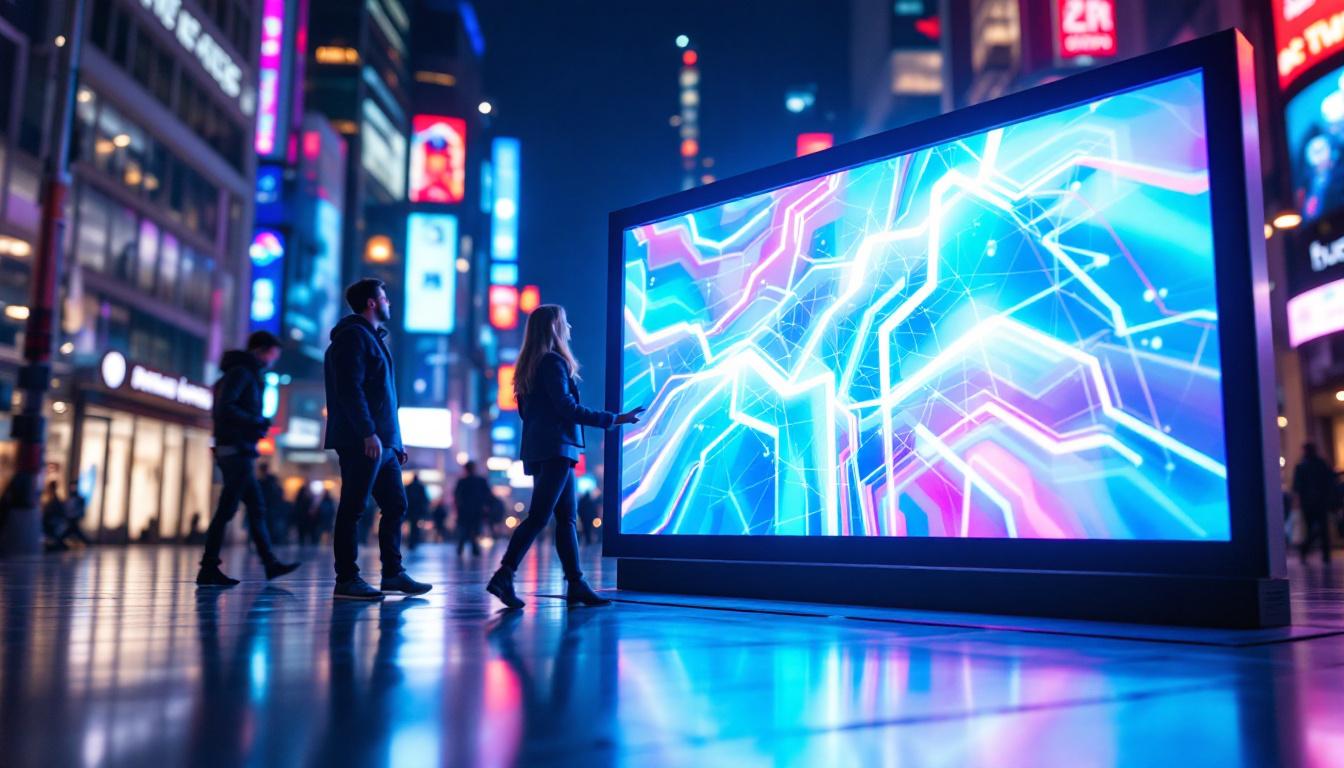
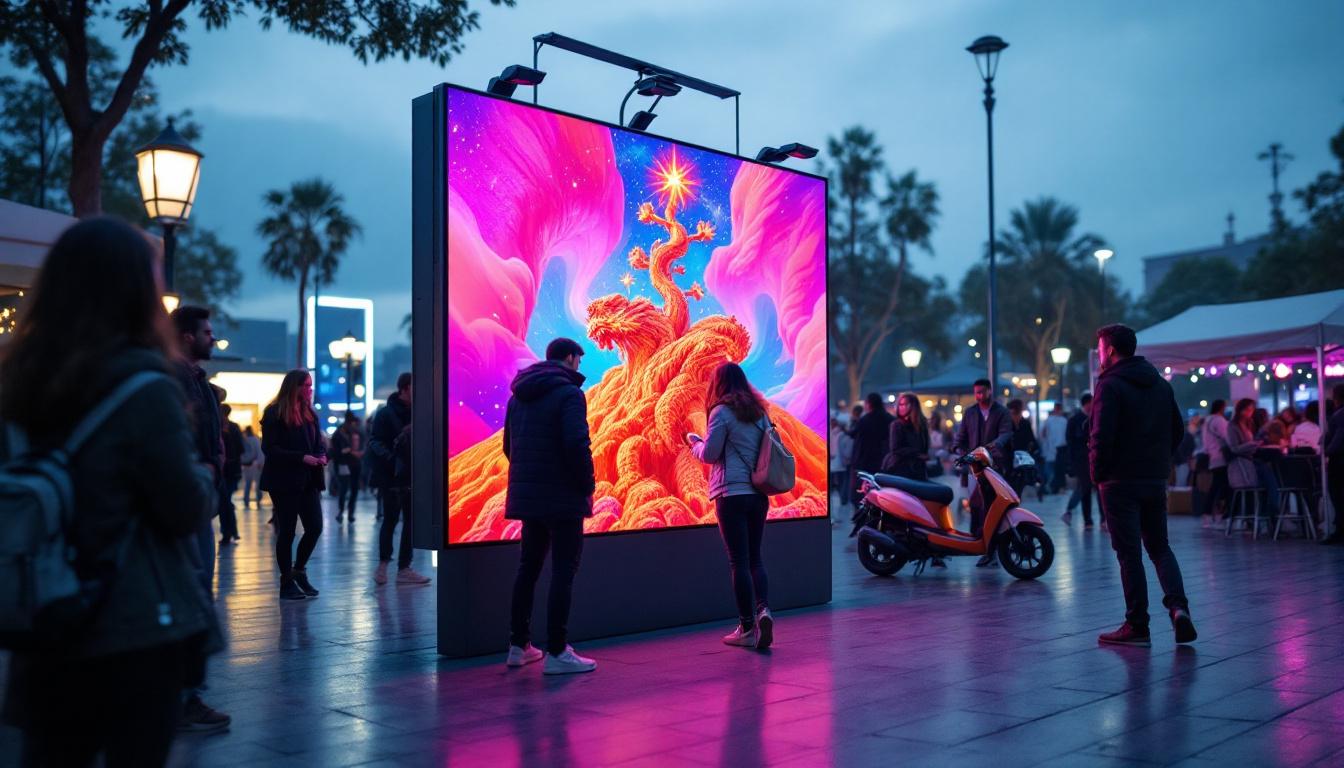
True LED displays are widely used in large-scale applications such as stadium screens, outdoor advertising billboards, and public information displays. They are prized for their brightness, durability, and ability to display vibrant colors even in direct sunlight. The modular nature of these displays allows for flexible sizing and shapes, enabling creative installations that can adapt to various environments and requirements.
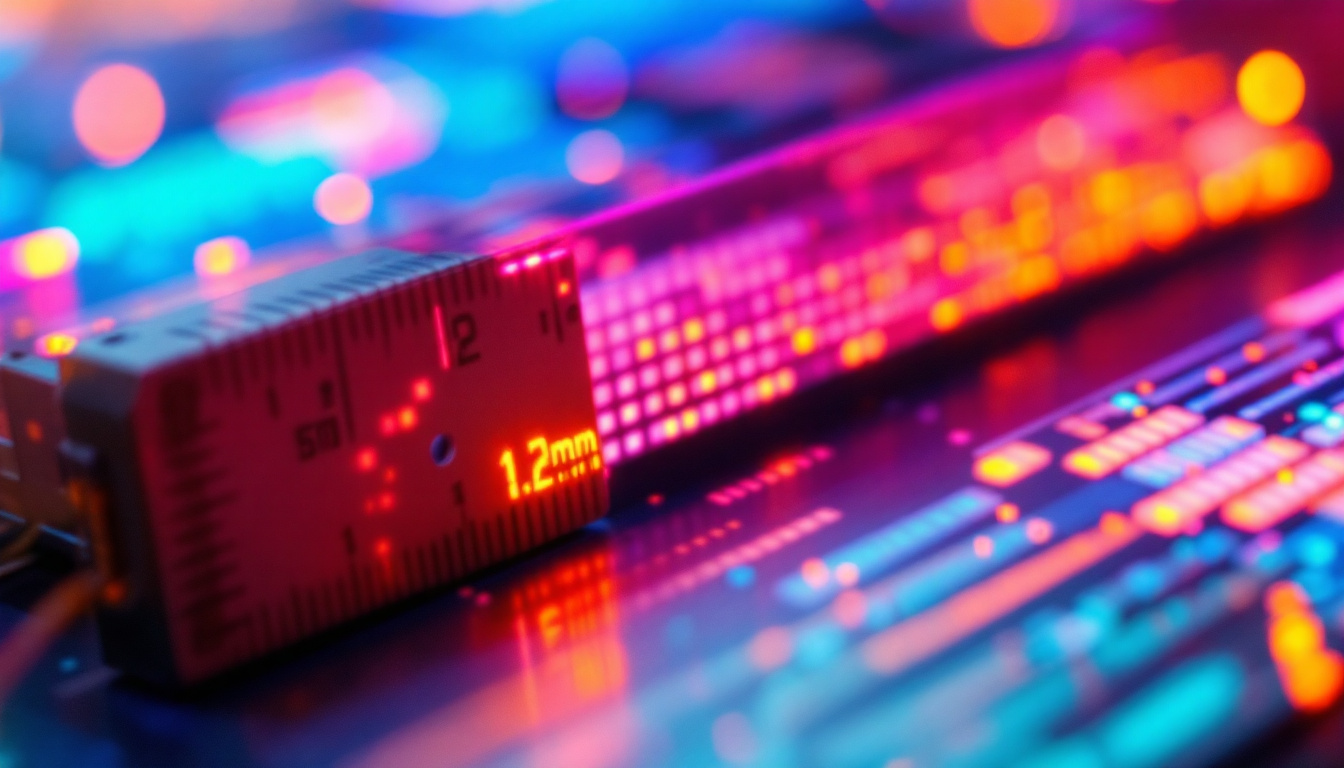
Moreover, true LED technology has evolved to include features like pixel pitch, which refers to the distance between the centers of two adjacent pixels. A smaller pixel pitch results in higher resolution and clarity, making these displays suitable for close viewing distances. This versatility has made true LED displays a favorite among event organizers and advertisers who want to capture attention and convey messages effectively in bustling urban settings or during live events.
Comparing LCD and LED Displays
Brightness and Contrast
LED-backlit LCDs generally offer higher brightness levels than CCFL-backlit LCDs, with some models reaching over 1000 nits, making them suitable for well-lit environments. Full-array LED backlighting with local dimming enhances contrast ratios by dimming parts of the screen independently, resulting in deeper blacks and more vivid images.
True LED displays can achieve extremely high brightness levels, often exceeding 5000 nits, which is essential for outdoor visibility. Their contrast is also excellent because LEDs can be turned off completely to produce true blacks.
Color Accuracy and Viewing Angles
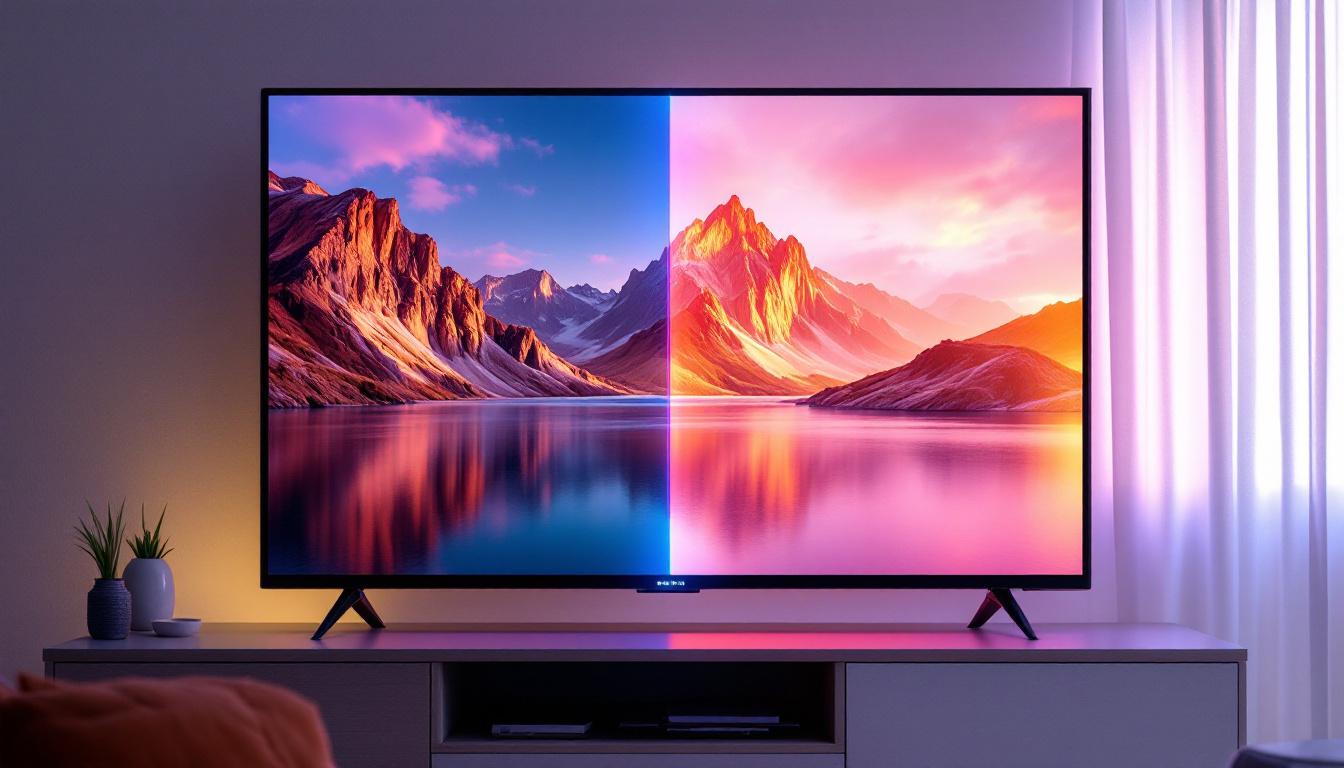
LCD panels, especially those using IPS (In-Plane Switching) technology, offer good color accuracy and wide viewing angles. LED-backlit LCDs benefit from improved color reproduction due to better backlighting techniques.
True LED displays can produce vibrant colors, but color accuracy can vary depending on the quality of the LEDs and calibration. Viewing angles are generally wide, but pixel pitch and screen resolution play significant roles in image clarity at different distances.
Energy Efficiency and Lifespan
LED-backlit LCDs are more energy-efficient than CCFL-backlit LCDs, consuming up to 40% less power. LEDs also have longer lifespans, often exceeding 50,000 hours of use.
True LED displays are also energy-efficient relative to their brightness output, but because they are used in large-scale applications, their total power consumption can be substantial. However, their durability and long operational life make them cost-effective over time.
Thickness and Design Flexibility
LED backlighting allows LCD panels to be thinner and lighter, enabling sleek designs in smartphones, laptops, and TVs. Edge-lit LED displays can be extremely thin, sometimes just a few millimeters thick.
True LED displays are modular and can be assembled in various sizes and shapes, offering unparalleled flexibility for large installations. However, they are generally thicker and heavier than consumer-grade LCD panels.
Applications of LCD and LED Displays
Consumer Electronics
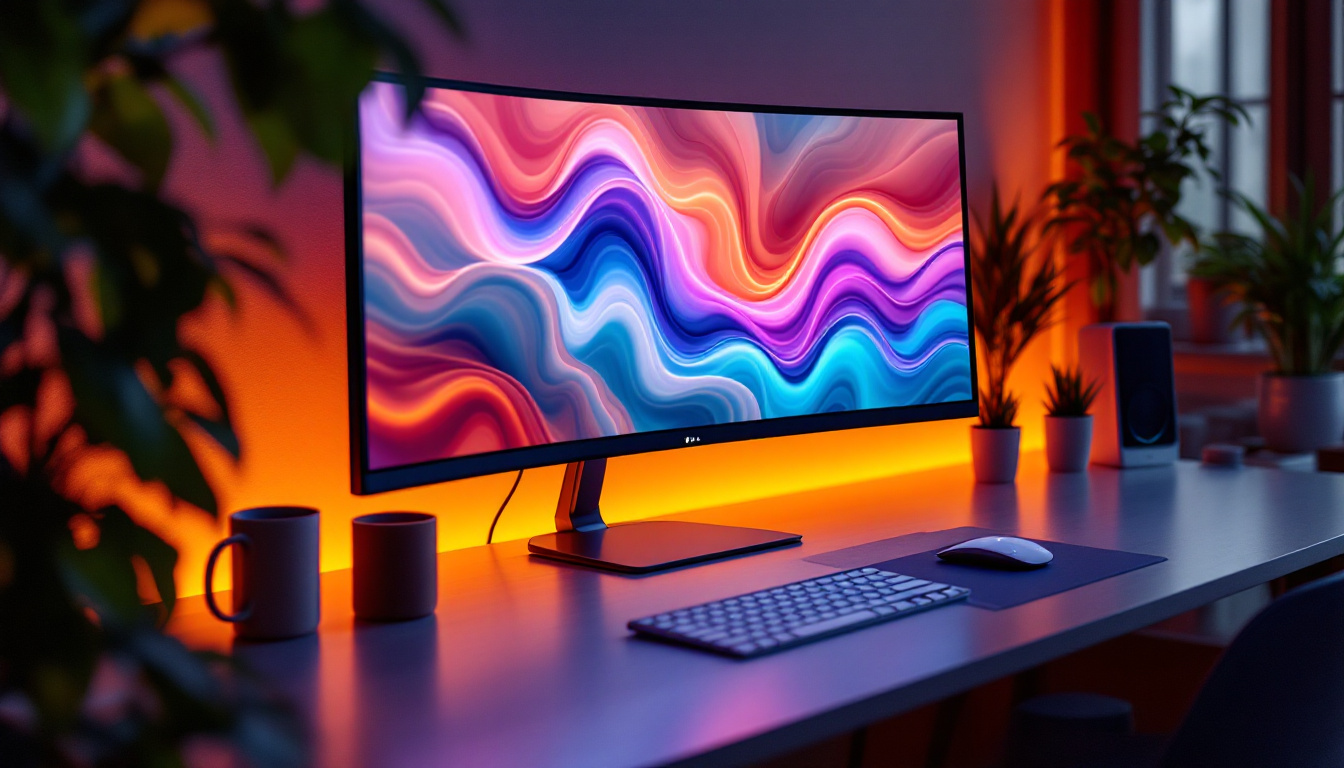
Most consumer electronics such as smartphones, tablets, laptops, monitors, and televisions use LED-backlit LCD technology. The combination offers a balance of image quality, energy efficiency, and cost-effectiveness that meets the demands of everyday users.
OLED (Organic LED) displays are also gaining traction in consumer electronics, but LED-backlit LCDs remain dominant due to their affordability and manufacturing maturity.
Commercial and Industrial Use
In commercial settings, LED-backlit LCD displays are common in digital signage, point-of-sale terminals, and control room monitors. Their brightness and clarity make them suitable for indoor environments with varying lighting conditions.
True LED displays are preferred for large-scale digital signage, outdoor advertising, sports arenas, and transportation hubs where visibility from long distances and under direct sunlight is critical.
Specialized Applications
Medical imaging, aviation, and military applications often require displays with specific characteristics such as high brightness, wide color gamut, and ruggedness. Both LED-backlit LCDs and true LED displays are used depending on the requirements.
For instance, aviation cockpit displays may use LED-backlit LCDs with enhanced brightness and anti-reflective coatings, while outdoor military displays might utilize ruggedized true LED panels for durability and visibility.
Future Trends in Display Technology
Mini-LED and Micro-LED Innovations
Mini-LED technology represents an advancement in LED backlighting for LCDs, using thousands of tiny LEDs to create more precise local dimming zones. This results in improved contrast, better HDR (High Dynamic Range) performance, and thinner displays. Mini-LEDs are increasingly appearing in premium TVs, monitors, and laptops.
Micro-LED technology goes a step further by using microscopic LEDs as individual pixels, similar to OLED but with higher brightness and no risk of burn-in. Although still in early stages of commercialization, Micro-LED displays promise exceptional image quality and energy efficiency for both consumer and commercial applications.
Integration with Emerging Technologies
Display technologies continue to evolve alongside advancements in augmented reality (AR), virtual reality (VR), and wearable devices. Flexible and transparent LED-backlit LCDs, as well as true LED displays, are being developed to support these new form factors.
Furthermore, improvements in quantum dot technology are enhancing color accuracy and brightness in LED-backlit LCDs, pushing the boundaries of what these displays can achieve.
Conclusion
Understanding the differences between LCD and LED displays is essential for making informed decisions when purchasing or specifying display technologies. While LCD refers to the panel technology that manipulates light with liquid crystals, LED can refer either to the backlighting method used in LCDs or to displays that use LEDs as individual pixels.
LED-backlit LCDs dominate consumer electronics due to their balance of performance and cost, while true LED displays excel in large-scale, high-brightness applications. Emerging technologies like Mini-LED and Micro-LED are poised to enhance the capabilities of displays further, offering improved image quality and design flexibility.
By grasping these concepts, consumers, designers, and industry professionals can better navigate the rapidly evolving landscape of display technologies and choose solutions that best fit their needs.
Explore Cutting-Edge LED Display Solutions with LumenMatrix
As you consider the vast landscape of display technologies for your next project, let LumenMatrix illuminate your path to exceptional visual communication. Our commitment to innovation positions us at the forefront of LED display technology, offering a diverse range of products from Indoor and Outdoor LED Wall Displays to specialized solutions like Vehicle LED Displays and LED Sports Displays. Whether you’re looking to captivate your audience with a Custom LED Display or seeking the sleek design of an LED Transparent Display, LumenMatrix has the expertise to enhance your brand’s visibility and create immersive experiences. Check out LumenMatrix LED Display Solutions today and take the first step towards transforming your visual engagement.