Standard TV Screen Sizes: LED Display Explained
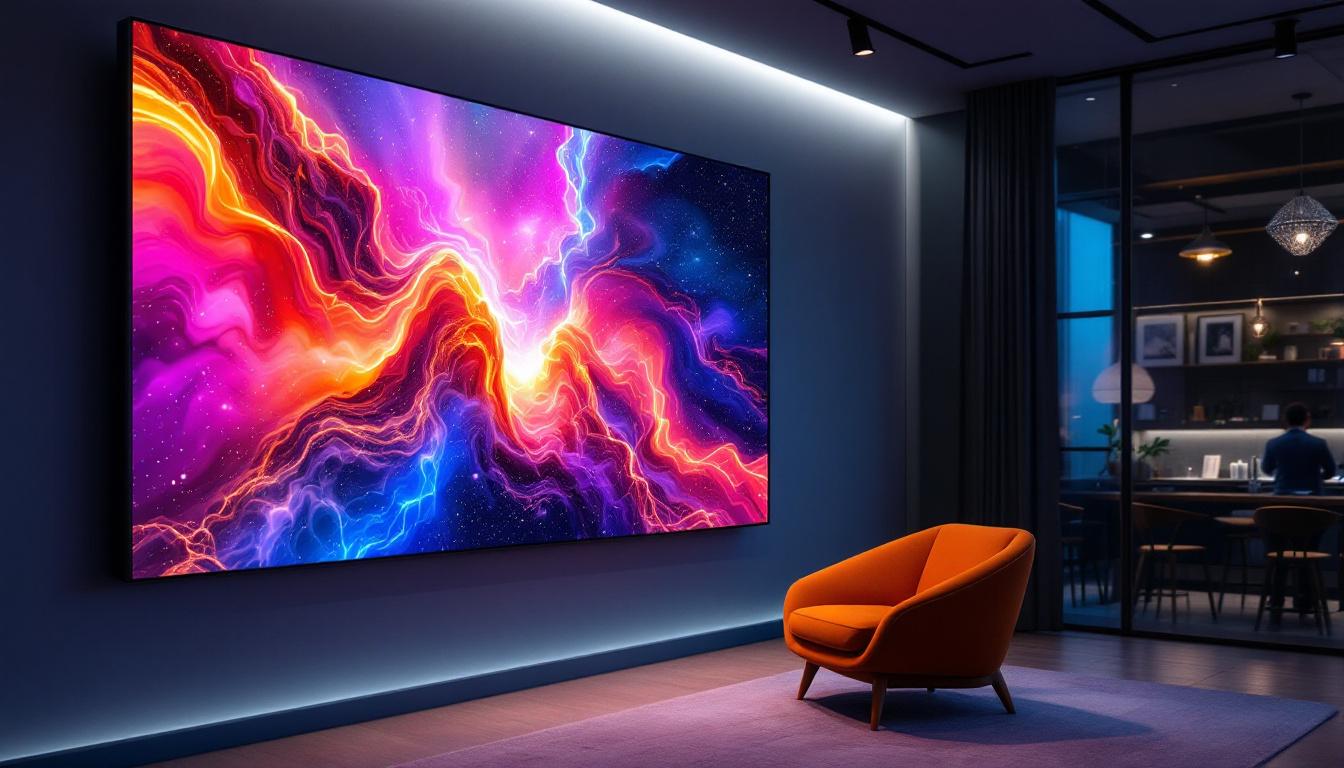
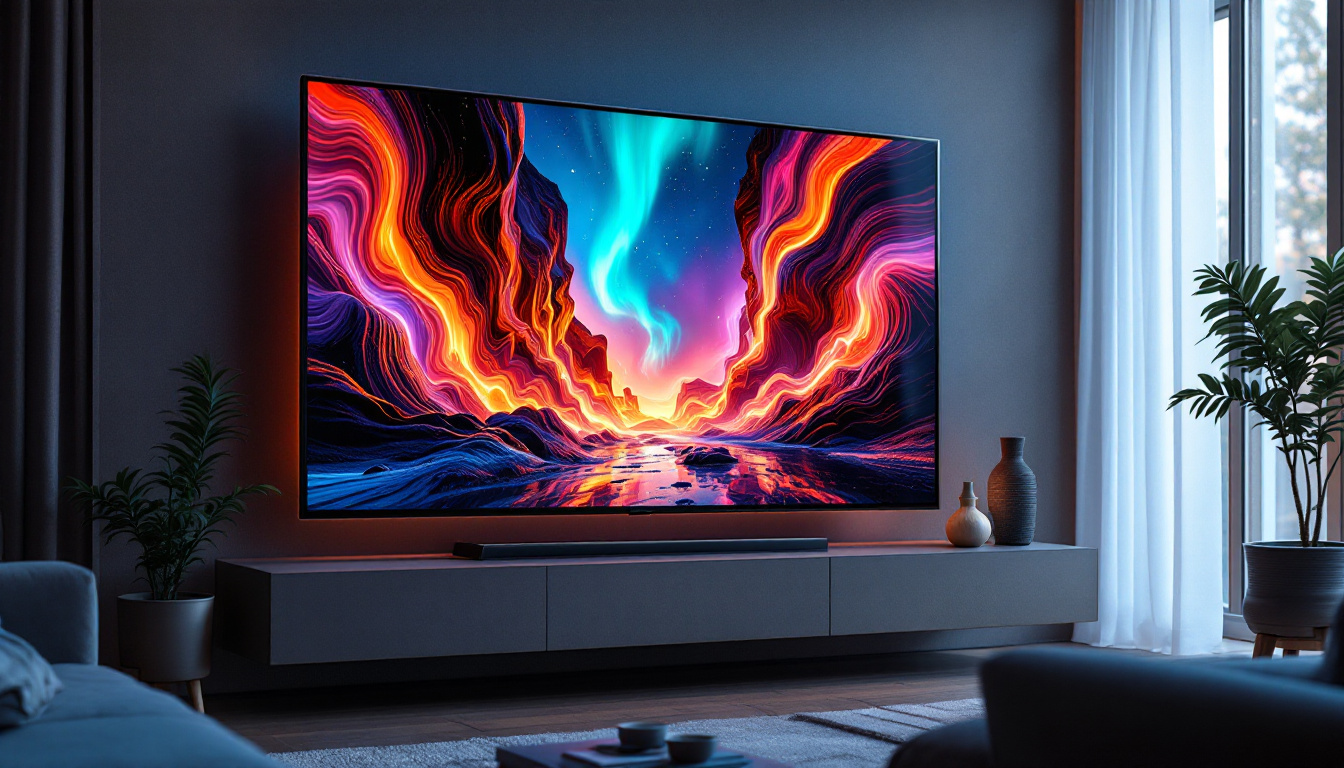
Choosing the right TV can be a daunting task, especially with the variety of screen sizes and display technologies available today. Among these, LED TVs have become the most popular choice for consumers worldwide, thanks to their energy efficiency, vibrant colors, and affordability. Understanding standard TV screen sizes and how LED displays work can help you make an informed decision that enhances your viewing experience.
Understanding LED TV Technology
LED, or Light Emitting Diode, TVs are a type of LCD (Liquid Crystal Display) television that use LEDs to backlight the screen instead of the traditional cold cathode fluorescent lamps (CCFLs). This innovation has brought significant improvements in picture quality, energy consumption, and design flexibility.
LED TVs come in two main varieties: Edge-lit and Full-array. Edge-lit LED TVs position LEDs around the edges of the screen, allowing for thinner panels and lighter weight. Full-array LED TVs have LEDs distributed directly behind the screen, offering better control over brightness and contrast through local dimming zones.
Thanks to these features, LED TVs provide sharper images, deeper blacks, and more vivid colors compared to older LCD models. Additionally, LED technology supports higher resolutions, including 4K and 8K, which are becoming increasingly common in the market.
One of the most exciting advancements in LED technology is the introduction of Quantum Dot displays, which enhance color accuracy and brightness. Quantum Dots are tiny semiconductor particles that emit specific colors when exposed to light. By incorporating these into the LED backlighting, manufacturers can produce a broader color spectrum, resulting in images that are not only more vibrant but also more lifelike. This technology is particularly beneficial for viewing HDR (High Dynamic Range) content, which requires a wider range of brightness and color to deliver an immersive viewing experience.
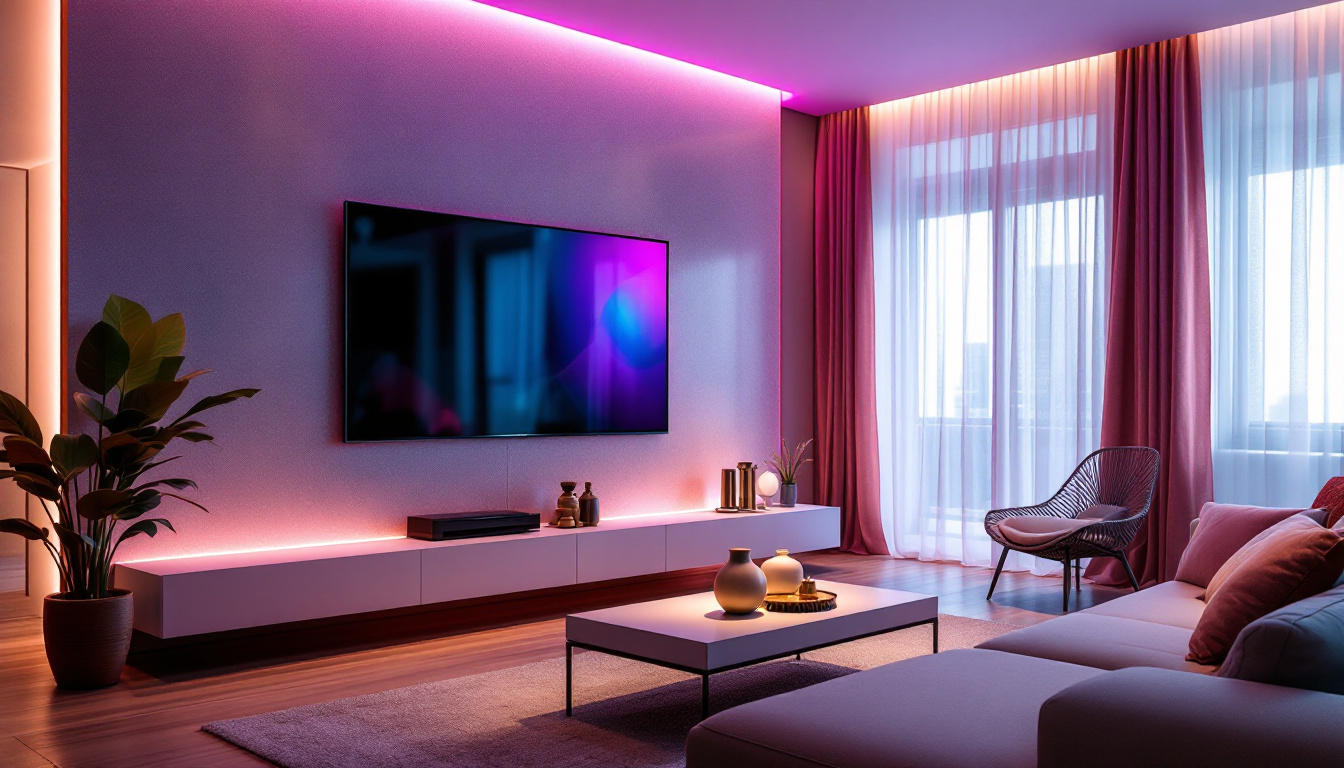
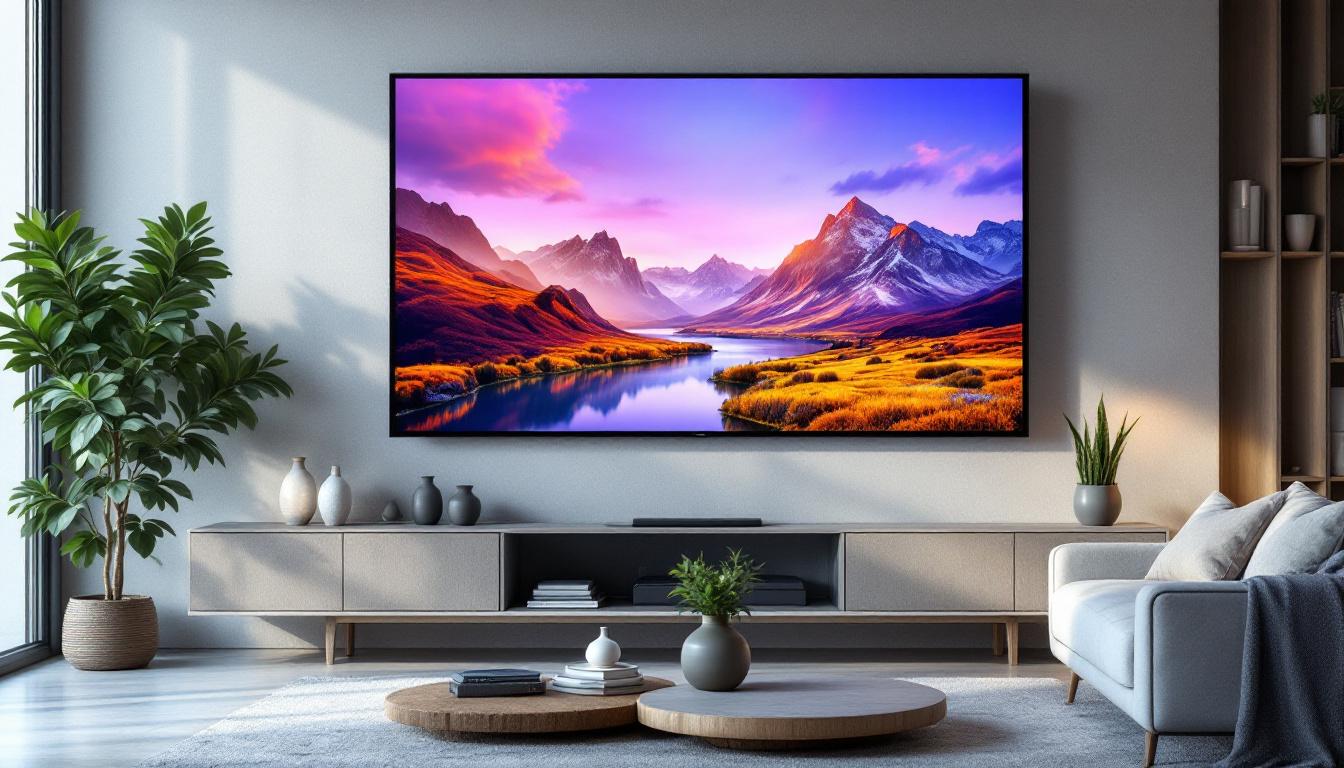
Moreover, the design of LED TVs has evolved significantly, with ultra-slim bezels and sleek profiles that allow them to blend seamlessly into modern home decor. Many models now feature smart capabilities, enabling users to stream content directly from popular services like Netflix, Hulu, and Amazon Prime Video without the need for additional devices. This integration of smart technology has transformed the way viewers consume media, making it more convenient than ever to access a vast library of entertainment at their fingertips.
Why Screen Size Matters
Screen size is one of the most important factors when selecting a TV. It directly affects your viewing experience, room aesthetics, and even your budget. Standard TV screen sizes are measured diagonally from corner to corner, typically in inches.
Choosing the right size depends largely on the distance between your seating area and the TV, as well as the room’s layout. For example, a 55-inch TV is ideal for a viewing distance of about 7 to 9 feet, while larger screens like 75 inches are better suited for bigger rooms or home theaters.
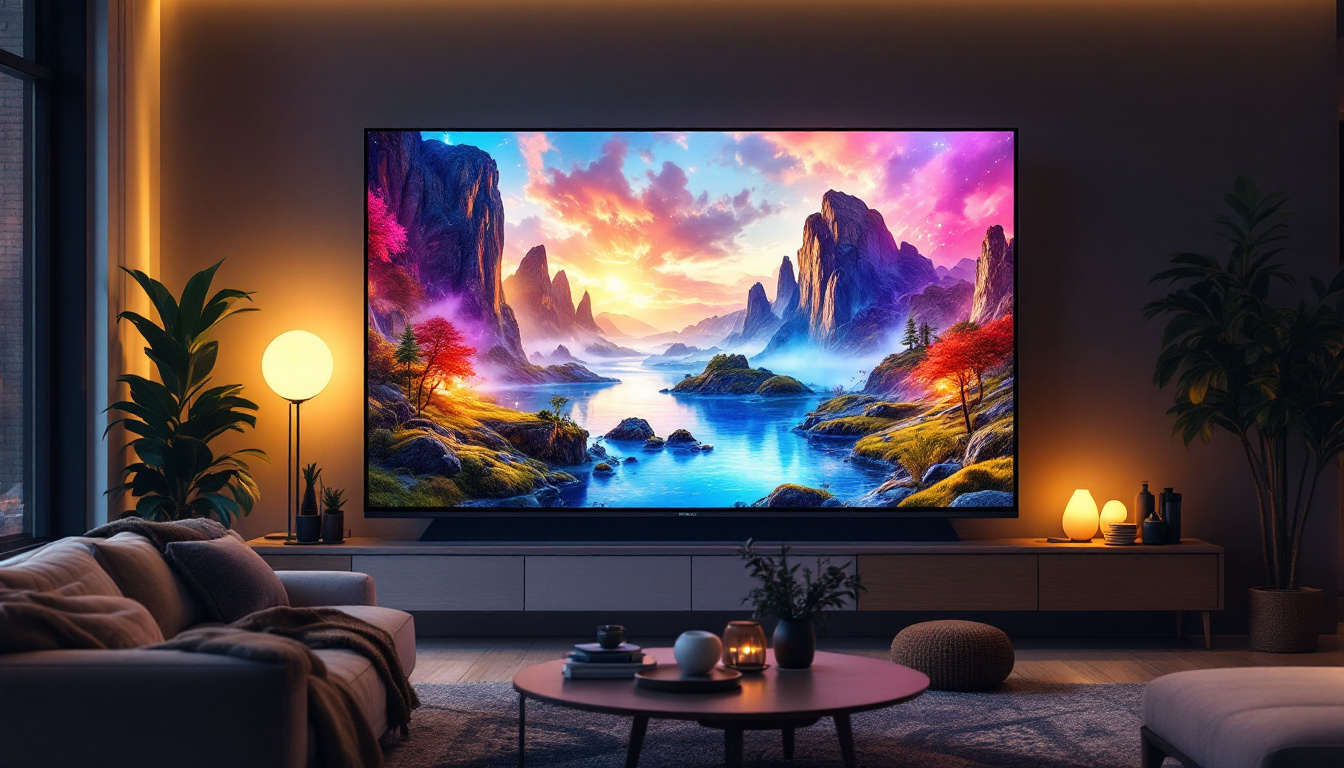
Moreover, larger screens tend to offer a more immersive experience, especially when watching high-definition content or playing video games. However, going too big for your space can cause discomfort and reduce picture clarity if you sit too close.
Additionally, it’s worth considering the resolution of the TV in conjunction with its size. A larger screen with a lower resolution may not deliver the sharp images you expect, leading to a less satisfying viewing experience. For instance, a 65-inch 4K TV will provide a much clearer picture than a 65-inch 1080p model, especially when viewed from a distance. This is particularly important for those who enjoy watching movies or sports, where detail and clarity can significantly enhance the experience.
Furthermore, the aspect ratio of the TV can also play a role in how the screen size is perceived. Most modern TVs have a 16:9 aspect ratio, which is ideal for widescreen content. However, if you frequently watch older films or TV shows that were produced in a different aspect ratio, you might find that a larger screen can sometimes lead to unwanted cropping or letterboxing. Understanding these nuances can help you make a more informed decision when selecting the perfect TV for your home.
Standard TV Screen Sizes in the Market
The TV industry follows a set of standard screen sizes that cater to various consumer needs and room dimensions. Here is an overview of the most common LED TV sizes available today:
32 to 43 Inches: Compact and Versatile
These sizes are perfect for bedrooms, kitchens, or smaller living spaces. A 32-inch LED TV is often the entry point for many consumers looking for a budget-friendly option without sacrificing picture quality. Models in this range typically support Full HD (1080p) resolution, which is sufficient for casual viewing.
43-inch TVs have gained popularity as a mid-size option, offering a balance between screen real estate and affordability. They are suitable for secondary rooms or smaller living areas where a larger screen might be overwhelming.
50 to 65 Inches: The Sweet Spot for Most Living Rooms
This range represents the most popular sizes for main living rooms. A 50-inch LED TV offers a substantial upgrade over smaller models, with better immersion and often comes equipped with 4K resolution and HDR (High Dynamic Range) support. The 55-inch and 65-inch models are especially favored for their ability to deliver cinematic experiences without requiring an excessively large space.
These sizes are ideal for viewing distances between 6 and 10 feet, making them versatile for most homes. Many manufacturers focus their latest technologies, such as smart TV features and advanced image processing, on models within this range.
70 Inches and Above: Home Theater Experience
For those seeking a true home theater setup, TVs measuring 70 inches or more provide an immersive experience akin to a movie theater. These large screens are best suited for spacious rooms where viewers can sit at least 10 feet away to fully appreciate the detail and scale.
Models in this category often come with premium features like 8K resolution, advanced local dimming, and wide color gamut support. However, they also come with a higher price tag and require careful consideration of room layout and seating arrangements.
Aspect Ratio and Its Impact on Viewing
Most modern LED TVs use a 16:9 aspect ratio, which means the screen is 16 units wide for every 9 units tall. This ratio has become the industry standard because it matches the format of most broadcast content, streaming services, and Blu-ray discs.
Understanding aspect ratio is important because it affects how content is displayed. For instance, older movies shot in 4:3 may appear with black bars on the sides, while widescreen films might have black bars on the top and bottom. Choosing a TV with a 16:9 ratio ensures compatibility with the vast majority of modern media.
Resolution and Picture Quality
Screen size and resolution go hand in hand when it comes to picture quality. Resolution refers to the number of pixels that make up the display. The higher the resolution, the sharper and more detailed the image.
Common resolutions for LED TVs include:
- 1080p (Full HD): 1920 x 1080 pixels, suitable for smaller screens up to 43 inches.
- 4K (Ultra HD): 3840 x 2160 pixels, increasingly standard for screens 50 inches and above.
- 8K: 7680 x 4320 pixels, currently premium and mostly available in very large screens (75 inches and up).
When selecting a TV, it’s important to balance screen size with resolution. For example, a 55-inch 4K TV will provide a noticeably sharper image than a 55-inch 1080p model, especially when viewed up close.
Choosing the Right TV for Your Space
To optimize your viewing experience, consider the following guidelines when selecting a TV size:
- Measure your viewing distance: The ideal screen size is roughly one-third to one-half of the distance (in inches) between your seating and the TV. For example, if you sit 9 feet (108 inches) away, a 55-inch to 65-inch TV would be appropriate.
- Consider room lighting: LED TVs perform well in various lighting conditions, but larger screens with higher brightness levels are better for bright rooms.
- Think about usage: For gaming or sports, larger screens with faster refresh rates and low input lag are preferable. For casual TV watching, mid-size models with smart features may suffice.
Additionally, the physical space available for mounting or placing the TV is crucial. Make sure to account for ventilation and accessibility when planning your setup.
Trends in LED TV Screen Sizes
The TV market continues to evolve, with consumer preferences shifting towards larger screens and higher resolutions. According to recent industry reports, the average screen size of TVs sold globally has steadily increased over the past decade, now hovering around 55 inches.
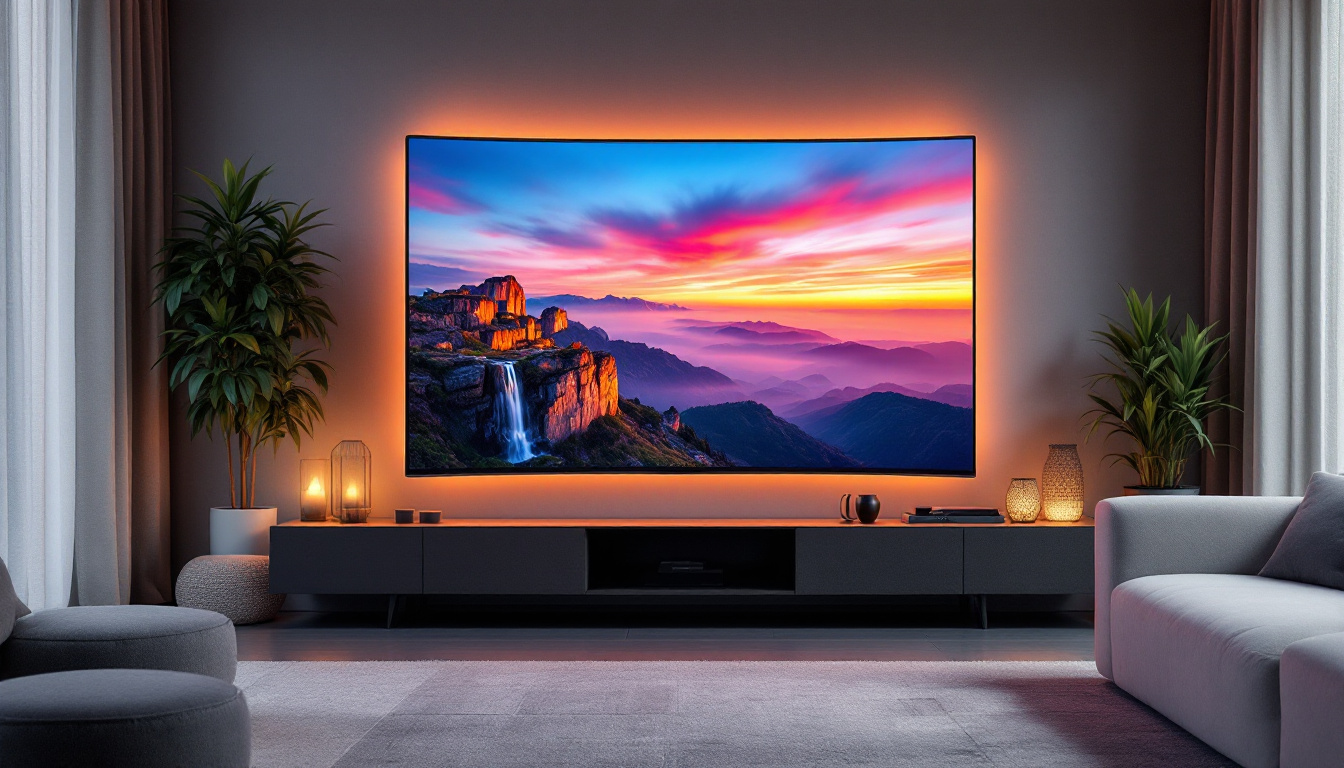
Manufacturers are also pushing the boundaries with ultra-thin designs, curved screens, and integration of smart home technologies. OLED and QLED technologies, which offer superior contrast and color accuracy, are becoming more accessible, often complementing LED backlighting techniques.
Despite these advancements, LED TVs remain the dominant technology due to their affordability and versatility, making understanding their standard screen sizes and capabilities essential for consumers.
Conclusion
Selecting the right LED TV screen size is a balance between your room’s dimensions, viewing distance, budget, and personal preferences. Understanding the technology behind LED displays and the standard sizes available can greatly enhance your purchasing decision.
From compact 32-inch models perfect for small rooms to massive 75-inch screens ideal for home theaters, there is an LED TV size to fit every need. Coupled with the right resolution and features, an LED TV can transform your entertainment experience with vibrant colors, sharp images, and energy-efficient performance.
When shopping for your next TV, consider these factors carefully to ensure you invest in a display that delivers both quality and value for years to come.
Discover the Perfect LED Display with LumenMatrix
Ready to elevate your viewing experience with a screen that embodies the latest in LED technology? Look no further than LumenMatrix, where innovation meets excellence in every display. Whether you’re in search of an immersive indoor LED wall display for your living room, a dynamic outdoor solution for your business, or specialized displays for vehicles, sports, and more, LumenMatrix has a tailored solution to fit your unique needs. Embrace the future of visual communication and captivate your audience with unparalleled clarity and vibrancy. Check out LumenMatrix LED Display Solutions today and transform your space with a display that truly stands out.