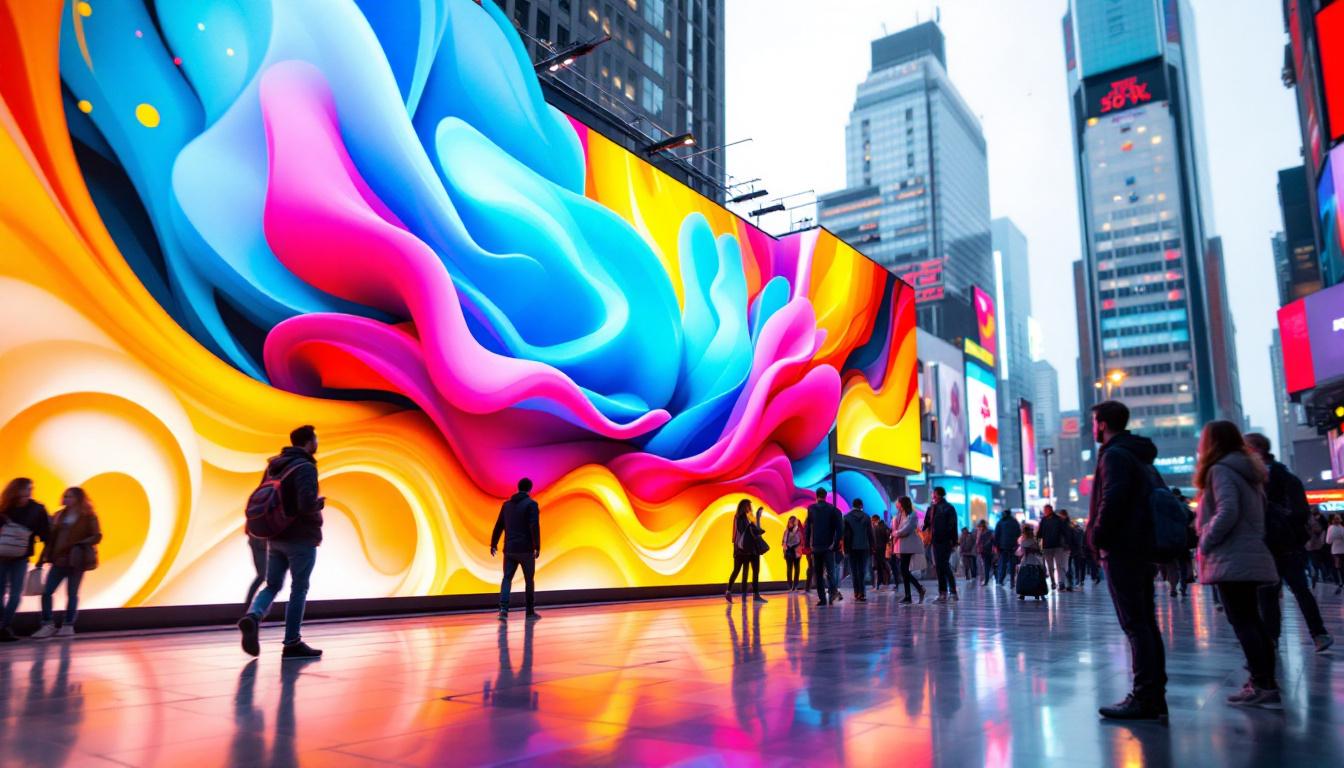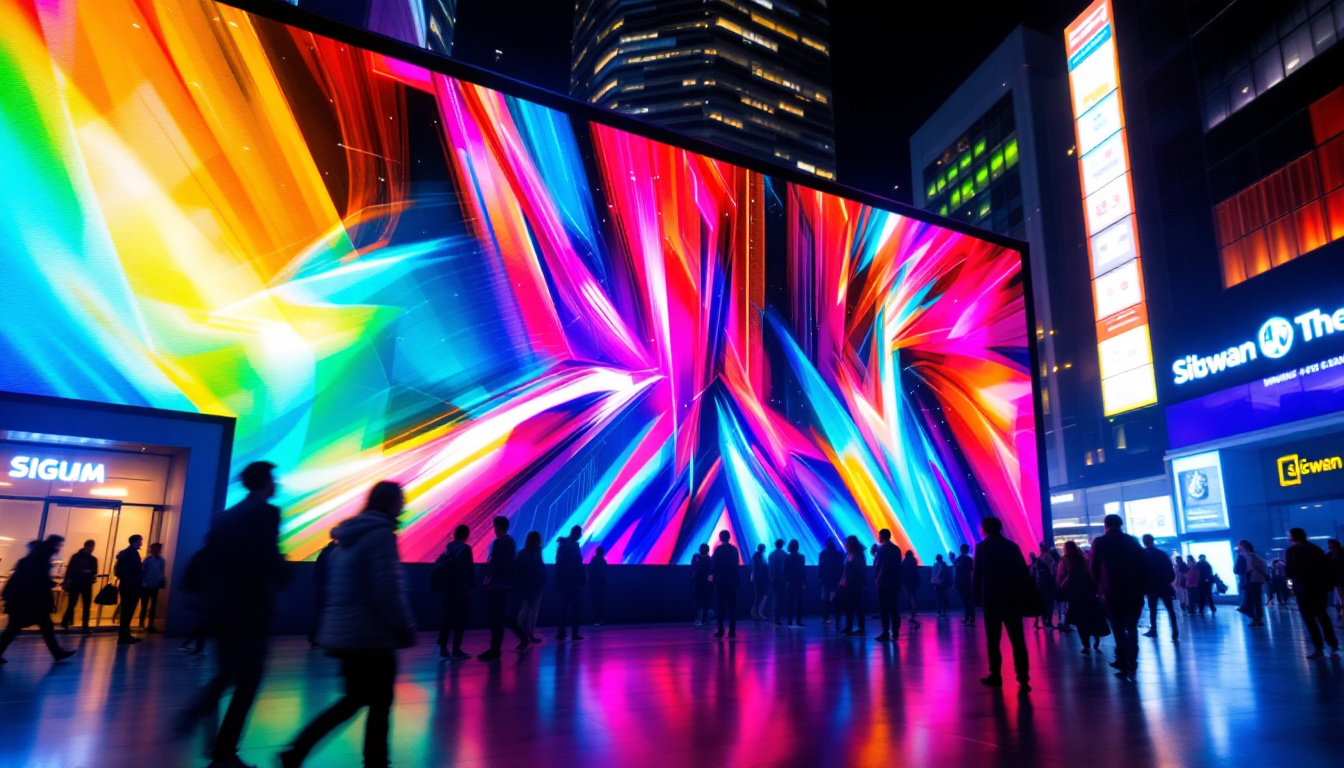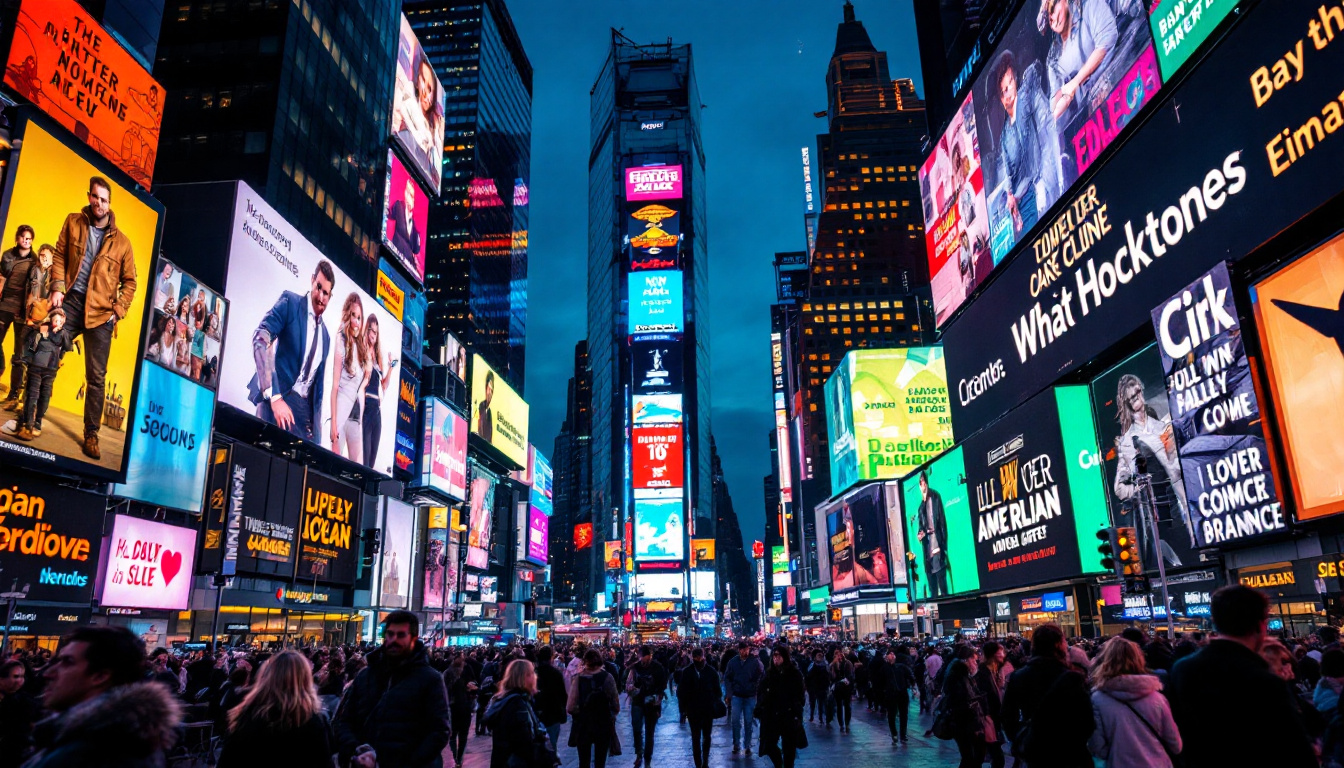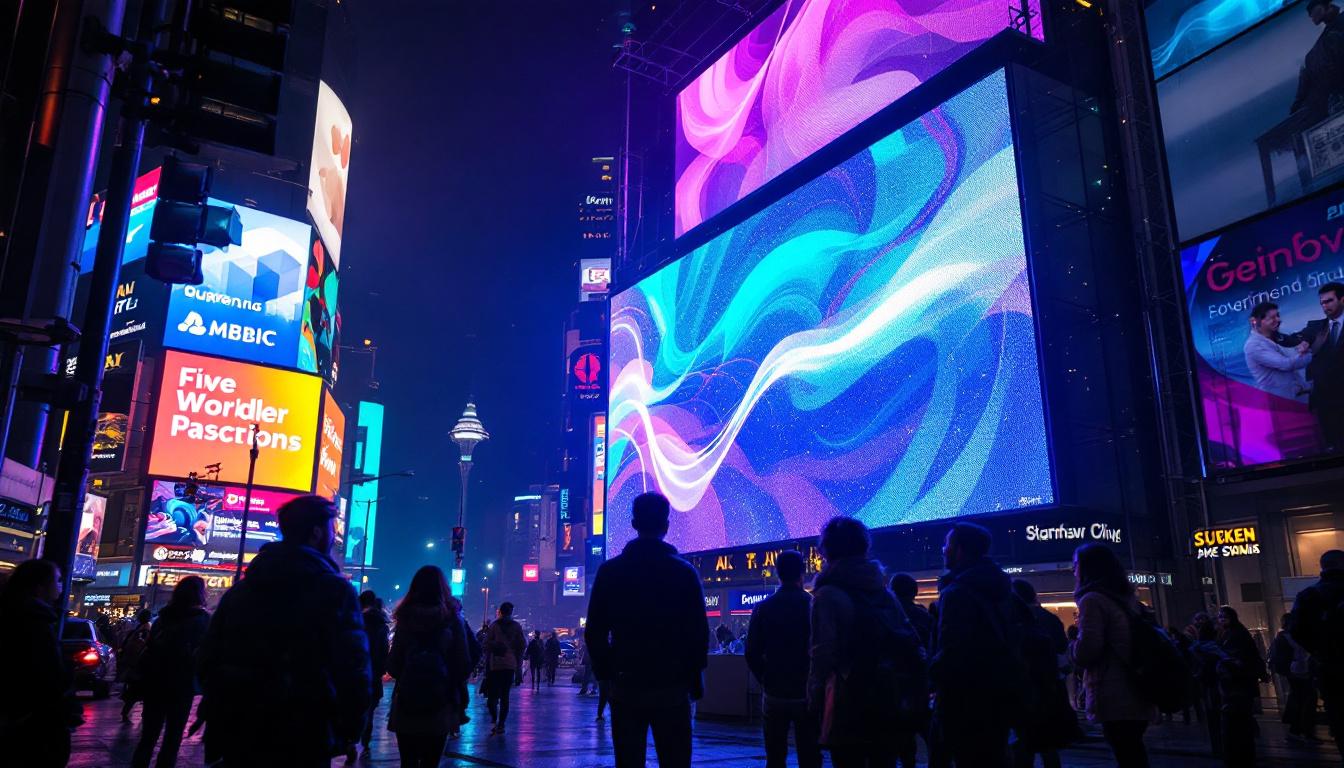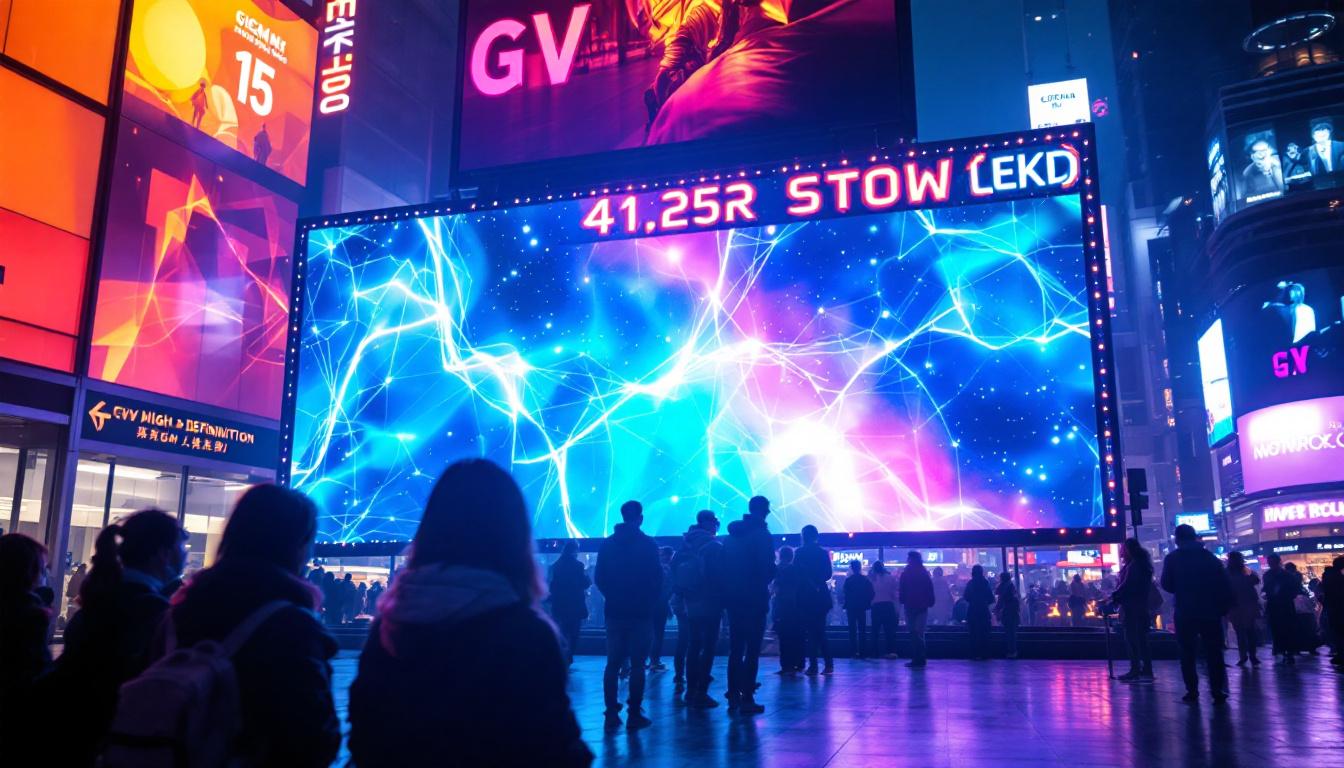
In today’s fast-paced digital world, brands are constantly seeking innovative ways to capture attention and communicate their message effectively. One of the most powerful tools in this endeavor is the LED display. From towering billboards in Times Square to dynamic retail signage, LED displays have transformed the way brands engage with their audiences. This article delves into the technology behind LED displays, their benefits, applications, and how businesses can leverage them to enhance brand visibility and customer experience.
Understanding LED Display Technology
What is an LED Display?
LED stands for Light Emitting Diode, a semiconductor device that emits light when an electric current passes through it. An LED display is a flat panel that uses an array of these tiny diodes to produce images, videos, and text. Unlike traditional LCD or plasma screens, LED displays rely on these individual light sources, which offer superior brightness and energy efficiency. This efficiency not only translates into lower energy bills but also contributes to a reduced carbon footprint, making LED technology a more environmentally friendly option.
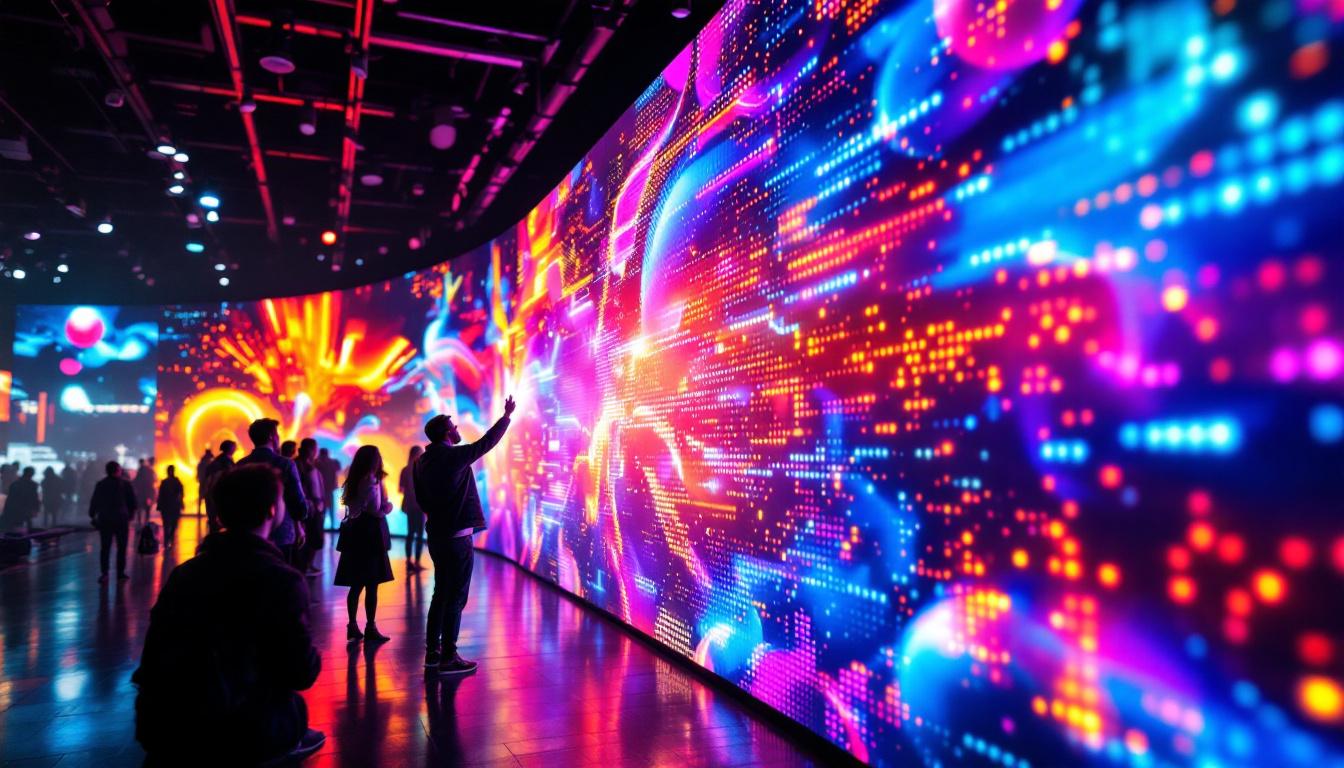
LED displays can be found in various forms, including indoor and outdoor screens, flexible panels, and even transparent displays. The modular nature of LED technology allows manufacturers to create displays of virtually any size or shape, making them highly versatile for branding purposes. This adaptability has led to their widespread use in advertising, sports arenas, and public events, where dynamic and eye-catching visuals are essential for capturing audience attention. Additionally, the durability of LED displays means they can withstand harsh weather conditions, making them ideal for outdoor installations.
How Do LED Displays Work?
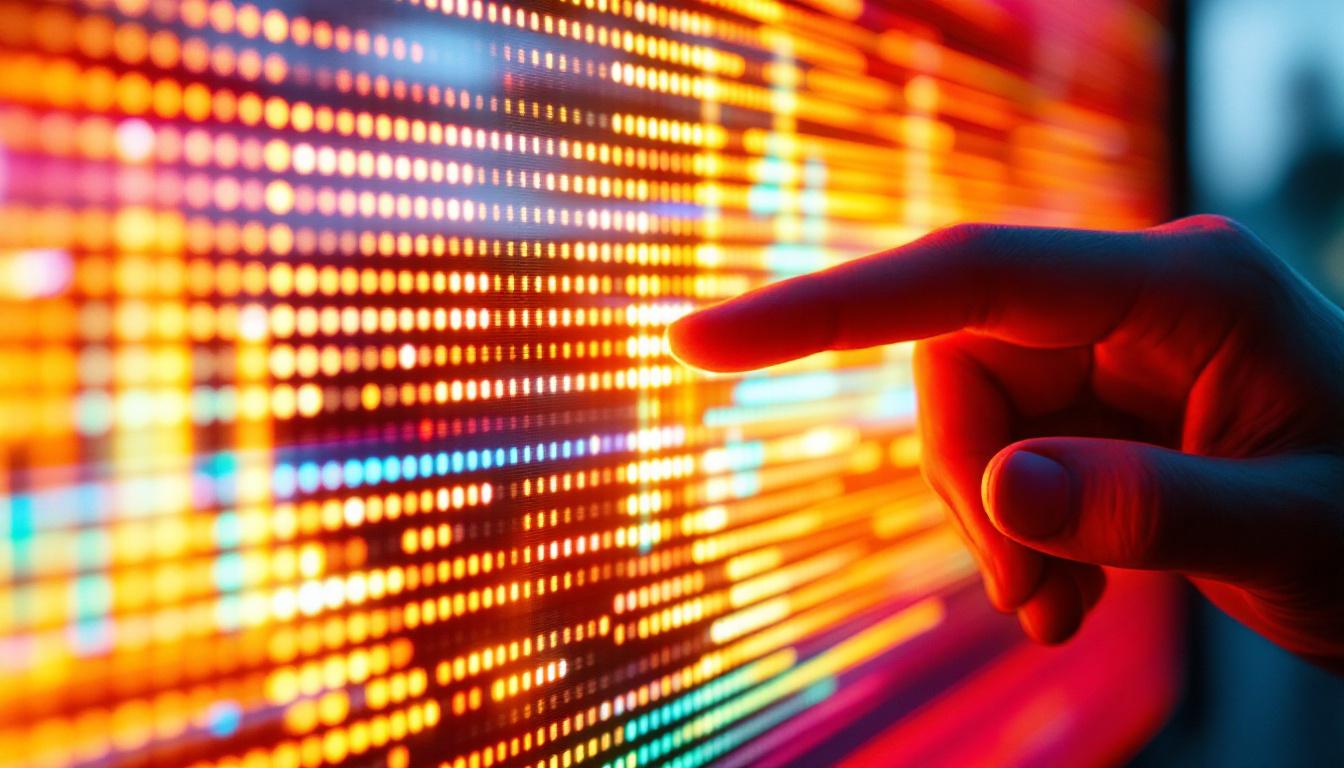
At the core of an LED display are pixels, each composed of red, green, and blue LEDs. By varying the intensity of these colors, the display can produce a full spectrum of colors. The resolution of an LED display depends on the pixel pitch—the distance between the centers of two adjacent pixels. A smaller pixel pitch means higher resolution and sharper images, which is particularly important for close-up viewing. This is why venues like concert halls and theaters often opt for displays with a finer pixel pitch, ensuring that every seat in the house has a clear view of the visuals being presented.
The control system manages the data sent to the LEDs, ensuring the correct colors and brightness levels are displayed. Advanced LED displays incorporate technologies such as HDR (High Dynamic Range) and adaptive brightness to optimize image quality under varying lighting conditions. Furthermore, many modern LED displays come equipped with smart technology, allowing for real-time content updates and remote management. This capability is particularly beneficial for businesses that need to change their advertising messages frequently or respond to current events, ensuring that their content remains relevant and engaging for viewers.
The Advantages of LED Displays for Brand Promotion
Unmatched Brightness and Visibility
One of the most significant advantages of LED displays is their exceptional brightness. With luminance levels often exceeding 5,000 nits, LED screens remain vivid and clear even under direct sunlight. This makes them ideal for outdoor advertising where visibility is critical.
For brands, this means their messages can be seen from great distances and in all weather conditions, ensuring maximum exposure. Studies show that outdoor digital signage with LED technology can increase brand recall by up to 47% compared to static billboards. Furthermore, the brightness of LED displays can be adjusted according to ambient light conditions, optimizing visibility and ensuring that the content remains eye-catching at all times. This adaptability not only enhances the viewer’s experience but also allows brands to maintain a consistent image across various environments.
Dynamic and Engaging Content
LED displays enable brands to showcase dynamic content—videos, animations, real-time updates, and interactive elements—that static signs simply cannot match. This dynamism captures consumer attention more effectively, increasing engagement rates.
For example, retail stores use LED displays to highlight promotions, new products, or social media feeds, creating an immersive shopping experience. In public spaces, LED screens can display event information or emergency alerts, adding functional value beyond advertising. Additionally, the ability to change content quickly allows brands to respond to market trends or customer feedback in real-time, making their marketing efforts more relevant and timely. This level of interactivity not only keeps the audience engaged but also encourages them to participate, whether through social media interactions or by visiting the store for exclusive offers displayed on the screen.
Energy Efficiency and Longevity
Compared to older technologies like neon or incandescent lighting, LEDs consume significantly less power. This translates into lower operational costs and a smaller environmental footprint. Many modern LED displays are designed to last upwards of 100,000 hours, reducing maintenance expenses and downtime.
For brands conscious of sustainability, investing in LED displays aligns with corporate social responsibility goals while delivering long-term financial benefits. Moreover, the reduced energy consumption of LED technology contributes to a decrease in greenhouse gas emissions, making it a more eco-friendly choice for businesses looking to enhance their green credentials. As consumers increasingly favor brands that prioritize sustainability, utilizing LED displays not only serves a practical purpose but also strengthens a brand’s reputation as a forward-thinking and responsible entity in the marketplace.
Applications of LED Displays in Branding
Outdoor Advertising and Billboards
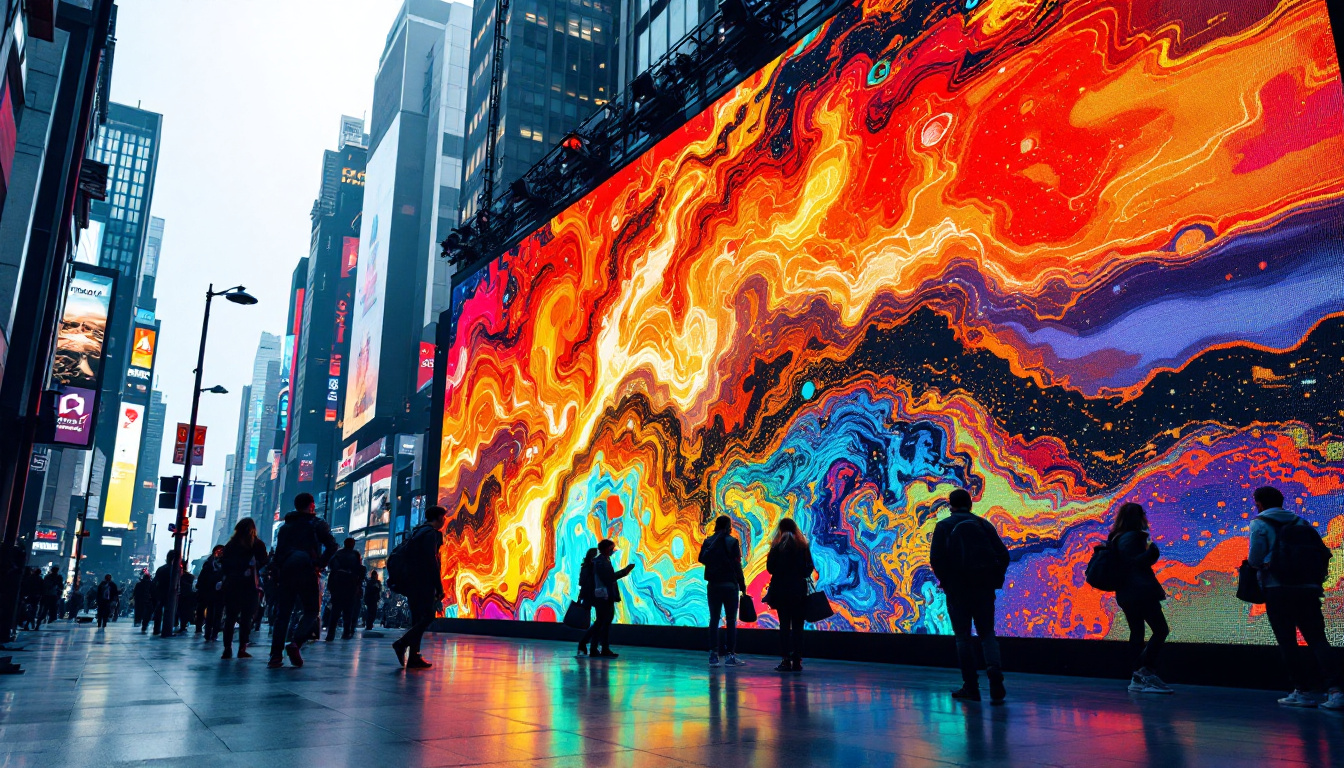
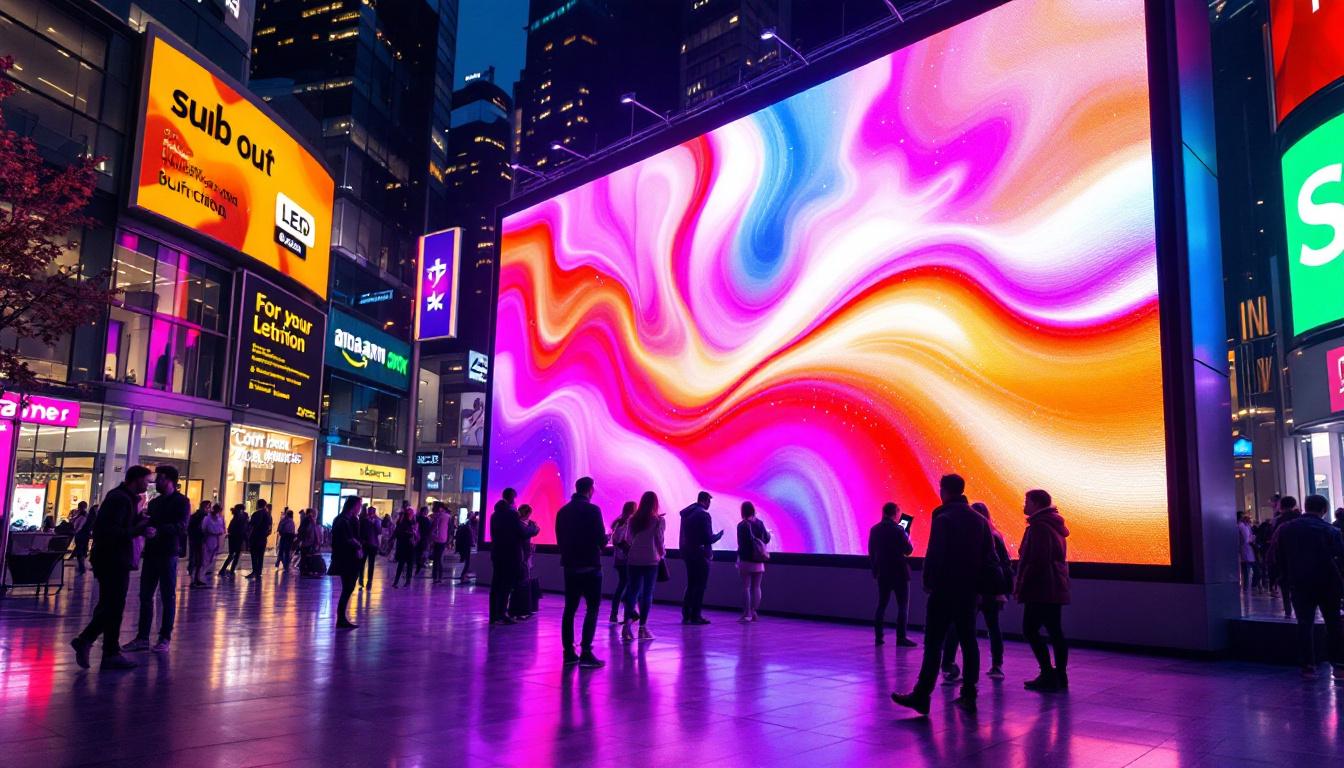
Outdoor LED billboards are among the most visible and impactful forms of brand display. Cities like New York, London, and Tokyo have iconic LED billboards that serve as prime advertising real estate. These displays can be updated remotely and instantly, allowing brands to tailor messages based on time of day, weather, or audience demographics.
For instance, during major sporting events or holidays, brands often use LED billboards to launch thematic campaigns that resonate with the audience, driving higher engagement and sales.
Retail and Point-of-Sale Displays
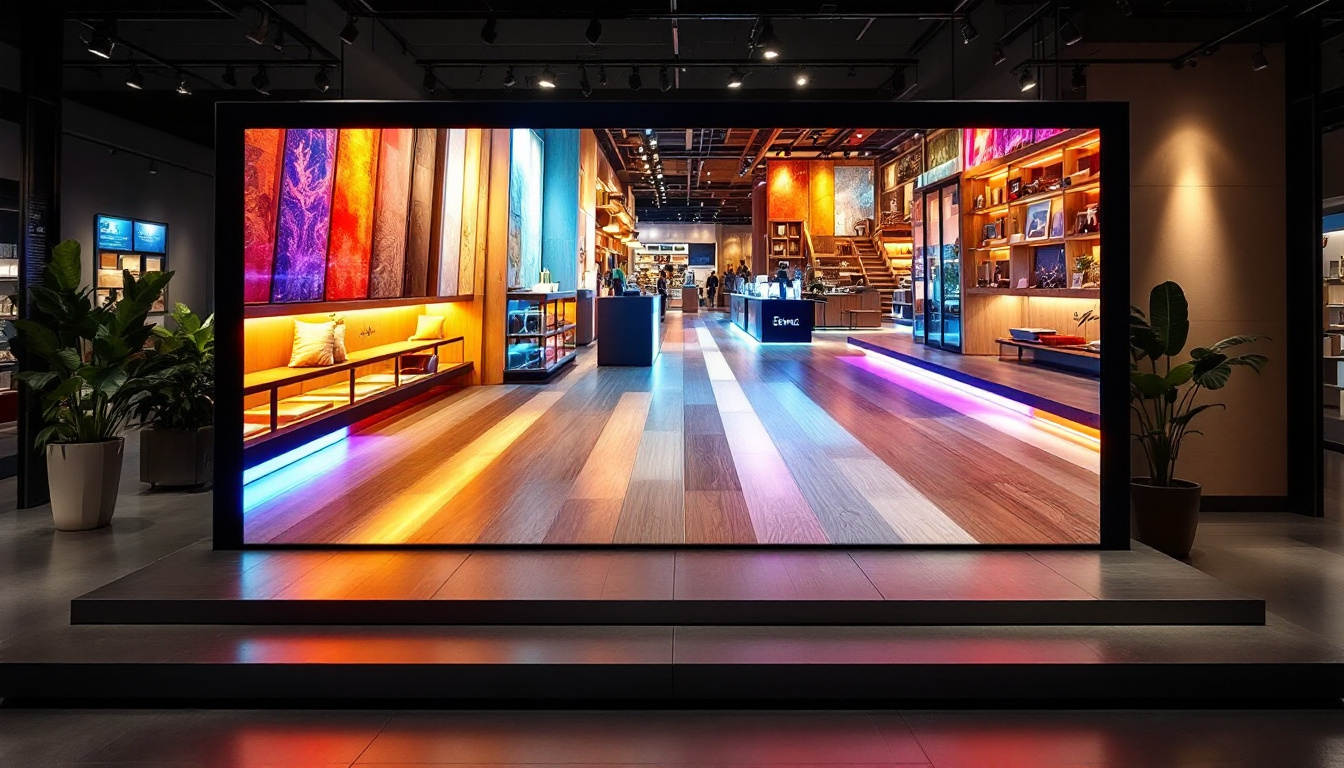
In retail environments, LED displays are used to enhance store facades, window displays, and checkout areas. Bright, colorful screens attract passersby and encourage foot traffic. Inside stores, LED panels can promote upselling opportunities or provide interactive experiences that deepen customer connection.
Brands that integrate LED displays with digital marketing strategies—such as QR codes or social media integration—can create seamless omnichannel experiences that boost loyalty and conversion rates.
Events, Exhibitions, and Trade Shows
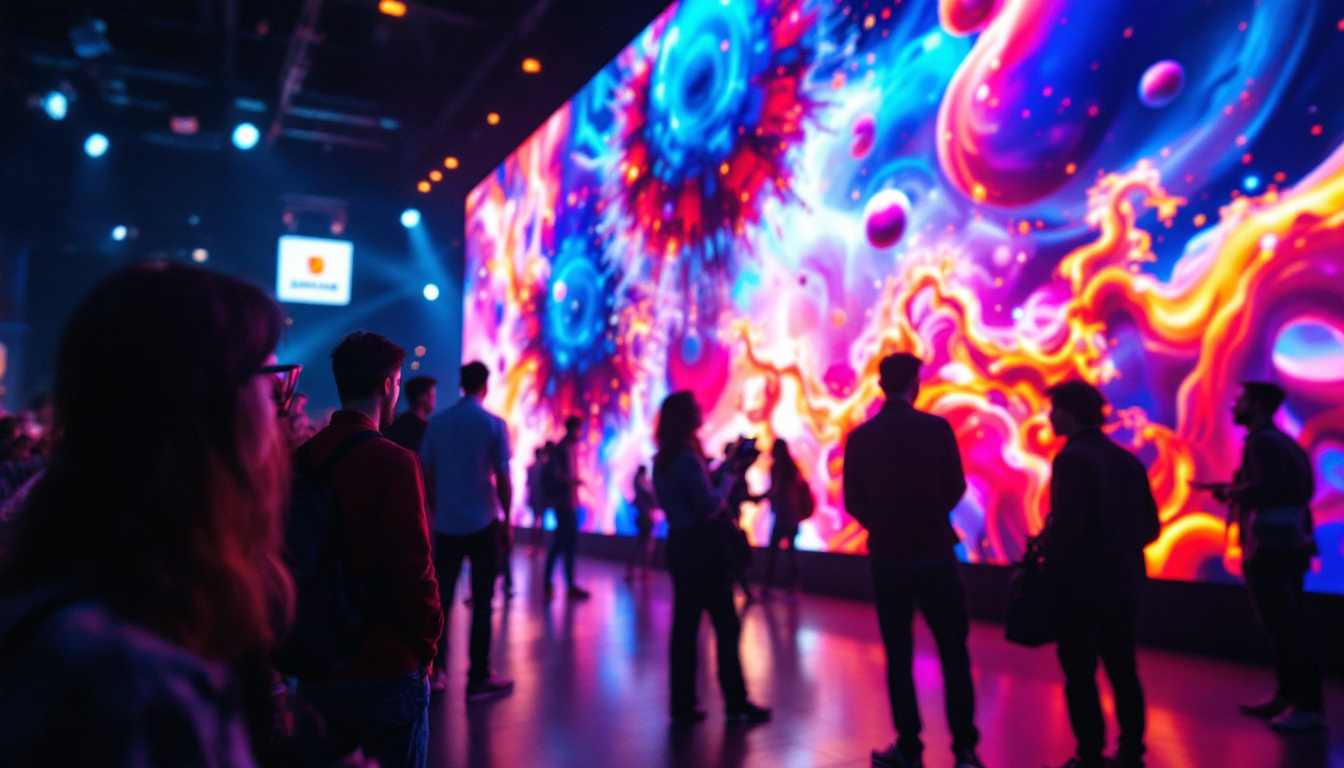
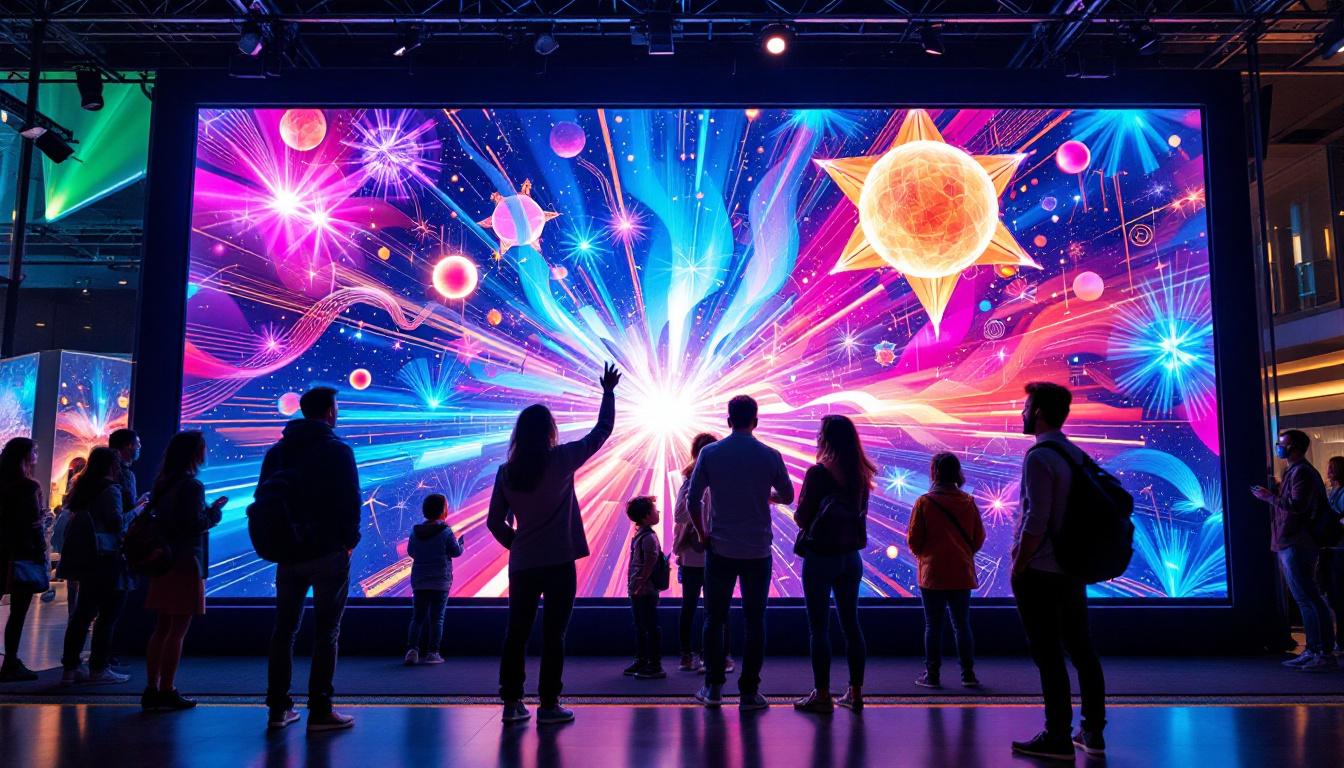
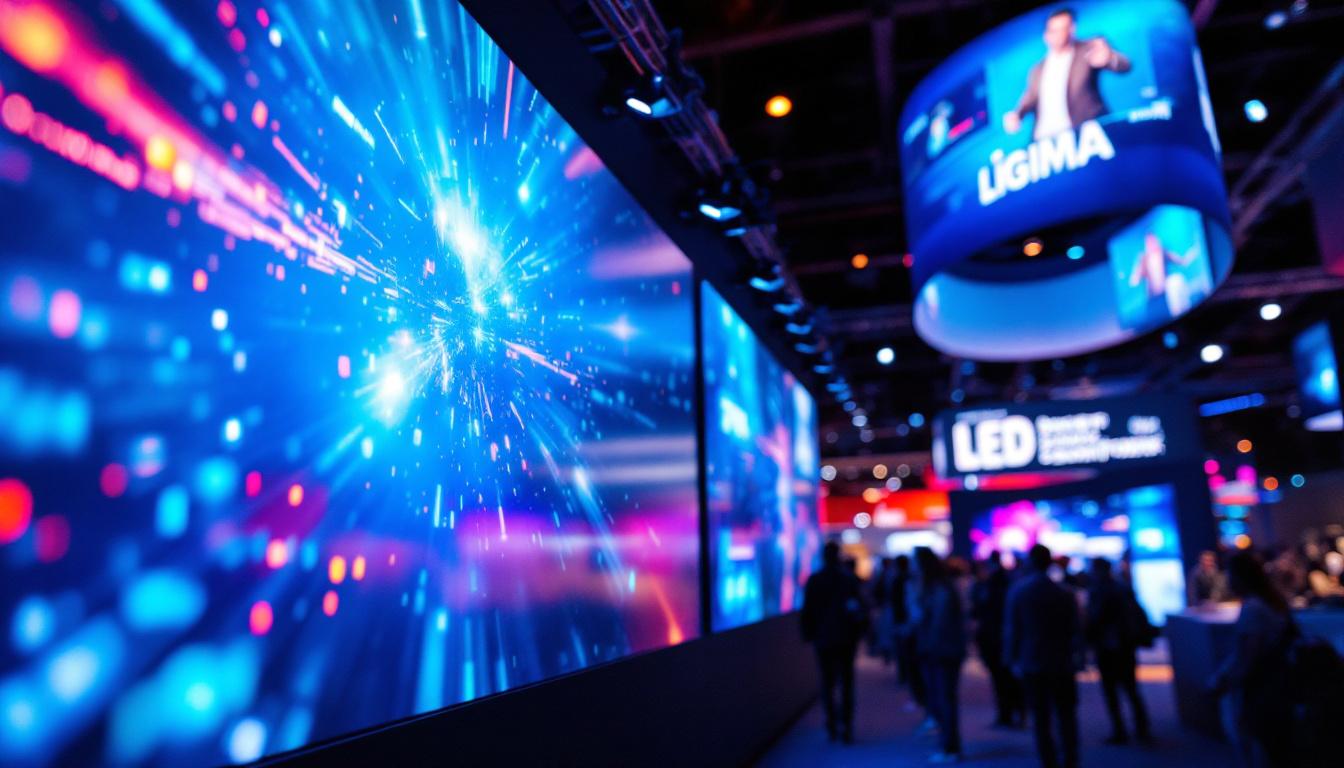
Trade shows and events provide unique opportunities for brands to showcase their identity and products. LED displays are a staple at these venues due to their portability, scalability, and visual impact. From large backdrop screens to wearable LED panels, the technology adapts to varied event formats.
Effective use of LED displays at events can increase booth traffic by up to 30%, according to industry reports, making them a worthwhile investment for brand activation.
Corporate Environments and Digital Signage
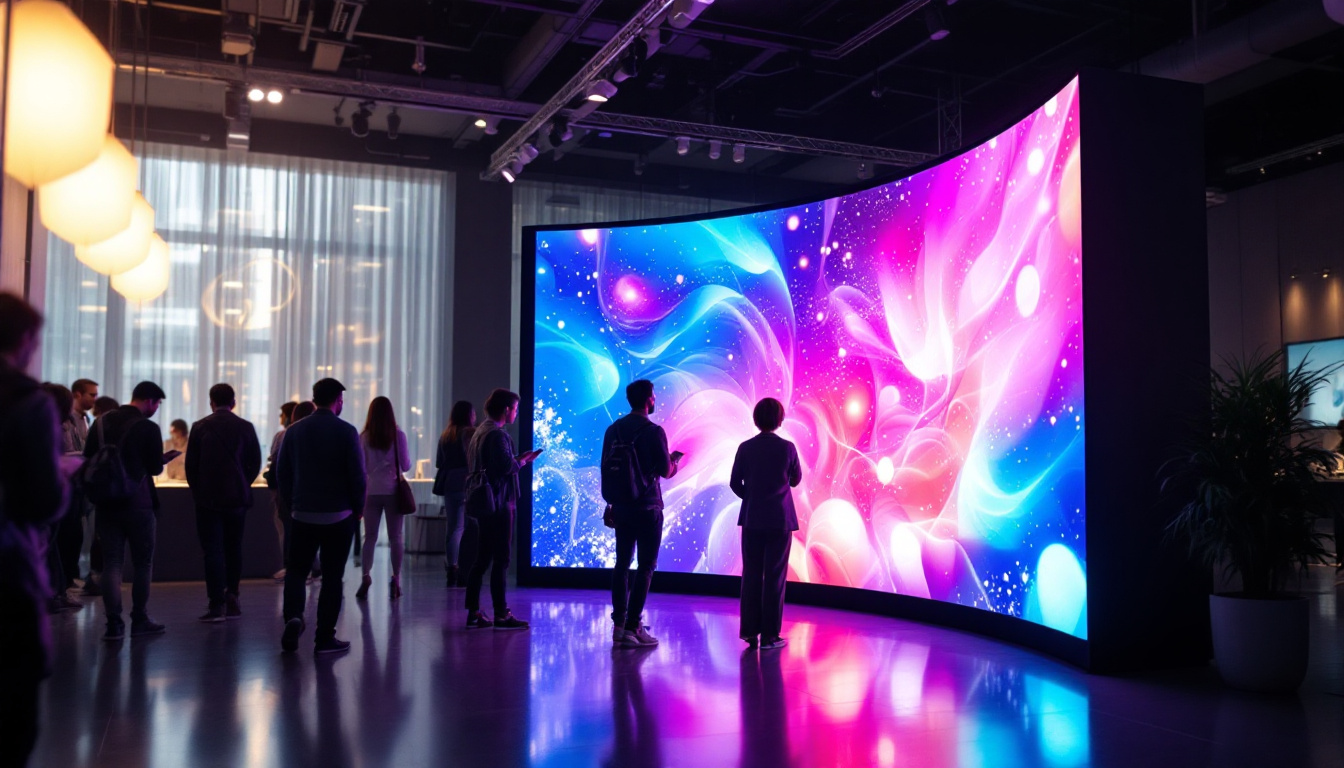
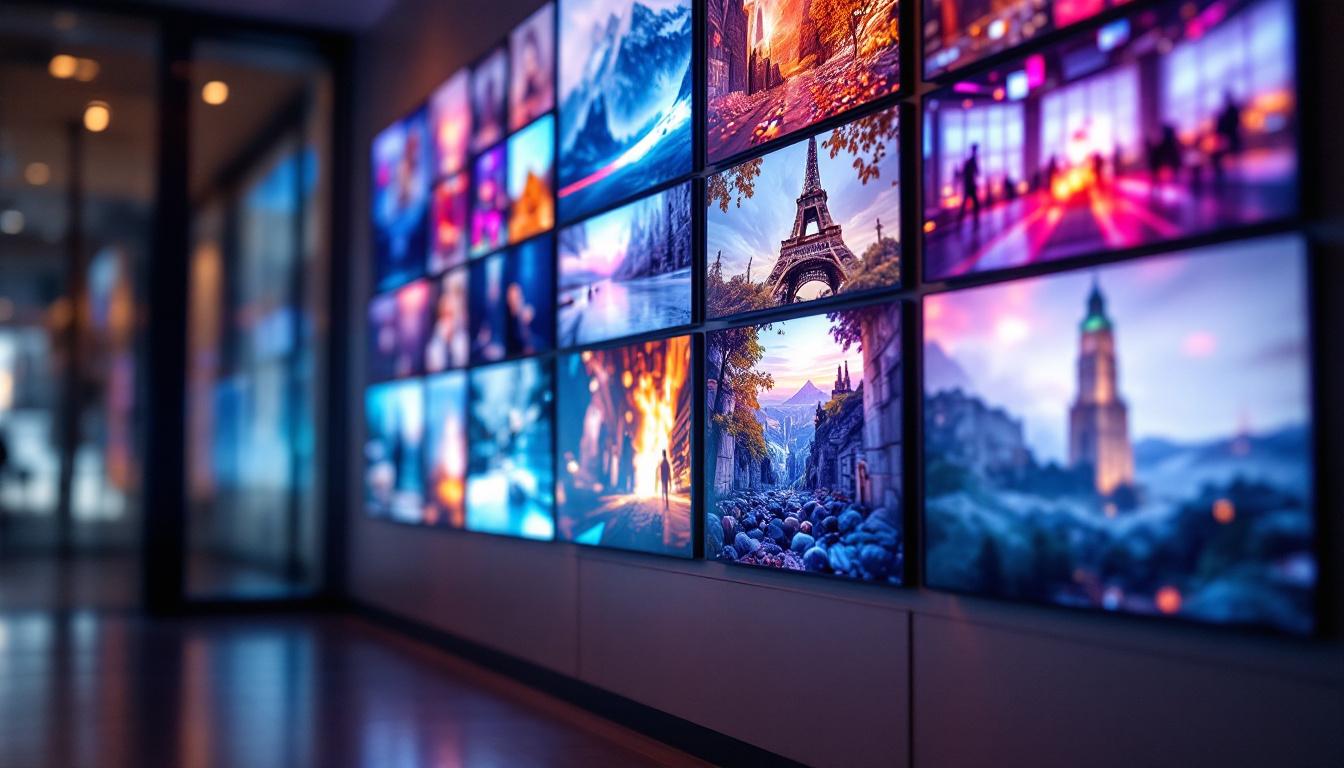
Beyond advertising, LED displays serve internal corporate purposes such as digital signage in lobbies, conference rooms, and employee areas. These displays communicate brand values, share news, and foster a cohesive company culture.
In addition, LED video walls in corporate settings can enhance presentations and virtual meetings, reflecting a brand’s commitment to innovation and professionalism.
Key Considerations When Choosing an LED Display
Resolution and Pixel Pitch
The choice of resolution depends largely on viewing distance. For outdoor billboards viewed from hundreds of feet away, a larger pixel pitch (e.g., 10mm or more) is acceptable. Conversely, indoor displays or those meant for close-up viewing require finer pixel pitches (1.2mm to 4mm) to ensure clarity.
Brands should carefully assess the intended location and audience to select the appropriate resolution that balances cost and visual impact.
Brightness and Weather Resistance
Outdoor LED displays must withstand harsh weather conditions, including rain, wind, and extreme temperatures. High IP (Ingress Protection) ratings indicate better resistance to dust and water. Additionally, displays should feature automatic brightness adjustment to maintain visibility without excessive power use.
Choosing a display with robust weatherproofing ensures longevity and consistent performance, protecting the brand’s investment.
Content Management and Software Integration
Modern LED displays come with sophisticated content management systems (CMS) that allow brands to schedule, update, and customize content remotely. Integration with marketing platforms and data analytics tools enables targeted campaigns and performance tracking.
Brands should prioritize displays compatible with user-friendly CMS solutions to maximize flexibility and responsiveness.
Installation and Maintenance
The complexity of installation varies depending on the size and type of LED display. Modular designs simplify assembly and future upgrades. Routine maintenance, such as cleaning and component replacement, is essential to maintain image quality.
Partnering with experienced providers ensures professional installation and ongoing support, minimizing downtime and operational disruptions.
The Future of LED Displays in Branding
Emerging Technologies and Trends
Advancements in LED technology continue to push the boundaries of what is possible. MicroLED displays, which use even smaller LEDs, promise higher resolution and better energy efficiency. Transparent and flexible LED panels open new avenues for creative brand displays on glass surfaces and curved structures.
Artificial intelligence (AI) and machine learning are increasingly integrated into content management, enabling real-time personalization based on audience behavior and environmental factors.
Sustainability and Smart Displays
As sustainability becomes a priority, LED manufacturers focus on eco-friendly materials and energy-saving features. Smart LED displays equipped with sensors can adjust brightness and content dynamically to reduce power consumption and enhance user experience.
Brands adopting these innovations not only improve operational efficiency but also demonstrate environmental responsibility, which resonates strongly with modern consumers.
Conclusion
LED displays have revolutionized brand communication by offering vibrant, dynamic, and versatile platforms that captivate audiences across diverse environments. Their unparalleled brightness, energy efficiency, and adaptability make them indispensable tools for modern marketing strategies.
Whether for outdoor advertising, retail engagement, event activation, or corporate communication, understanding the technology and strategic application of LED displays empowers brands to maximize their visibility and impact. As LED technology evolves, brands that embrace innovation and sustainability will continue to stand out in an increasingly competitive marketplace.
Illuminate Your Brand with LumenMatrix
Ready to elevate your brand’s presence and captivate your audience with unparalleled vibrancy and dynamic content? LumenMatrix is at the forefront of LED display innovation, offering a comprehensive suite of solutions tailored to your unique branding needs. From Indoor and Outdoor LED Wall Displays to specialized options like Vehicle, Sports, and Floor LED Displays, our mission is to revolutionize your visual communication. Discover how our cutting-edge LED display modules can transform your brand’s visibility and engagement. Check out LumenMatrix LED Display Solutions today and step into the future of digital signage.