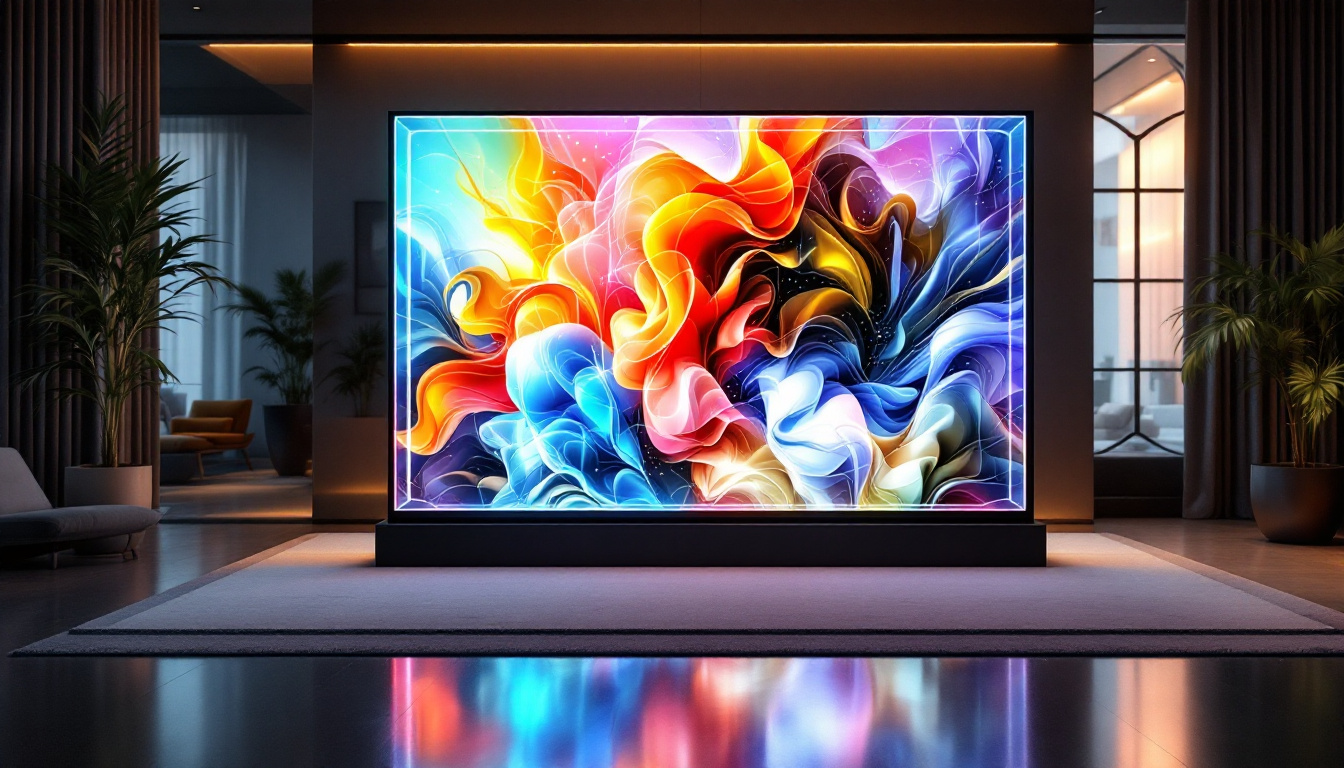
In today’s visually driven world, LED displays have become a cornerstone of modern communication, advertising, and entertainment. Modular studios, which rely heavily on LED technology, are revolutionizing how content is produced and presented. This article delves into the intricacies of LED displays within modular studios, exploring their technology, benefits, and applications to provide a comprehensive understanding for professionals and enthusiasts alike.
Understanding LED Display Technology
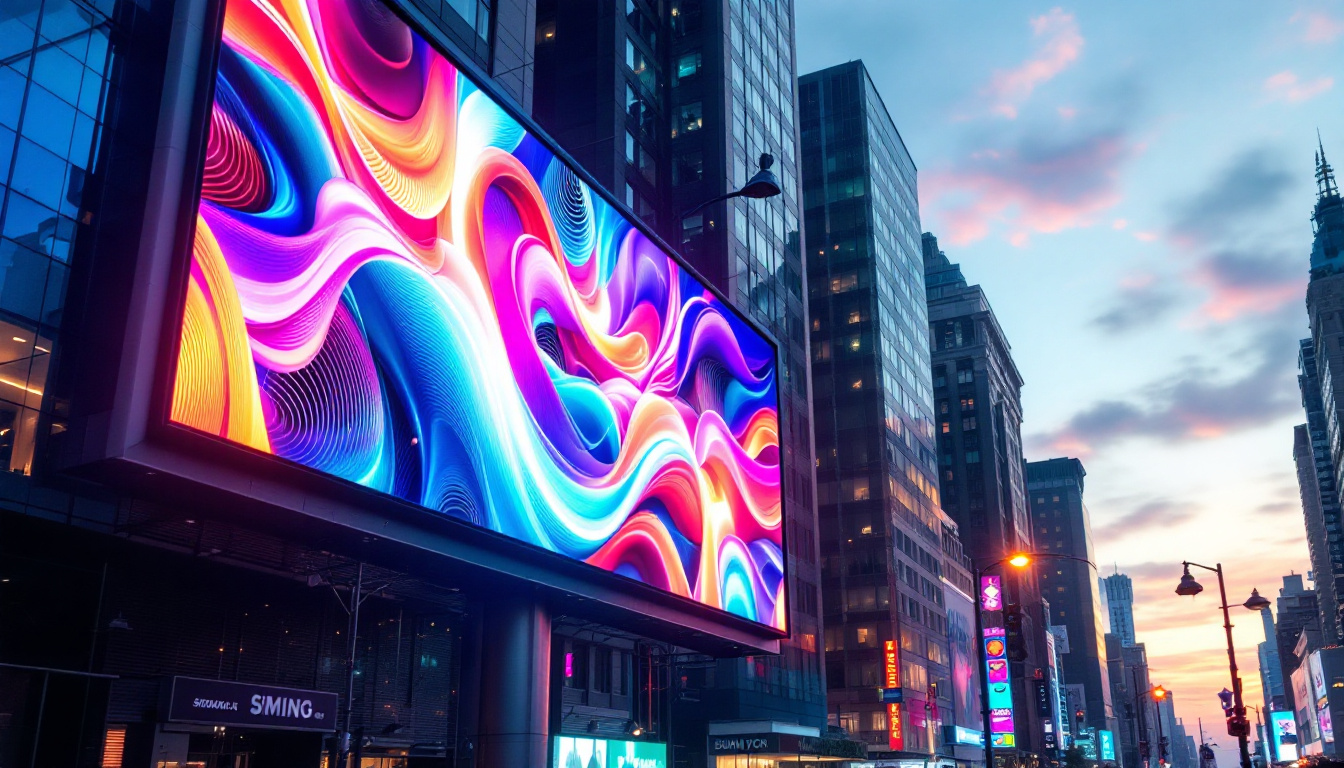
LED, or Light Emitting Diode, displays are composed of numerous tiny diodes that emit light when an electric current passes through them. Unlike traditional LCD or projection screens, LED displays generate their own light, resulting in brighter images and better contrast ratios. This fundamental difference makes LED technology particularly suited for environments requiring vivid visuals and dynamic content. The energy efficiency of LED displays also contributes to their growing popularity, as they consume significantly less power than older technologies, making them an eco-friendly choice for studios and venues alike.
Modular Design: The Building Blocks of LED Displays
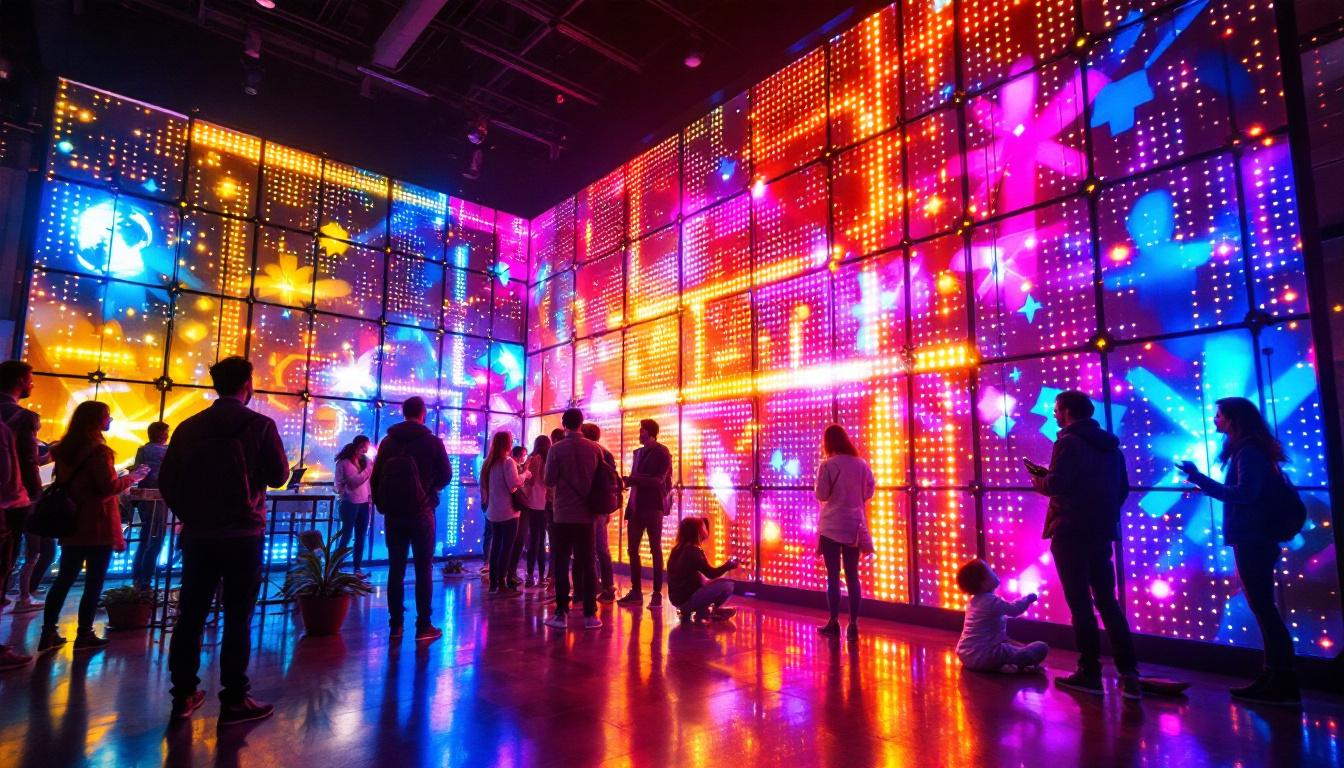
One of the defining features of LED displays used in modular studios is their modular construction. Instead of a single large panel, the display is made up of smaller, interchangeable modules or tiles. Each module contains a matrix of LEDs and can be seamlessly connected to others, allowing for scalable screen sizes and shapes tailored to specific studio needs.
This modular approach offers unparalleled flexibility. For instance, a studio can configure a display wall to fit a curved backdrop or create a multi-dimensional set piece. Additionally, if a module malfunctions, it can be replaced individually without dismantling the entire screen, reducing downtime and maintenance costs. This adaptability is particularly beneficial in live production settings where quick changes are often necessary, enabling creative teams to experiment with different visual arrangements without the constraints of traditional display systems.
Pixel Pitch and Resolution
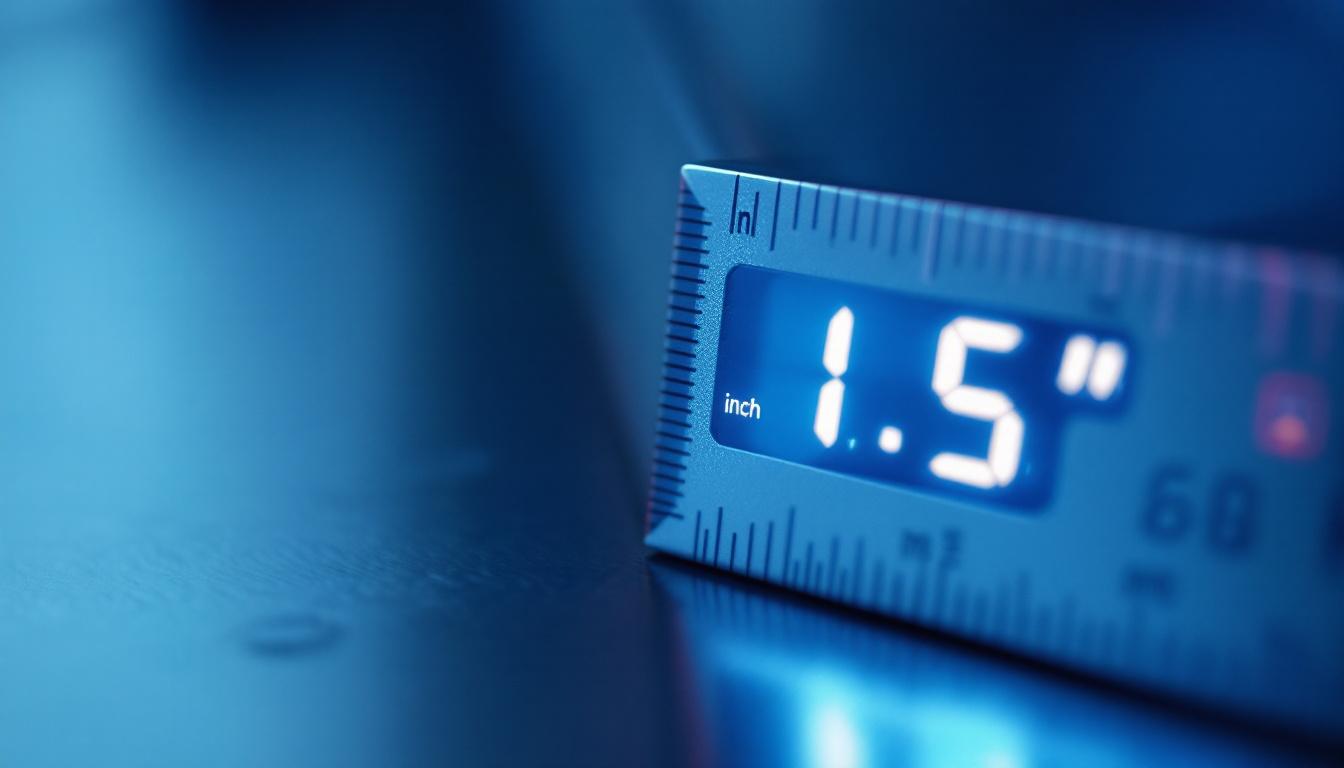
Pixel pitch, the distance between the centers of two adjacent pixels, is a critical factor in determining the clarity and sharpness of an LED display. Smaller pixel pitches result in higher resolution and finer detail, which is essential for close-range viewing in studio environments.
Modern modular LED displays often feature pixel pitches ranging from 0.9mm to 3mm, enabling ultra-high-definition visuals that rival traditional broadcast monitors. This capability ensures that on-camera visuals are crisp and immersive, enhancing the overall production quality. Furthermore, advancements in technology have led to the development of HDR (High Dynamic Range) capabilities in LED displays, allowing for a broader color spectrum and improved contrast. This enhancement not only captivates audiences but also provides content creators with a powerful tool to convey emotions and narratives through vivid imagery, making every frame more engaging and impactful.
Advantages of LED Displays in Modular Studios
The integration of LED displays into modular studios offers numerous benefits that enhance both production efficiency and viewer experience. Understanding these advantages helps studios make informed decisions about their technology investments.
Dynamic and Immersive Backgrounds
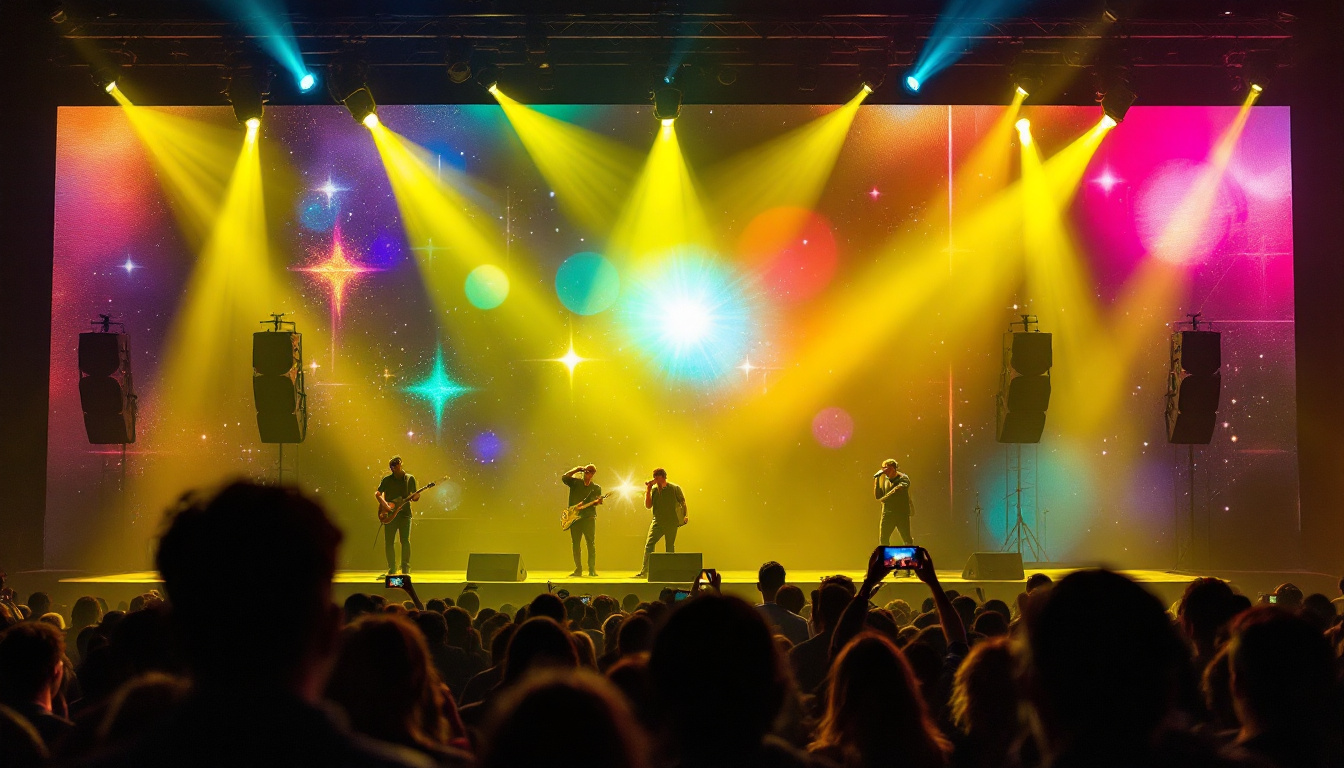
LED walls serve as dynamic backgrounds that can be easily changed to suit different scenes or themes. Unlike green screens, which require post-production compositing, LED displays provide real-time, high-quality visuals that actors can interact with naturally. This interaction improves performance authenticity and reduces post-production time and costs.
For example, during live broadcasts or virtual productions, LED backgrounds can simulate various environments—from bustling cityscapes to serene natural landscapes—without the need for physical set changes. This versatility is invaluable for studios producing diverse content within tight schedules. Furthermore, the ability to create immersive environments can significantly enhance storytelling, allowing viewers to feel as though they are part of the scene rather than merely observing it from a distance. This level of engagement can lead to a more memorable viewing experience, fostering a deeper connection between the audience and the content.
Enhanced Lighting and Color Accuracy
LED displays emit consistent, flicker-free light with precise color reproduction. This quality minimizes the need for additional lighting adjustments and prevents color spill on talent or props, a common issue with traditional green screen setups.
Moreover, the high brightness levels of LED walls ensure visibility even under intense studio lighting, maintaining visual integrity on camera. This feature is particularly important for HDR (High Dynamic Range) content, where accurate color grading is essential. With the ability to produce a wider color gamut, LED displays allow for more vibrant and lifelike imagery, which can be crucial for artistic projects that rely heavily on visual impact. As a result, directors and cinematographers can push creative boundaries, exploring new visual styles that were previously challenging to achieve.
Energy Efficiency and Longevity
Compared to other display technologies, LEDs are highly energy-efficient, consuming less power while delivering superior brightness. This efficiency translates into lower operational costs for studios, especially those running multiple displays for extended periods.
Additionally, LED modules have a long lifespan, often exceeding 100,000 hours of use. Their durability and low maintenance requirements make them a cost-effective solution for studios aiming for long-term technological investments. Beyond financial considerations, the environmental impact of using energy-efficient LED technology is significant. Studios can reduce their carbon footprint, aligning with sustainability goals that are increasingly important in today’s media landscape. As the industry moves toward greener practices, adopting LED displays not only benefits production but also enhances a studio’s reputation as a forward-thinking, environmentally conscious entity.
Applications of LED Displays in Modular Studios
LED technology’s versatility has led to its widespread adoption across various types of modular studios, from television production to virtual events and corporate presentations.
Virtual Production and Real-Time Content
Virtual production combines live-action footage with computer-generated imagery (CGI) in real time. LED walls act as immersive backdrops that display CGI environments synchronized with camera movements, creating seamless integration between physical and virtual elements.
Major film and television studios have embraced this technology to reduce location shooting costs and enhance creative possibilities. For instance, productions like “The Mandalorian” have showcased how LED walls can create expansive, photorealistic worlds on set, significantly changing the landscape of content creation.
Broadcast Studios and Newsrooms
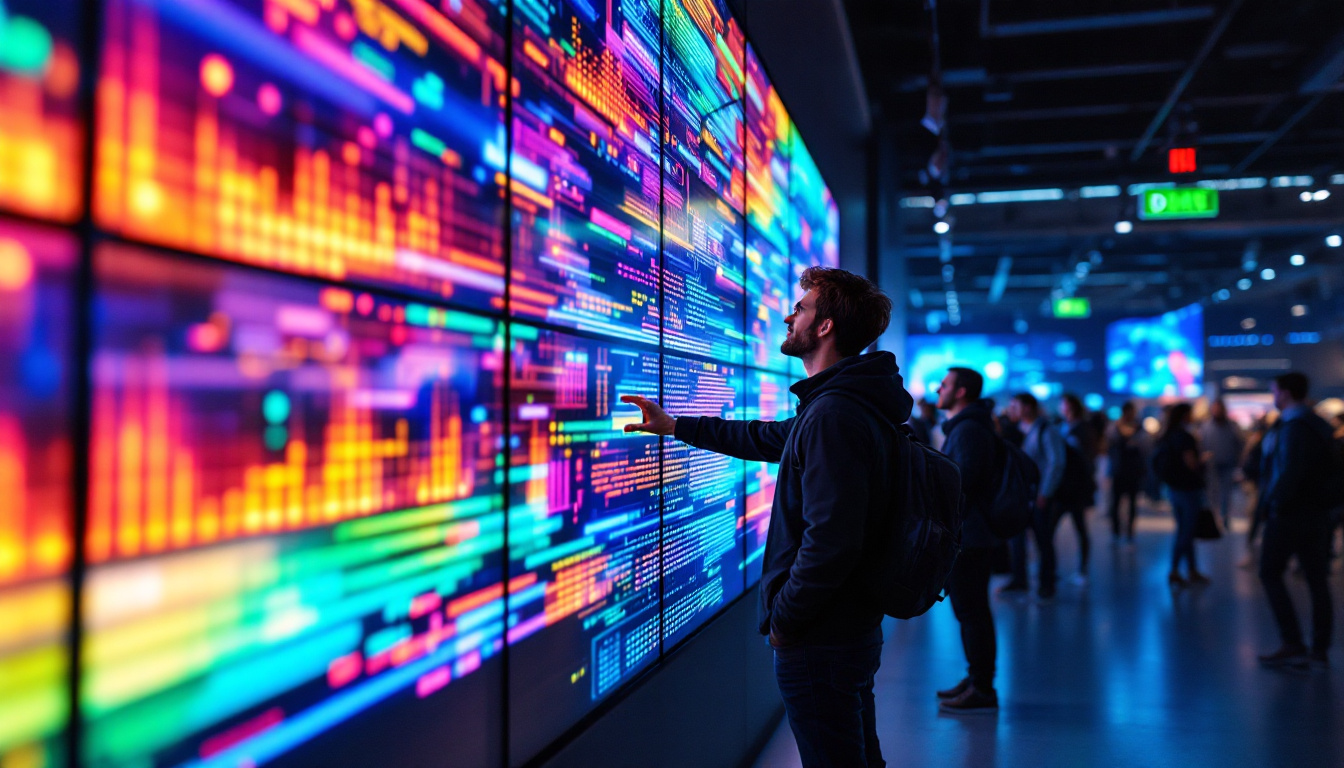
In newsrooms and broadcast studios, LED displays provide flexible, visually engaging backgrounds that can be updated instantly to reflect breaking news, weather reports, or thematic segments. Their ability to display high-resolution graphics and live data feeds makes them indispensable tools for modern broadcasters.
Furthermore, the modular nature of these displays allows studios to reconfigure sets quickly for different programs or special events, maximizing space and resource utilization.
Corporate and Event Studios
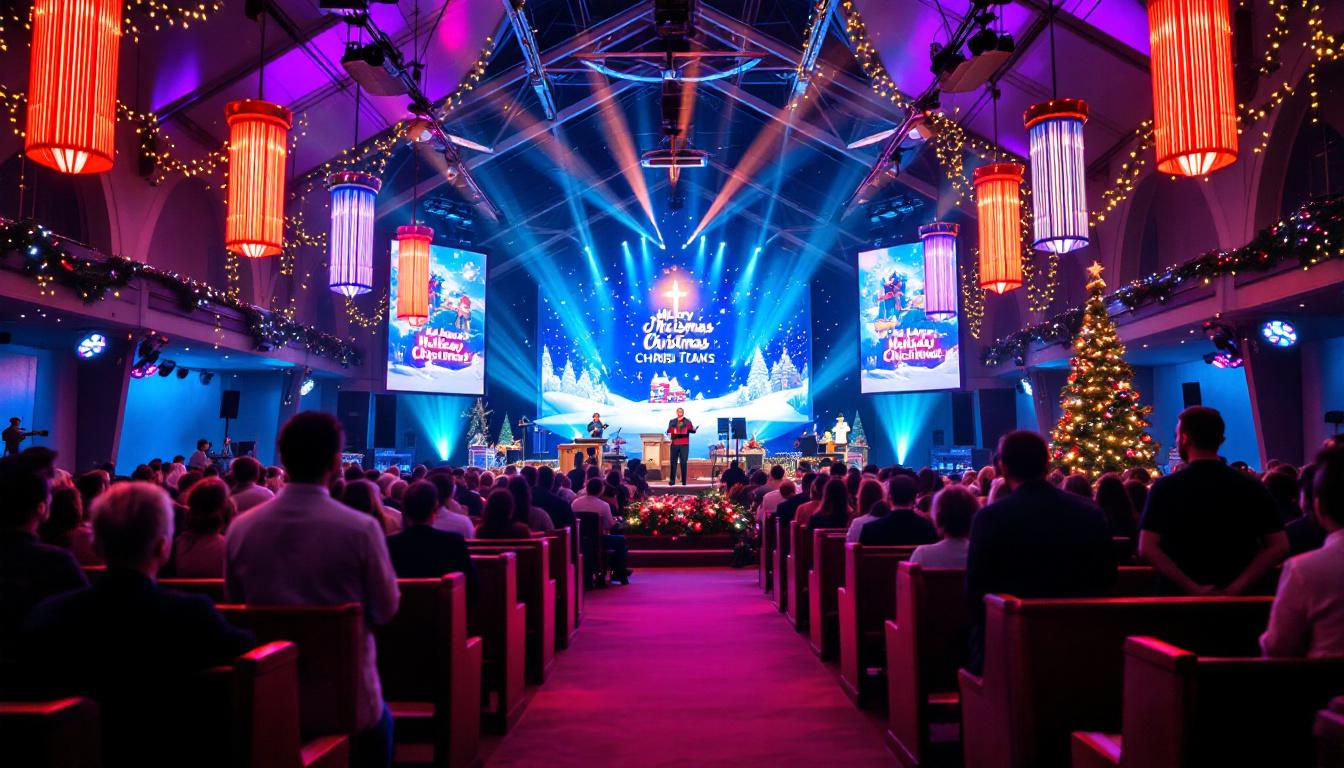
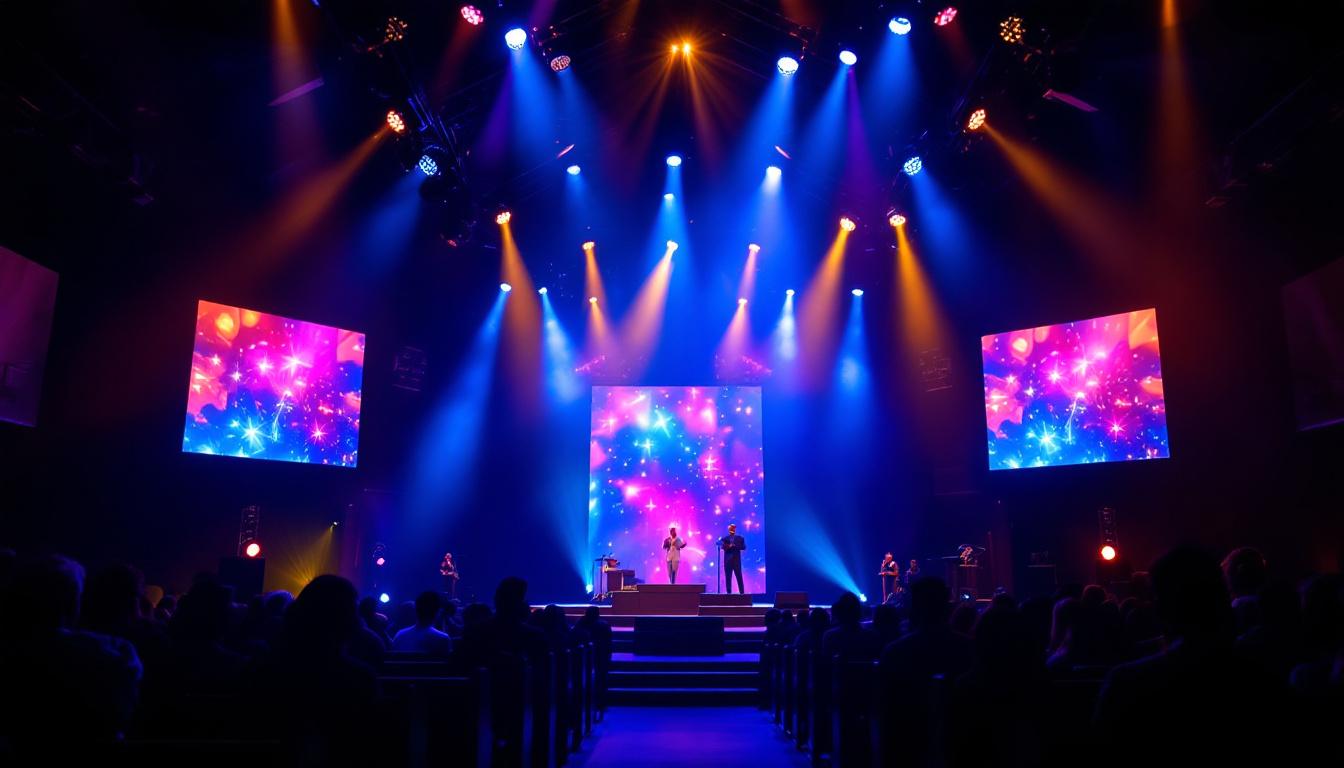
Corporate studios and event spaces utilize LED walls to deliver impactful presentations, product launches, and virtual conferences. The immersive visual environment created by LED displays enhances audience engagement and brand messaging.
With the rise of hybrid events, LED technology enables seamless integration of in-person and virtual attendees, providing consistent visual experiences across platforms.
Technical Considerations for Implementing LED Displays
Successful deployment of LED displays in modular studios requires careful planning and understanding of technical parameters to ensure optimal performance.
Calibration and Color Management
Maintaining color consistency across multiple LED modules is essential for a uniform display. Calibration tools and software are used to adjust brightness, color temperature, and gamma settings, ensuring that the entire video wall presents a cohesive image.
Regular calibration is necessary to compensate for potential variations due to module aging or environmental factors, preserving the display’s visual quality over time.
Content Management Systems (CMS)
Advanced CMS platforms enable studios to control and schedule content across LED displays efficiently. These systems support various input formats and allow for real-time content adjustments, which is critical for live productions and dynamic environments.
Integration with studio automation and broadcast workflows ensures that LED displays function seamlessly within the broader production ecosystem.
Installation and Structural Support
Given the weight and size of LED modules, proper structural support and mounting solutions are vital. Modular studios must consider factors such as load-bearing capacity, ventilation, and accessibility for maintenance when designing LED display installations.
Professional installation teams often collaborate with structural engineers to ensure safety and longevity, particularly for large-scale or curved LED walls.
The Future of Modular Studios and LED Displays
As LED technology continues to evolve, its role in modular studios is set to expand with innovations that enhance visual fidelity, interactivity, and integration.
MicroLED and MiniLED Advances
Emerging MicroLED and MiniLED technologies promise even higher resolution, improved contrast ratios, and greater energy efficiency. These advancements will enable studios to create more immersive and realistic visual environments, pushing the boundaries of virtual production and live broadcasting.
Interactive and AI-Driven Displays
Future LED displays are expected to incorporate interactive elements powered by artificial intelligence, allowing for real-time content adaptation based on audience engagement or environmental inputs. Such capabilities could transform studio workflows and viewer experiences, making productions more responsive and personalized.
Sustainability and Environmental Impact
With growing emphasis on sustainability, LED manufacturers and studios are focusing on reducing environmental footprints through recyclable materials, energy-efficient designs, and responsible disposal practices. This trend aligns with broader industry goals of creating greener production environments.
Conclusion
Modular studios equipped with LED displays represent a paradigm shift in content creation and presentation. Their modularity, superior image quality, and versatility empower studios to produce visually stunning and immersive experiences with greater efficiency and flexibility. As technology advances, LED displays will continue to be at the forefront of innovation, shaping the future of media production and live events.
For studios considering the integration of LED technology, understanding the technical nuances and potential applications is crucial to maximizing their investment and staying competitive in an increasingly digital and visual marketplace.
Discover LumenMatrix’s Innovative LED Solutions
Ready to elevate your modular studio with the latest in LED display technology? LumenMatrix is at the forefront of creating immersive visual experiences that captivate and engage. From dynamic Indoor and Outdoor LED Wall Displays to specialized solutions like Vehicle LED Displays, LED Sports Displays, and even Custom LED Displays, we have the cutting-edge technology to bring your vision to life. Embrace the future of visual communication with LumenMatrix’s LED display modules and transform your content creation process. Check out LumenMatrix LED Display Solutions today and see how we can enhance your brand visibility and audience engagement.