In the fast-evolving world of display technology, the integration of ultra-thin cameras into LED displays represents a significant leap forward. As devices become sleeker and more multifunctional, the demand for embedding cameras without compromising design or image quality has surged. This article delves into the concept of the thinnest camera technology within LED displays, exploring its development, applications, and the future potential it holds for consumers and industries alike.
The Evolution of LED Displays and Camera Integration
LED (Light Emitting Diode) displays have revolutionized visual technology over the past two decades. From large-scale billboards to handheld devices, LED displays offer vibrant colors, energy efficiency, and high contrast ratios. Initially, integrating cameras into these displays posed significant challenges due to size constraints and image quality concerns.
Traditional cameras require a certain depth to accommodate lenses, sensors, and other optical components. This physical bulk often conflicted with the trend toward thinner, lighter devices. However, recent advancements in micro-optics and sensor miniaturization have enabled the development of cameras that are remarkably thin, sometimes measuring less than a millimeter in thickness.
One of the key breakthroughs has been the use of under-display camera (UDC) technology, where the camera is embedded beneath the LED panel itself. This innovation allows for a seamless front surface without notches or punch-holes, preserving the aesthetic integrity of the device while maintaining camera functionality.
From Notches to Invisible Cameras
Smartphones and other devices initially featured visible camera cutouts—either as notches or punch-hole designs—to house front-facing cameras. While functional, these designs interrupted the display area and detracted from the immersive viewing experience. The push for bezel-less and uninterrupted screens accelerated research into embedding cameras beneath the display.
Under-display cameras utilize transparent or semi-transparent areas of the LED panel, combined with advanced image processing algorithms, to capture clear images without the camera being visible. This approach demands a delicate balance between display brightness, pixel density, and camera sensor sensitivity.
Moreover, the integration of artificial intelligence (AI) in image processing has significantly enhanced the capabilities of under-display cameras. AI algorithms can analyze and adjust for various lighting conditions, ensuring that images captured in low light or bright sunlight maintain clarity and detail. This technological synergy not only improves user experience but also opens new avenues for applications in augmented reality (AR) and virtual reality (VR), where seamless integration of visual elements is crucial.
As the demand for immersive experiences continues to grow, manufacturers are exploring the potential of combining UDC technology with other innovative features, such as gesture recognition and facial recognition. These advancements could lead to devices that not only look sleek but also offer enhanced interactivity and security, paving the way for a new era of user engagement. The ongoing research in this field suggests that the future of LED displays and camera integration will be marked by even more groundbreaking developments, further blurring the lines between hardware and user experience.
Technical Challenges in Developing the Thinnest Camera for LED Displays
Creating the thinnest camera integrated with an LED display involves overcoming multiple technical hurdles. These challenges span optical engineering, materials science, and software optimization.
Optical Transparency vs. Display Quality
One of the foremost challenges is ensuring the LED display remains bright and vibrant while allowing sufficient light to pass through to the camera sensor. The display pixels covering the camera area must be designed to be partially transparent without compromising overall screen quality. This often involves using specialized pixel arrangements and materials that maximize light transmission.
Manufacturers have experimented with different pixel densities and subpixel configurations to optimize this balance. For example, some designs reduce the pixel count in the camera zone, allowing more light to reach the sensor but potentially causing slight display irregularities that must be mitigated through software. Additionally, advancements in quantum dot technology have shown promise in enhancing color accuracy and brightness, which can help counterbalance the loss of pixel density in the camera area. By carefully calibrating the display’s color profile, manufacturers can ensure that the visual experience remains immersive, even with the compromises made for camera integration.
Sensor Miniaturization and Lens Design
The camera sensor itself must be incredibly thin to fit beneath the display. Advances in semiconductor fabrication have enabled sensors with reduced thickness and enhanced sensitivity. Complementing this, lens systems have been redesigned using micro-lens arrays and aspheric elements to maintain image sharpness in a constrained space.
Innovative lens materials, such as plastic composites and meta-materials, have been explored to reduce weight and thickness further while maintaining optical clarity. Additionally, some designs employ computational photography techniques to compensate for the physical limitations of ultra-thin lenses, enhancing image quality post-capture. The integration of artificial intelligence in image processing also plays a crucial role, allowing for real-time adjustments to exposure and focus, which can significantly improve the quality of images taken in challenging lighting conditions. This combination of hardware and software innovation is essential for achieving the desired performance from such a compact camera system.
Heat Dissipation and Power Consumption
Embedding a camera beneath an LED display introduces concerns about heat generation and power efficiency. Both the display and camera components generate heat, which can affect performance and longevity. Engineers must design effective thermal management systems that dissipate heat without adding bulk or compromising the thin form factor.
Low-power sensors and energy-efficient display drivers contribute to minimizing heat output. Moreover, materials with high thermal conductivity are incorporated into the device chassis to aid in heat dispersion. The challenge lies in balancing these thermal management solutions with the aesthetic demands of ultra-thin devices, where every millimeter counts. Furthermore, the integration of smart thermal regulation technologies, such as phase change materials, can provide dynamic heat management, adapting to the device’s operational state and ensuring optimal performance under various usage scenarios. This holistic approach to thermal design is critical in prolonging the lifespan of both the camera and the LED display, ensuring that users enjoy a seamless experience without overheating issues.
Applications of Thinnest Camera Technology in LED Displays
The integration of ultra-thin cameras within LED displays opens up a wide array of applications across various sectors, from consumer electronics to automotive and security industries.
Smartphones and Wearable Devices
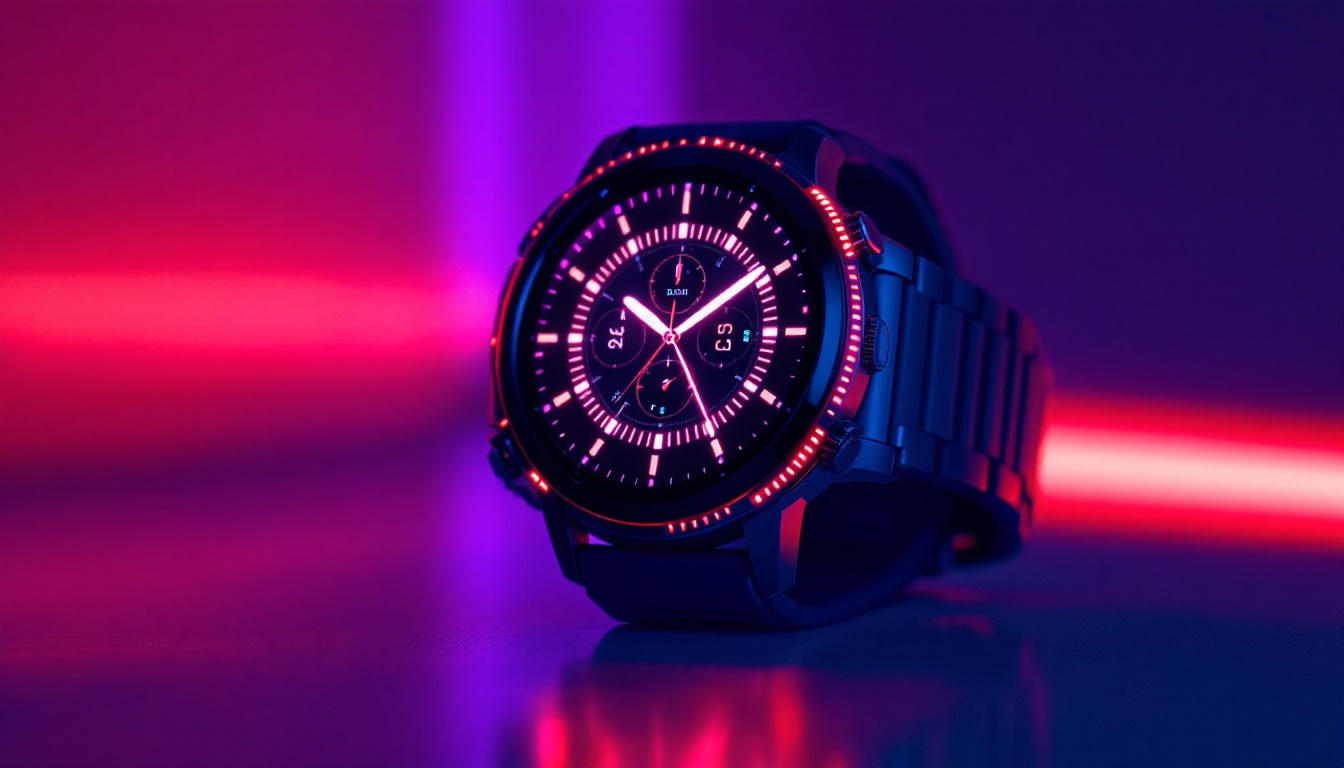
In smartphones, the thinnest camera technology enables truly bezel-less displays, enhancing user immersion and aesthetic appeal. This technology also benefits wearable devices such as smart glasses and fitness trackers, where space is at a premium but camera functionality remains desirable.
For instance, smart glasses equipped with under-display cameras can offer discreet video recording and augmented reality experiences without bulky camera modules interrupting the design. These advancements not only improve the user experience but also pave the way for innovative applications in fields like education and training, where augmented reality can provide interactive learning environments. Imagine a student wearing smart glasses that overlay educational content onto real-world objects, facilitating a deeper understanding of complex subjects.
Automotive Displays and Driver Assistance
Modern vehicles increasingly rely on integrated displays for infotainment and driver assistance systems. Embedding ultra-thin cameras into these displays allows for advanced features such as driver monitoring, gesture recognition, and 360-degree surround views without cluttering the dashboard.
Thin camera modules behind LED displays can also be used in rearview mirrors or head-up displays, enhancing safety while maintaining sleek interior designs. Furthermore, the integration of these cameras can lead to the development of more sophisticated driver assistance systems, such as automatic lane-keeping and collision avoidance, which rely on real-time data from the vehicle’s surroundings. This not only contributes to a safer driving experience but also aligns with the industry’s shift towards autonomous vehicles, where seamless integration of technology is paramount.
Security and Surveillance Systems
Security systems benefit from cameras that are less conspicuous and easier to integrate into existing infrastructure. LED displays with embedded cameras can serve dual purposes, functioning as informational signage while simultaneously monitoring environments.
This dual functionality is particularly useful in retail or public spaces where discreet surveillance is desired without overt camera presence. Additionally, the ability to incorporate facial recognition technology into these systems allows for enhanced security measures, such as identifying known shoplifters or monitoring crowd behavior in real-time. The seamless integration of these cameras into LED displays can also provide valuable analytics for businesses, enabling them to understand customer flow and optimize layouts for improved sales performance. As technology continues to evolve, the potential applications for ultra-thin cameras in security settings will only expand, offering innovative solutions for both safety and operational efficiency.
Future Trends and Innovations in Ultra-Thin Camera and LED Display Technology
The future of thinnest camera integration with LED displays is promising, with ongoing research pushing the boundaries of what is possible.
Advancements in Material Science
Emerging materials such as graphene and other two-dimensional substances offer extraordinary optical and electrical properties. These materials could lead to even thinner, more transparent displays and camera sensors with enhanced sensitivity and durability.
Additionally, flexible and foldable LED displays paired with ultra-thin cameras are becoming more feasible, paving the way for innovative device form factors.
Artificial Intelligence and Computational Imaging
AI-powered image processing algorithms will continue to play a crucial role in compensating for the physical limitations of ultra-thin cameras. Techniques such as super-resolution, noise reduction, and real-time HDR imaging will enhance photo and video quality captured through under-display cameras.
Furthermore, AI can optimize the interplay between display brightness and camera exposure dynamically, improving user experience in varying lighting conditions.
Expansion into New Markets
As costs decrease and manufacturing processes mature, ultra-thin camera technology embedded in LED displays is expected to penetrate broader markets. This includes educational tools, healthcare devices, and smart home systems, where compactness and multifunctionality are highly valued.
For example, telemedicine devices with integrated displays and cameras can offer seamless video consultations without bulky peripherals, enhancing accessibility and convenience.
Conclusion: The Impact of Thinnest Camera Technology on LED Displays
The integration of the thinnest cameras into LED displays marks a transformative step in display and imaging technology. By overcoming significant technical challenges, manufacturers have created devices that are not only aesthetically pleasing but also highly functional.
This technology enhances user experiences across multiple industries by enabling sleek designs without sacrificing camera performance. As research and innovation continue, the synergy between ultra-thin cameras and LED displays will unlock new possibilities, shaping the future of visual communication and interaction.
For consumers and professionals alike, understanding the nuances of this technology is essential to appreciating the next generation of devices that seamlessly blend form and function.
Explore the Future of Visual Technology with LumenMatrix
As we stand on the brink of a new era in display and imaging technology, the possibilities are endless with the thinnest camera technology integrated into LED displays. LumenMatrix is at the forefront of this innovation, offering a wide range of LED display solutions that bring your visual communication to life. From captivating Indoor LED Walls to dynamic Outdoor LED Displays, and from versatile Vehicle LED Displays to sleek LED Poster Displays, LumenMatrix is your partner in creating immersive visual experiences. Whether you’re looking to enhance engagement in sports arenas with LED Sports Displays, make a statement with Floor LED Displays, or customize your message with Custom LED Displays, LumenMatrix has the cutting-edge technology to elevate your brand. Embrace the future and Check out LumenMatrix LED Display Solutions to discover how you can share your message with unparalleled clarity and impact.