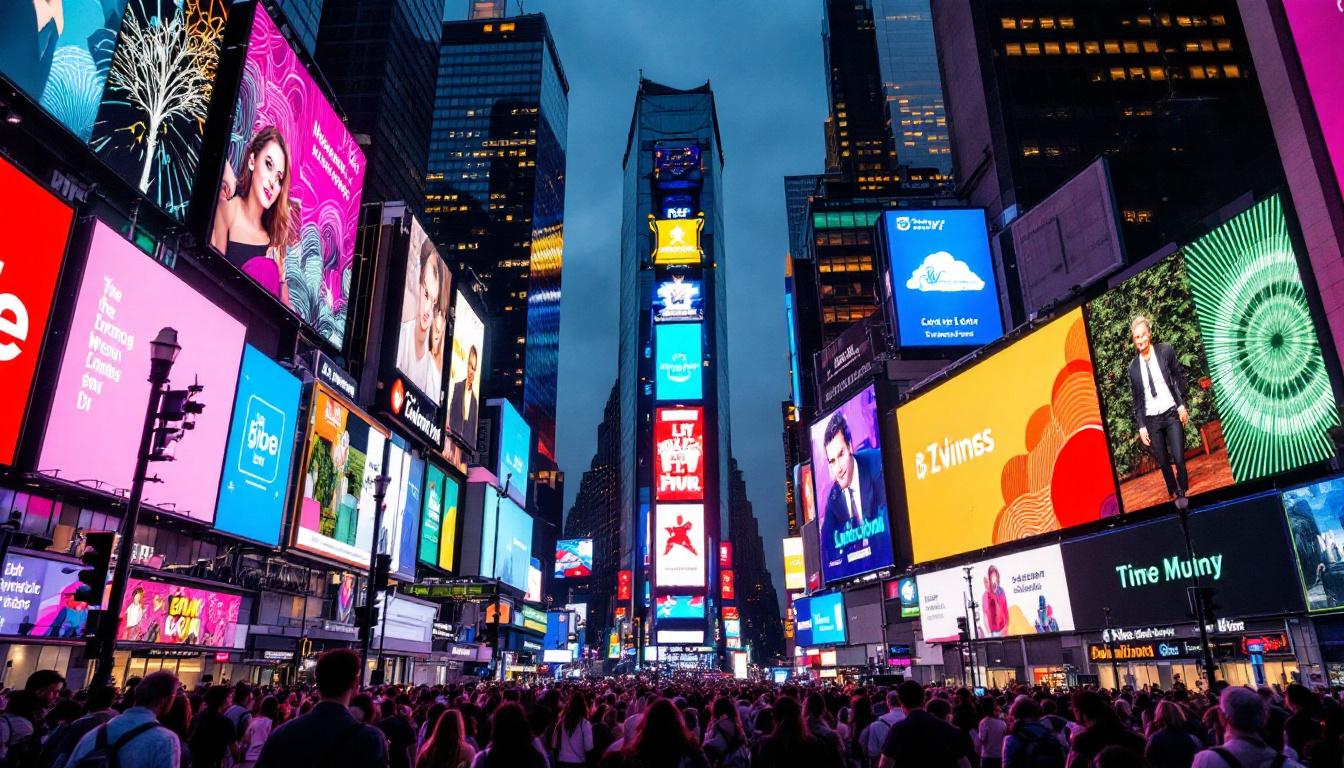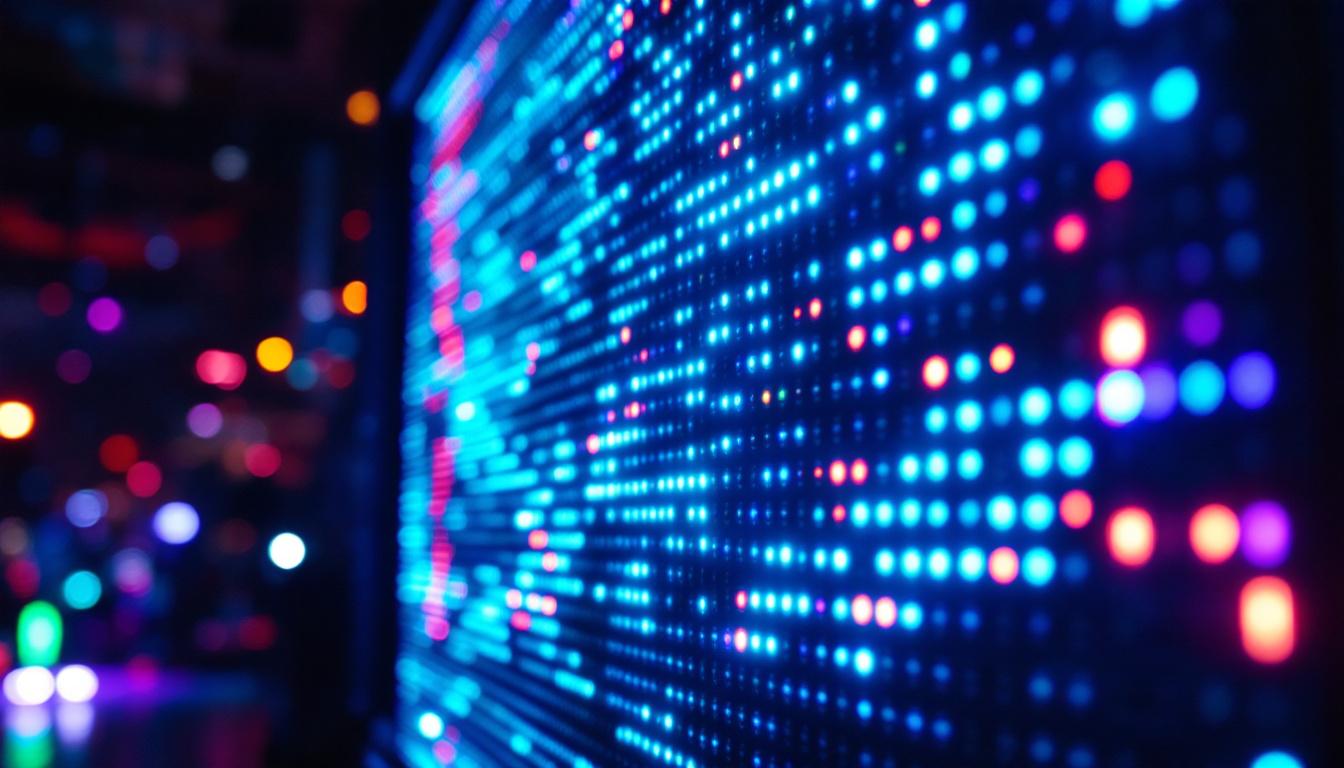
In the rapidly evolving world of digital signage and visual communication, LED panels have become a cornerstone technology. From vibrant billboards in city centers to intricate video walls in corporate lobbies, LED displays deliver bright, dynamic content that captures attention and conveys information effectively. This article explores the fundamentals of LED panels, their technology, applications, and why they are increasingly preferred over other display types.
Understanding LED Panels: The Basics
LED panels are flat display screens composed of numerous light-emitting diodes (LEDs) arranged in a matrix. Each LED acts as a single pixel, emitting light individually or in combination with others to form images, videos, or text. The term “LED panel” often refers to the physical screen itself, which can vary widely in size, resolution, and brightness depending on its intended use.
Unlike traditional LCD displays that rely on backlighting, LED panels generate their own light. This self-illumination leads to superior brightness, contrast, and color accuracy. The technology behind LED displays can be broadly categorized into two types: direct-view LED and LED-backlit LCD. Direct-view LED panels use LEDs as the actual pixels, while LED-backlit LCDs use LEDs to illuminate an LCD screen.
How Do LED Panels Work?
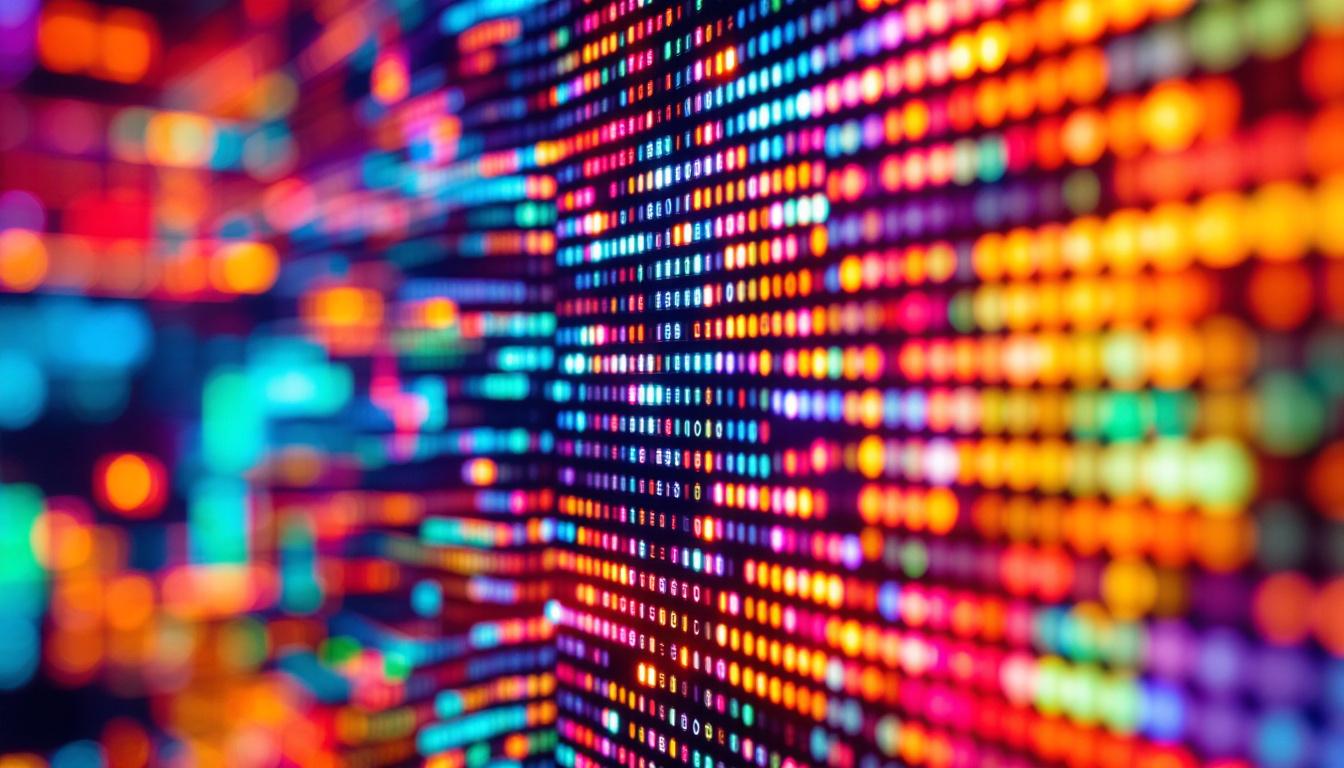
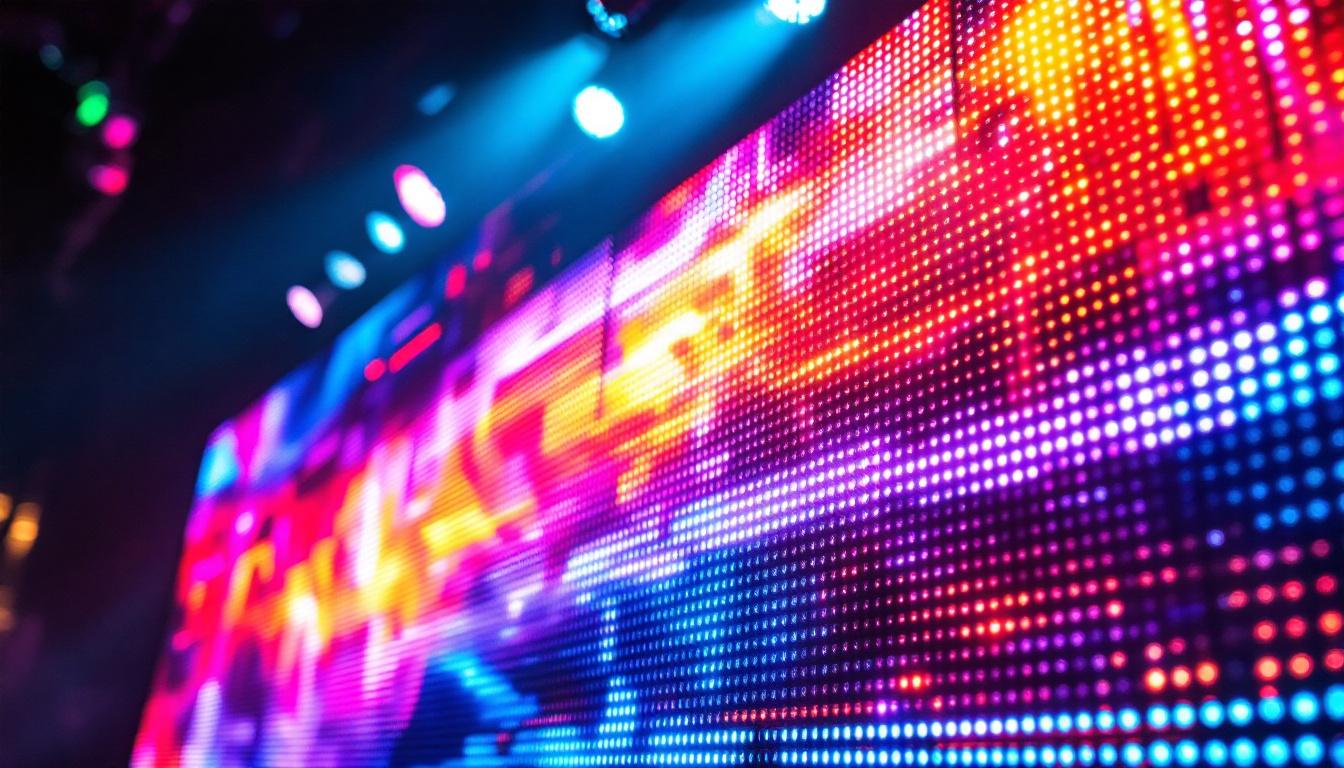
Each LED within a panel consists of semiconductor materials that emit light when an electric current passes through them. By controlling the intensity and color of each LED, the panel can produce a full spectrum of colors and intricate images. Modern LED panels use red, green, and blue (RGB) LEDs to create the full-color range, with some advanced models incorporating additional colors like white or yellow to enhance color accuracy and brightness.
The density of LEDs, often measured in pixel pitch (the distance between the centers of two adjacent LEDs), determines the resolution and clarity of the display. A smaller pixel pitch means more LEDs per square meter, resulting in sharper images suitable for close viewing distances. Conversely, larger pixel pitches are used for displays intended to be viewed from afar, such as outdoor billboards.
In addition to their impressive visual capabilities, LED panels are also known for their energy efficiency. Compared to traditional display technologies, LED panels consume significantly less power while delivering brighter images. This efficiency not only reduces energy costs but also contributes to a lower carbon footprint, making LED panels a popular choice for environmentally conscious consumers and businesses alike. Furthermore, the longevity of LED technology means that these panels can last tens of thousands of hours, reducing the need for frequent replacements and maintenance.
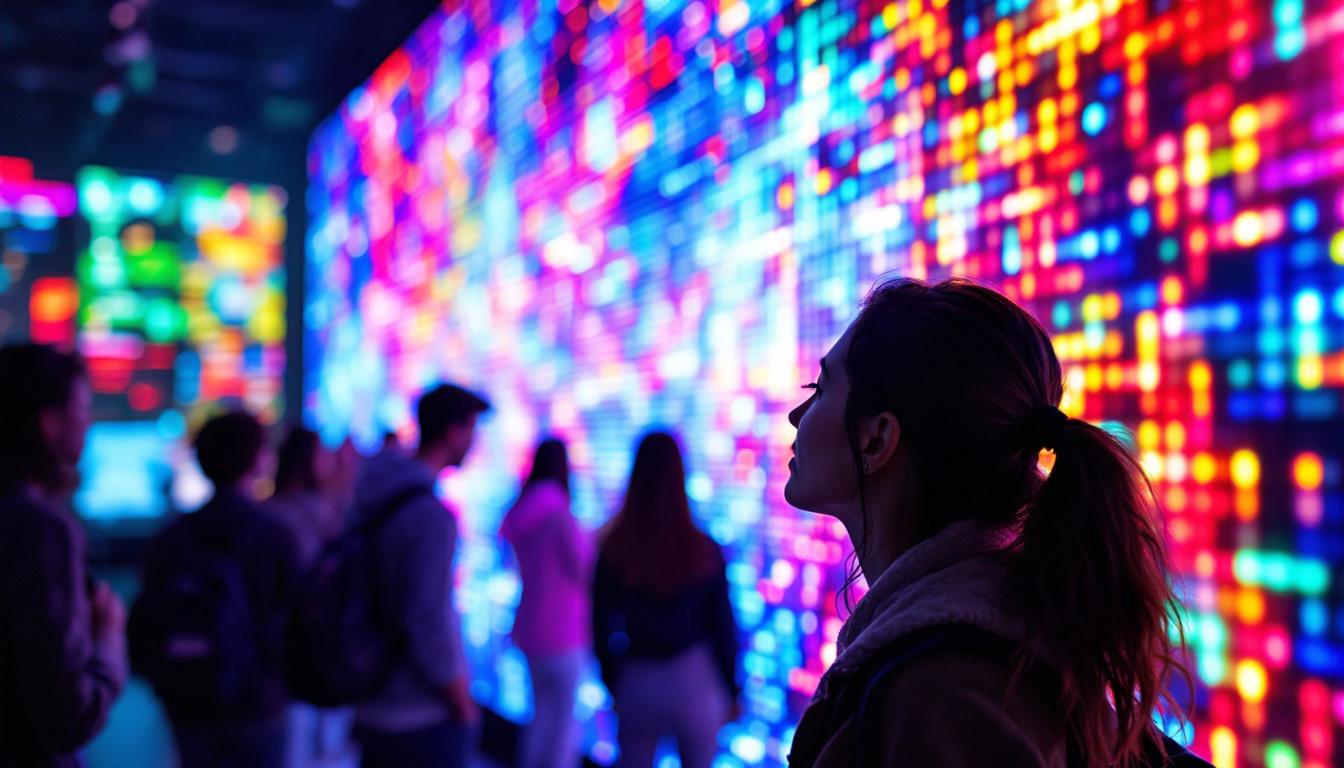
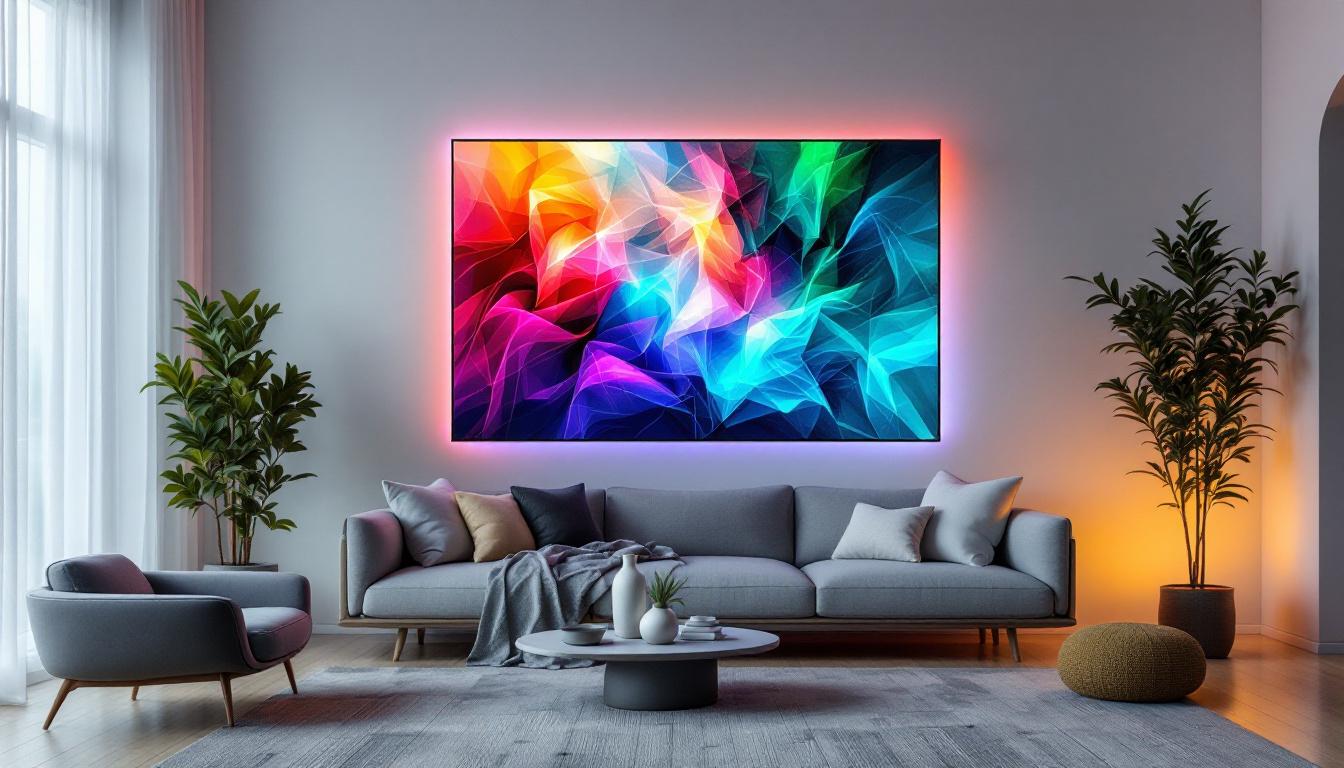
Another fascinating aspect of LED panels is their versatility in application. From large-scale advertising displays in bustling city centers to sleek, high-definition screens in corporate boardrooms, LED panels are adaptable to various environments. They can be customized in shape and size, allowing for creative installations such as curved displays or video walls that create immersive experiences. Additionally, advancements in technology have led to the development of transparent and flexible LED panels, opening up even more innovative possibilities for design and functionality in both commercial and residential settings.
Key Advantages of LED Panels
LED panels offer several distinct advantages that make them ideal for a wide range of applications, from advertising and entertainment to information dissemination and architectural lighting.
Brightness and Visibility
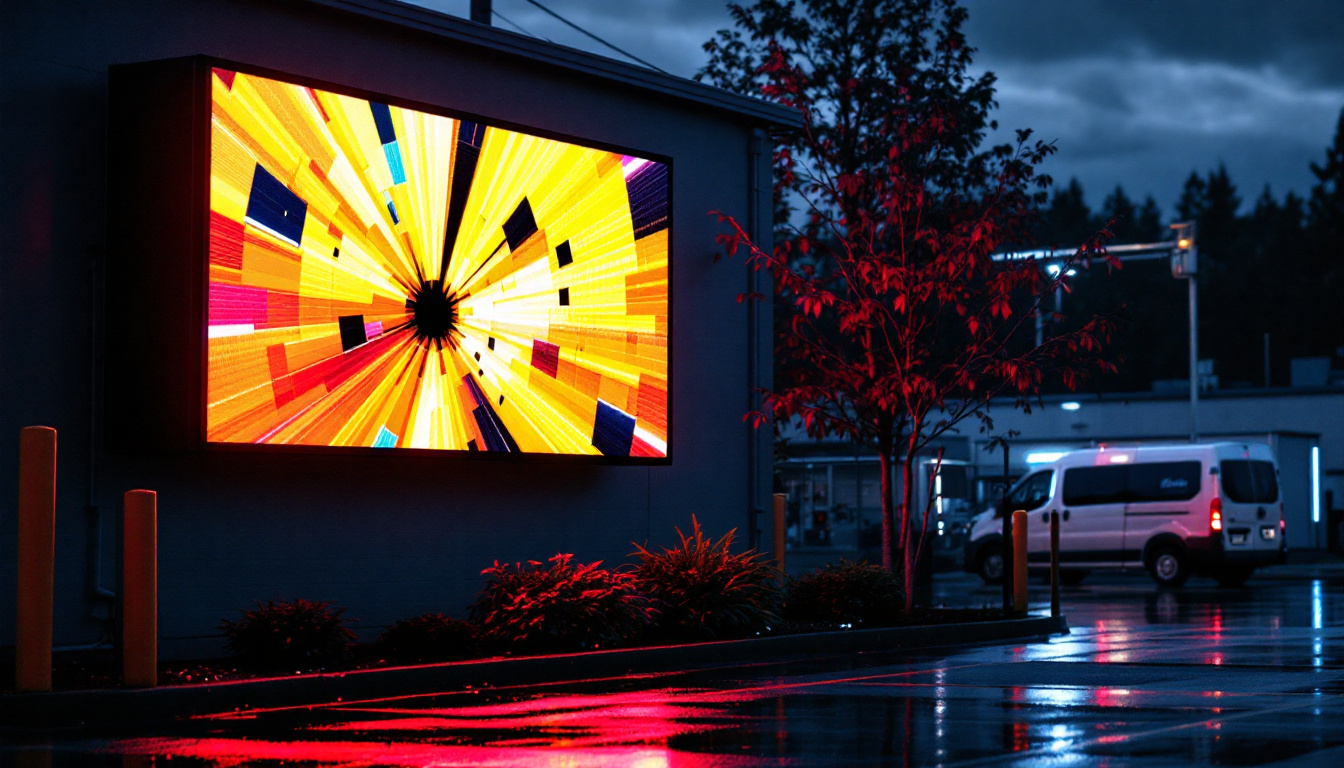
One of the standout features of LED panels is their exceptional brightness. Outdoor LED displays can reach brightness levels exceeding 5,000 nits, making them clearly visible even under direct sunlight. This high brightness ensures that content remains vibrant and legible regardless of ambient lighting conditions, a critical factor for outdoor advertising and public information displays.
Energy Efficiency and Longevity
Compared to older display technologies such as plasma or fluorescent backlit LCDs, LED panels are significantly more energy-efficient. LEDs consume less power while providing higher brightness, which translates into lower operating costs. Additionally, LED panels have a long lifespan, often rated between 50,000 to 100,000 hours of operation, reducing the need for frequent replacements and maintenance.
Flexibility and Customization
LED panels are highly modular, allowing for various configurations and sizes. They can be assembled into seamless video walls of virtually any dimension or shaped into curved and flexible displays for innovative architectural applications. This adaptability enables designers and advertisers to create immersive visual experiences tailored to specific environments and audiences.
Applications of LED Panels
The versatility of LED panels has led to their widespread adoption across multiple industries. Understanding these applications helps highlight the technology’s impact and potential.
Outdoor Advertising and Digital Billboards
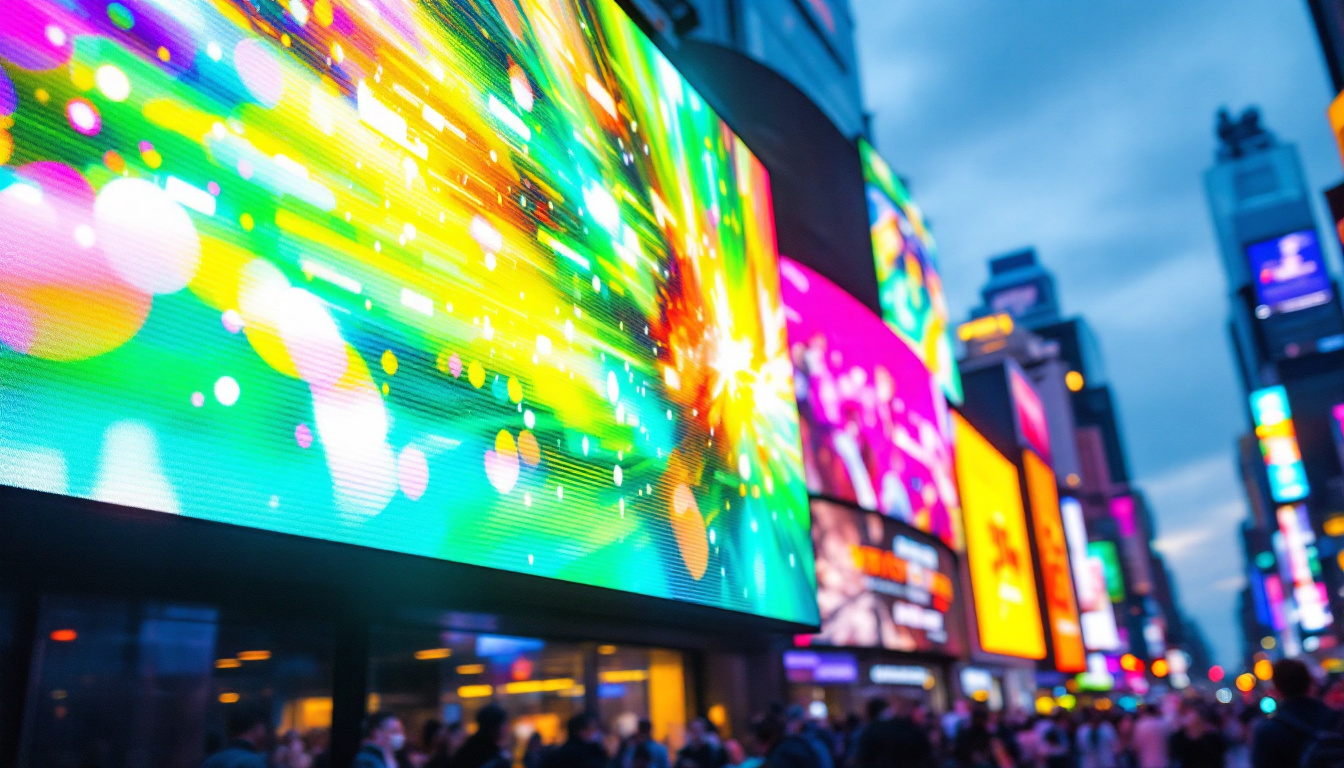
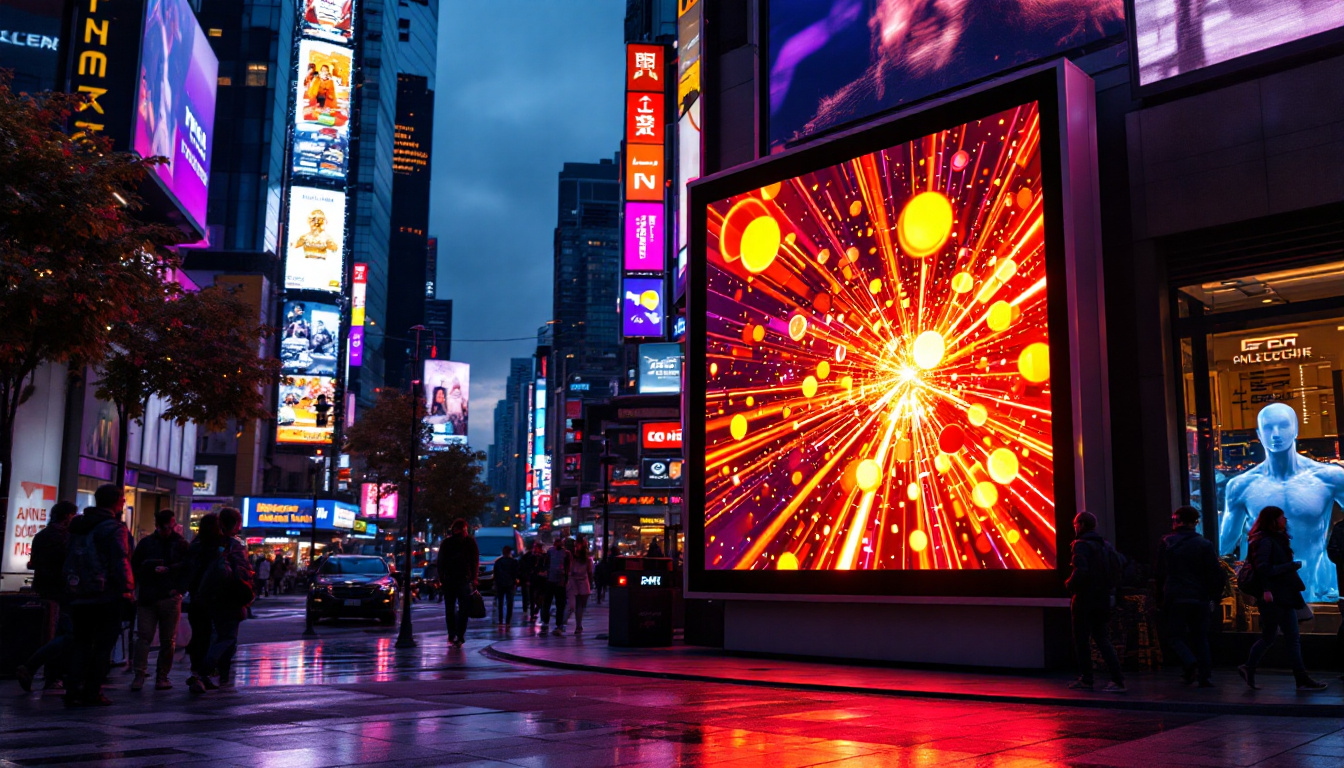
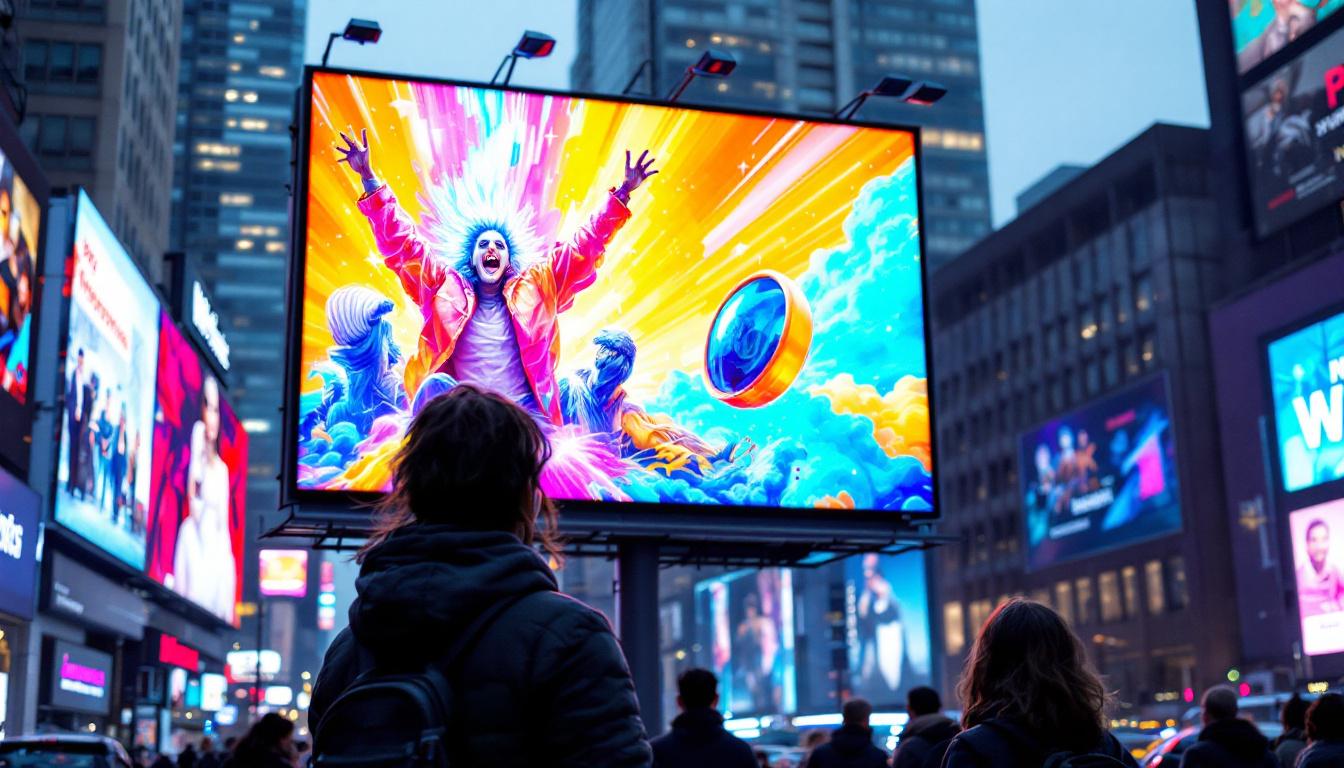
Outdoor LED billboards have revolutionized advertising by enabling dynamic, eye-catching content that can be updated remotely in real-time. According to the Digital Signage Federation, the global digital out-of-home advertising market, which heavily relies on LED displays, is projected to grow at a compound annual growth rate (CAGR) of over 10% through 2027. This growth is driven by the increasing demand for targeted, interactive advertising in urban environments.
LED billboards offer advertisers the ability to display multiple ads in rotation, incorporate animations and videos, and adjust brightness automatically based on ambient light, maximizing engagement and return on investment.
Indoor Displays and Corporate Environments
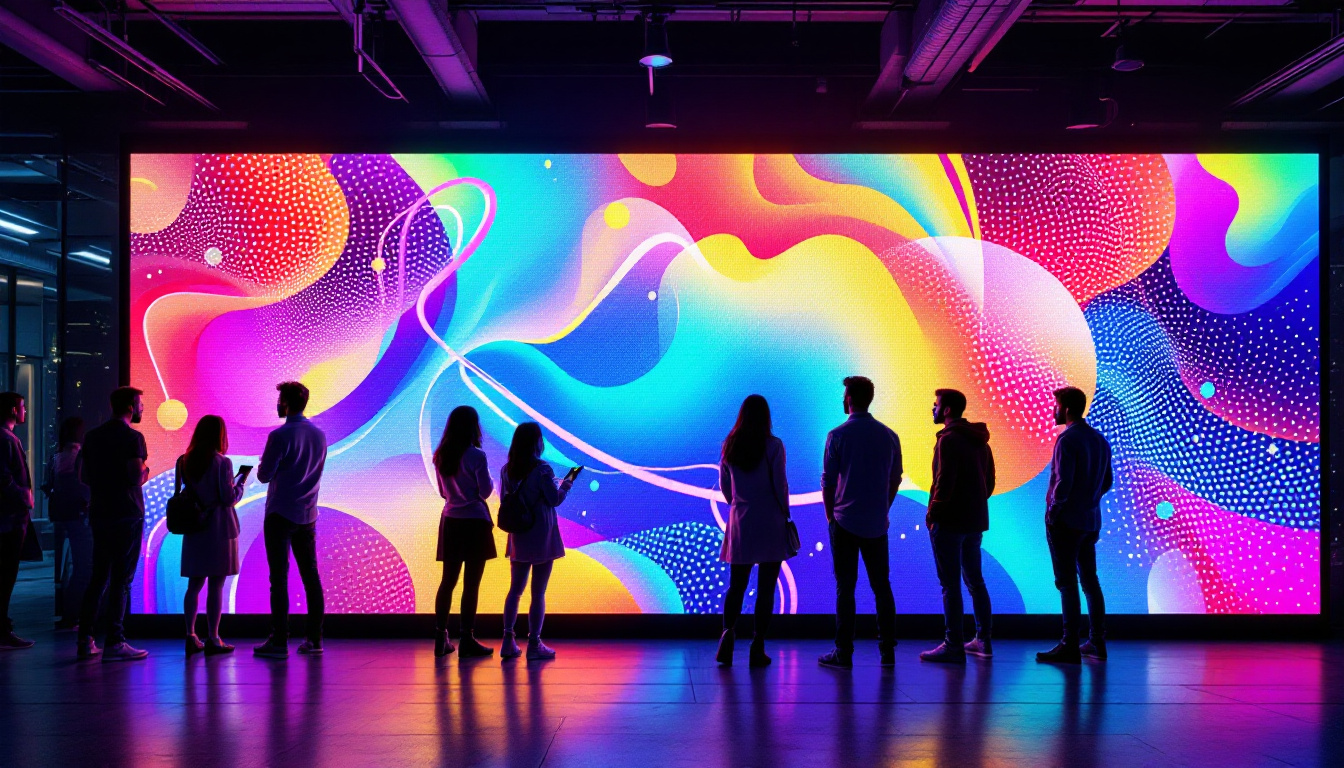
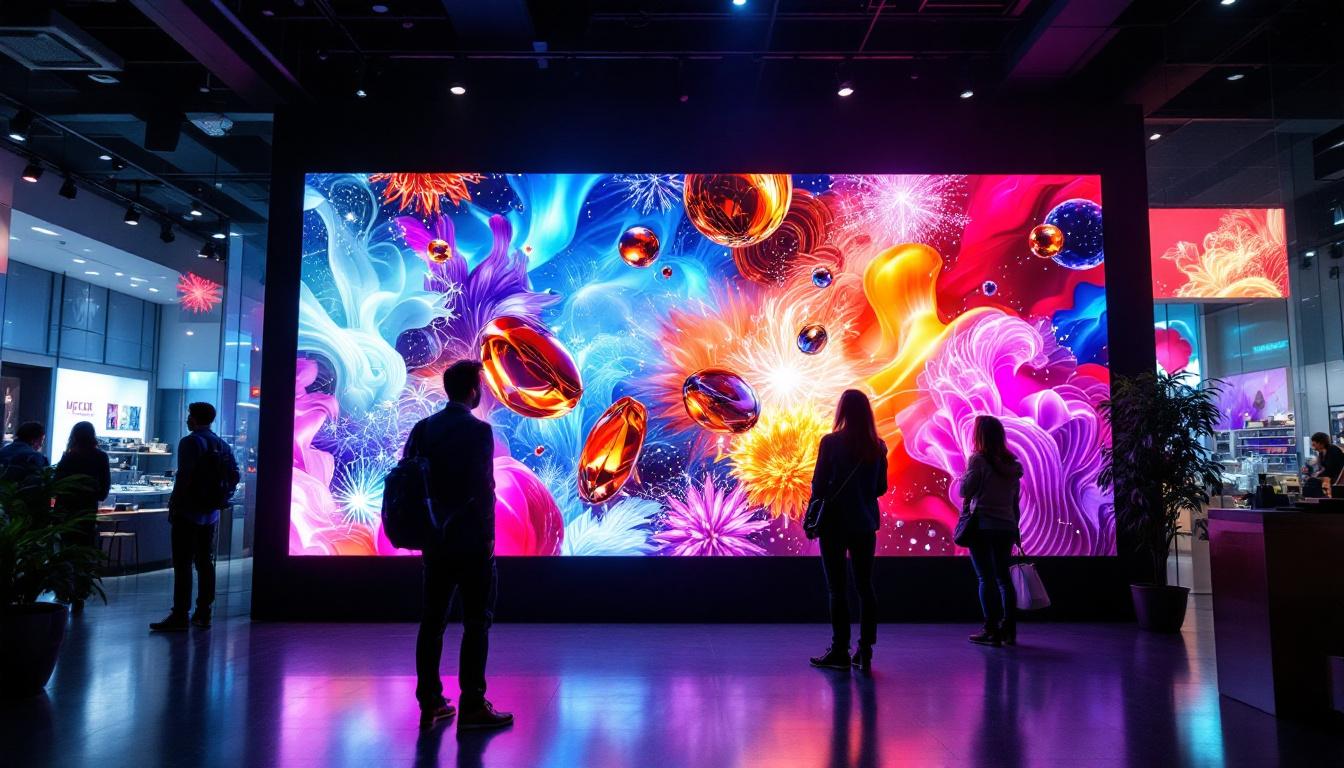
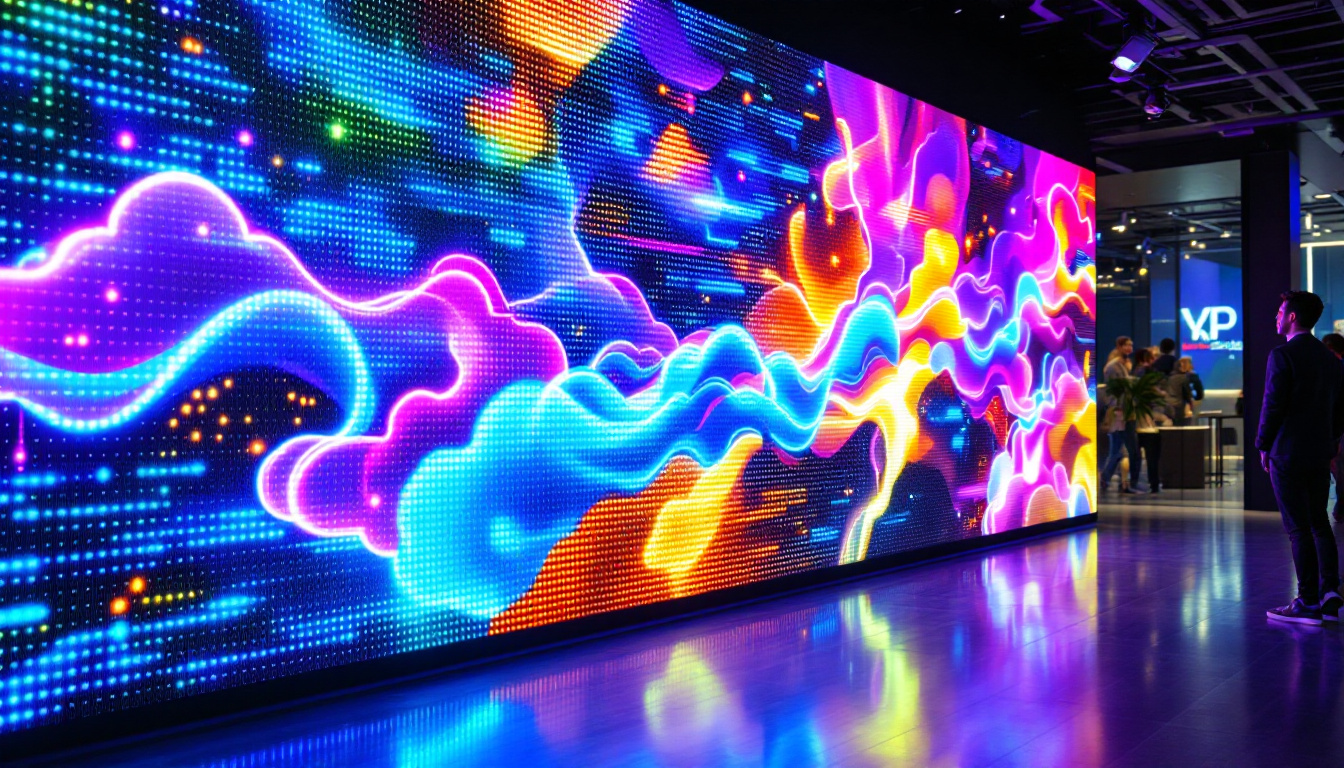
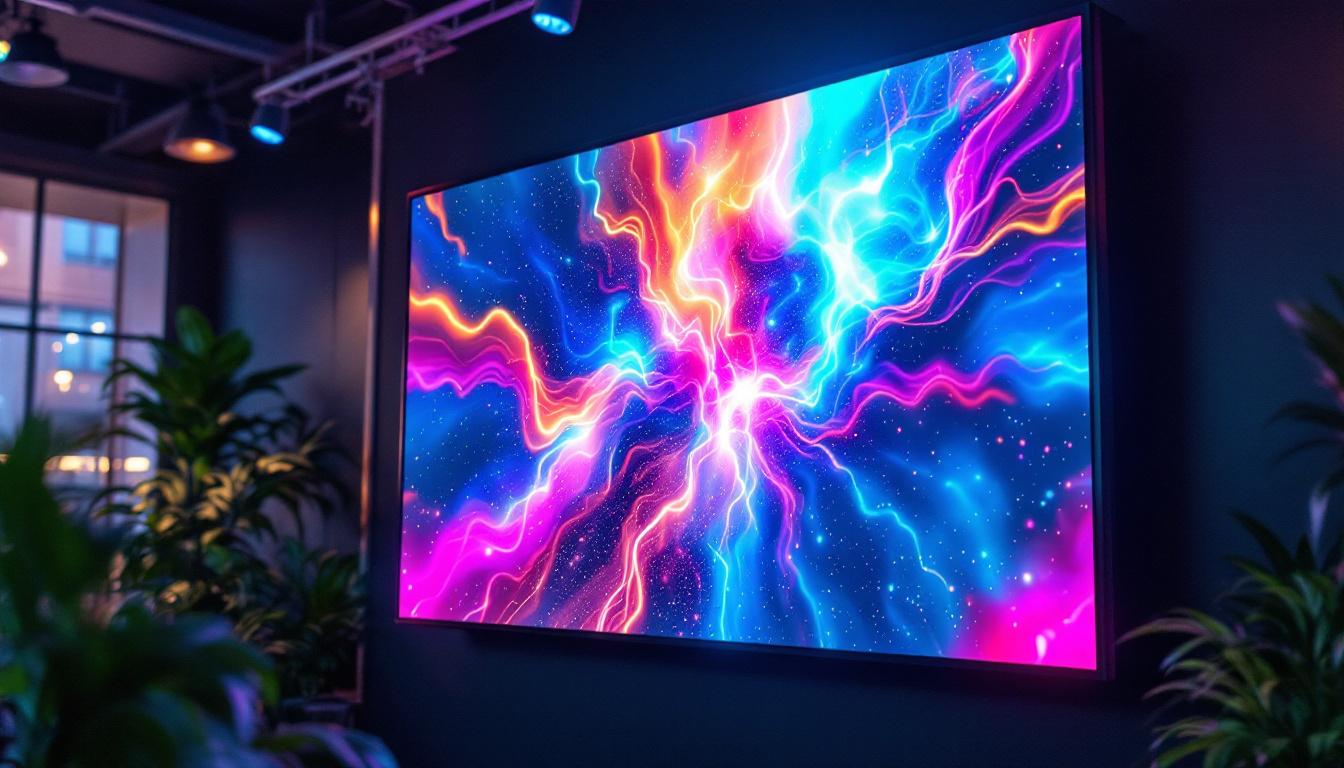
Within indoor settings, LED panels are commonly used for video walls, conference room displays, and digital signage. Their high resolution and brightness make them ideal for presentations, branding, and wayfinding in spaces such as airports, shopping malls, and corporate headquarters.
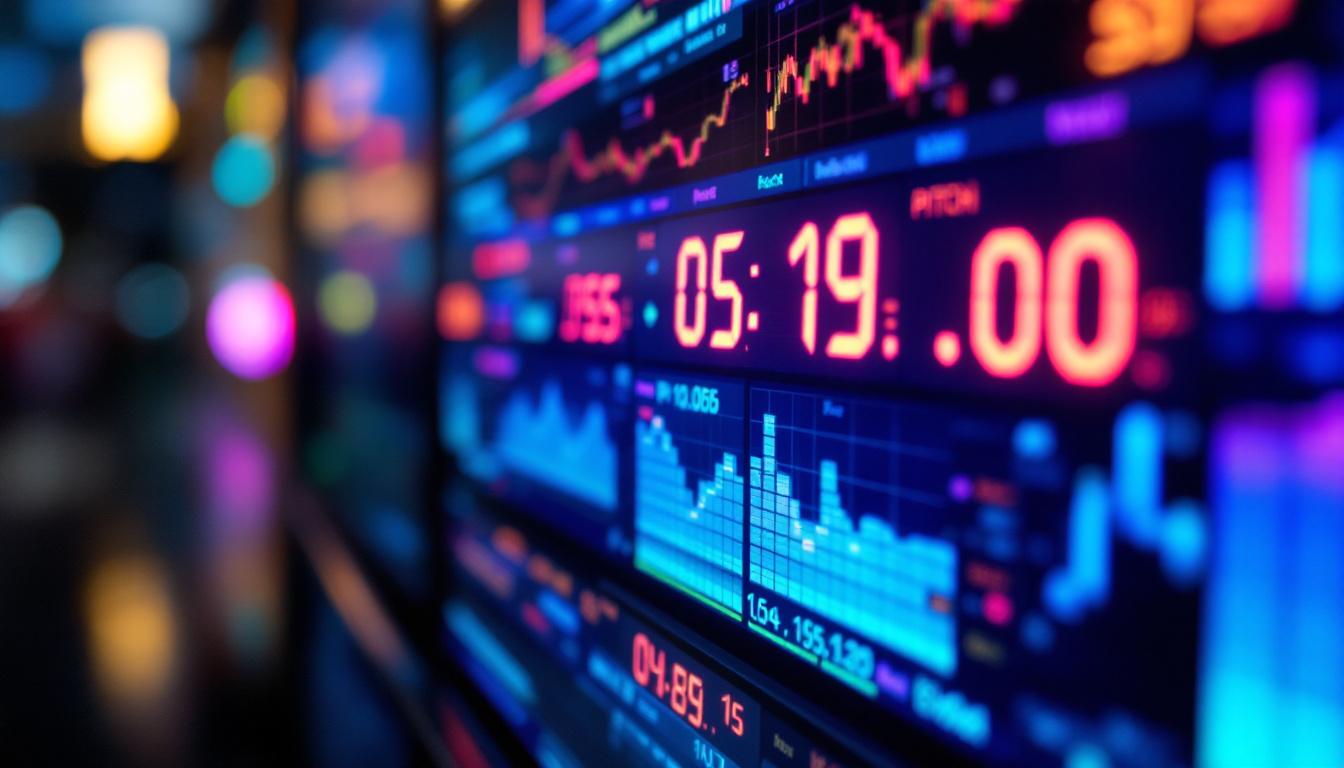
For example, many Fortune 500 companies invest in large LED video walls in their lobbies to showcase corporate achievements, live data feeds, or promotional content. The ability to customize content and integrate with control systems enhances communication and creates a modern, professional atmosphere.
Entertainment and Events
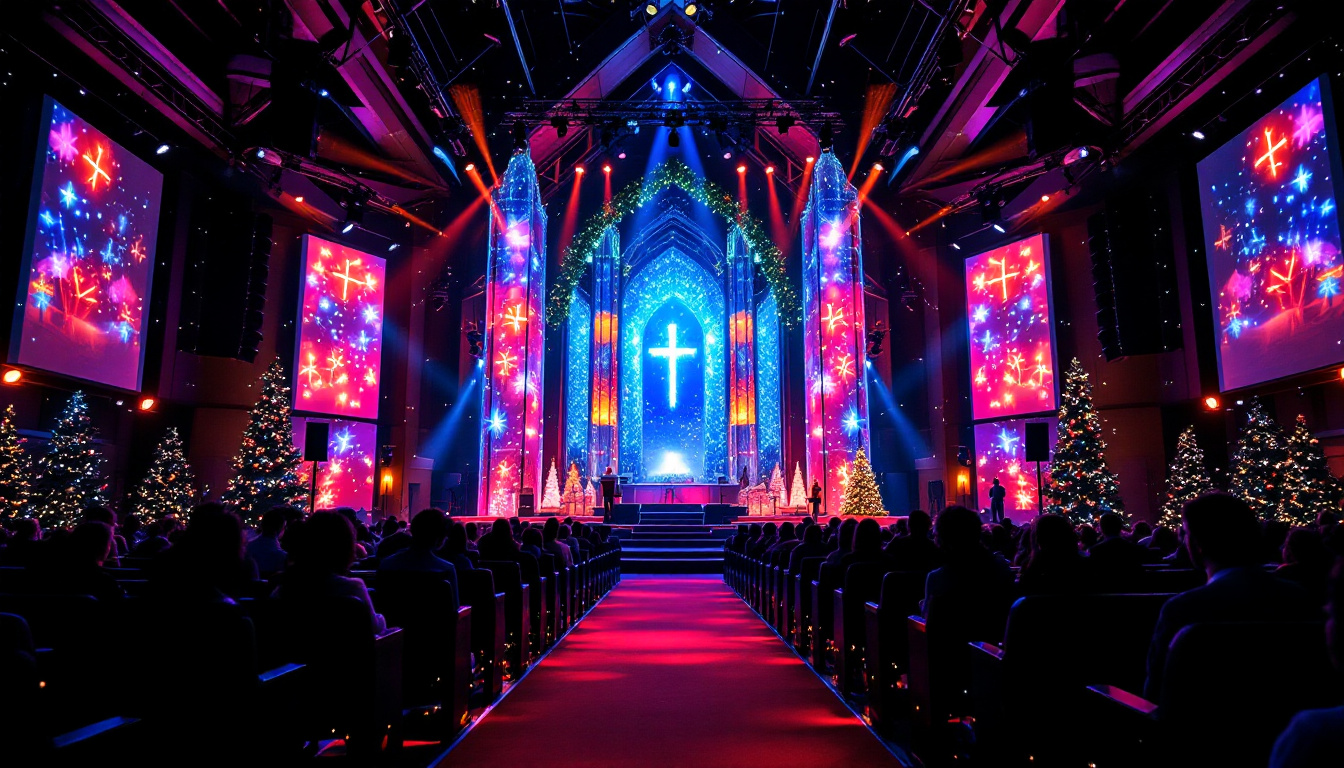
The entertainment industry extensively uses LED panels for concerts, sports arenas, and live events. Their lightweight, modular design allows for rapid assembly and disassembly, making them perfect for touring shows and temporary installations. High refresh rates and color accuracy ensure that visuals remain smooth and vibrant, even under intense lighting conditions and fast camera movements.
Technical Considerations When Choosing LED Panels
Selecting the right LED panel involves understanding several technical factors that influence performance, cost, and suitability for specific applications.
Pixel Pitch and Resolution
As mentioned earlier, pixel pitch is crucial in determining the clarity of the display. For indoor applications where viewers are close to the screen, a pixel pitch of 1.2mm to 2.5mm is common, delivering high-definition images. Outdoor panels typically have a pixel pitch ranging from 4mm to 20mm, balancing visibility and cost.
Brightness and Contrast Ratio
Brightness is measured in nits, and selecting the appropriate level depends on the installation environment. Outdoor LED panels require higher brightness to counteract sunlight, while indoor panels can operate at lower brightness levels to reduce eye strain and energy consumption. Contrast ratio, the difference between the darkest and brightest parts of the image, affects image depth and realism. Higher contrast ratios are generally preferred for richer visuals.
Refresh Rate and Viewing Angle
Refresh rate, measured in hertz (Hz), indicates how many times per second the image is updated. Higher refresh rates (above 1,000 Hz) reduce flickering, which is especially important for video recording and live broadcasts. Viewing angle determines how well the image can be seen from different positions. Wider viewing angles ensure consistent image quality across large audiences.
Durability and Weather Resistance
For outdoor LED panels, durability is paramount. They must withstand harsh weather conditions including rain, wind, dust, and temperature fluctuations. Ratings such as IP65 or higher indicate strong protection against water and dust ingress. Additionally, robust construction materials and proper heat dissipation mechanisms extend the lifespan and reliability of outdoor displays.
Future Trends in LED Panel Technology
The LED display industry continues to innovate, driven by demand for higher performance, lower costs, and new applications. Several emerging trends are shaping the future of LED panels.
MicroLED and MiniLED Technologies
MicroLED and MiniLED represent the next generation of LED display technology, featuring smaller diodes that allow for even higher resolution and improved color accuracy. MicroLEDs, in particular, promise OLED-like contrast and color performance with greater brightness and longevity, making them attractive for premium displays in televisions, smartphones, and augmented reality devices.
Flexible and Transparent LED Panels
Advancements in flexible LED technology enable displays that can bend, fold, or wrap around surfaces, opening new possibilities for creative architectural designs and wearable devices. Transparent LED panels, which allow light to pass through while displaying content, are gaining traction in retail and automotive applications, offering innovative ways to blend digital content with physical environments.
Integration with AI and IoT
Smart LED panels integrated with artificial intelligence (AI) and the Internet of Things (IoT) are becoming more common. These systems can analyze viewer demographics, adjust content dynamically, and interact with other smart devices to provide personalized and context-aware experiences. This integration enhances the effectiveness of digital signage and creates new opportunities for engagement and data collection.
Conclusion
LED panels have transformed the landscape of digital displays through their brightness, versatility, and efficiency. Their ability to deliver vivid, high-resolution content in both indoor and outdoor environments makes them indispensable for advertising, entertainment, corporate communication, and beyond. As technology advances, LED panels will continue to evolve, offering even greater visual experiences and integration possibilities.
For businesses and organizations seeking impactful visual communication tools, understanding the capabilities and options available with LED panels is essential. By carefully considering factors such as pixel pitch, brightness, durability, and emerging technologies, decision-makers can select the right LED display solutions to meet their specific needs and future-proof their investments.
Discover LumenMatrix LED Display Solutions
Ready to elevate your visual communication with the latest in LED display technology? Look no further than LumenMatrix, a pioneer in crafting LED display modules that not only boost brand visibility but also create immersive visual narratives. Whether you need an Indoor LED Wall Display for your corporate headquarters, an Outdoor LED Wall Display for impactful advertising, or any of our specialized solutions like Vehicle, Sports, or Floor LED Displays, LumenMatrix has you covered. Embrace the future of digital signage with our Custom, All-in-One, and LED Transparent Displays. Check out LumenMatrix LED Display Solutions today and start transforming your space into a dynamic canvas that engages and captivates your audience.