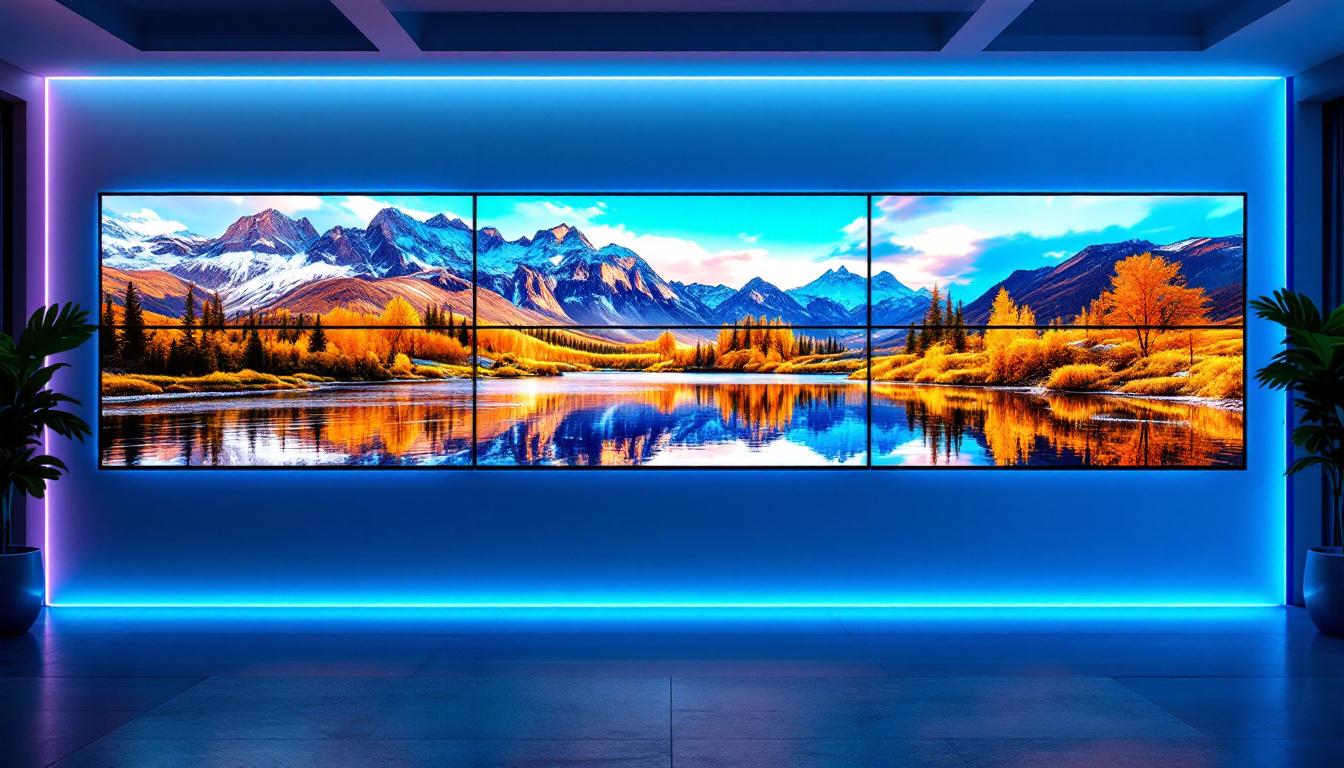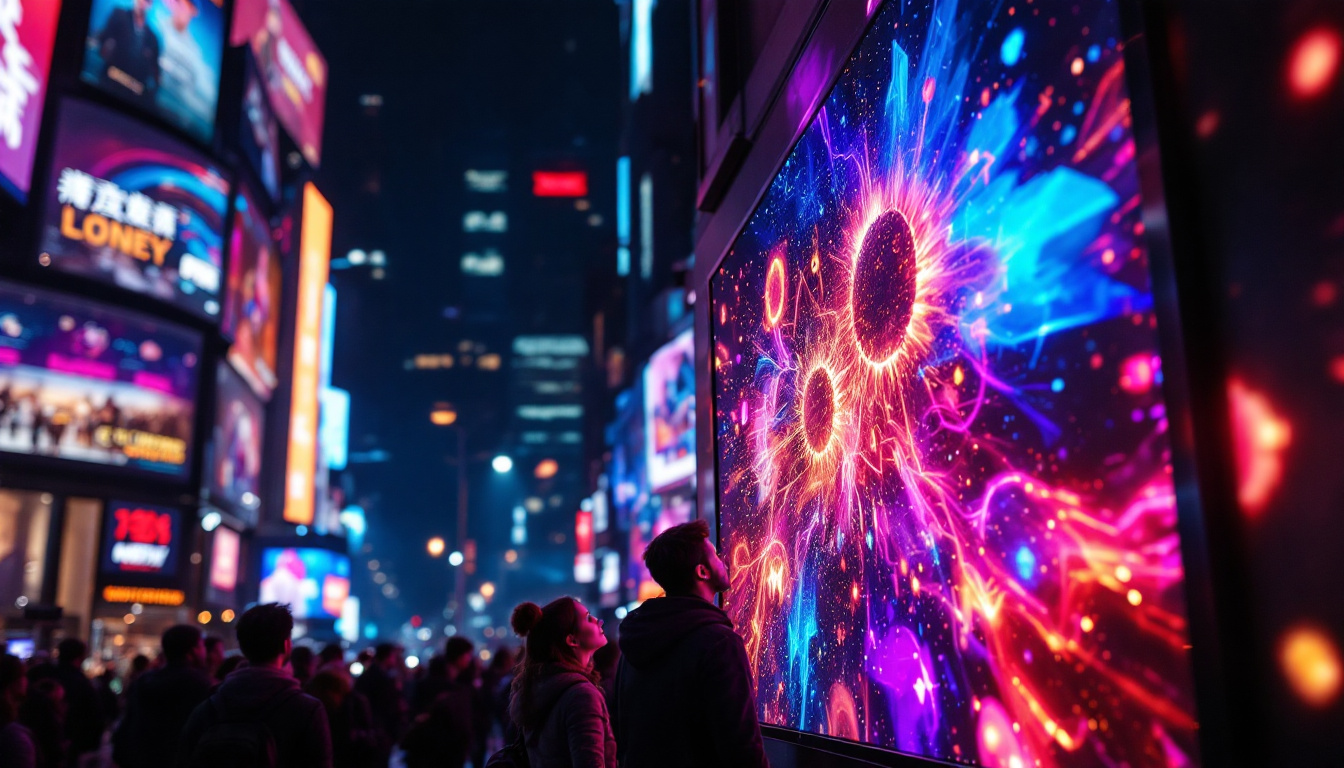
In the rapidly evolving world of digital displays, flexible LED tiles have emerged as a groundbreaking innovation that is reshaping how visual content is presented. From dynamic advertising billboards to immersive architectural installations, these versatile display units offer unprecedented adaptability and performance. This article delves into the technology behind flexible LED tiles, their applications, benefits, and future potential, providing a comprehensive understanding for professionals, enthusiasts, and decision-makers alike.
Understanding Flexible LED Tiles: Technology and Design
Flexible LED tiles represent a significant advancement in LED display technology, combining the brightness and clarity of traditional LED screens with the ability to bend and conform to various shapes and surfaces. Unlike rigid LED panels, these tiles are constructed using flexible printed circuit boards (FPCBs) and miniature LED components, allowing them to curve without compromising image quality or structural integrity.
Core Components and Construction
At the heart of flexible LED tiles are the light-emitting diodes themselves, typically surface-mounted on flexible substrates. These substrates can be made from materials such as polyimide or other advanced polymers that maintain electrical conductivity while allowing bending. The LEDs are arranged in a matrix, with each diode acting as a pixel, controlled by integrated circuits embedded within the tile.
The modular nature of these tiles enables them to be connected seamlessly, creating larger displays that can wrap around columns, curve along walls, or take on unconventional shapes. The flexibility does not only refer to physical bending but also to the ease of installation and customization, making them highly adaptable for various environments. This adaptability is particularly beneficial in settings such as retail spaces, where brands seek to create immersive experiences that captivate customers. By utilizing flexible LED tiles, retailers can design eye-catching displays that draw attention from multiple angles, enhancing the overall shopping experience.
How Flexible LED Tiles Differ from Traditional LED Displays
Traditional LED displays are typically rigid, consisting of fixed panels that must be mounted on flat surfaces. This rigidity limits their application to planar installations such as billboards, stadium screens, or flat video walls. In contrast, flexible LED tiles provide designers and engineers with the freedom to create displays that follow organic curves or irregular architectural features, expanding creative possibilities dramatically.
Moreover, flexible LED tiles often feature thinner profiles and lighter weights compared to their rigid counterparts. This makes them easier to transport and install, reducing logistical challenges and costs. Advances in pixel pitch and resolution have also narrowed the gap in image quality, ensuring that flexible displays deliver vivid, high-definition visuals comparable to traditional LED screens. Additionally, their energy efficiency is noteworthy; flexible LED tiles consume less power than traditional displays, making them a more sustainable option for large-scale installations. This energy efficiency not only contributes to lower operational costs but also aligns with growing environmental concerns, as businesses increasingly seek to reduce their carbon footprint while maintaining high-quality visual communication.
Applications of Flexible LED Tiles Across Industries
The unique properties of flexible LED tiles have led to their adoption across a wide range of industries, each leveraging the technology to enhance user engagement, brand visibility, and spatial aesthetics.
Advertising and Marketing
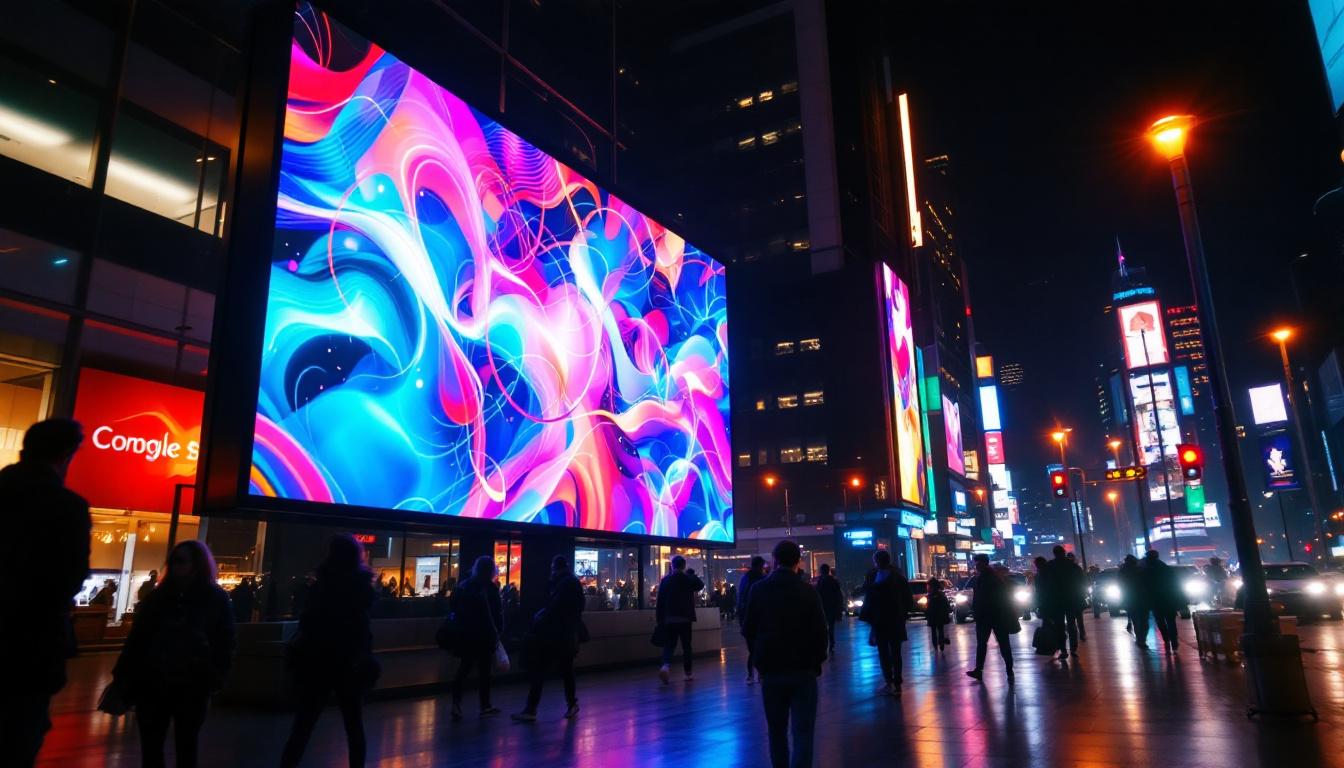
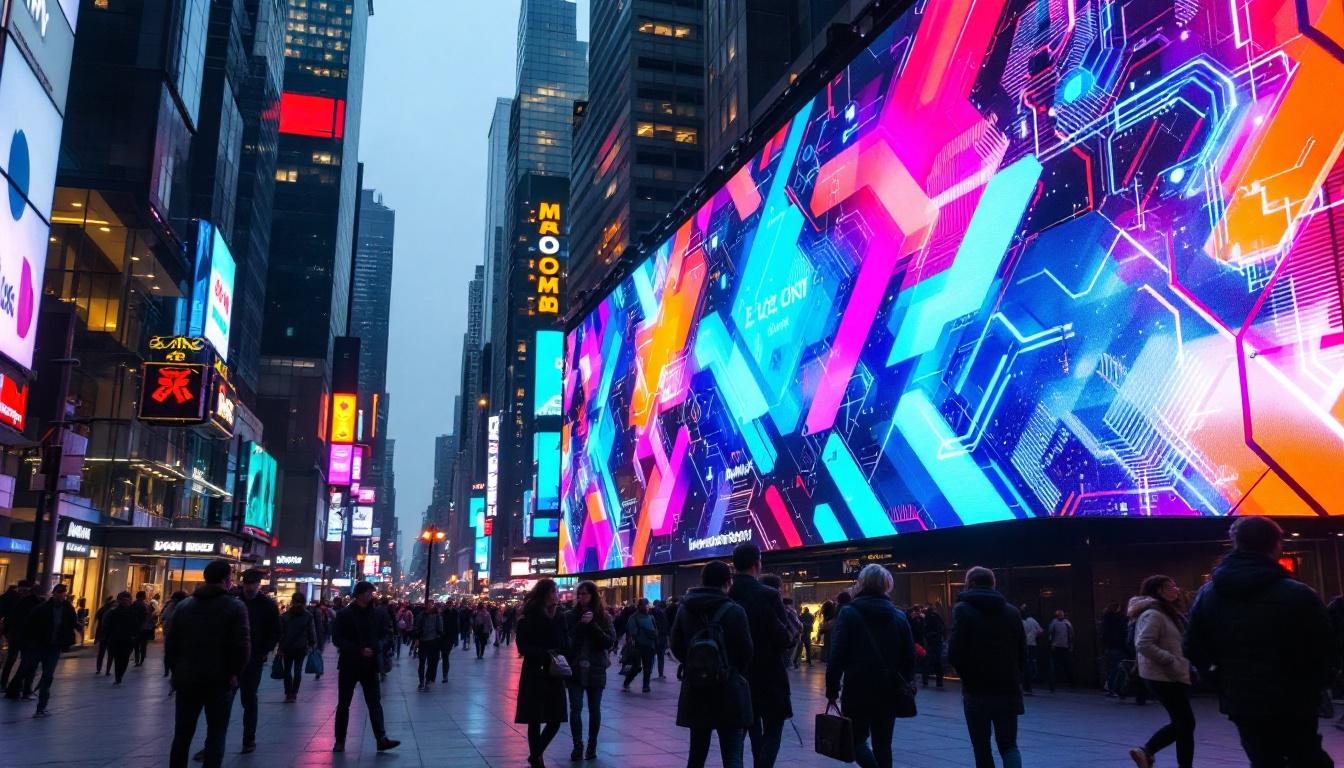
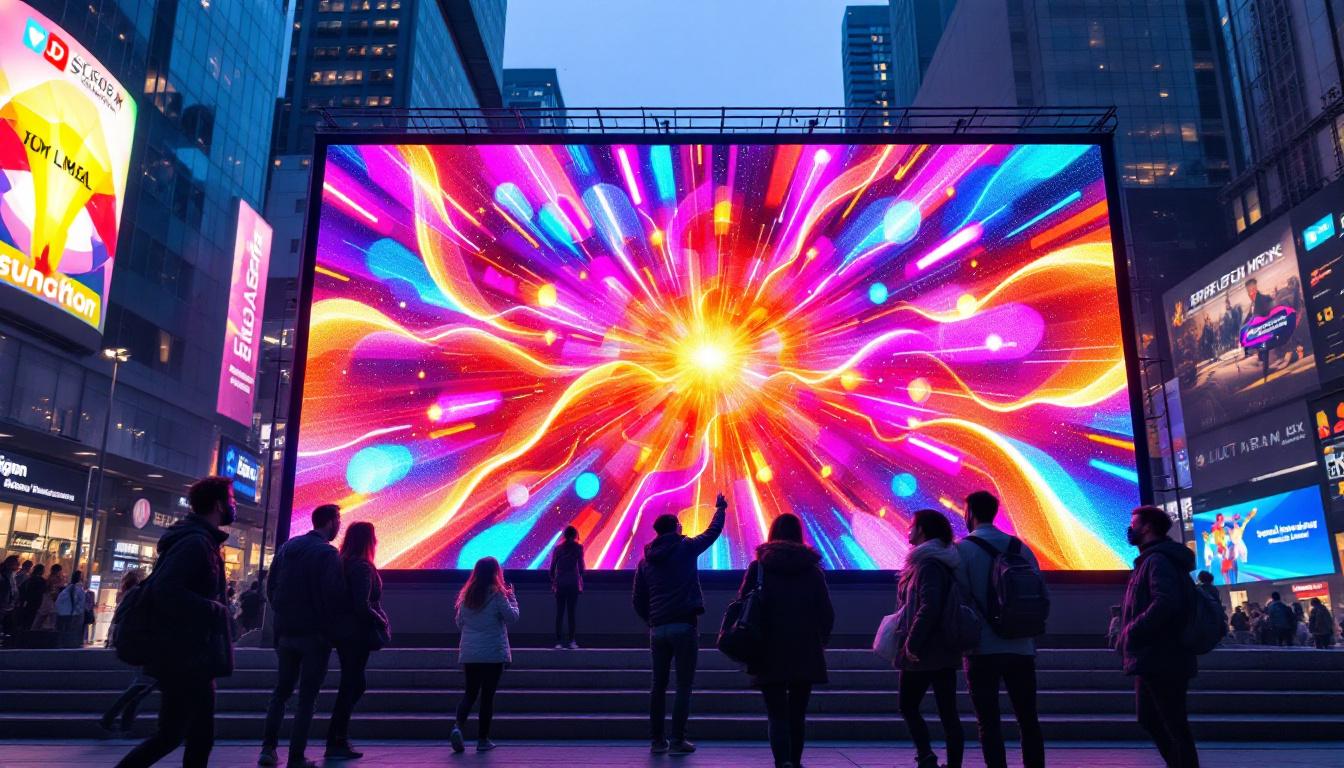
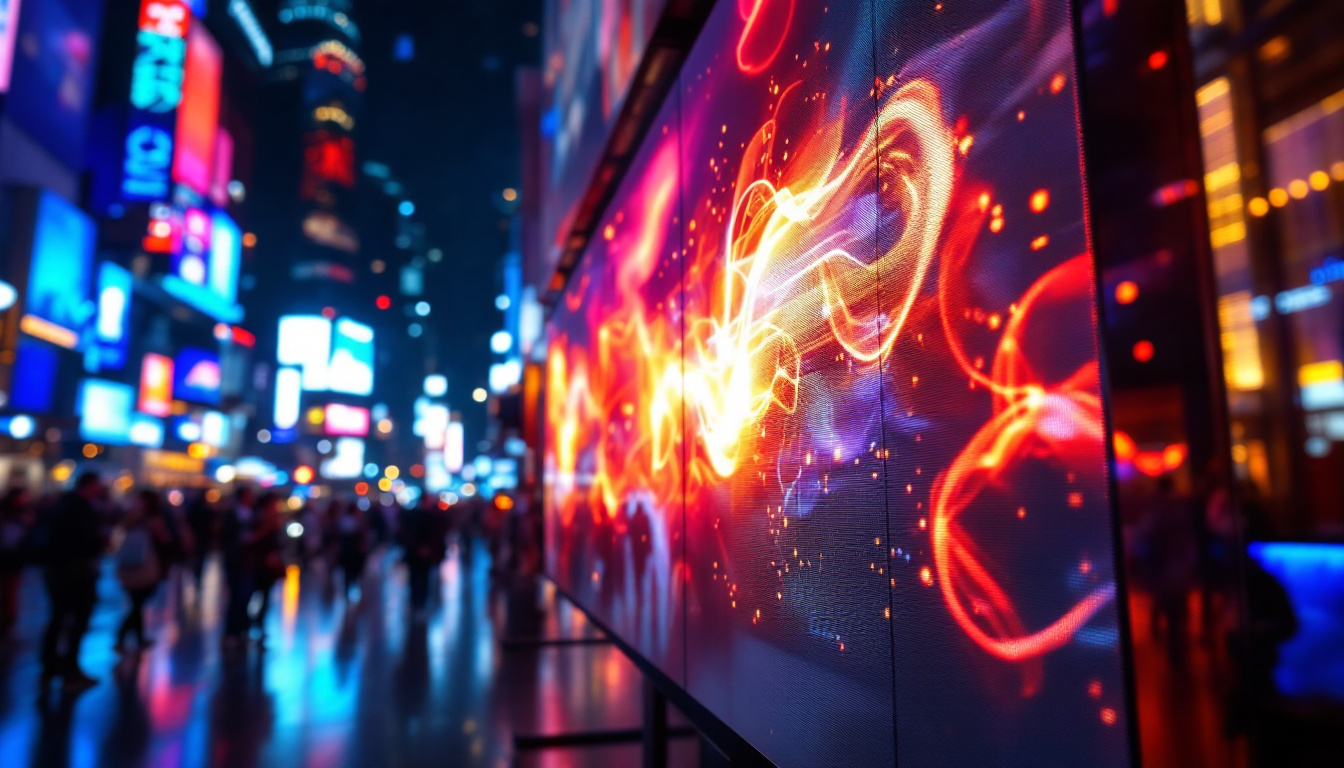
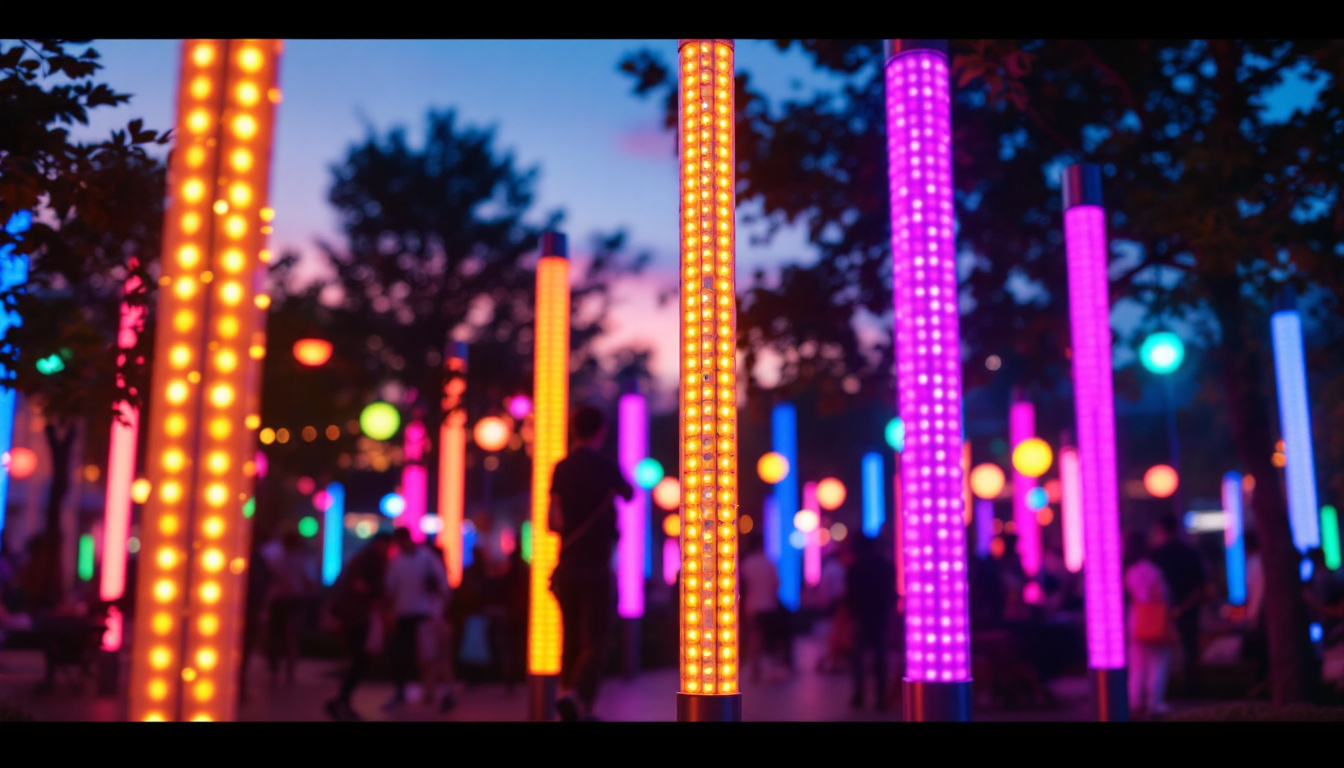
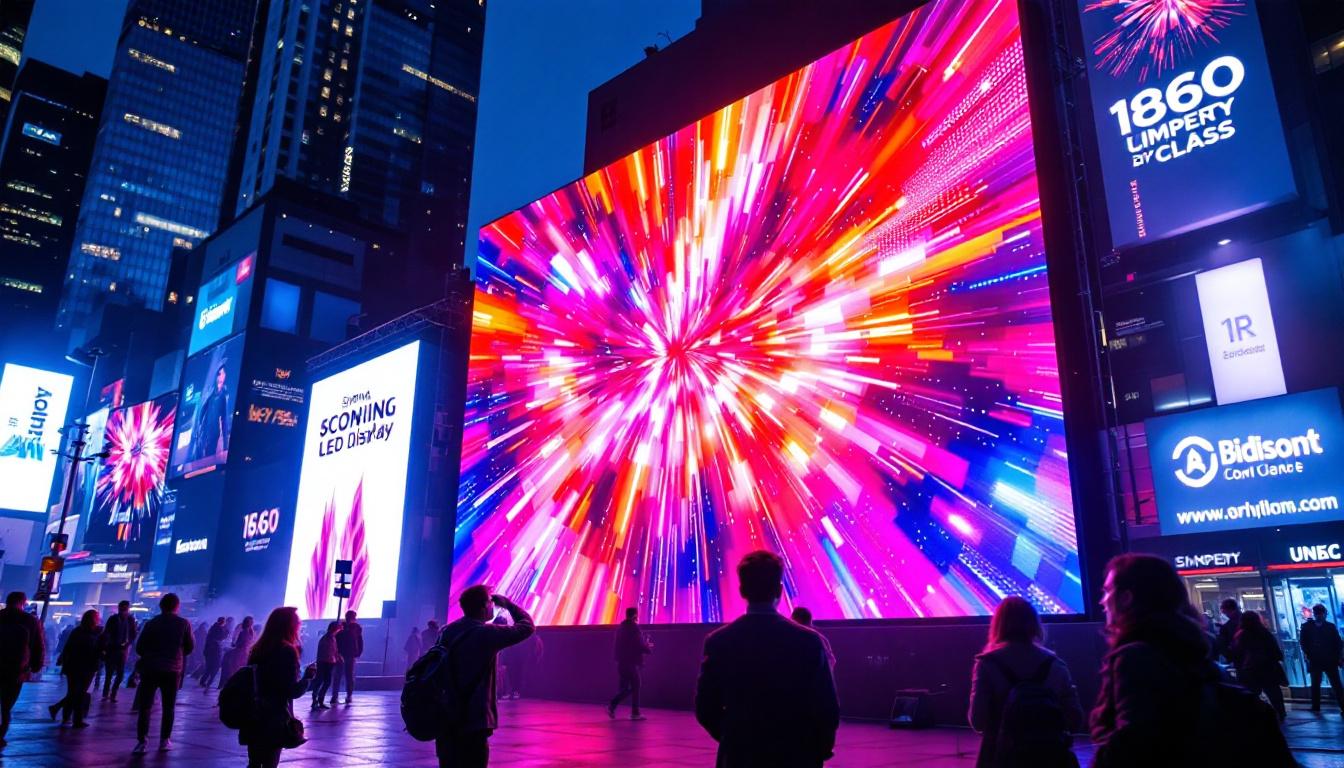
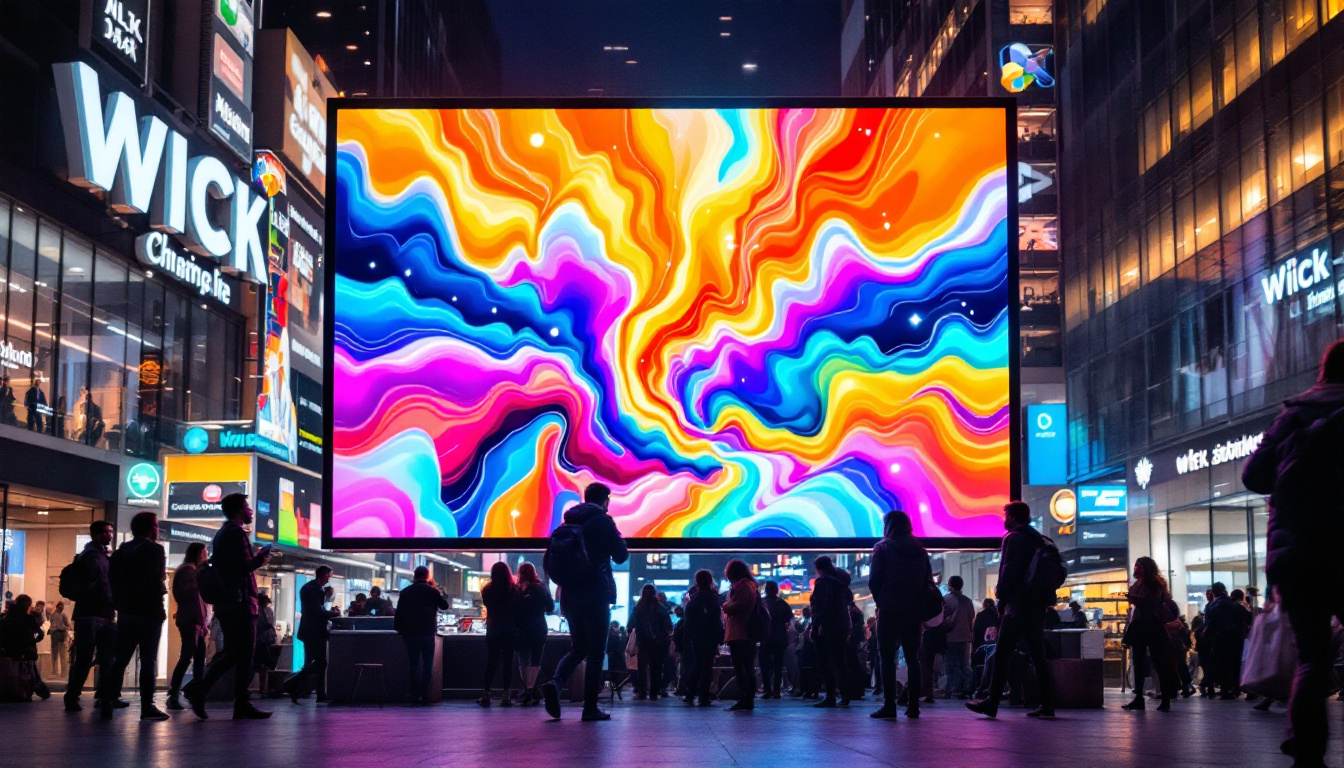
In advertising, capturing attention is paramount. Flexible LED tiles enable brands to create eye-catching displays that conform to unconventional surfaces like curved building facades, vehicle exteriors, or even wearable technology. For example, a recent campaign in a major metropolitan area featured a 360-degree curved LED display wrapping around a cylindrical pillar in a shopping mall, delivering immersive content that attracted thousands of visitors daily.
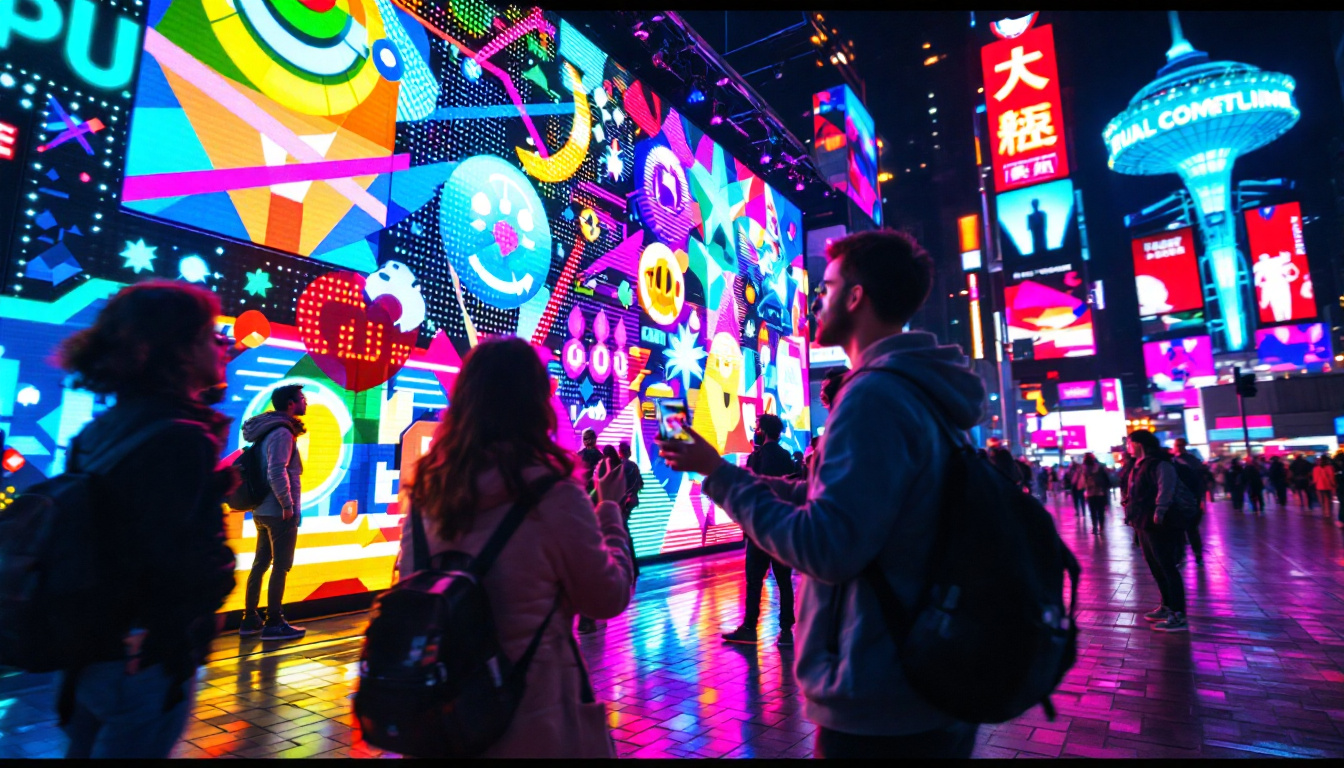
These displays can be easily updated with new content remotely, allowing marketers to run dynamic campaigns that respond to real-time events or customer interactions. The ability to install on non-traditional surfaces also opens up premium advertising spaces previously inaccessible with rigid screens. Moreover, the integration of sensors and interactivity can transform passive viewers into active participants, further enhancing the overall impact of the advertisement. Brands can now utilize data analytics to tailor their messages based on audience demographics, ensuring that the content resonates with the viewers, thus maximizing engagement and conversion rates.
Architecture and Interior Design
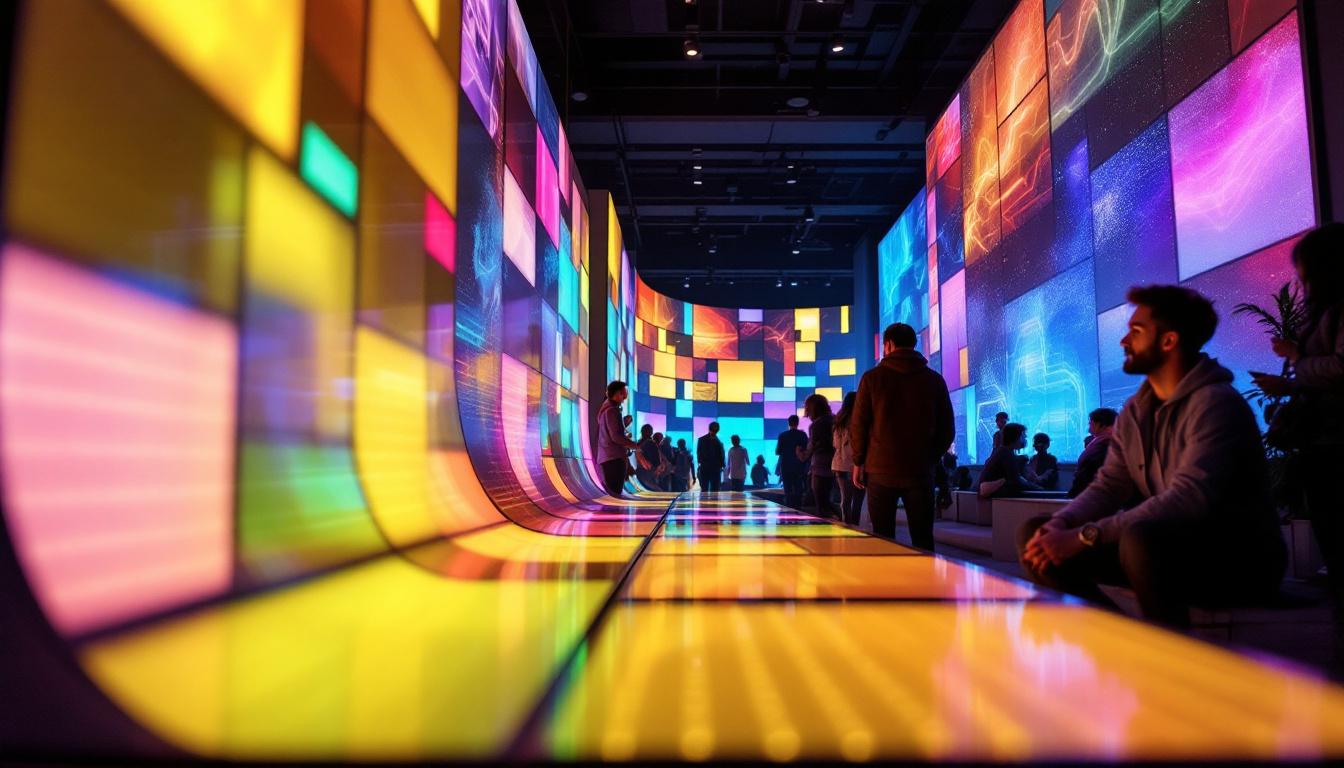
Architects and interior designers are increasingly integrating flexible LED tiles into their projects to create visually striking environments. From illuminated curved walls to interactive art installations, these tiles provide both functional lighting and dynamic content display capabilities.
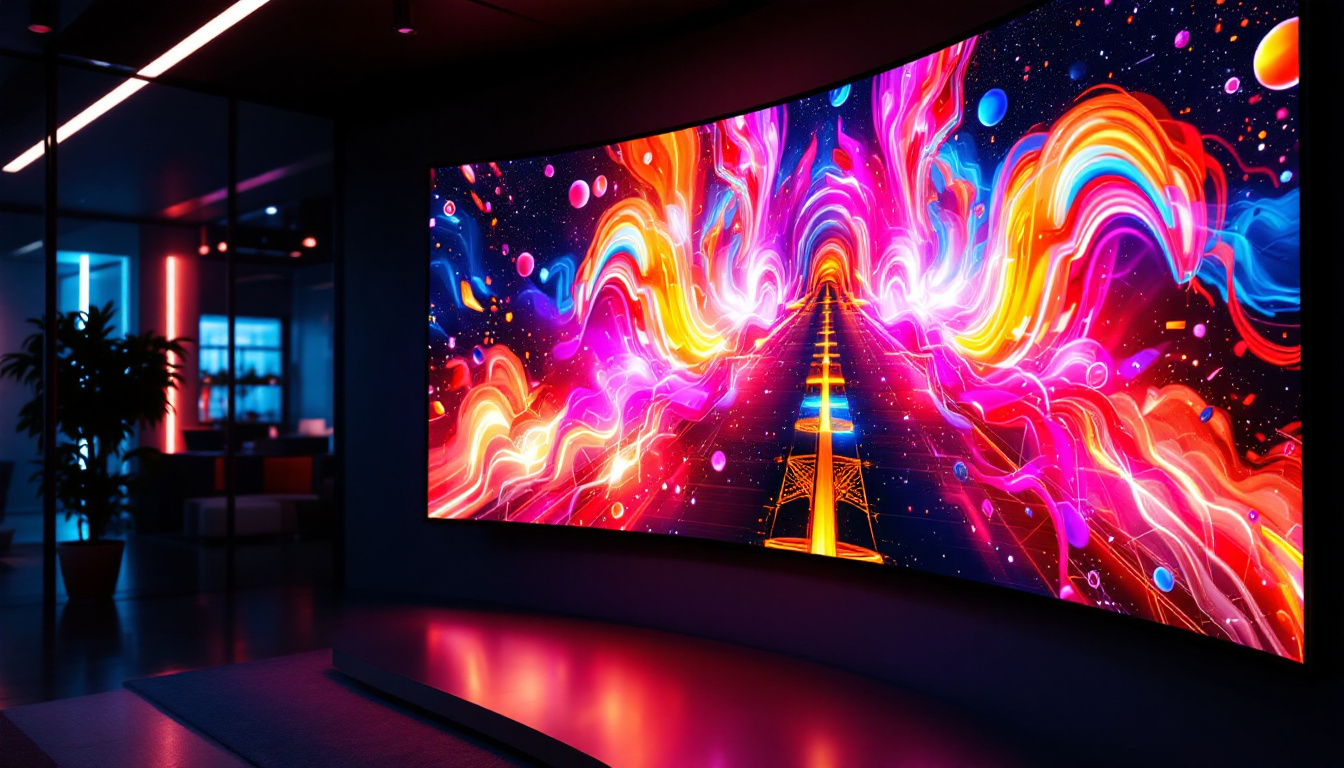
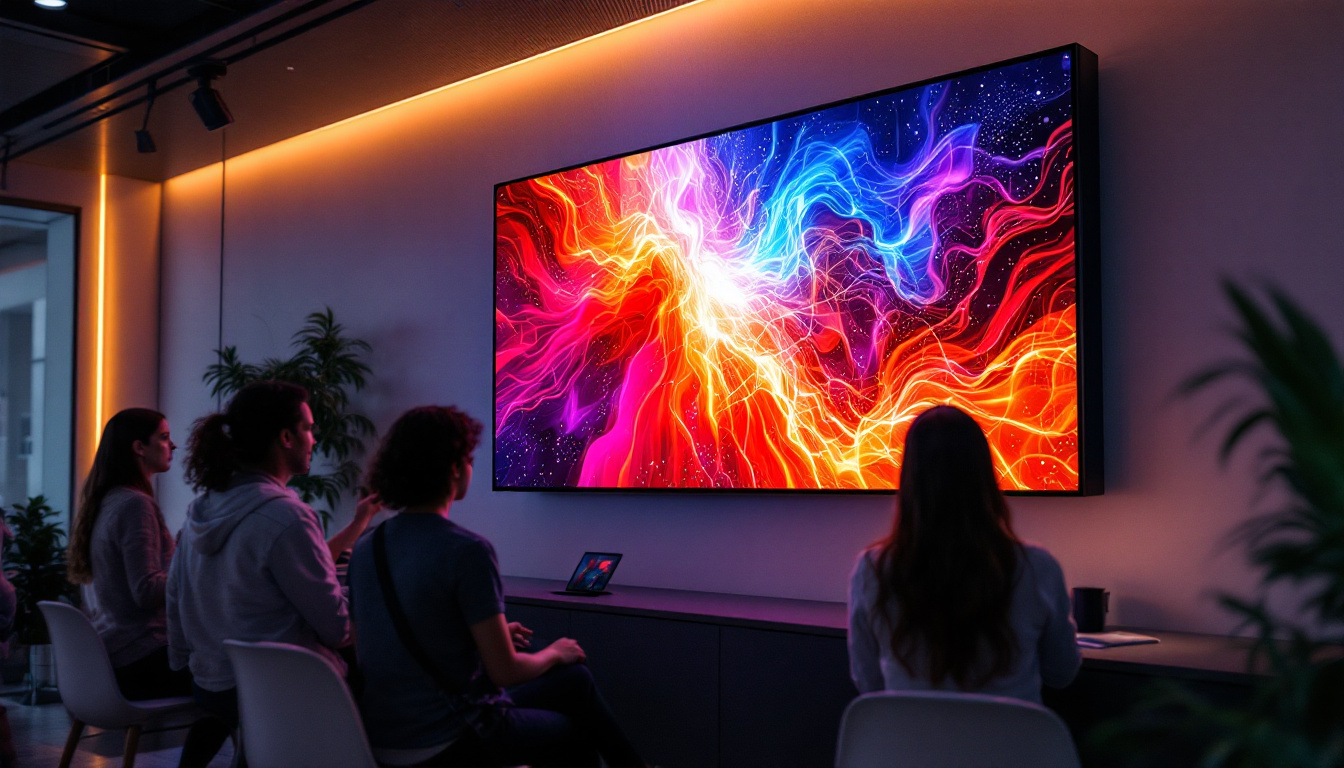
Hotels, casinos, and entertainment venues use flexible LED tiles to enhance ambiance and create memorable experiences. For instance, a luxury hotel lobby might feature a sweeping LED display that mimics natural waves or abstract patterns, seamlessly blending technology with design. This integration helps venues differentiate themselves and elevate guest engagement. Beyond aesthetics, these tiles can also serve practical purposes, such as displaying important information or wayfinding directions, ensuring that guests have a seamless experience. Furthermore, their energy-efficient nature aligns with sustainable design practices, making them an attractive option for eco-conscious architects and designers looking to reduce the carbon footprint of their projects.
Events and Entertainment
Concerts, exhibitions, and live events benefit from the portability and adaptability of flexible LED tiles. Their lightweight and modular design allow for quick assembly and disassembly, essential for touring productions and temporary installations.
Flexible LED displays can be shaped to form immersive environments, such as curved backdrops or wrap-around stages, enhancing the audience’s visual experience. The high brightness and contrast ratios ensure visibility even in brightly lit venues, making them a preferred choice for event producers worldwide. Additionally, the ability to synchronize these displays with sound and lighting systems creates a cohesive sensory experience that captivates audiences. As technology continues to evolve, the potential for augmented reality (AR) integration with flexible LED tiles opens up new avenues for storytelling and audience interaction, allowing for a more engaging and memorable event experience that blurs the lines between the physical and digital worlds.
Key Benefits of Flexible LED Tiles
Understanding the advantages of flexible LED tiles helps explain their growing popularity and why they are considered a future-proof investment in display technology.
Design Versatility and Customization
The primary benefit of flexible LED tiles is their ability to conform to virtually any shape or surface. This design versatility allows creatives to break free from the constraints of flat screens, enabling more engaging and innovative visual storytelling.
Customization extends beyond shape to include size, resolution, and pixel pitch. Manufacturers offer a range of options to suit different viewing distances and environments, ensuring optimal image quality regardless of application.
Durability and Reliability
Despite their flexibility, these LED tiles are engineered for durability. Many models are rated for outdoor use, with weatherproofing features such as IP65 or higher, protecting against dust, moisture, and temperature fluctuations. This robustness makes them suitable for long-term installations in challenging environments.
Additionally, the modular design facilitates easy maintenance. Individual tiles can be replaced or serviced without dismantling the entire display, minimizing downtime and maintenance costs.
Energy Efficiency and Performance
Flexible LED tiles utilize energy-efficient diodes that consume less power compared to traditional lighting solutions. Advances in LED technology have improved brightness and color accuracy while reducing energy consumption, contributing to lower operational costs and environmental impact.
High refresh rates and wide viewing angles ensure smooth, vibrant visuals that maintain quality regardless of the viewer’s position, enhancing the overall user experience.
Challenges and Considerations When Using Flexible LED Tiles
While flexible LED tiles offer many advantages, there are important factors to consider to ensure successful implementation.
Cost Implications
Flexible LED tiles tend to be more expensive upfront than traditional rigid panels due to the complexity of their materials and manufacturing processes. Budgeting for these displays requires accounting for not only the initial purchase price but also installation, content management, and maintenance expenses.
However, the long-term benefits such as reduced installation time, lower maintenance, and enhanced engagement often justify the investment for many businesses and organizations.
Technical Expertise and Installation
Installing flexible LED tiles requires specialized knowledge to handle the delicate flexible circuits and ensure proper electrical connections. Professional installation is recommended to avoid damage and guarantee optimal performance.
Designing content for curved or irregular displays also demands creative and technical skills, as traditional flat content may need adjustment or reformatting to appear correctly on flexible surfaces.
Environmental and Usage Limitations
Although many flexible LED tiles are weather-resistant, extreme environmental conditions such as very high humidity, saltwater exposure, or mechanical stress may affect longevity. Selecting the right product specifications and protective measures is crucial for outdoor or harsh environment applications.
Furthermore, the degree of flexibility varies by product, with some tiles capable of tight bends while others support only gentle curves. Understanding these limitations during the design phase helps avoid structural issues or visual distortions.
The Future of Flexible LED Tiles in Display Technology
As LED technology continues to advance, flexible LED tiles are poised to become even more integral to the future of digital displays. Innovations in materials science, miniaturization, and smart integration are expanding their capabilities and applications.
Integration with Smart Technologies
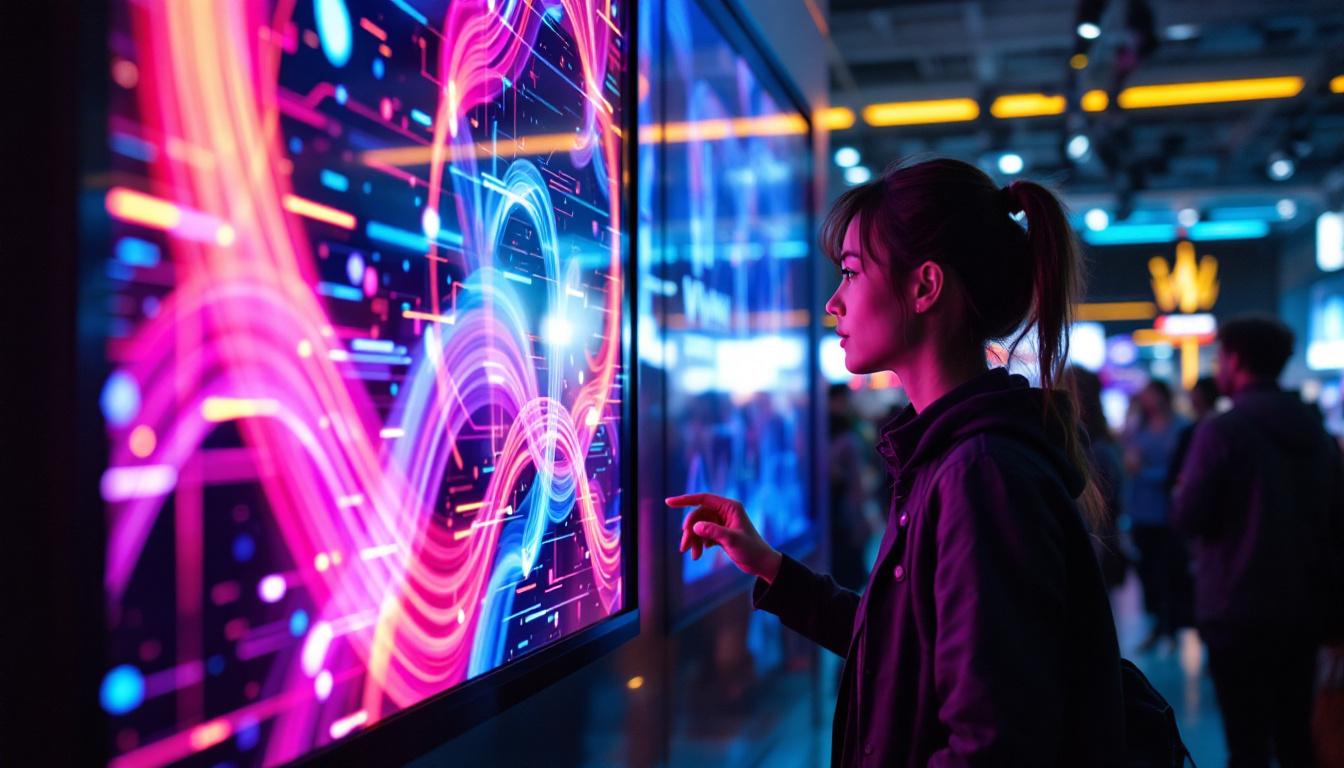
Emerging trends include embedding sensors, touch interactivity, and IoT connectivity within flexible LED tiles, transforming them from passive displays into interactive communication platforms. This evolution enables real-time data visualization, personalized content delivery, and enhanced user engagement.
Improved Resolution and Pixel Density
Ongoing improvements in LED miniaturization are leading to higher pixel densities, allowing flexible LED tiles to deliver ultra-high-definition visuals suitable for close-up viewing. This opens new possibilities in retail, museums, and corporate environments where detail and clarity are paramount.
Sustainability and Eco-Friendly Materials
Manufacturers are increasingly focusing on sustainability by developing eco-friendly substrates and recyclable components. Energy-efficient designs and longer product lifecycles contribute to reducing the environmental footprint of digital displays, aligning with global sustainability goals.
Conclusion
Flexible LED tiles represent a transformative leap in display technology, merging high-quality visuals with unprecedented physical adaptability. Their ability to conform to diverse shapes and environments unlocks creative potential across advertising, architecture, entertainment, and beyond. While challenges such as cost and technical complexity exist, the benefits in design freedom, durability, and performance make flexible LED tiles a compelling choice for modern digital display solutions.
As technology progresses, these displays will become even more sophisticated, interactive, and sustainable, solidifying their role as a cornerstone of future visual communication. For businesses and creatives seeking to push the boundaries of digital engagement, flexible LED tiles offer a versatile and powerful medium that is well worth exploring.
Explore the Future of Visual Engagement with LumenMatrix
Ready to elevate your visual communication and captivate your audience with the most innovative LED display technology? Discover LumenMatrix’s comprehensive range of LED display solutions, from Indoor and Outdoor LED Wall Displays to specialized options like Vehicle, Sports, and Floor LED Displays. Embrace the power of Custom, All-in-One, and Transparent LED Displays to create unforgettable visual experiences. Join the revolution in digital signage with LumenMatrix and share your message with unparalleled impact and clarity. Check out LumenMatrix LED Display Solutions today and transform your space into a beacon of creativity and engagement.