In the fast-paced world of trade shows and exhibitions, grabbing attention is paramount. With thousands of brands competing for the spotlight, the tools you use to showcase your products or services can make all the difference. One of the most powerful visual tools available today is the LED display. But what exactly are LED displays, and why have they become a staple in tradeshow marketing? This comprehensive guide will explore the technology behind LED displays, their benefits, and how to effectively leverage them for your next tradeshow event.
Understanding LED Display Technology
What Is an LED Display?
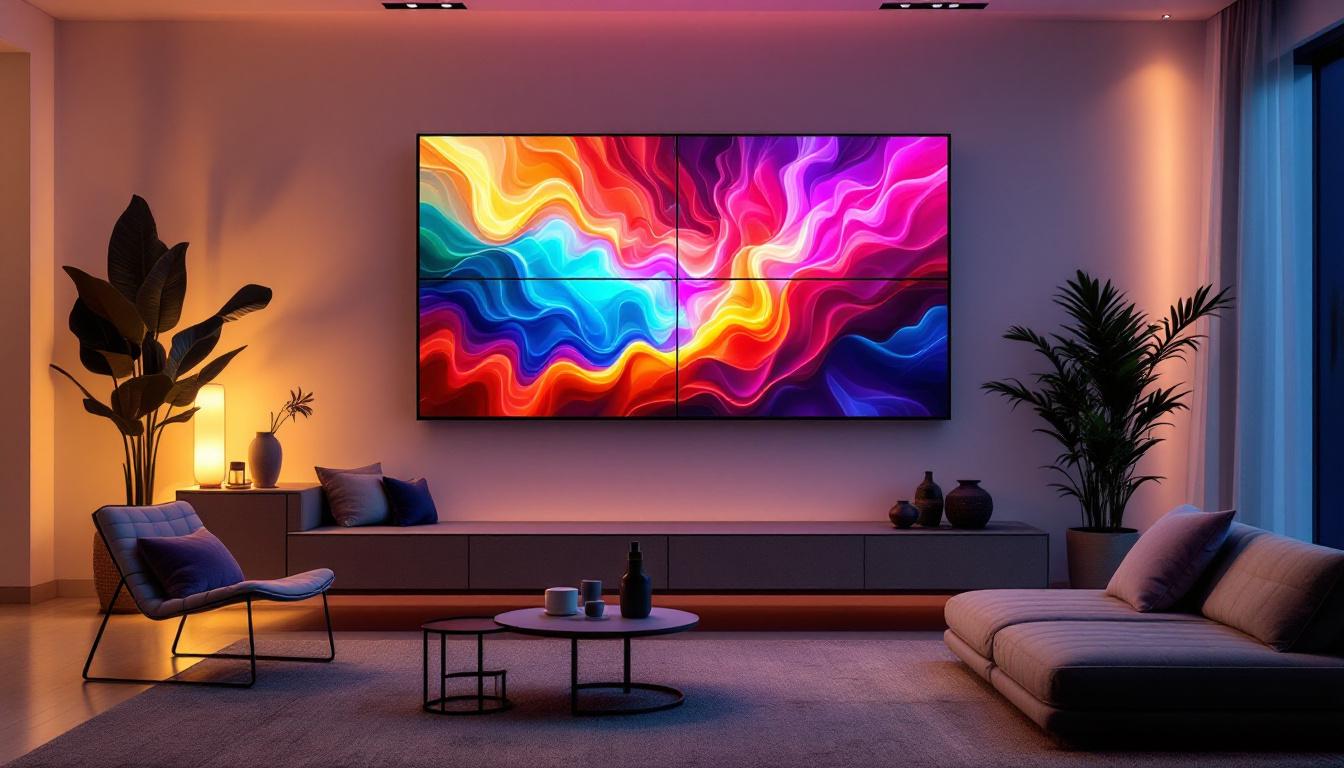
LED stands for Light Emitting Diode, a semiconductor device that emits light when an electric current passes through it. An LED display is a flat panel that uses an array of these tiny diodes to create images and videos. Unlike traditional LCD or projection screens, LED displays produce their own light, resulting in brighter and more vibrant visuals.
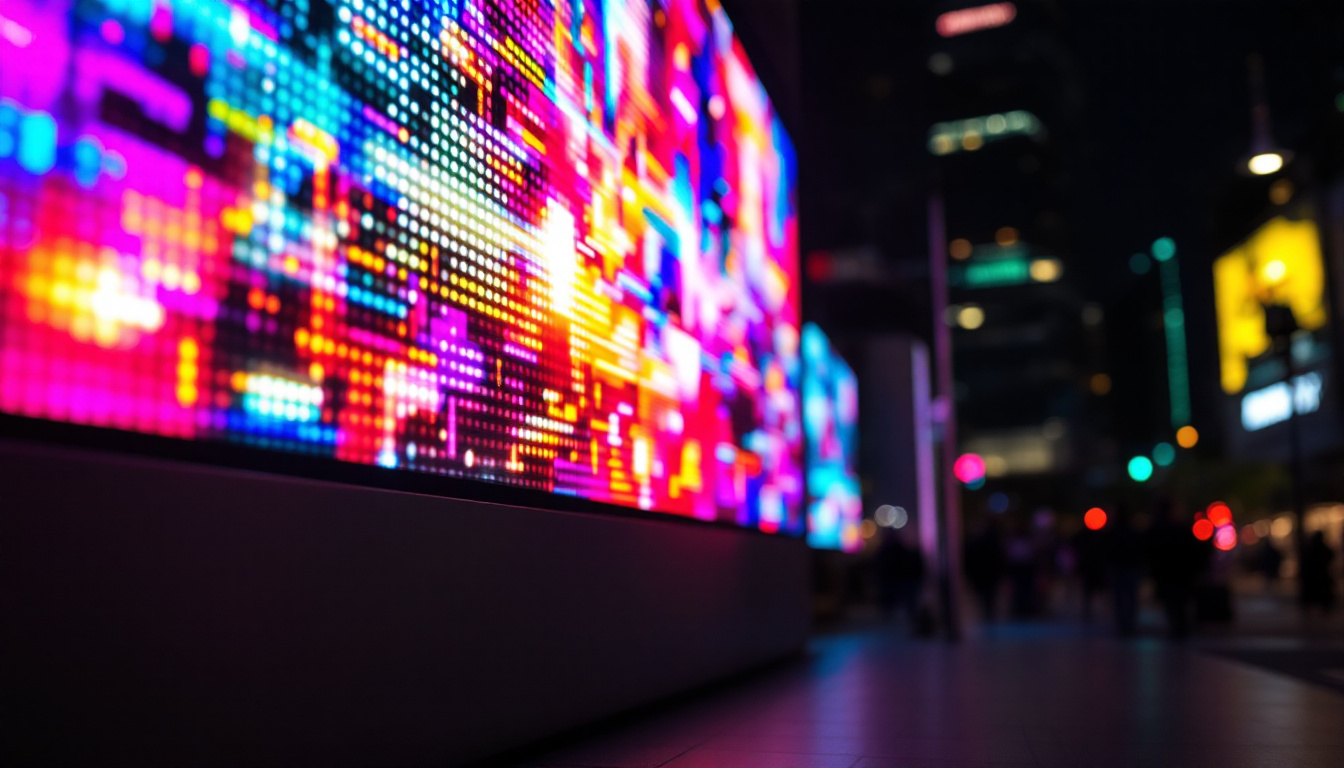
LED displays are composed of thousands to millions of these tiny diodes, arranged in a grid. Each diode can emit red, green, or blue light, and by varying the intensity of each color, the display can produce a full spectrum of colors. This technology is often referred to as RGB LED technology. The combination of these colors at different intensities allows for the creation of intricate images and videos, making LED displays a popular choice for advertising and entertainment.
Furthermore, the efficiency of LED technology not only enhances the brightness and color accuracy but also contributes to energy savings. Compared to traditional display technologies, LED displays consume less power, which is particularly beneficial for large-scale installations that operate for extended periods. This efficiency is a significant factor in their growing popularity across various industries, from retail to broadcasting.
Types of LED Displays Used in Tradeshows
There are several types of LED displays commonly used in tradeshow environments, each with unique characteristics:
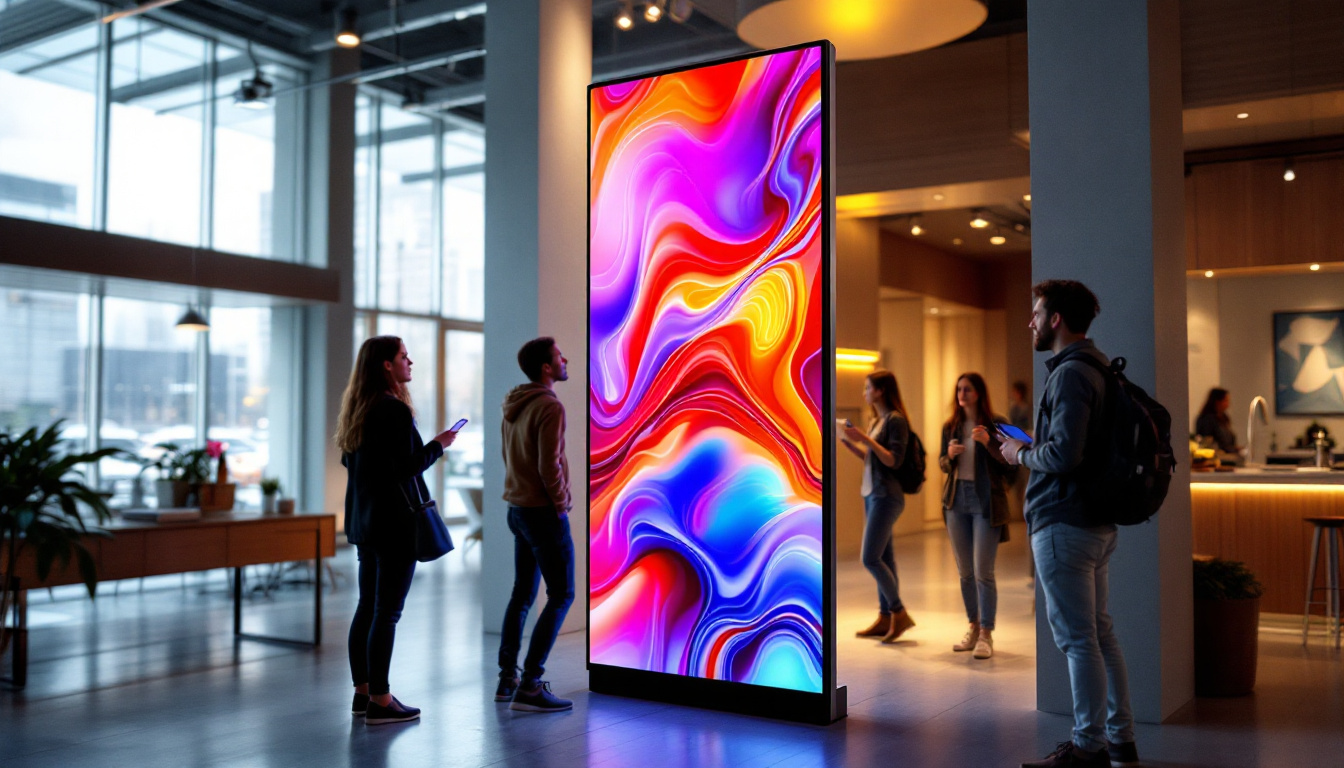
- Indoor LED Displays: Designed for controlled lighting environments, these displays have a higher pixel density and offer sharper images. They are ideal for booth backdrops, product demonstrations, and presentations. The clarity and vibrancy of indoor LED displays can captivate audiences, drawing them into the booth’s offerings.
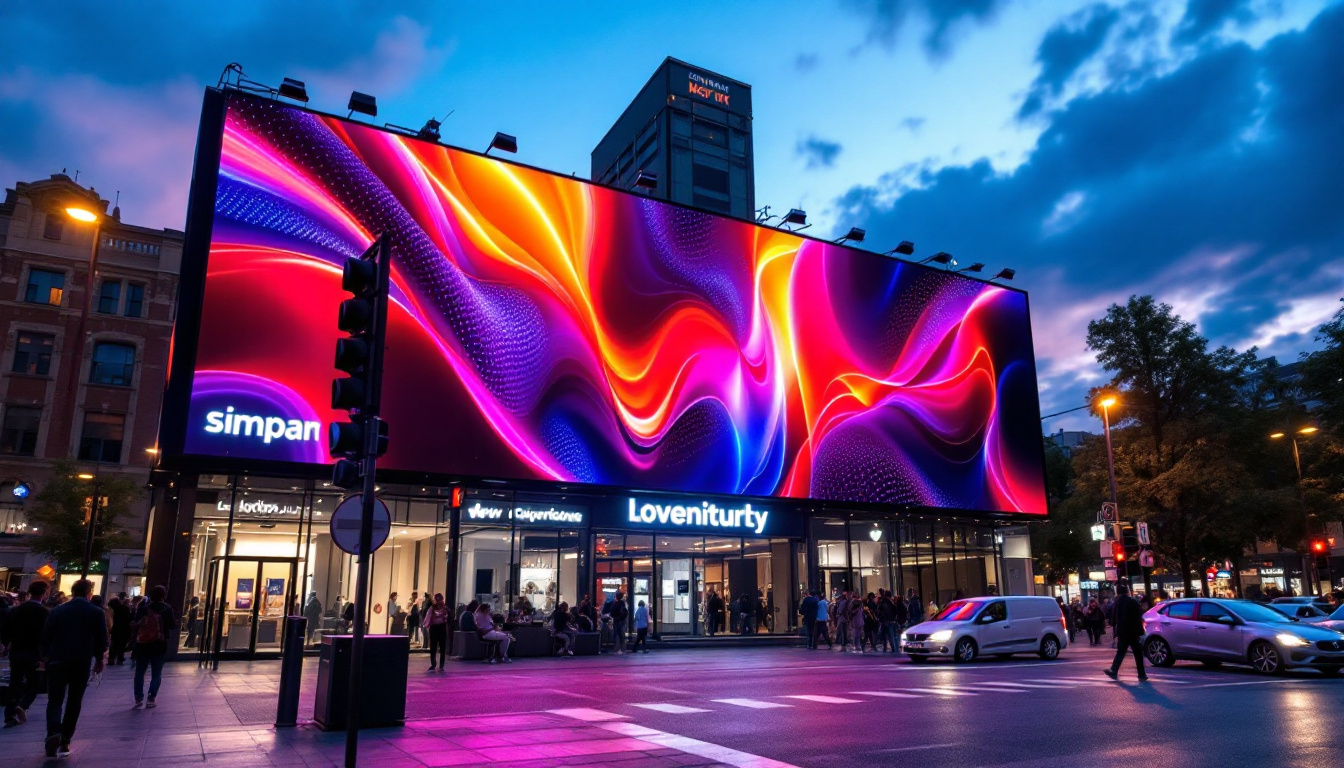
- Outdoor LED Displays: Built to withstand weather conditions, these displays are brighter to combat sunlight glare and are often used for outdoor signage or large venue events. Their robust construction ensures durability, allowing them to function effectively even in harsh conditions, making them a reliable choice for outdoor advertising.
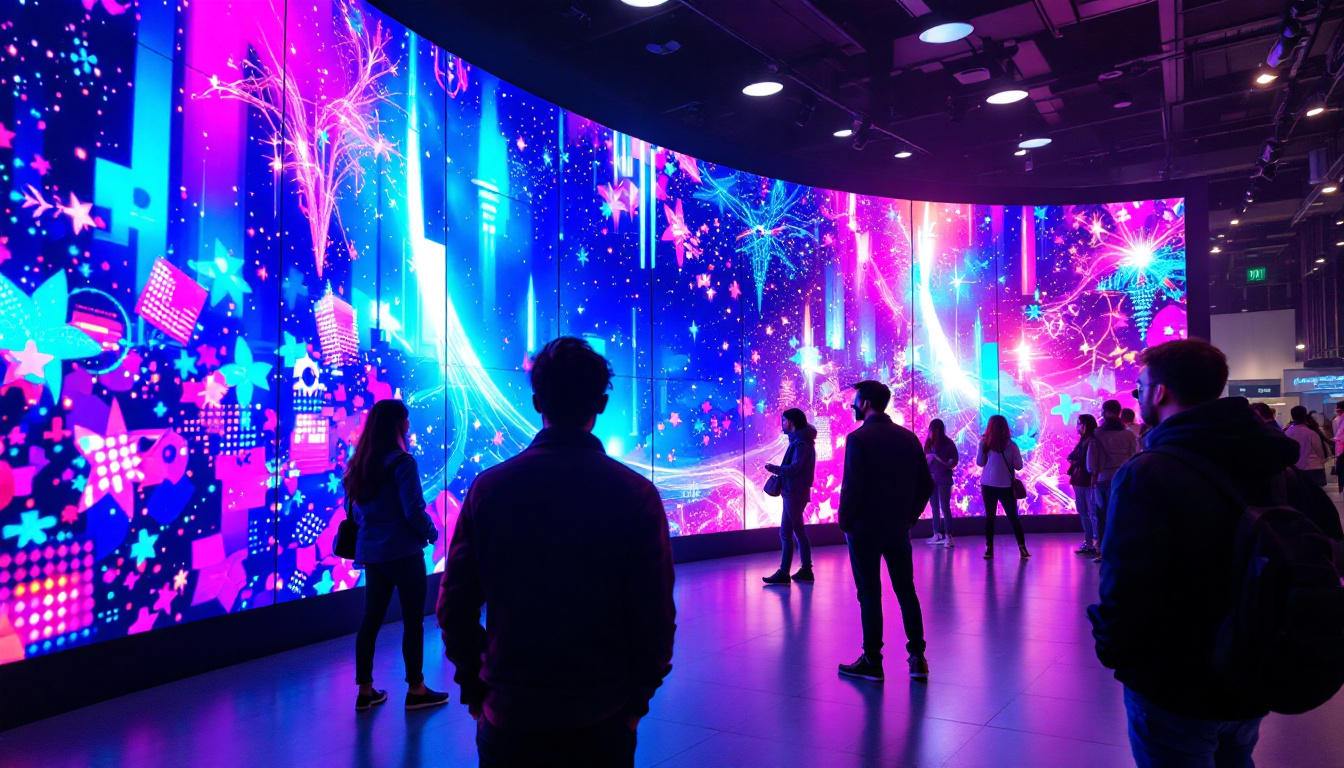
- Flexible and Curved LED Displays: These innovative displays can bend and curve, allowing for creative booth designs and immersive experiences. Their adaptability enables exhibitors to create unique shapes and configurations that can enhance the visual appeal of their presentations, making them stand out in a crowded tradeshow environment.
- Transparent LED Displays: These allow light to pass through, making them perfect for glass walls or windows, creating a futuristic and open feel. This type of display not only serves as a medium for advertising but also maintains visibility and openness in the space, allowing for a seamless integration of technology and architecture.
In addition to these types, LED displays can also be categorized by their pixel pitch, which refers to the distance between the centers of two adjacent pixels. A smaller pixel pitch results in higher resolution and better image quality, making it crucial for applications where detail is paramount. As technology advances, the pixel pitch of LED displays continues to decrease, enabling even more stunning visuals that can engage audiences at a deeper level.
The Advantages of Using LED Displays at Tradeshows
Unmatched Visual Impact
One of the most significant advantages of LED displays is their ability to captivate audiences with vivid, high-resolution visuals. According to a 2023 industry report by Event Marketer, over 70% of tradeshow attendees recall brands that used dynamic digital displays, compared to just 35% for static signage. The brightness and color accuracy of LED displays ensure your content stands out even in brightly lit exhibition halls.
Versatility and Customization
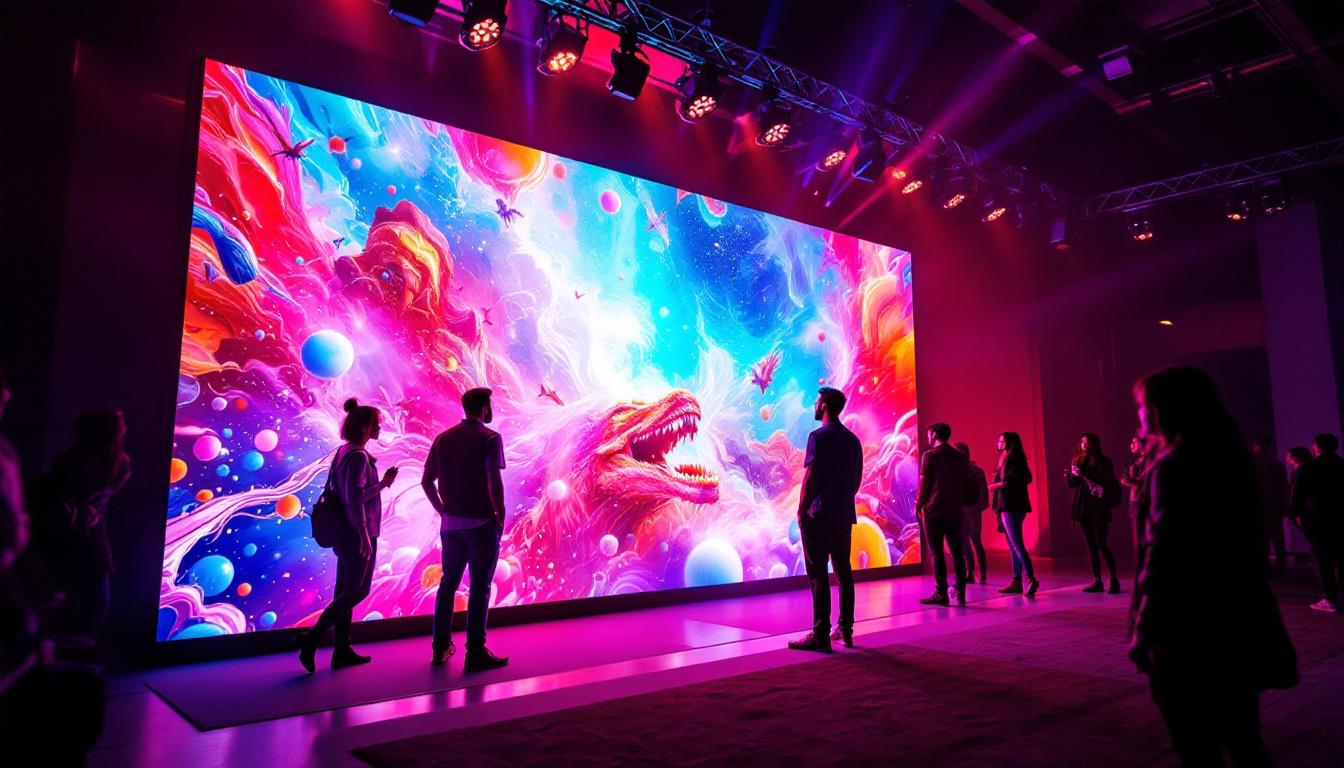
LED displays offer unparalleled flexibility in terms of size, shape, and content. Whether you want a massive video wall spanning your entire booth or a smaller, interactive display, LED technology can accommodate your needs. Content can be updated in real-time, allowing for dynamic messaging, live social media feeds, or interactive presentations that engage visitors on a deeper level.
Durability and Longevity
Trade shows often require equipment to be transported, assembled, and disassembled repeatedly. LED displays are designed with durability in mind, often featuring robust casing and modular panels that can be easily repaired or replaced. With proper care, LED displays can last for tens of thousands of hours, making them a cost-effective investment for companies that participate in multiple events annually.
Energy Efficiency
Compared to older display technologies, LED displays consume significantly less power. This not only reduces operational costs during events but also aligns with growing corporate sustainability goals. Many LED manufacturers now offer eco-friendly options with certifications that appeal to environmentally conscious brands and attendees alike.
How to Choose the Right LED Display for Your Tradeshow
Consider Your Booth Size and Layout
The physical dimensions of your booth will heavily influence the size and type of LED display you should select. For smaller booths, compact or curved LED panels can create a sense of space without overwhelming the area. Larger booths can benefit from expansive video walls that serve as the focal point of your presentation.
Evaluate Pixel Pitch and Resolution
Pixel pitch refers to the distance between the centers of two adjacent pixels and is a critical factor in determining image clarity. For tradeshow displays viewed up close, a smaller pixel pitch (1.5mm to 3mm) is ideal to ensure crisp visuals. Larger pixel pitches (4mm and above) are suitable for displays intended to be viewed from a distance.
Brightness and Viewing Angle
Brightness is measured in nits, and for indoor tradeshow environments, a brightness level between 800 to 1,500 nits is generally sufficient. However, if your booth is near windows or under strong lighting, higher brightness may be necessary. Additionally, a wide viewing angle ensures that your content is visible and clear from different positions around your booth, maximizing your reach.
Content Management and Software Compatibility
Modern LED displays come with sophisticated content management systems (CMS) that allow you to schedule, update, and customize your content easily. It’s essential to choose a display that supports user-friendly software compatible with your existing marketing tools. Some CMS platforms also offer analytics, helping you measure engagement and optimize your messaging.
Maximizing the Impact of Your LED Display at Tradeshows
Create Engaging and Dynamic Content
Having a high-quality LED display is only part of the equation; the content you showcase plays a crucial role in attracting and retaining visitor attention. Use vibrant videos, animations, and interactive elements that tell your brand story compellingly. Incorporate calls-to-action and highlight product features or customer testimonials to build trust and interest.
Integrate LED Displays with Other Marketing Elements
LED displays work best when integrated into a cohesive tradeshow strategy. Combine them with physical product demos, printed materials, and live presentations to create a multi-sensory experience. For example, use the LED screen to display a live feed of your product in action or to showcase social media interactions happening in real-time.
Leverage Interactivity
Interactive LED displays can significantly enhance visitor engagement. Touchscreen capabilities, gesture controls, or integration with mobile apps allow attendees to explore your offerings at their own pace. This personalized experience can increase dwell time at your booth and generate higher-quality leads.
Plan for Logistics and Setup
Efficient setup and teardown are vital for a smooth tradeshow experience. Work with experienced vendors who specialize in LED display rentals or sales for events. Ensure that your display is easy to assemble and transport, and plan for technical support during the event to handle any unforeseen issues quickly.
Case Studies: Successful LED Display Implementations
Tech Innovators at CES
At the 2023 Consumer Electronics Show (CES), a leading tech company utilized a 20-foot-wide curved LED video wall to showcase their latest smart home devices. The immersive display featured real-time product demonstrations and interactive tutorials, resulting in a 40% increase in booth traffic compared to previous years. The company credited the LED display’s visual impact and interactivity as key drivers of their success.
Automotive Brand at Auto Expo
During the 2023 Auto Expo, a major automotive manufacturer installed a transparent LED display on the glass walls of their booth. This innovative approach allowed visitors to see the vehicles inside while simultaneously viewing dynamic content about performance specs and safety features. The unique use of transparent LED technology generated significant media coverage and enhanced brand perception.
Future Trends in LED Displays for Tradeshows
MicroLED and MiniLED Technologies
Emerging MicroLED and MiniLED technologies promise even higher resolution, better color accuracy, and improved energy efficiency. These advancements will enable tradeshow exhibitors to create more immersive and visually stunning displays with thinner, lighter panels.
Augmented Reality (AR) Integration
Combining LED displays with AR technology is becoming increasingly popular. This integration allows for interactive experiences where digital content is overlaid onto physical products, providing deeper insights and engagement opportunities for attendees.
AI-Driven Content Personalization
Artificial intelligence is beginning to play a role in content management, enabling real-time personalization based on visitor demographics and behavior. AI-powered LED displays can adapt messaging dynamically, ensuring that each visitor receives the most relevant information.
Conclusion
LED displays have revolutionized the way brands present themselves at tradeshows. Their vibrant visuals, flexibility, and durability make them an indispensable tool for creating memorable and engaging experiences. By understanding the technology, carefully selecting the right display, and crafting compelling content, exhibitors can maximize their impact and achieve greater success at their events.
As LED technology continues to evolve, staying informed about the latest trends and innovations will ensure your tradeshow presence remains cutting-edge and effective. Investing in LED displays is not just about keeping up with the competition—it’s about setting the stage for meaningful connections and lasting impressions.
Discover LumenMatrix LED Display Solutions
Ready to elevate your tradeshow presence and captivate your audience with the most advanced LED display technology? Look no further than LumenMatrix, a pioneer in crafting immersive visual experiences that will set your brand apart. From versatile Indoor LED Wall Displays to impactful Outdoor LED Wall Displays, and from dynamic Vehicle LED Displays to sleek LED Poster Displays, LumenMatrix offers a comprehensive range of solutions tailored to your needs. Embrace the future of visual communication with our LED Sports Displays, interactive Floor LED Displays, innovative Custom LED Displays, convenient All-in-One LED Displays, and stunning LED Transparent Displays. Take the first step towards transforming your tradeshow experience and Check out LumenMatrix LED Display Solutions today!